


Primary sourceDocumentc. 1527-1529
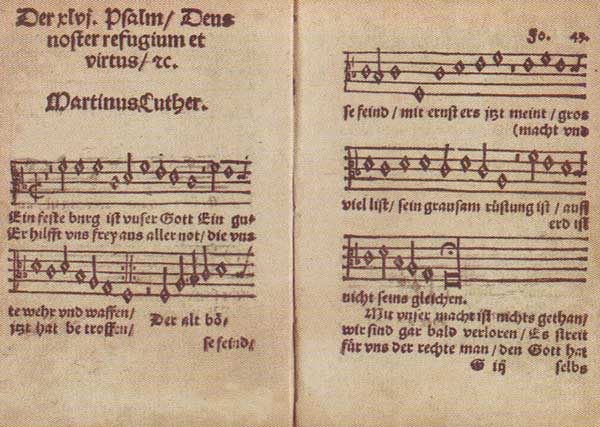
Ein' feste Burg ist unser Gott
Martin Luther · c. 1527-1529
Martin Luther's best-known hymn, with words and tune by him, written around 1527-1529 and later called the anthem of the Reformation.
Luther wrote both the words and the melody of this hymn, showing his use of song to spread Reformation ideas.
About this source
What it is
This is a hymn with both text and melody composed by Martin Luther between 1527 and 1529. Its first line paraphrases Psalm 46. The earliest surviving hymnal containing it dates from 1531, though it may have appeared in lost earlier hymnals from 1528-1529.
Why it matters
Known as the "Battle Hymn of the Reformation," it shows how Luther used congregational song to spread his religious message and build support for the Reformers' cause. It became deeply tied to Lutheran and even German national identity, was reportedly used by Swedish forces in later wars, and remains sung in Protestant and some Catholic churches today.
Look closer
- Why might a hymn, rather than a sermon or pamphlet, have been an effective way to spread Reformation ideas?
- What do the various stories about the hymn's origin (a diet, an execution, a war) tell us about how legends grow around famous works?
- How might singing together have united ordinary people behind a movement?
This document is part of the curated material that grounds the AI version of Martin Luther on Humy.ai — when students ask about related events, the AI can quote it and cite it.
More Martin Luther sources
Meet the AI Martin Luther →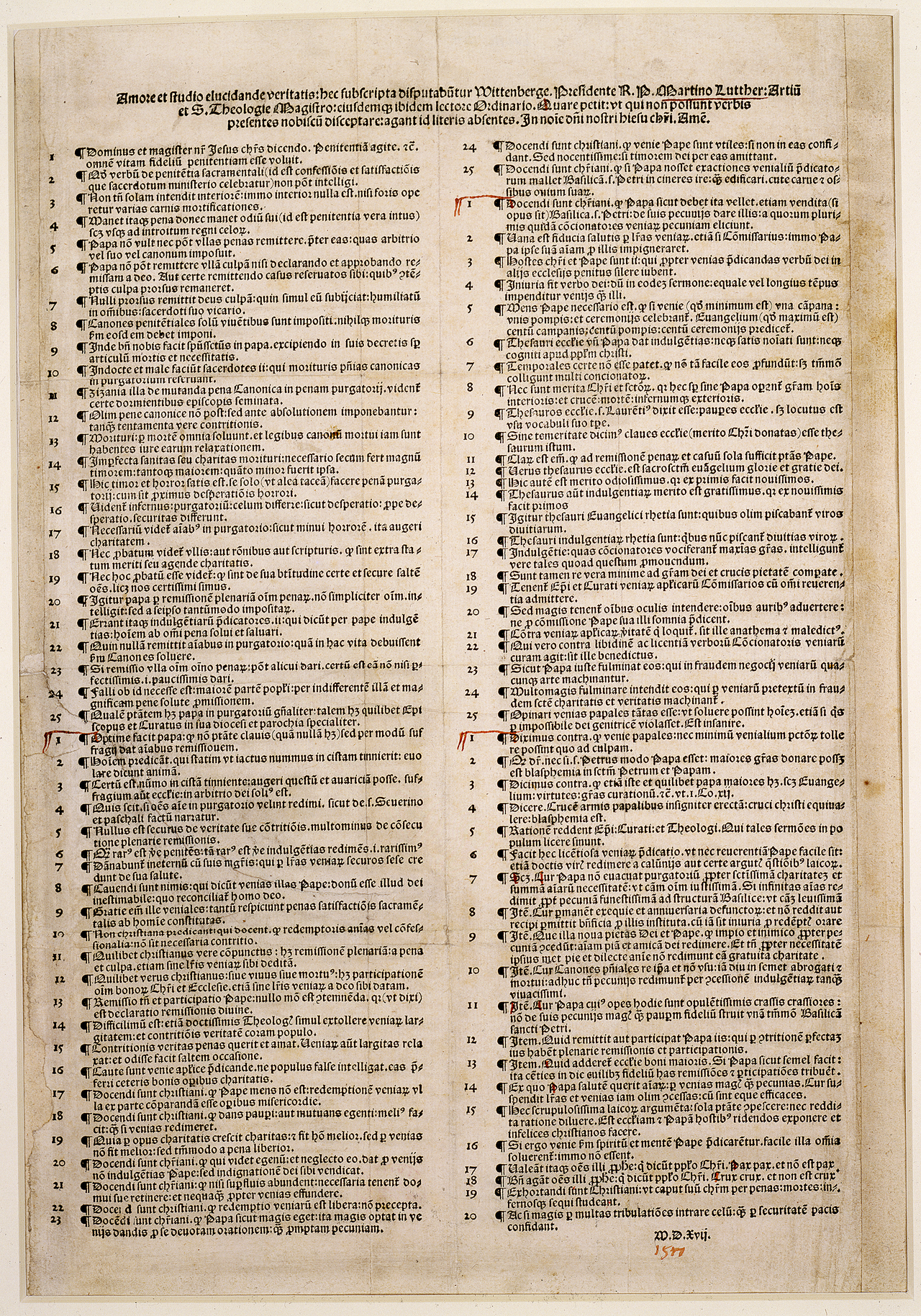 Document
Primary source
Ninety-five Theses
Martin Luther · 1517
 Painting
Secondary source
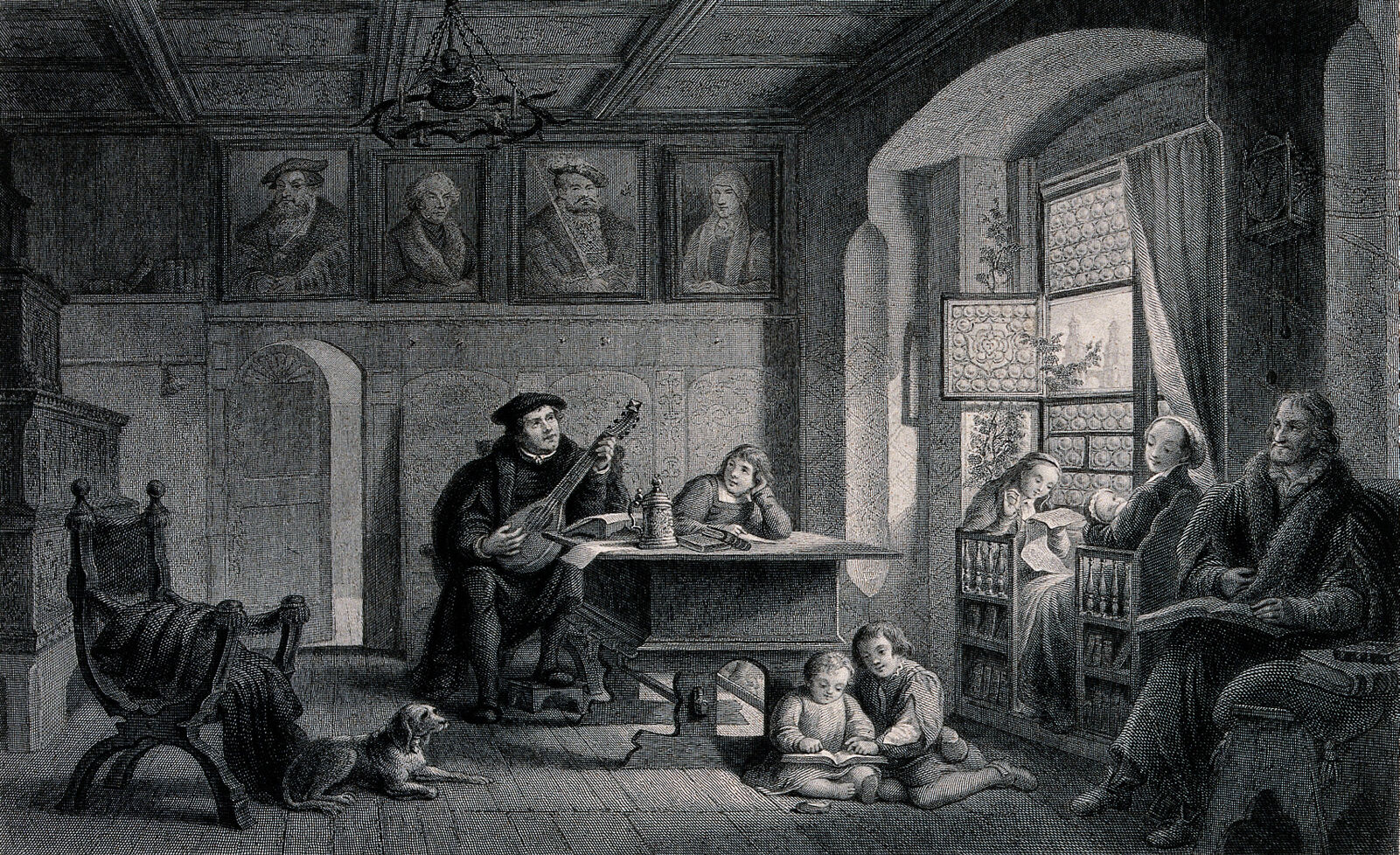
Domestic Life of Martin Luther at Wittenberg
Pierre-Antoine Labouchère (design); J. D. Nargeot (engraving) · 1800-1899
 Painting
Primary source
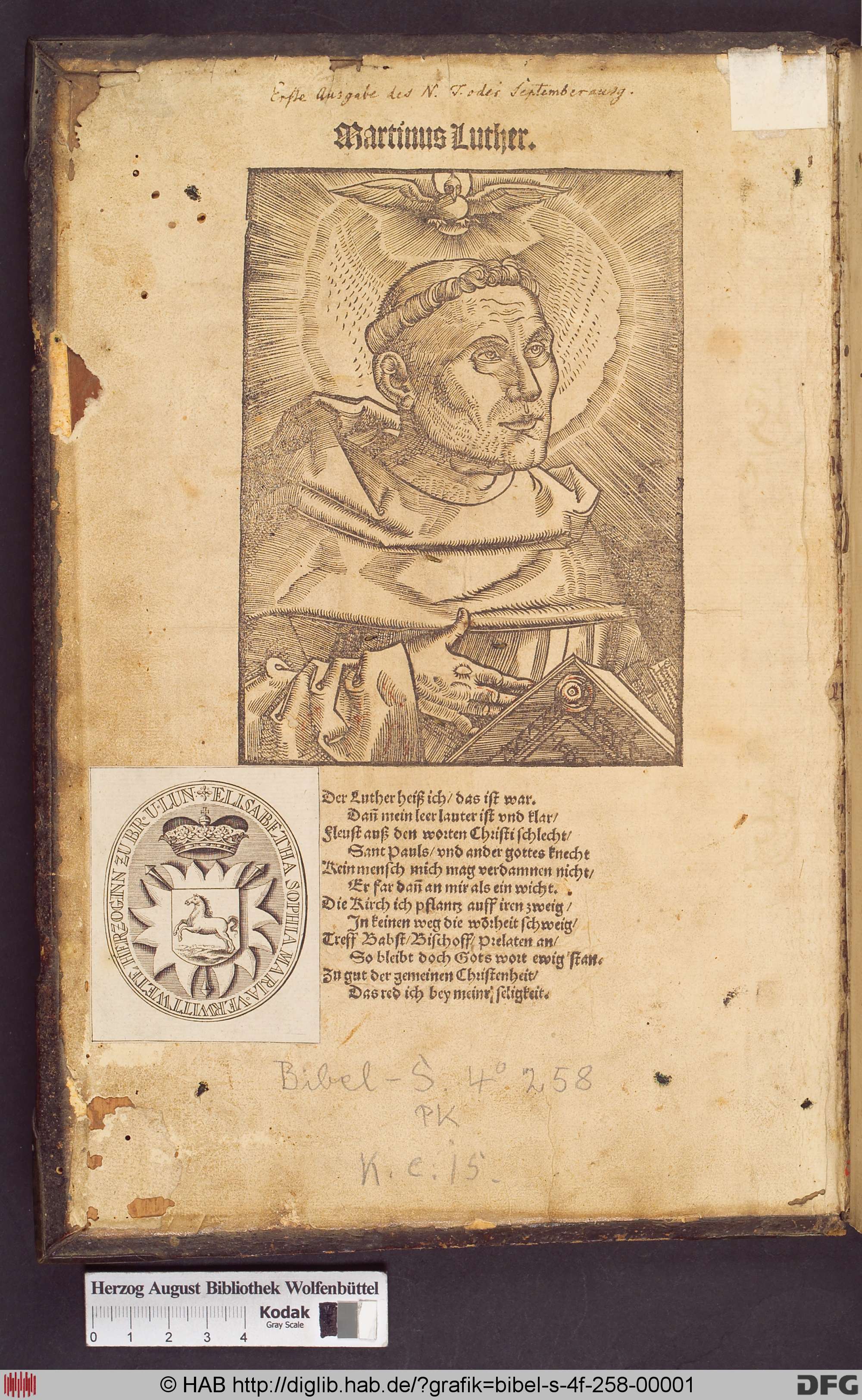
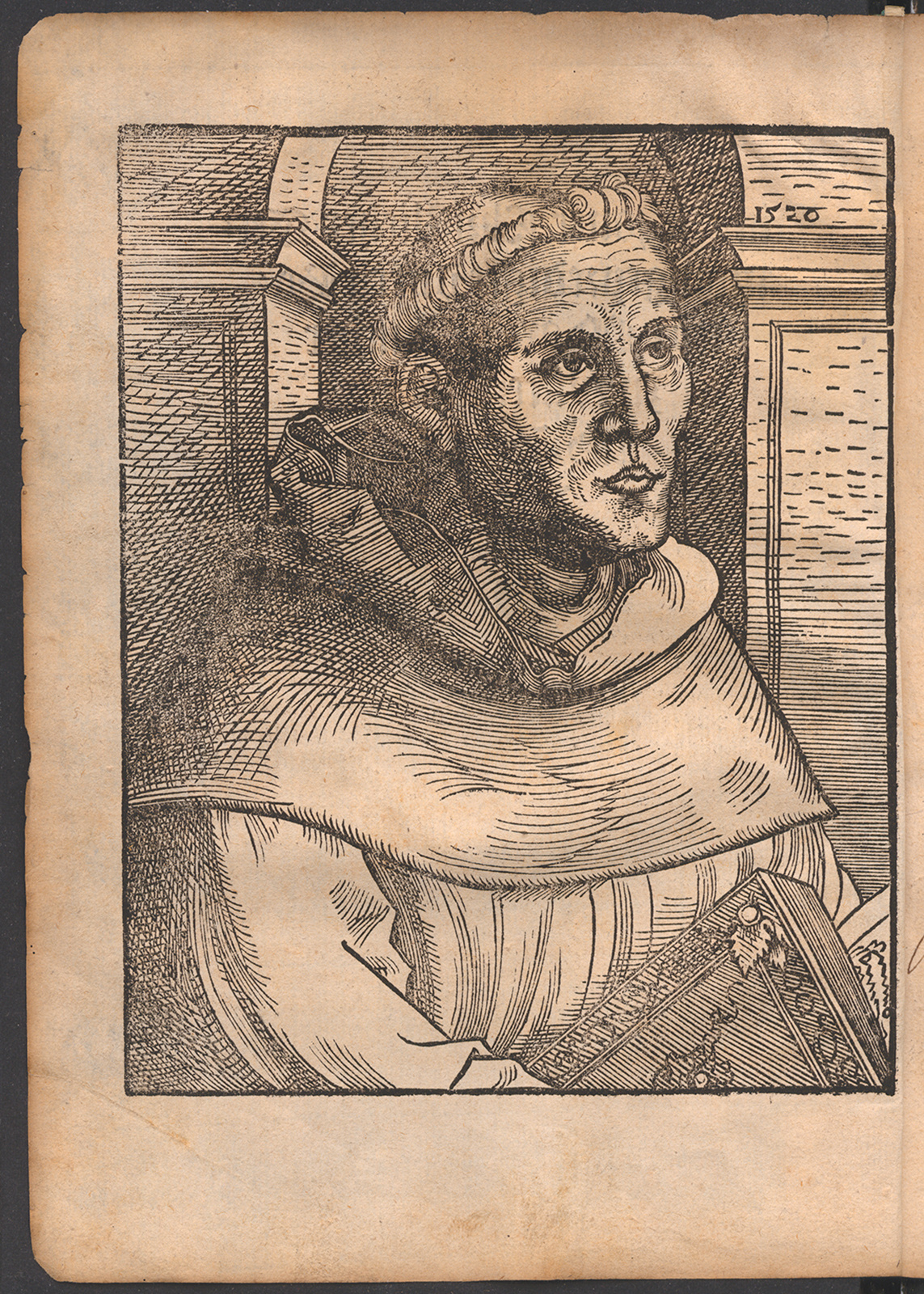
Martinus Luther Woodcut Portrait
Unbekannt (Formschneider)
 Painting
Primary source
Woodcut Portrait of Luther in Sermon Pamphlet
1523
 Book
Secondary source
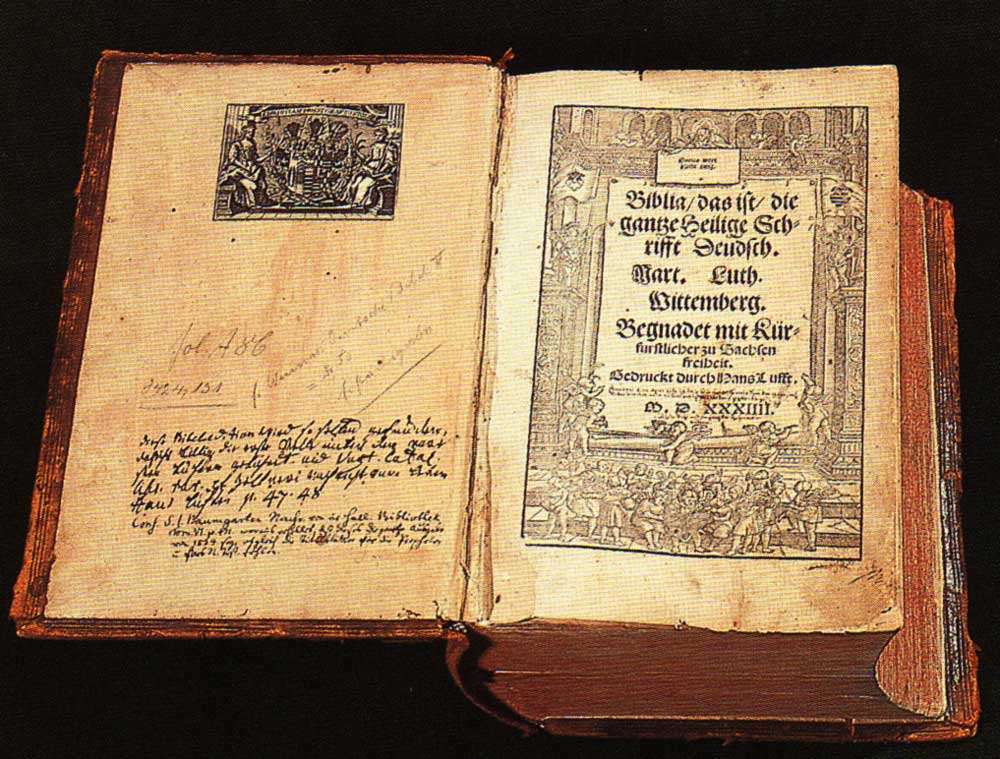
Luther Bible
Martin Luther · 1534
Ready when you are
Start chatting with Martin Luther now.
20 messages free · No credit card · Available in 50+ languages.