


Primary sourceDocument1 June 1869
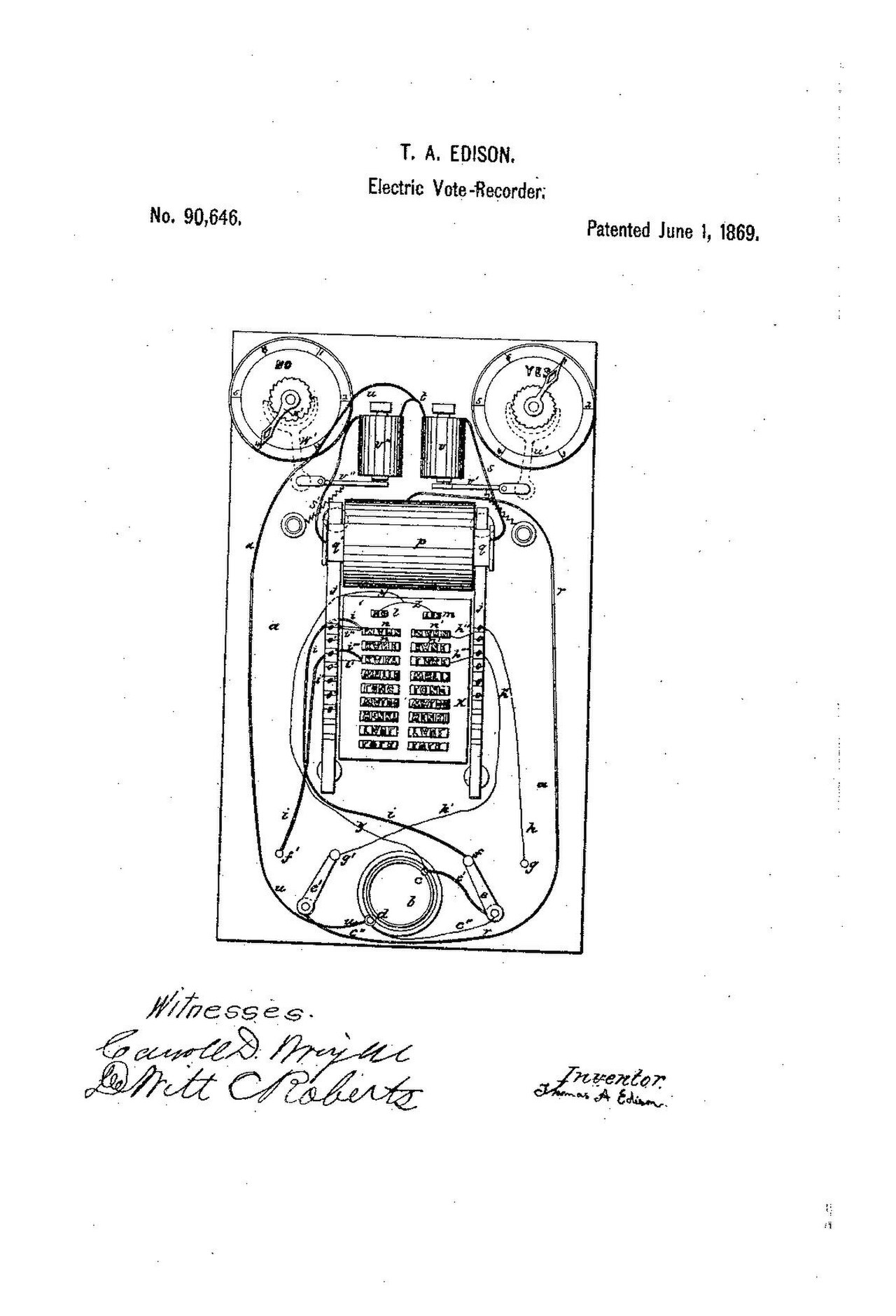
Electric Vote-Recorder Patent
Thomas Edison · 1 June 1869
Edison's first patent, from 1869, for a device meant to speed up vote counting in legislatures.
Edison's first patent, signed by him, from before his rise to fame as a successful inventor.
About this source
What it is
A United States patent document, number 90,646, granted to Thomas A. Edison in 1869 for an invention called the Electrographic Vote-Recorder and Register. It includes a technical drawing, a written description, and signatures of Edison and witnesses.
Why it matters
This was Edison's first patent, filed before he became a famous inventor. The device was meant to record votes in legislative bodies instantly and accurately, but it was never adopted commercially. It shows Edison as a young telegrapher-inventor still finding his path, learning that an invention's technical success does not guarantee its usefulness to buyers.
Look closer
- What problem was this invention meant to solve?
- Why do you think this invention failed commercially even though it worked?
- What does this early failure tell you about Edison's later approach to invention?
This document is part of the curated material that grounds the AI version of Thomas Edison on Humy.ai — when students ask about related events, the AI can quote it and cite it.
More Thomas Edison sources
Meet the AI Thomas Edison →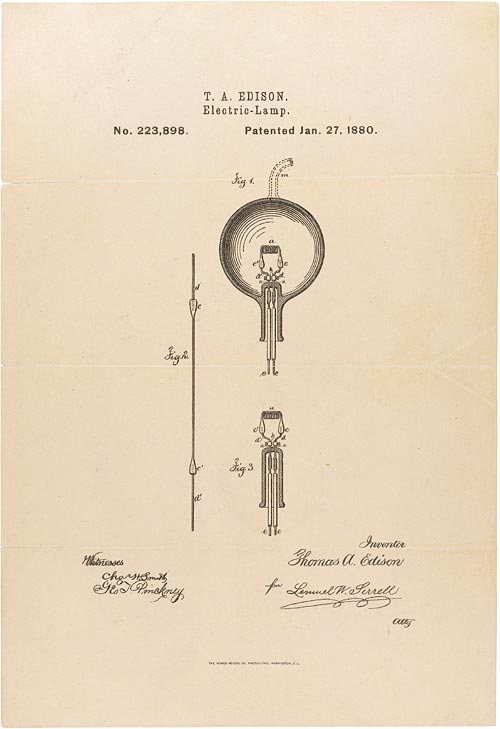 Document
Primary source
Thomas Edison's Patent Application for the Light Bulb
Thomas Edison · 27 January 1880
Primary source
Around the World on the Phonograph
Thomas Edison · c. late October 1888
 Artifact
Primary source
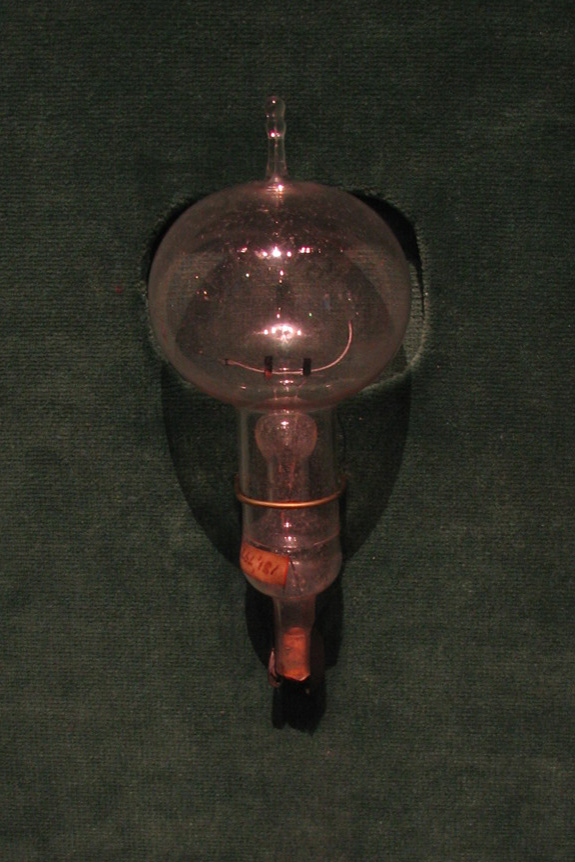
Edison Carbon-Filament Incandescent Lamp
Thomas Edison · 1879-1880
 Photograph
Primary source
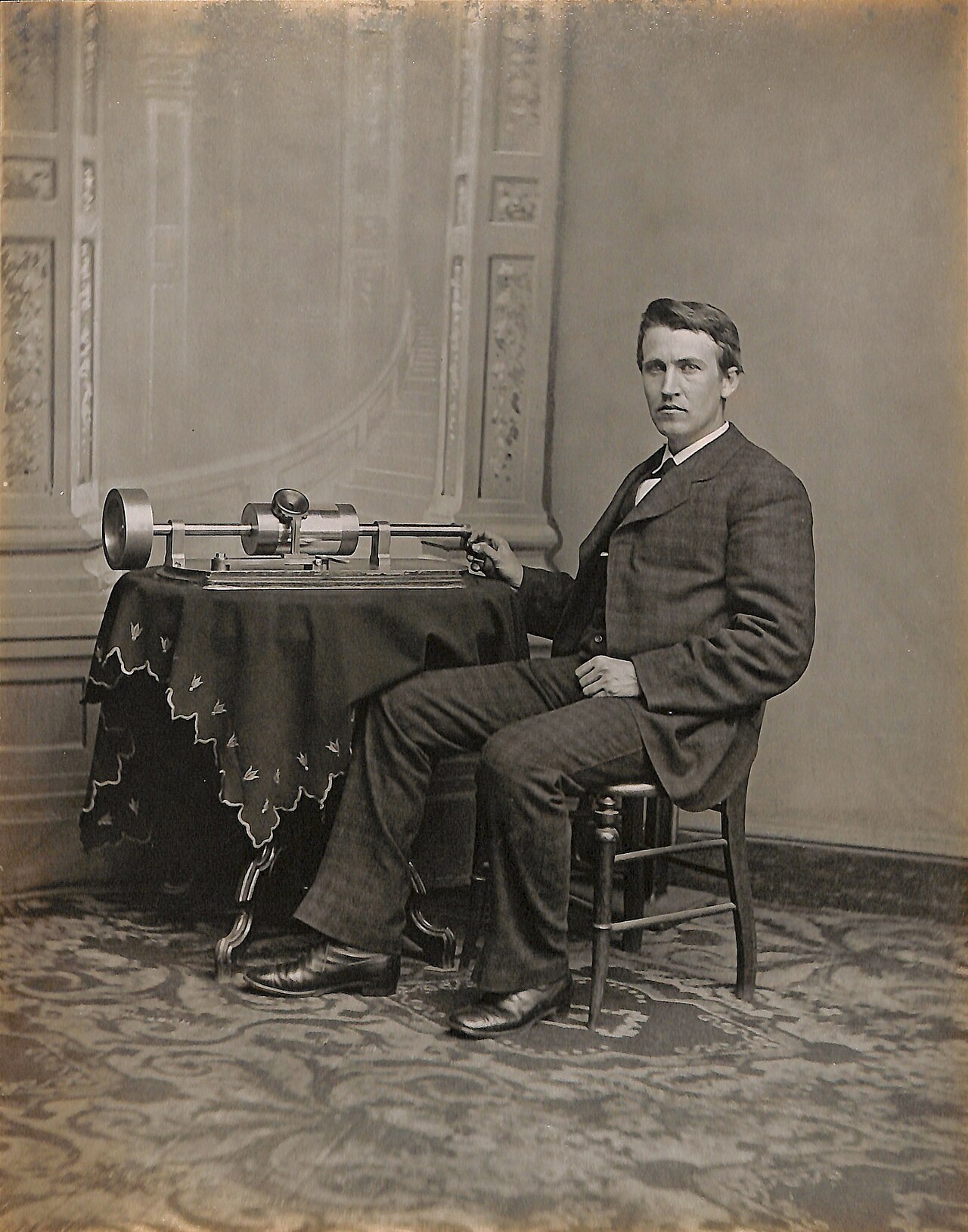
Thomas Edison with His Phonograph
Mathew Brady studio · April 1878
 Documentary
Primary source
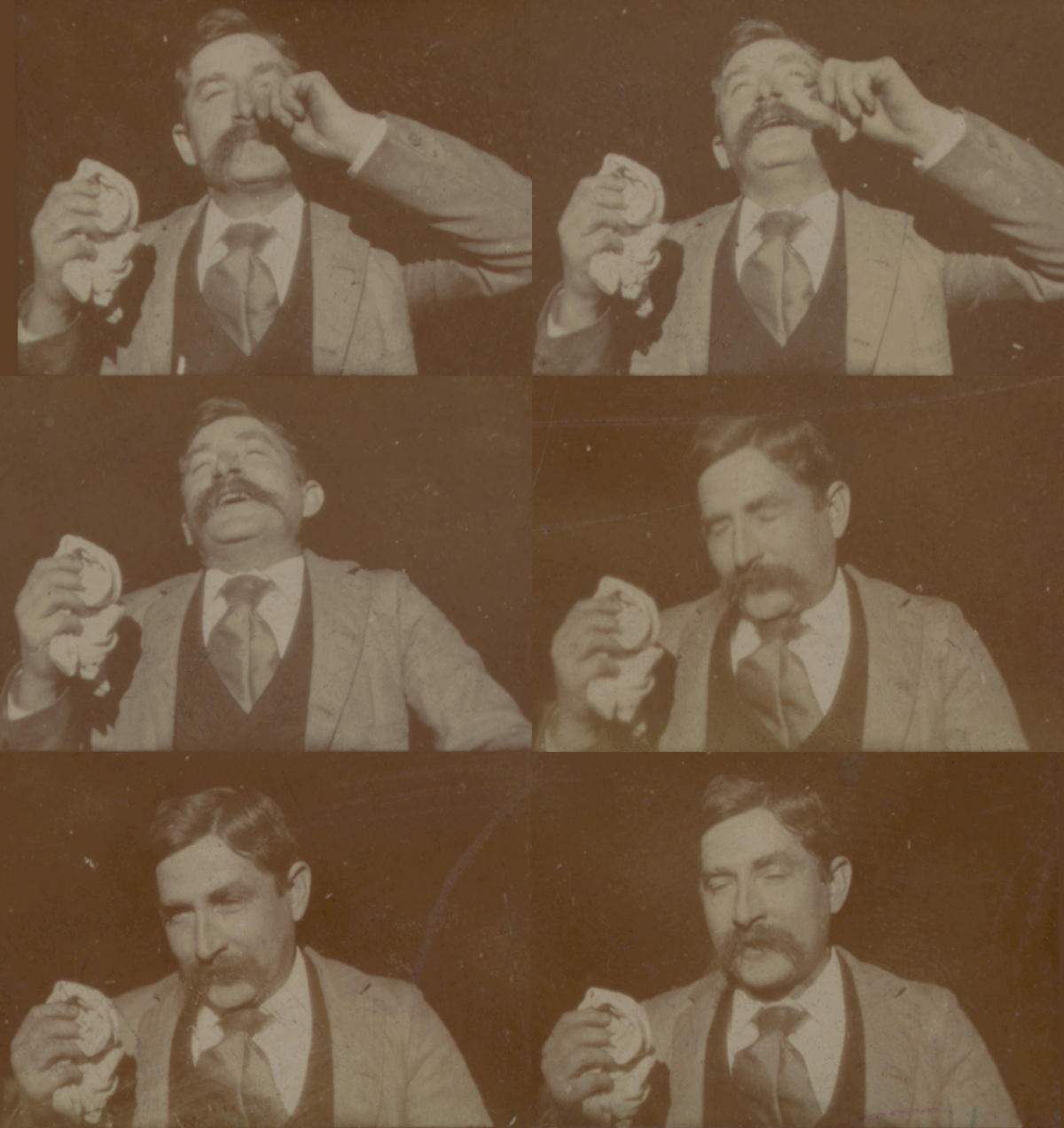
Fred Ott's Sneeze
William Kennedy Dickson · 1894
Ready when you are
Start chatting with Thomas Edison now.
20 messages free · No credit card · Available in 50+ languages.