


Secondary sourceBookc. 300 BC
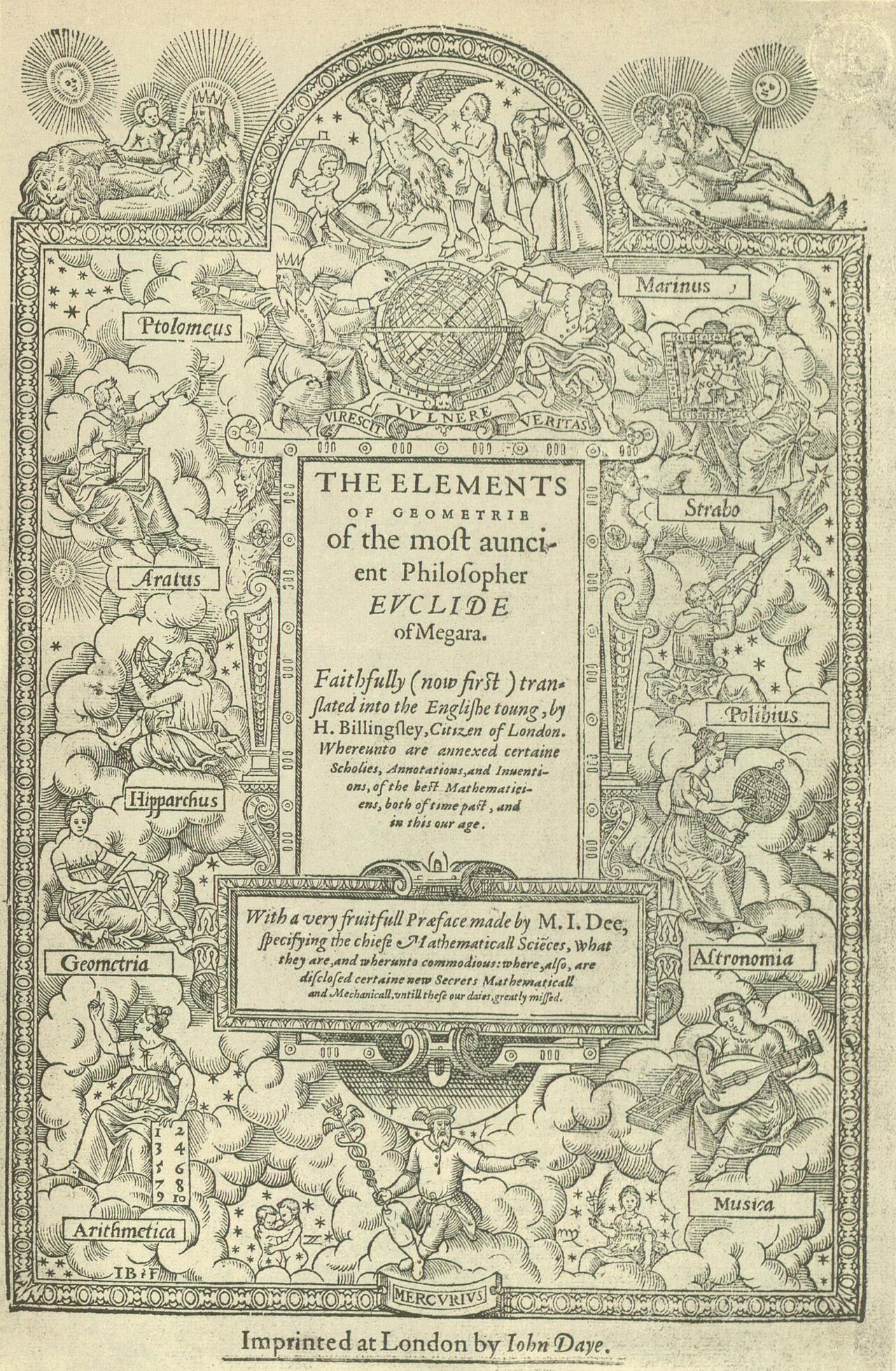
Elements
Euclid · c. 300 BC
Euclid's foundational geometry text, the standard work on which Ibrahim ibn Sinan's mathematical training and method rested.
Euclid's Elements was the standard geometry text underlying Ibrahim ibn Sinan's training and analysis-synthesis method.
About this source
What it is
The Elements is a treatise on geometry and number theory written by the Greek mathematician Euclid around 300 BC. It gathers definitions, postulates, and theorems with proofs covering plane and solid geometry.
Why it matters
Translated into Arabic and widely studied in the medieval Islamic world, the Elements was the foundation of mathematical education in Baghdad. Ibrahim ibn Sinan's training in geometry and his analysis-synthesis method of proof were built on this inherited Greek tradition.
Look closer
- Why do you think a work written centuries earlier in Greek became central to mathematics in Baghdad?
- What does the long chain of translation and copying tell you about how knowledge survives?
- What might be lost or changed when a text passes through many translators over centuries?
This book is part of the curated material that grounds the AI version of Ibrahim ibn Sinan on Humy.ai — when students ask about related events, the AI can quote it and cite it.
More Ibrahim ibn Sinan sources
Meet the AI Ibrahim ibn Sinan →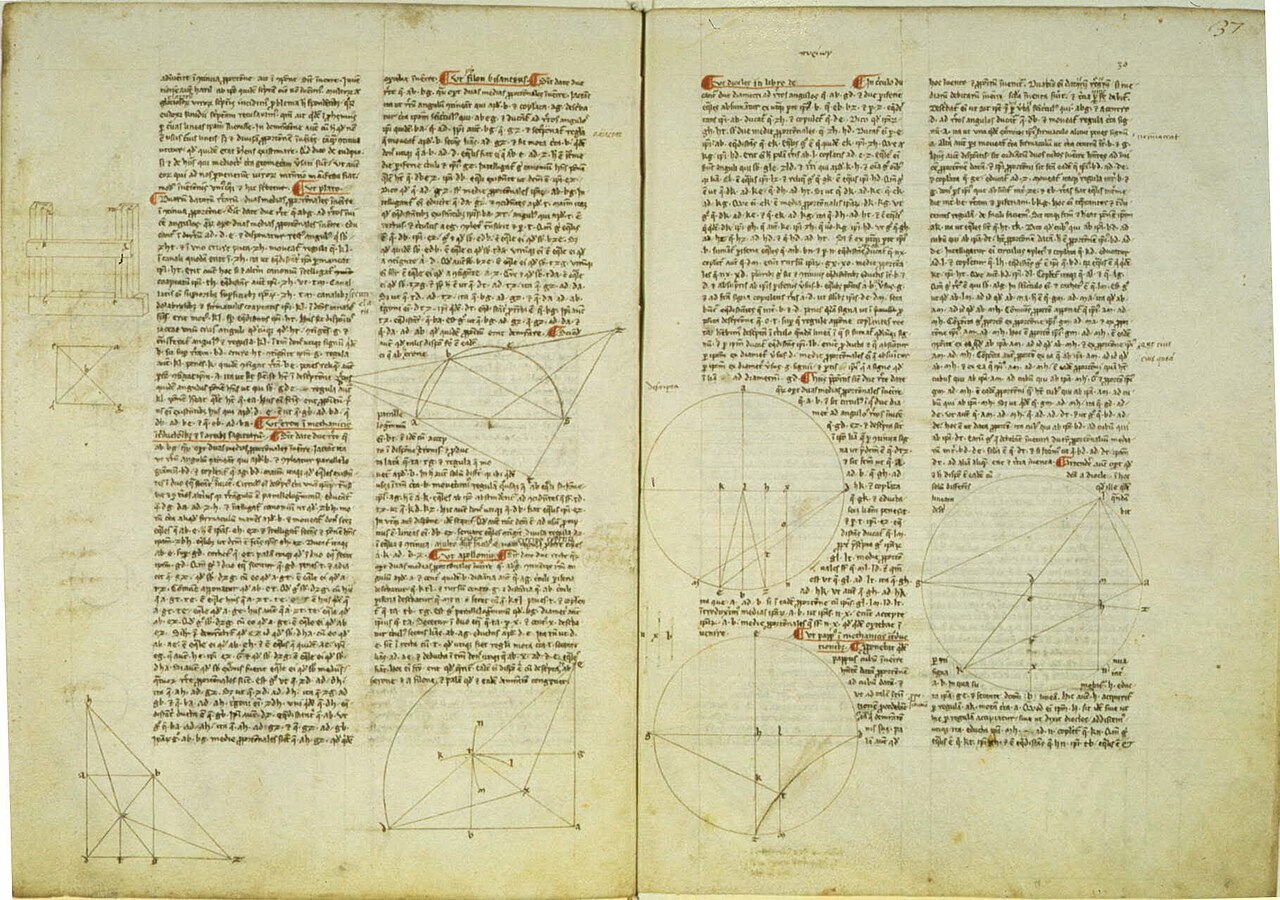 Book
Secondary source
On the Sphere and Cylinder
Archimedes · c. 225 BCE
 Book
Secondary source
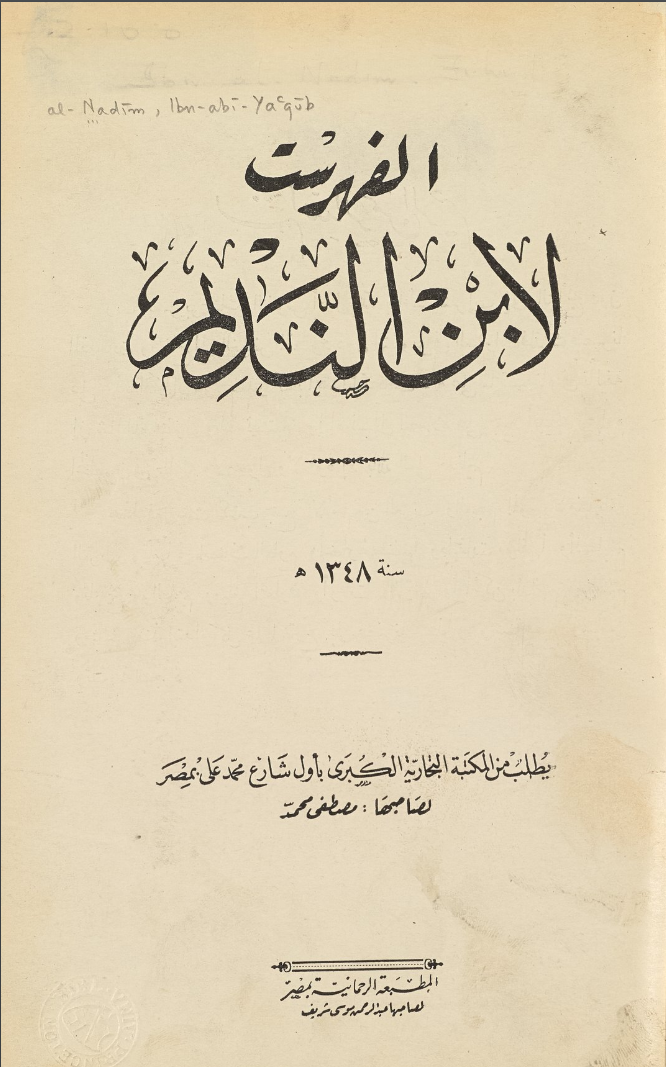
Al-Fihrist
Ibn al-Nadim · 987
 Book
Primary source
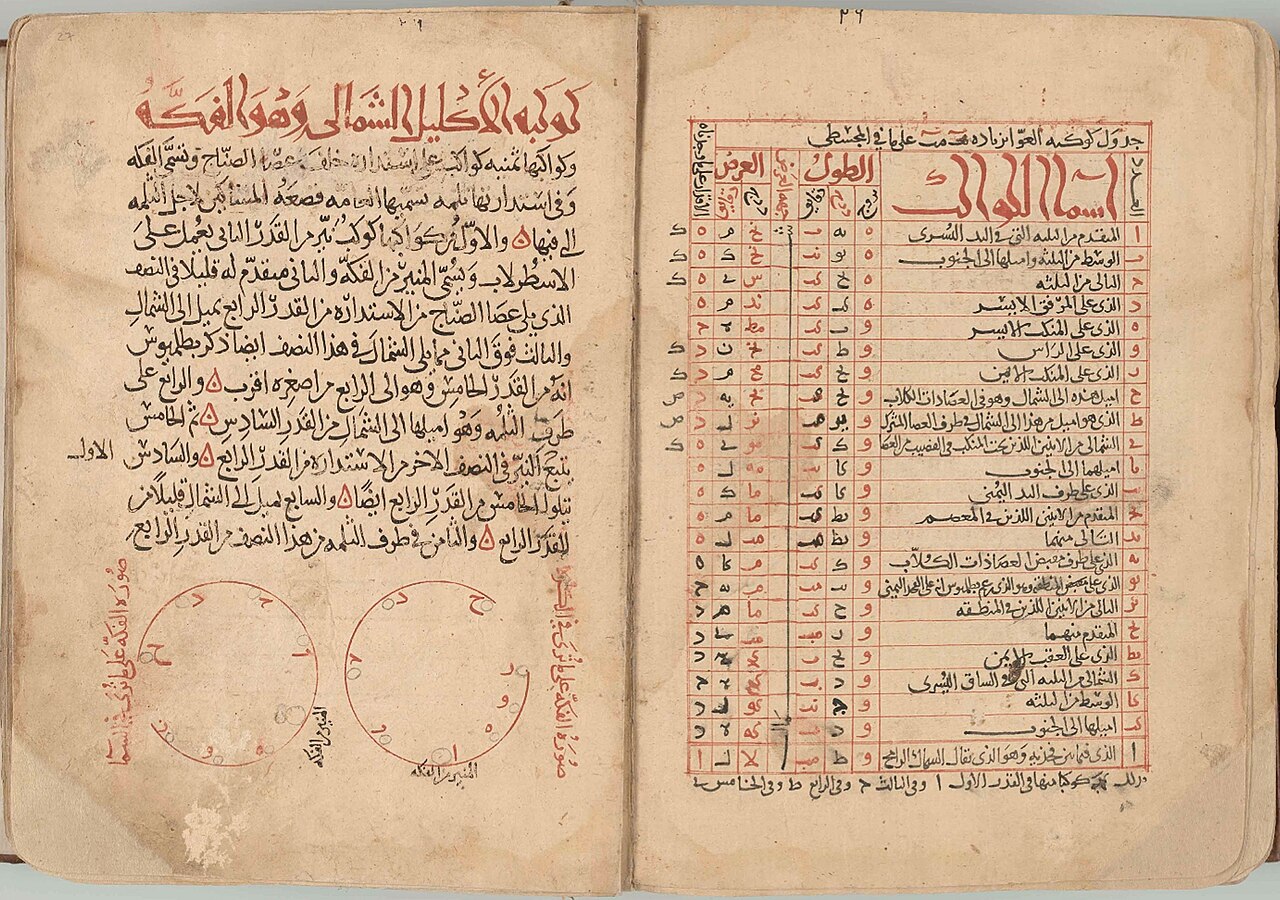
Book of Fixed Stars
Abd al-Rahman al-Sufi · 964
 Book
Secondary source
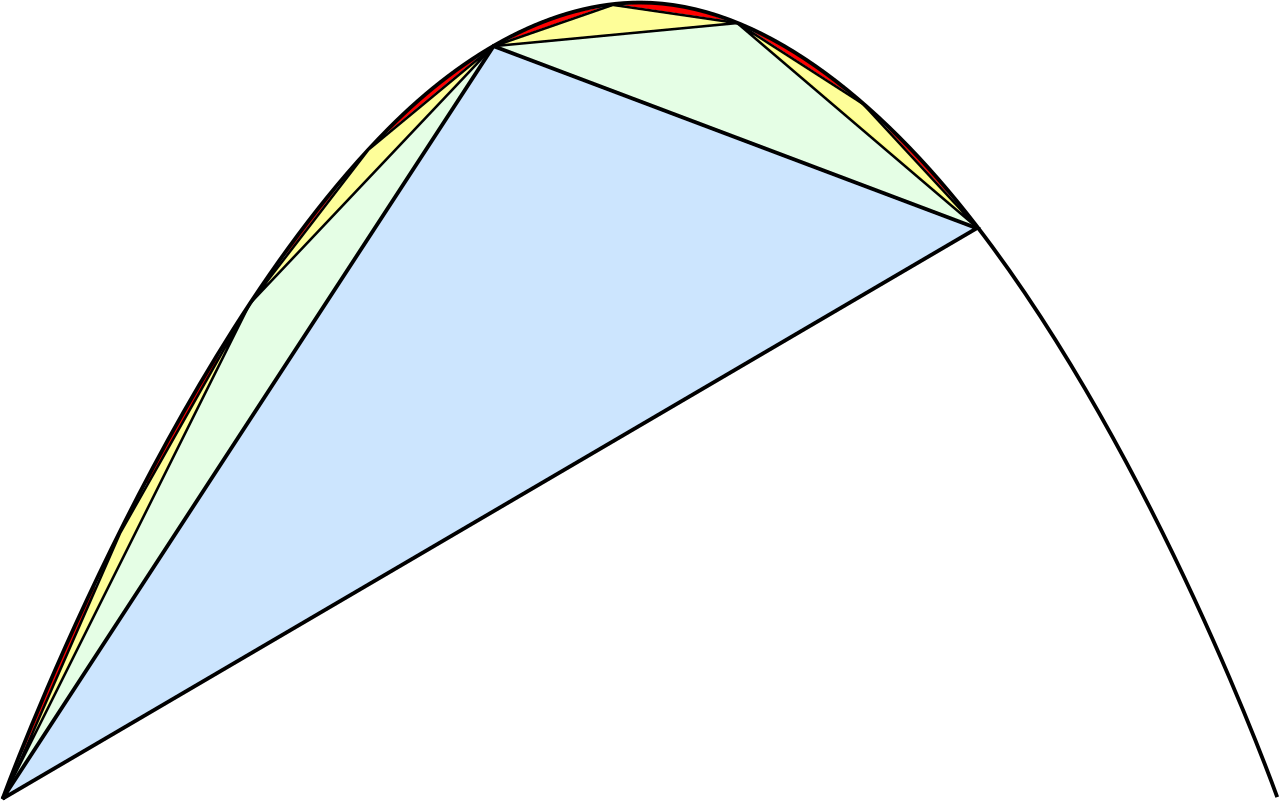
Quadrature of the Parabola
Archimedes · c. 250 BC
 Book
Primary source
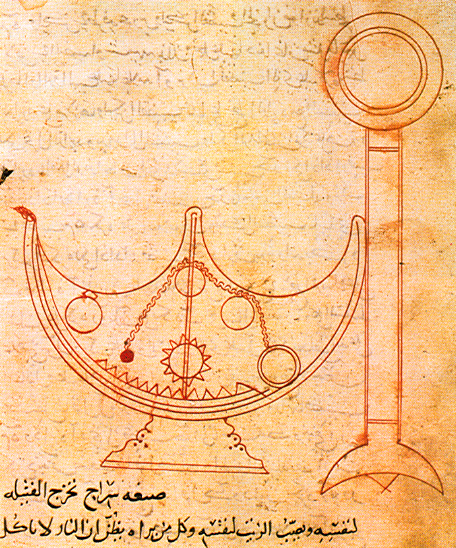
Book of Ingenious Devices
Banū Mūsā · 850
Ready when you are
Start chatting with Ibrahim ibn Sinan now.
20 messages free · No credit card · Available in 50+ languages.