


Secondary sourceBookc. 250 BC
Quadrature of the Parabola
Archimedes · c. 250 BC
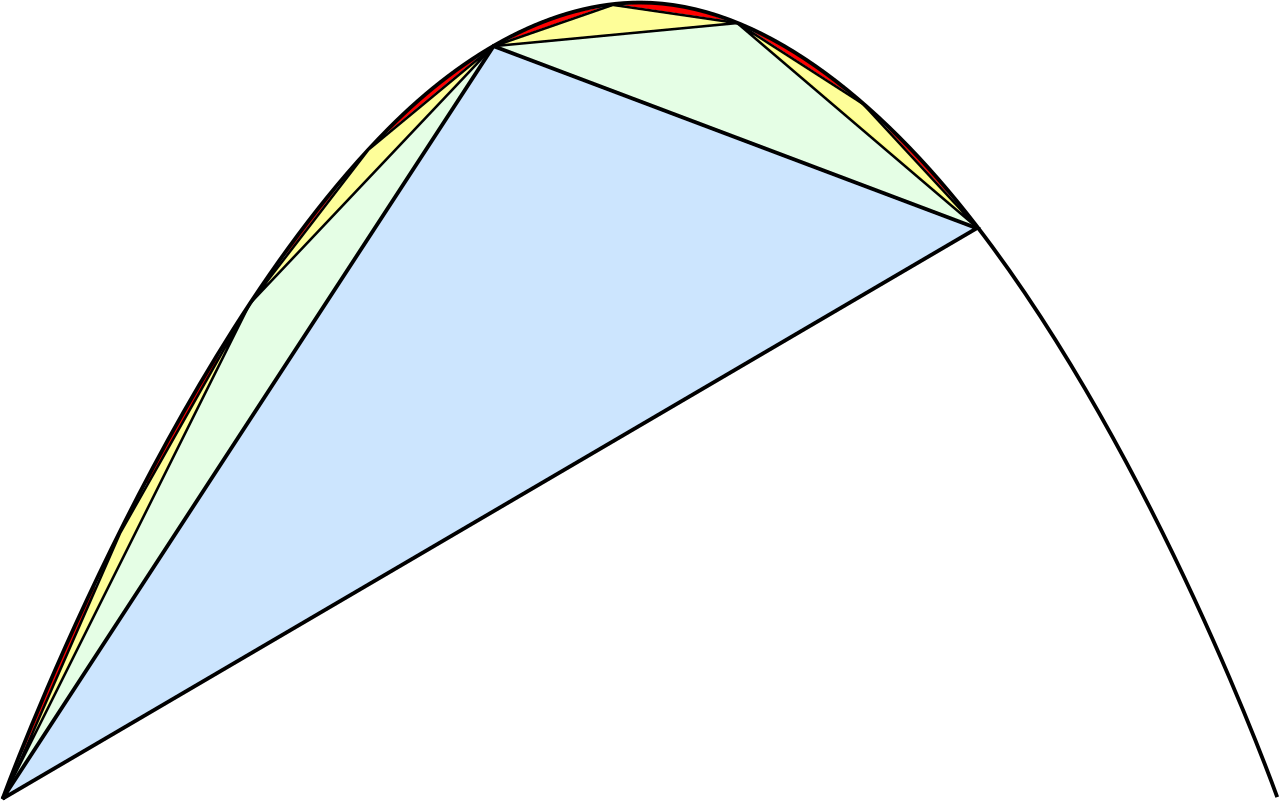
Archimedes' treatise on finding the area of a parabolic segment, the Greek work whose result Ibrahim ibn Sinan independently rediscovered.
Archimedes' treatise, unknown in Arabic in Ibrahim's time, shows his related result on parabolas was an independent rediscovery.
About this source
What it is
Quadrature of the Parabola is a geometric treatise written by Archimedes in the 3rd century BC. It proves that the area of a parabolic segment is four-thirds that of a related inscribed triangle, using an early method of exhaustion.
Why it matters
This treatise was unavailable in Arabic translation during Ibrahim ibn Sinan's lifetime. Comparing it to his own work shows that Ibrahim reached a similar result on parabolas independently, revealing the strength of mathematical work happening in Baghdad even without direct access to all earlier Greek texts.
Look closer
- What does it mean for a result to be discovered independently in two different times and places?
- Why might historians care about comparing Ibrahim's work to a text he could not have read?
- What does this comparison suggest about the limits of relying only on surviving translations to judge a scholar's originality?
This book is part of the curated material that grounds the AI version of Ibrahim ibn Sinan on Humy.ai — when students ask about related events, the AI can quote it and cite it.
More Ibrahim ibn Sinan sources
Meet the AI Ibrahim ibn Sinan →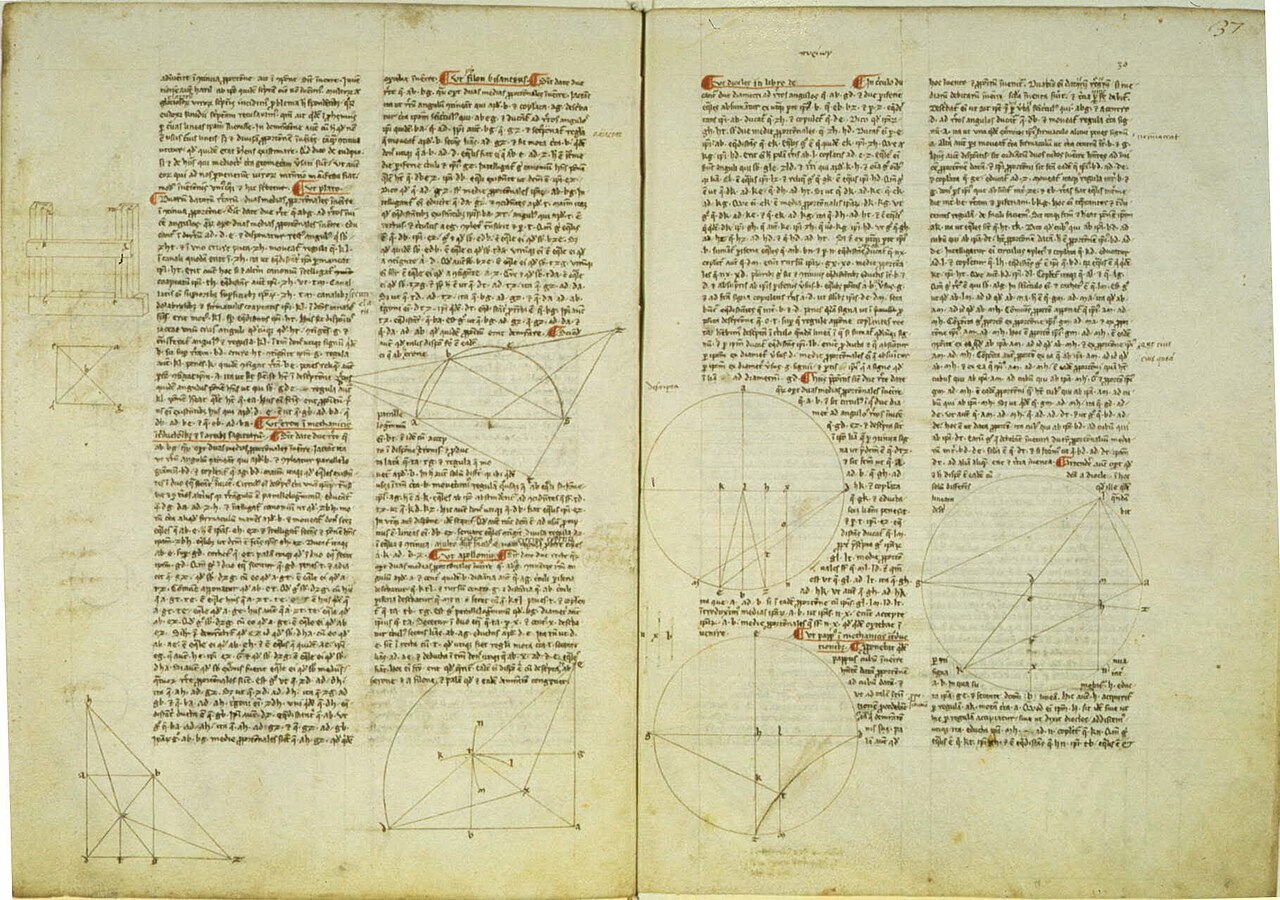
Ready when you are
Start chatting with Ibrahim ibn Sinan now.
20 messages free · No credit card · Available in 50+ languages.