


Primary sourcePainting1822
Eli Whitney (1765-1825) B.A. 1792, M.A. 1795
Samuel Finley Breese Morse · 1822
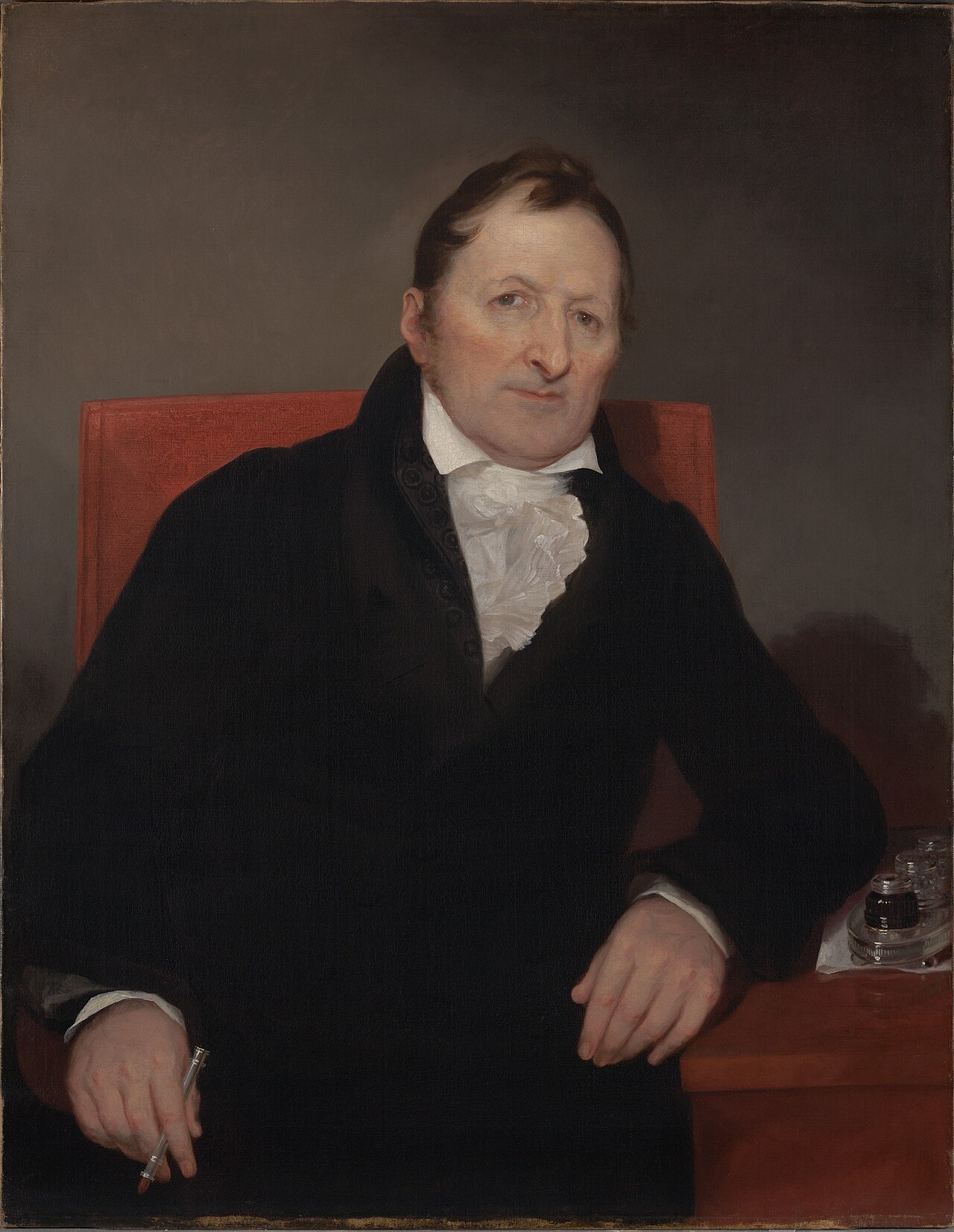
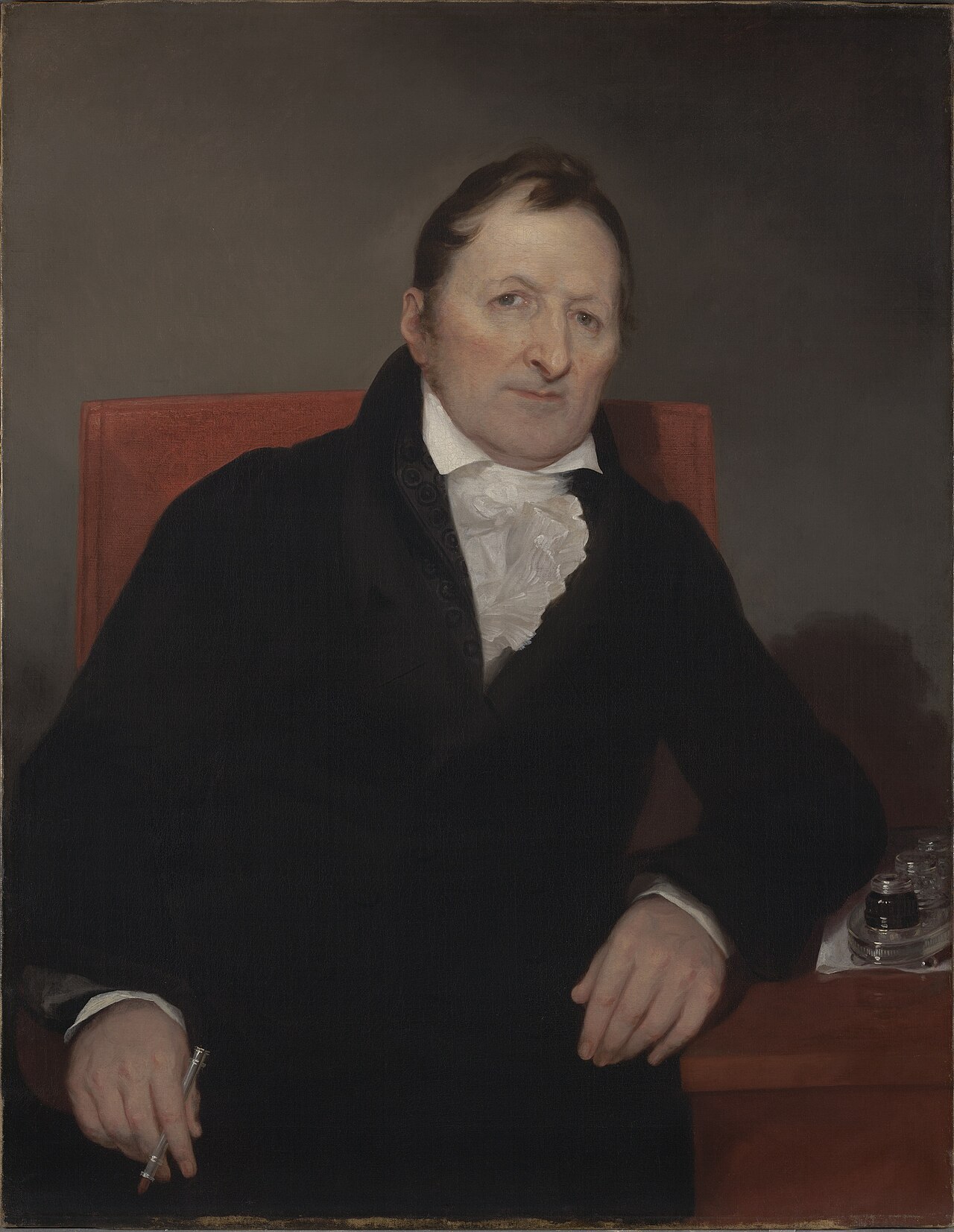
An 1822 oil portrait of Eli Whitney painted from life by Samuel F. B. Morse, the standard image of the inventor late in life.
This is the standard portrait of Whitney, painted from life in 1822 near the end of his career.
About this source
What it is
This oil painting of Eli Whitney was painted in 1822 by Samuel Finley Breese Morse, later famous as an inventor himself. It shows Whitney seated, dressed formally, with writing materials beside him. The portrait is held by the Yale University Art Gallery.
Why it matters
Painted three years before Whitney's death, this portrait captures him as an established figure, by then known as an arms manufacturer as well as the inventor of the cotton gin. It is considered the standard likeness of Whitney and shows how successful inventors of the period were portrayed — seated with the tools of business and writing, suggesting status and intellectual work rather than physical labor.
Look closer
- What does the setting and clothing suggest about how Whitney wanted to be seen?
- Why might the artist include an inkstand and writing instrument?
- What does a formal portrait leave out about a person's life and work?
This painting is part of the curated material that grounds the AI version of Eli Whitney and Samuel Morse on Humy.ai — when students ask about related events, the AI can quote it and cite it.
More Eli Whitney sources
Meet the AI Eli Whitney →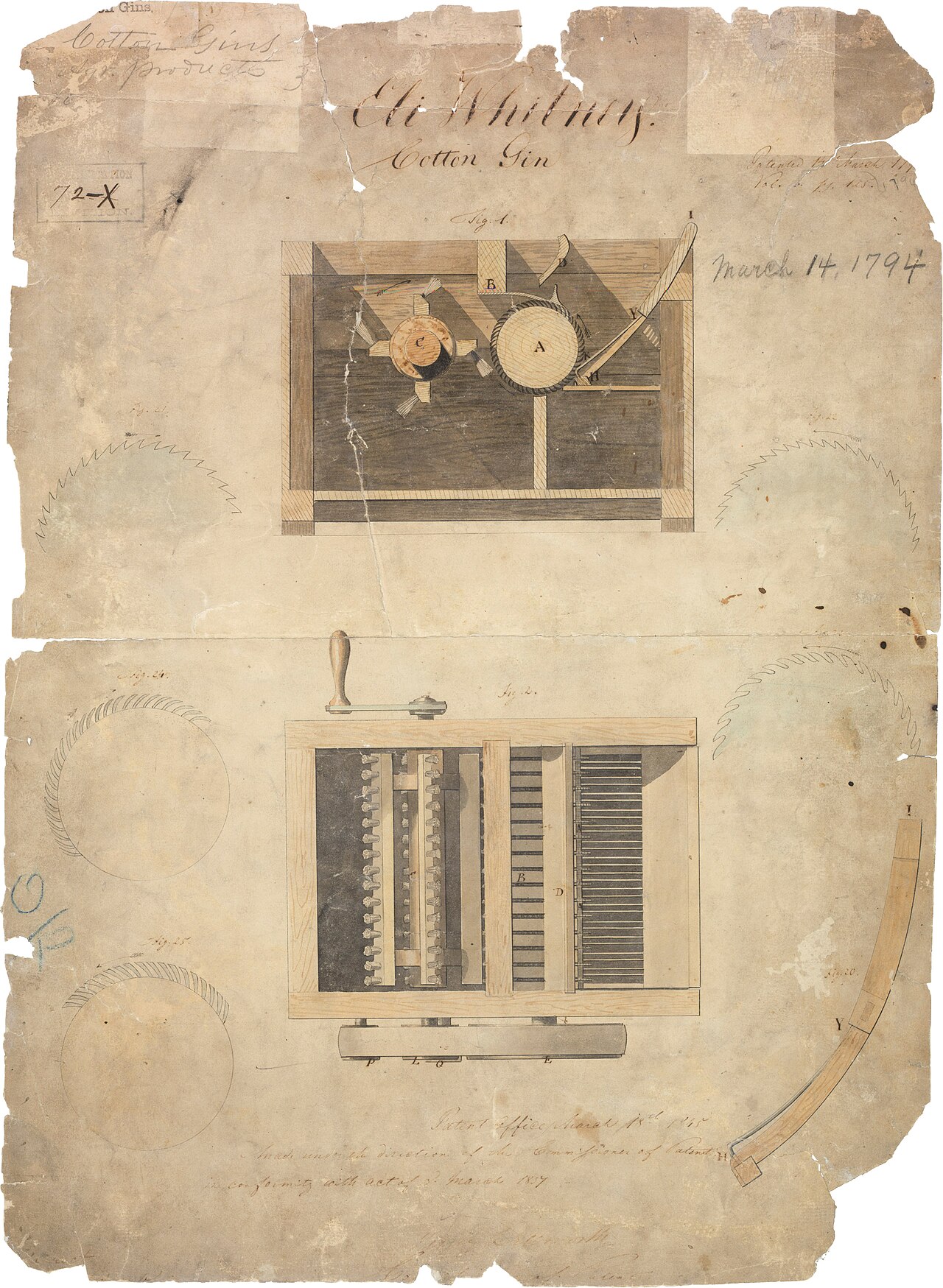 Document
Primary source
Patent for Cotton Gin
Eli Whitney · 14 March 1794
 Artifact
Primary source
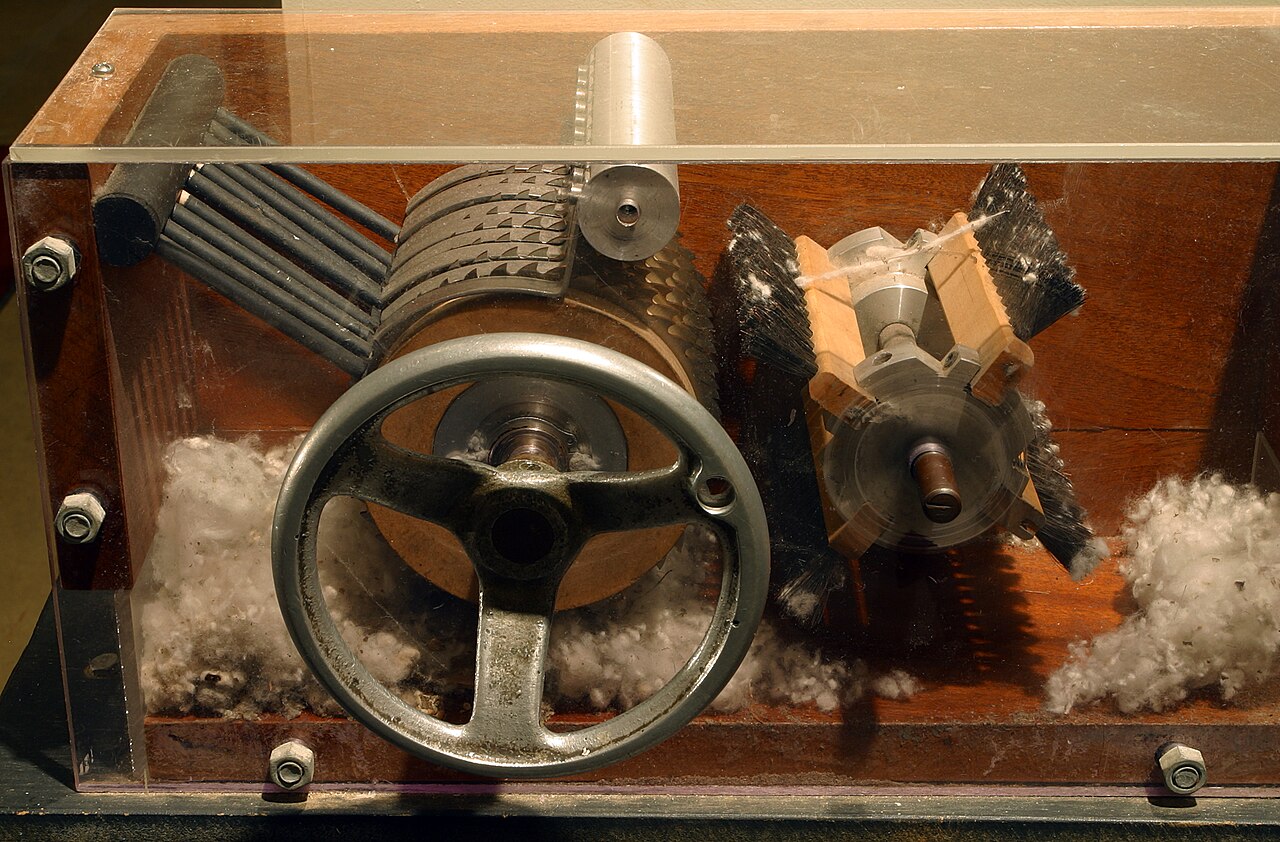
Cotton Gin
Eli Whitney · 1794
 Letter
Primary source
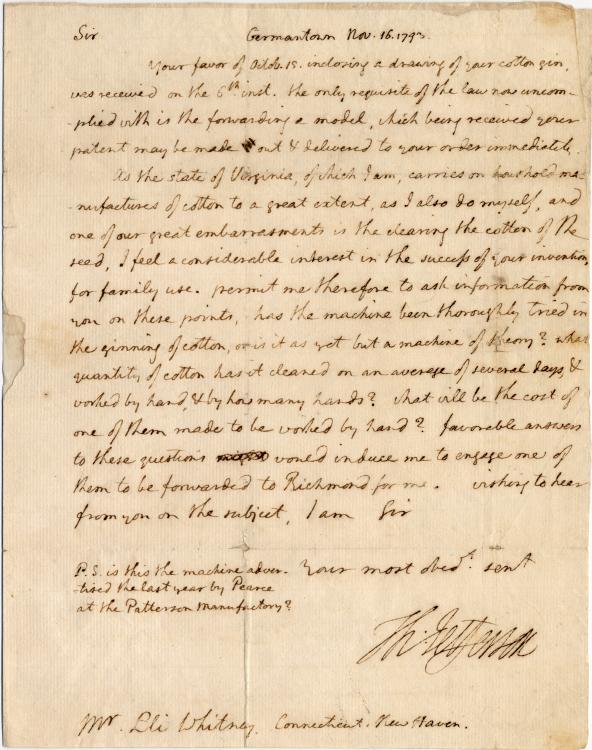
Letter Thomas Jefferson to Eli Whitney 1793
Thomas Jefferson · 16 November 1793
 Document
Primary source
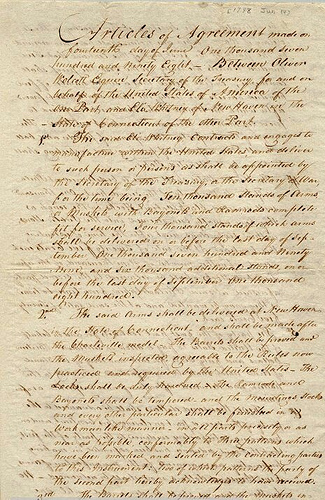
Eli Whitney's First Contract as a Gunfounder
Eli Whitney, Oliver Wolcott, Jr. · 1798
 Painting
Primary source
Portrait of Eli Whitney
Samuel Finley Breese Morse · 1822
Ready when you are
Start chatting with Eli Whitney now.
20 messages free · No credit card · Available in 50+ languages.