


Primary sourceDocument22 January 1963
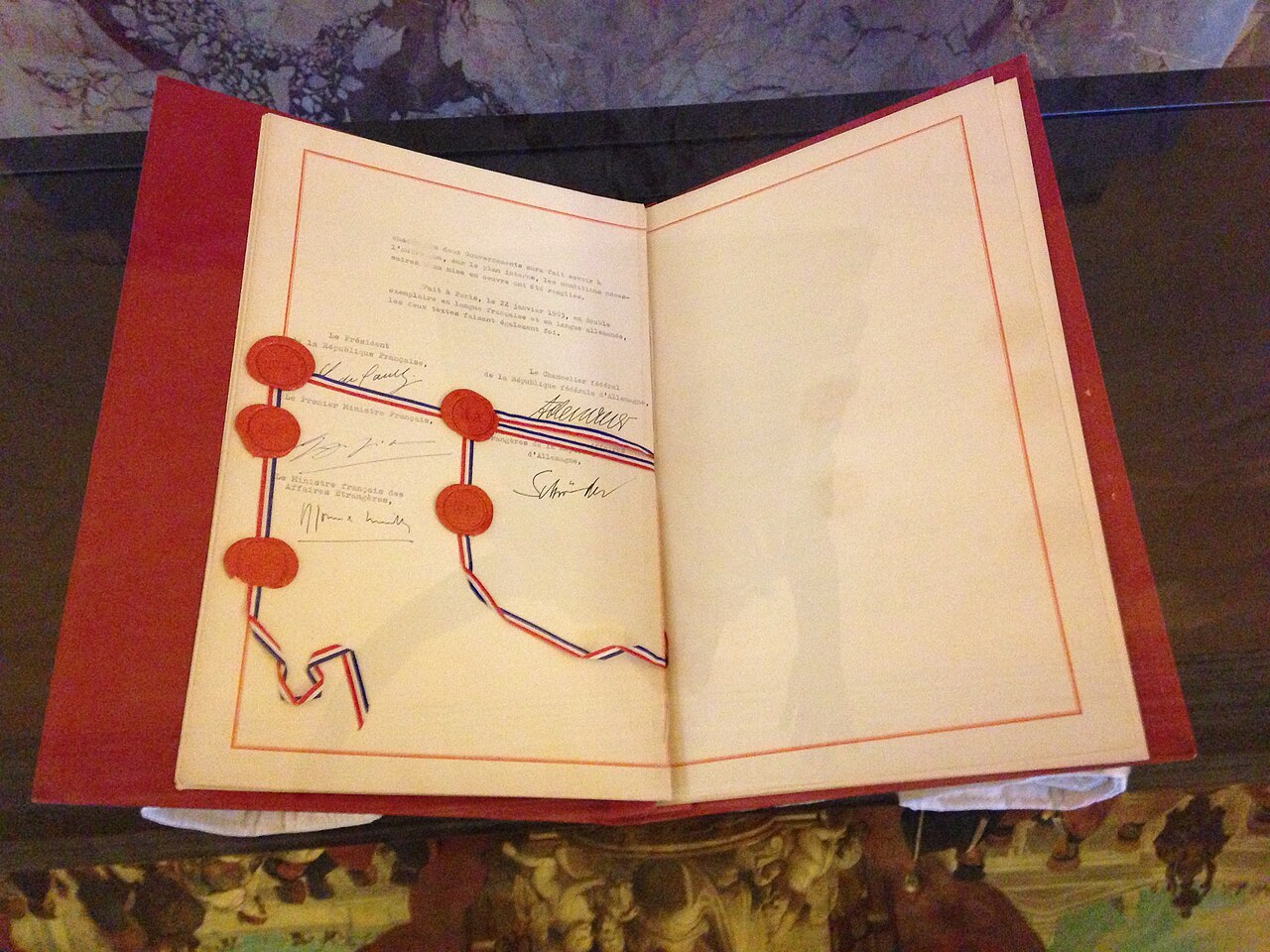
Élysée Treaty
22 January 1963
The 1963 treaty of friendship between France and West Germany, signed by Adenauer and de Gaulle to end centuries of rivalry.
Adenauer co-signed this treaty with de Gaulle, the capstone of his policy of Franco-German reconciliation.
Free Humy account · No credit card · 53,307 sources to read
About this source
What it is
The Élysée Treaty is a treaty of friendship signed on 22 January 1963 at the Élysée Palace in Paris by French President Charles de Gaulle and West German Chancellor Konrad Adenauer. It set up regular consultations between the two countries on defence, education and youth affairs, and is held at the Élysée Palace.
Why it matters
The treaty marked the end of a long history of French-German conflict, including the Second World War and its aftermath. For Adenauer, reconciliation with France had been a central goal of his years as chancellor. It also shaped later European cooperation, from student exchanges to town twinnings, though the treaty caused controversy when de Gaulle's hopes for European independence from the United States were not matched by West German policy.
Look closer
- Why might wax seals and ribbons still be used on a document in 1963?
- What does the treaty's silence on NATO and the United States suggest about disagreements between the two leaders?
- Why would youth exchange programmes be included in a treaty between former enemies?
This document is part of the curated material that grounds the AI version of Konrad Adenauer on Humy.ai — when students ask about related events, the AI can quote it and cite it.
More Konrad Adenauer sources
Browse all 98 →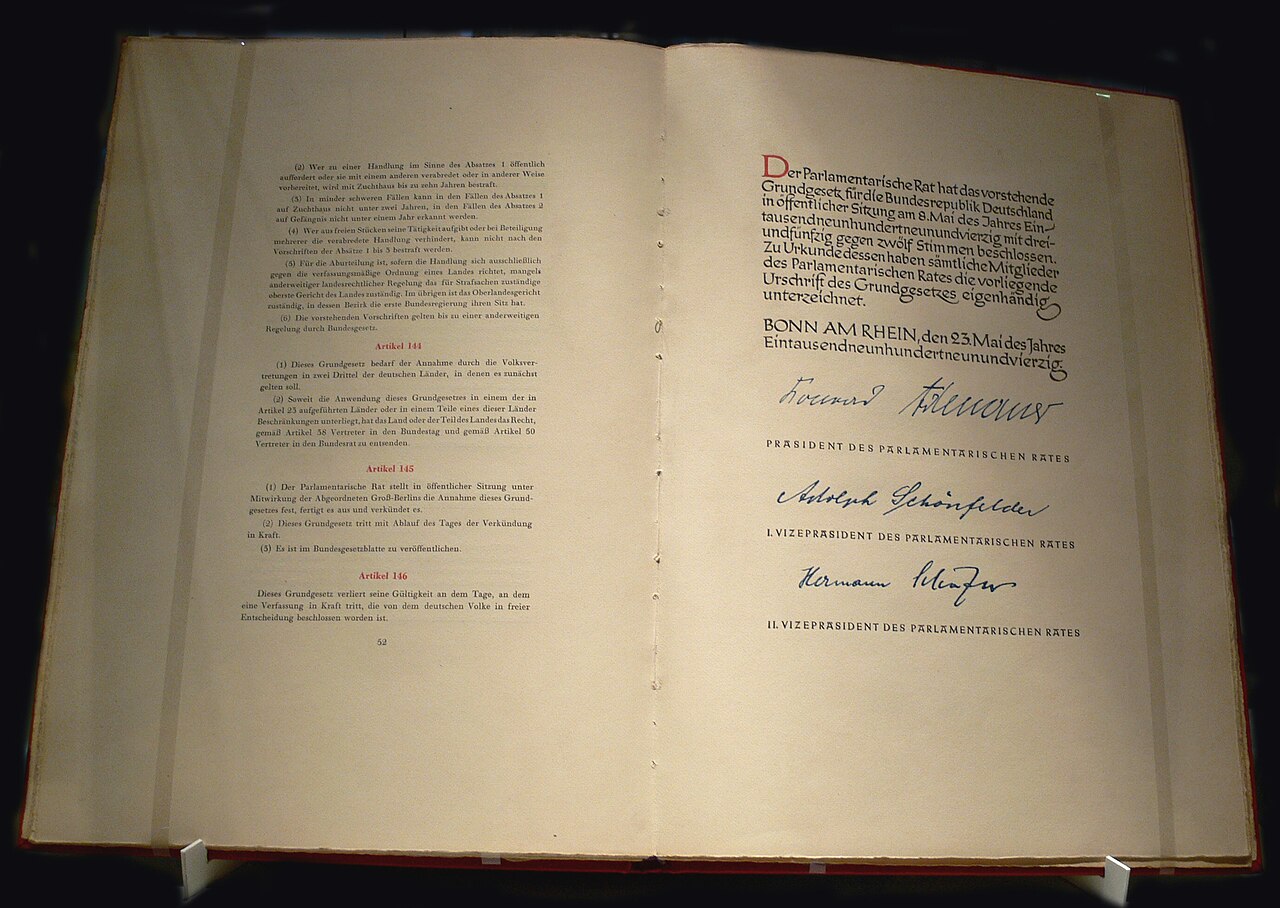 Document
Primary source
Basic Law for the Federal Republic of Germany
Carlo Schmid · 23 May 1949
 Painting
Primary source
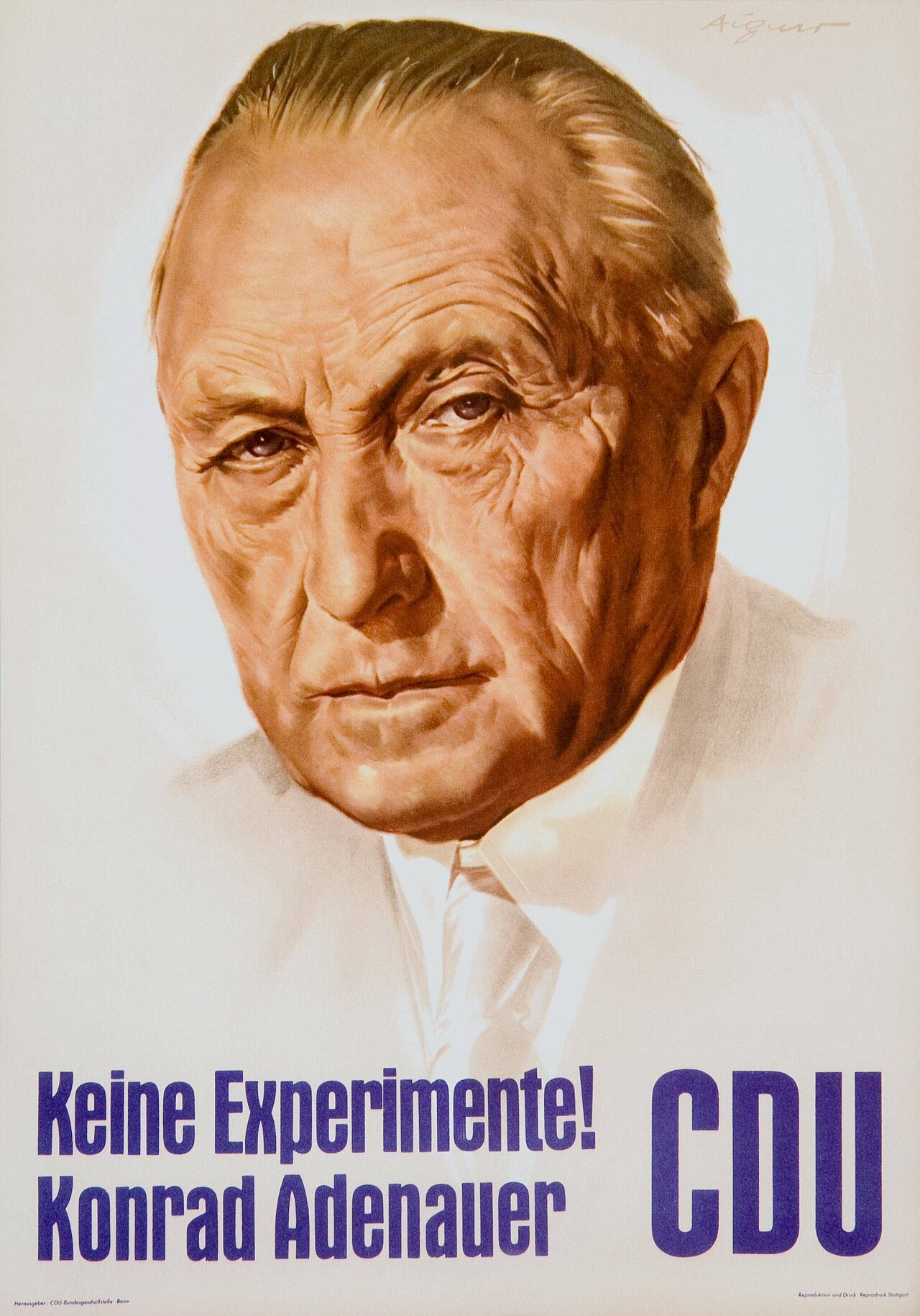
"Keine Experimente!" CDU Election Poster
Paul Aigner · 1957
 Document
Primary source
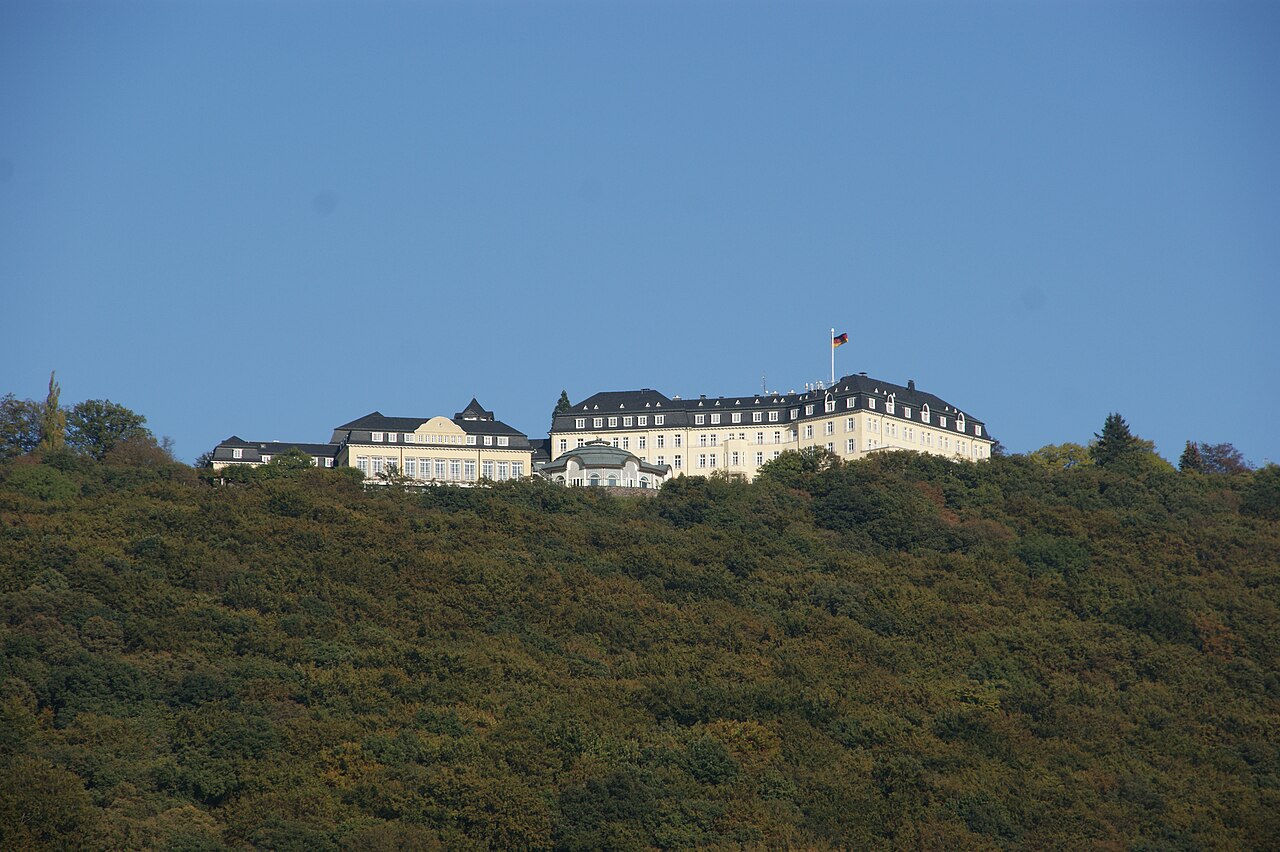
Petersberg Agreement
22 November 1949
 Document
Primary source
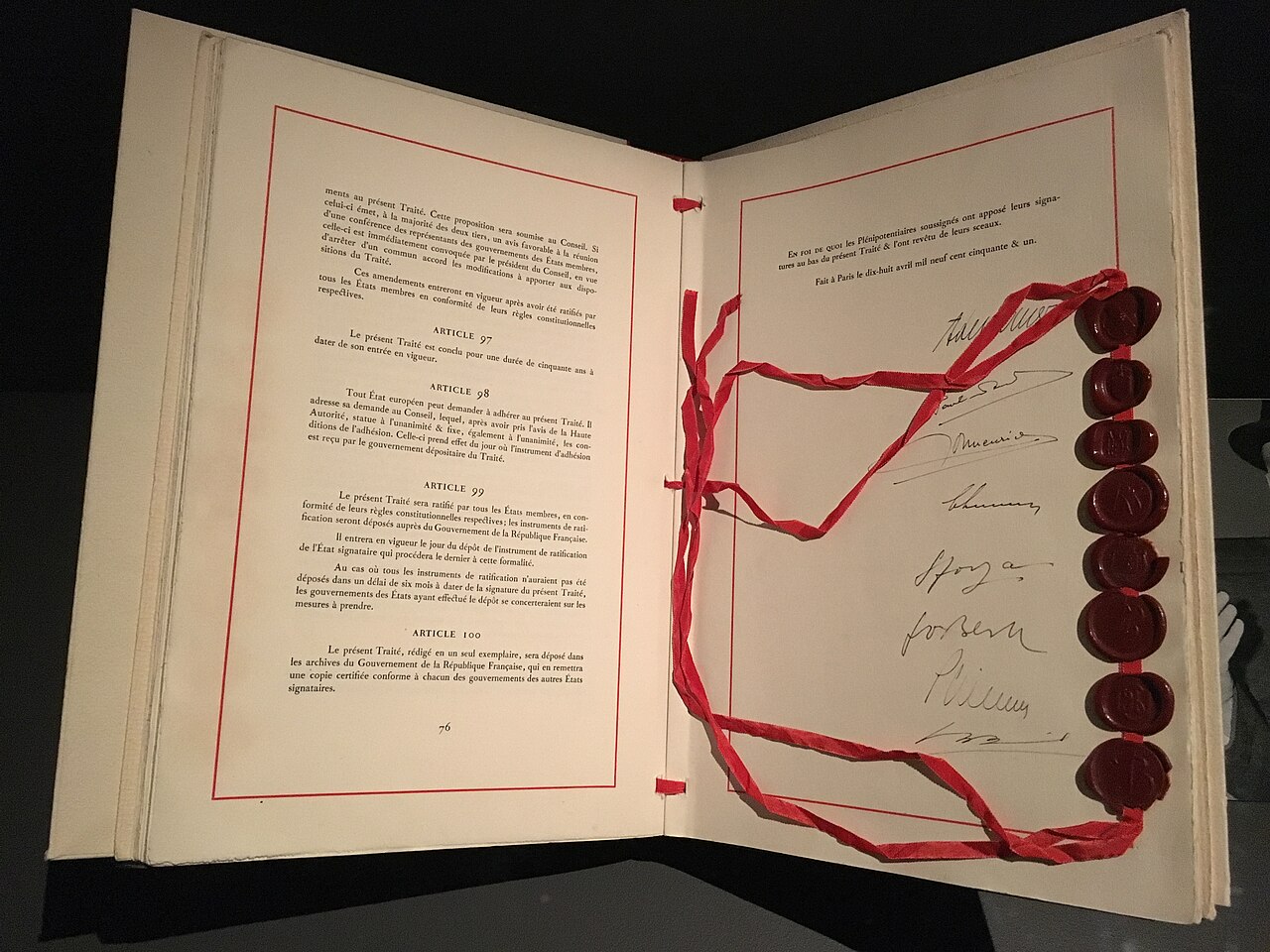
Treaty of Paris (1951)
18 April 1951
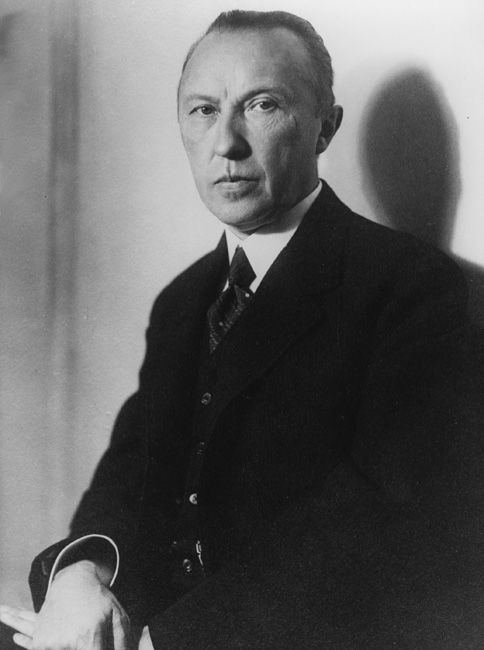
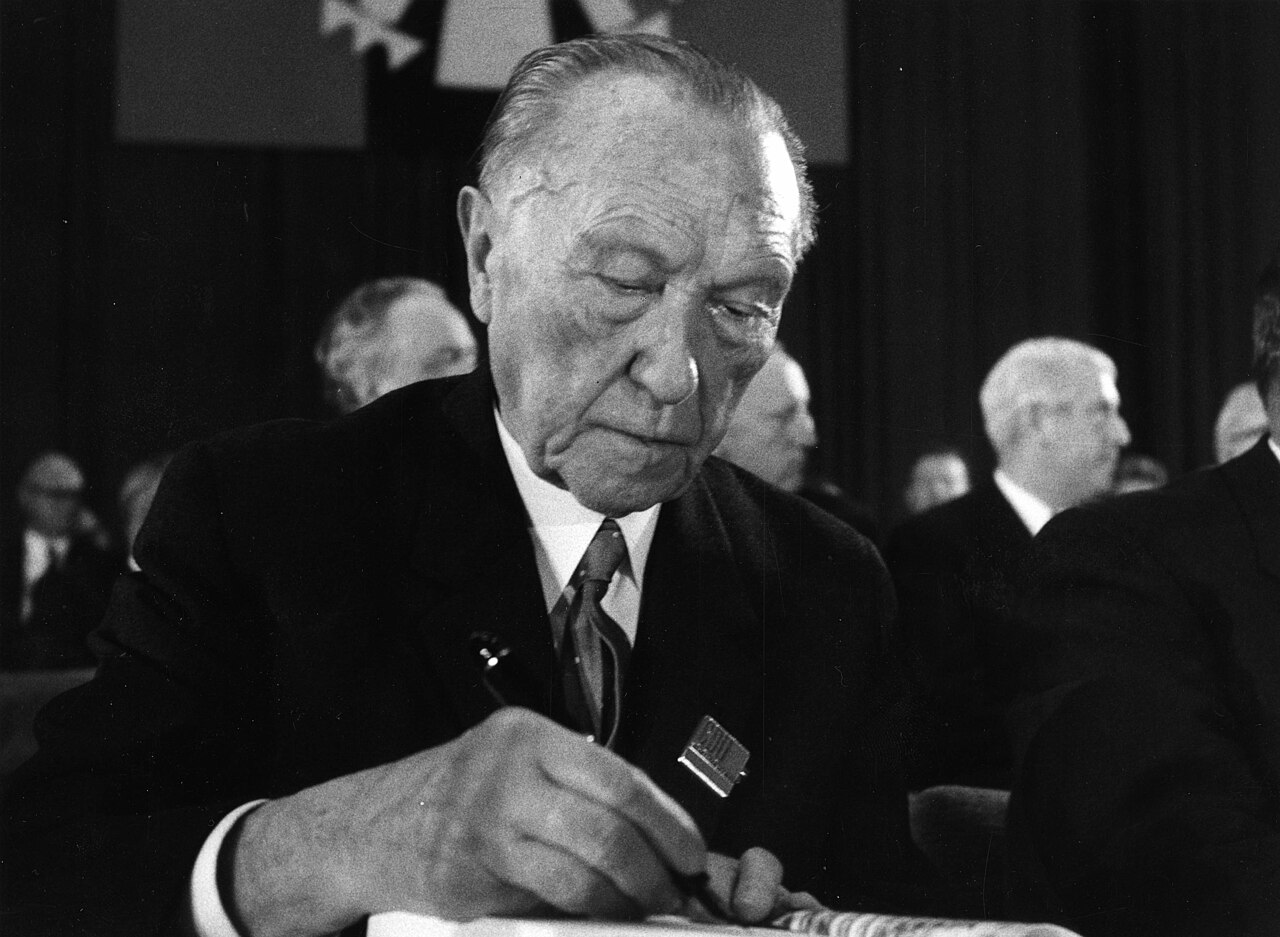
Free account
Browse every Konrad Adenauer source
Sign up free →
Ready when you are
Start chatting with Konrad Adenauer now.
20 messages free · No credit card · Available in 50+ languages.