


Primary sourceDocument18 April 1951
Treaty of Paris (1951)
18 April 1951
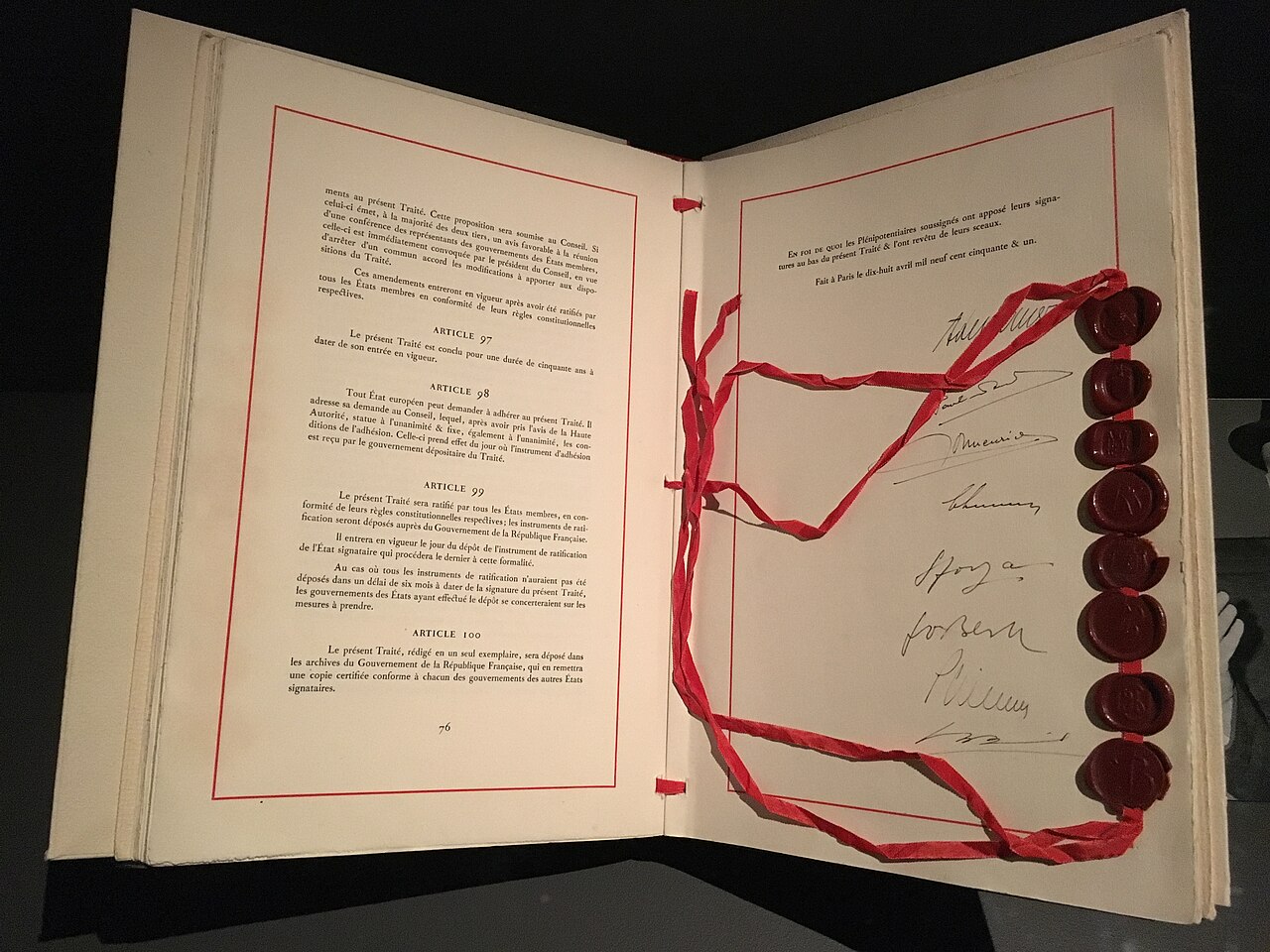
The 1951 treaty establishing the European Coal and Steel Community, signed by Adenauer along with five other European leaders.
Adenauer signed this treaty as chancellor and foreign minister, committing West Germany's industry to a shared European framework.
Free Humy account · No credit card · 53,307 sources to read
About this source
What it is
The Treaty of Paris, signed on 18 April 1951 in Paris, established the European Coal and Steel Community (ECSC) among Belgium, France, Italy, Luxembourg, the Netherlands and West Germany. Signatories included Robert Schuman, Konrad Adenauer and others. It came into force in 1952 and remained in effect for fifty years.
Why it matters
The treaty placed coal and steel production, resources once central to war-making, under shared control between former enemies, aiming to secure peace and economic recovery in Europe. For Adenauer, as chancellor and foreign minister of West Germany, signing bound German heavy industry into a cooperative European framework and marked an early step in European integration, though the idea of pooling sovereignty was later contested by figures like Charles de Gaulle.
Look closer
- Why would pooling coal and steel production specifically help prevent war?
- What does the choice of red wax seals and ribbons tell you about the ceremony of treaty-signing?
- Whose names are missing here, and why might that matter for understanding whose interests shaped the treaty?
This document is part of the curated material that grounds the AI version of Konrad Adenauer on Humy.ai — when students ask about related events, the AI can quote it and cite it.
More Konrad Adenauer sources
Browse all 98 →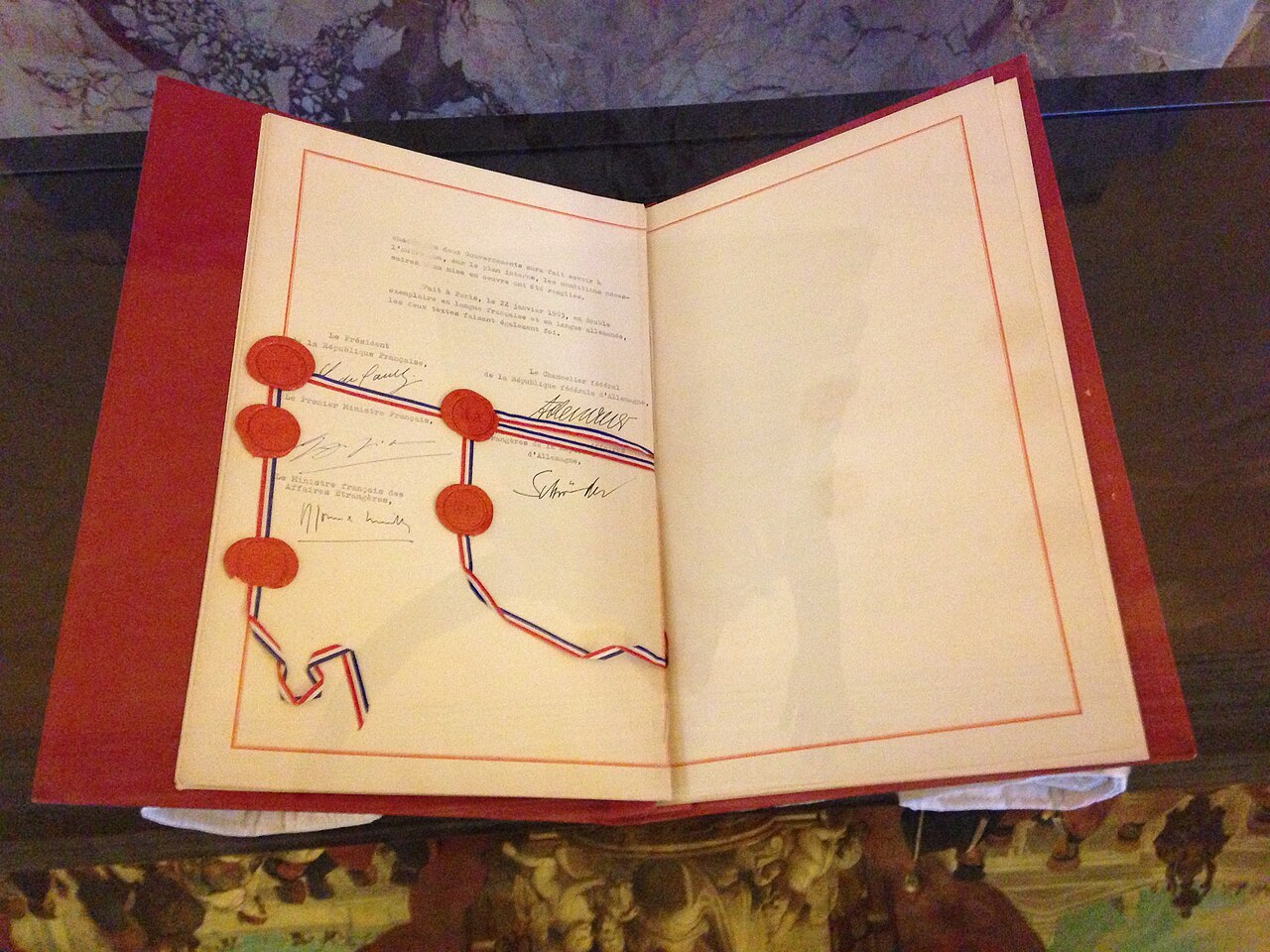 Document
Primary source
Élysée Treaty
22 January 1963
 Document
Primary source
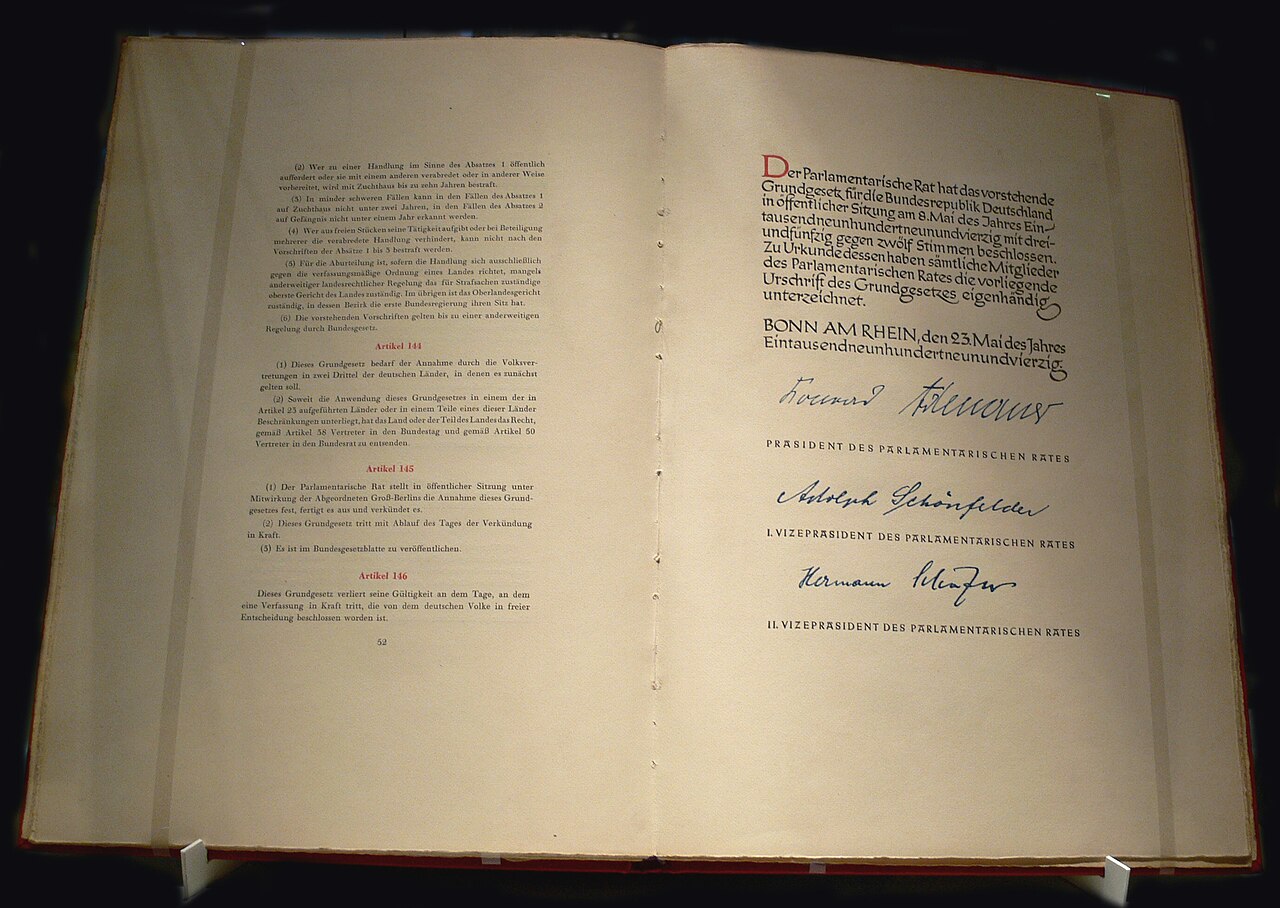
Basic Law for the Federal Republic of Germany
Carlo Schmid · 23 May 1949
 Painting
Primary source
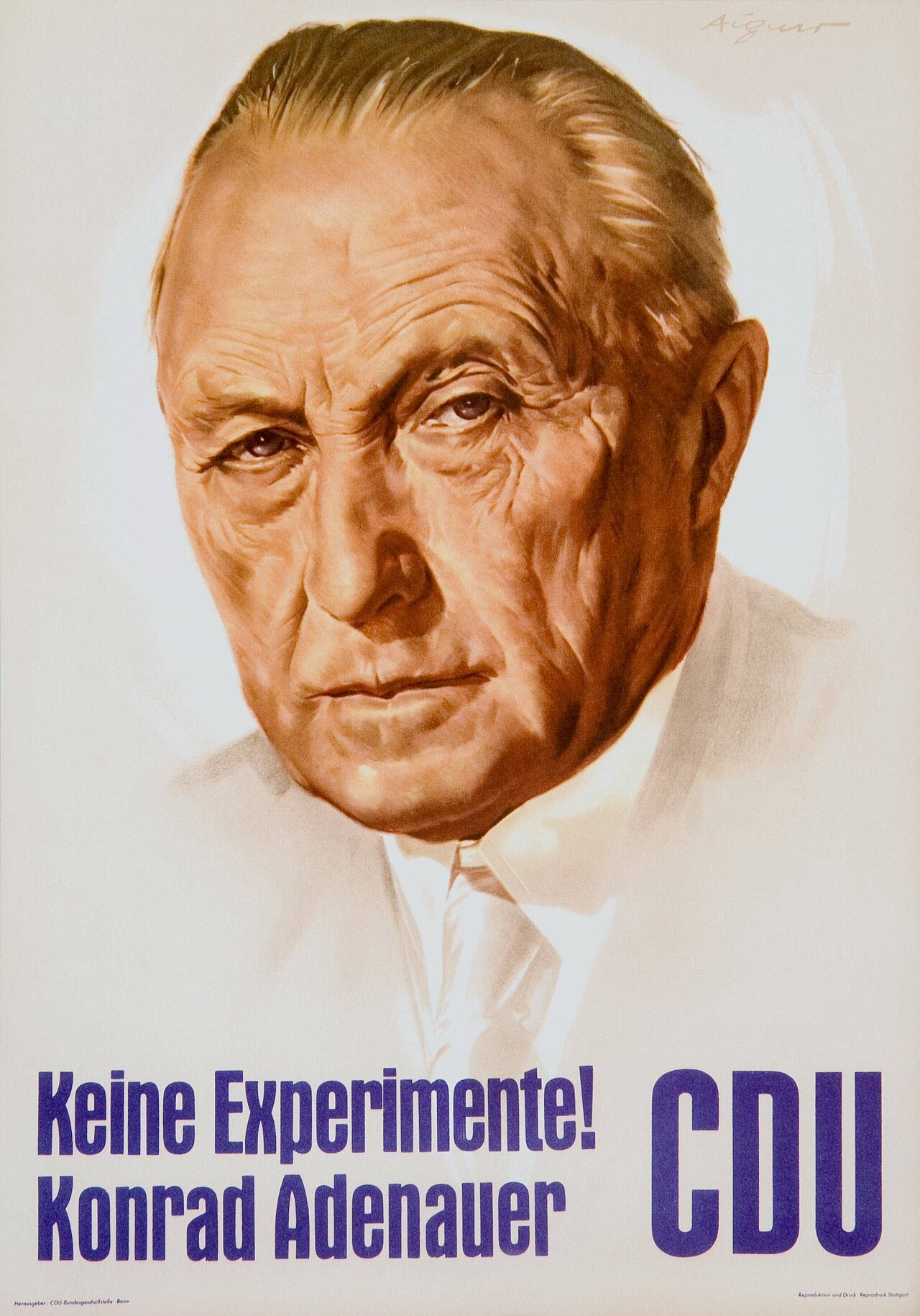
"Keine Experimente!" CDU Election Poster
Paul Aigner · 1957
 Document
Primary source
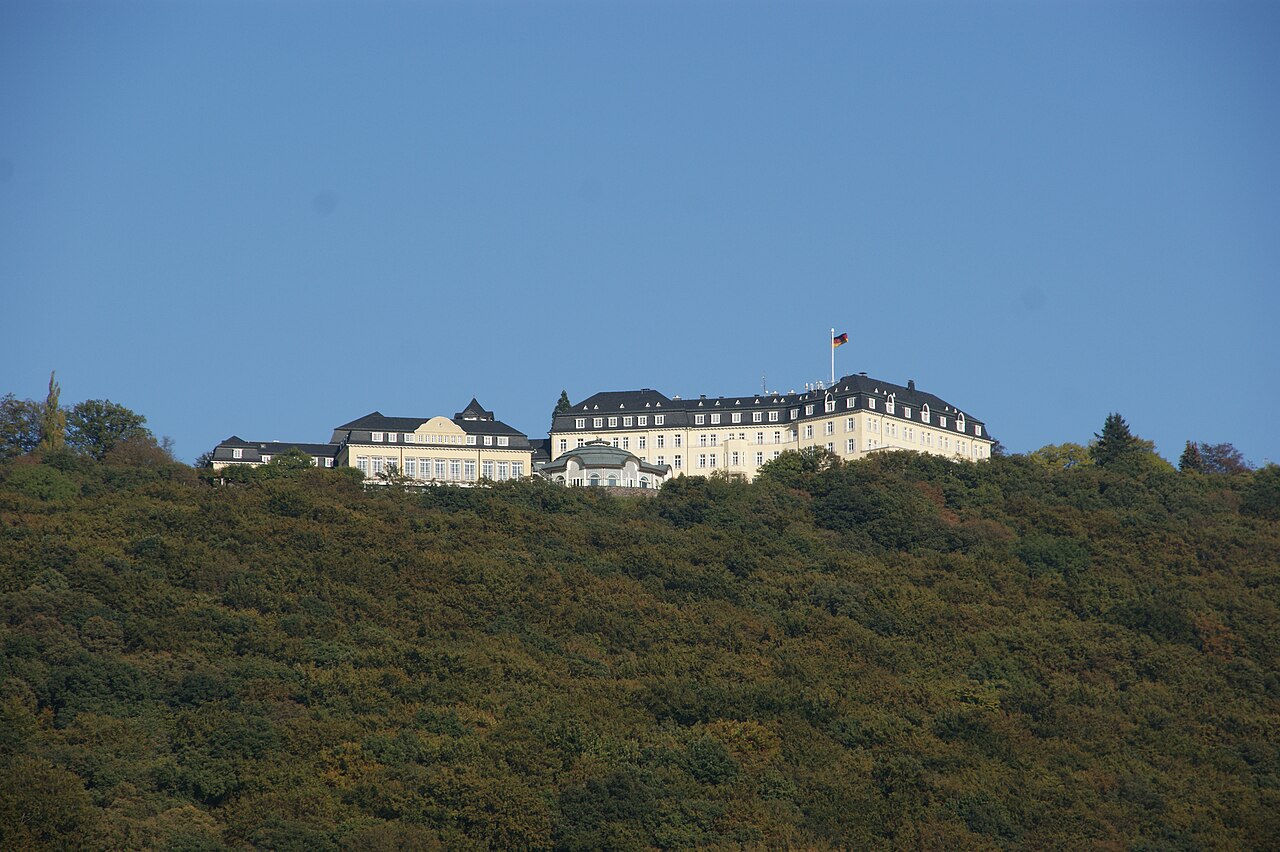
Petersberg Agreement
22 November 1949
Free account
Browse every Konrad Adenauer source
Sign up free →
Ready when you are
Start chatting with Konrad Adenauer now.
20 messages free · No credit card · Available in 50+ languages.