


Primary sourcePainting1280
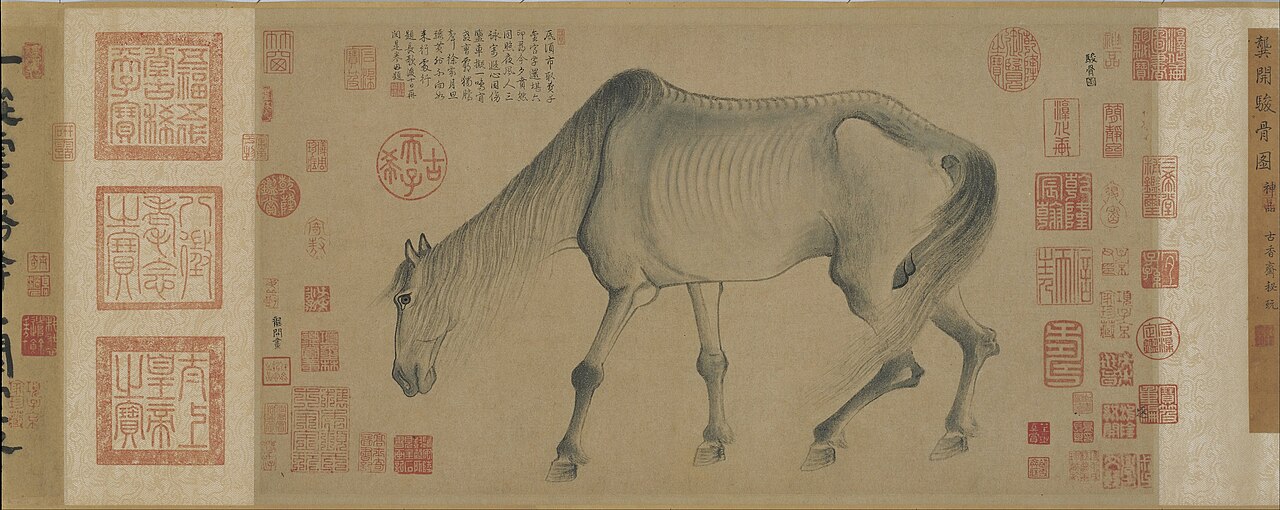
Emaciated Horse
Gong Kai · 1280
A Song-loyalist painter's image of a starving thoroughbred, protesting the ruin of Chinese scholar-officials after Kublai Khan's conquest of the Song.
A Song-loyalist protest image reflecting the impact of Kublai Khan's conquest of the Song on Chinese scholar-officials.
Free Humy account · No credit card · 120,912 sources to read
About this source
What it is
This ink painting on silk, made in 1280 by the artist Gong Kai, shows a thin horse with its ribs and hip bones visible, head lowered to graze. It carries red seals and calligraphic inscriptions, and is now held at the Osaka City Museum of Fine Arts.
Why it matters
Gong Kai was a loyalist to the fallen Song dynasty, which Kublai Khan's Yuan conquered. The starving horse is widely read as a symbol of the scholar-official class left destitute and without purpose after the Mongol conquest, making it a powerful protest image from someone who lived through Kublai's rise to power.
Look closer
- Why might an artist choose a horse, rather than a person, to express political protest?
- What do the inscriptions and seals added to the painting tell us about who valued and kept it?
- What does this image leave out about the Yuan dynasty that other sources might show?
This painting is part of the curated material that grounds the AI version of Kublai Khan on Humy.ai — when students ask about related events, the AI can quote it and cite it.
More Kublai Khan sources
Browse all 81 →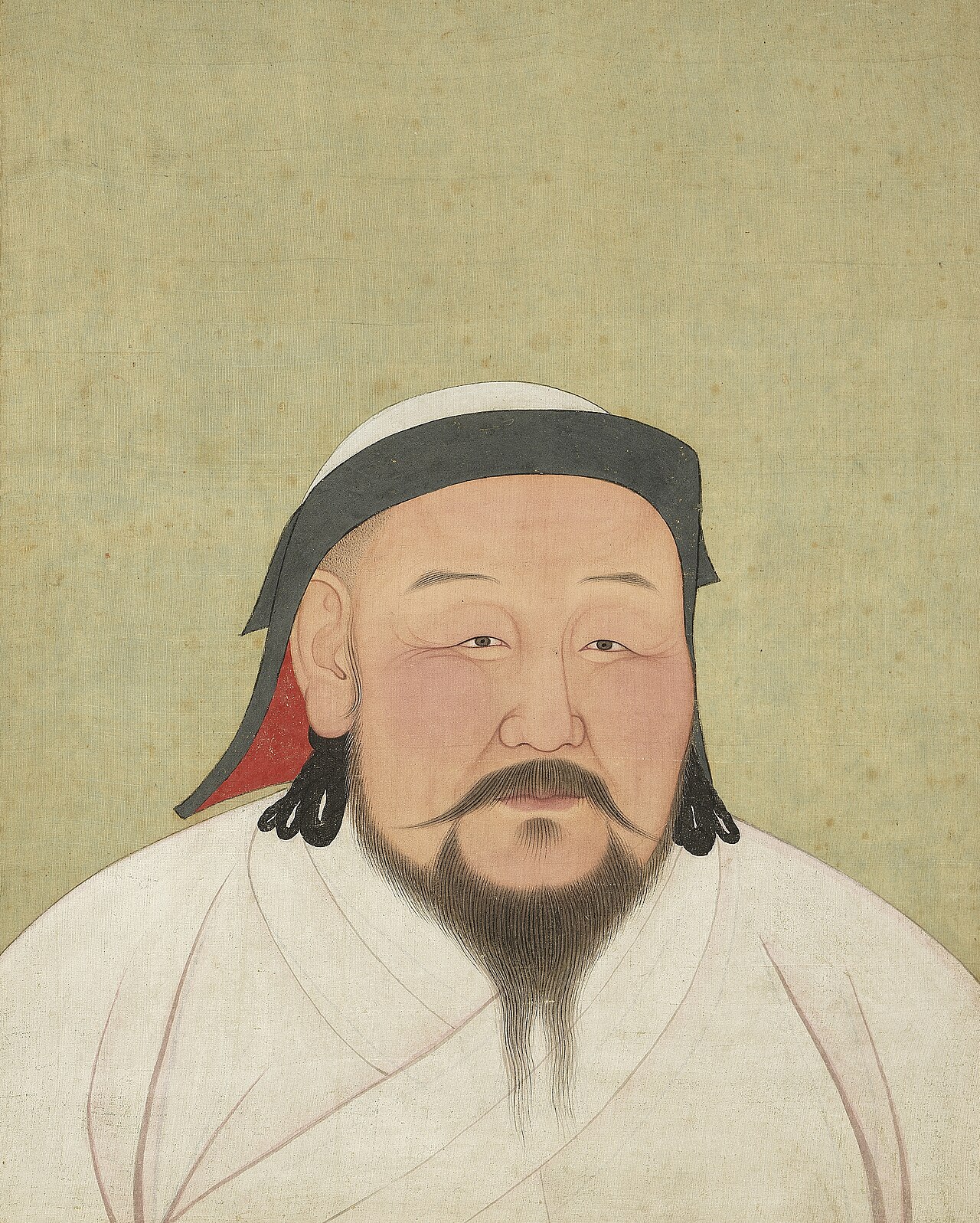 Painting
Secondary source
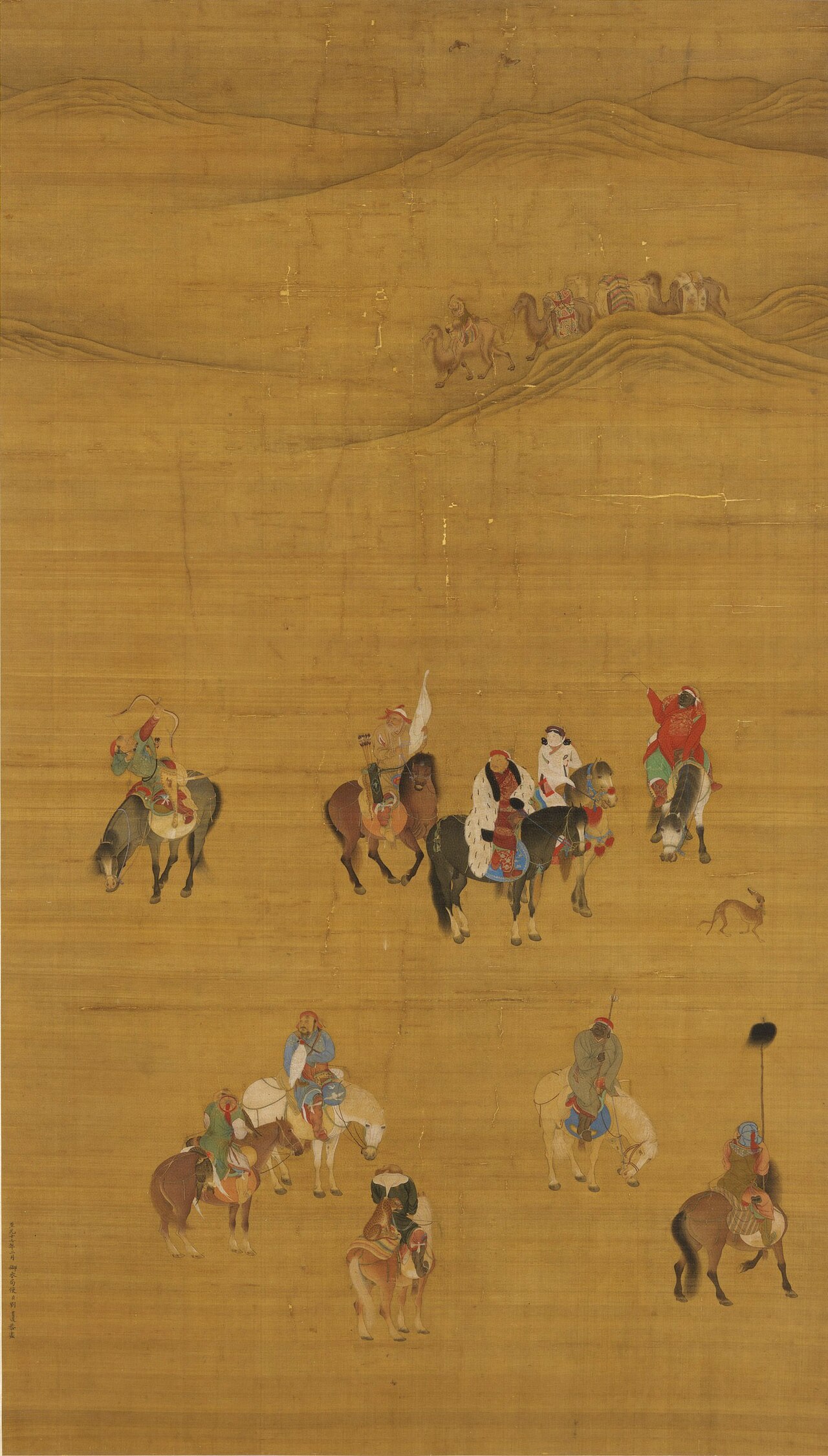
Portrait of Kublai Khan
Circle of Anige
 Book
Primary source
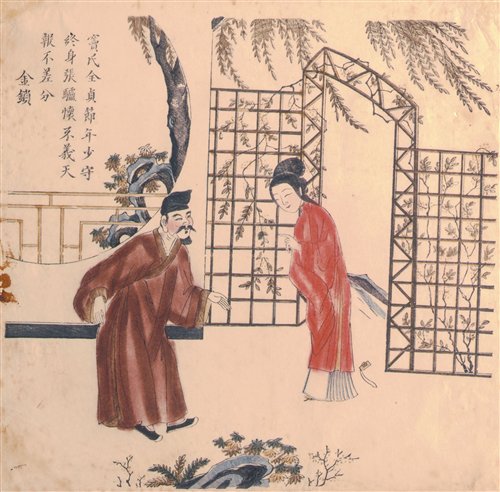
The Injustice to Dou E
Guan Hanqing · 1292
 Book
Secondary source
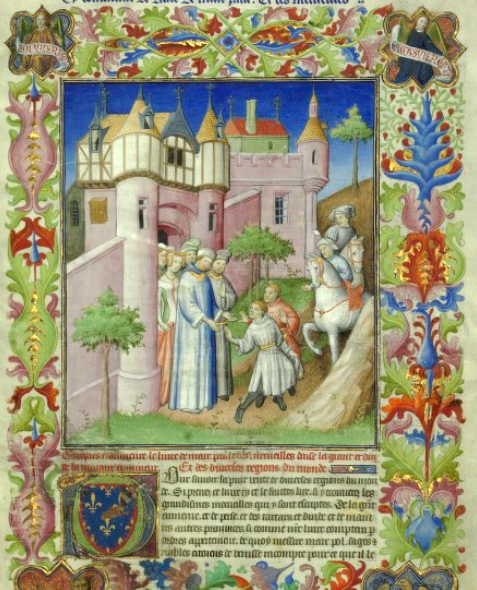
The Travels of Marco Polo
Rustichello da Pisa · 1298
 Book
Primary source
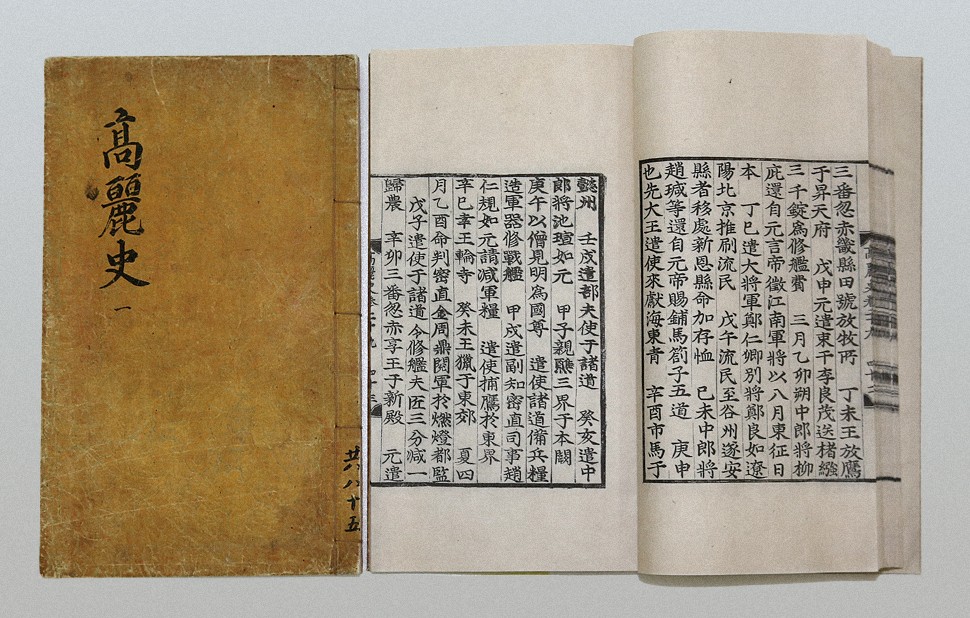
Goryeosa
Chŏng Inji · completed 1451
Free account
Read every Kublai Khan source
Sign up free →
Ready when you are
Start chatting with Kublai Khan now.
20 messages free · No credit card · Available in 50+ languages.