


Secondary sourceBook1298
The Travels of Marco Polo
Rustichello da Pisa · 1298
A 13th-century travelogue of Marco Polo's journeys through Asia, often studied alongside Ibn Battuta's Rihla to compare medieval travel accounts.
Compared in classrooms with Ibn Battuta's Rihla as a contrasting medieval travel account of Asia.
About this source
What it is
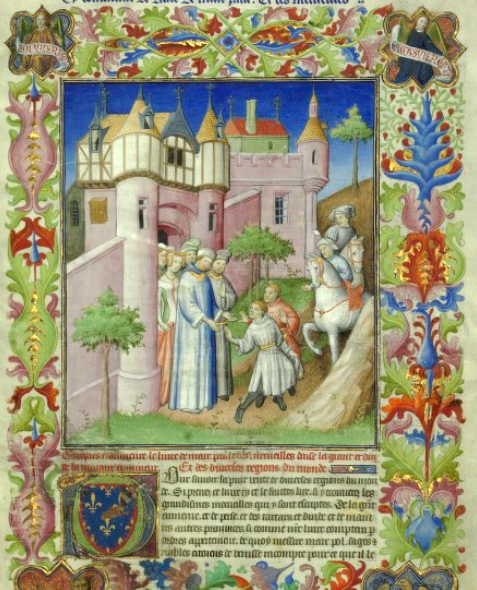
This is a travel account describing journeys through Asia in the late 1200s. It was not written by the traveller himself but set down by a writer named Rustichello da Pisa, based on stories told to him by the Venetian traveller Marco Polo. The original manuscripts are lost; the text survives in about 150 later copies in different languages.
Why it matters
The book shaped how medieval and later Europeans imagined Asia, and historians still debate how much of it is first-hand experience and how much is storytelling added by Rustichello. Classrooms often compare it with Ibn Battuta's Rihla, written decades later by a Muslim scholar travelling through much of the same world, to see how two very different travellers described similar regions.
Look closer
- Why might two accounts of the same regions, written by travellers from different cultures, describe different things as remarkable?
- What does it mean that the book was dictated to another writer rather than written by the traveller himself?
- Why have historians doubted parts of this account, and how might this compare to doubts about other travel writers?
This book is part of the curated material that grounds the AI version of Ibn Battuta, Marco Polo and Genghis Khan on Humy.ai — when students ask about related events, the AI can quote it and cite it.
More Ibn Battuta sources
Meet the AI Ibn Battuta →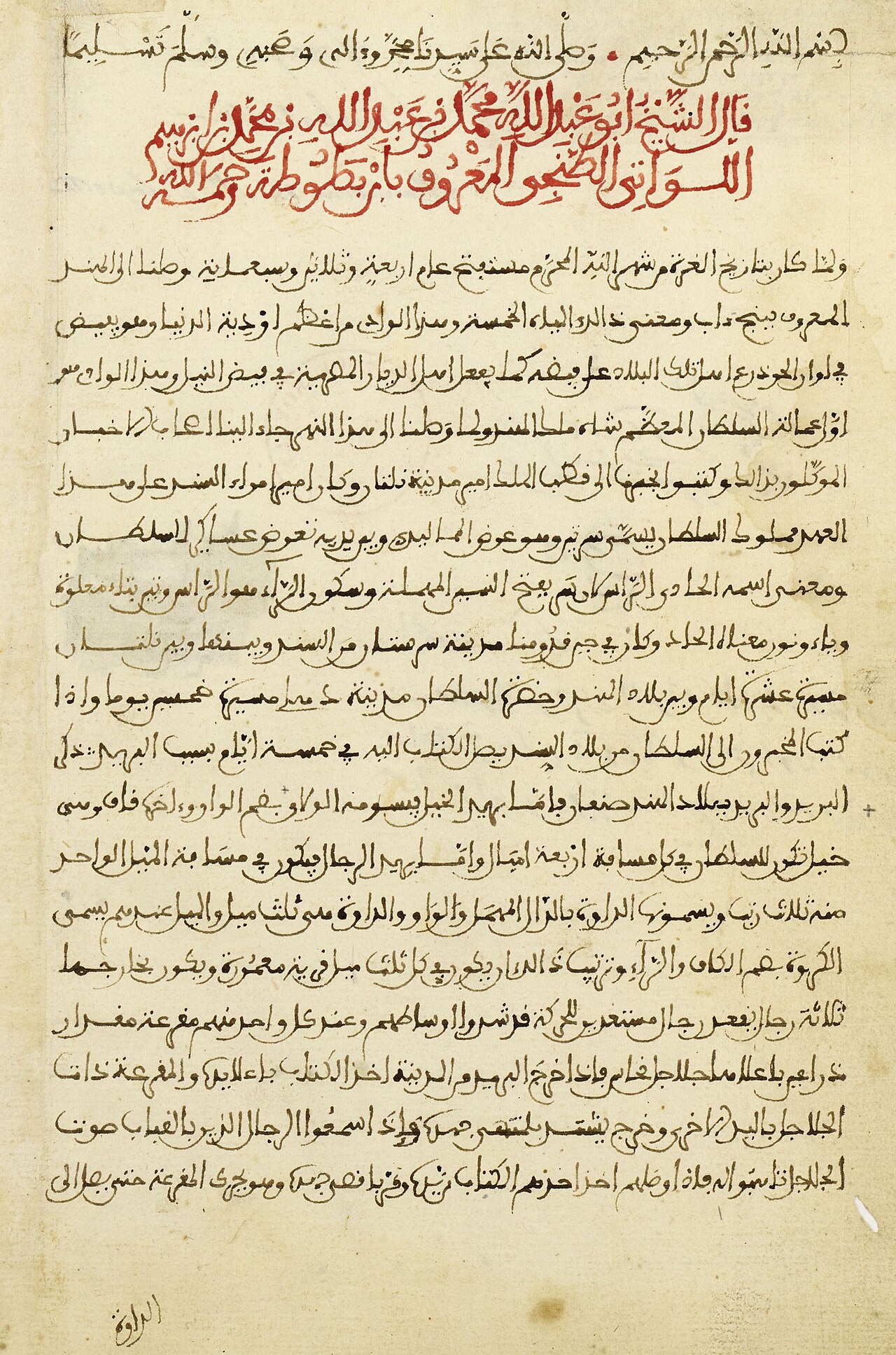 Book
Primary source
The Rihla
Ibn Battuta · 1354-1356
 Book
Primary source
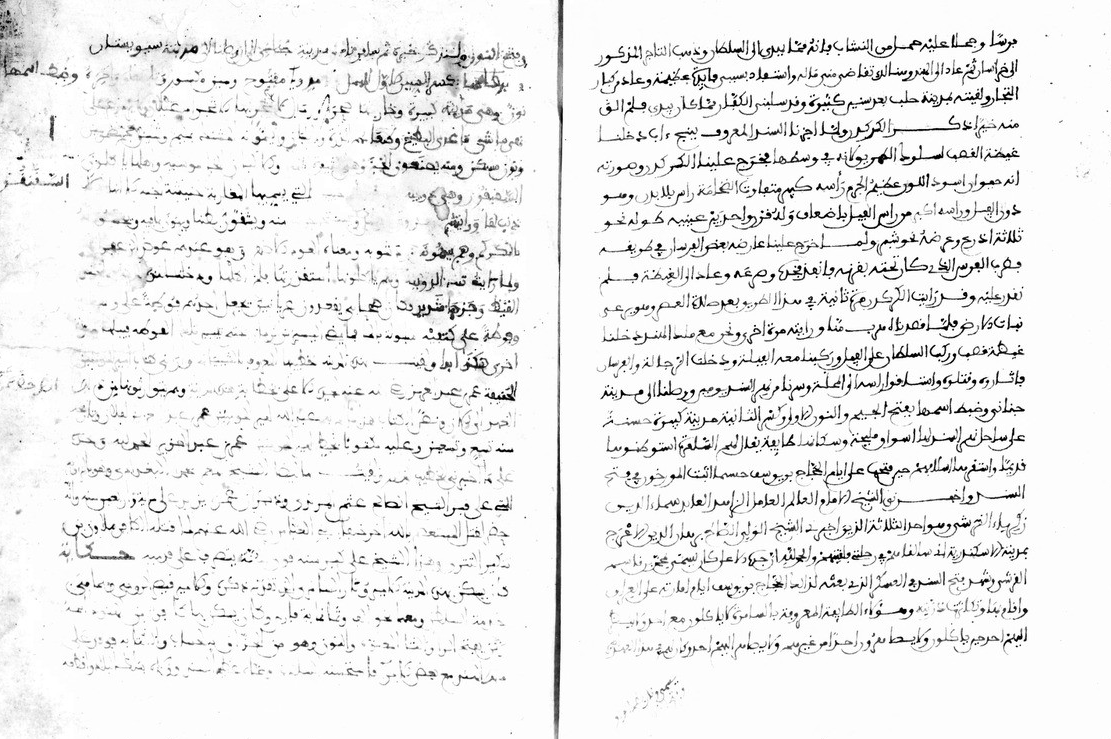
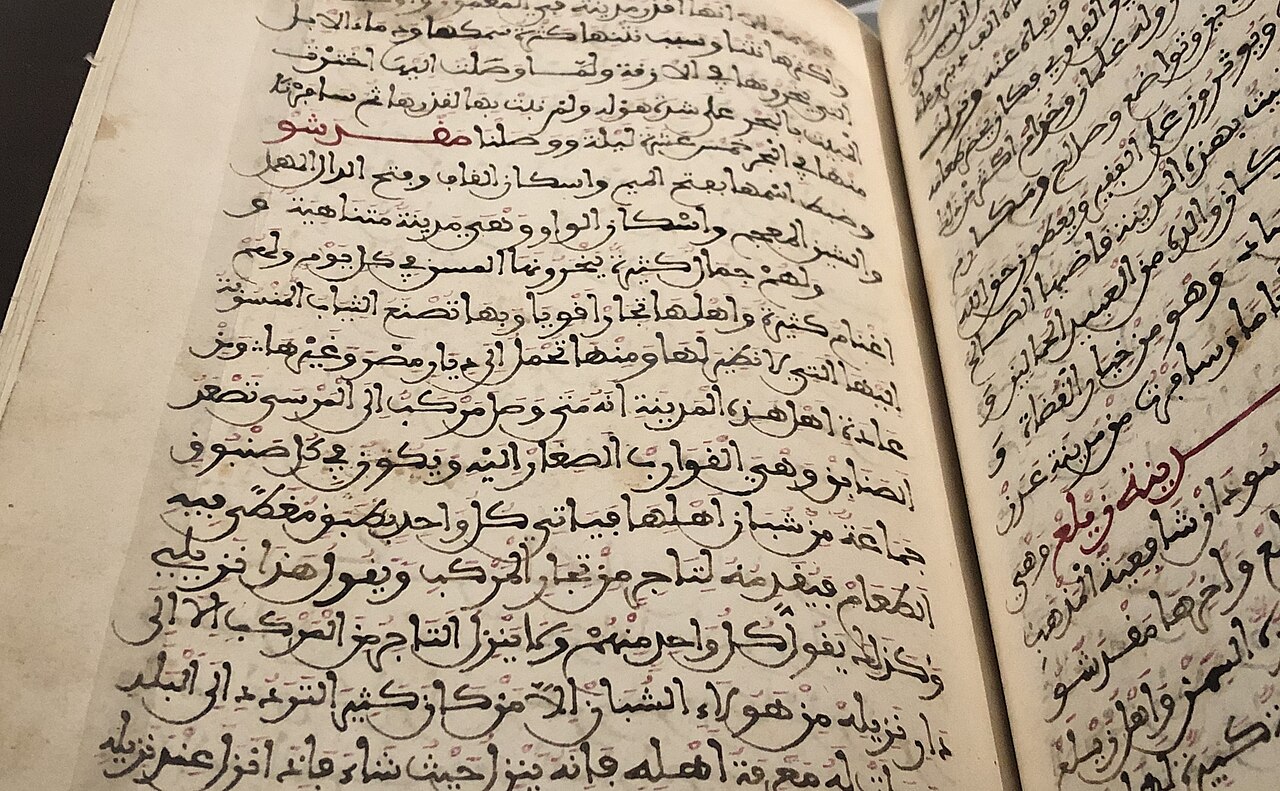
Manuscript of the Rihla by Ibn Juzayy
Ibn Juzayy · 14th century
 Artifact
Secondary source
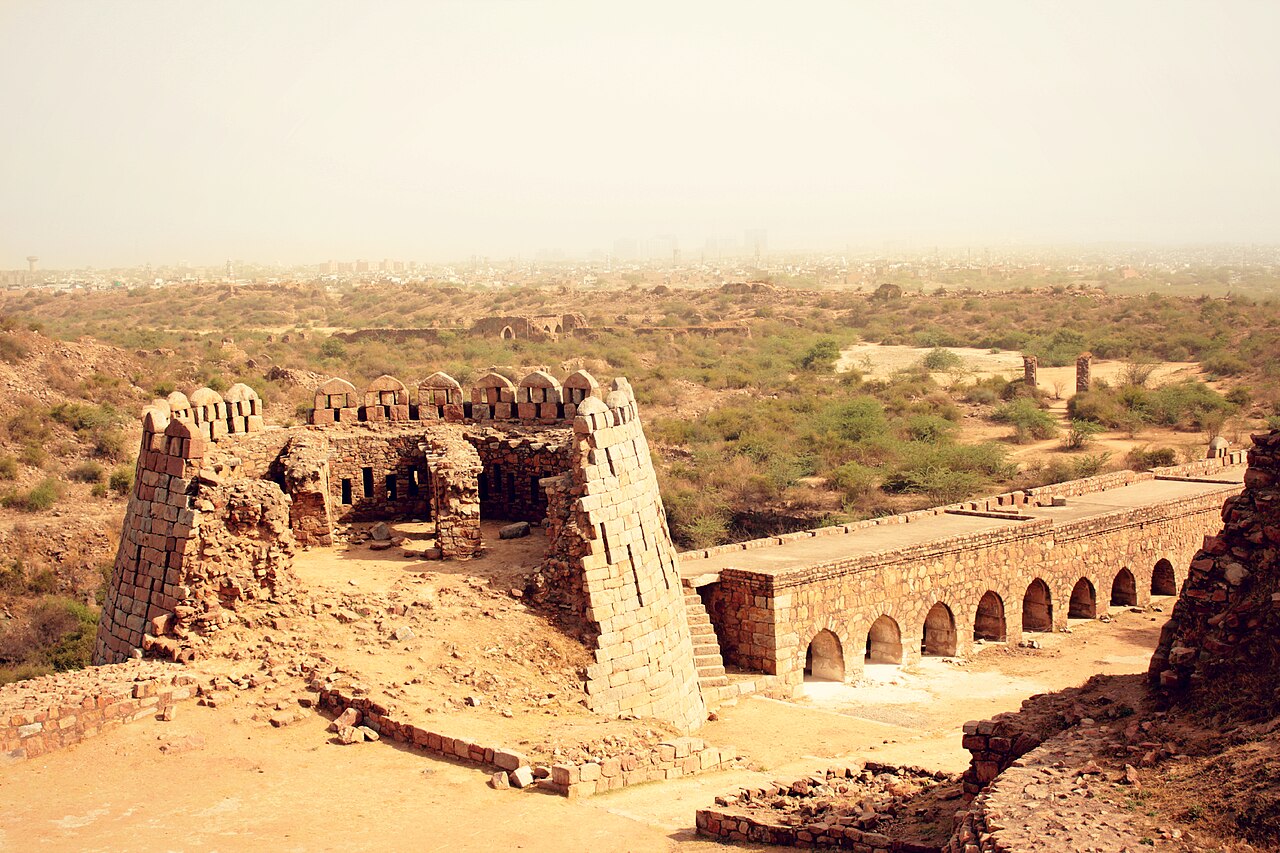
Tughlaqabad Fort
Ghiyath al-Din Tughluq · 1321
 Book
Secondary source
Manuscript copy of the Rihla (1484)
Ibn Juzayy · 1484
 Painting
Primary source
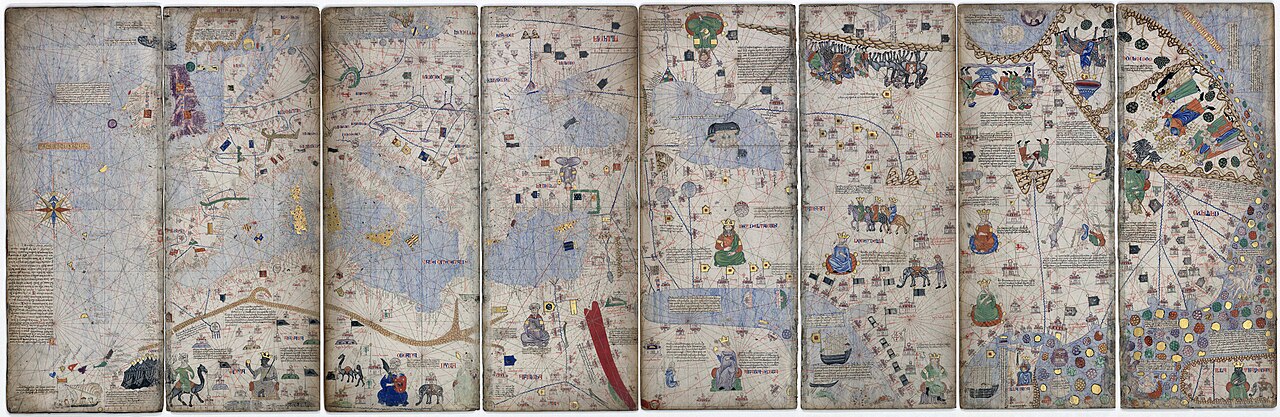
Catalan Atlas
Cresques Abraham · c. 1375
Ready when you are
Start chatting with Ibn Battuta now.
20 messages free · No credit card · Available in 50+ languages.