


Primary sourceBook14th century
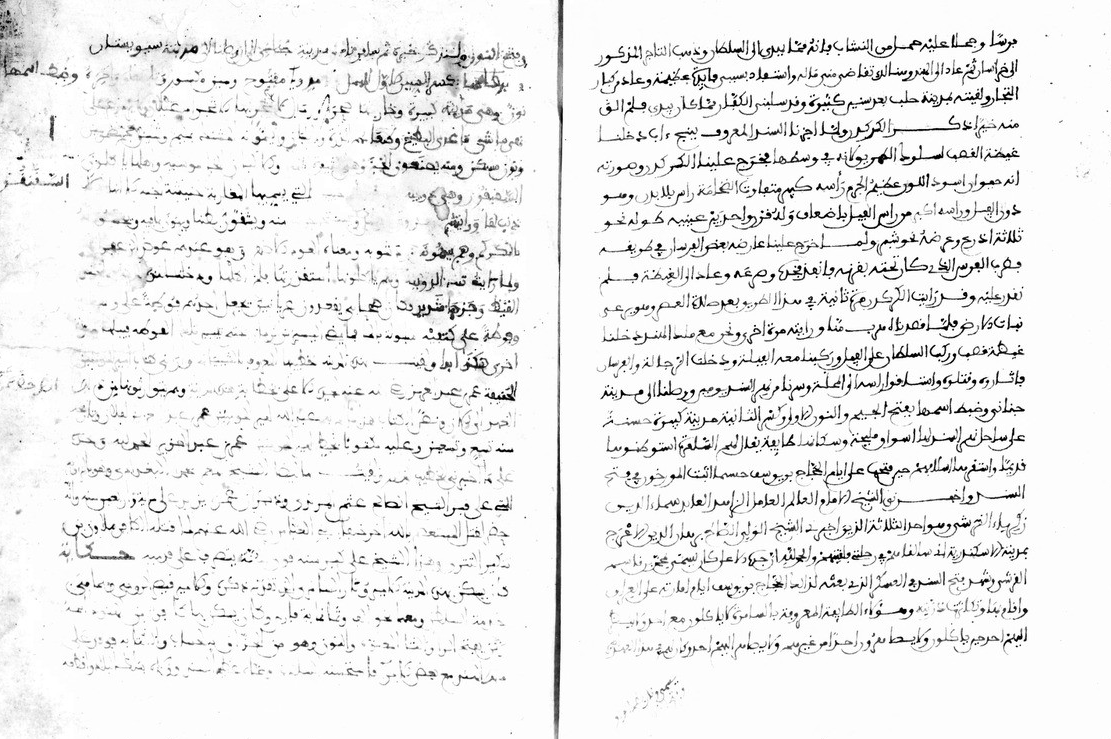
Manuscript of the Rihla by Ibn Juzayy
Ibn Juzayy · 14th century
A 14th-century manuscript copy of the Rihla associated with its compiler Ibn Juzayy, the closest surviving physical link to Ibn Battuta's dictated text.
A manuscript copy close to the original dictation that preserves Ibn Battuta's words through his editor Ibn Juzayy.
About this source
What it is
This is a 14th-century manuscript of the Rihla, the travel account of Ibn Battuta, associated with Ibn Juzayy, the scholar who wrote down and edited Ibn Battuta's dictated memories. Part of the manuscript is held at the Bibliotheque nationale de France.
Why it matters
Because Ibn Battuta did not write his own account, the manuscripts made by and after Ibn Juzayy are the closest physical connection we have to the words Ibn Battuta spoke in Fez. Studying such a manuscript shows students how medieval texts survived and were copied by hand, and how much we depend on scribes and editors like Ibn Juzayy to preserve a traveller's story.
Look closer
- What differences do you notice between the two visible pages, and what might explain them?
- Why does the condition of a manuscript matter to historians trying to trust its text?
- What role did Ibn Juzayy play in shaping the story we read today?
This book is part of the curated material that grounds the AI version of Ibn Battuta on Humy.ai — when students ask about related events, the AI can quote it and cite it.
More Ibn Battuta sources
Meet the AI Ibn Battuta →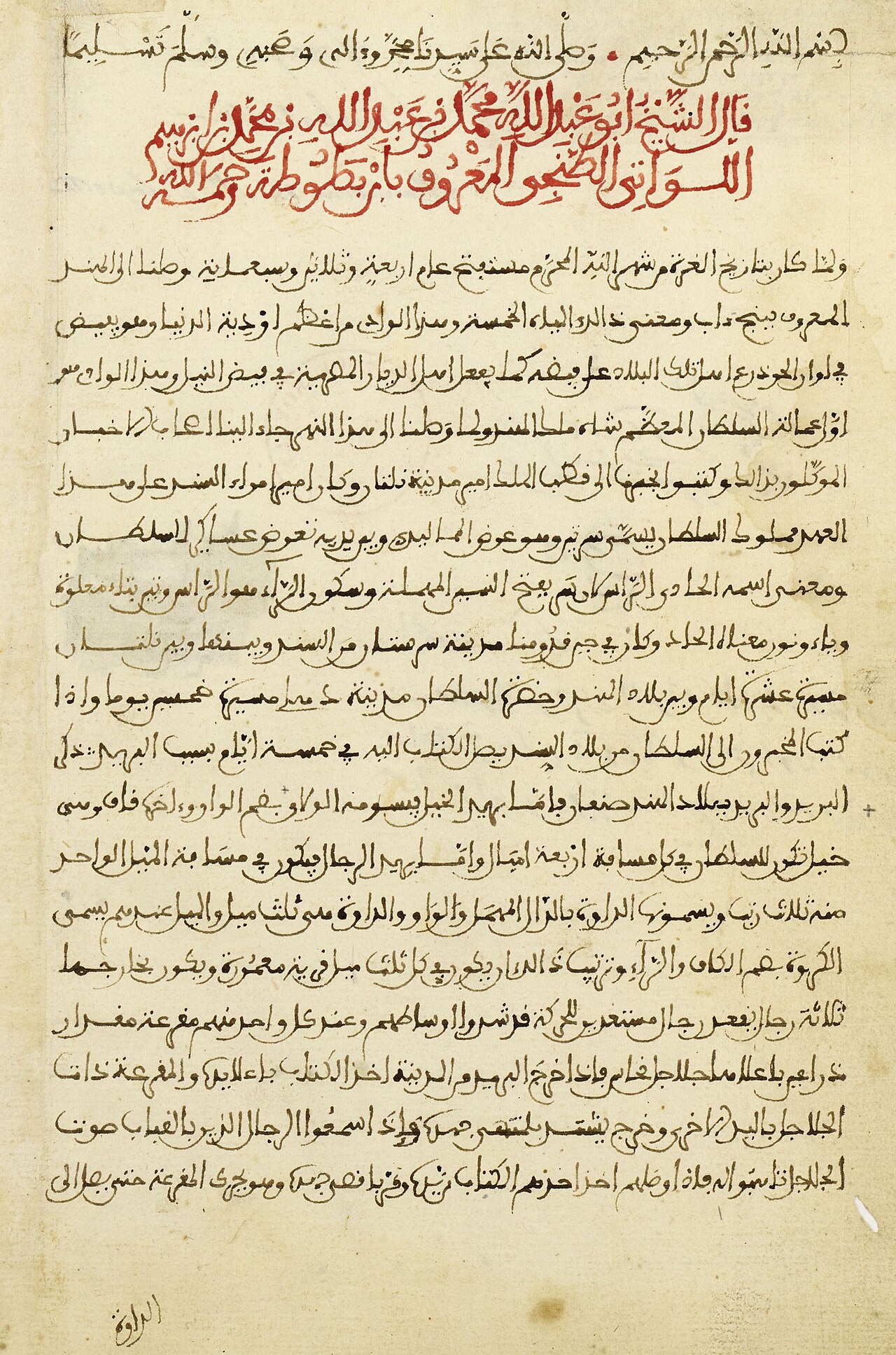 Book
Primary source
The Rihla
Ibn Battuta · 1354-1356
 Artifact
Secondary source
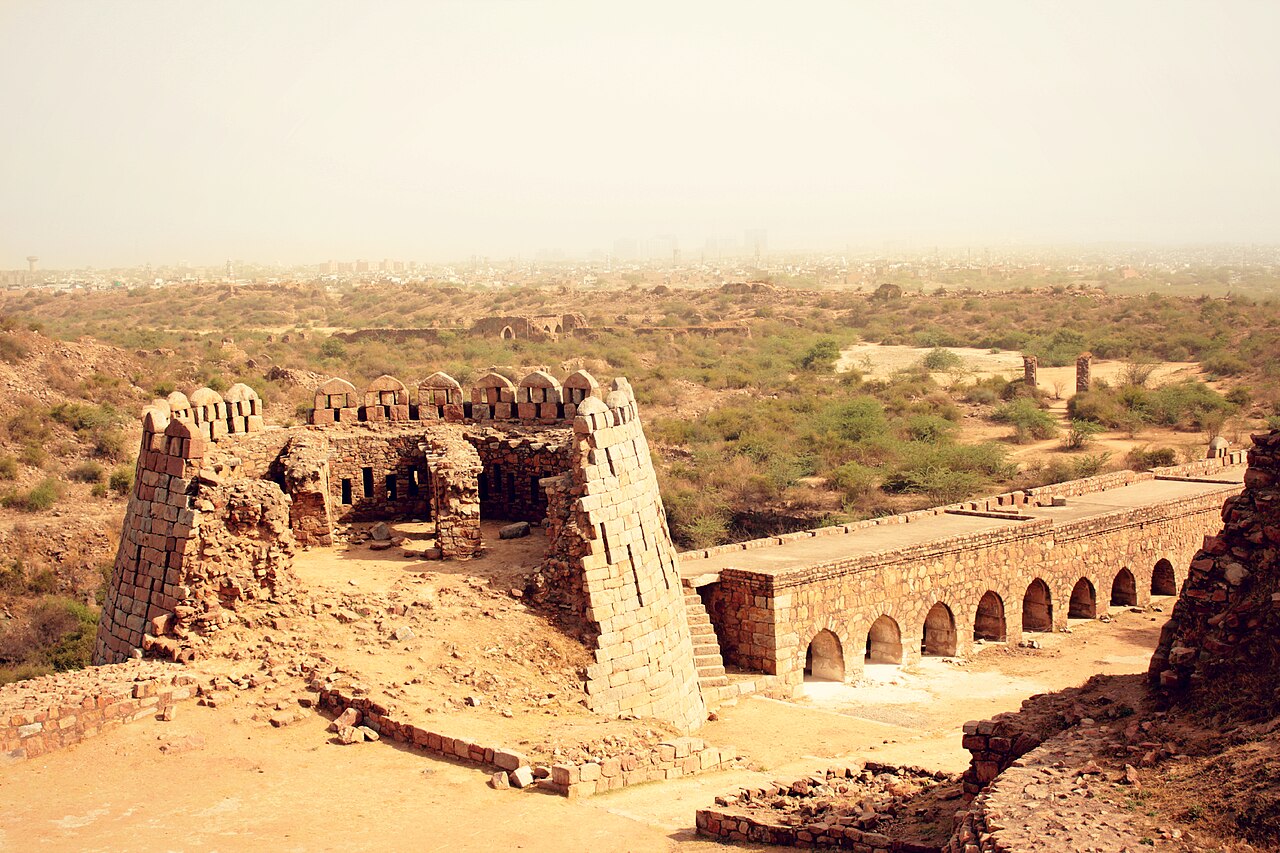
Tughlaqabad Fort
Ghiyath al-Din Tughluq · 1321
 Book
Secondary source
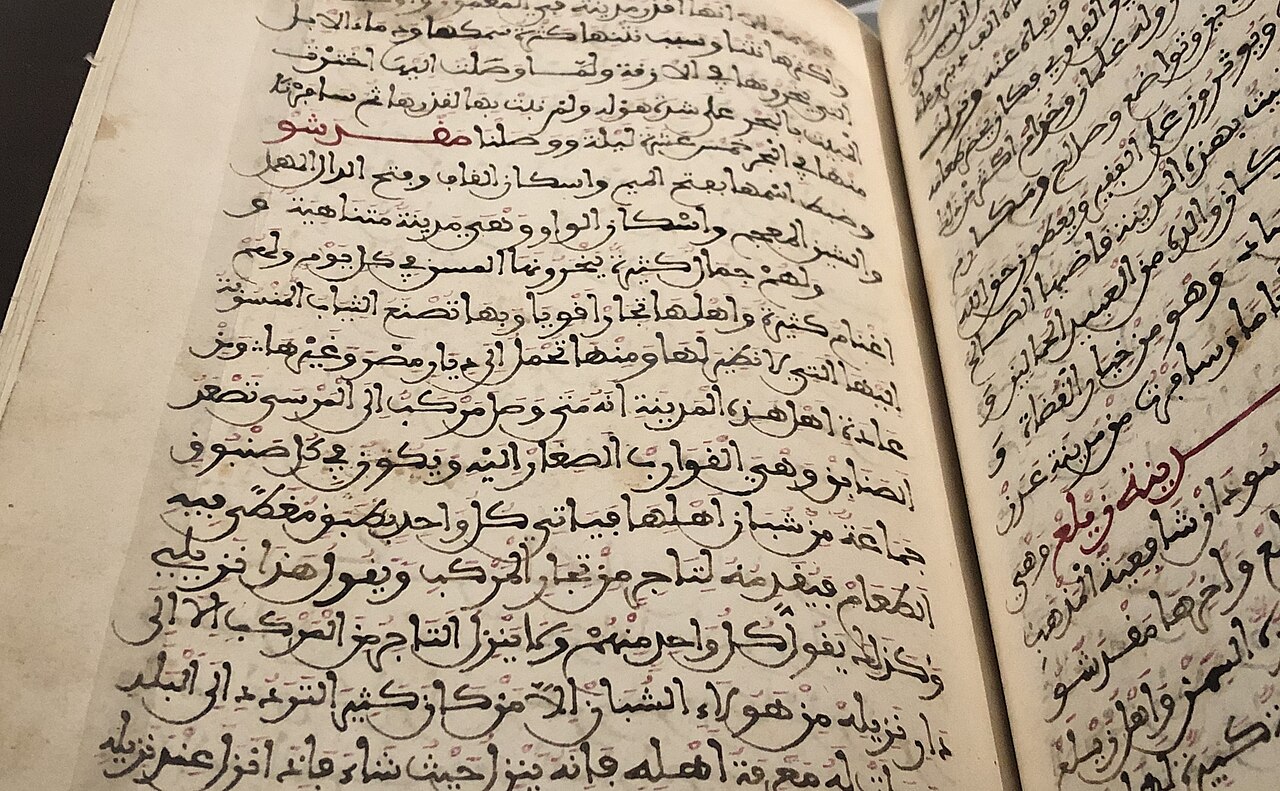
Manuscript copy of the Rihla (1484)
Ibn Juzayy · 1484
 Painting
Primary source
Catalan Atlas
Cresques Abraham · c. 1375
 Artifact
Secondary source
Great Mosque of Kilwa
11th-14th century
Ready when you are
Start chatting with Ibn Battuta now.
20 messages free · No credit card · Available in 50+ languages.