


Secondary sourceArtifact11th-14th century
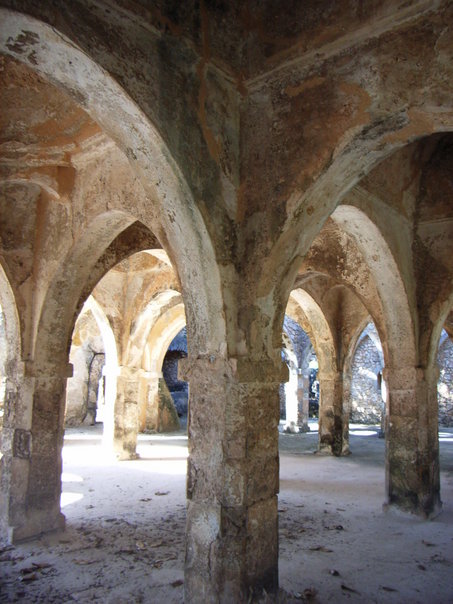
Great Mosque of Kilwa
11th-14th century
A coral-stone mosque on the Swahili coast, enlarged around the time Ibn Battuta visited and praised Kilwa as one of the finest towns he saw.
Ibn Battuta visited and praised Kilwa and its mosque, making this building physical evidence for his firsthand account of East Africa.
About this source
What it is
The Great Mosque of Kilwa is a partly ruined Friday mosque on the island of Kilwa Kisiwani off the coast of Tanzania. First built around the tenth or eleventh century, it was extended in the fourteenth century by Sultan al-Hasan ibn Sulaiman, who added a southern section with a great dome. It stands within Kilwa Kisiwani, a UNESCO World Heritage Site.
Why it matters
Ibn Battuta visited Kilwa and described its mosque, calling the city one of the finest and most beautifully built towns he had seen, though his description of the building's materials was not entirely accurate. The mosque is physical evidence of the wealthy Swahili trading cities Ibn Battuta saw on the East African coast, built under rulers like Sultan al-Hasan ibn Sulaiman.
Look closer
- Why might a visitor's written description of a building differ from what archaeology later reveals?
- What does the scale and craftsmanship of the mosque suggest about Kilwa's wealth at the time?
- What was lost when the mosque fell into ruin, and what survives to be studied today?
This artifact is part of the curated material that grounds the AI version of Ibn Battuta on Humy.ai — when students ask about related events, the AI can quote it and cite it.
More Ibn Battuta sources
Meet the AI Ibn Battuta →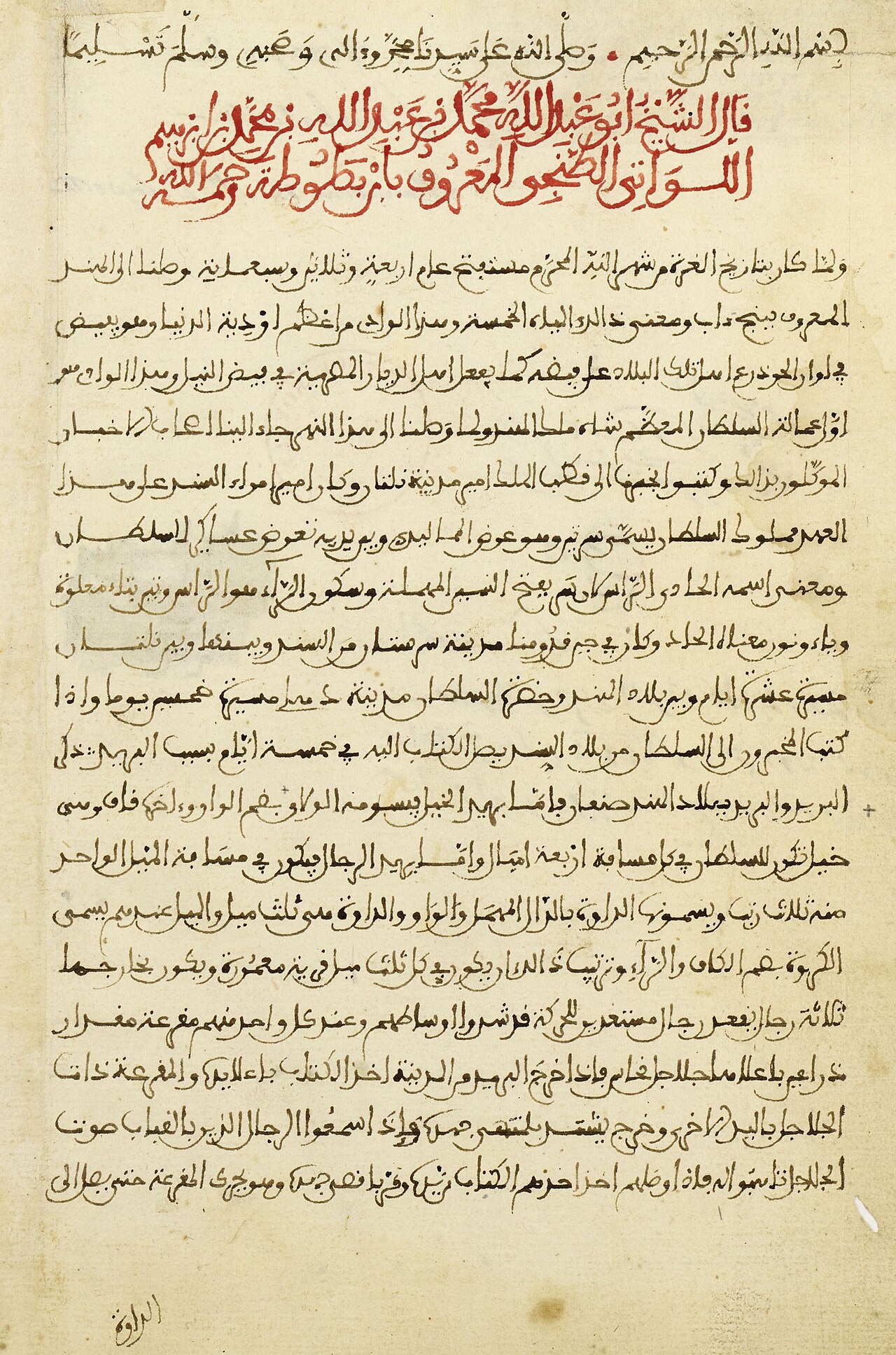 Book
Primary source
The Rihla
Ibn Battuta · 1354-1356
 Book
Primary source
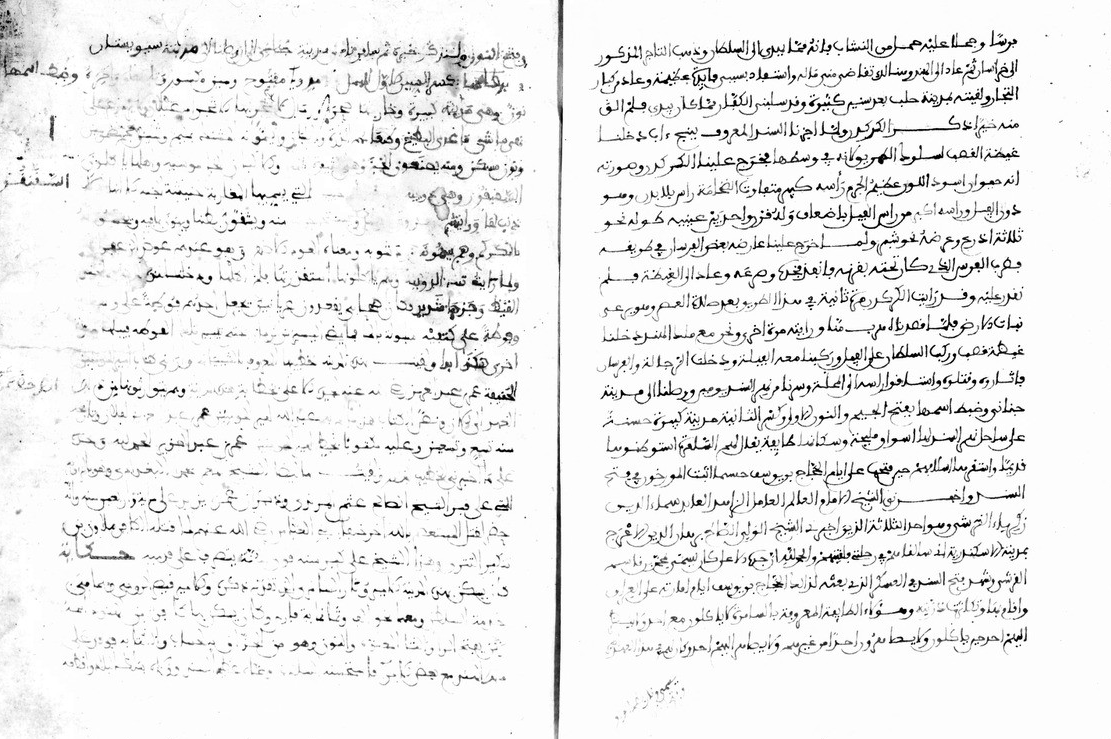
Manuscript of the Rihla by Ibn Juzayy
Ibn Juzayy · 14th century
 Artifact
Secondary source
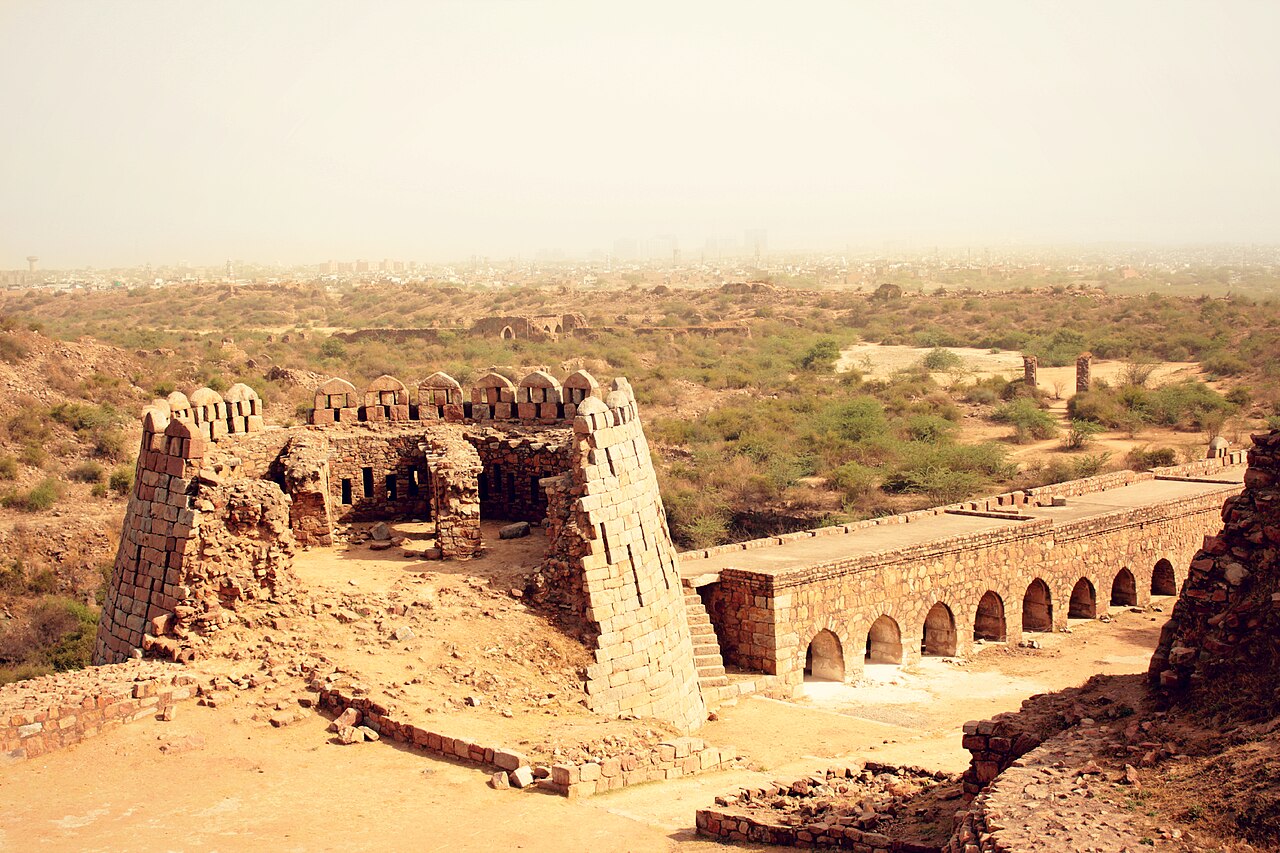
Tughlaqabad Fort
Ghiyath al-Din Tughluq · 1321
 Book
Secondary source
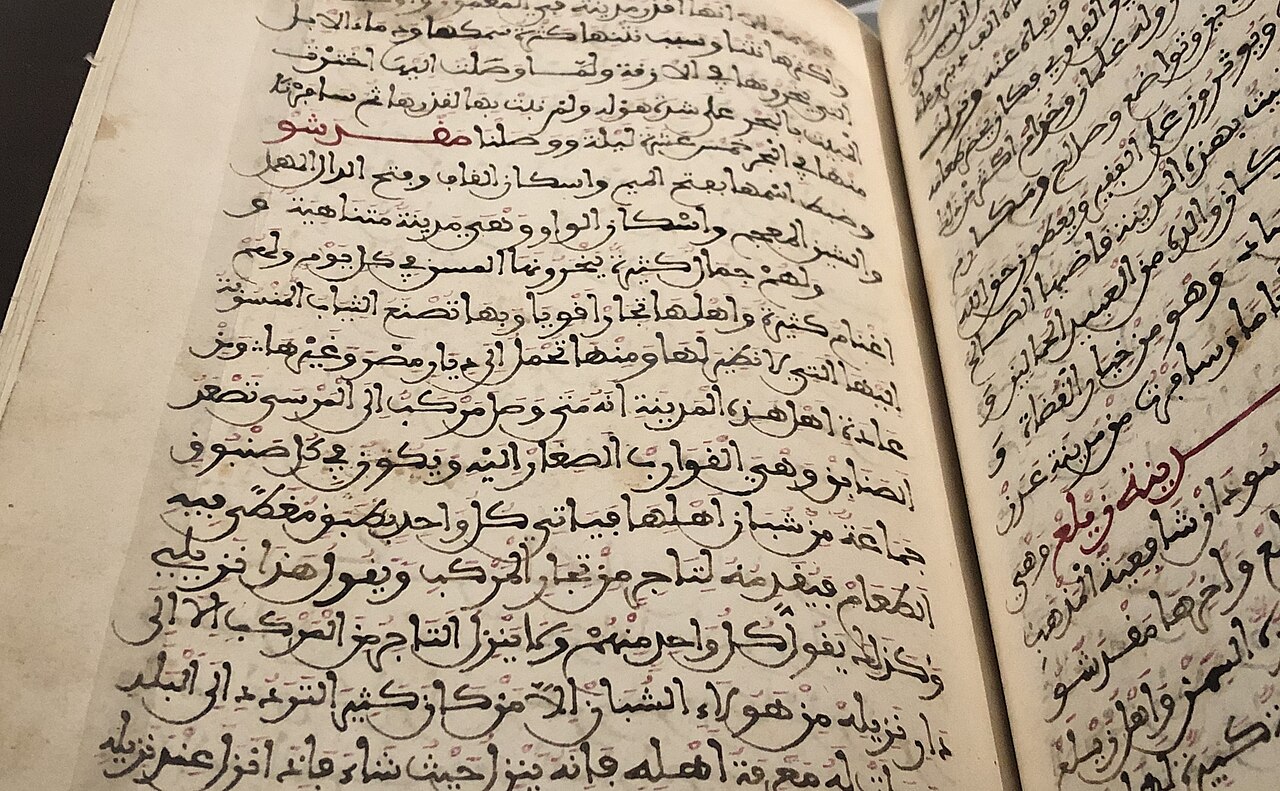
Manuscript copy of the Rihla (1484)
Ibn Juzayy · 1484
 Painting
Primary source
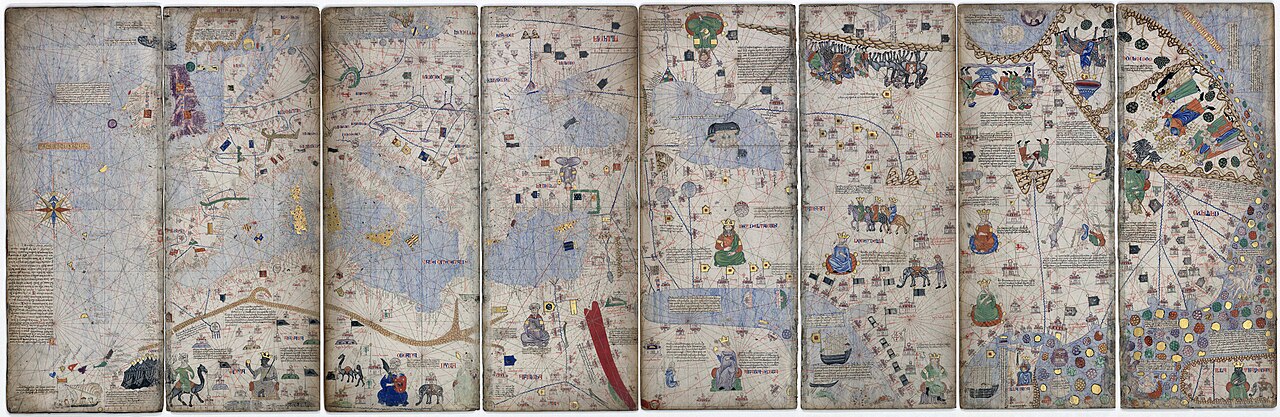
Catalan Atlas
Cresques Abraham · c. 1375
Ready when you are
Start chatting with Ibn Battuta now.
20 messages free · No credit card · Available in 50+ languages.