


Primary sourceArtifact1912
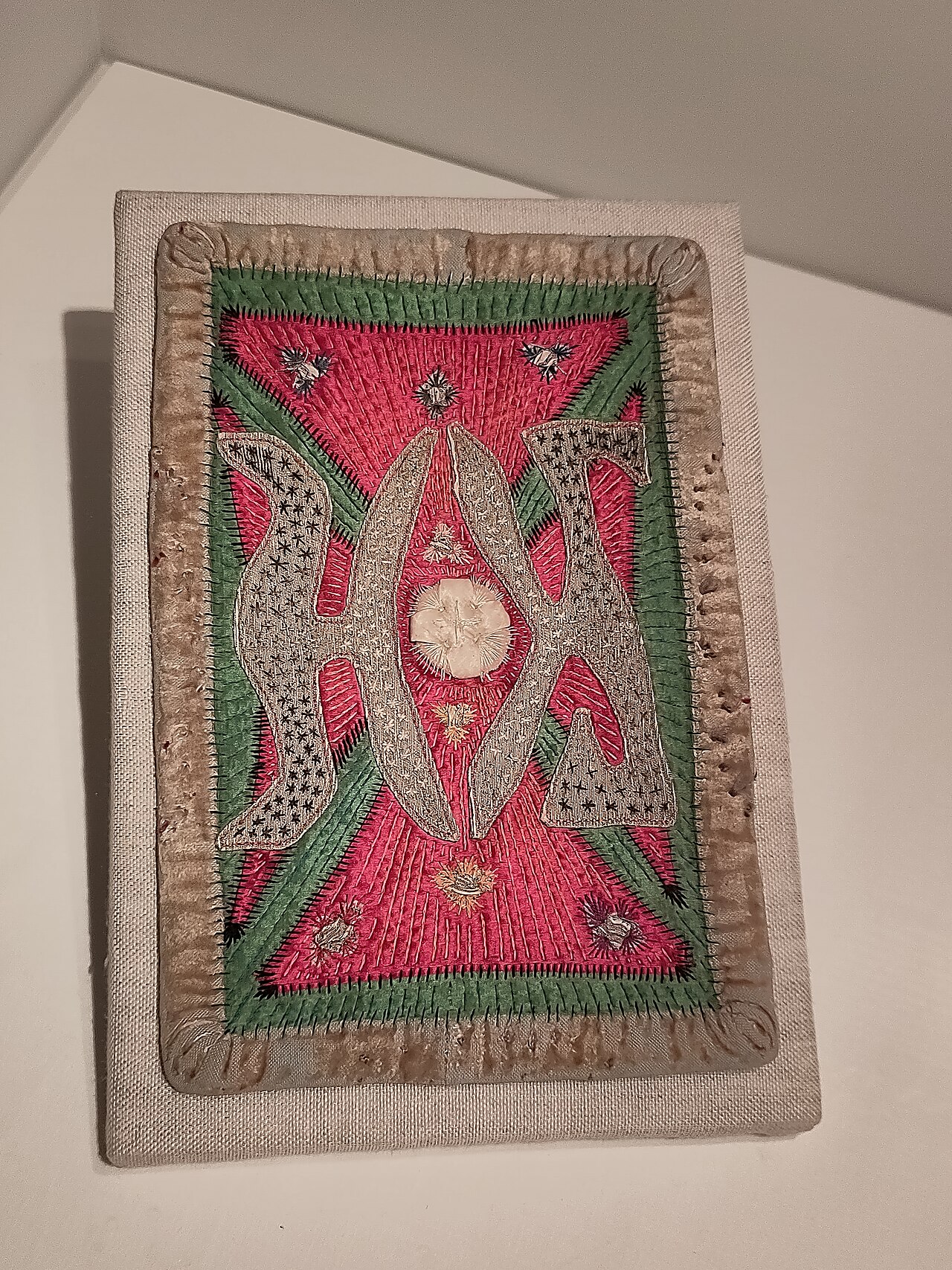
Embroidered Panel from the Forty Hours Monument, Palma
Antoni Gaudí · 1912
An embroidered panel from a monument project Gaudí designed for a convent in Palma, one of only three surviving pieces.
Gaudí designed this embroidery for a Palma convent monument, showing his work beyond architecture.
About this source
What it is
This is an embroidered textile panel made for a 'Forty Hours' devotional monument at the convent of Santa Elisabet in Palma. It dates from 1912 and is one of only three surviving pieces from the project.
Antoni Gaudí designed the monument himself. He regularly attended the Forty Hours liturgy at the convent, and when the nuns wanted to renew their old monument, he offered them a design that they would embroider by hand.
Why it matters
The piece shows Gaudí working outside architecture, designing decorative art for a religious community. It also shows the limits of ambitious projects: the embroidery work proved so laborious that the plan was eventually abandoned, and the nuns kept this surviving fragment.
Look closer
- What materials and techniques can you identify in the embroidery?
- Why might nuns have been chosen to carry out Gaudí's design?
- What does the unfinished project tell you about the gap between an architect's plans and what can actually be built?
This artifact is part of the curated material that grounds the AI version of Antonio Gaudí on Humy.ai — when students ask about related events, the AI can quote it and cite it.
More Antonio Gaudí sources
Meet the AI Antonio Gaudí →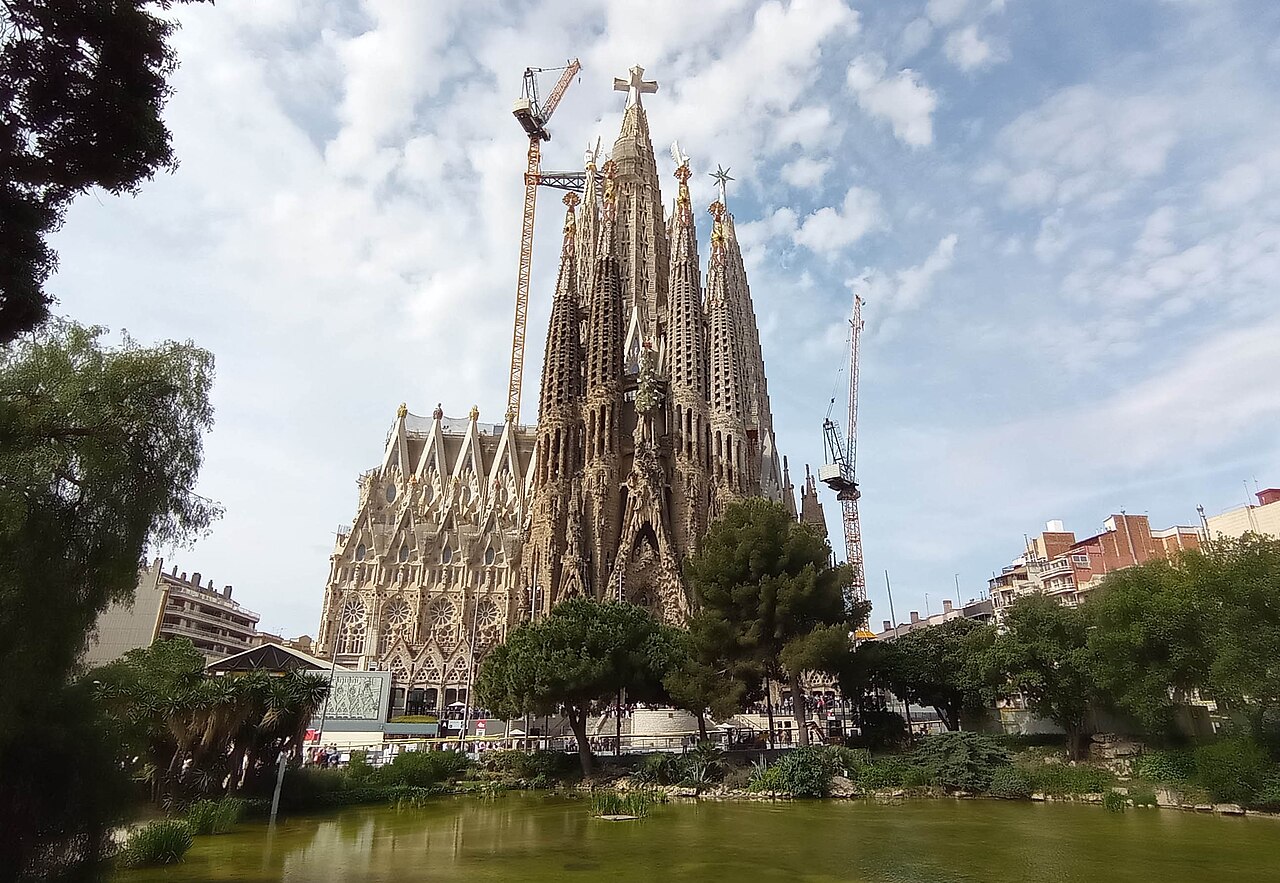 Artifact
Primary source
Sagrada Família
Antoni Gaudí · begun 1882, redesigned by Gaudí from 1883, still under construction
 Artifact
Primary source
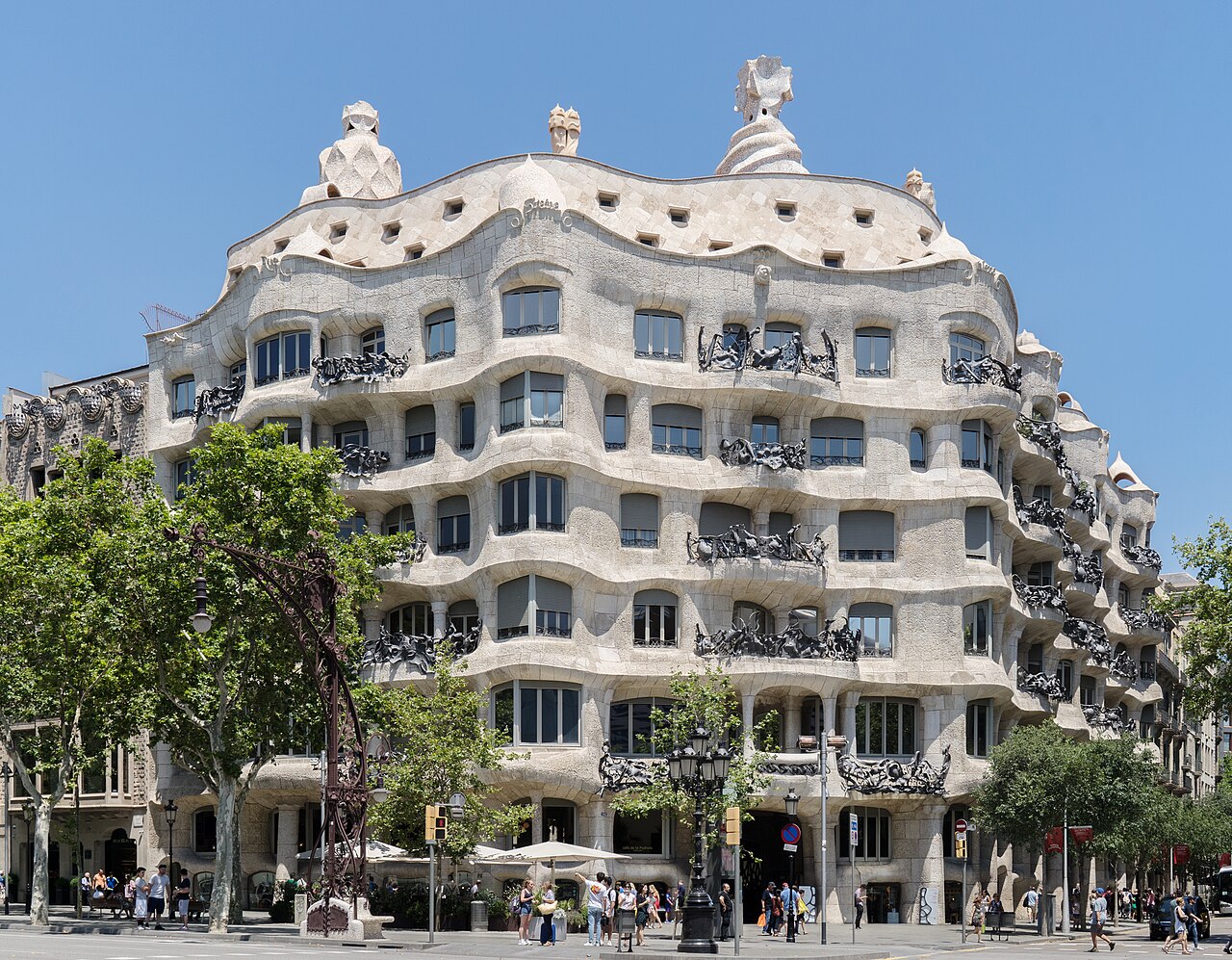
Casa Milà
Antoni Gaudí · 1906-1912
 Artifact
Primary source
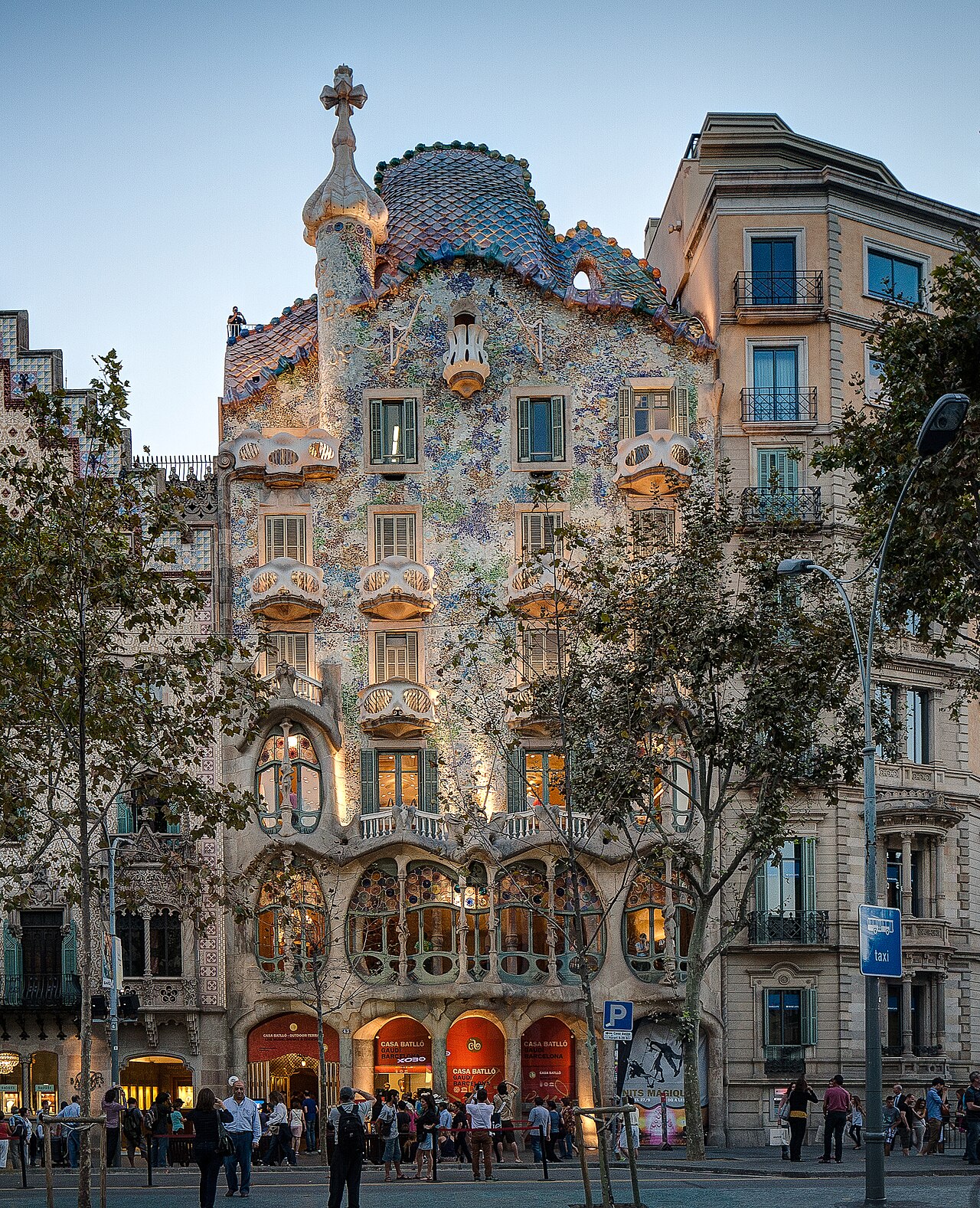
Casa Batlló
Antoni Gaudí · remodelled 1904-1906
 Artifact
Primary source
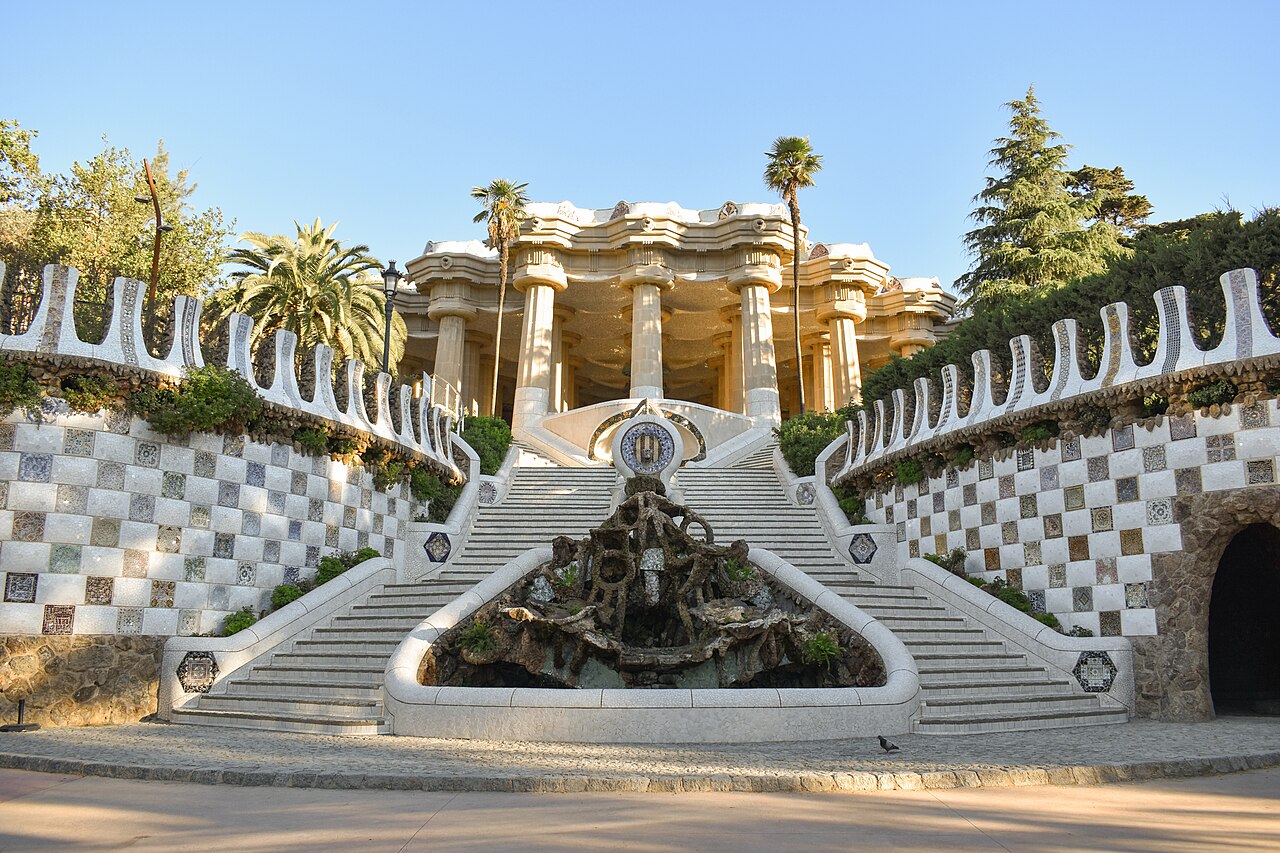
Park Güell
Antoni Gaudí · 1900-1914, opened 1926
 Artifact
Primary source
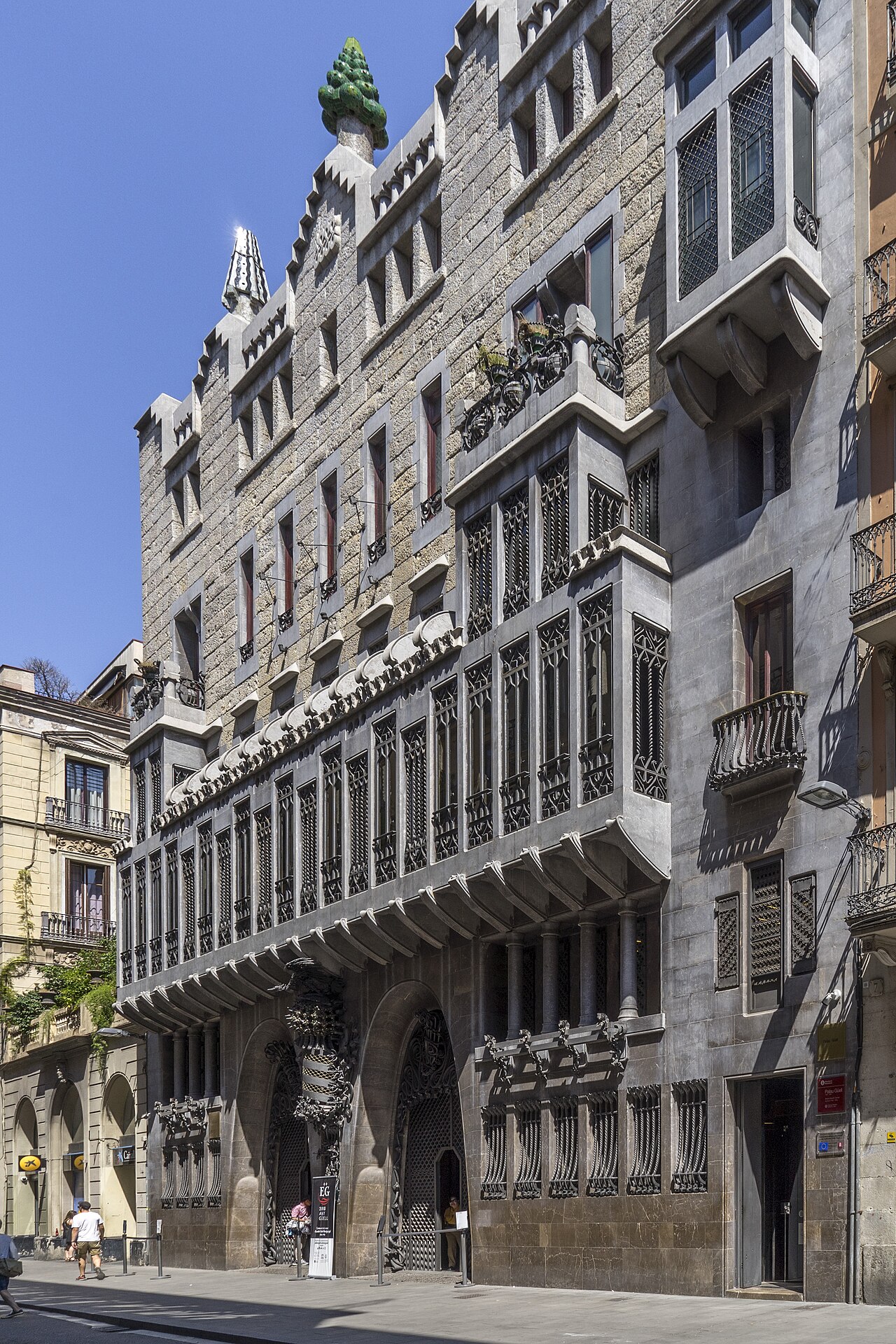
Palau Güell
Antoni Gaudí · 1886-1888
Ready when you are
Start chatting with Antonio Gaudí now.
20 messages free · No credit card · Available in 50+ languages.