


Secondary sourceDocument1 November 2012
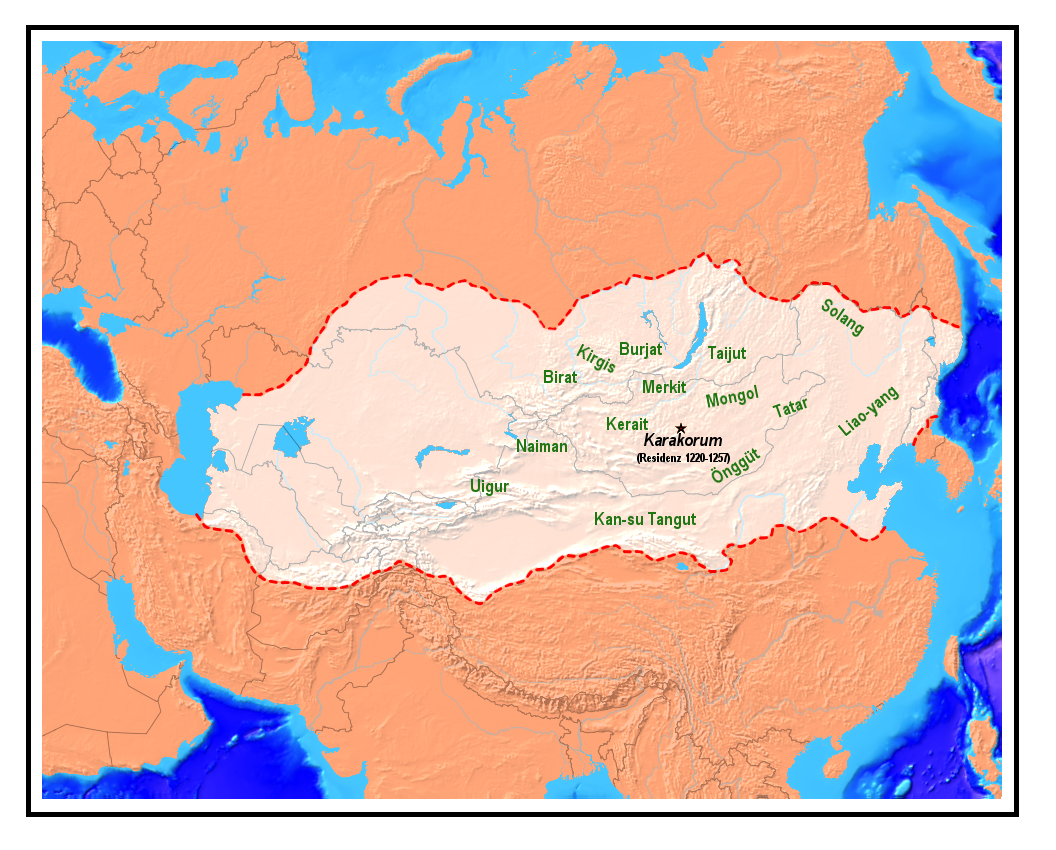
Empire of Genghis Khan at his death
Hardcore-Mike · 1 November 2012
A modern map from a German historical atlas showing the Mongol Empire after Genghis Khan died in 1227. It helps students see the empire's extent.
Shows the territory that Genghis Khan's empire covered at his death, giving context for his rule across Central Asia.
About this source
What it is
This is a map of Central Asia showing the empire of Genghis Khan after his death in 1227. It is taken from the atlas Grosser Historischer Weltatlas, Zweiter Teil, Mittelalter, published in 1979 by Bayerischer Schulbuch-Verlag, page 56. The map is a modern reproduction, not an object from the 13th century. The Commons file is dated 1 November 2012, which is the date recorded for the file rather than the date of the map's original design.
The map uses a red dashed outline to mark the empire and labels groups such as the Mongol, Tatar, Kerait, Naiman and Uigur. It also marks Karakorum as the residence from 1220 to 1257.
Why it matters
Maps like this one turn a huge conquest into a visible shape. They help readers see how the peoples and regions brought together under Genghis Khan were distributed, and why later rulers had to manage such a large territory. The map reflects the choices of its modern editors about which boundaries and names to show.
Look closer
- Which regions are included inside the outline, and which are left out?
- Why might a modern atlas mark the boundaries with a dashed line rather than a solid one?
- What does a map from 1979 suggest about how historians presented the Mongol Empire at that time?
This document is part of the curated material that grounds the AI version of Genghis Khan on Humy.ai — when students ask about related events, the AI can quote it and cite it.
More Genghis Khan sources
Meet the AI Genghis Khan →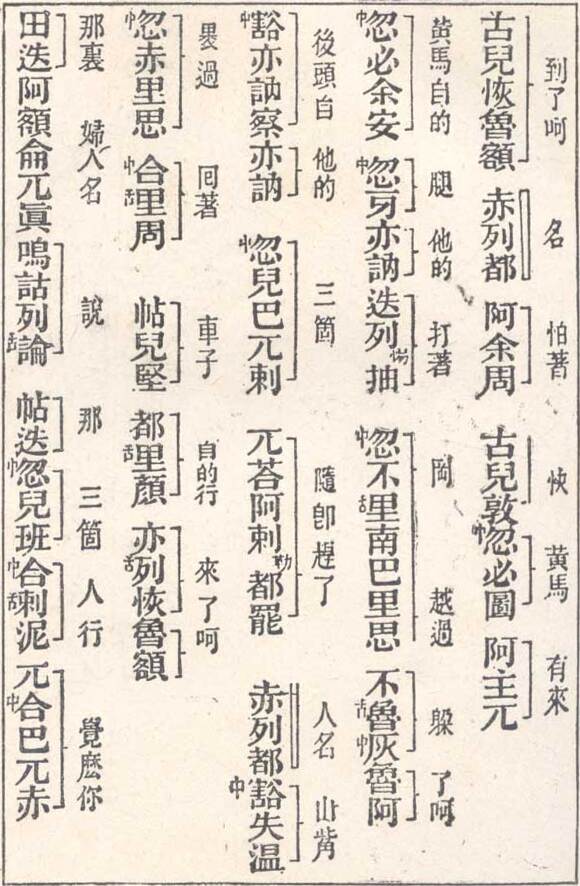 Book
Secondary source
The Secret History of the Mongols
c. 1228 (completed after 1227)
 Painting
Secondary source
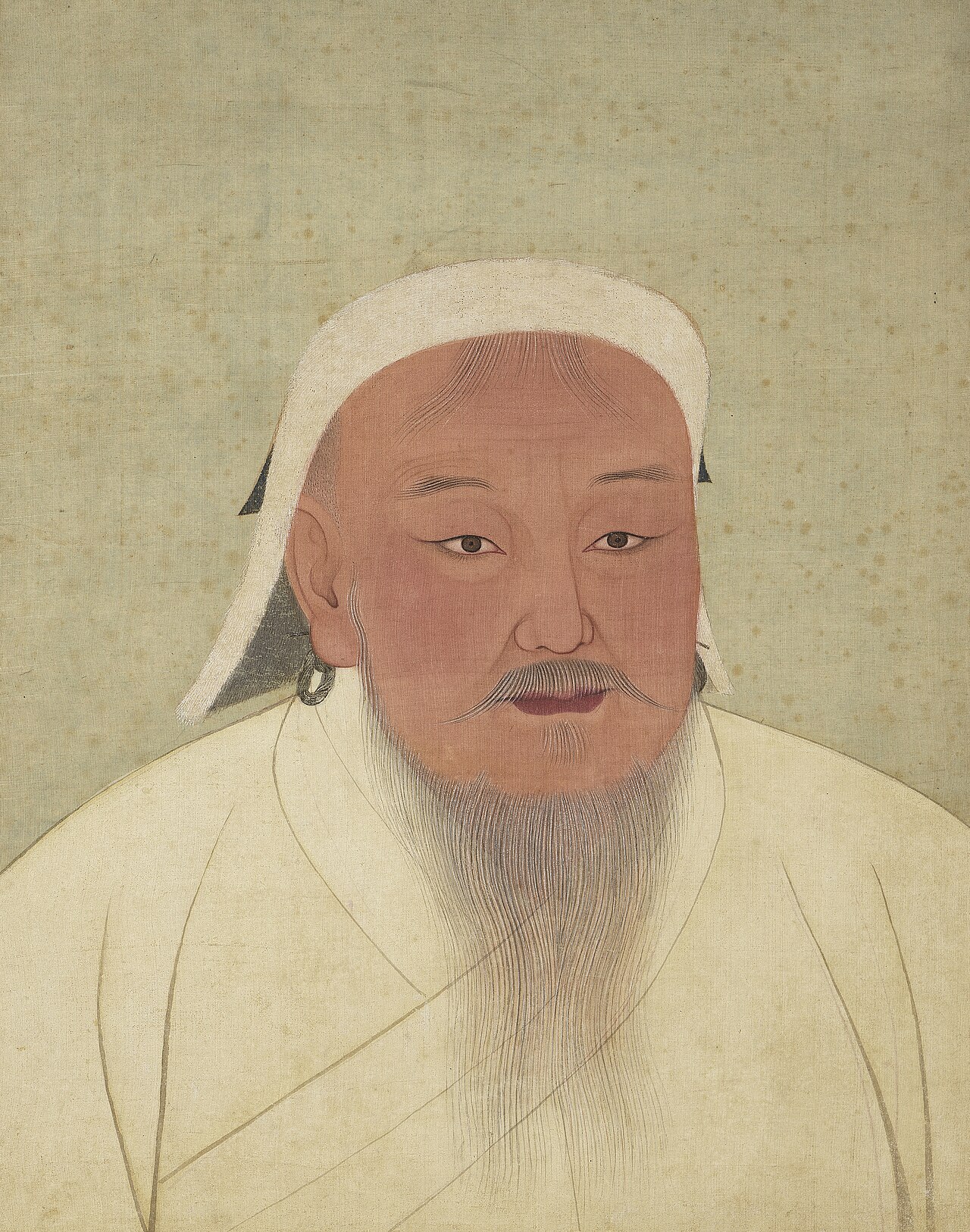
Portrait of Genghis Khan
Unknown Yuan court painter
 Book
Secondary source
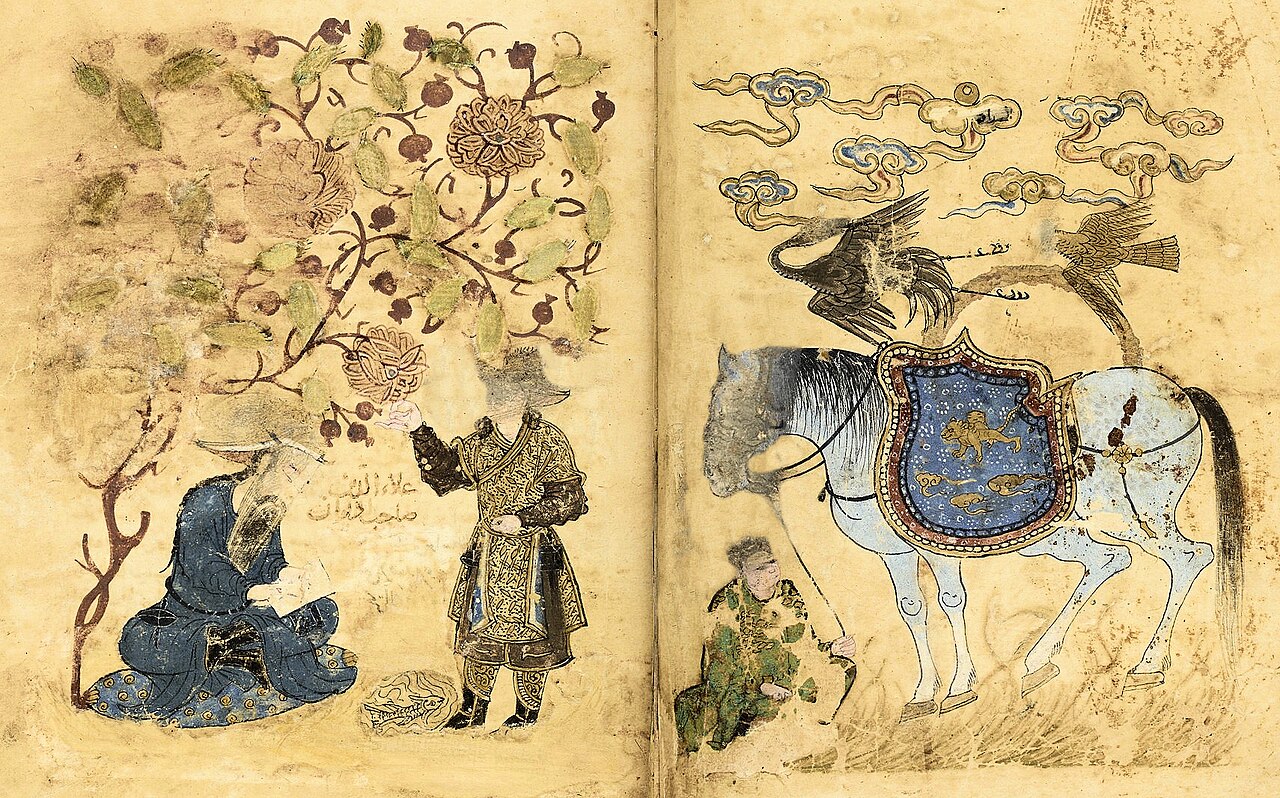
Tarikh-i Jahangushay-i Juvaini
Ata-Malik Juvayni
 Book
Secondary source
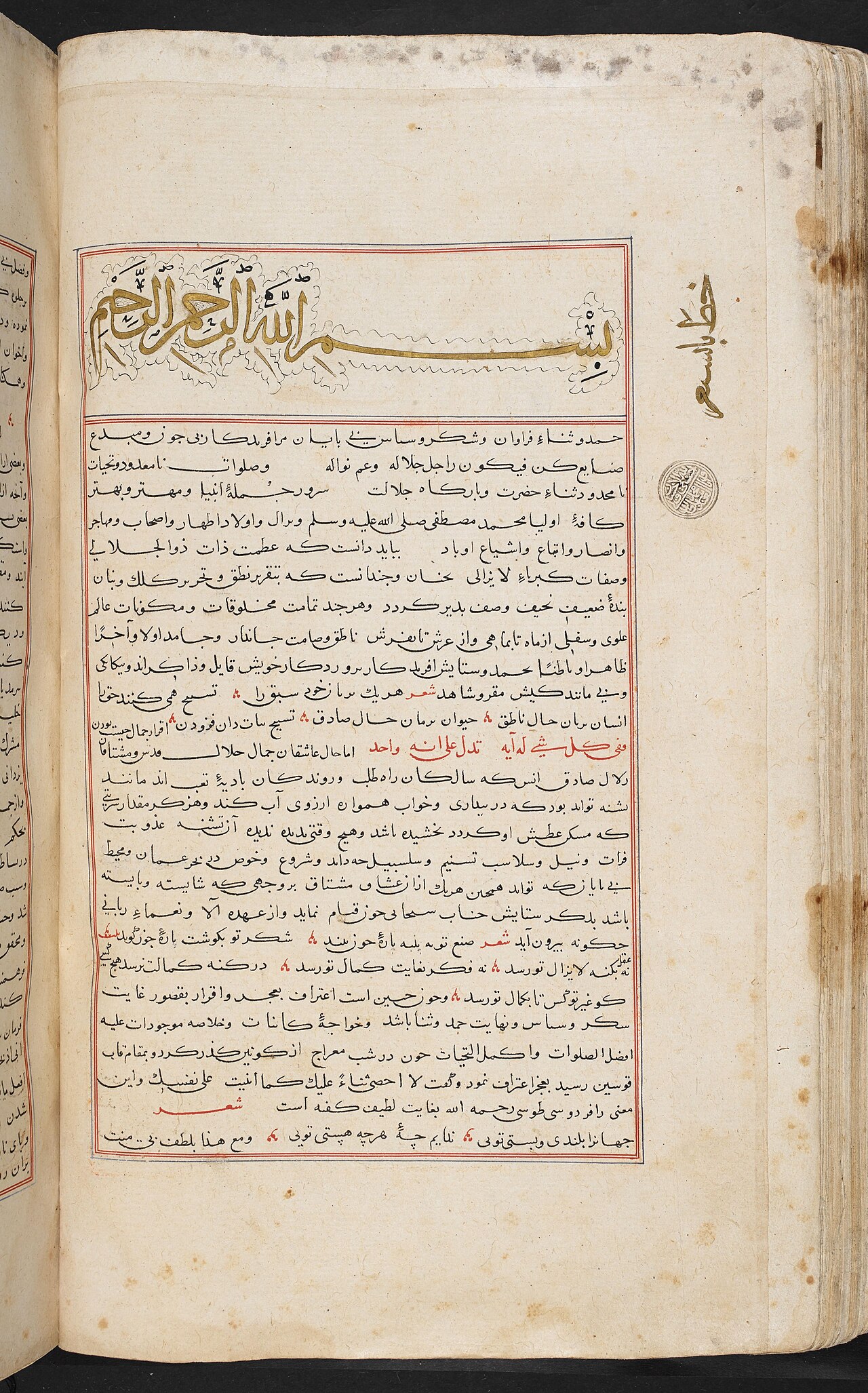
Jami' al-tawarikh
Rashid al-Din Hamadani · c. 1400 (manuscript copy)
 Artifact
Primary source
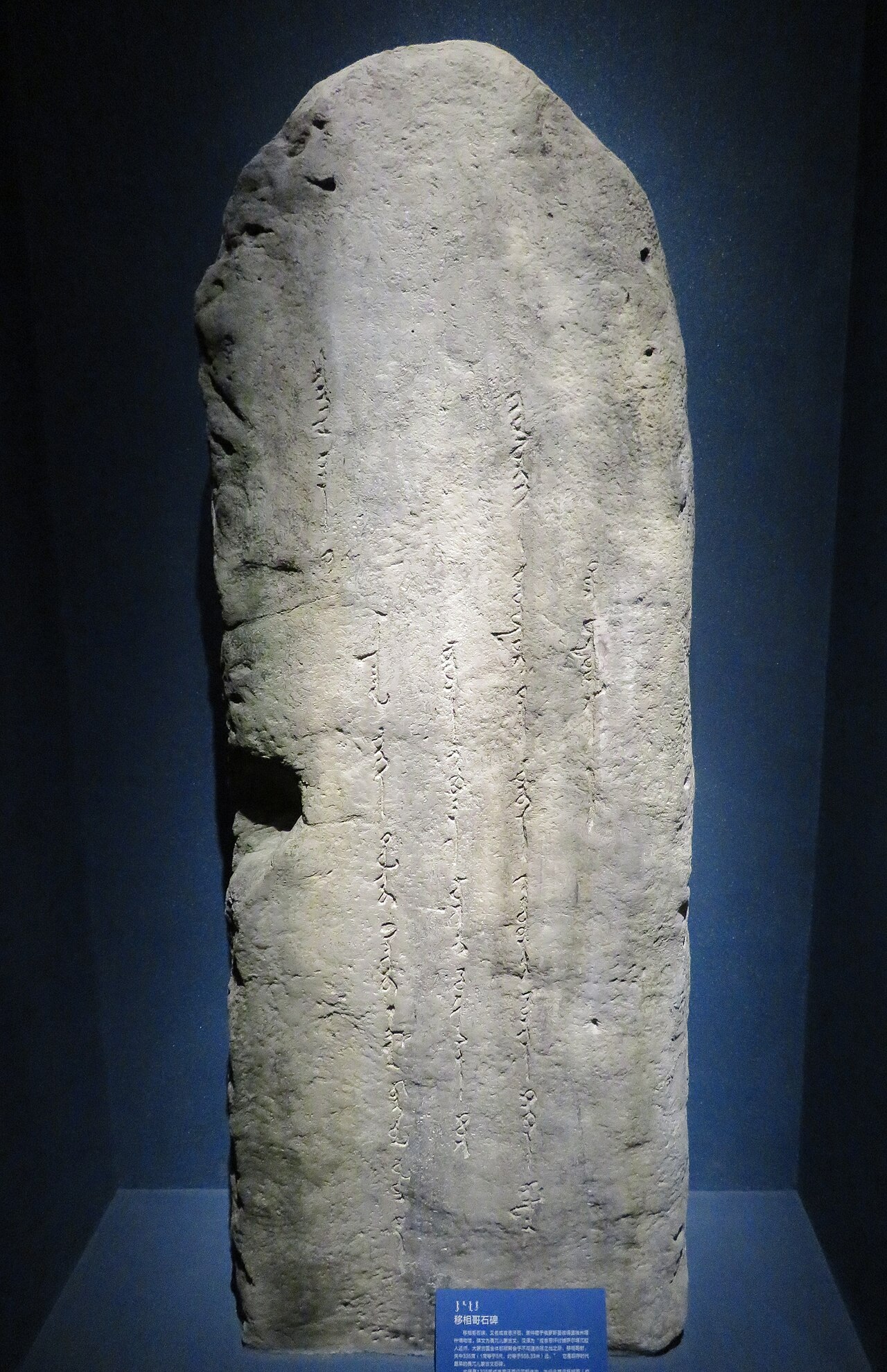
Stele of Genghis Khan
c. 1224-1225
Ready when you are
Start chatting with Genghis Khan now.
20 messages free · No credit card · Available in 50+ languages.