


Tertiary sourceDocument1911
Encyclopædia Britannica Entry on Sir Georges Étienne Cartier
1911
The 1911 Encyclopædia Britannica's summary of Cartier's life and political career.
This encyclopedia entry summarizes Cartier's political career and legacy for English-speaking readers in 1911.
About this source
What it is
This is an entry from the 1911 edition of the Encyclopædia Britannica describing the life of Sir Georges Étienne Cartier (1814-1873), covering his birth, legal career, involvement in the 1837 rebellion, and his later political rise as a leading statesman in Canada.
Why it matters
Written decades after Cartier's death, this entry reflects how he was viewed by English-language scholars in the early twentieth century: as a loyal supporter of the British crown who became a key architect of Confederation, railways, and legal reform in Quebec. It shows how his early rebellious past was reinterpreted as youthful indiscretion once he became a figure of the establishment.
Look closer
- How does this encyclopedia entry explain Cartier's change from rebel to loyal statesman?
- What historical judgments does the entry make, and whose point of view do they represent?
- What important aspects of Cartier's life or legacy might be missing from a short reference article like this?
This document is part of the curated material that grounds the AI version of George-Étienne Cartier on Humy.ai — when students ask about related events, the AI can quote it and cite it.
More George-Étienne Cartier sources
Meet the AI George-Étienne Cartier →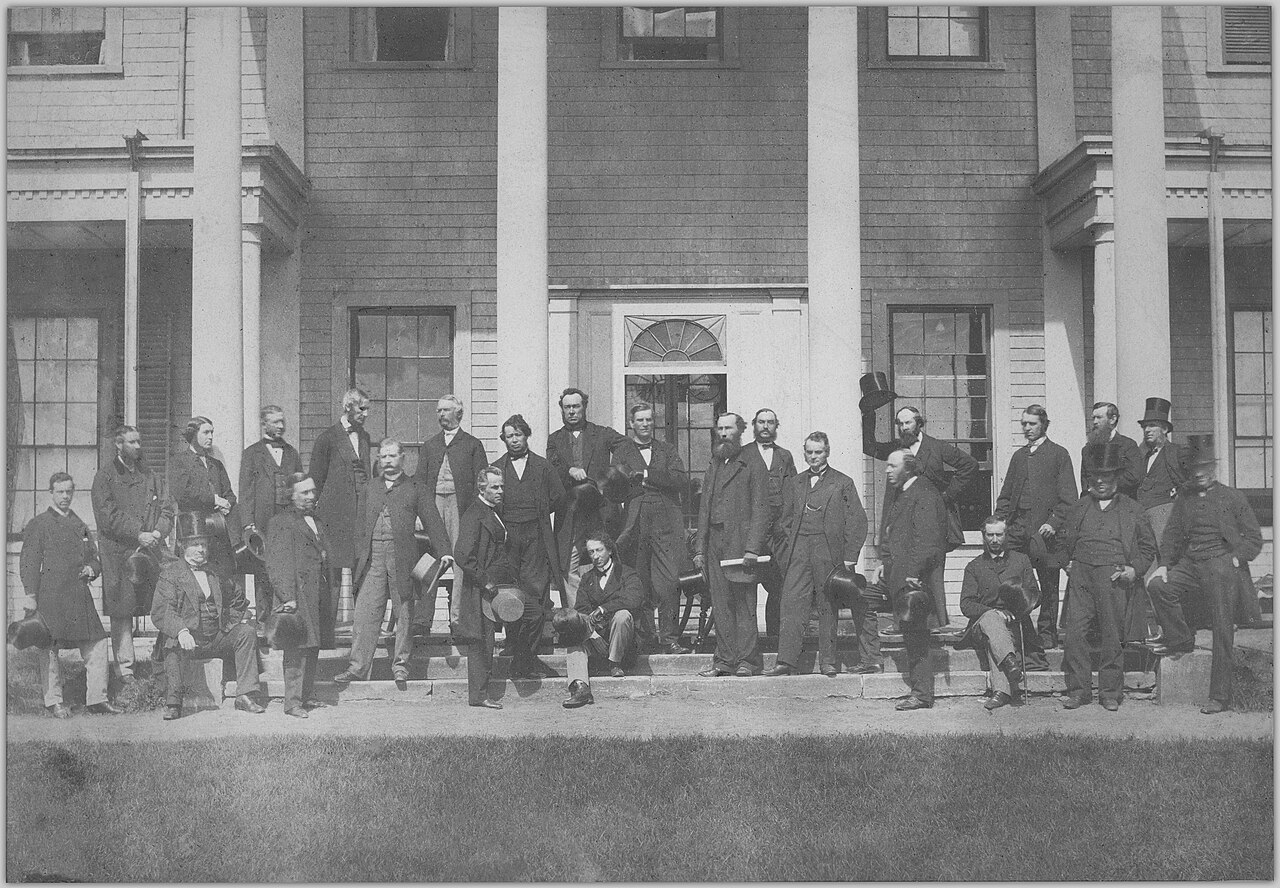 Photograph
Primary source
Charlottetown Conference Delegates, September 1864
George P. Roberts · September 1864
 Painting
Secondary source
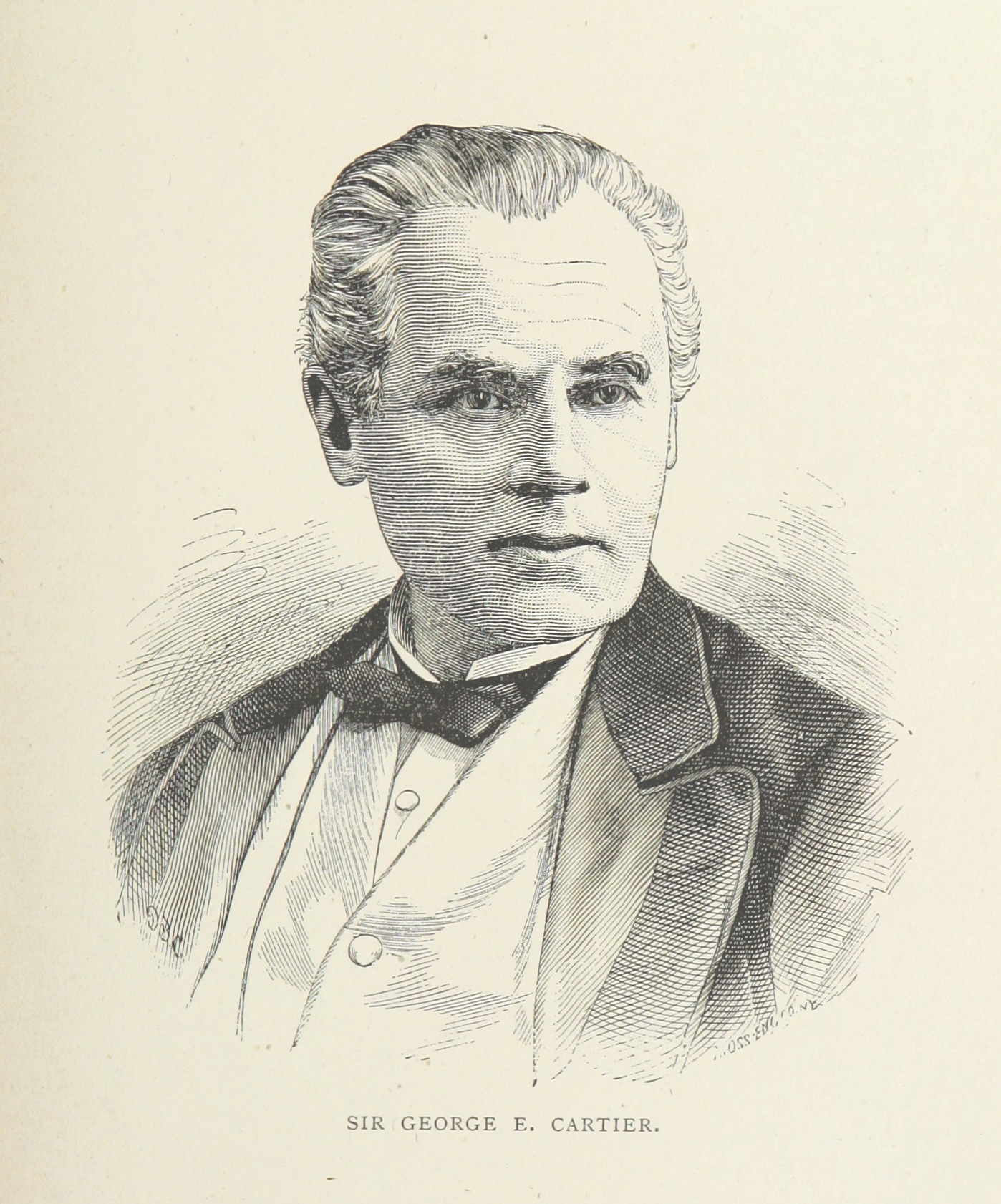
George E. Cartier Engraving
1885
 Document
Primary source
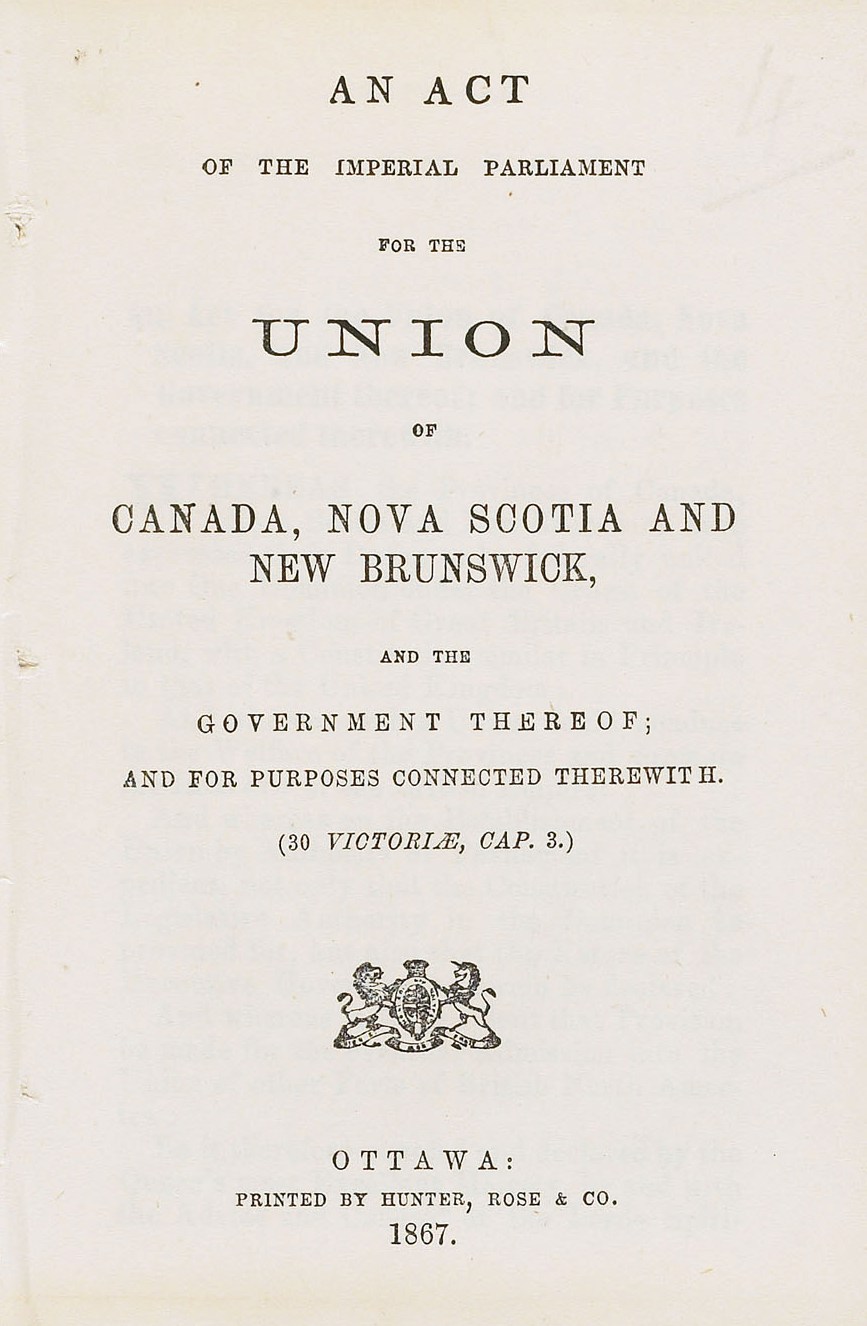
Constitution Act, 1867
1867
 Photograph
Primary source
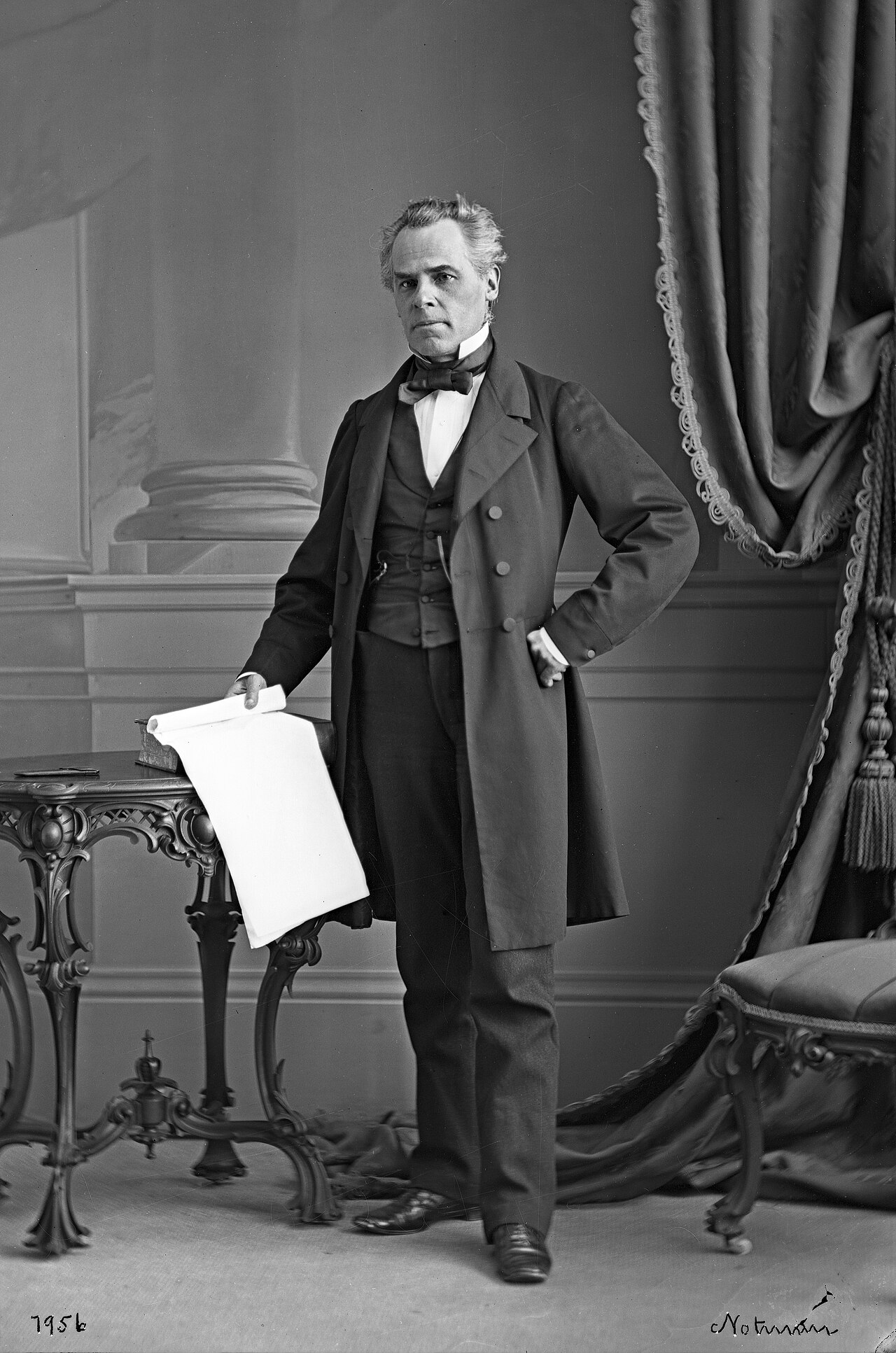
George-Etienne Cartier
William Notman · 1863
 Photograph
Primary source
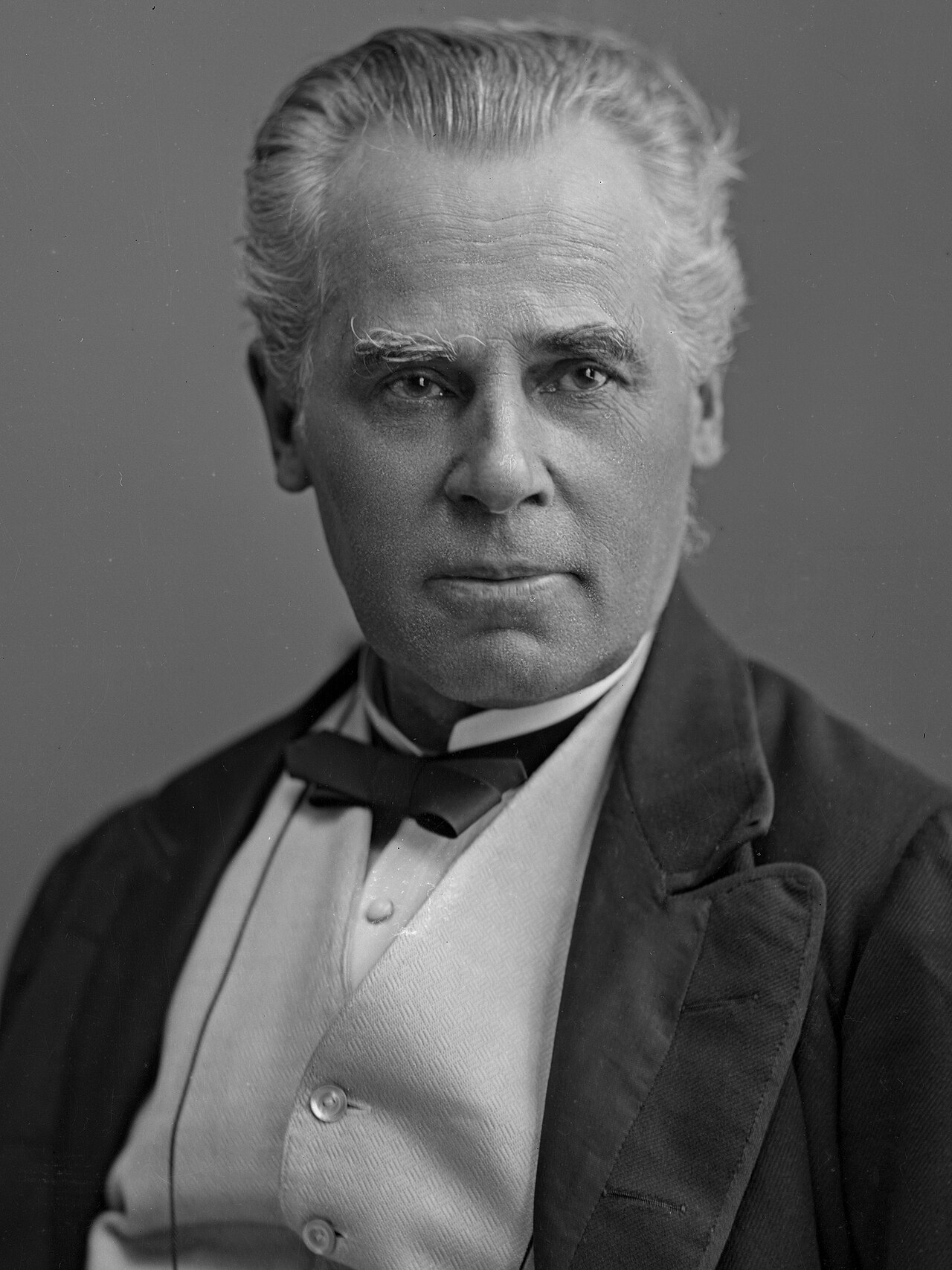
Sir George Etienne Cartier
William Notman
Ready when you are
Start chatting with George-Étienne Cartier now.
20 messages free · No credit card · Available in 50+ languages.