


Primary sourceBookSeptember 1819, published 1839
England in 1819
Percy Bysshe Shelley · September 1819, published 1839
A political sonnet by Shelley attacking the British monarchy, government, army and church in the year of the Peterloo Massacre.
A direct expression of Shelley's radical opposition to the British monarchy and government of his day.
Free Humy account · No credit card · 124,282 sources to read
About this source
What it is
"England in 1819" is a sonnet written by Percy Bysshe Shelley in September 1819 while living in Italy, responding directly to the Peterloo Massacre. Considered too dangerous to publish during his lifetime, it was not printed until 1839, edited by his wife Mary Shelley.
Why it matters
The poem attacks King George III, the ruling princes, the army, the laws, the church and Parliament as corrupt and failing, yet ends with hope that a "glorious Phantom" of change may rise from this decay. It shows how deeply Shelley's radical politics shaped his poetry, and why some of his most pointed work could not be published safely in his own lifetime.
Look closer
- Why do you think this poem stayed unpublished for twenty years?
- What groups and institutions does Shelley criticise, and why?
- What does the final hopeful image suggest about Shelley's view of the future?
This book is part of the curated material that grounds the AI version of Percy Bysshe Shelley on Humy.ai — when students ask about related events, the AI can quote it and cite it.
More Percy Bysshe Shelley sources
Browse all 97 →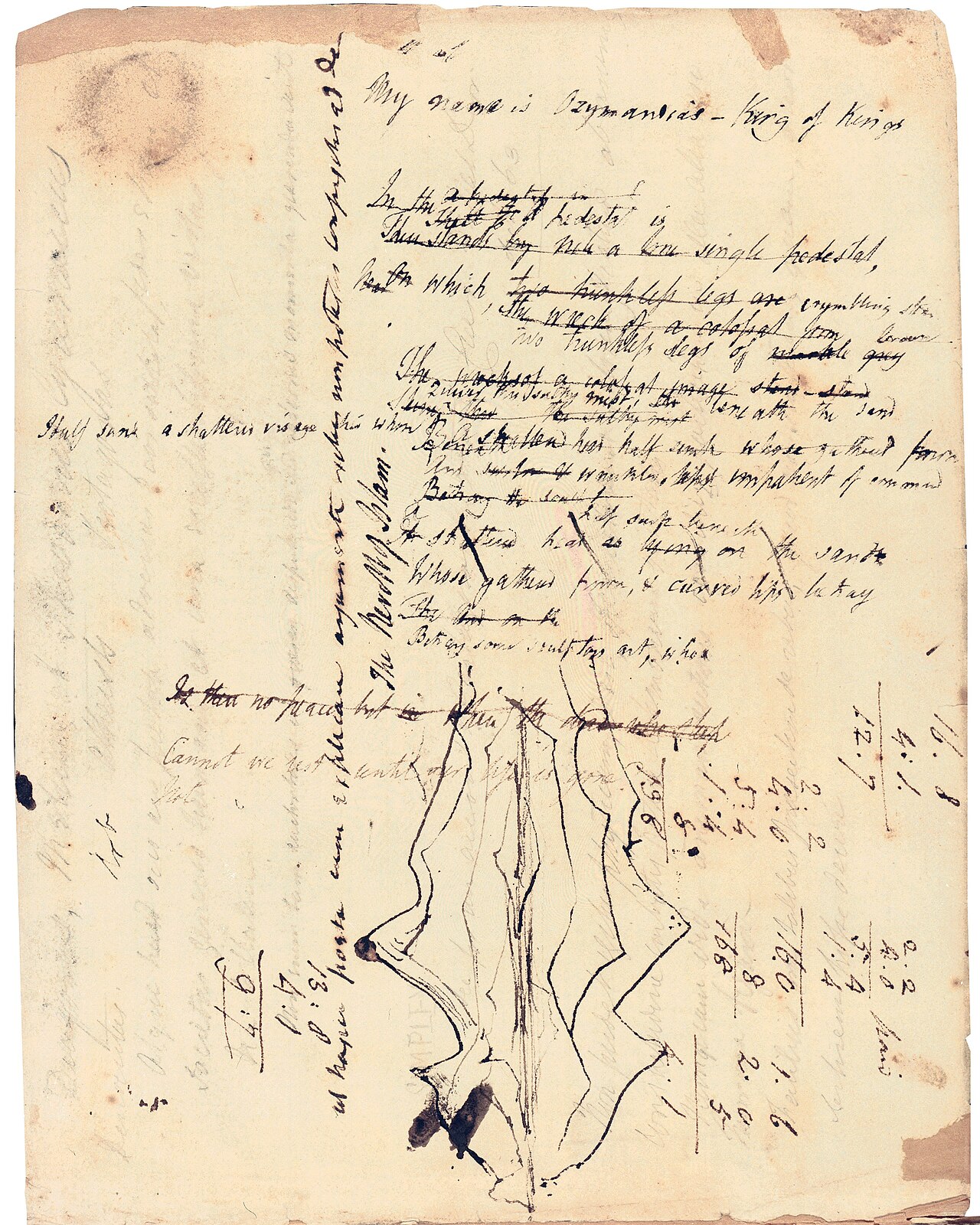 Book
Secondary source
Ozymandias
Percy Bysshe Shelley · 1818
 Book
Primary source
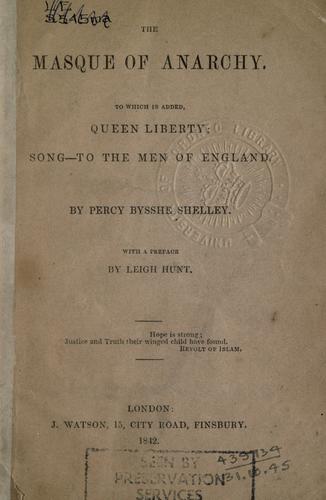
The Masque of Anarchy
Percy Bysshe Shelley · 1819, published 1832
 Book
Primary source
Ode to the West Wind
Percy Bysshe Shelley · 1819, published 1820
 Book
Primary source
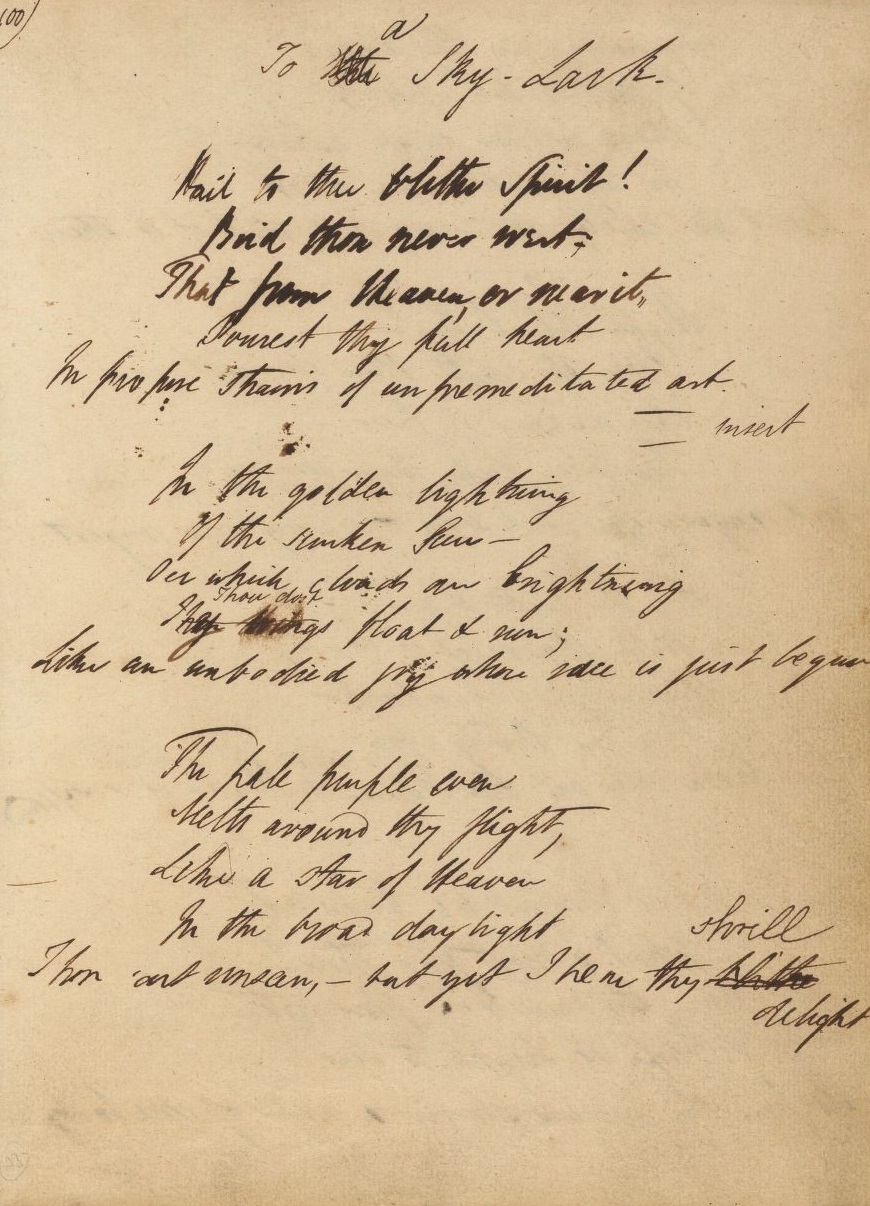
To a Skylark
Percy Bysshe Shelley · June 1820


Free account
Read every Percy Bysshe Shelley source
Sign up free →
Ready when you are
Start chatting with Percy Bysshe Shelley now.
20 messages free · No credit card · Available in 50+ languages.