


Secondary sourceBook1818
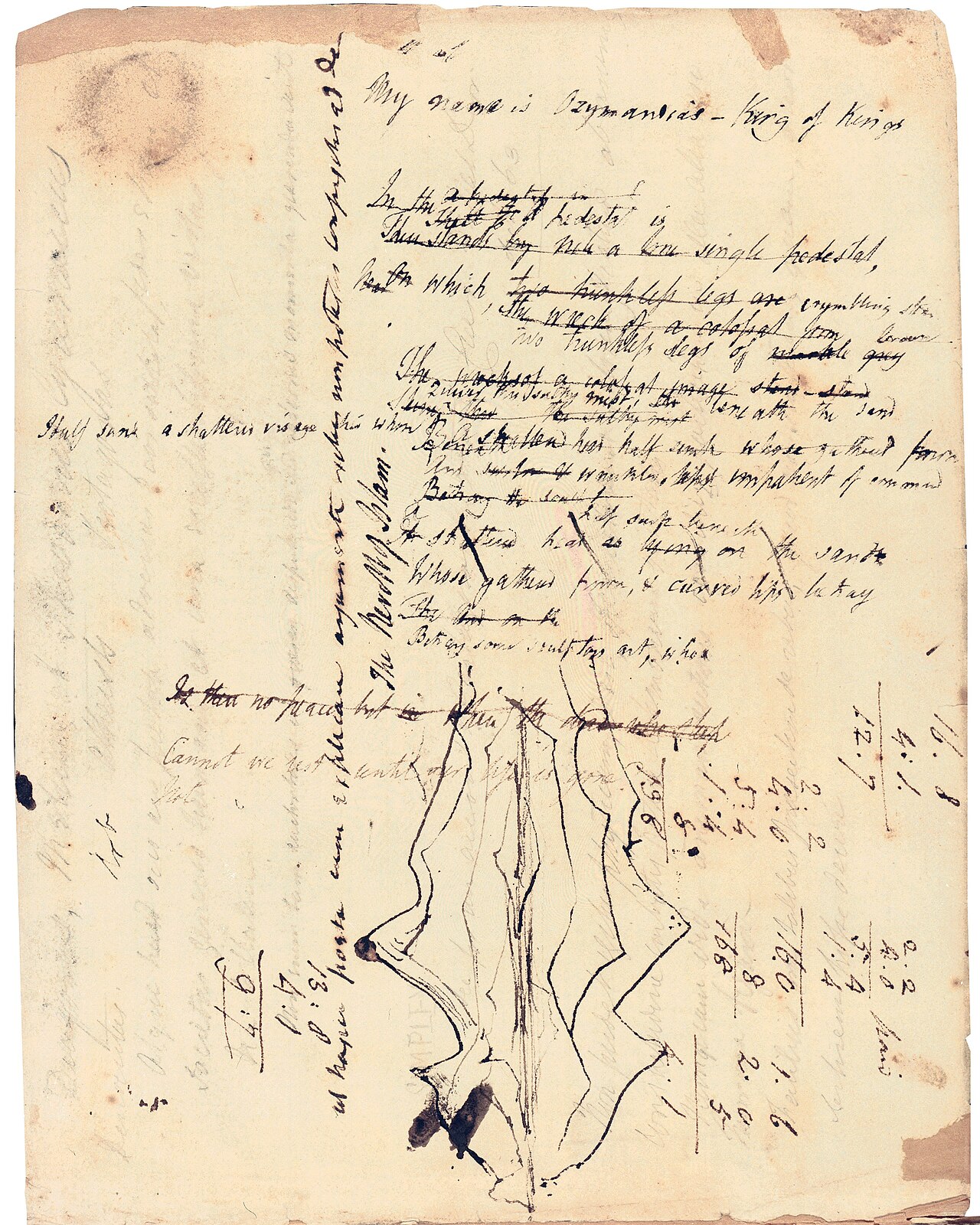
Ozymandias
Percy Bysshe Shelley · 1818
A sonnet by Percy Bysshe Shelley imagining a fallen, ruined statue of Ramesses II under his Greek name, Ozymandias.
This poem reimagines Ramesses II, as 'Ozymandias', as a symbol of fallen power long after his death.
About this source
What it is
This 1818 sonnet was written by the English poet Percy Bysshe Shelley, published in The Examiner in London. Shelley wrote it in friendly competition with the poet Horace Smith, both inspired by the ancient historian Diodorus Siculus's description of a huge, ruined Egyptian statue and its boastful inscription.
Why it matters
The poem turns Ramesses II, called by his Greek name Ozymandias, into a symbol of how even the greatest rulers and their monuments eventually crumble. It was written around the time a giant statue fragment of Ramesses, the Younger Memnon, was expected to arrive in Britain, and scholars have connected it to other powerful rulers of Shelley's own time.
Look closer
- Why does Shelley choose to describe the statue as broken and half-buried rather than whole?
- What is the effect of putting the pharaoh's boastful words directly into the poem?
- Why might this poem still be quoted about rulers and leaders today?
This book is part of the curated material that grounds the AI version of Ramses II (Ramses the Great) on Humy.ai — when students ask about related events, the AI can quote it and cite it.
More Ramses II (Ramses the Great) sources
Meet the AI Ramses II (Ramses the Great) →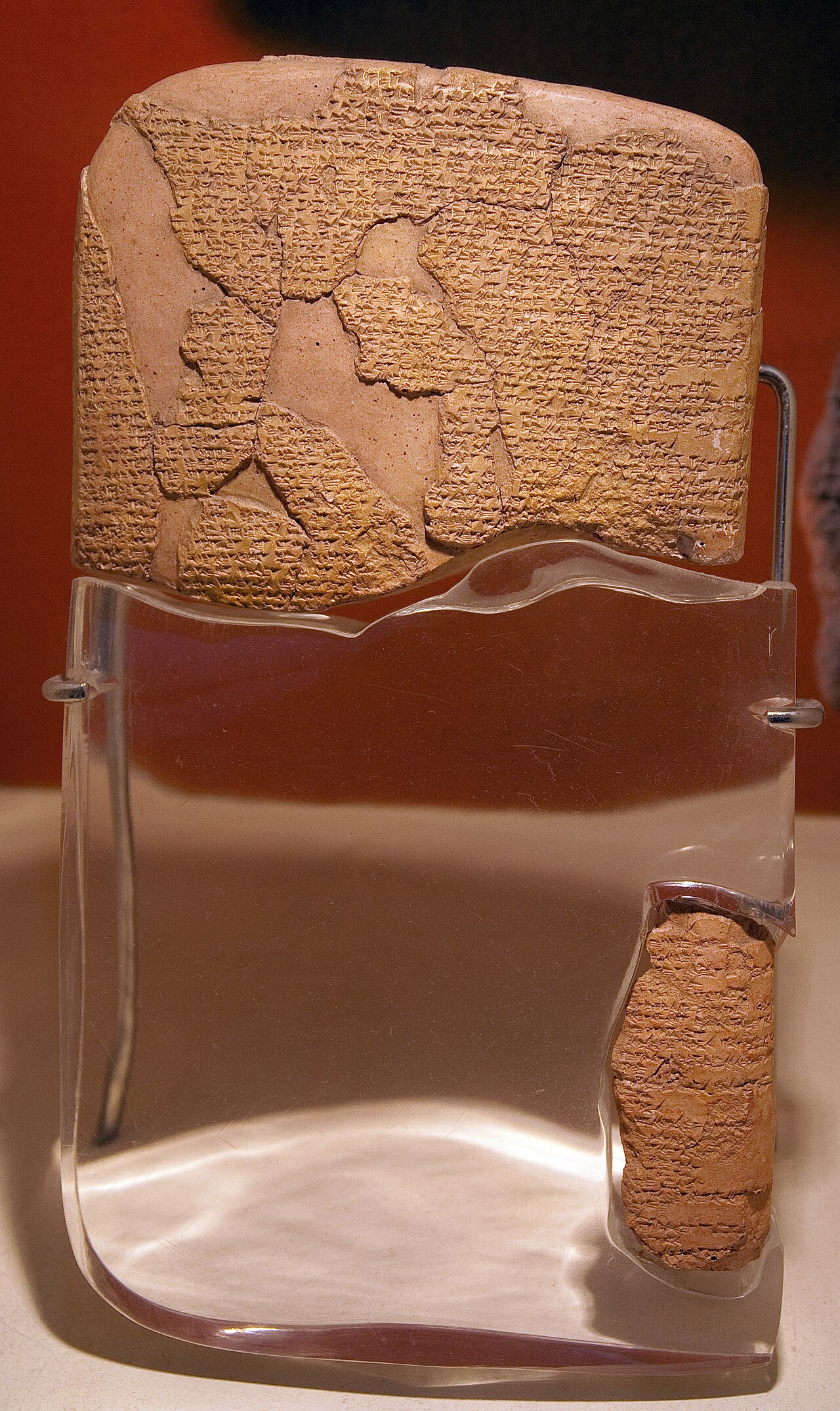 Document
Primary source
Egyptian–Hittite Peace Treaty
c. 1258 BCE
 Photograph
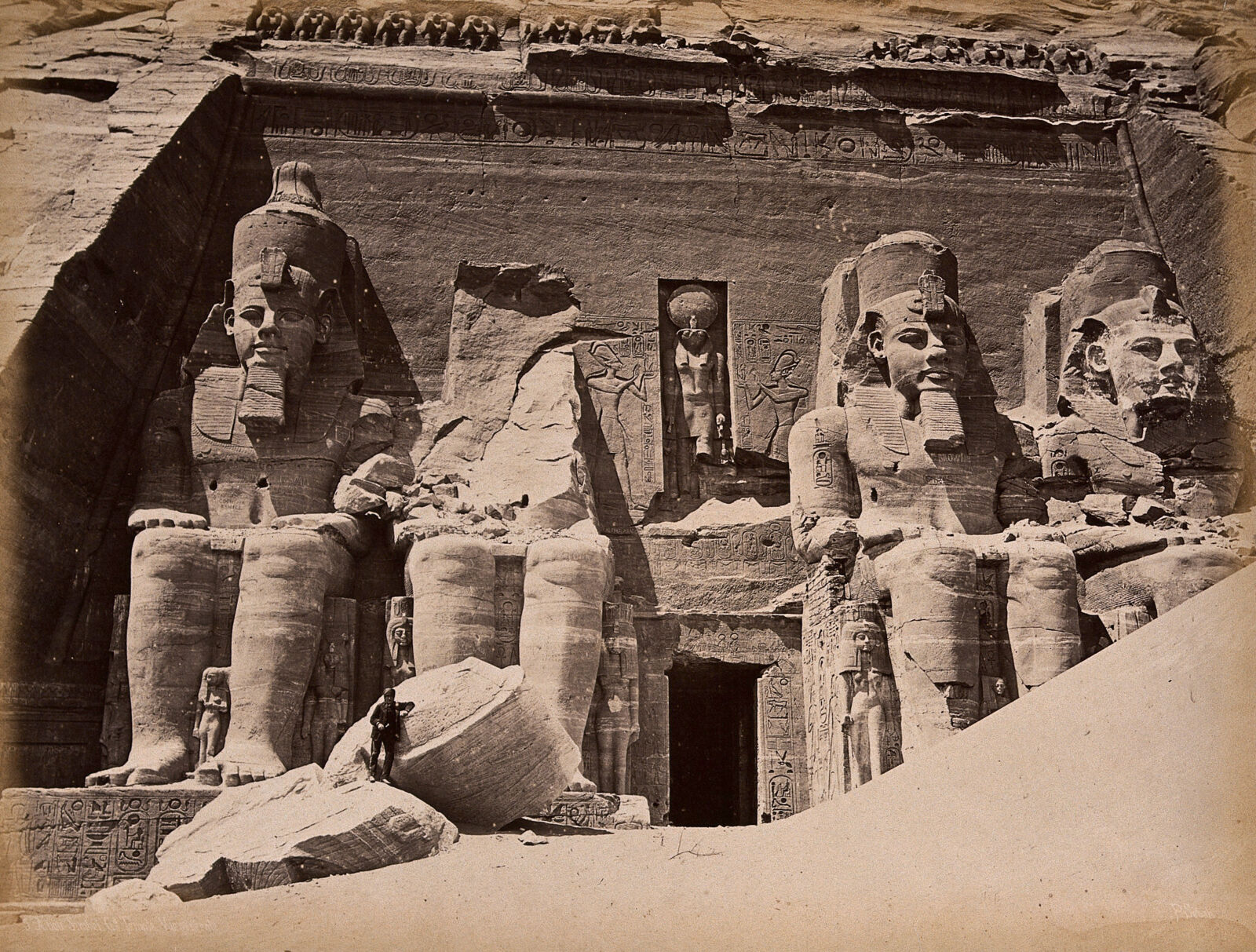
Secondary source
Abu Simbel Temple Colossi
Pascal Sébah · 1875
 Artifact
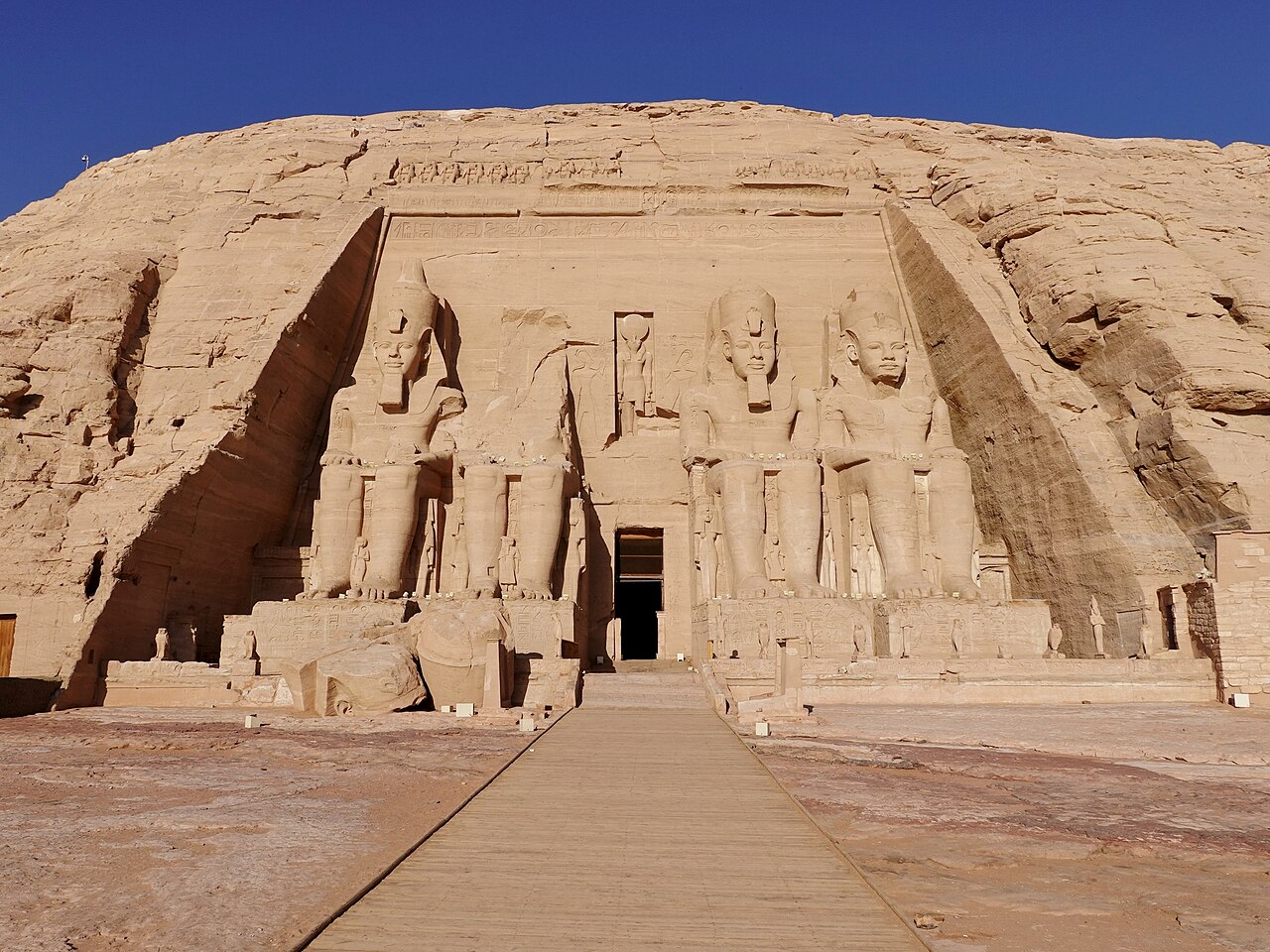
Primary source
Abu Simbel
Ramesses II · c. 1273 BCE
 Photograph
Secondary source
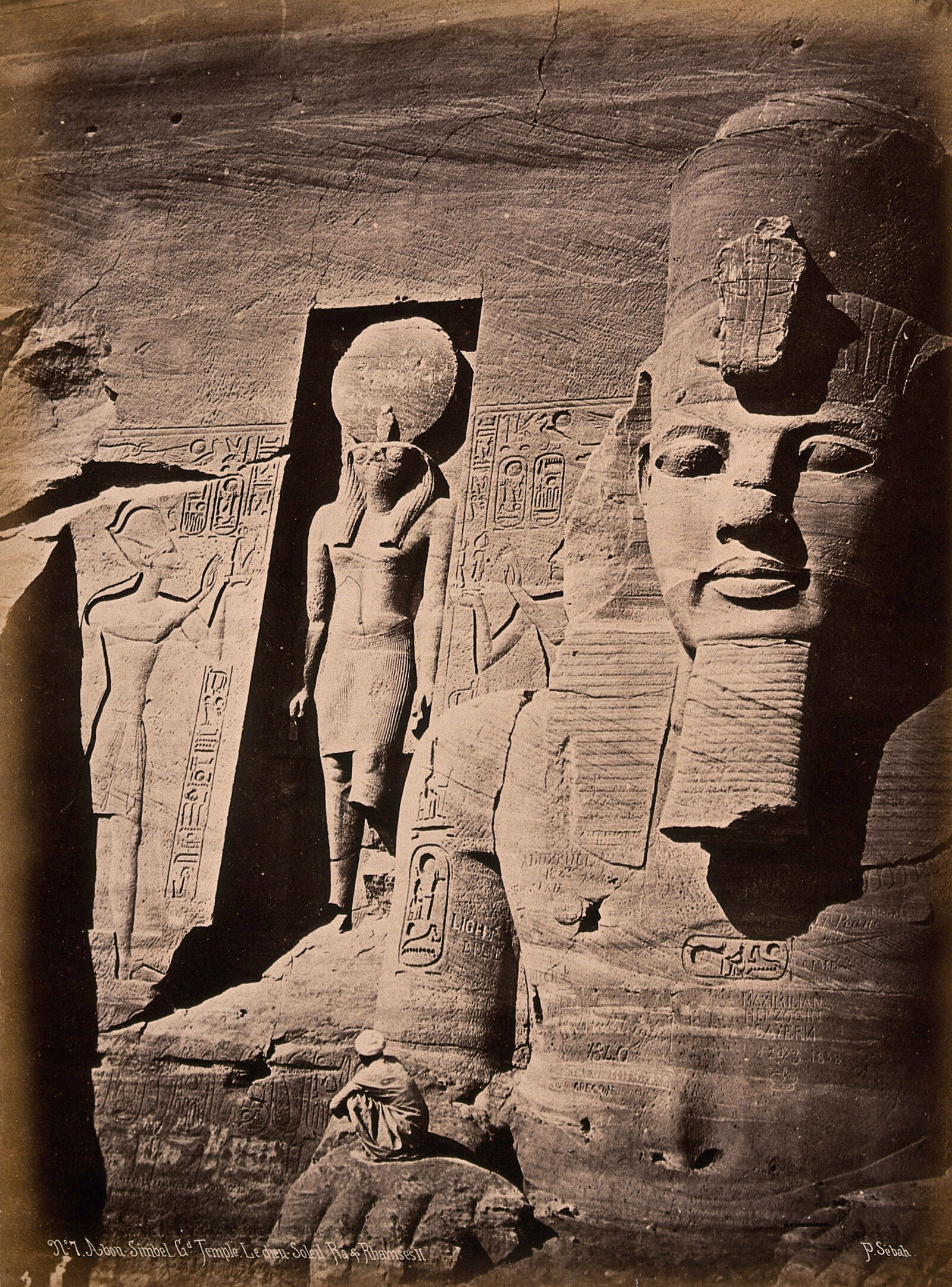
Facade Detail of Abu Simbel Showing Ramesses II and Ra
Pascal Sébah · 1875
 Photograph
Secondary source
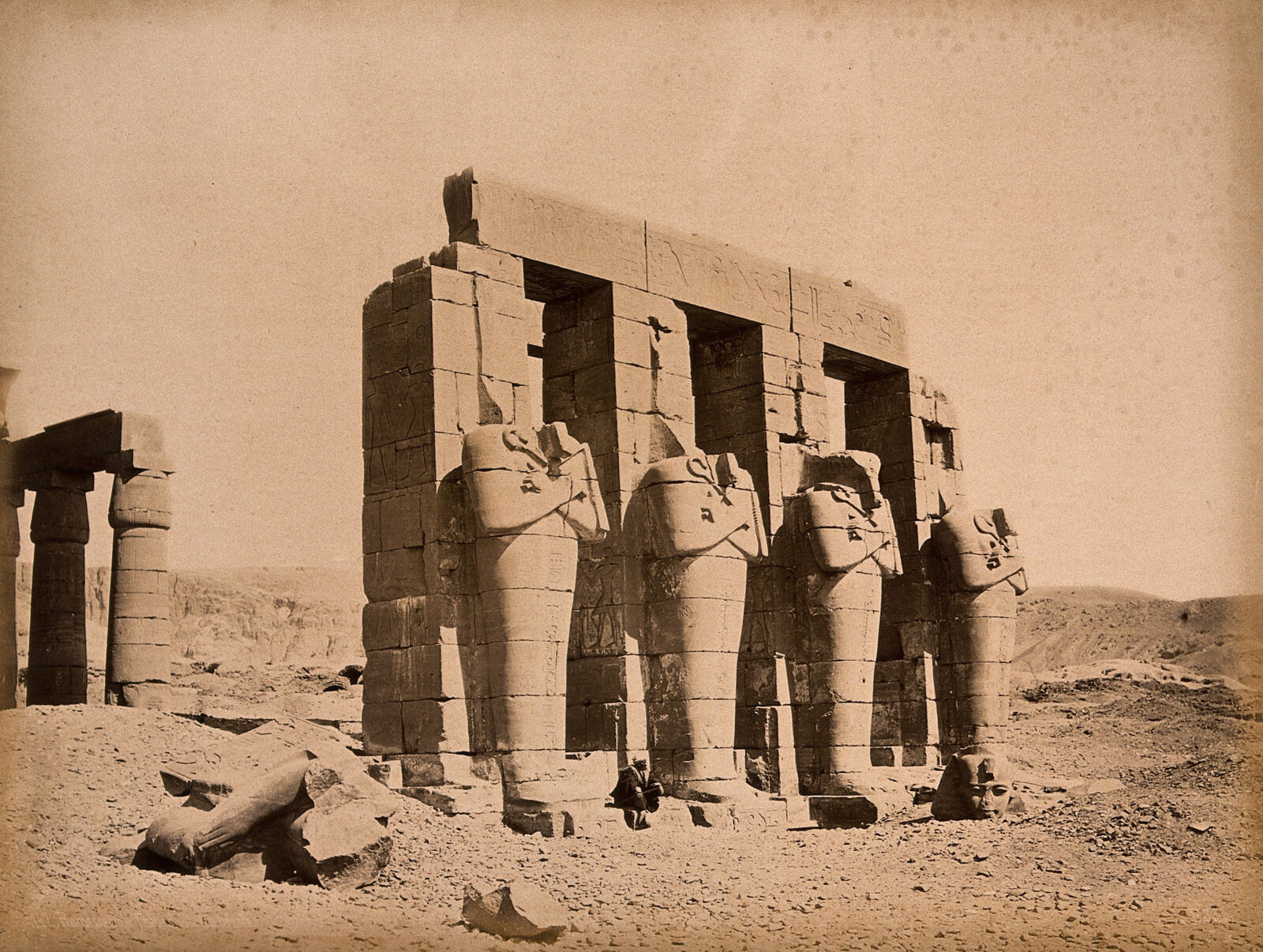
Ramesseum Colossi in Ruins
Pascal Sébah · c. 1875
Ready when you are
Start chatting with Ramses II (Ramses the Great) now.
20 messages free · No credit card · Available in 50+ languages.