


Primary sourceDocumentc. 1258 BCE
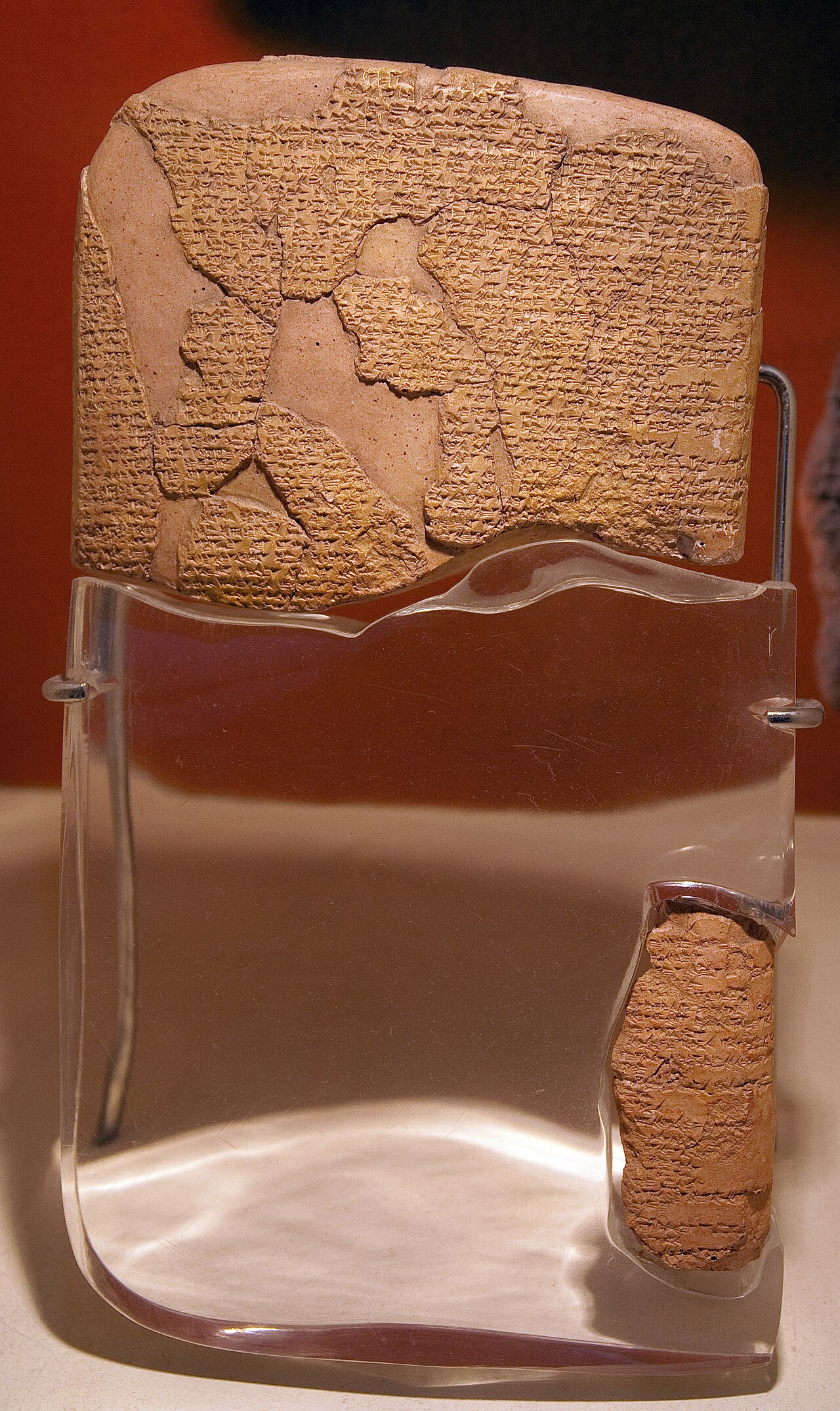
Egyptian–Hittite Peace Treaty
c. 1258 BCE
The earliest surviving peace treaty, agreed by Ramesses II and the Hittite king Hattusili III to end decades of war.
Ramesses II agreed this treaty with the Hittite king, ending their long war and securing peace in his reign.
About this source
What it is
This treaty was agreed between Ramesses II of Egypt and Hattusili III of the Hittites, around Year 21 of Ramesses's reign. The Egyptian version was carved in hieroglyphs on temple walls at Thebes, while the Hittite version survives on baked clay tablets found at their capital, Hattusa, now in Turkey and Germany.
Why it matters
It is the oldest known peace treaty where both sides' texts survive, ending a long war that included the Battle of Kadesh. Each version claims the other side asked for peace, showing how rulers shaped the story to flatter themselves. It reveals how two great powers of the ancient Near East managed conflict and diplomacy.
Look closer
- Why might each side's version claim it was the other who asked for peace?
- What does it tell us that this treaty was carved on temple walls as well as written on clay?
- What does the treaty leave out about the human cost of the war?
This document is part of the curated material that grounds the AI version of Ramses II (Ramses the Great) on Humy.ai — when students ask about related events, the AI can quote it and cite it.
More Ramses II (Ramses the Great) sources
Meet the AI Ramses II (Ramses the Great) →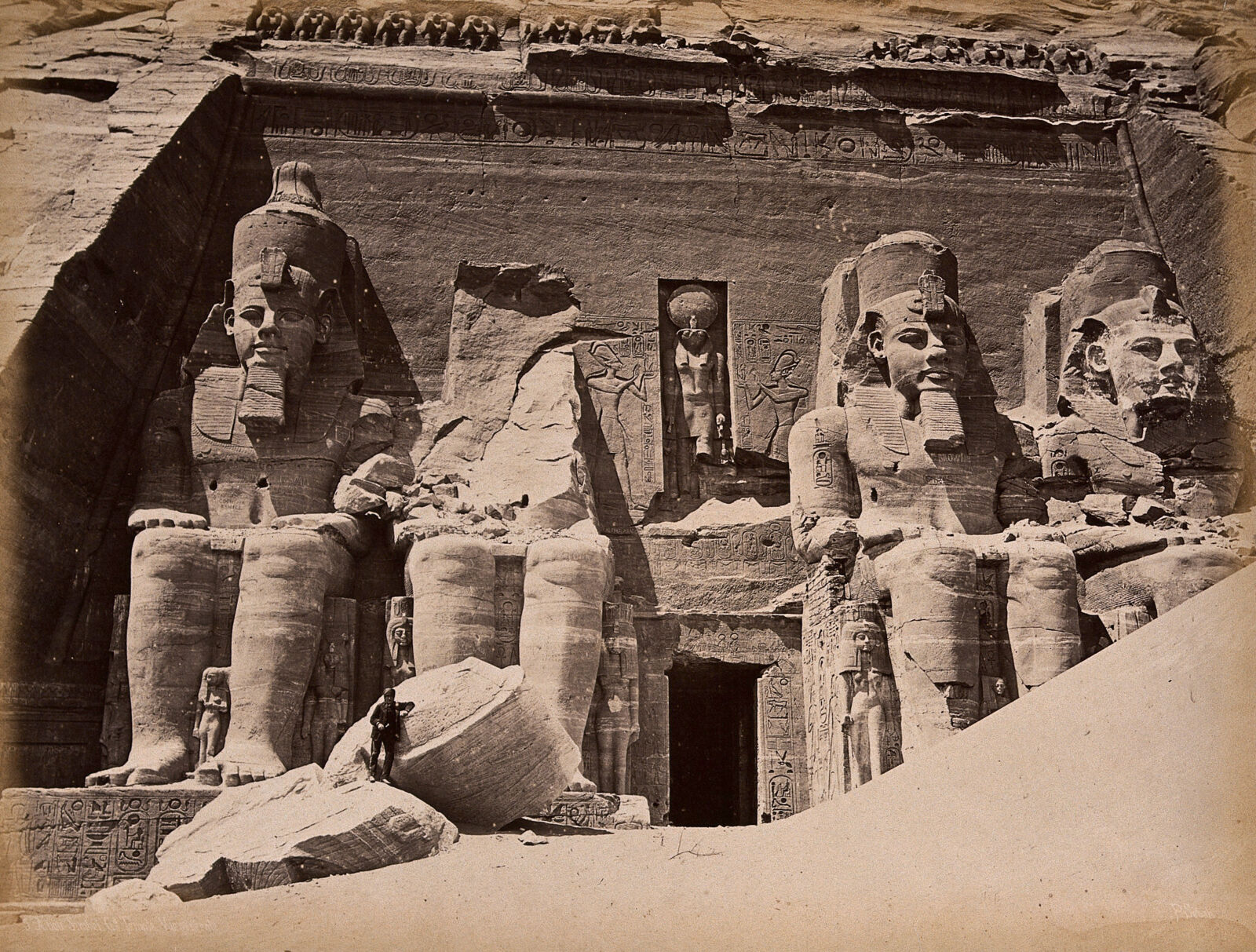 Photograph
Secondary source
Abu Simbel Temple Colossi
Pascal Sébah · 1875
 Artifact
Primary source
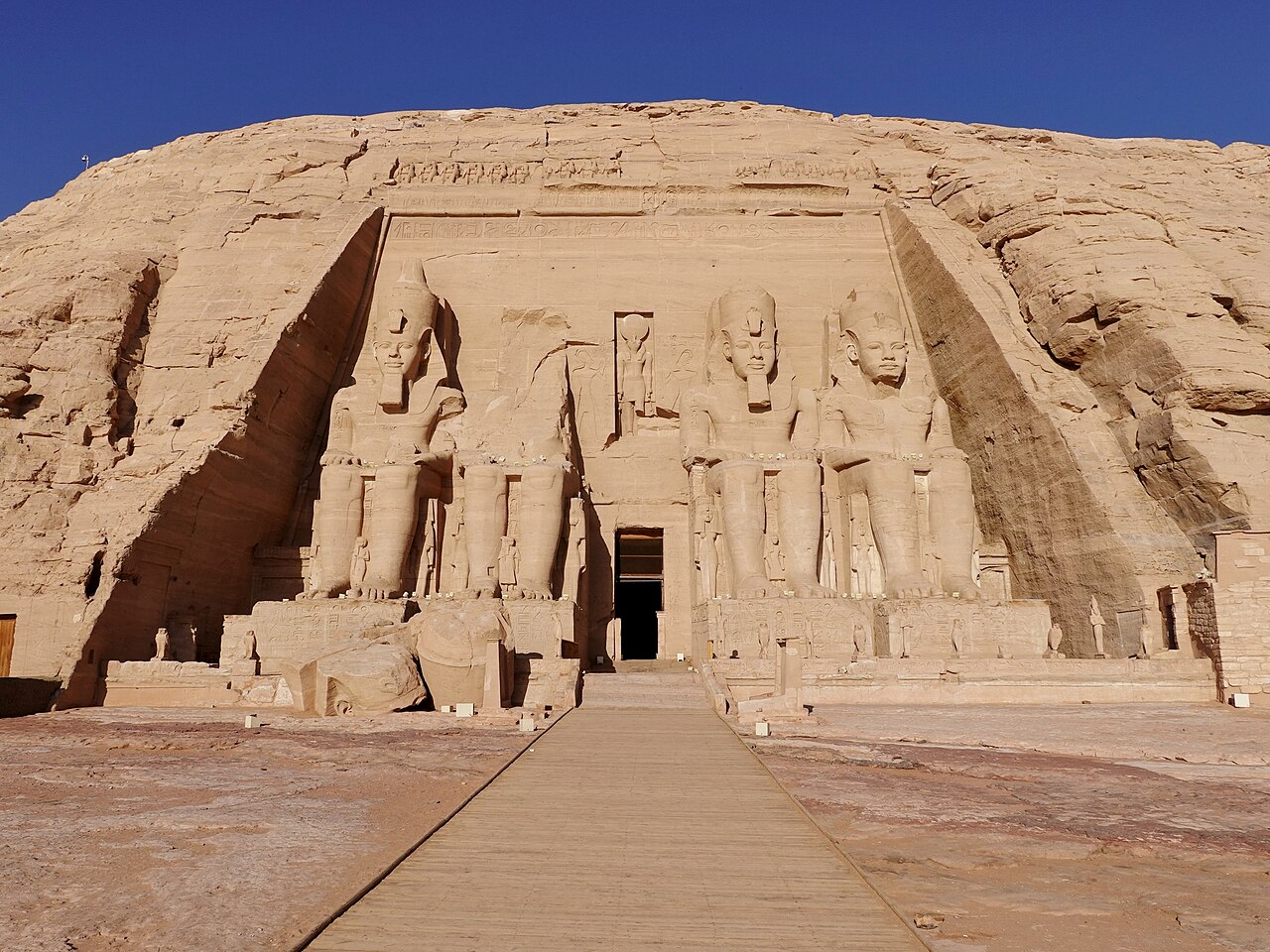
Abu Simbel
Ramesses II · c. 1273 BCE
 Photograph
Secondary source
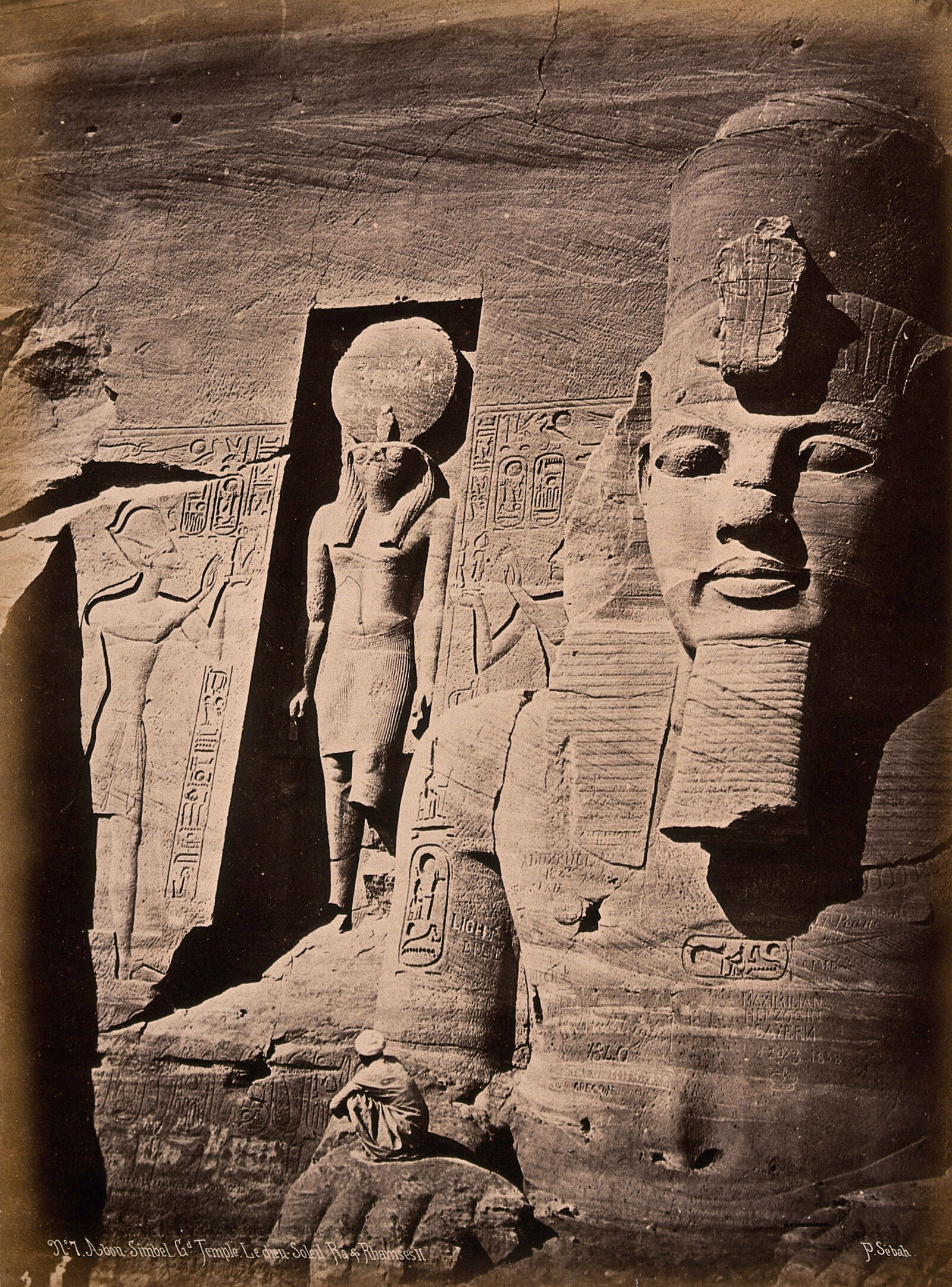
Facade Detail of Abu Simbel Showing Ramesses II and Ra
Pascal Sébah · 1875
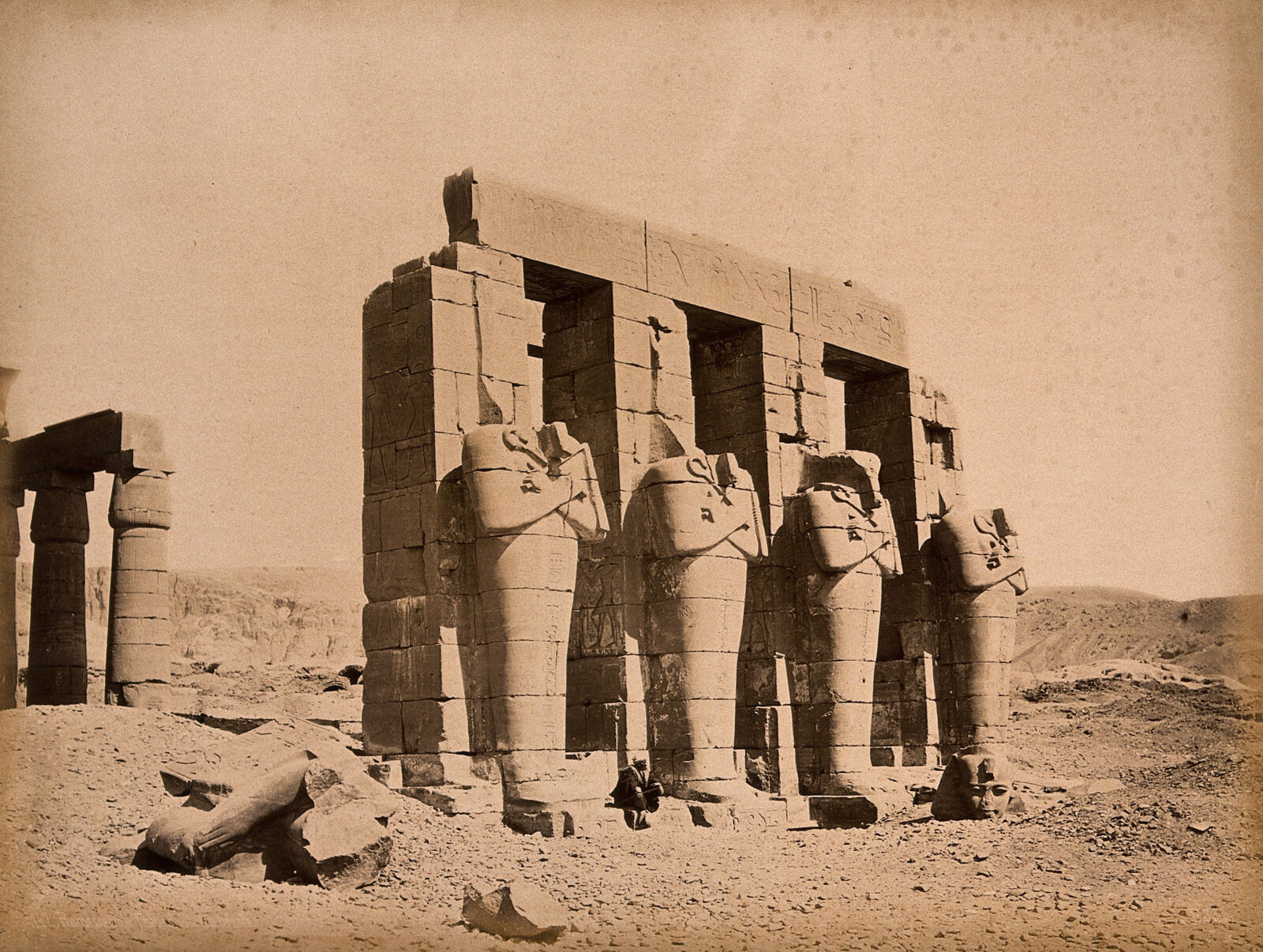 Photograph
Secondary source
Ramesseum Colossi in Ruins
Pascal Sébah · c. 1875
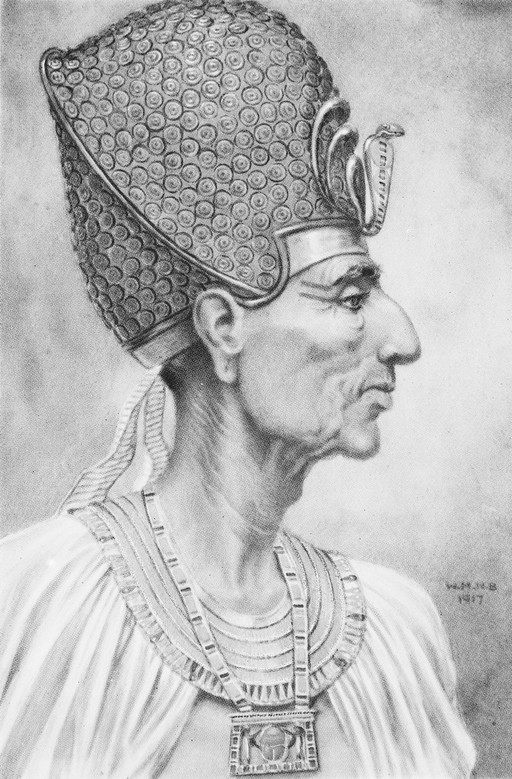 Painting
Secondary source
Figure of Ancient Egyptian, Ramesses II
1917
Ready when you are
Start chatting with Ramses II (Ramses the Great) now.
20 messages free · No credit card · Available in 50+ languages.