


Secondary sourcePhotographc. 1875
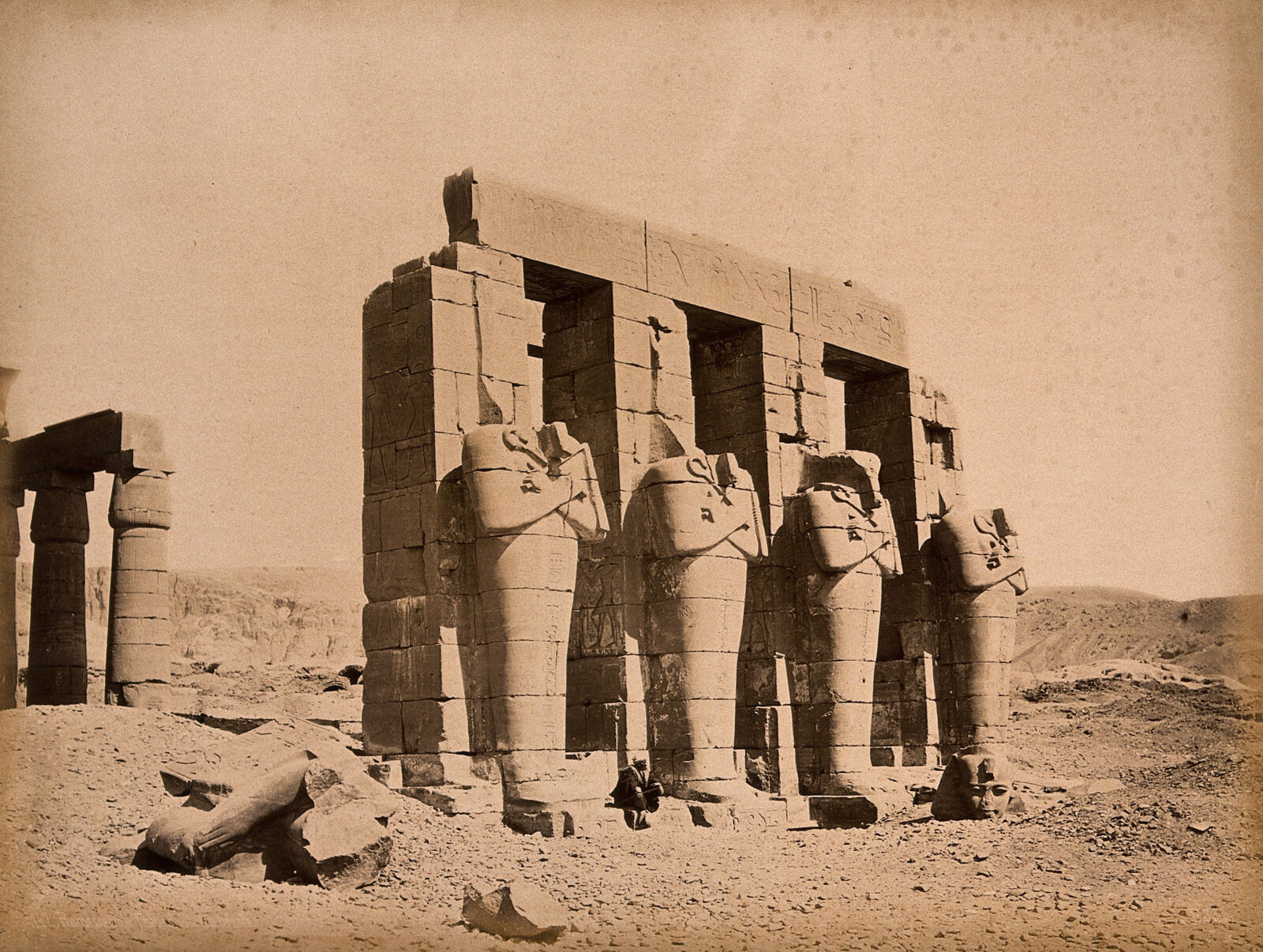
Ramesseum Colossi in Ruins
Pascal Sébah · c. 1875
An 1875 photograph of the broken colossal statues at the Ramesseum, the mortuary temple built by Ramesses II at Luxor.
Shows the ruined remains of the Ramesseum, the mortuary temple Ramesses II built to secure his memory after death.
About this source
What it is
This photograph, taken around 1875 by Pascal Sébah, shows the ruined Ramesseum temple at Luxor, Egypt. Four seated colossal statues, now headless or broken, stand before a sandstone gateway carved with hieroglyphs. A broken statue lies in the foreground. The photograph is held by the Wellcome Collection.
Why it matters
The Ramesseum was built as a mortuary temple for Ramesses II, meant to honor him after death and last forever. Its ruined state, visible in this 1870s photograph, shows how even the grandest monuments of a pharaoh can decay over thousands of years, while still telling us about his ambitions and the scale of his building projects.
Look closer
- What clues in the photograph suggest the statues were once much more complete?
- Why might Ramesses II have built such a large temple for himself?
- What does the ruined state of the temple tell you about the passage of time since ancient Egypt?
This photograph is part of the curated material that grounds the AI version of Ramses II (Ramses the Great) on Humy.ai — when students ask about related events, the AI can quote it and cite it.
More Ramses II (Ramses the Great) sources
Meet the AI Ramses II (Ramses the Great) →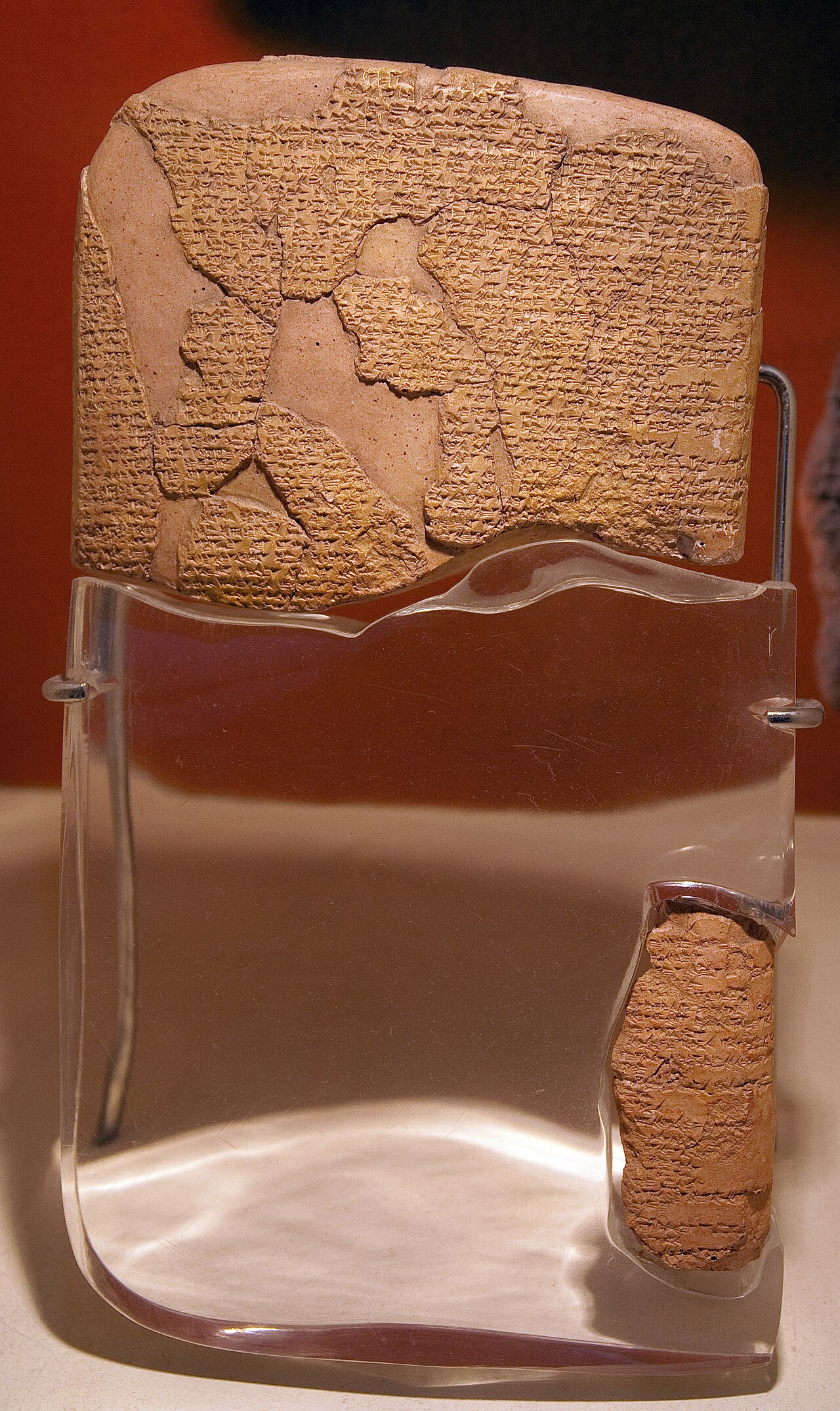 Document
Primary source
Egyptian–Hittite Peace Treaty
c. 1258 BCE
 Photograph
Secondary source
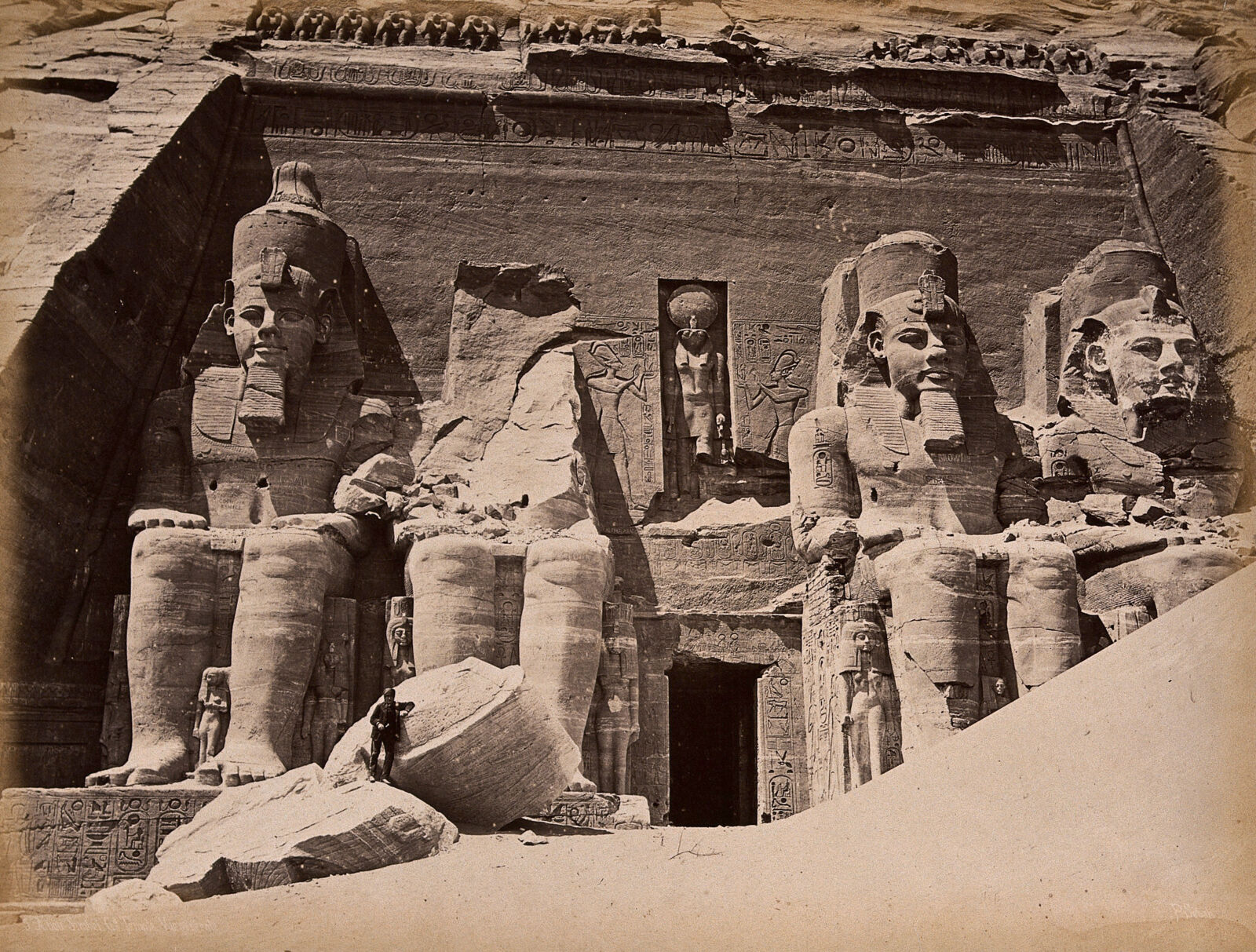
Abu Simbel Temple Colossi
Pascal Sébah · 1875
 Artifact
Primary source
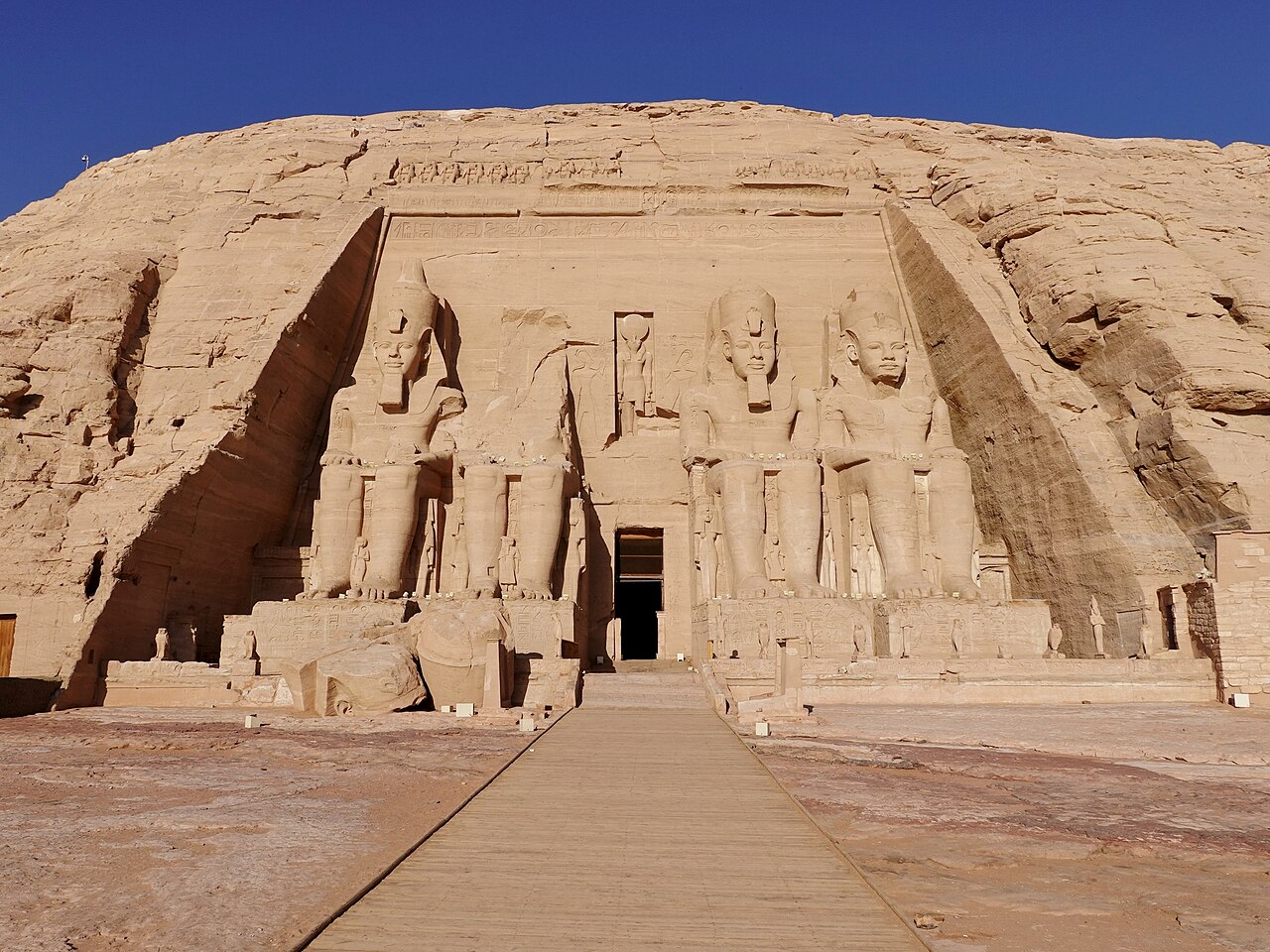
Abu Simbel
Ramesses II · c. 1273 BCE
 Photograph
Secondary source
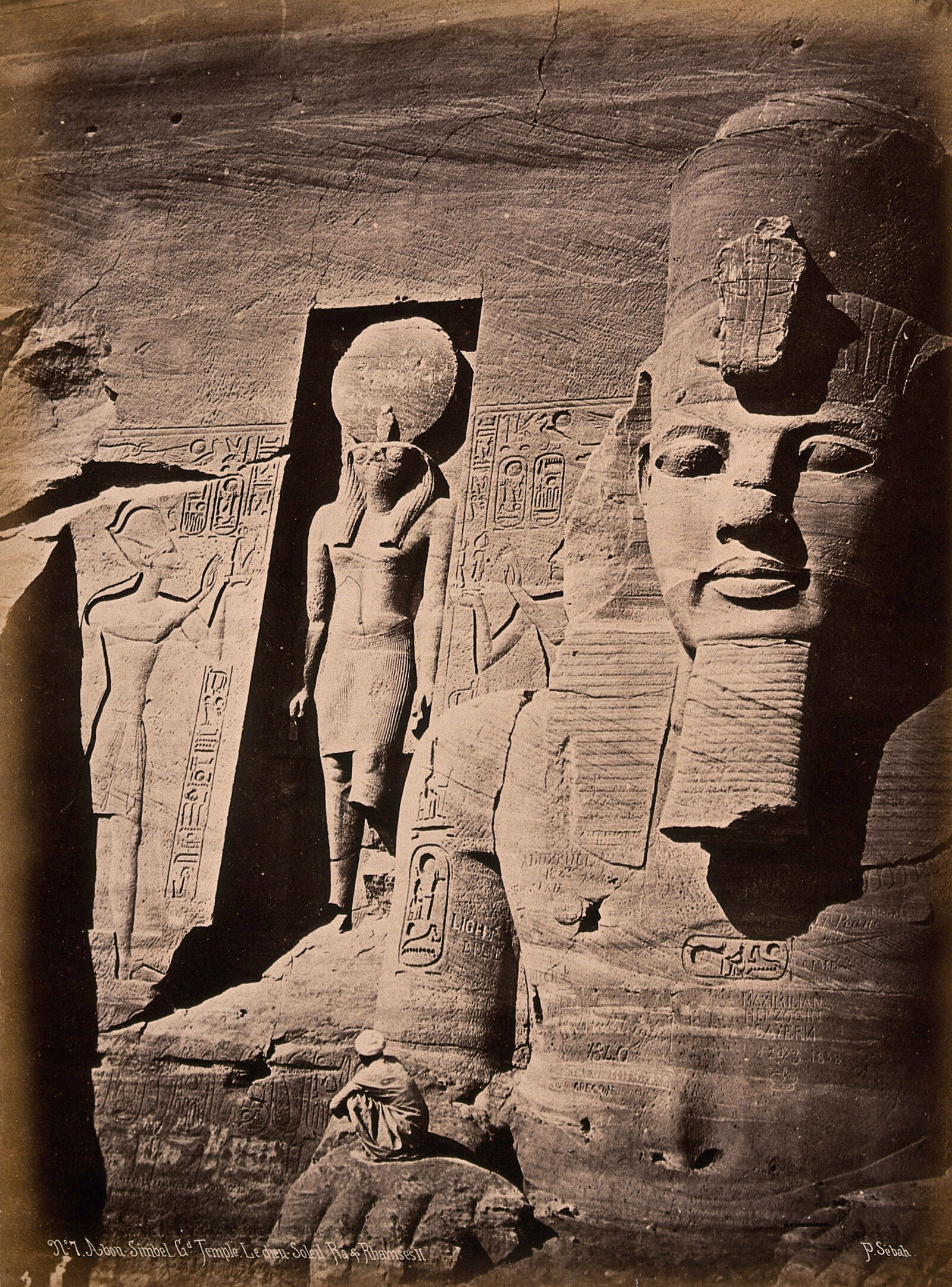
Facade Detail of Abu Simbel Showing Ramesses II and Ra
Pascal Sébah · 1875
 Painting
Secondary source
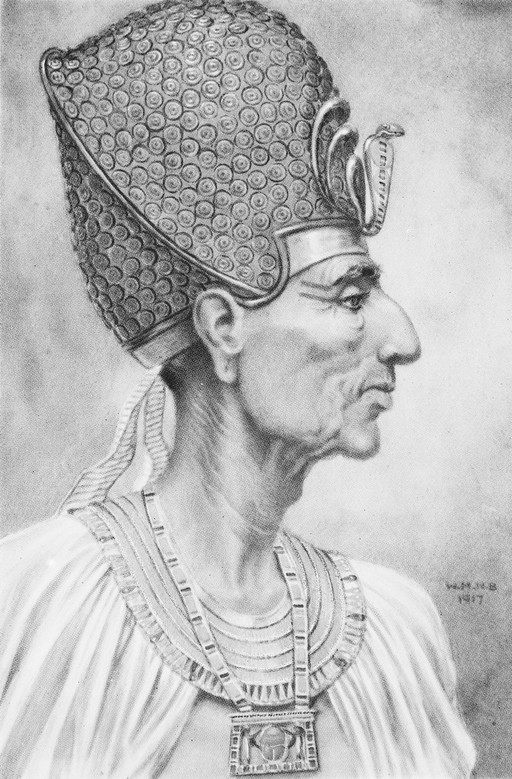
Figure of Ancient Egyptian, Ramesses II
1917
Ready when you are
Start chatting with Ramses II (Ramses the Great) now.
20 messages free · No credit card · Available in 50+ languages.