


Primary sourceArtifactc. 1273 BCE
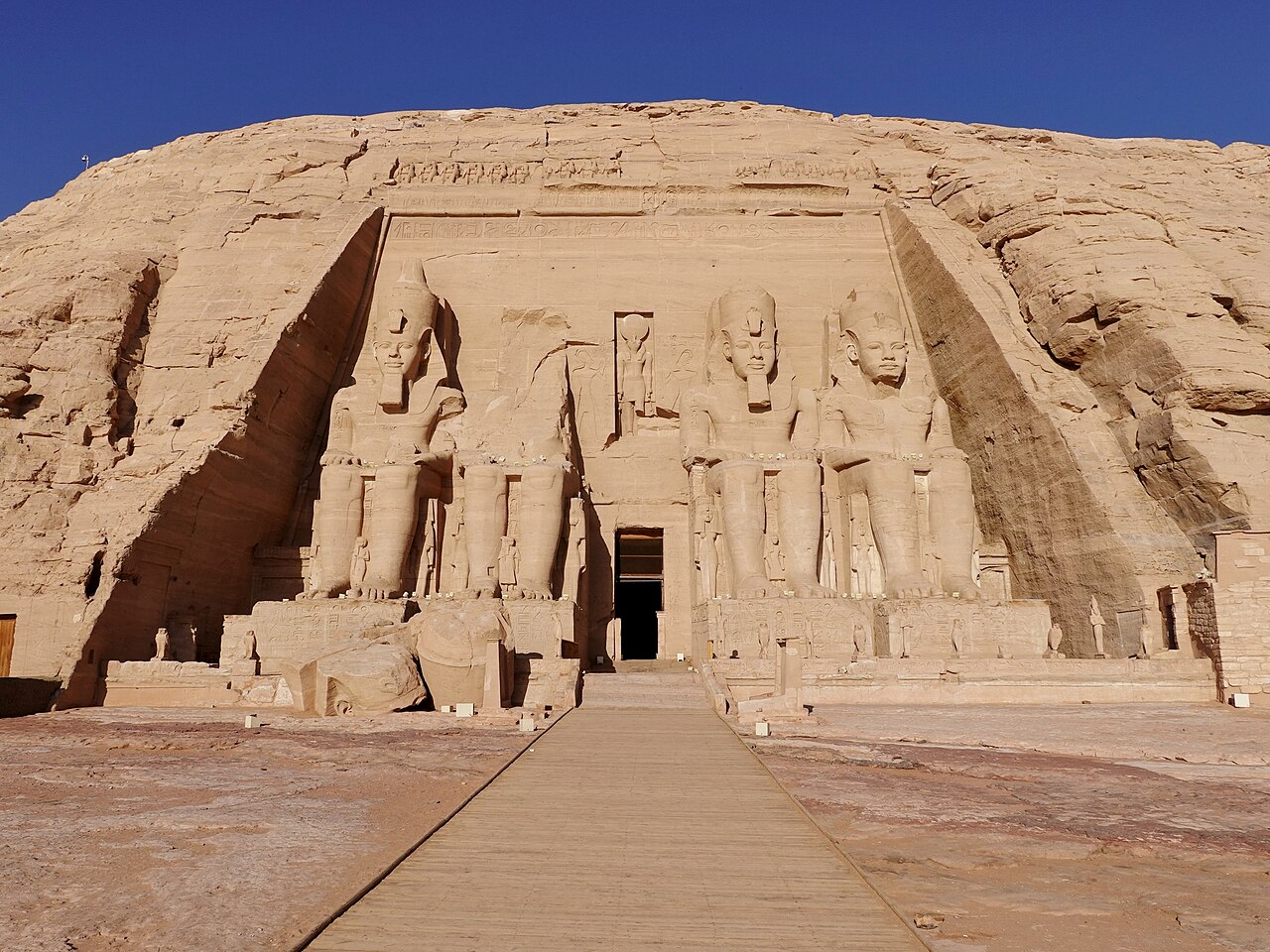
Abu Simbel
Ramesses II · c. 1273 BCE
Rock-cut temples built by Ramesses II in Nubia, with colossal statues of the king and scenes of his reign.
Ramesses II commissioned these temples to glorify himself as pharaoh and god in Nubia.
About this source
What it is
Abu Simbel is a complex of two temples carved into a mountainside in Nubia during the reign of Ramesses II in the 13th century BC. The Great Temple honors Ramesses himself, with four huge seated statues of him at the entrance, while the Small Temple honors his wife Nefertari. In the 1960s the whole site was moved to higher ground to save it from being flooded by Lake Nasser.
Why it matters
The temples were meant to show Egypt's power to the Nubian people and to glorify Ramesses as a god-like king. Inside, reliefs commemorate his role at the Battle of Kadesh. The site shows both the scale of ancient Egyptian building and the modern international effort needed to preserve it.
Look closer
- Why would Ramesses want huge statues of himself in a distant frontier region?
- What does including Nefertari and his children suggest about the image he wanted to project?
- How might the temple's purpose change our understanding of 'art' versus 'propaganda'?
This artifact is part of the curated material that grounds the AI version of Ramses II (Ramses the Great) on Humy.ai — when students ask about related events, the AI can quote it and cite it.
More Ramses II (Ramses the Great) sources
Meet the AI Ramses II (Ramses the Great) →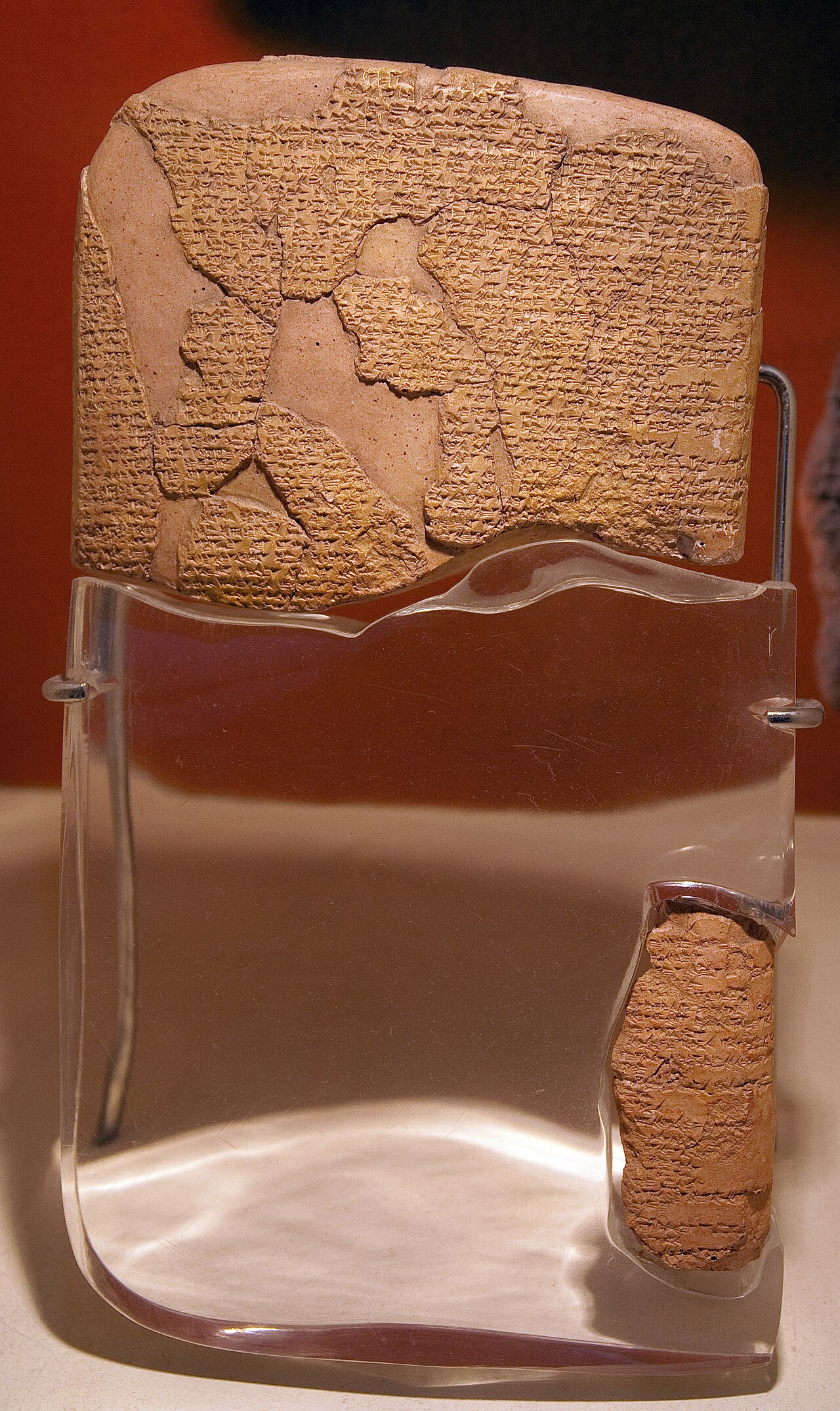 Document
Primary source
Egyptian–Hittite Peace Treaty
c. 1258 BCE
 Photograph
Secondary source
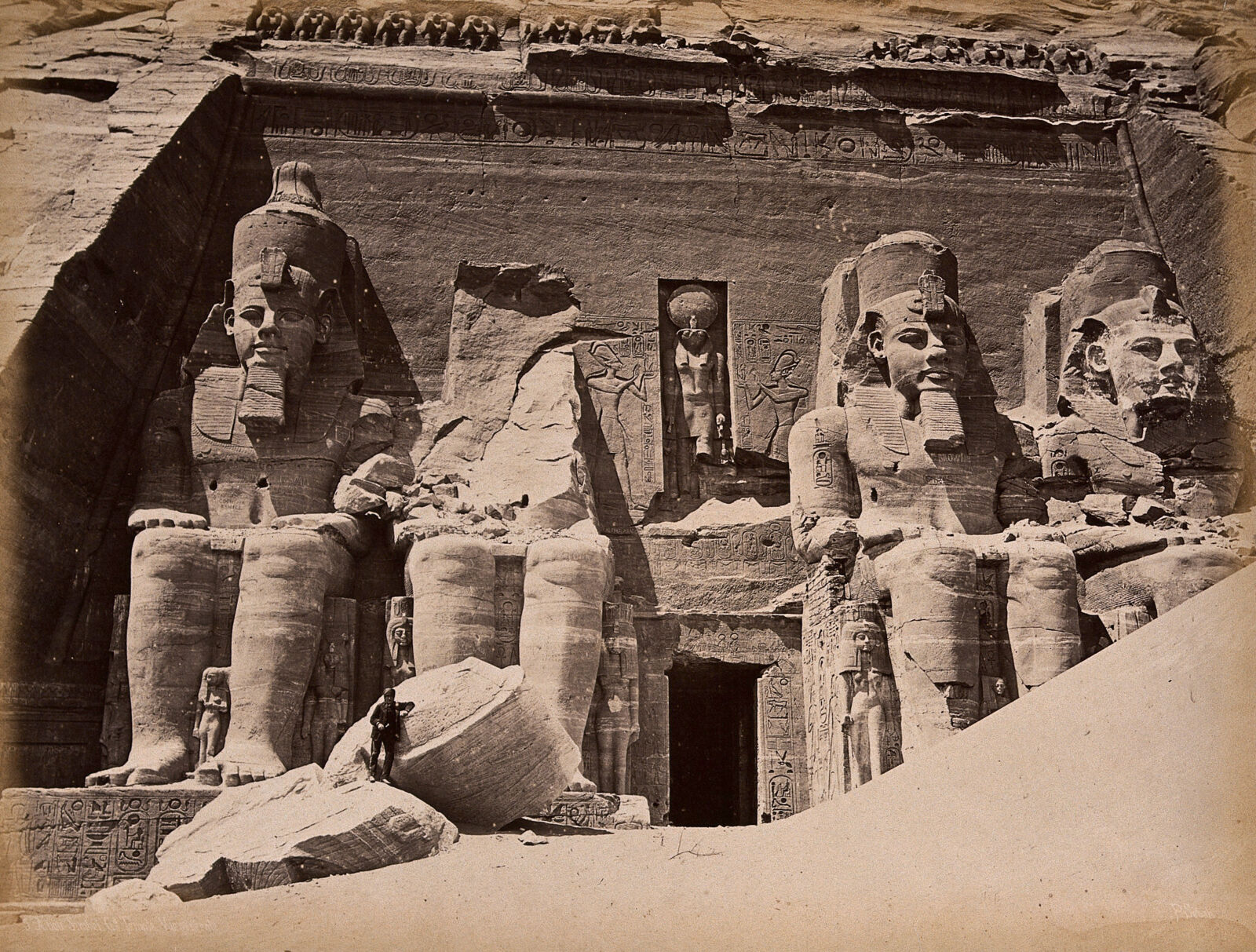
Abu Simbel Temple Colossi
Pascal Sébah · 1875
 Photograph
Secondary source
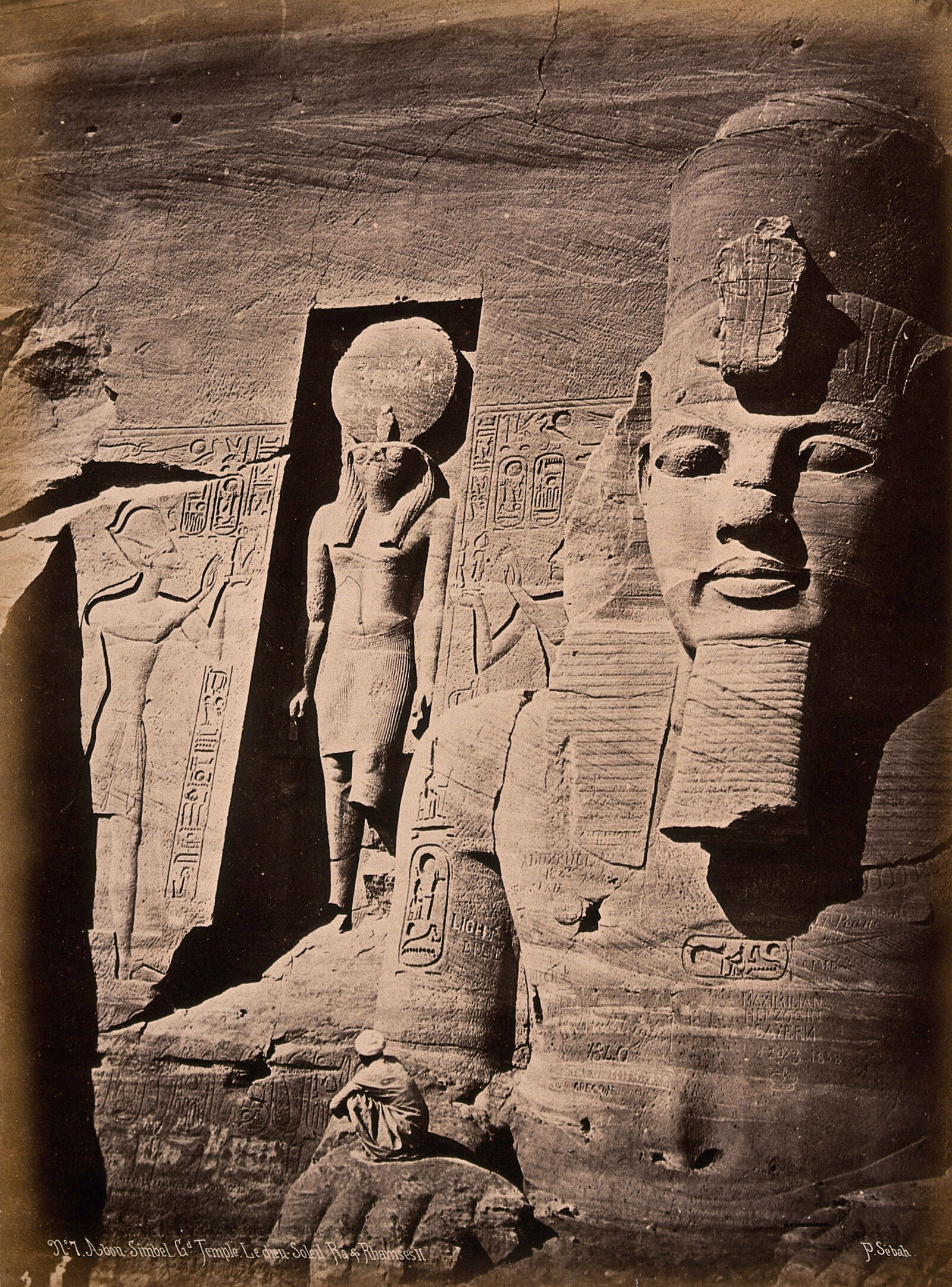
Facade Detail of Abu Simbel Showing Ramesses II and Ra
Pascal Sébah · 1875
 Photograph
Secondary source
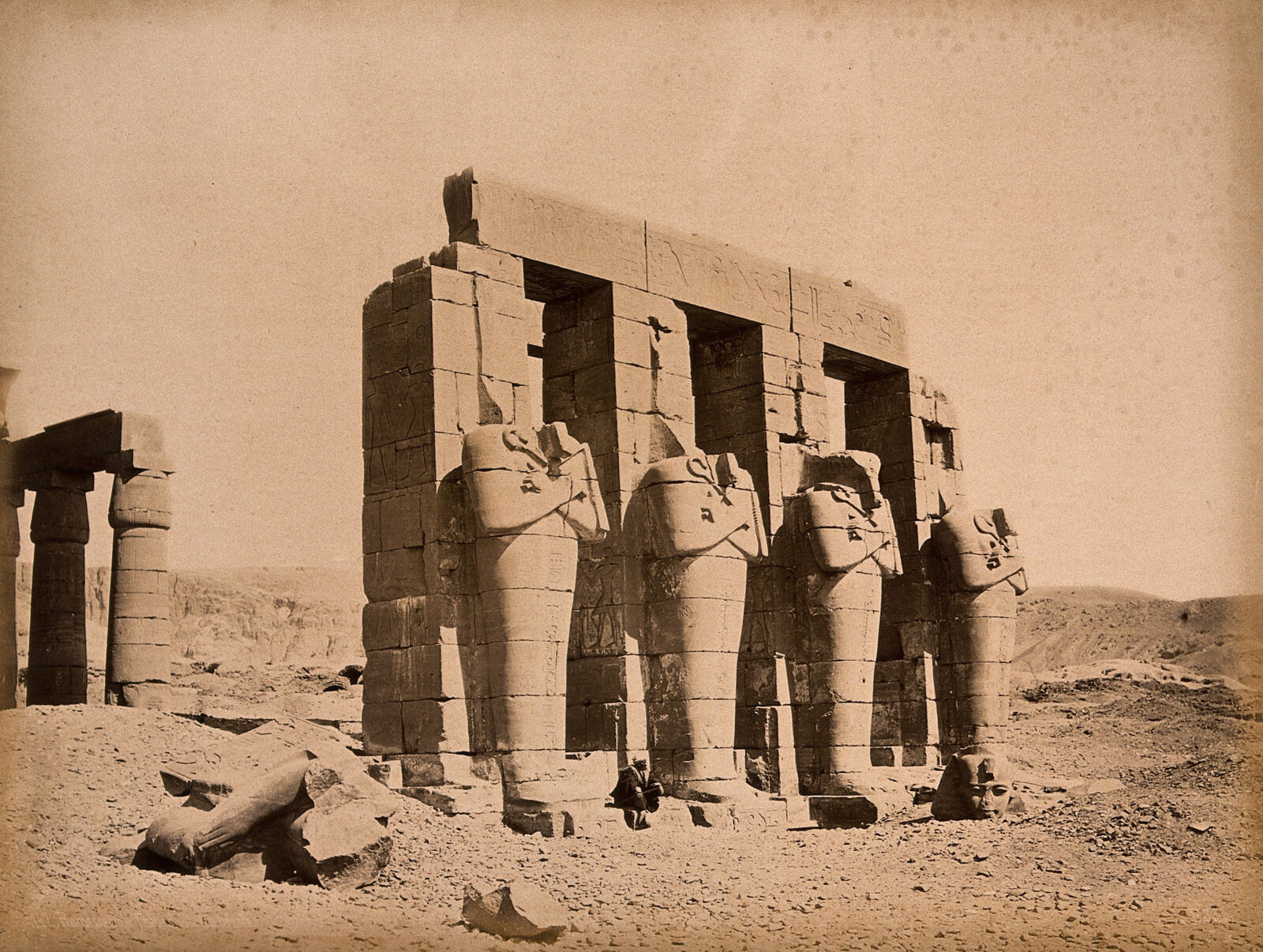
Ramesseum Colossi in Ruins
Pascal Sébah · c. 1875
 Painting
Secondary source
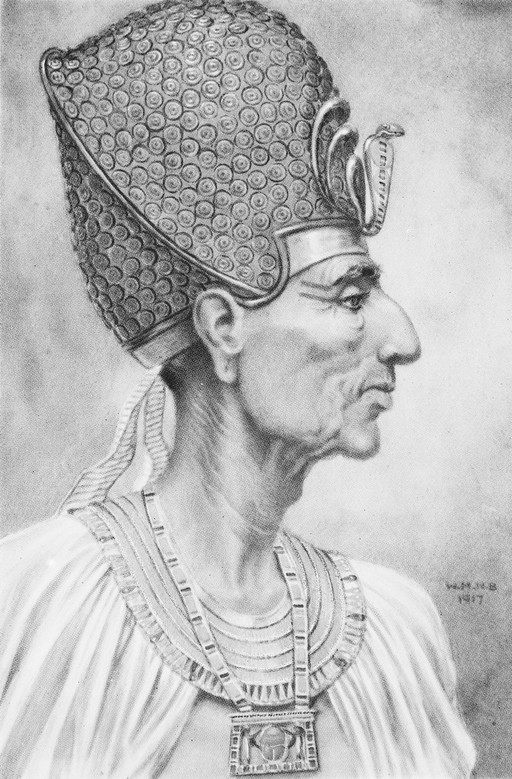
Figure of Ancient Egyptian, Ramesses II
1917
Ready when you are
Start chatting with Ramses II (Ramses the Great) now.
20 messages free · No credit card · Available in 50+ languages.