


Secondary sourcePainting
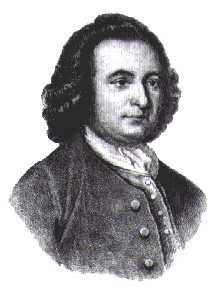
Engraved Portrait of George Mason
A black-and-white engraving of George Mason that spread his image in the 19th century, based on an earlier likeness.
This engraving reproduces Mason's likeness, helping later generations recognize and remember him.
About this source
What it is
This is a black-and-white engraved portrait of George Mason, shown from the chest up, turned slightly to the left, with wavy shoulder-length hair and a dark coat. It is a later print copied from an earlier image of Mason.
Why it matters
Because few original portraits of Mason survive, engravings like this one helped spread his likeness to a wider audience long after his death, shaping how later generations pictured one of the lesser-known Founding Fathers. Mason is remembered for his contributions to American political thought, including his influence on the Bill of Rights.
Look closer
- How does this engraving compare to the painted portraits of Mason—what has changed in style or detail?
- Why might printmakers in the 19th century want to create and distribute images of Founding Fathers like Mason?
- What can an engraving tell us about how a historical figure was remembered, as opposed to how they actually looked?
This painting is part of the curated material that grounds the AI version of George Mason on Humy.ai — when students ask about related events, the AI can quote it and cite it.
More George Mason sources
Meet the AI George Mason →Primary source
Virginia Declaration of Rights
George Mason · 12 June 1776
Primary source
Objections to This Constitution of Government
George Mason · 1787
 Document
Primary source
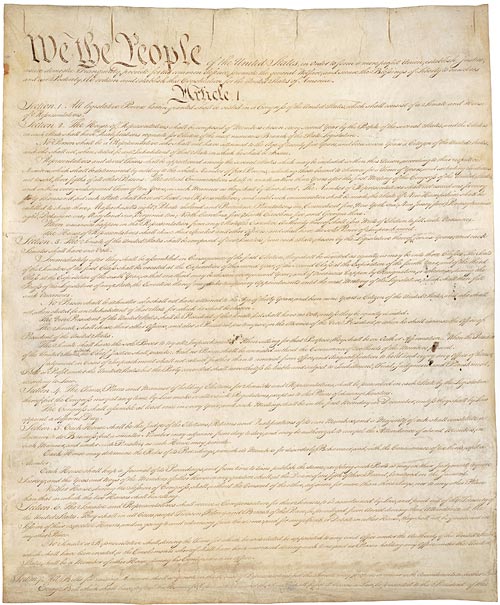
United States Constitution
Constitutional Convention · 17 September 1787
 Document
Primary source
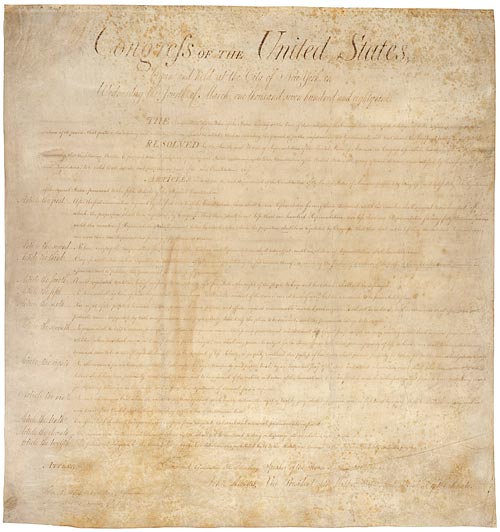
Bill of Rights
25 September 1789
Primary source
Fairfax Resolves
George Mason and George Washington · 18 July 1774
Ready when you are
Start chatting with George Mason now.
20 messages free · No credit card · Available in 50+ languages.