


Primary sourceDocument1787
Objections to This Constitution of Government
George Mason · 1787
George Mason's 1787 written objections explaining why he refused to sign the new U.S. Constitution.
Mason's own manifesto explaining his refusal to sign the Constitution, a central moment of his political career.
About this source
What it is
This is a document written by George Mason in 1787, listing his objections to the proposed Constitution. It opens with the famous line, "There is no Declaration of Rights." Copies are held by the Library of Congress and Gunston Hall.
Why it matters
Mason was a delegate to the Constitutional Convention but refused to sign the final document. This text is one of the key Anti-Federalist writings, arguing that the Constitution lacked protections for individual liberties and gave too much unchecked power to the new government. It shows how the push for what became the Bill of Rights grew directly out of objections like Mason's.
Look closer
- What specific worries does Mason raise about representation and the Senate?
- Why might someone who helped write a constitution later refuse to sign it?
- How did Mason's objections influence later amendments to the Constitution?
This document is part of the curated material that grounds the AI version of George Mason on Humy.ai — when students ask about related events, the AI can quote it and cite it.
More George Mason sources
Meet the AI George Mason →Primary source
Virginia Declaration of Rights
George Mason · 12 June 1776
 Document
Primary source
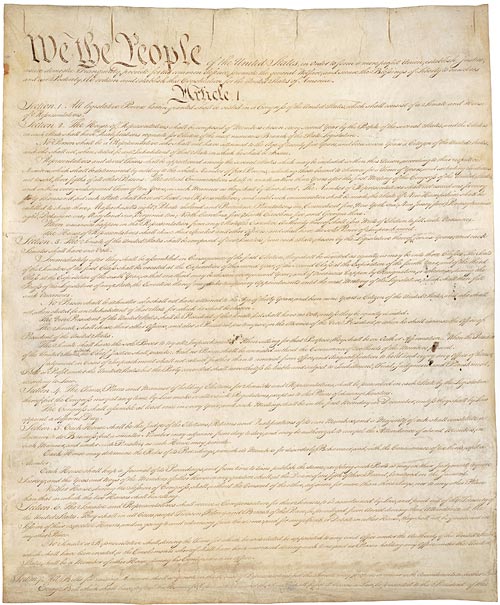
United States Constitution
Constitutional Convention · 17 September 1787
 Document
Primary source
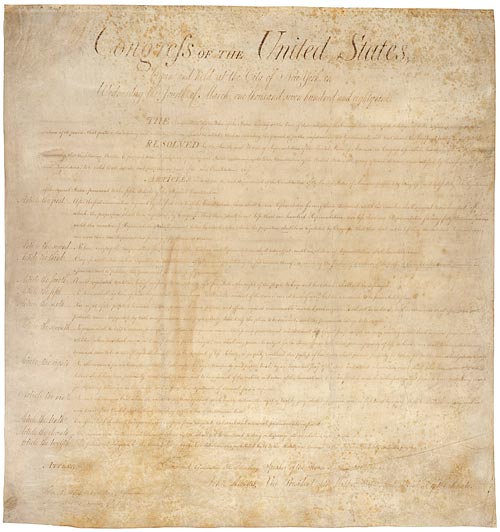
Bill of Rights
25 September 1789
Primary source
Fairfax Resolves
George Mason and George Washington · 18 July 1774
 Painting
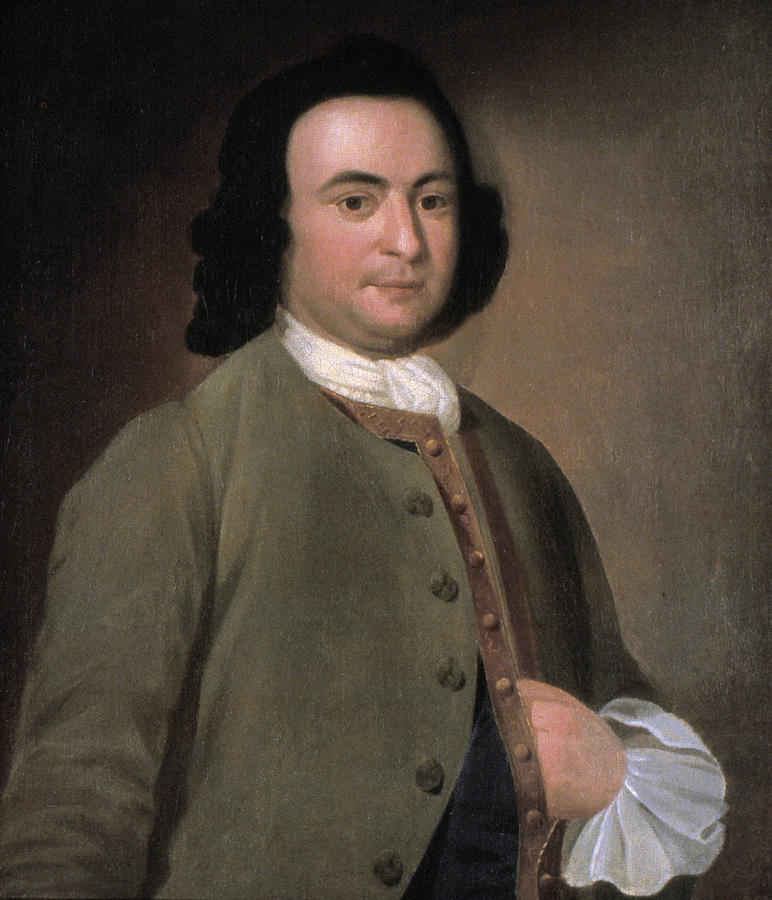
Secondary source
Portrait of George Mason
Ready when you are
Start chatting with George Mason now.
20 messages free · No credit card · Available in 50+ languages.