


Secondary sourcePainting
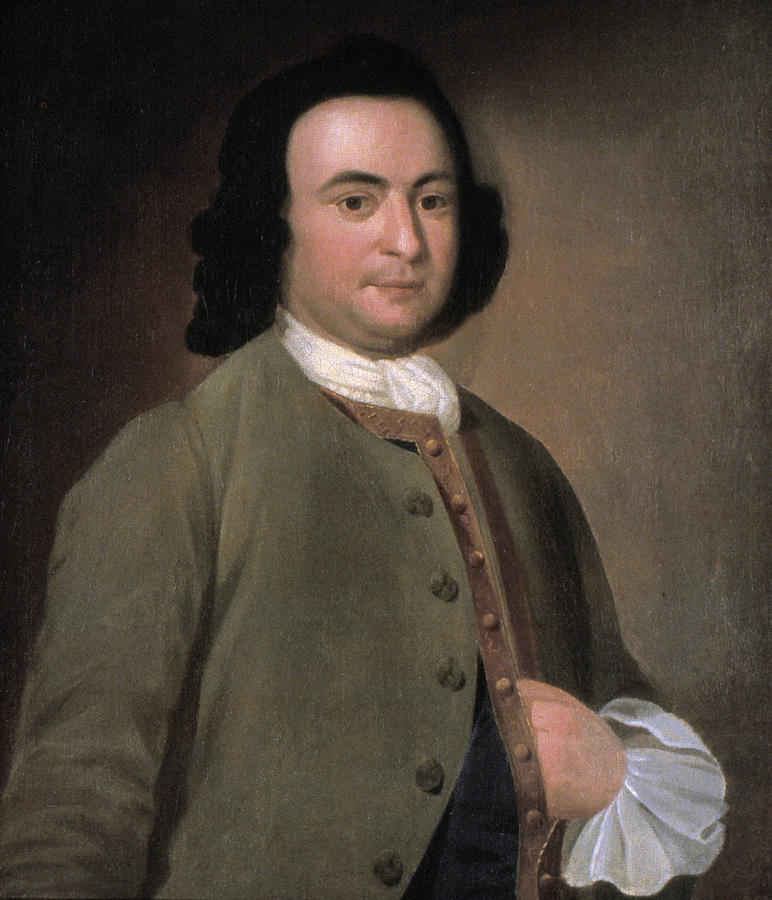
Portrait of George Mason
The standard painted likeness of George Mason, based on a lost 1750 portrait by John Hesselius.
The standard portrait identifying George Mason, used to put a face to the man behind these founding documents.
About this source
What it is
This painting shows George Mason, the Virginia statesman and delegate to the Constitutional Convention. It is derived from a now-lost 1750 portrait by John Hesselius and is the image by which Mason is generally known today.
Why it matters
Mason is remembered as the "Father of the Bill of Rights" and is counted among the Founding Fathers of the United States for his work on the Virginia Declaration of Rights and his objections to the unamended Constitution. This portrait is the standard visual record historians and students use to picture him, even though the original painting from which it derives no longer survives.
Look closer
- What does the clothing and setting suggest about Mason's social status?
- Since the original 1750 portrait is lost, what does that tell you about how historical images can change or be copied over time?
- What might a portrait like this leave out about a person's life and beliefs?
This painting is part of the curated material that grounds the AI version of George Mason on Humy.ai — when students ask about related events, the AI can quote it and cite it.
More George Mason sources
Meet the AI George Mason →Primary source
Virginia Declaration of Rights
George Mason · 12 June 1776
Primary source
Objections to This Constitution of Government
George Mason · 1787
 Document
Primary source
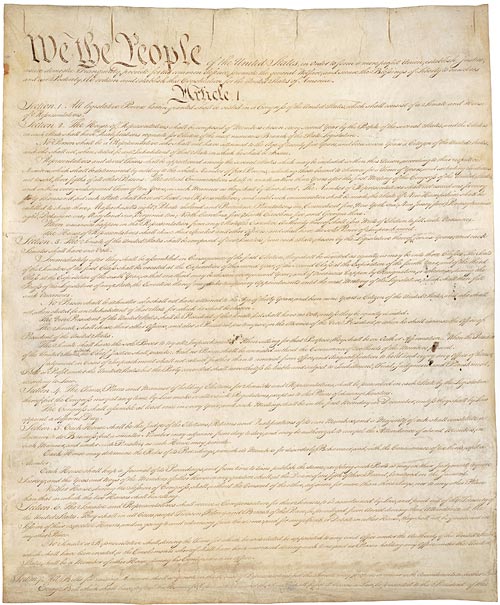
United States Constitution
Constitutional Convention · 17 September 1787
 Document
Primary source
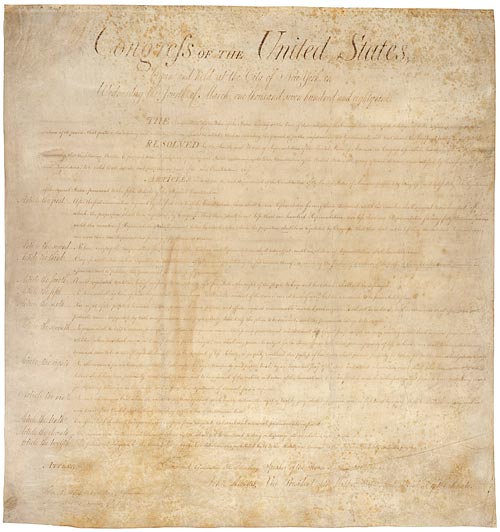
Bill of Rights
25 September 1789
Primary source
Fairfax Resolves
George Mason and George Washington · 18 July 1774
Ready when you are
Start chatting with George Mason now.
20 messages free · No credit card · Available in 50+ languages.