


Secondary sourcePainting1876
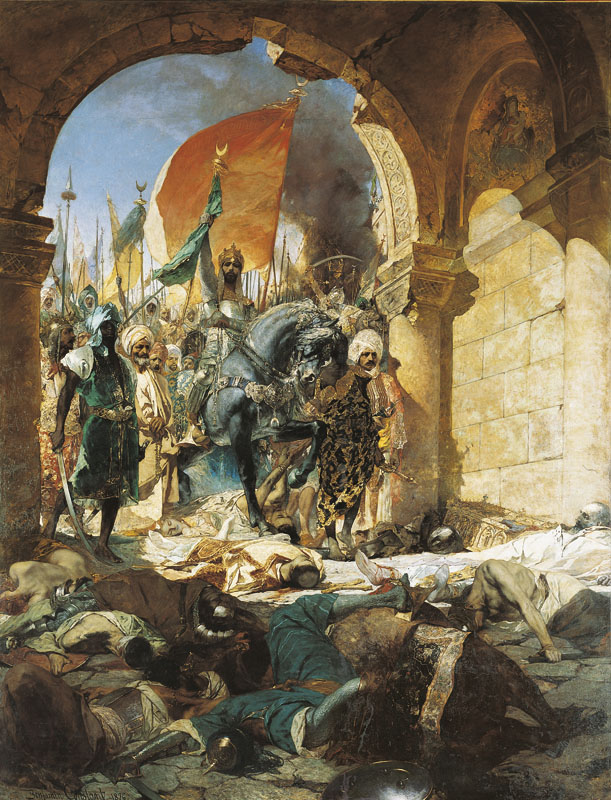
Entry of Sultan Mehmed II into Constantinople
Jean-Joseph Benjamin-Constant · 1876
A nineteenth-century painting imagining Mehmed II's triumphant entry into Constantinople in 1453, surrounded by soldiers and casualties of the siege.
This painting depicts Mehmed II's triumphant entry into Constantinople, shaping how later generations pictured his conquest.
About this source
What it is
This painting was made in 1876 by the French Orientalist painter Jean-Joseph Benjamin-Constant, over four hundred years after the event it depicts. It shows Mehmed II riding into Constantinople on 29 May 1453, followed by soldiers carrying banners, with dead and wounded men in the foreground.
Why it matters
Painted centuries later, this work tells us more about how nineteenth-century Europeans imagined the fall of Constantinople than about the actual event. Such Orientalist paintings shaped popular Western images of Ottoman history and often emphasized drama and conquest.
Look closer
- Why might an artist in 1876 choose to paint an event from 1453?
- How does the painting make the scene feel dramatic or triumphant, and what might it leave out?
- What can you NOT learn about the real 1453 conquest just from looking at this picture?
This painting is part of the curated material that grounds the AI version of Mehmed II on Humy.ai — when students ask about related events, the AI can quote it and cite it.
More Mehmed II sources
Meet the AI Mehmed II →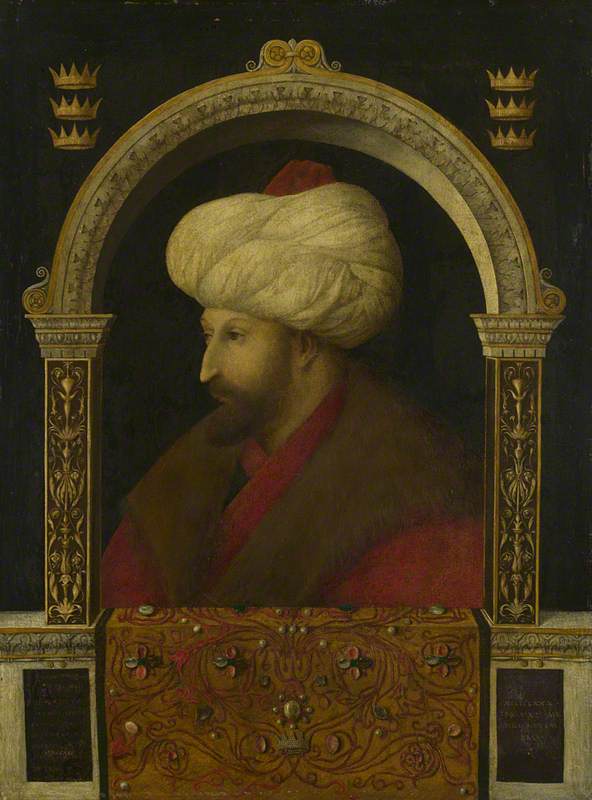 Painting
Primary source
The Sultan Mehmet II
Gentile Bellini · 1480
 Painting
Primary source
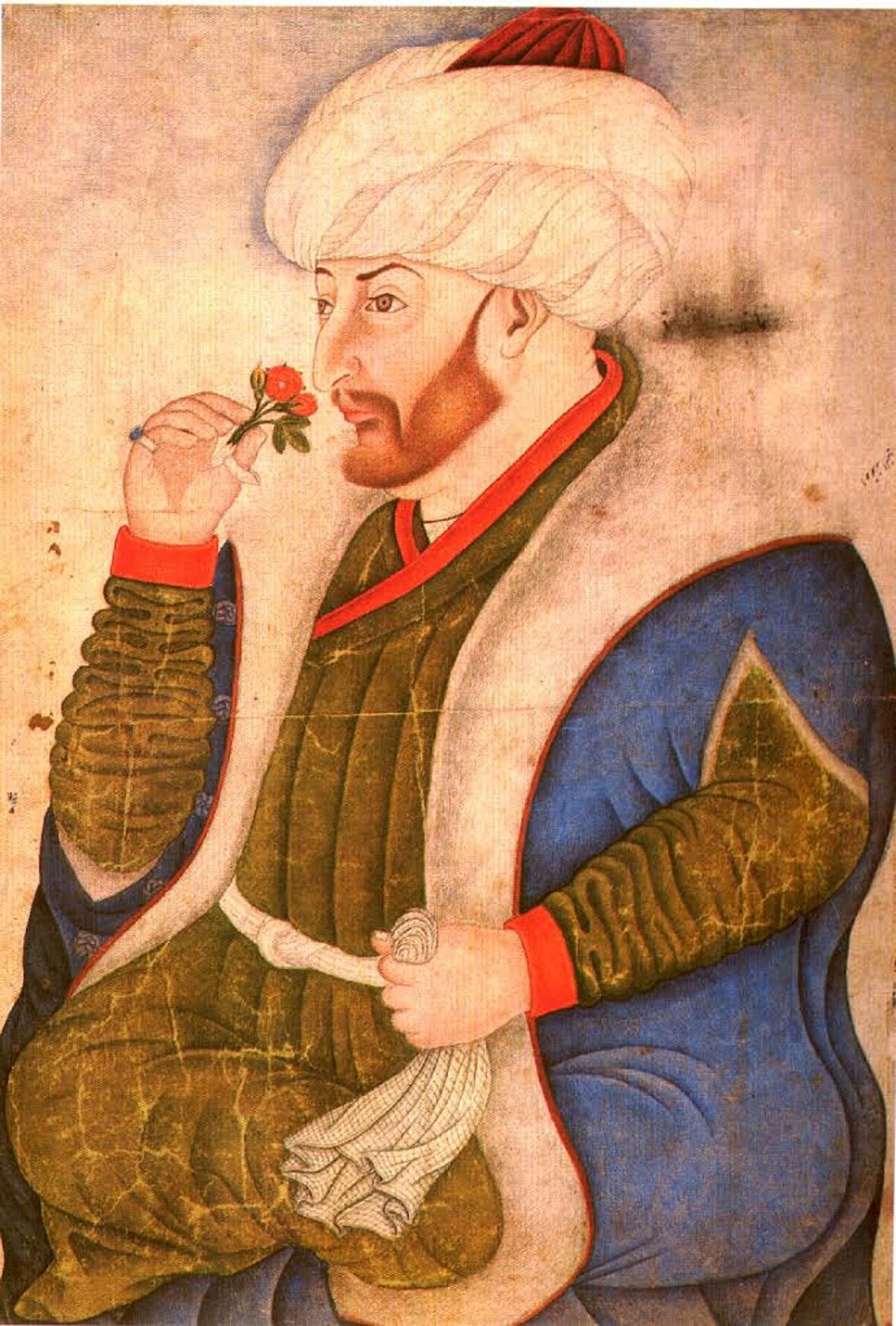
Portrait of Mehmed II Smelling a Rose
Attributed to Nakkaş Sinan Beg · c. 1480-81
 Artifact
Primary source
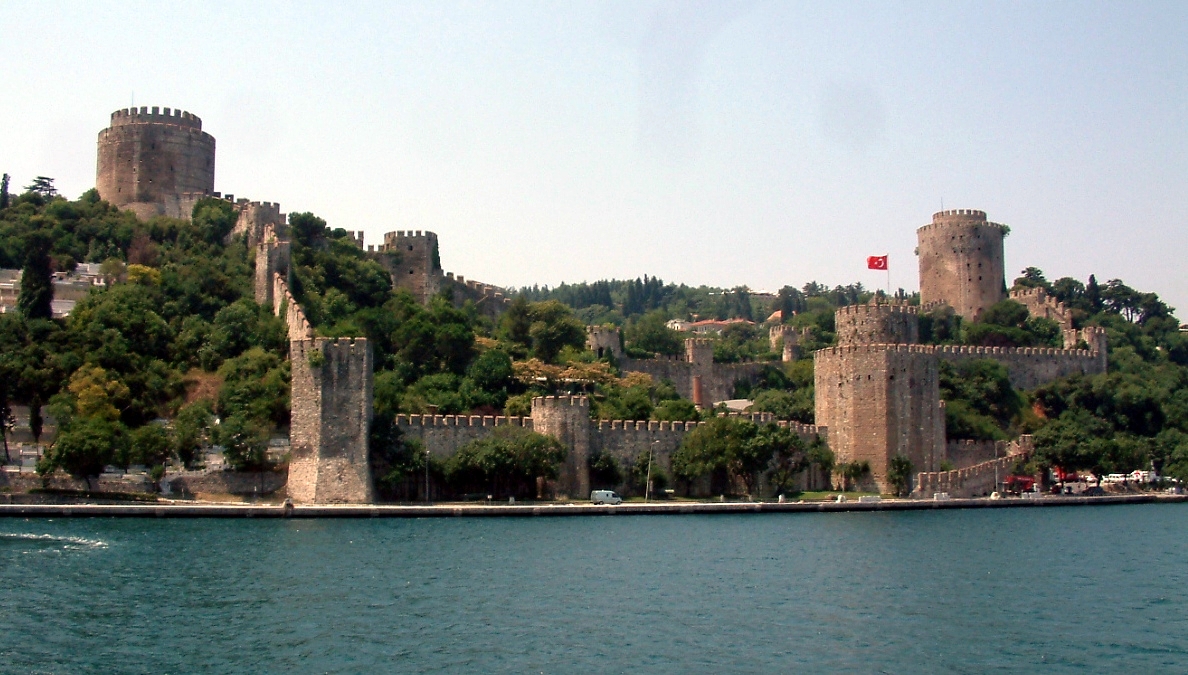
Rumeli Hisarı
1451-1452
 Artifact
Primary source
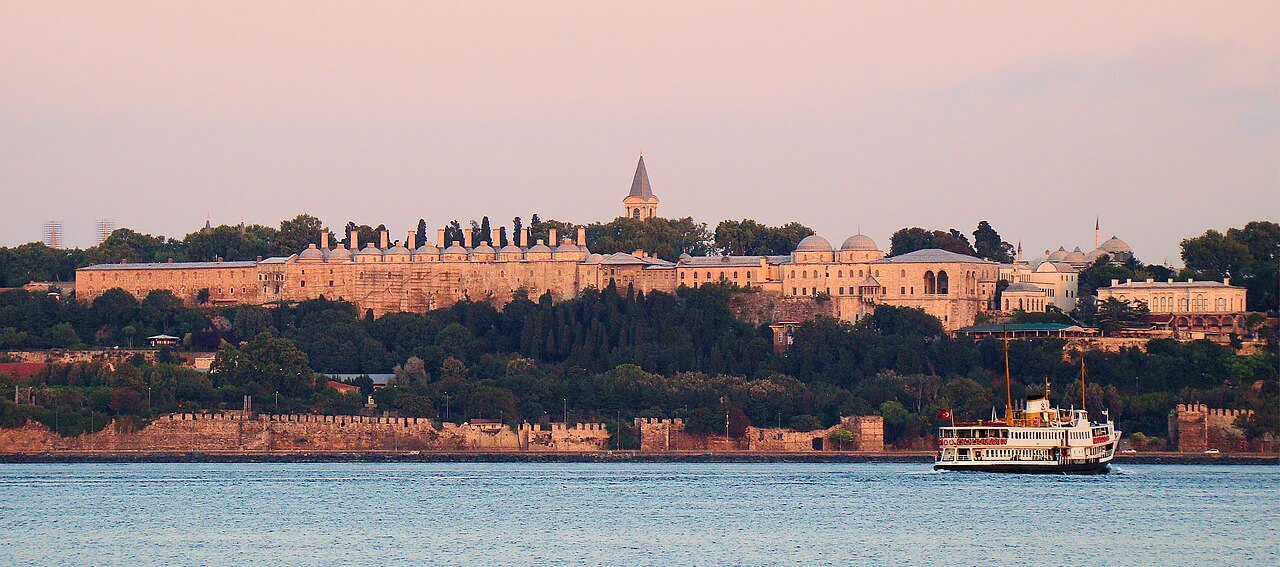
Topkapı Palace
from 1459
 Document
Primary source
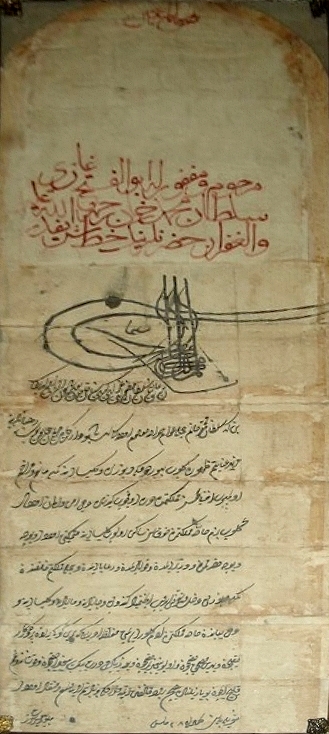
Ahdname of Fojnica
Mehmed II · 1463
Ready when you are
Start chatting with Mehmed II now.
20 messages free · No credit card · Available in 50+ languages.