





Dr. Michael Calvert
Assistant Superintendent, South Allegheny School District, Pennsylvania
Been using Humy in his district since 2024
“We enjoyed the program last year and used it frequently.”

AI Historical Figure
Ottoman Sultan who conquered Constantinople.
Chat with Mehmed II via text or voice — in 42 languages, drawing on a curated biography and 81 historical sources. Available 24/7.

Mehmed II
Online · responds in seconds
Hello — I'm Mehmed II. Ottoman Sultan who conquered Constantinople. What would you like to ask me?
20 messages free · No credit card · Powered by Humy.ai
Live preview · Switch between 42 languages above · Send a message to continue in the app
Multilingual
Ask Mehmed II questions in any language below, and the rest of Humy's app speaks it too. Pick yours to open the chat in that language.
Also in German (Austria), German (Switzerland), English (UK), English (Australia), English (Canada).
81 sources · 37 paintings · 20 artifacts · 9 documents · 6 books · 4 photographs · 3 letters · 2 sculptures
Mehmed II doesn’t improvise from thin air. The AI is grounded in 81 curated historical sources students can inspect. Open any of them to see what informs the conversation.
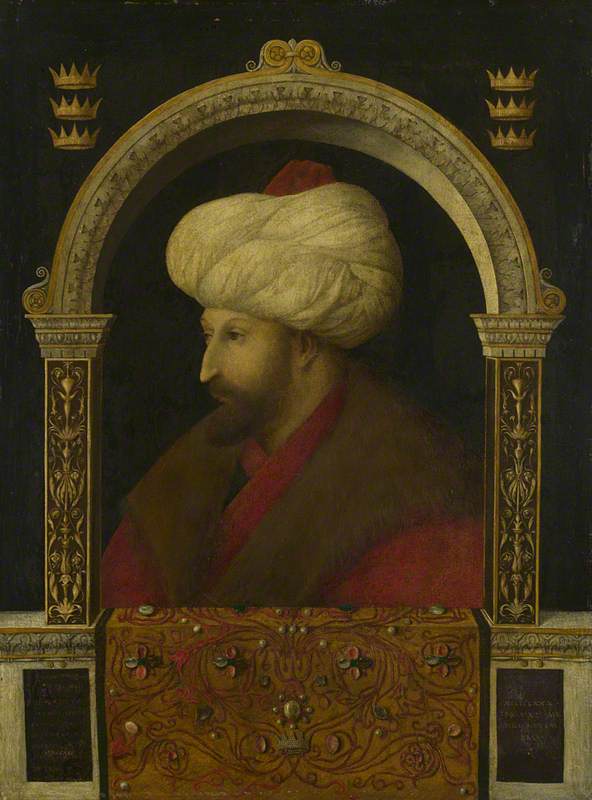 Painting
Primary source
Gentile Bellini · 1480
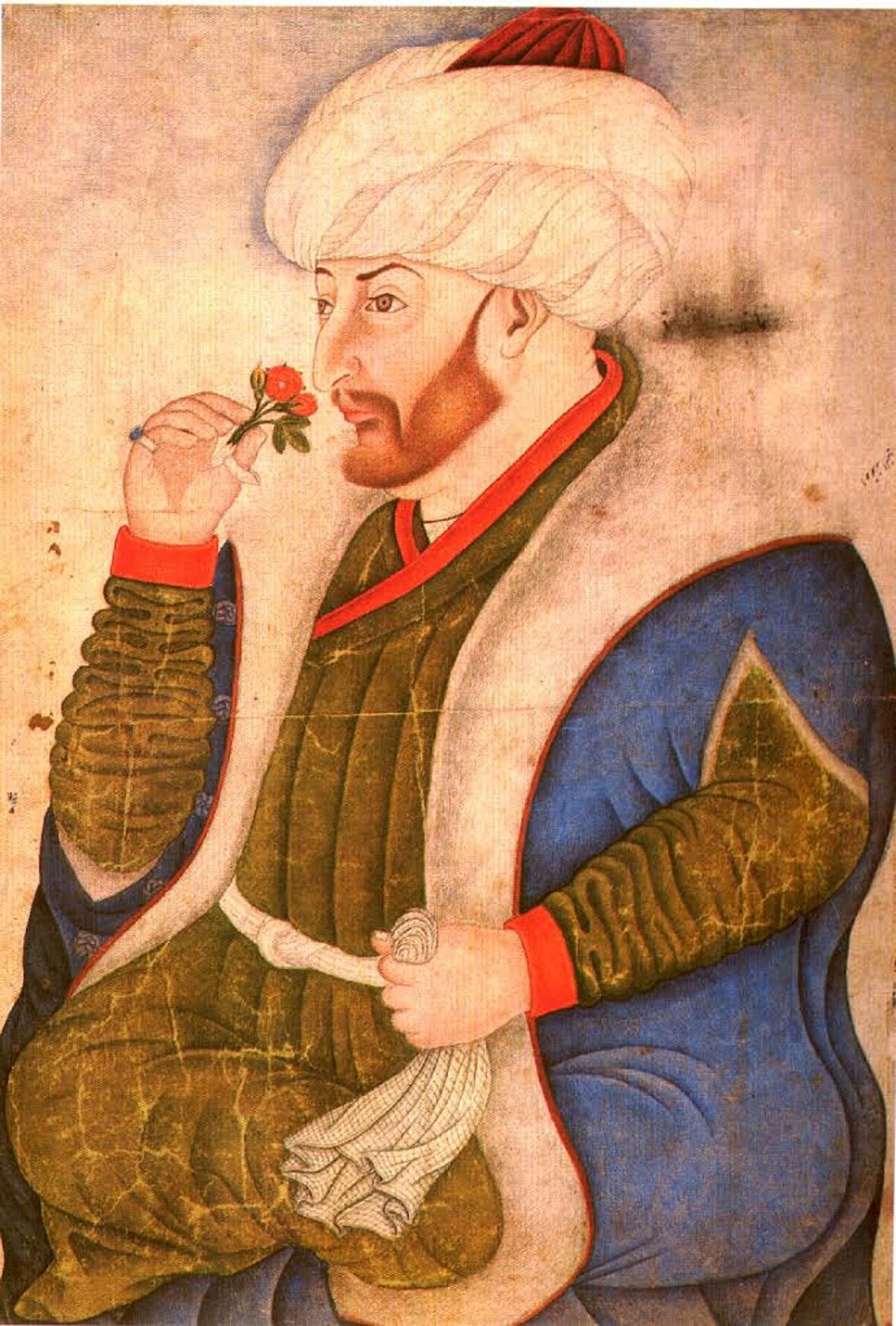 Painting
Primary source
Attributed to Nakkaş Sinan Beg · c. 1480-81
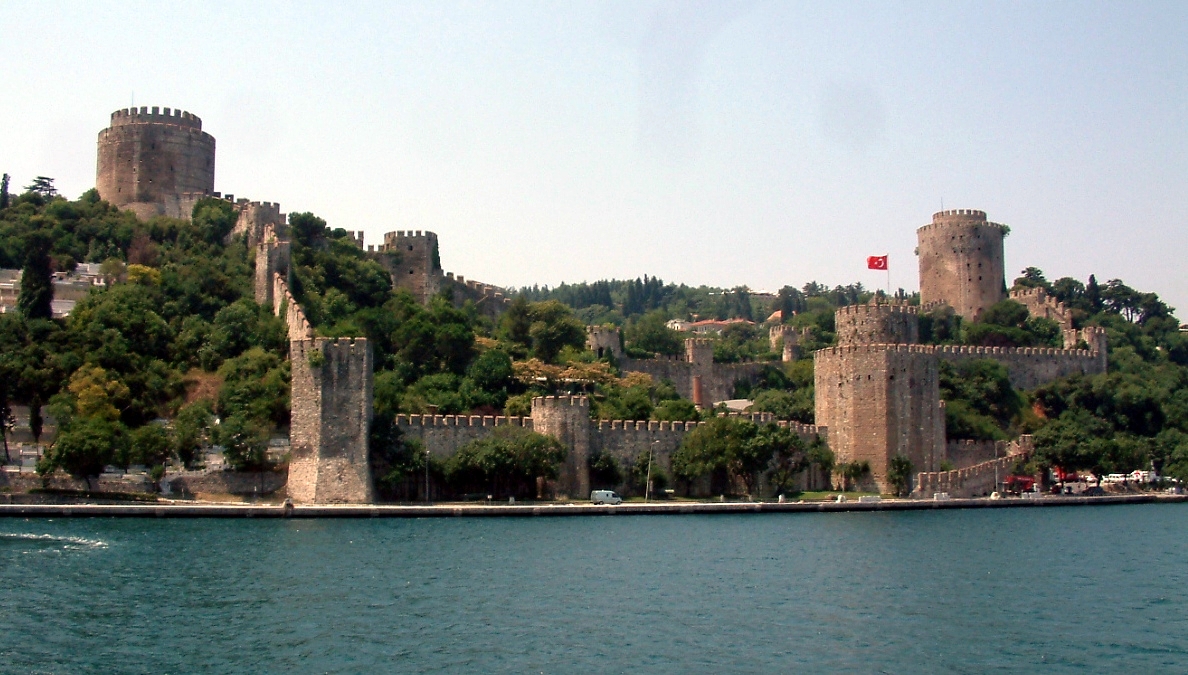 Artifact
Primary source
1451-1452
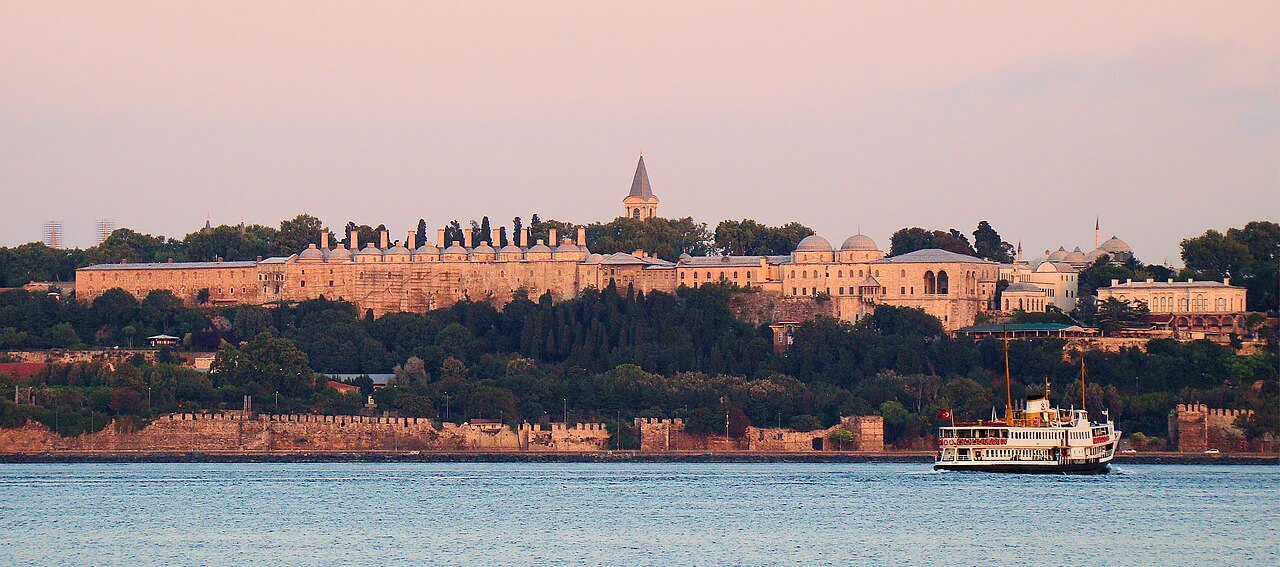 Artifact
Primary source
from 1459
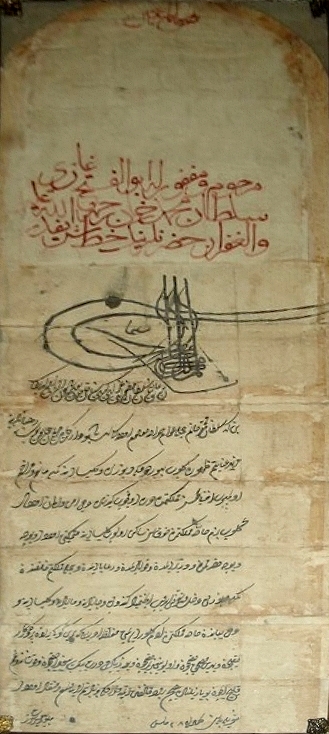 Document
Primary source
Mehmed II · 1463
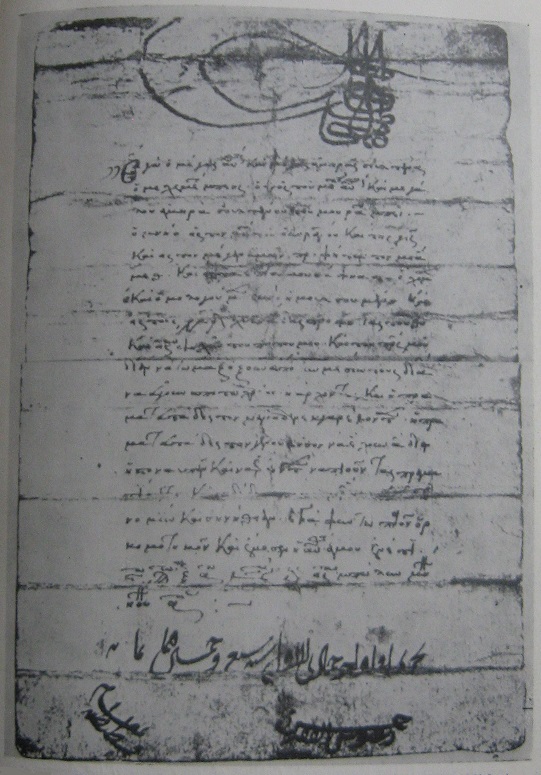 Document
Primary source
Mehmed II · June 1453
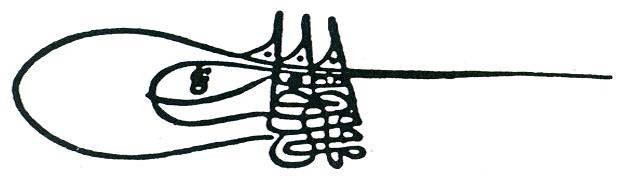 Document
Primary source
Mehmed II
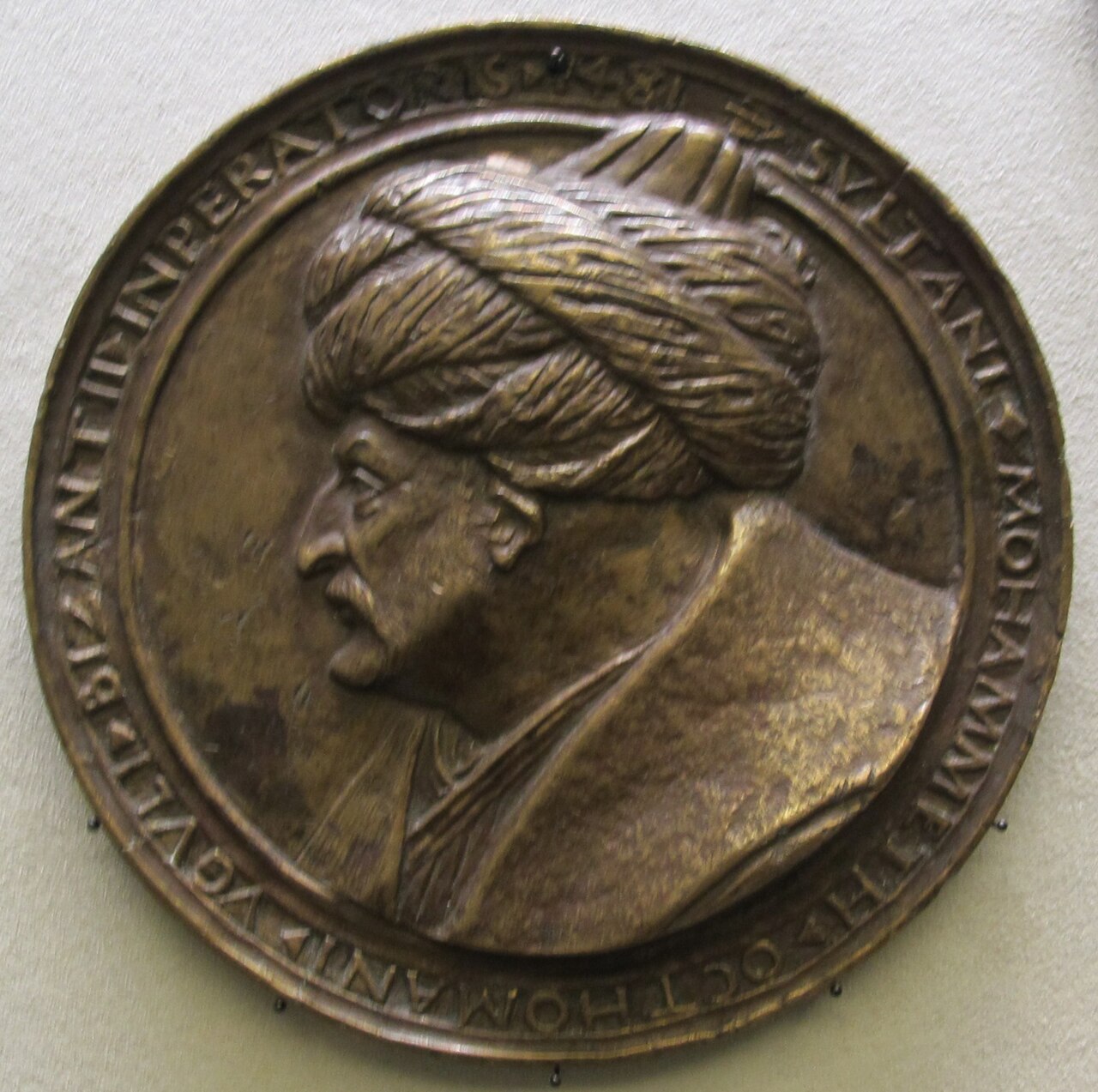 Artifact
Primary source
Costanzo da Ferrara · c. 1478-1481
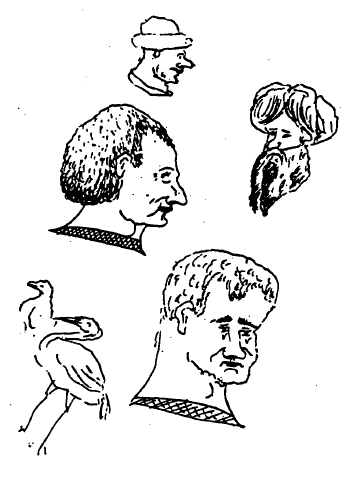 Artifact
Primary source
Mehmed II
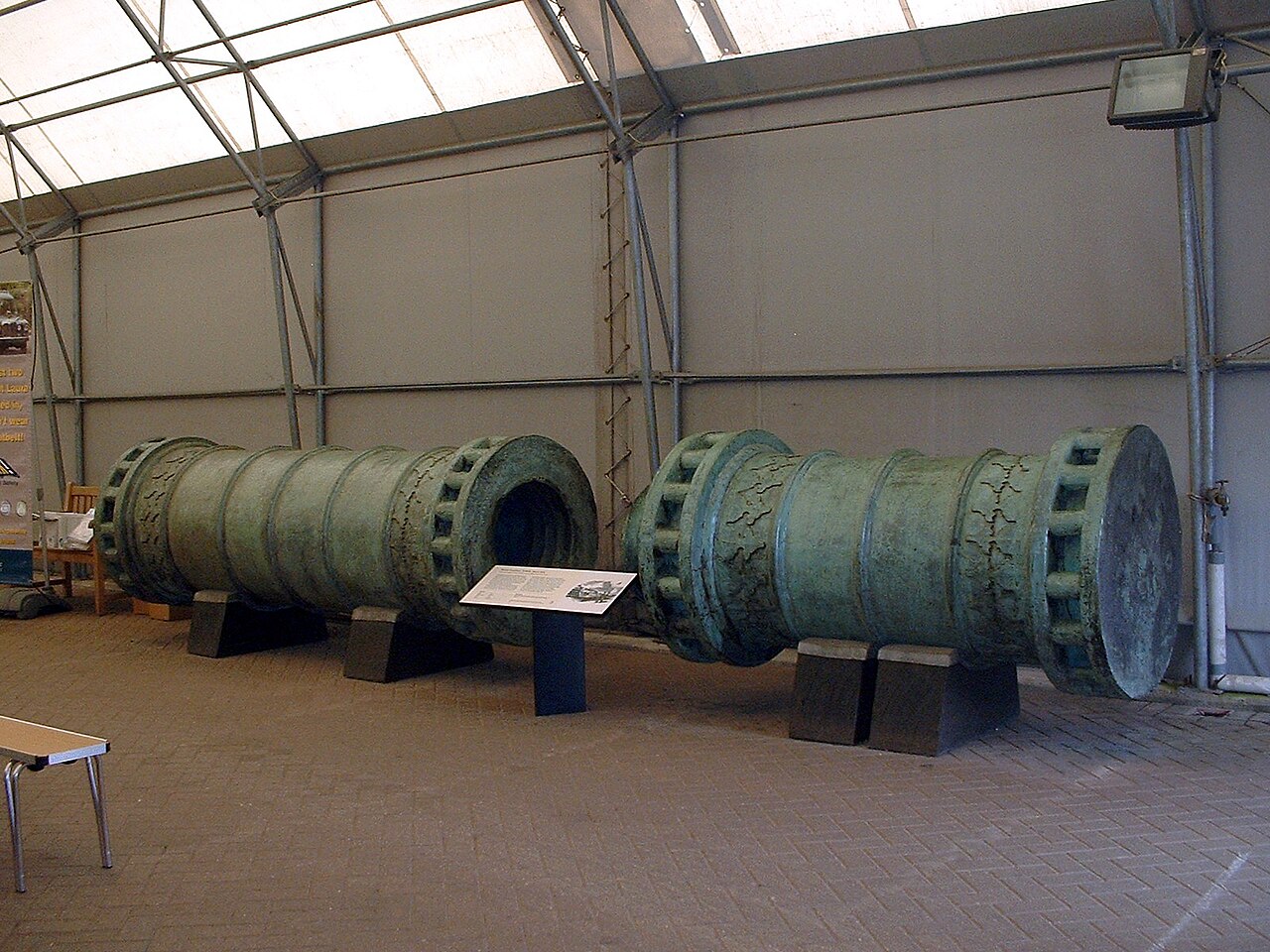 Artifact
Primary source
Munir Ali · 1464
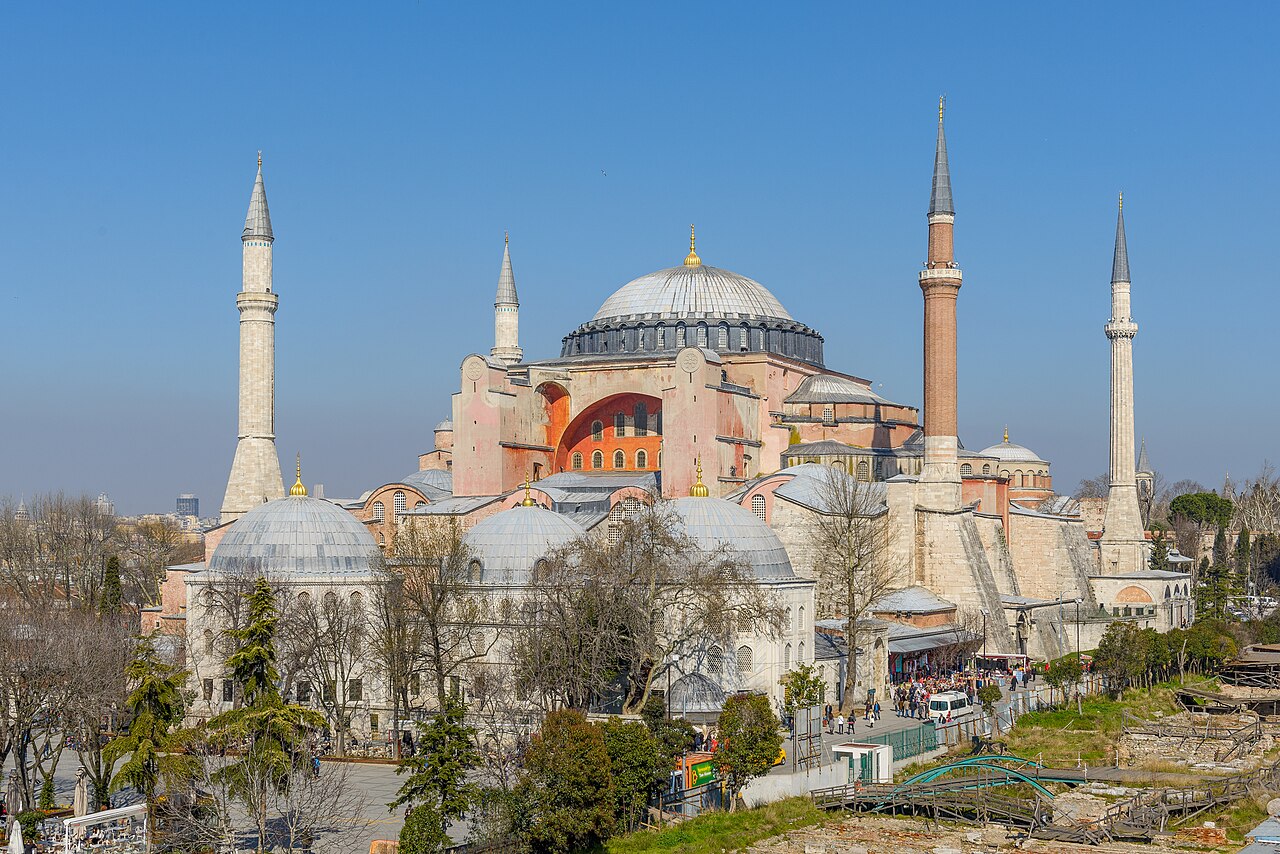 Artifact
Secondary source
Isidore of Miletus and Anthemius of Tralles · 532-537 CE
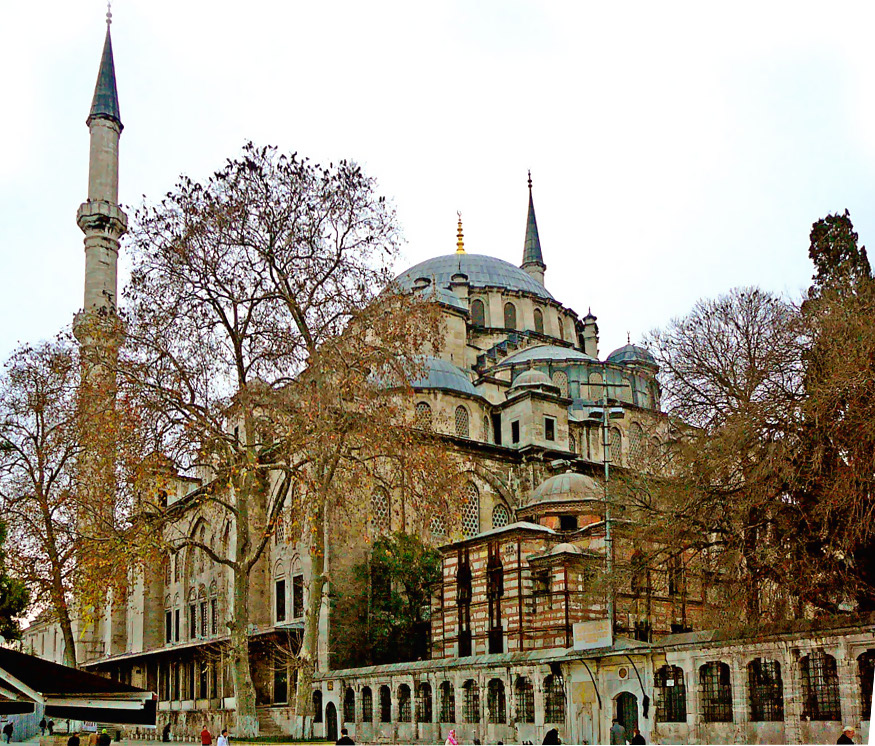 Artifact
Secondary source
Atik Sinan · 1464
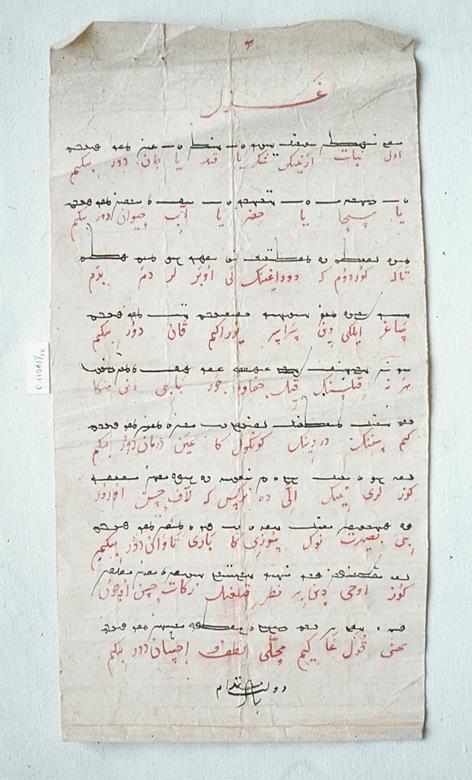 Document
Primary source
Abdürrezzâk Bahşı · 1473
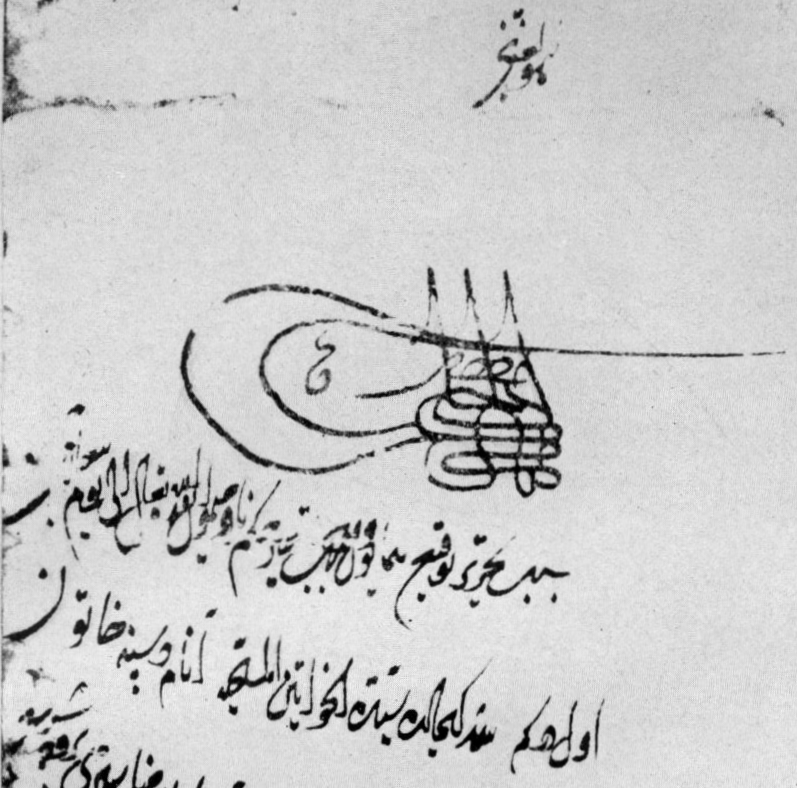 Document
Primary source
Mehmed II · 1459
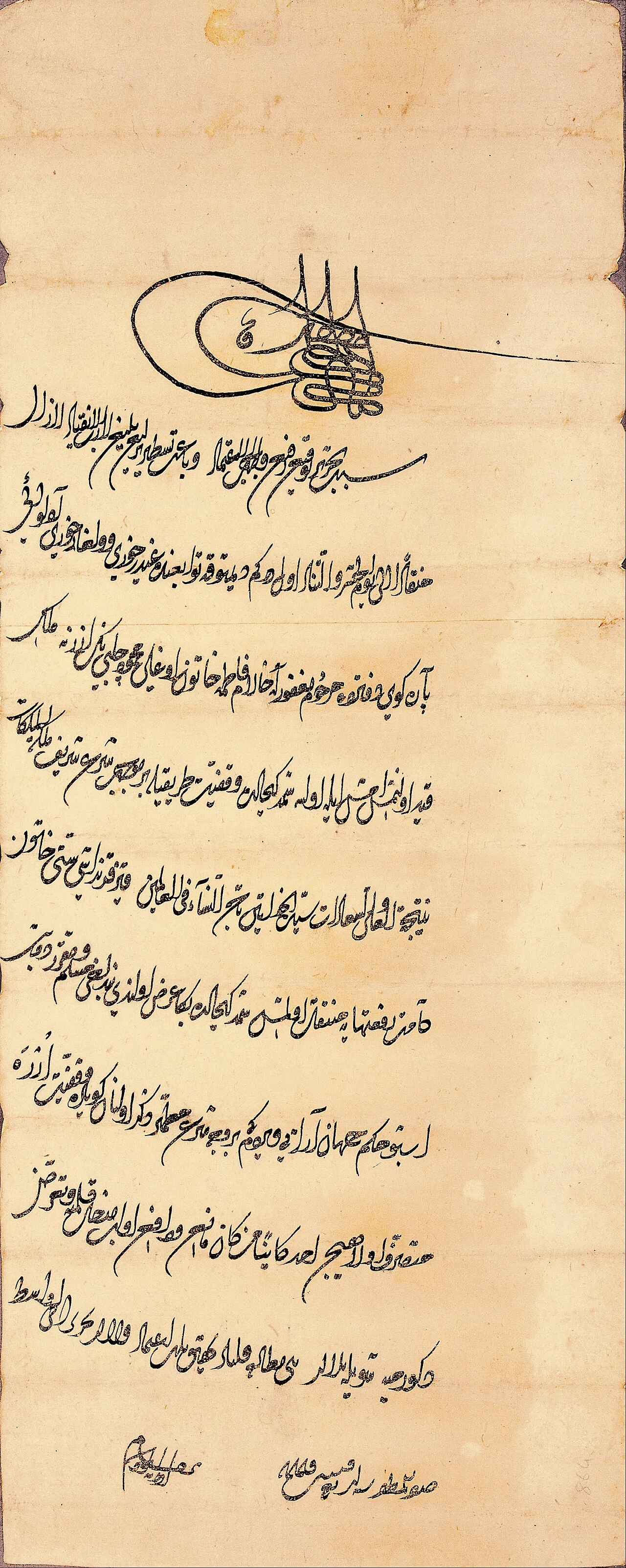 Document
Primary source
Mehmed II · 1459
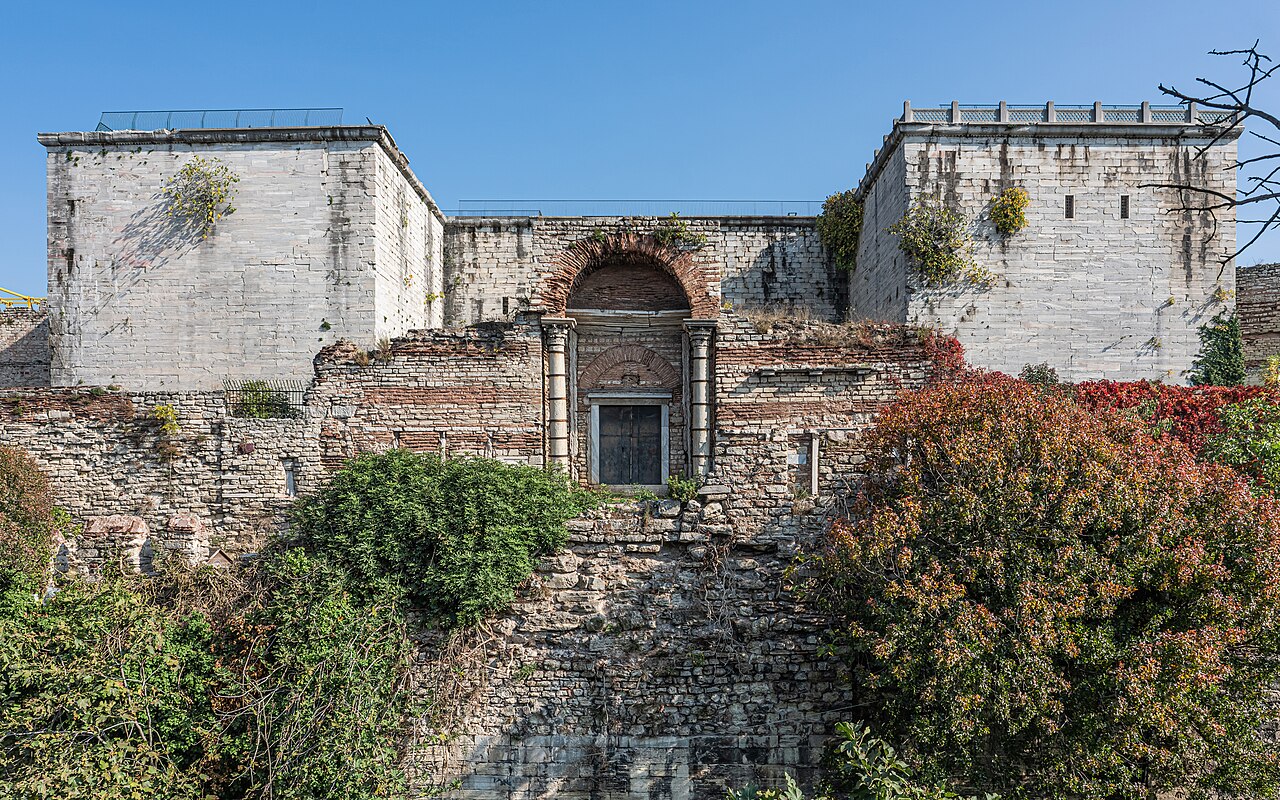 Artifact
Secondary source
1458
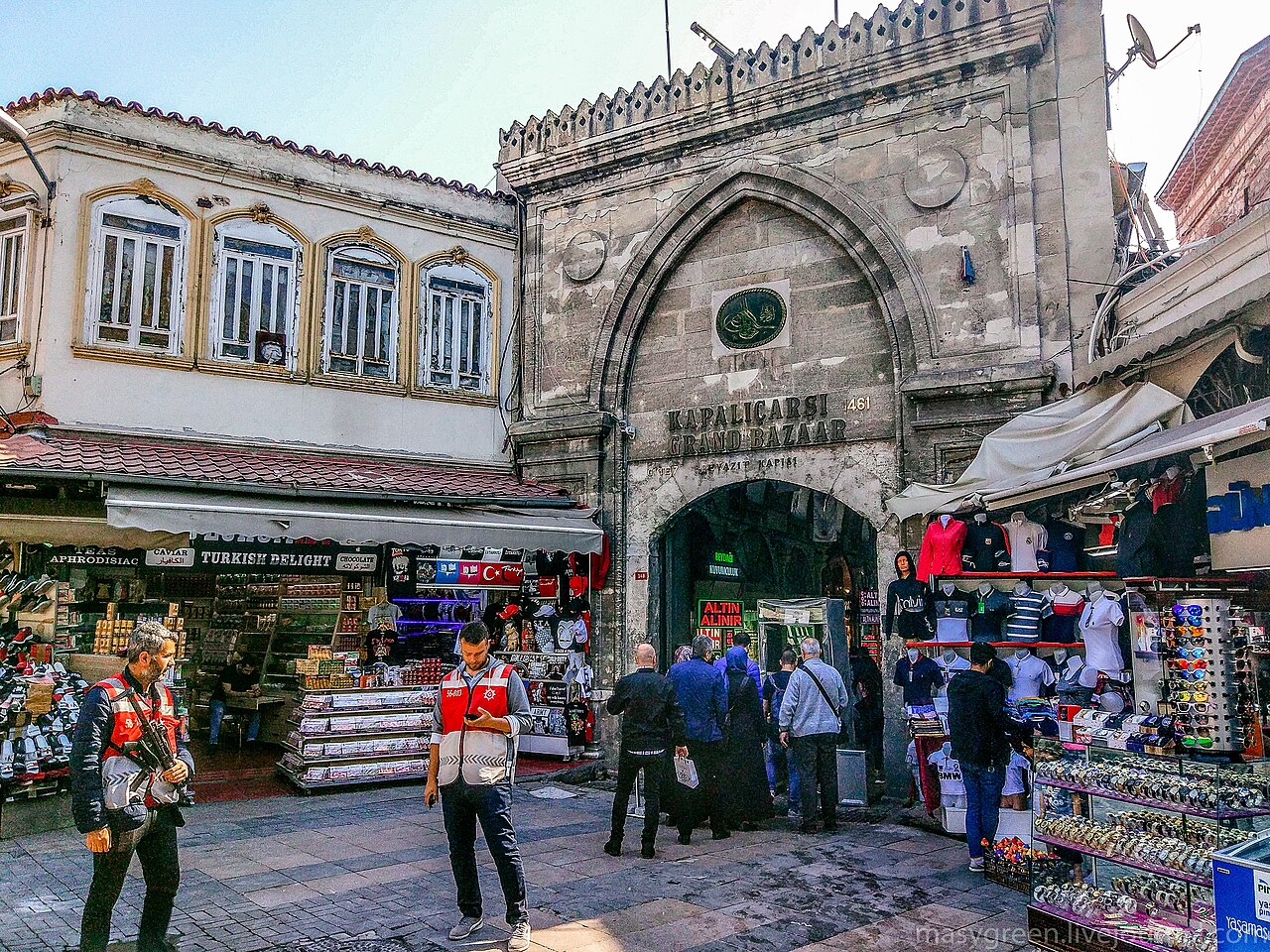 Artifact
Secondary source
1455
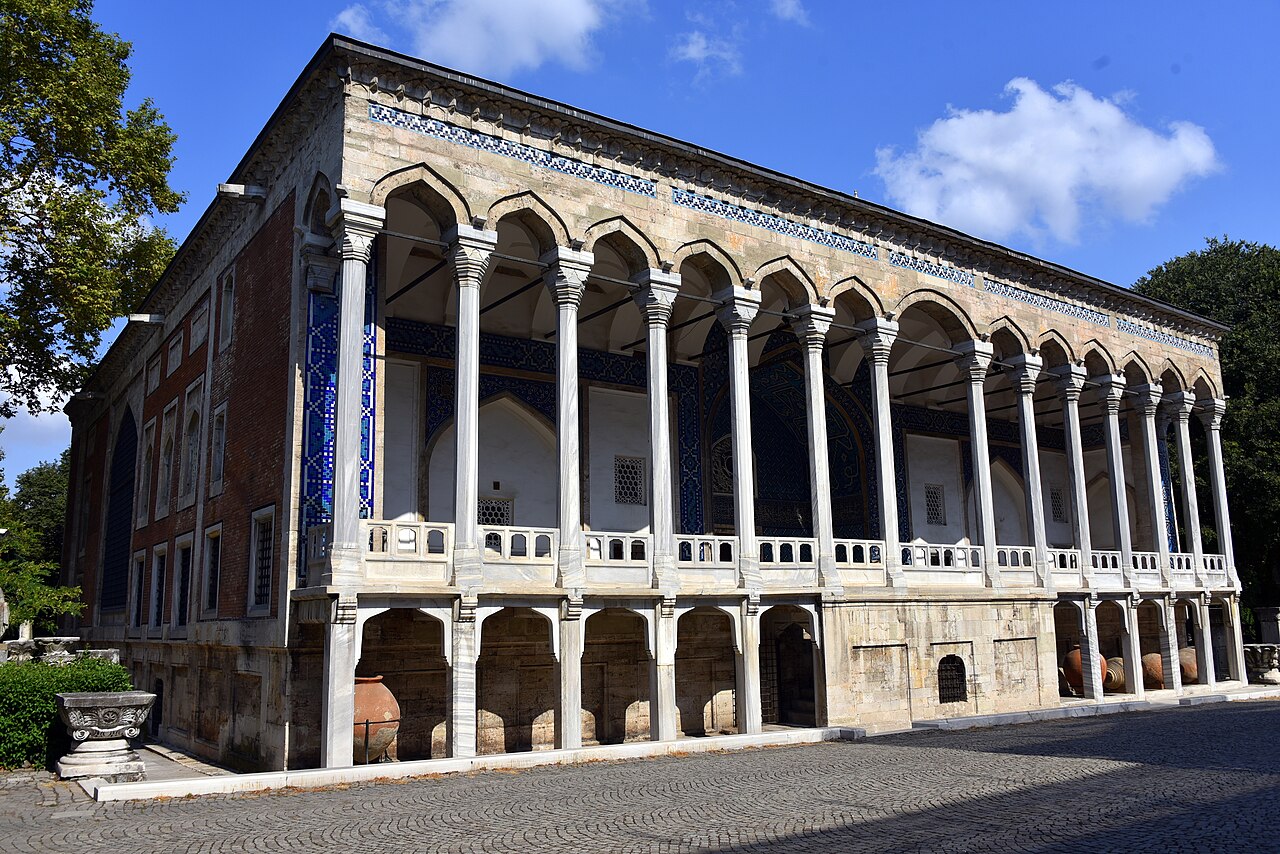 Artifact
Primary source
1472
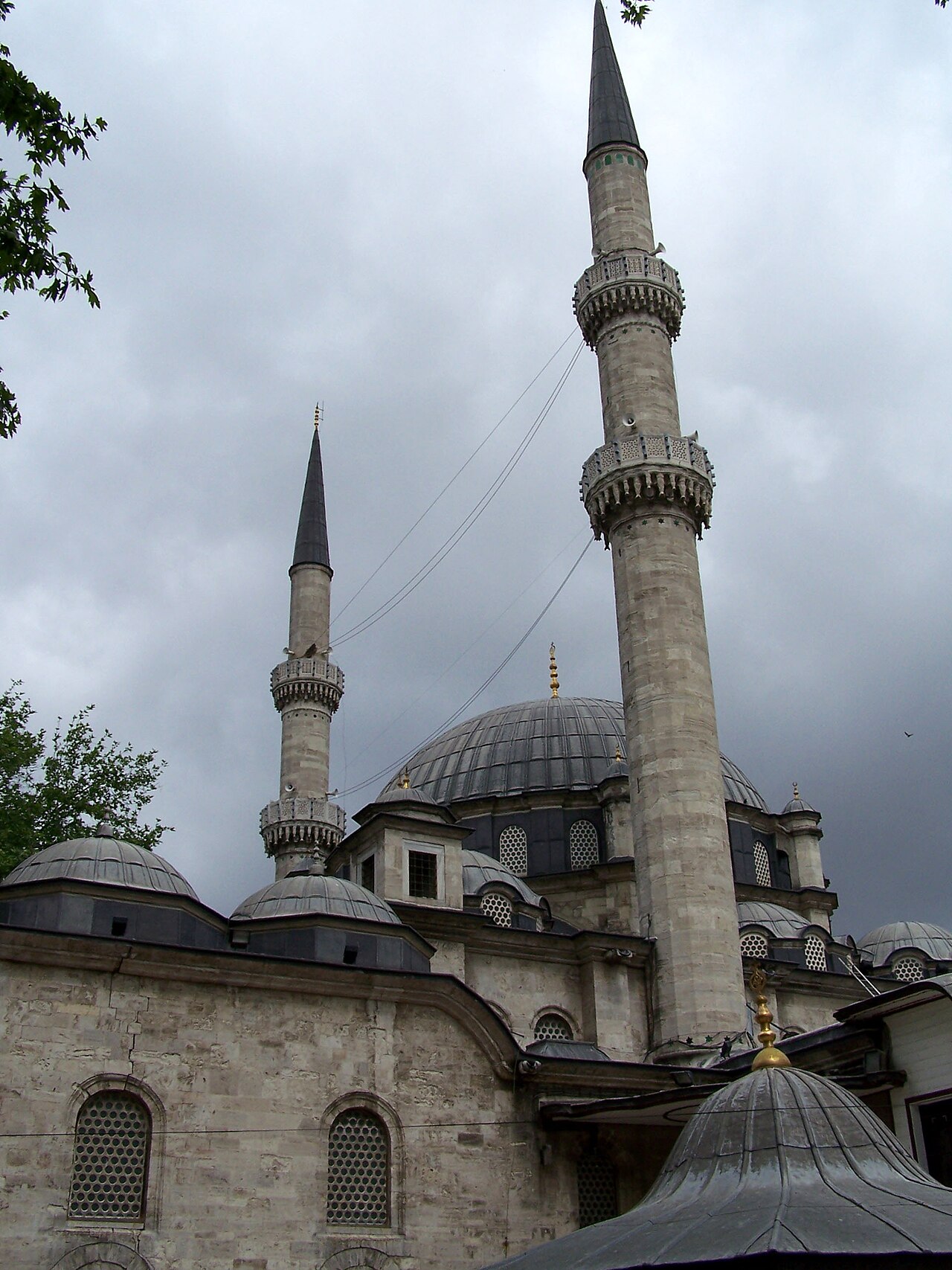 Artifact
Primary source
1458
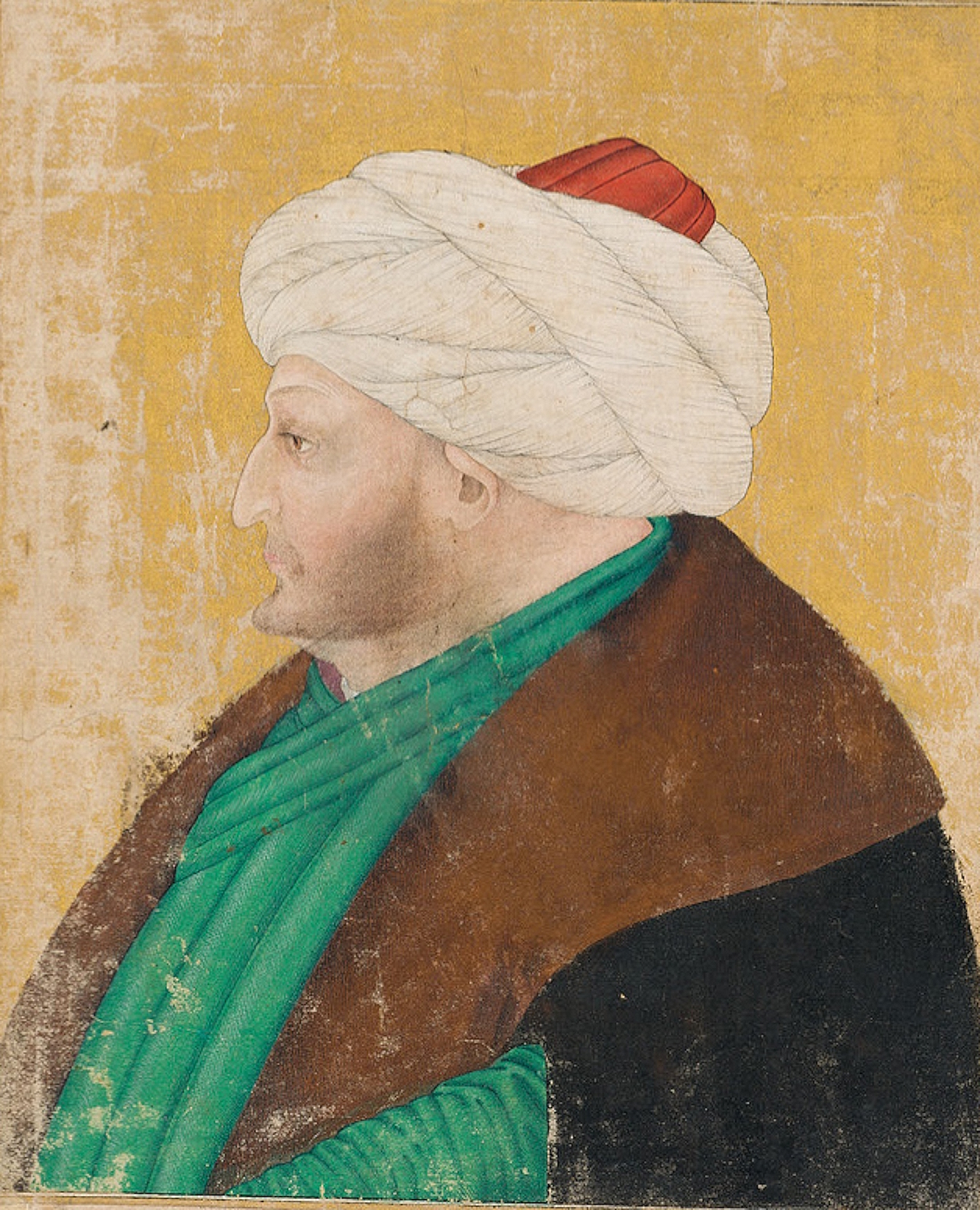 Painting
Primary source
Sinan Beg (attributed; alternatively Costanzo da Ferrara) · c. 1478-1481
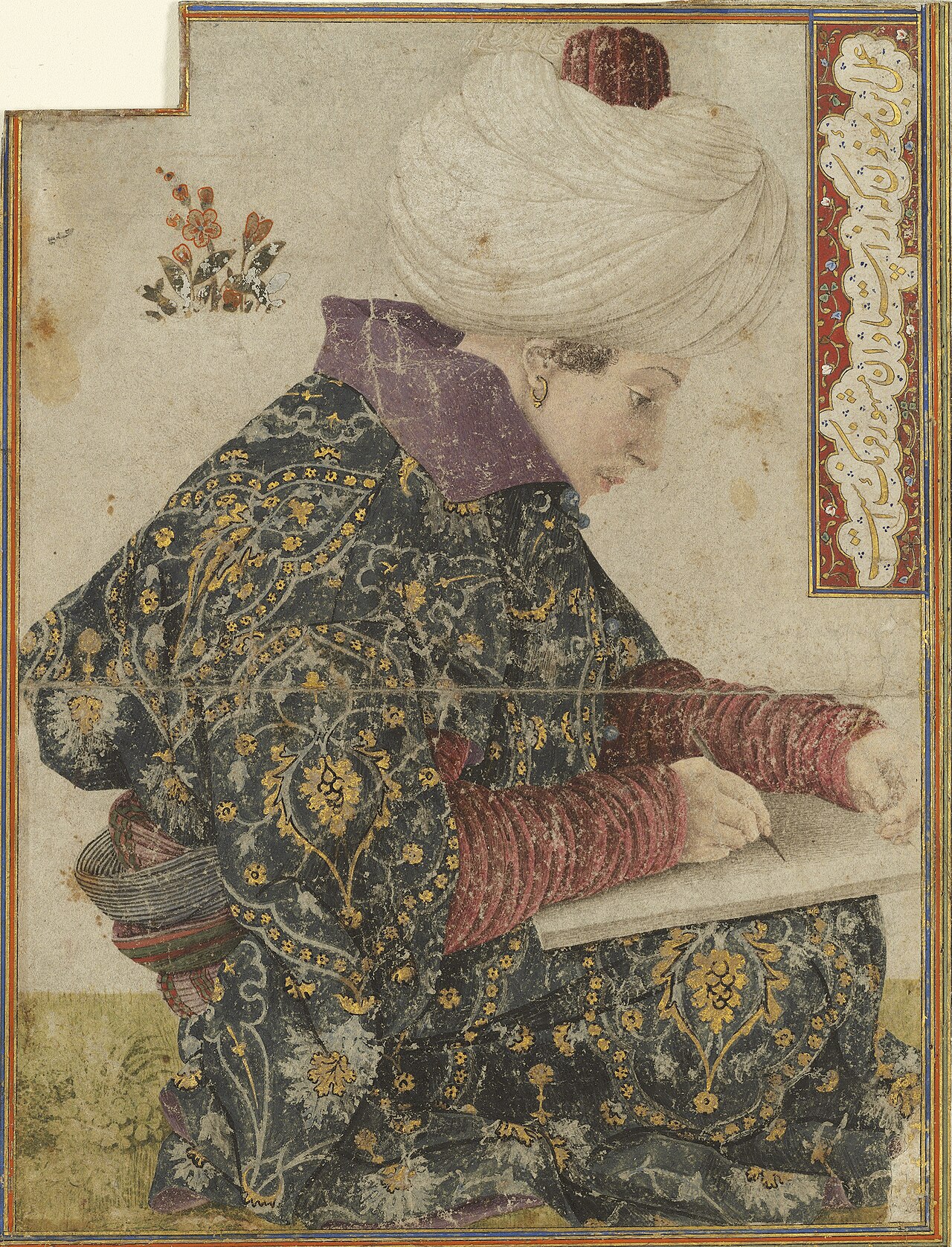 Painting
Primary source
Gentile Bellini (attributed; possibly Costanzo da Ferrara) · 1479-1481
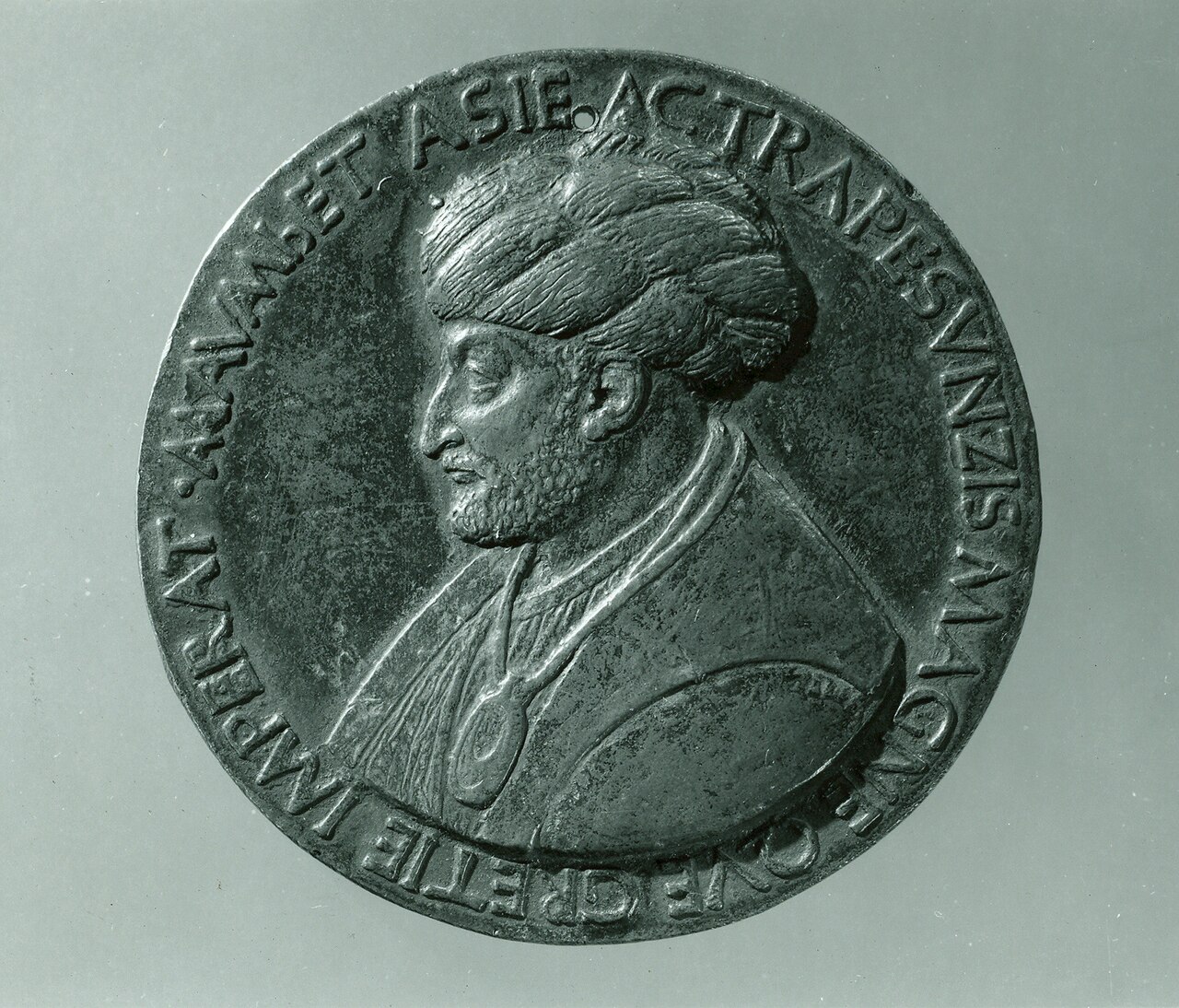 Artifact
Primary source
Bertoldo di Giovanni · c. 1480
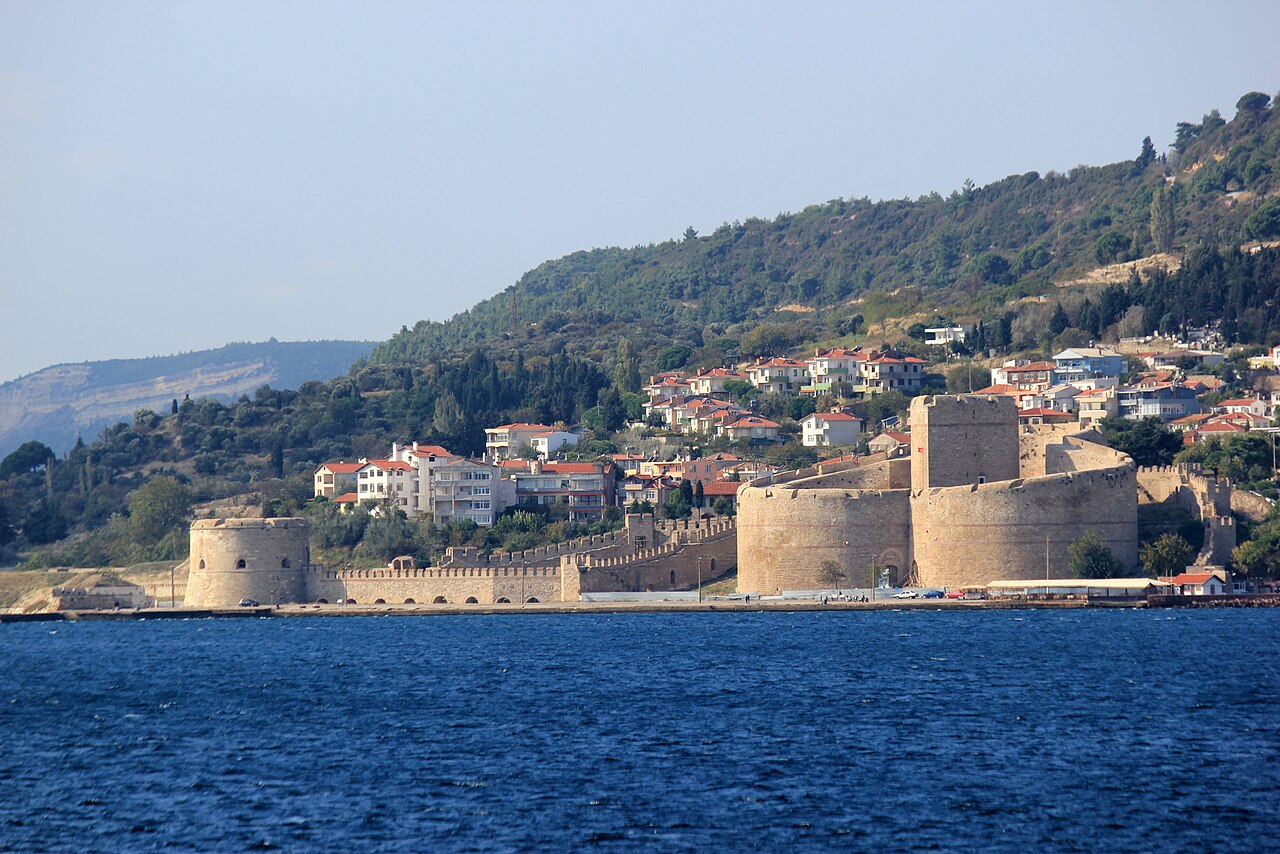 Artifact
Primary source
1452
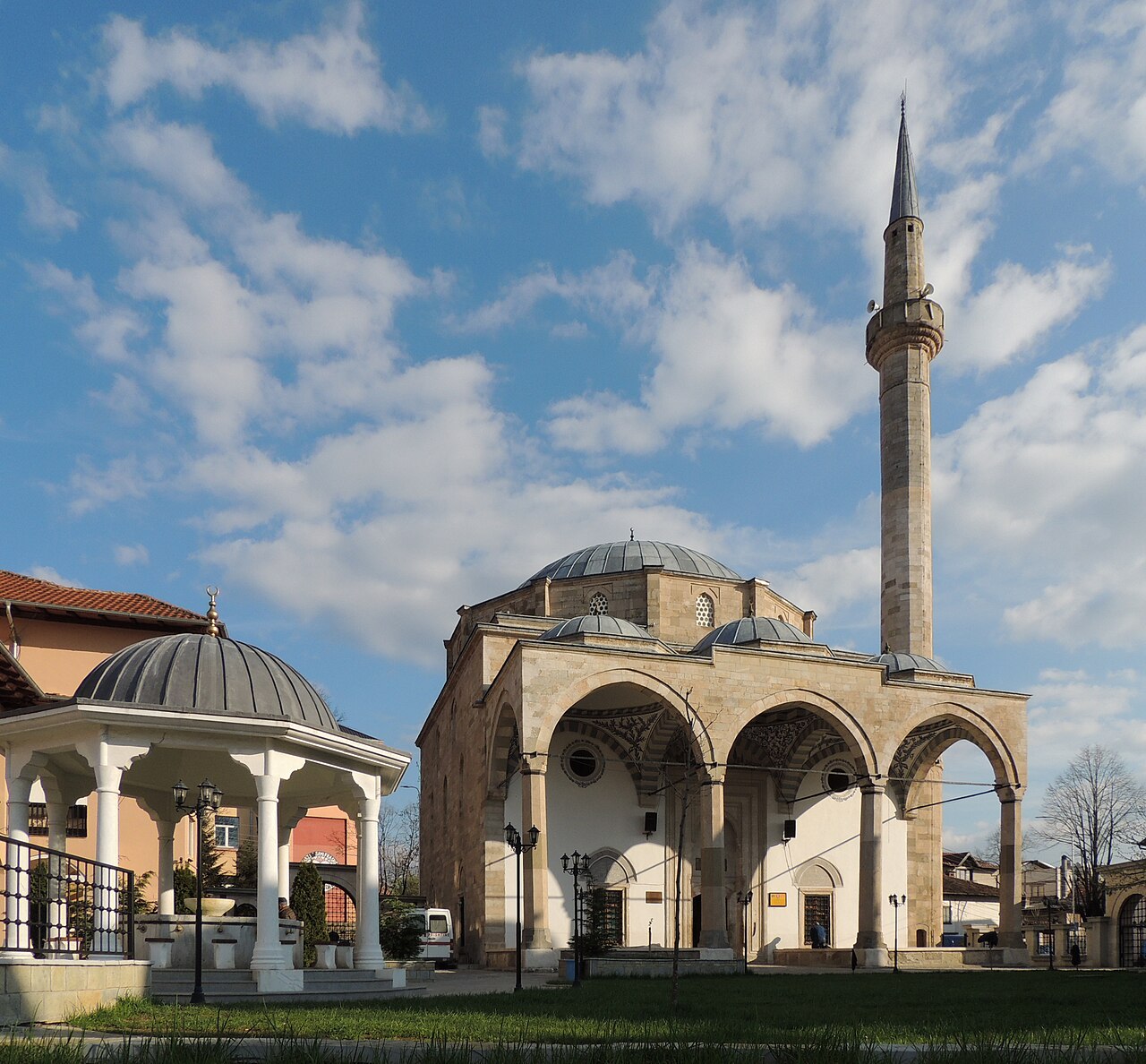 Artifact
Primary source
1461
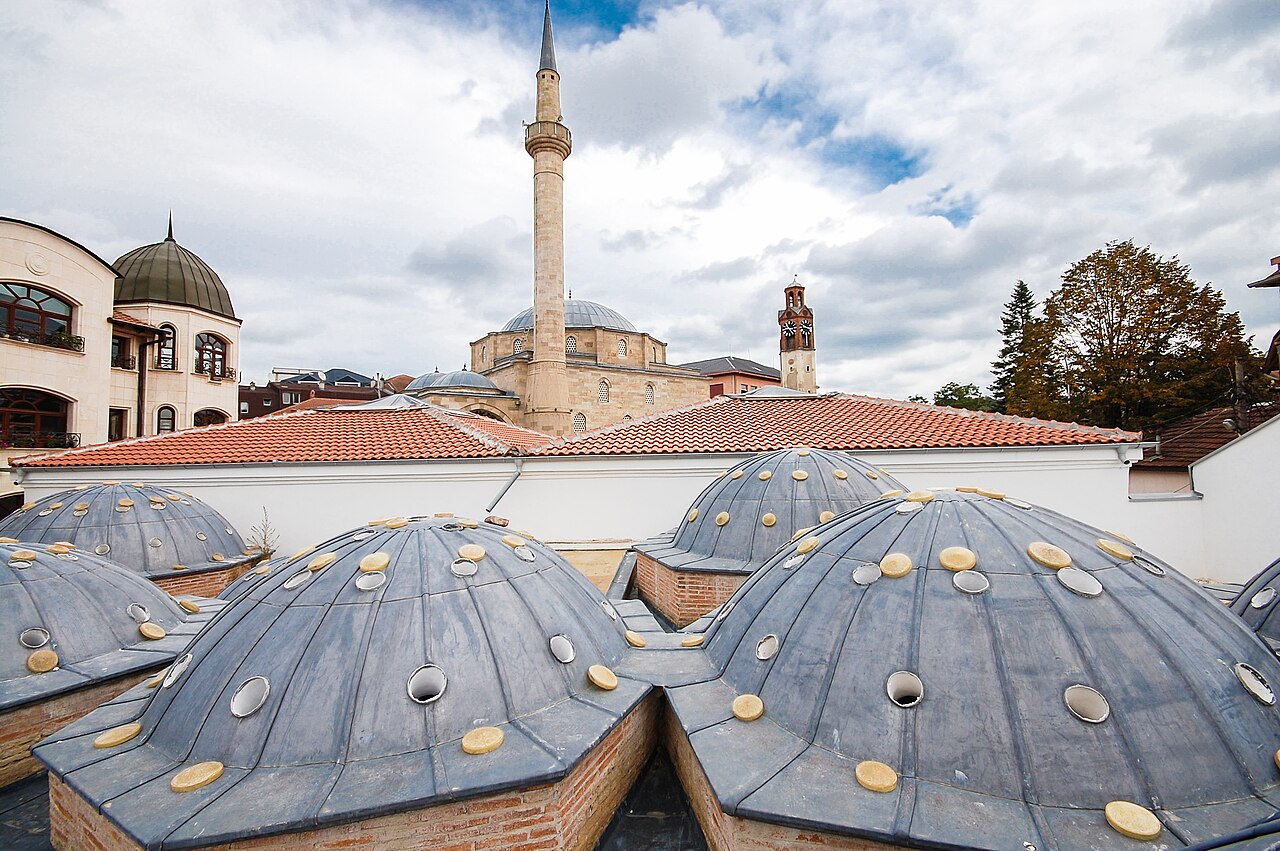 Artifact
Primary source
15th century
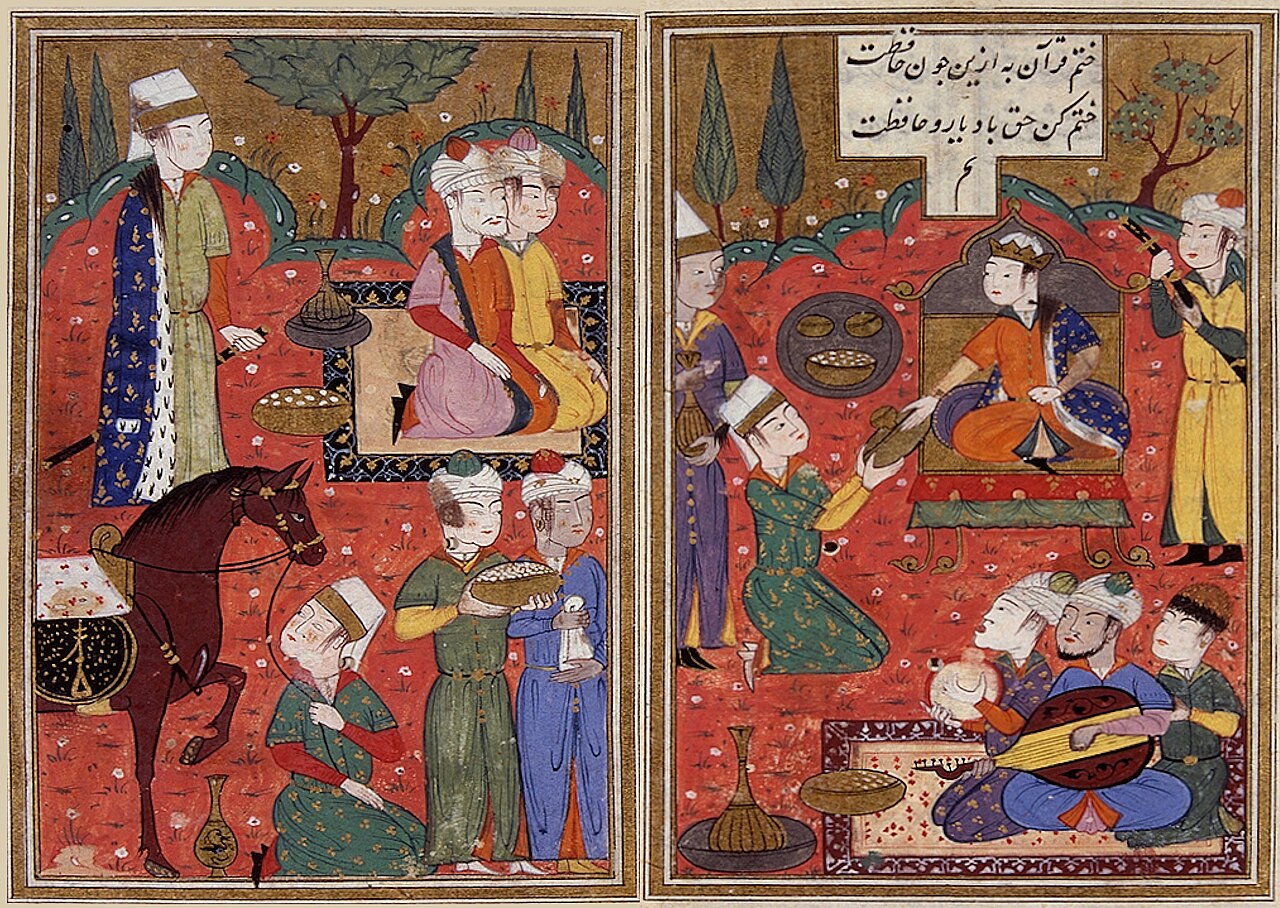 Painting
Primary source
1460
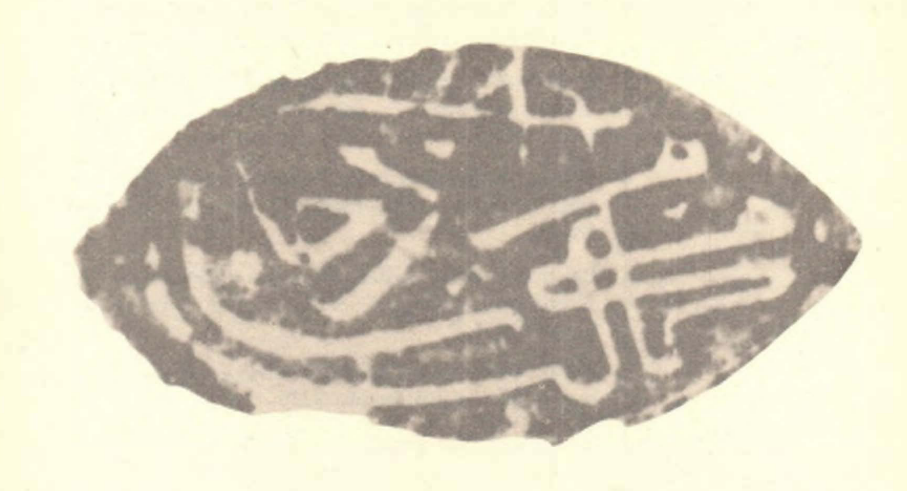 Artifact
Primary source
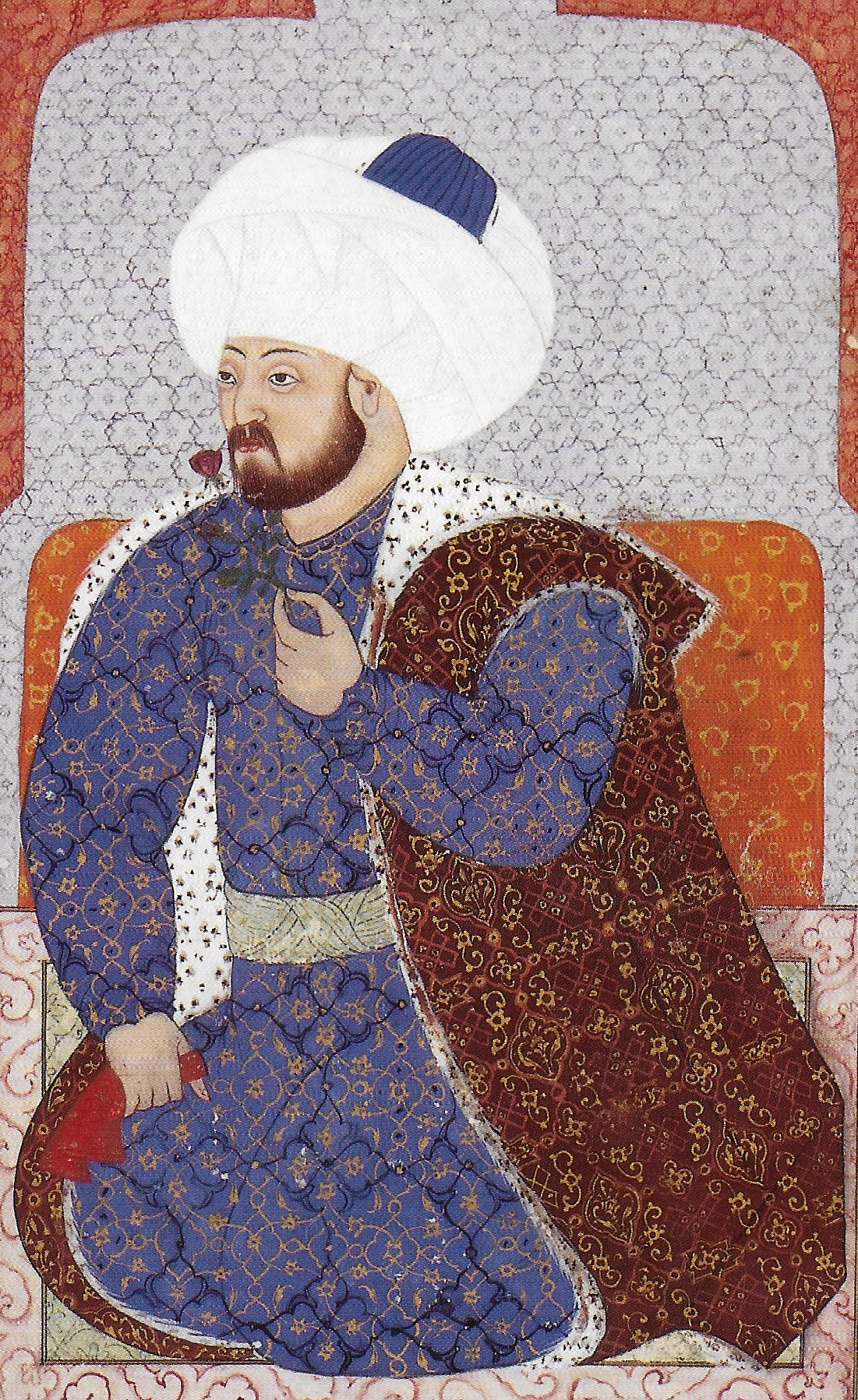 Painting
Secondary source
Nakkaş Osman · 1579
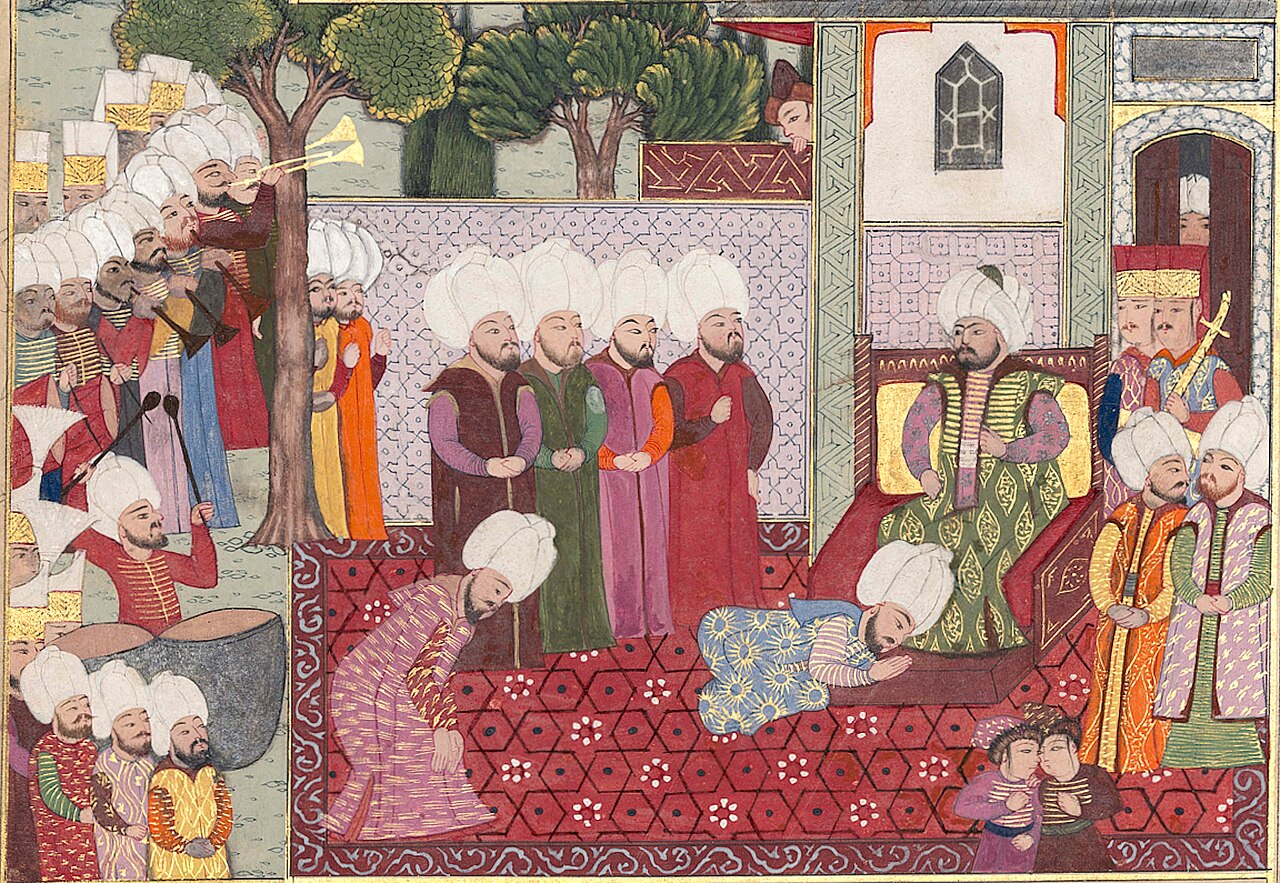 Painting
Secondary source
1616
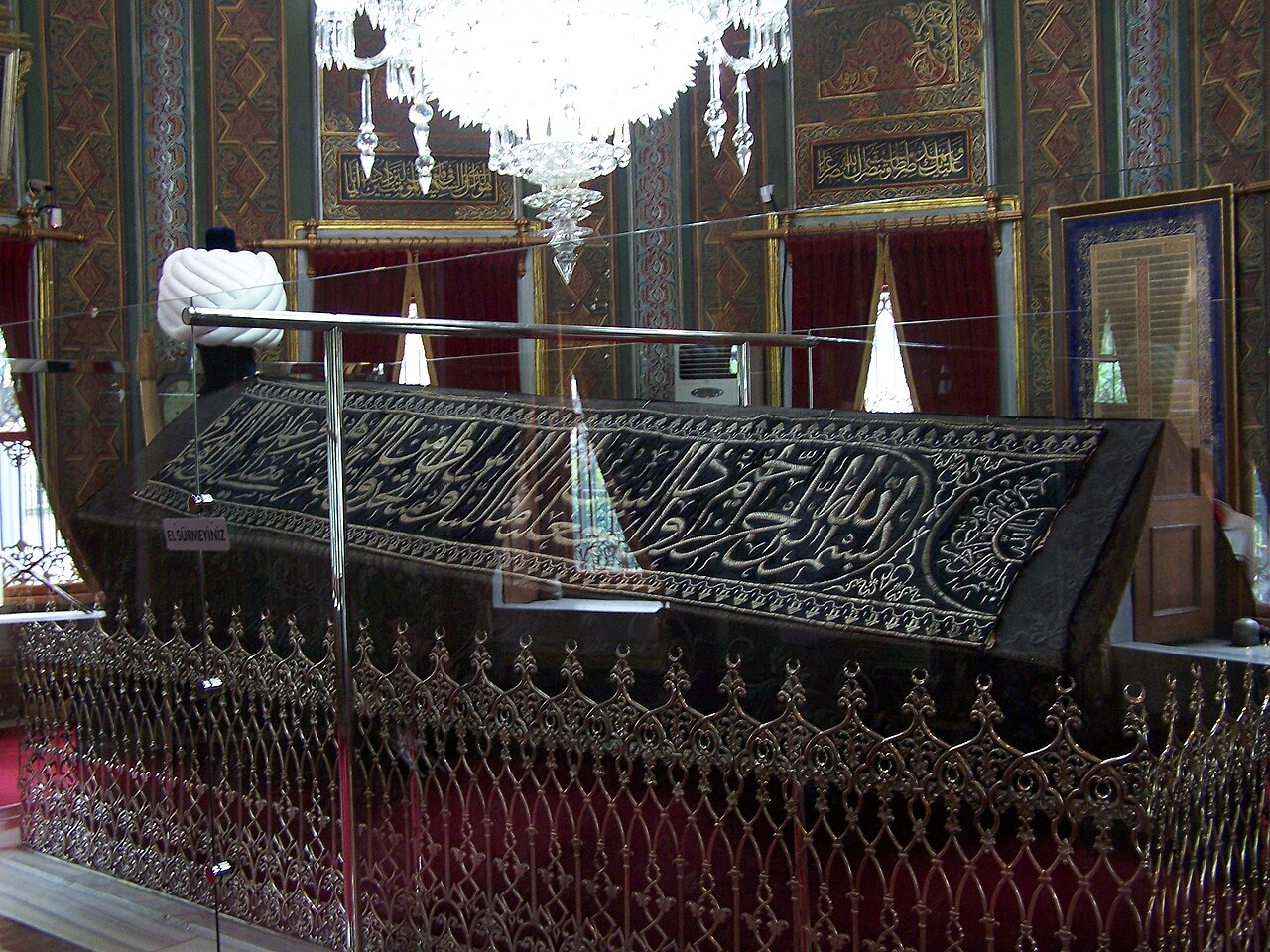 Artifact
Secondary source
rebuilt after 1766
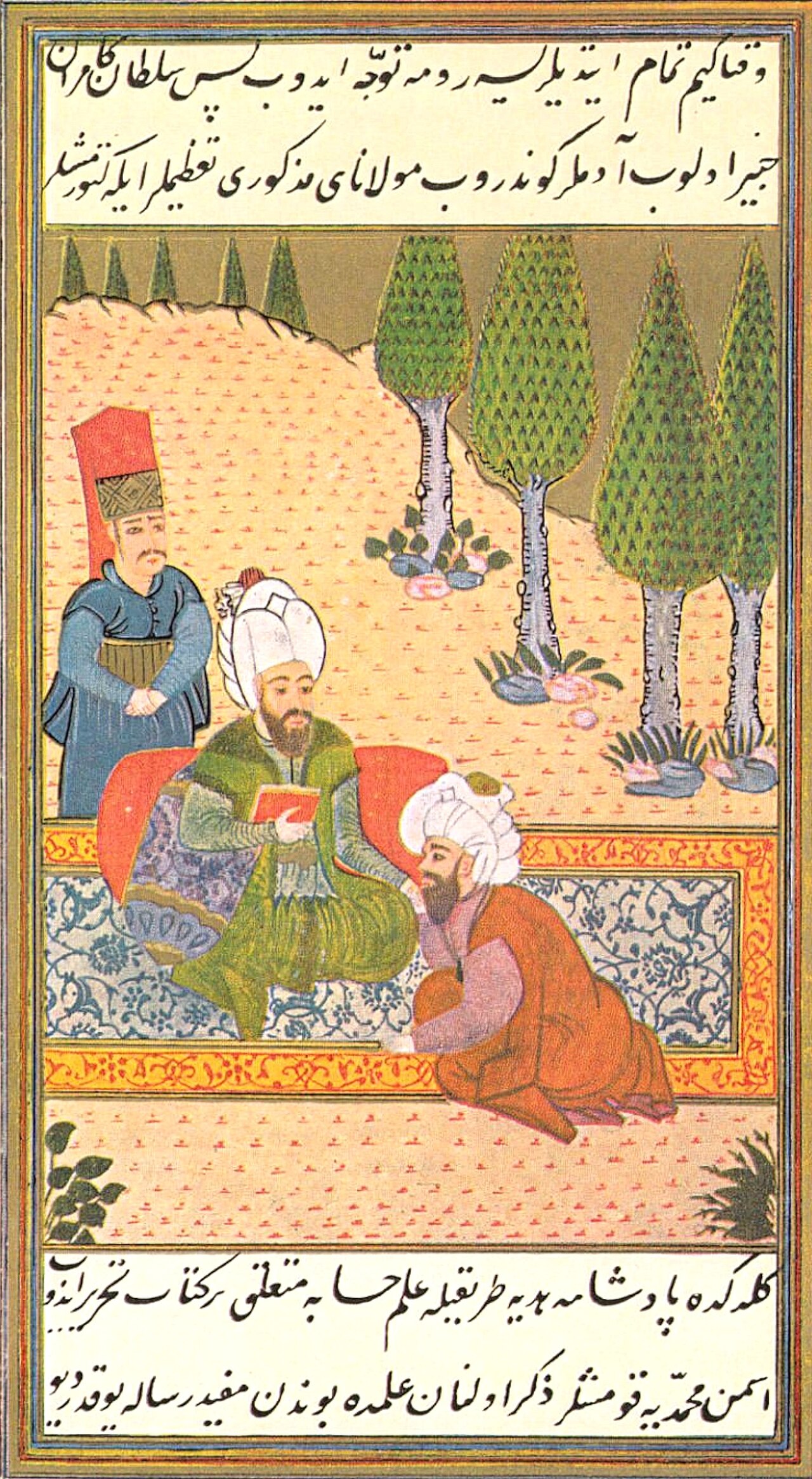 Painting
Secondary source
Ahmed Nakşi · 17th century
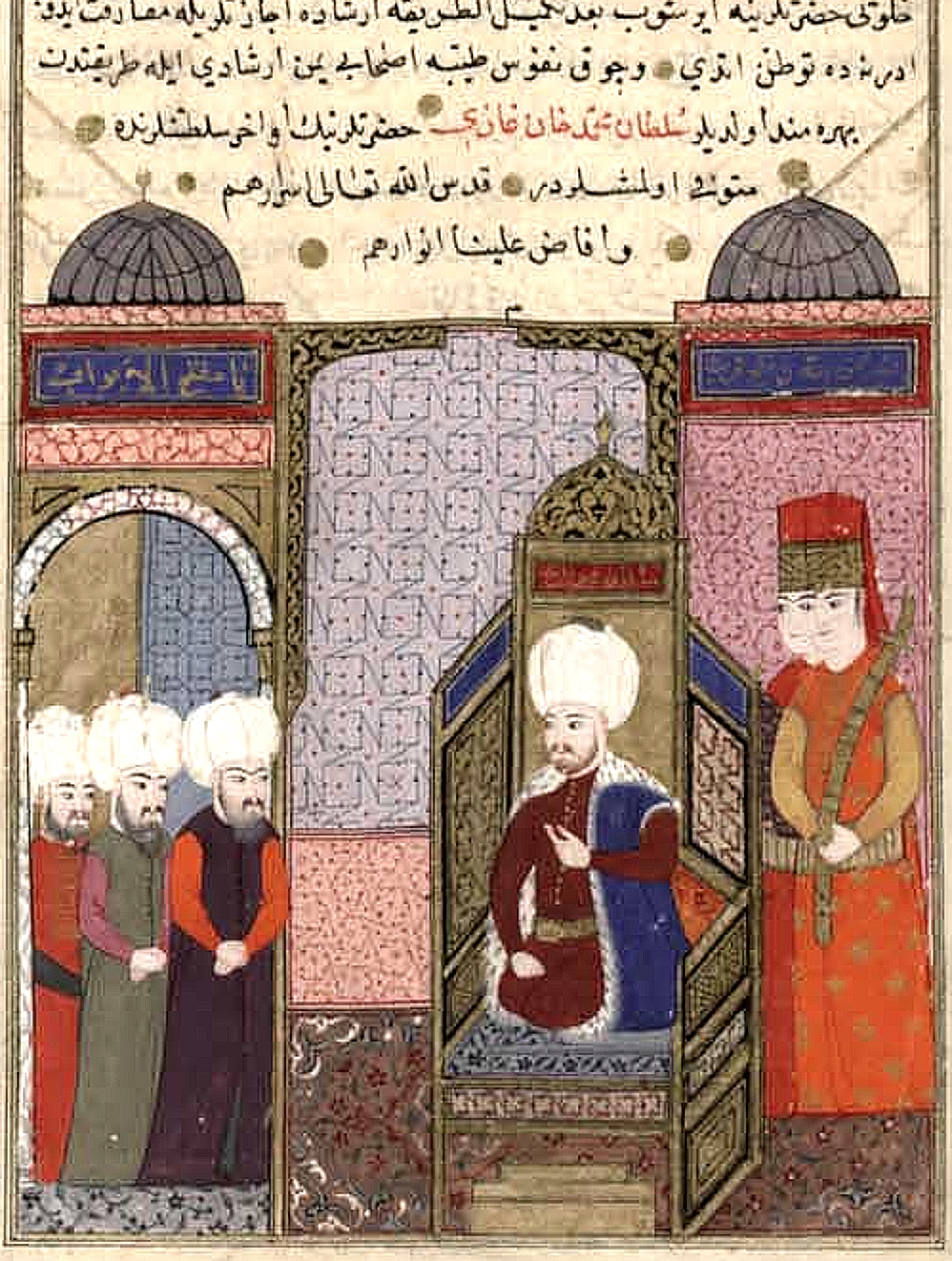 Painting
Secondary source
1616
Primary source
Mehmed II · 1453
Primary source
Mehmed II · 15th century
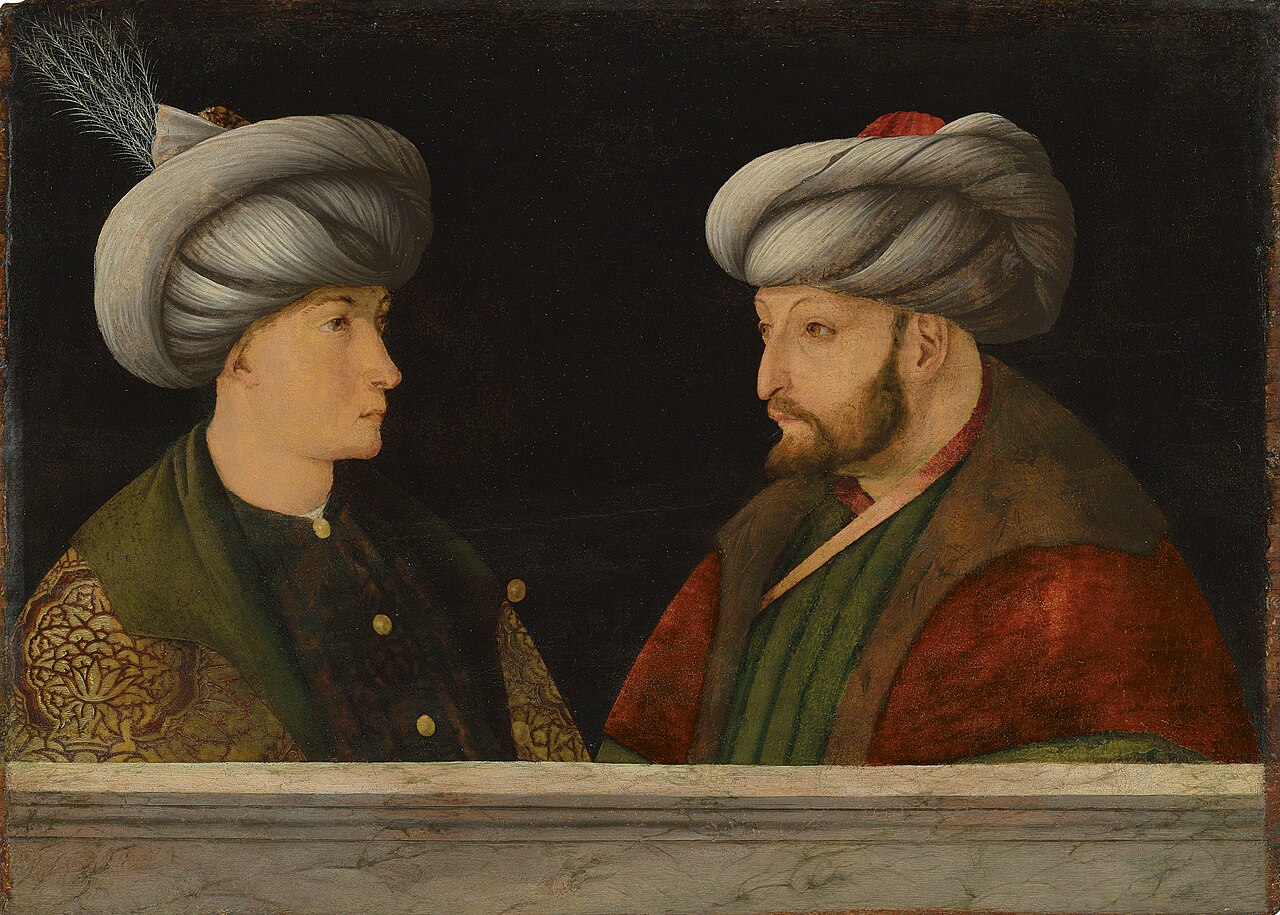 Painting
Primary source
Workshop of Gentile Bellini · c. 1481
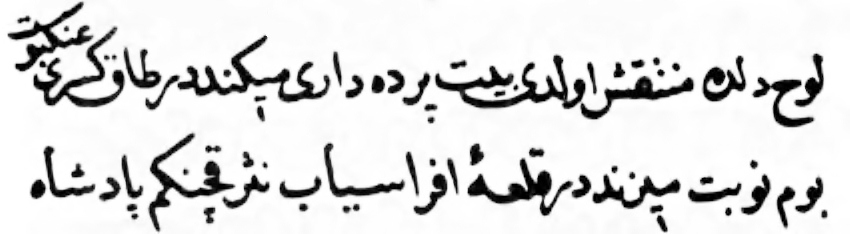 Book
Primary source
Tursun Beg · 15th century
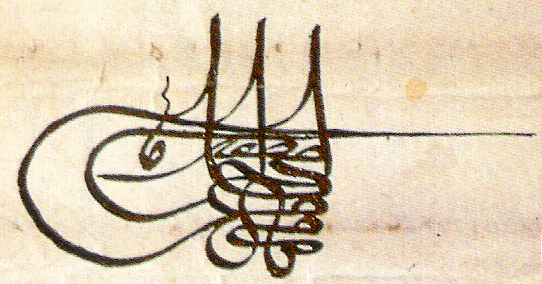 Document
Primary source
Unknown court scribe (nişancı) · 1468
Primary source
Mehmed II · 15th century
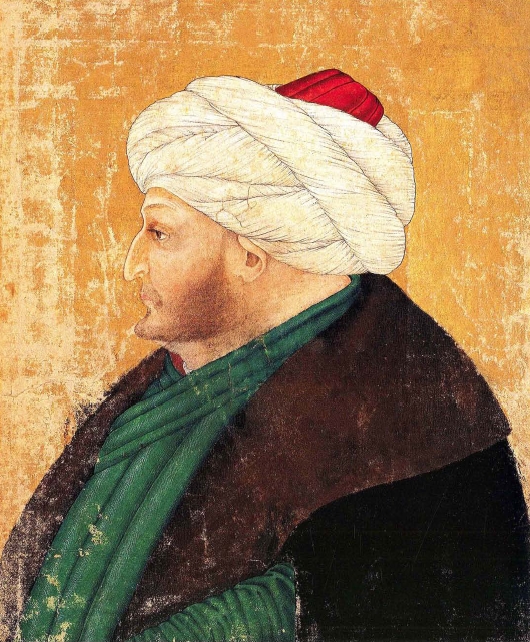 Painting
Primary source
Costanzo da Ferrara · 15th century
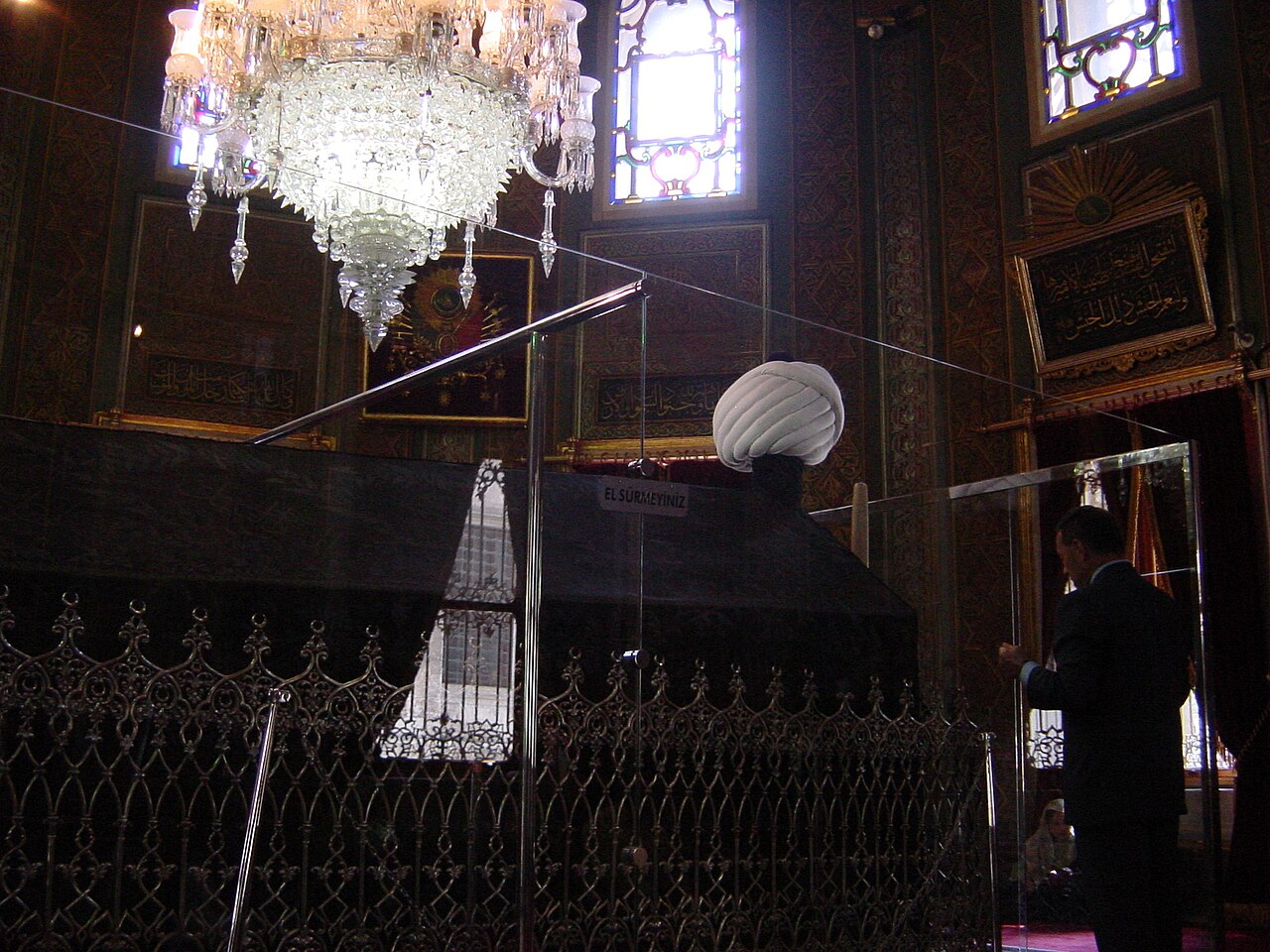 Photograph
Secondary source
G.dallorto · 2006
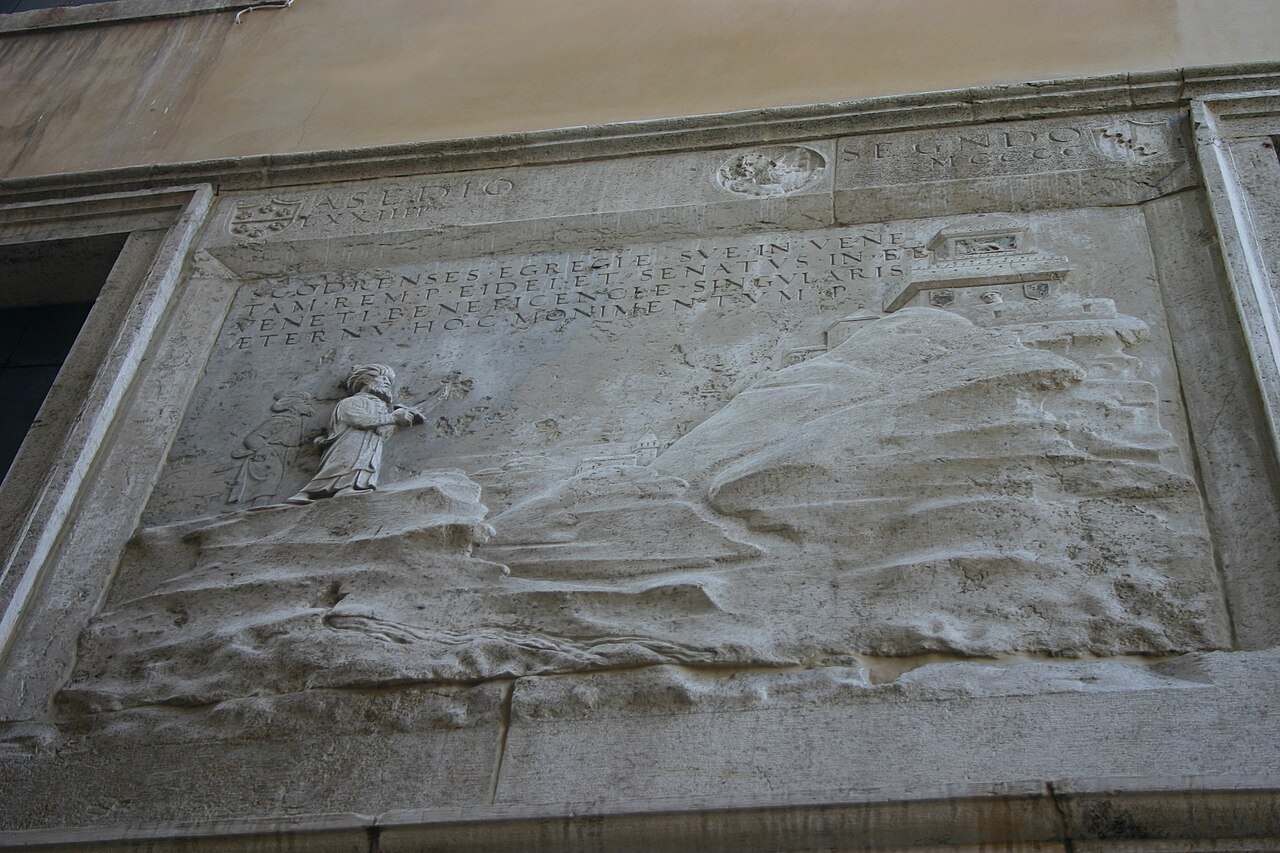 Sculpture
Primary source
1474
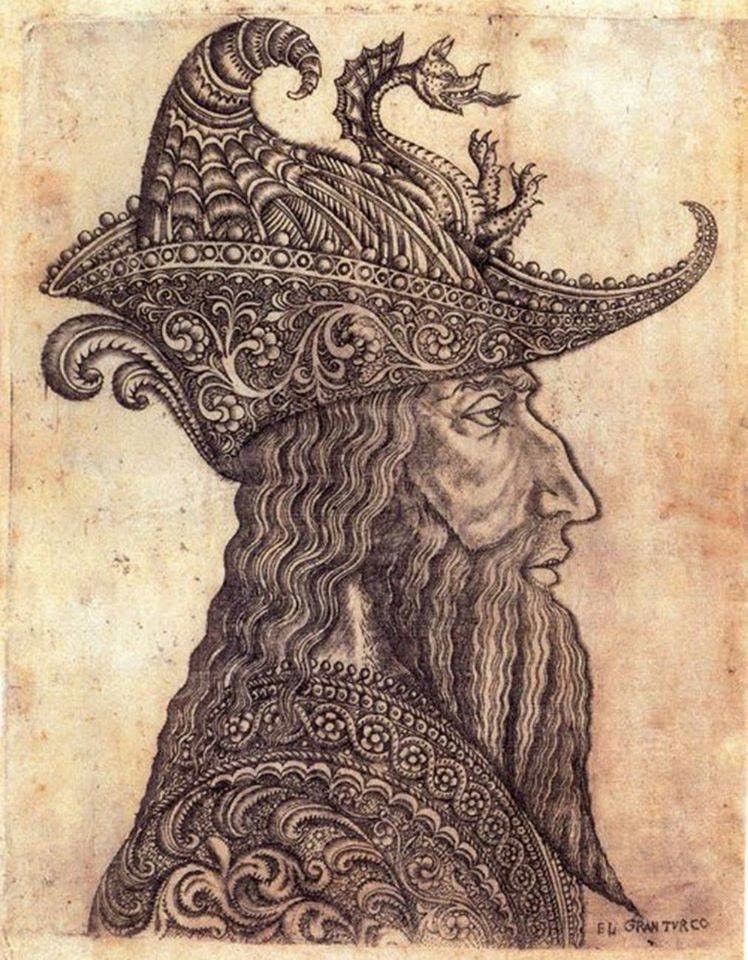 Painting
Primary source
Master of the Vienna Passion (attributed) · c. 1470
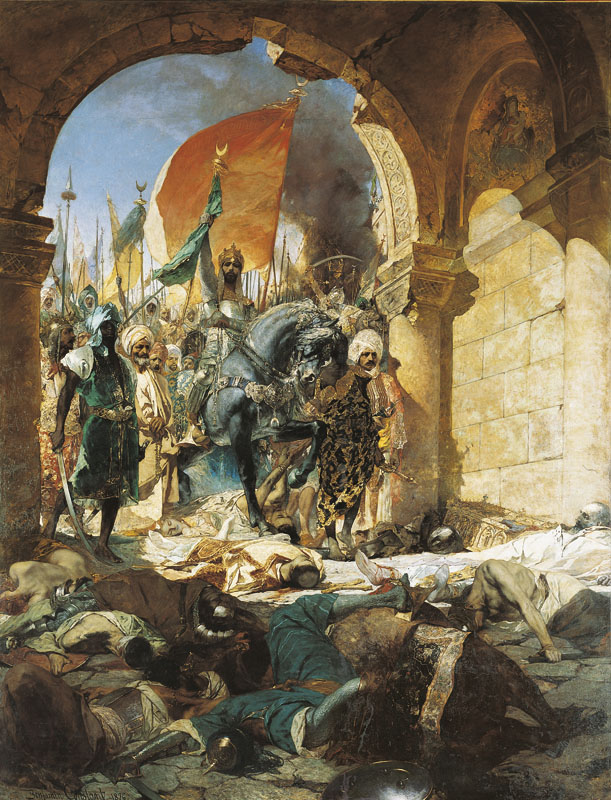 Painting
Secondary source
Jean-Joseph Benjamin-Constant · 1876
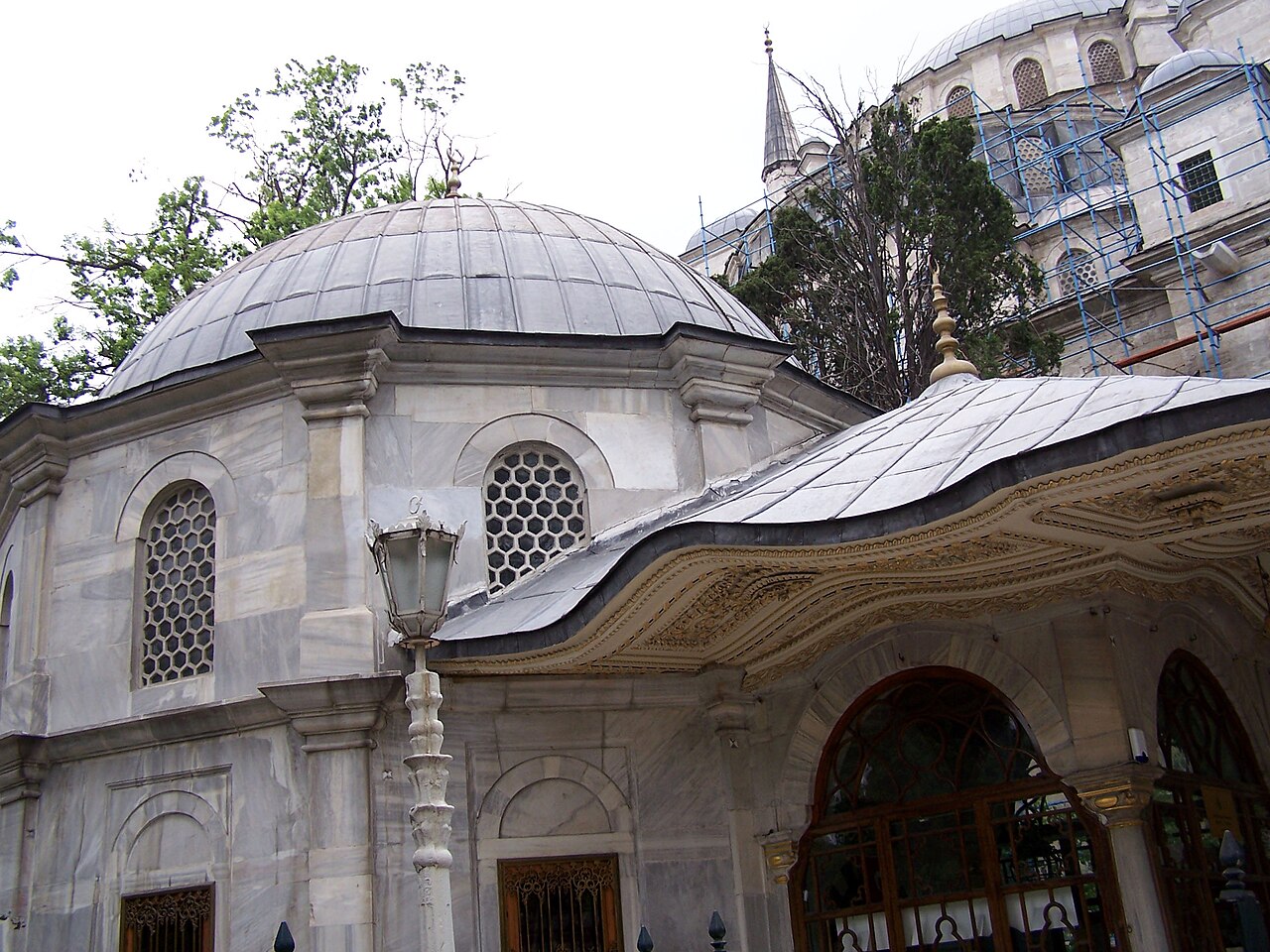 Photograph
Secondary source
Darwinek · 20 May 2009
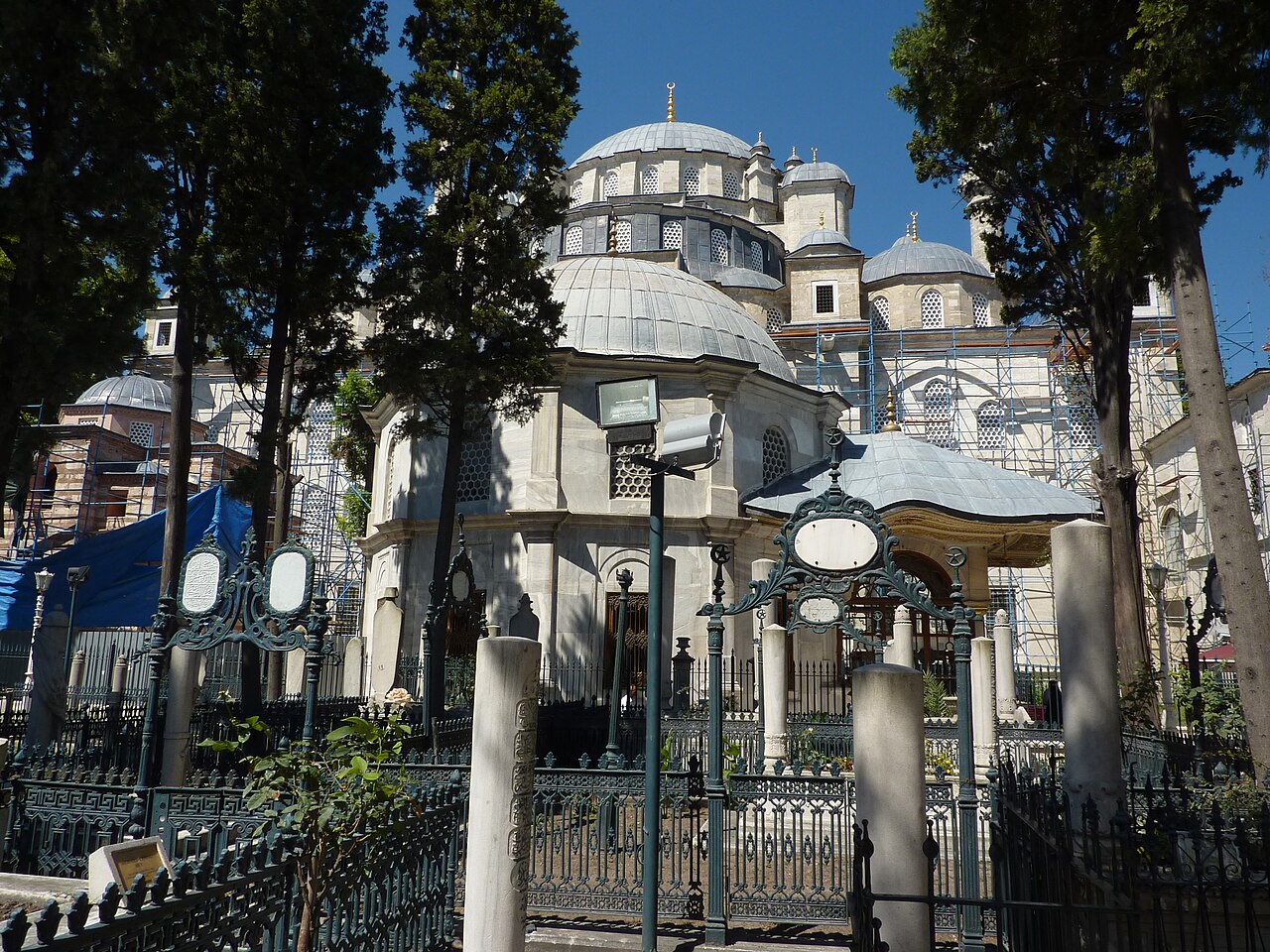 Photograph
Secondary source
Vmenkov · 9 September 2010
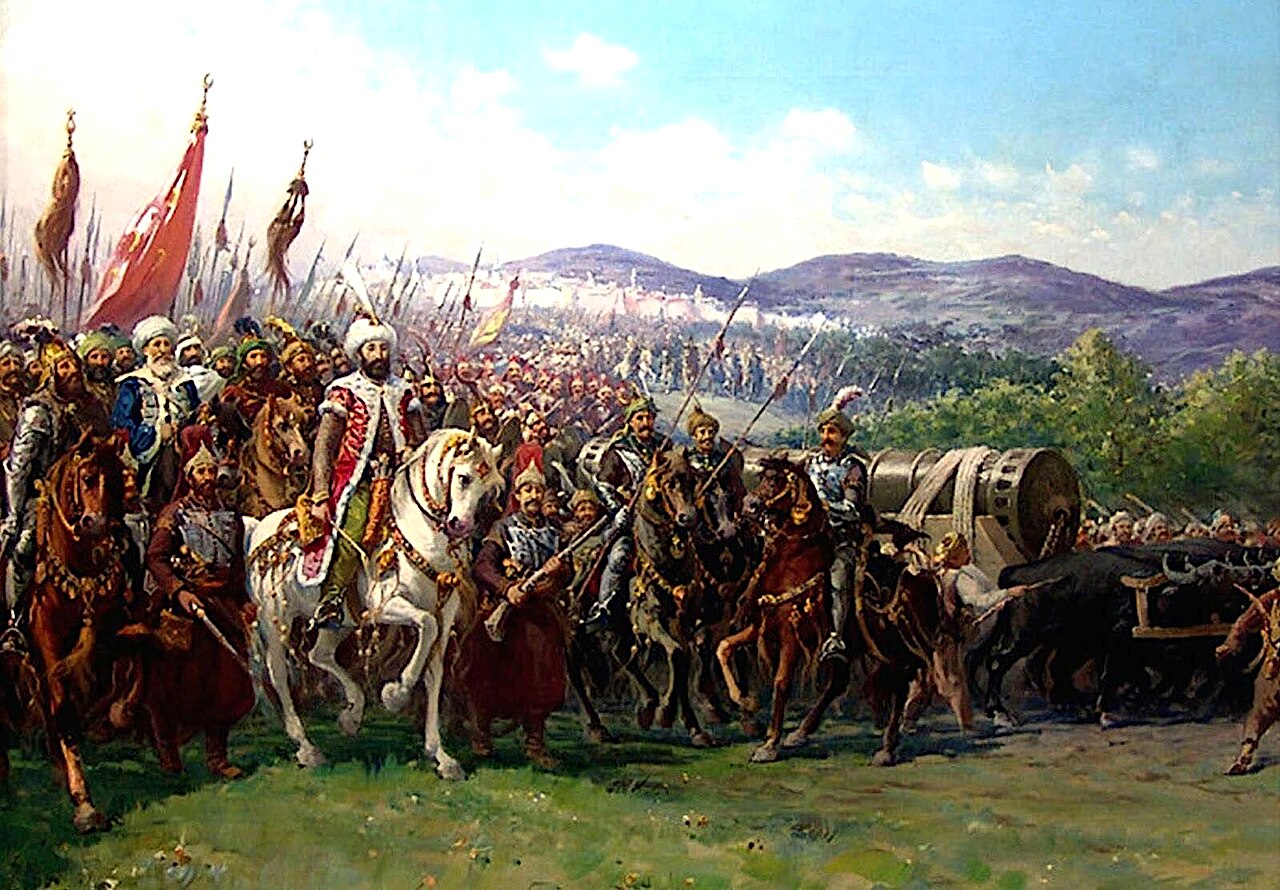 Painting
Secondary source
Fausto Zonaro · 1903
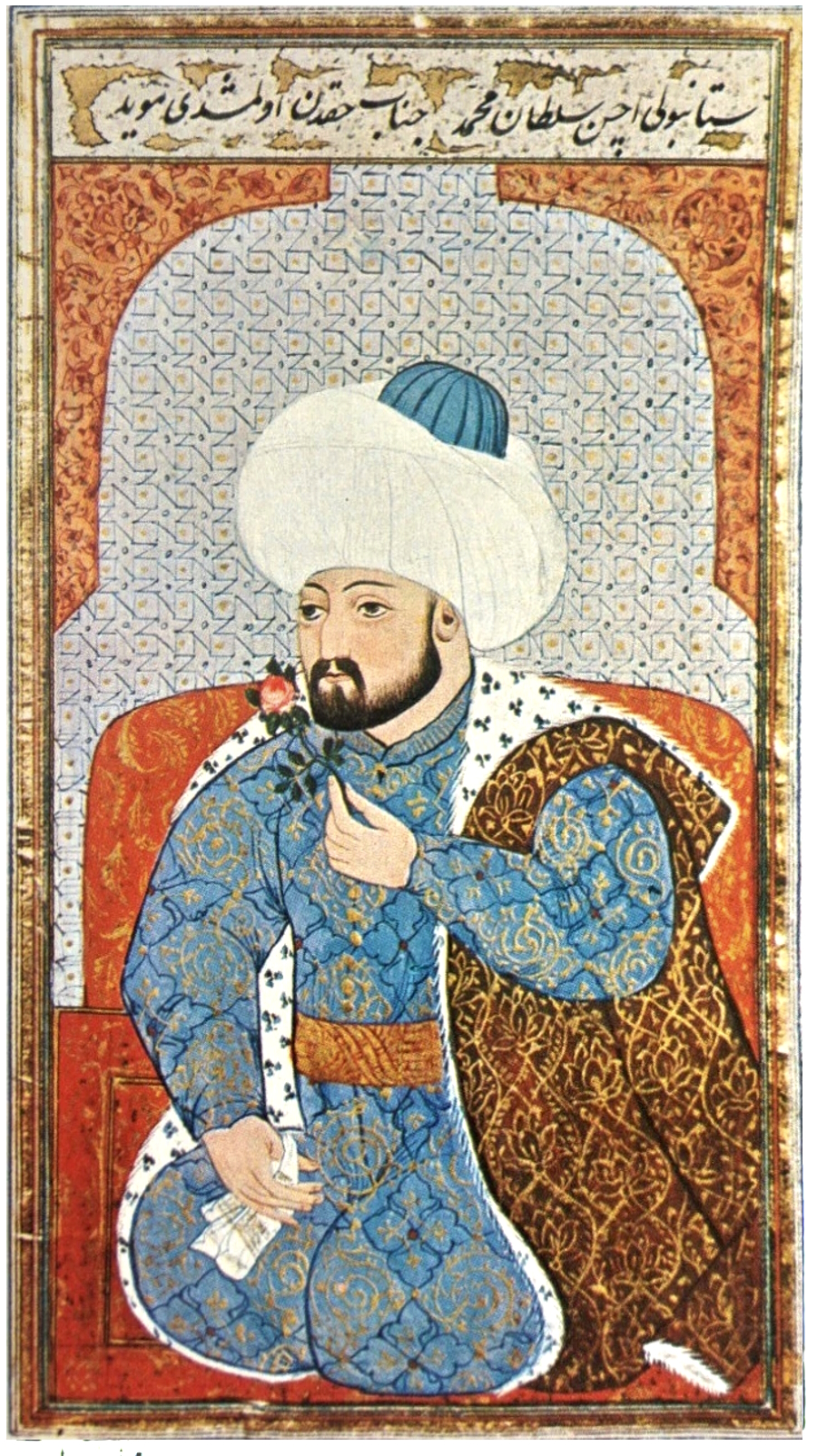 Painting
Secondary source
16th century artist · 1579
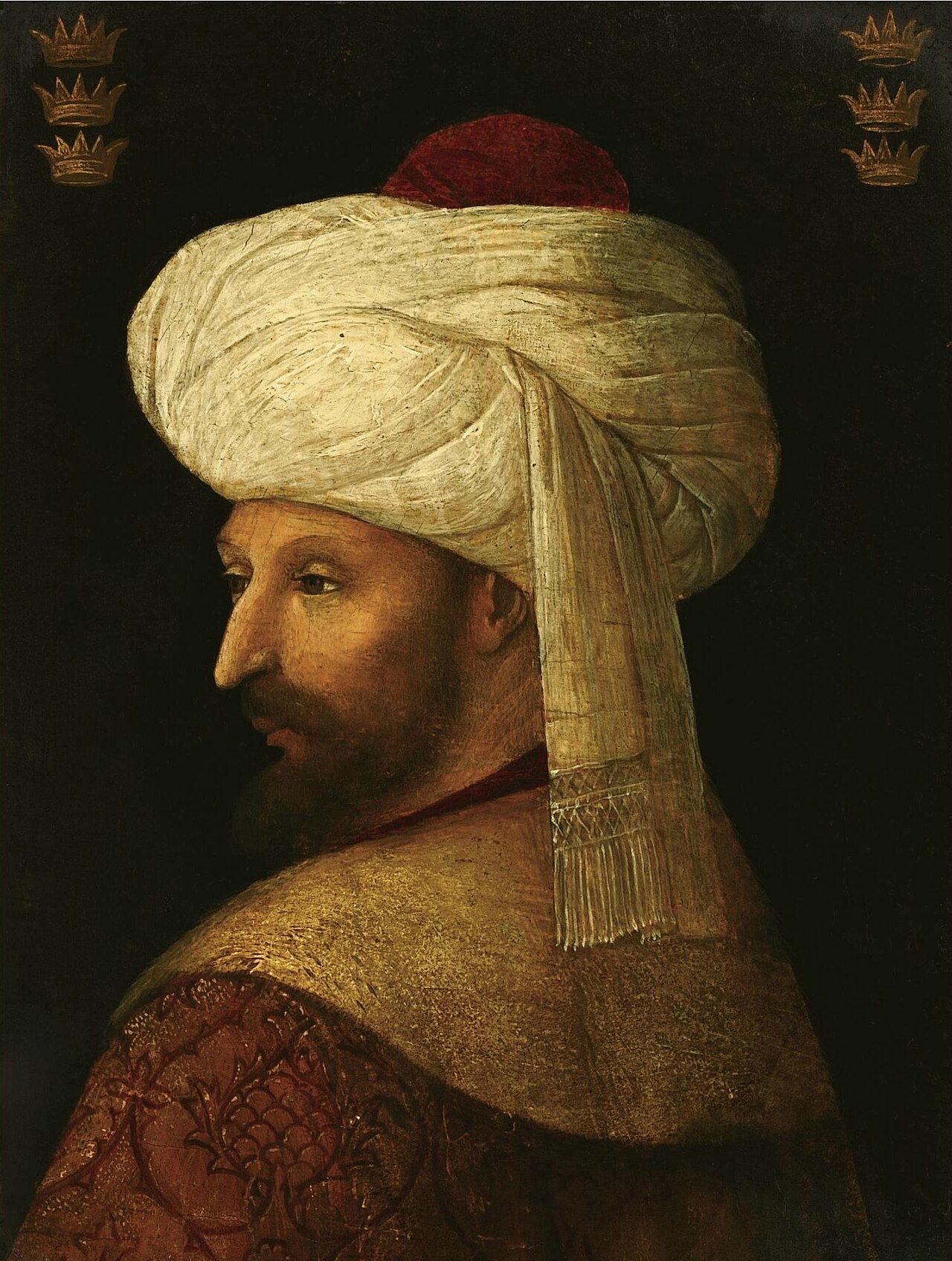 Painting
Secondary source
A follower of Gentile Bellini · early 16th century
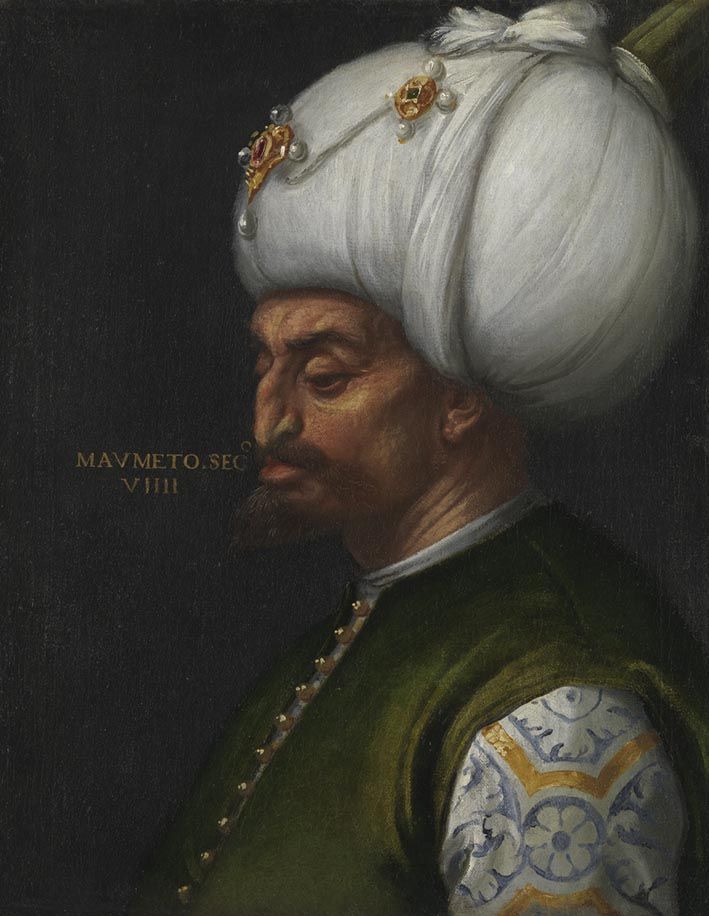 Painting
Secondary source
Paolo Veronese · between 1528 and 1588
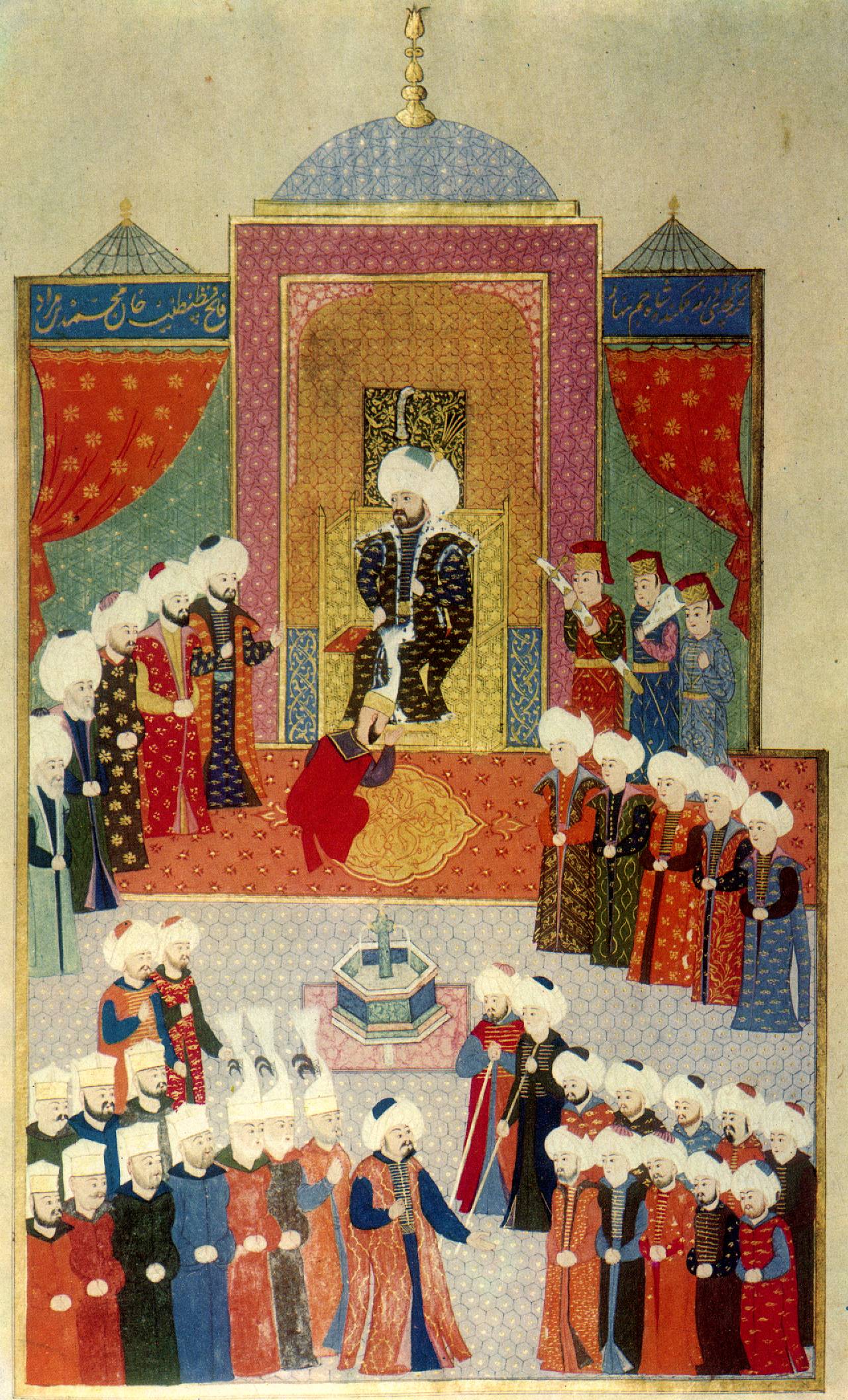 Painting
Secondary source
unknown Ottoman Painter · 1584
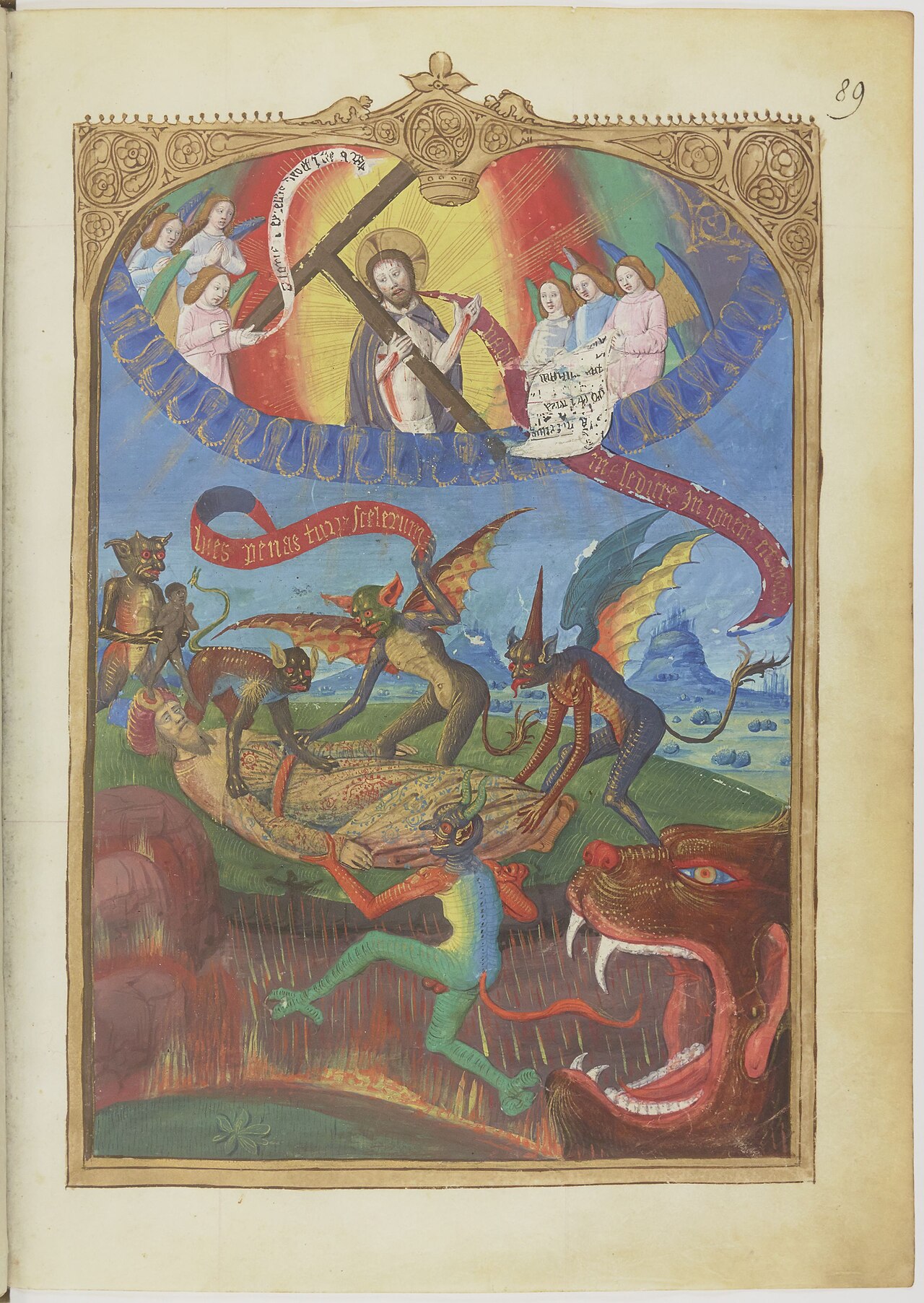 Painting
Secondary source
Master of the Cardinal de Bourbon · circa 1483-1484
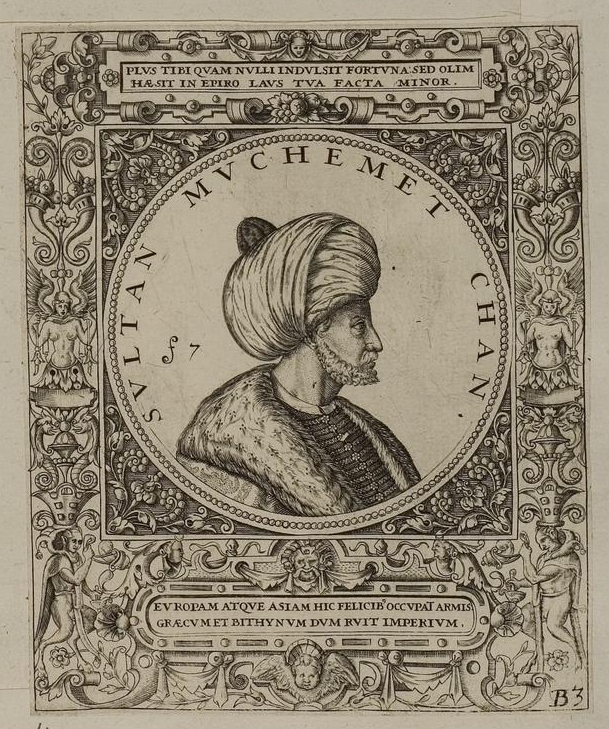 Painting
Secondary source
Johann Theodor de Bry · 1590s
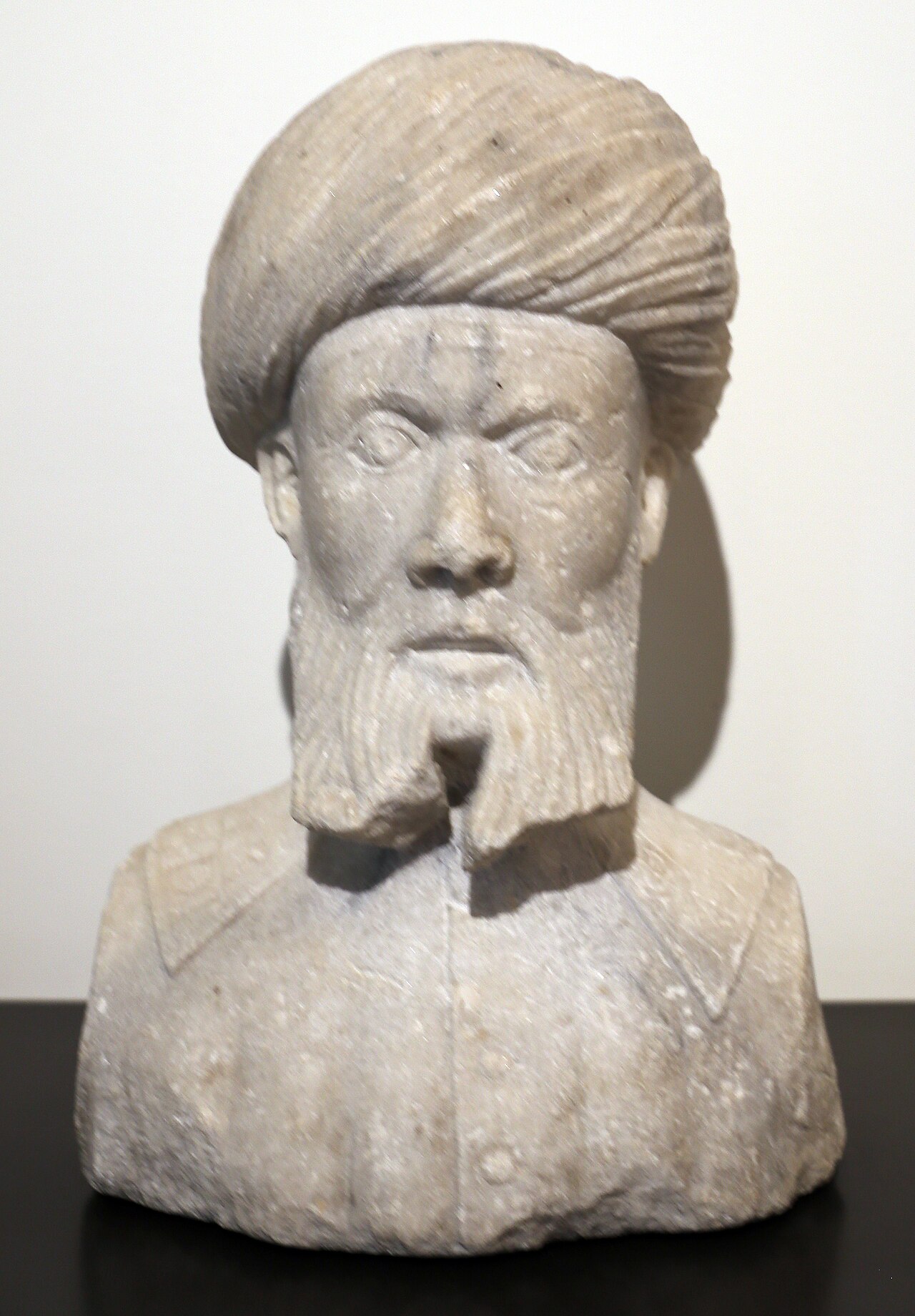 Sculpture
Secondary source
Venetian school · 15th century
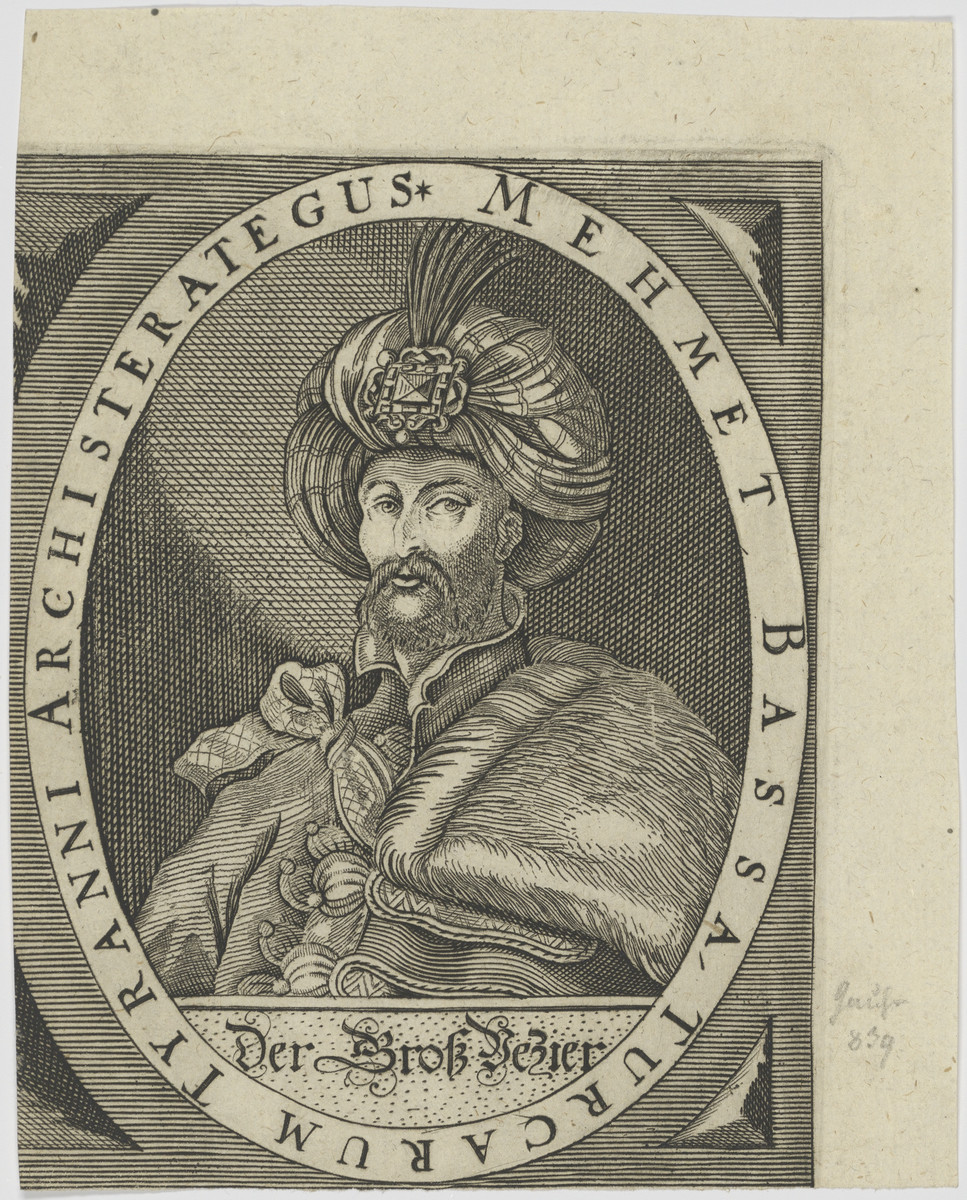 Painting
Secondary source
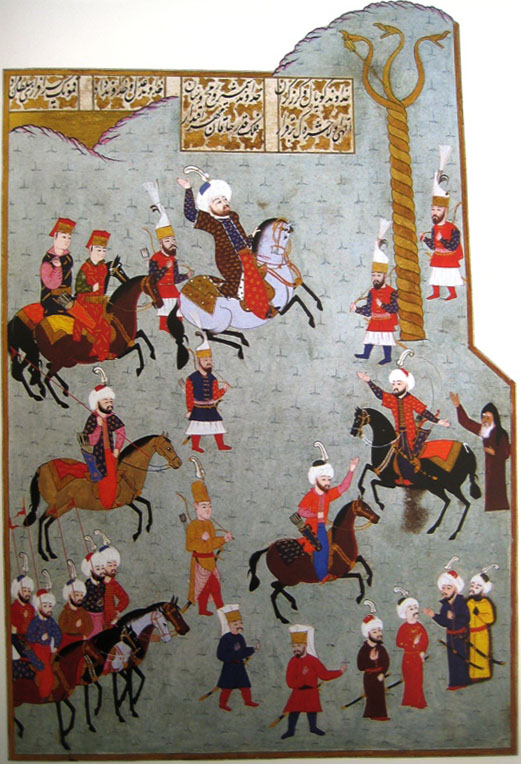 Painting
Secondary source
Unknown 16th-century author · 1580s
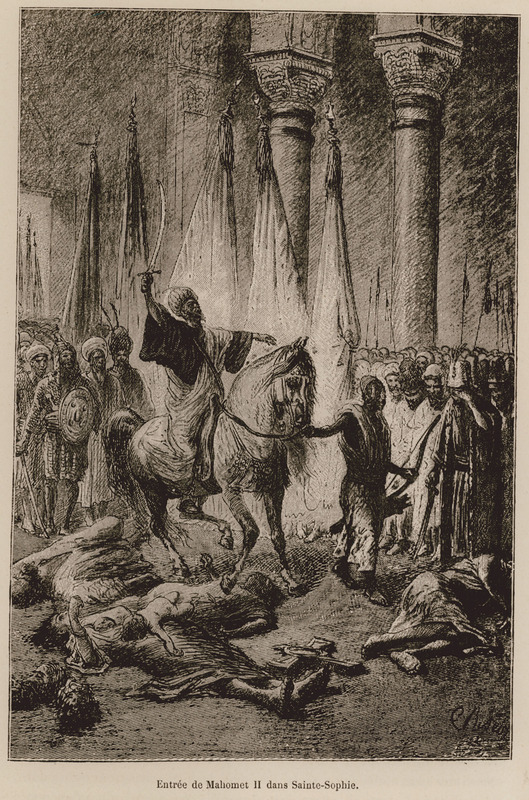 Painting
Secondary source
C. Biseo · 1883
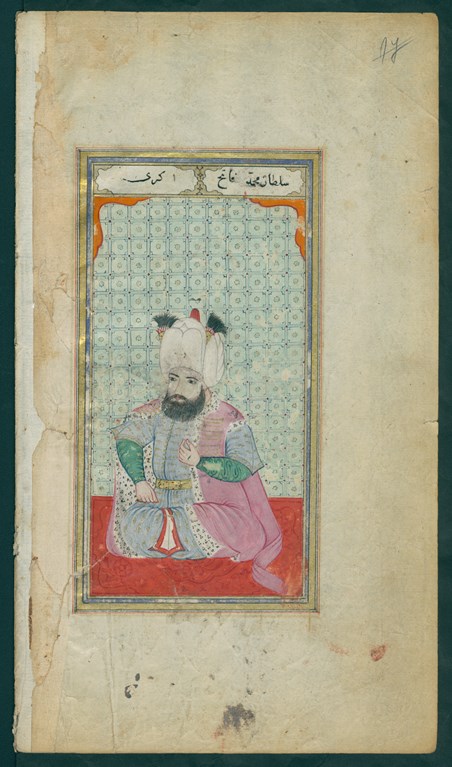 Painting
Secondary source
Nakkash Osman · 1586
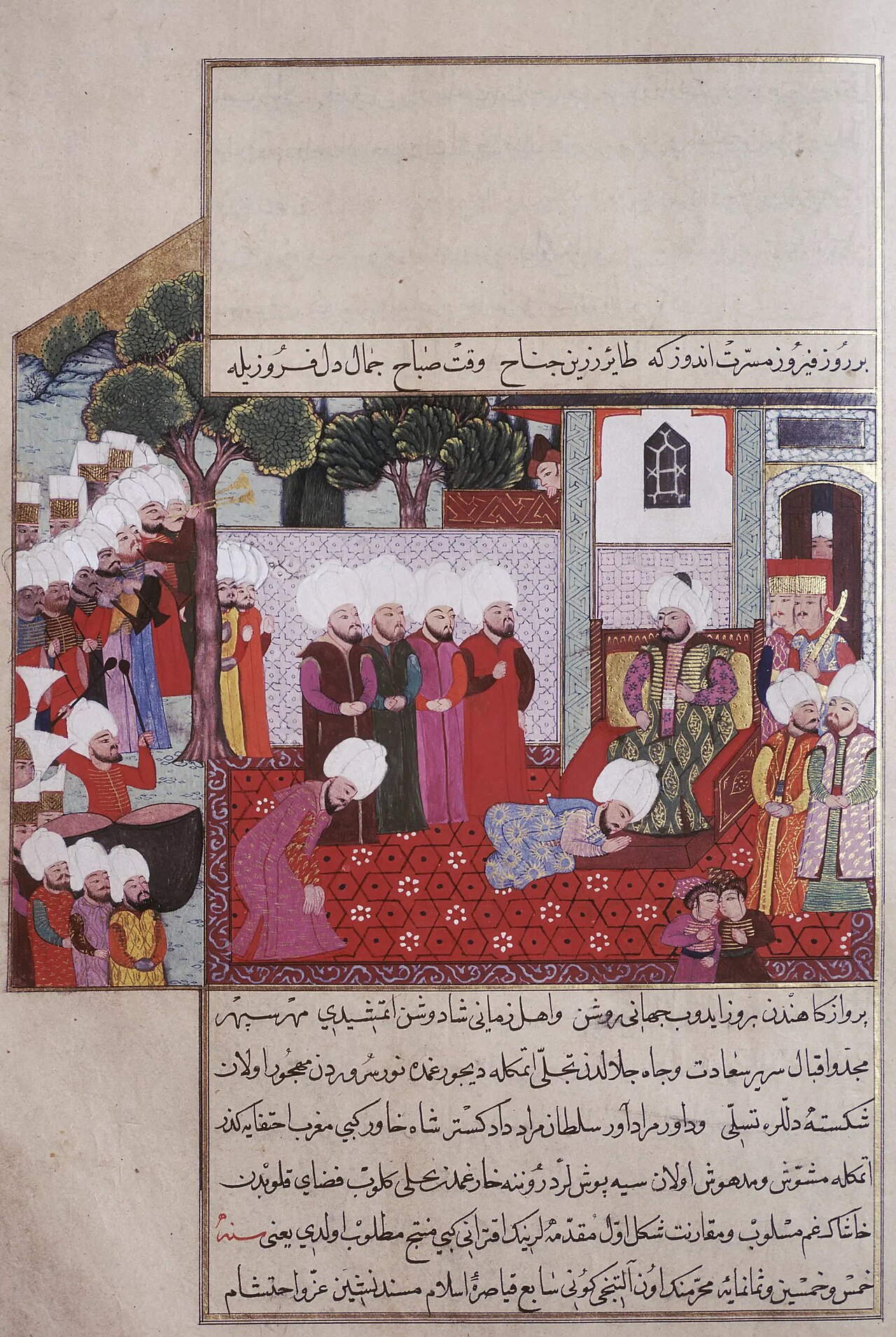 Painting
Secondary source
1616 Ottoman artist · 1616
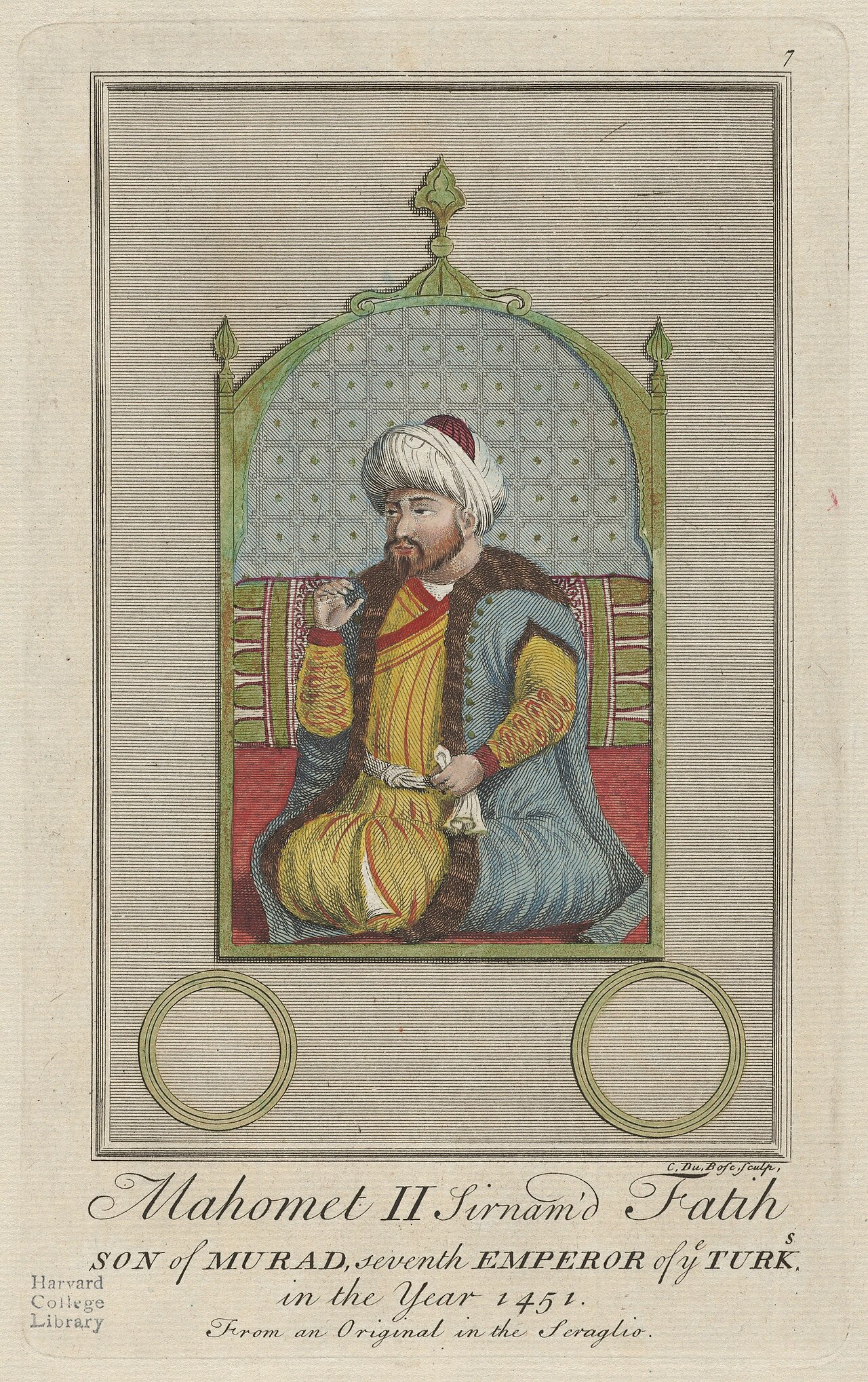 Painting
Secondary source
Claude du Bosc · 1734
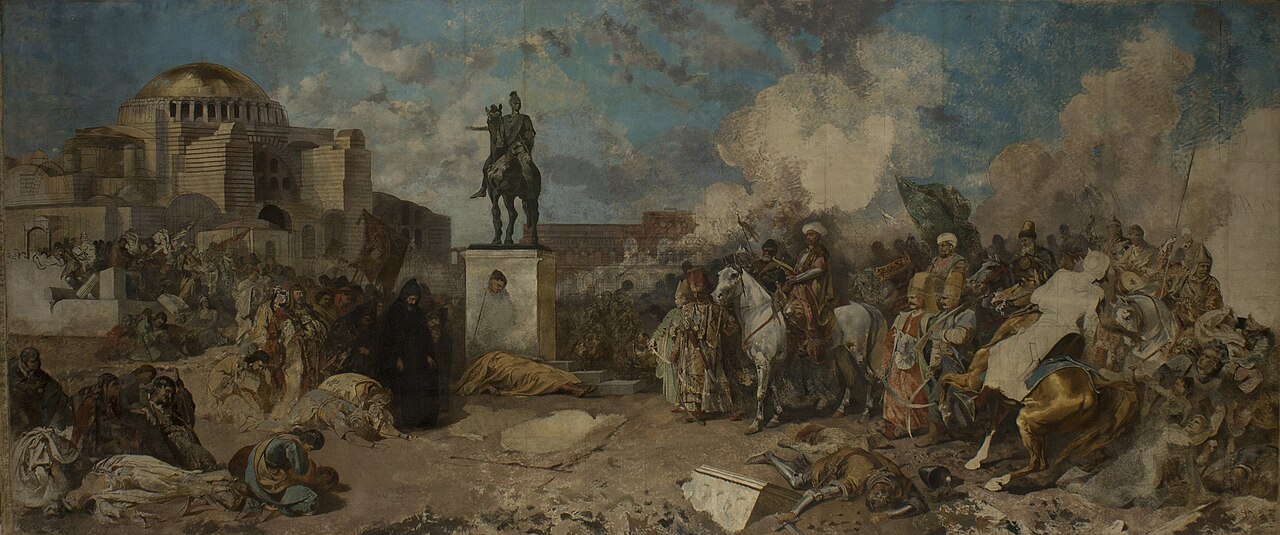 Painting
Secondary source
Stanisław Chlebowski · between 1874 and 1884
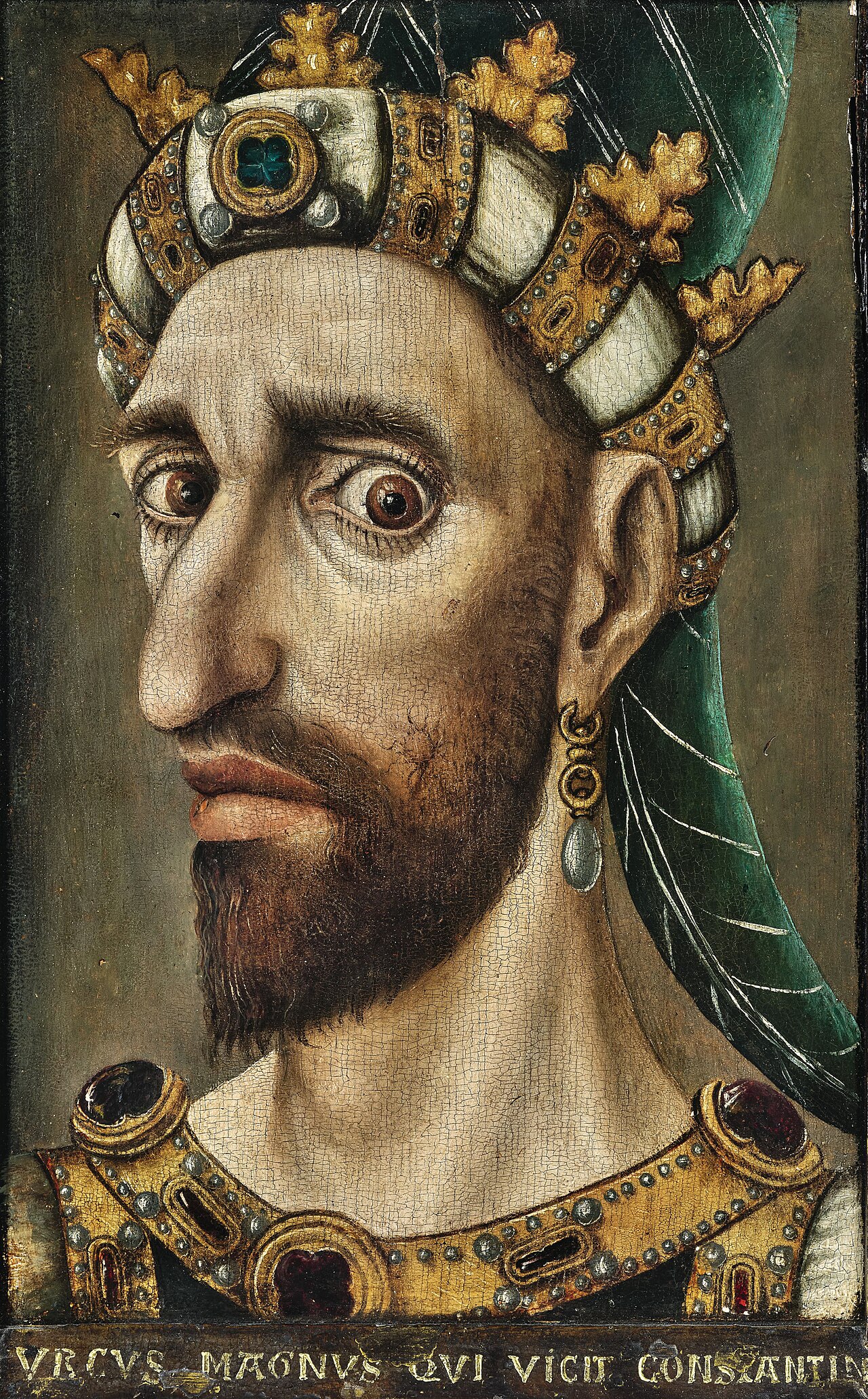 Painting
Secondary source
Unknown Dutch artist · turn of the 15th-16th century
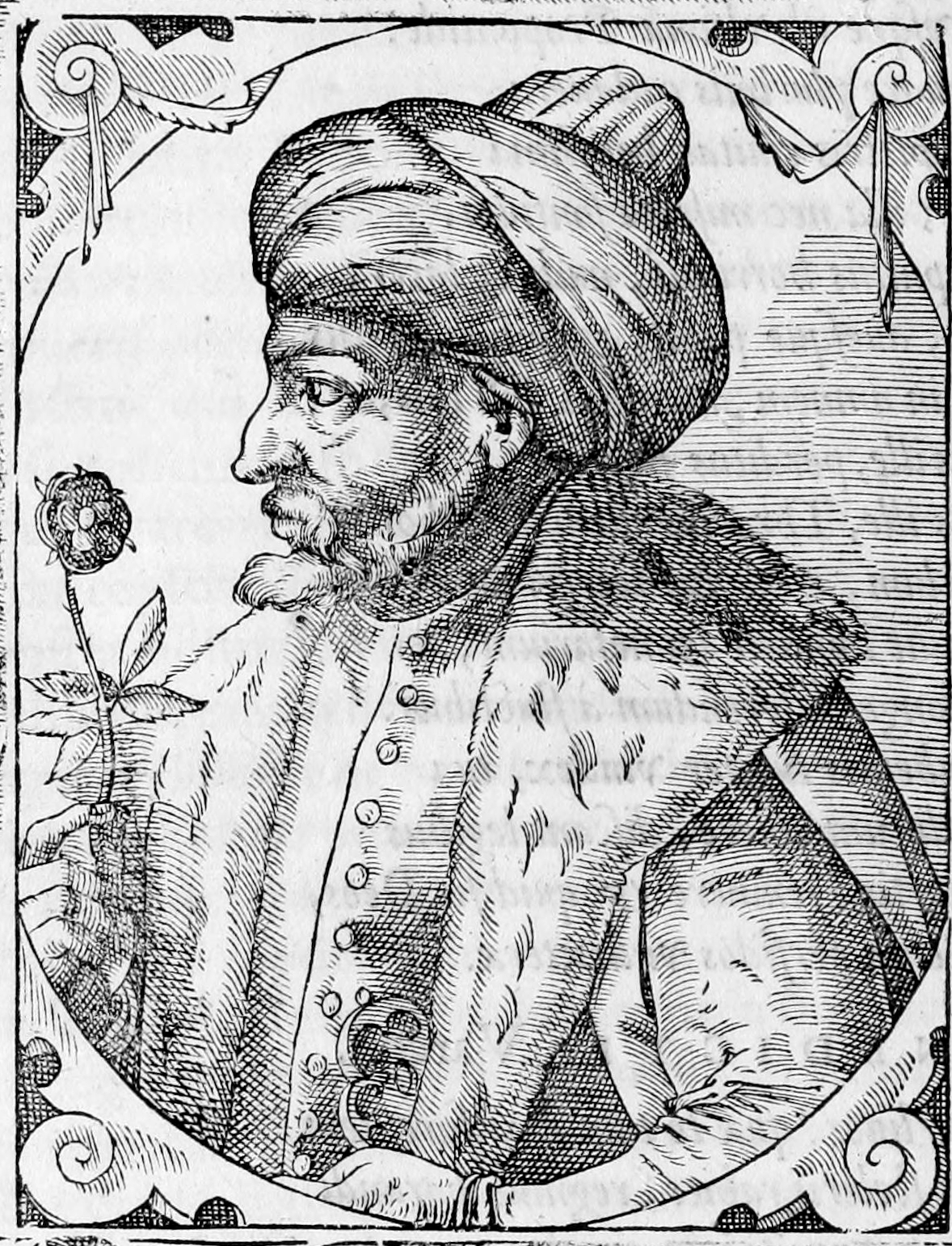 Painting
Secondary source
Paolo Giovio · 1575
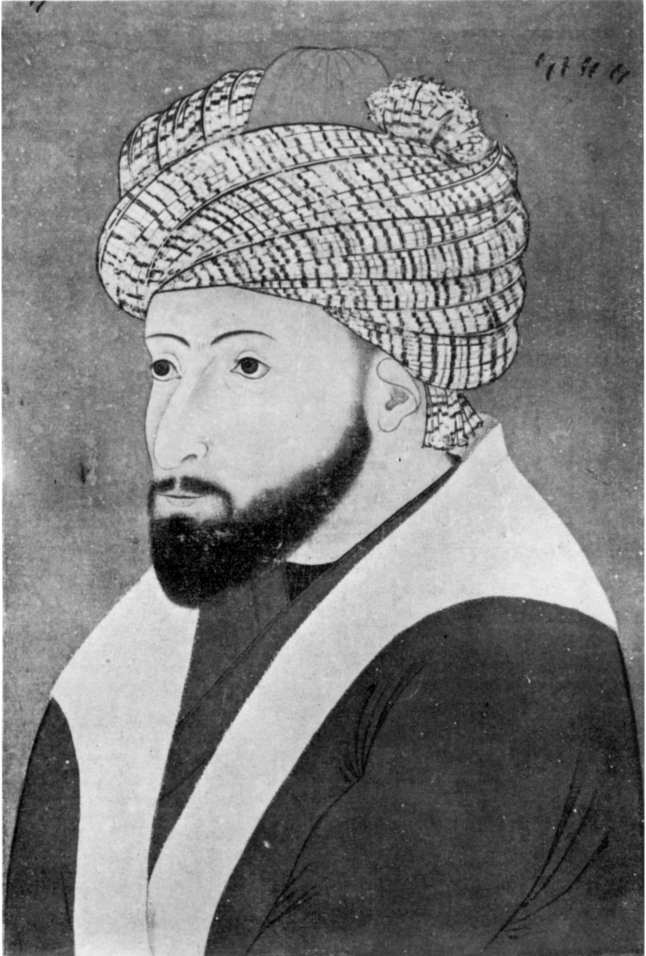 Painting
Secondary source
16th century Ottoman or Safavid artist · 15th century
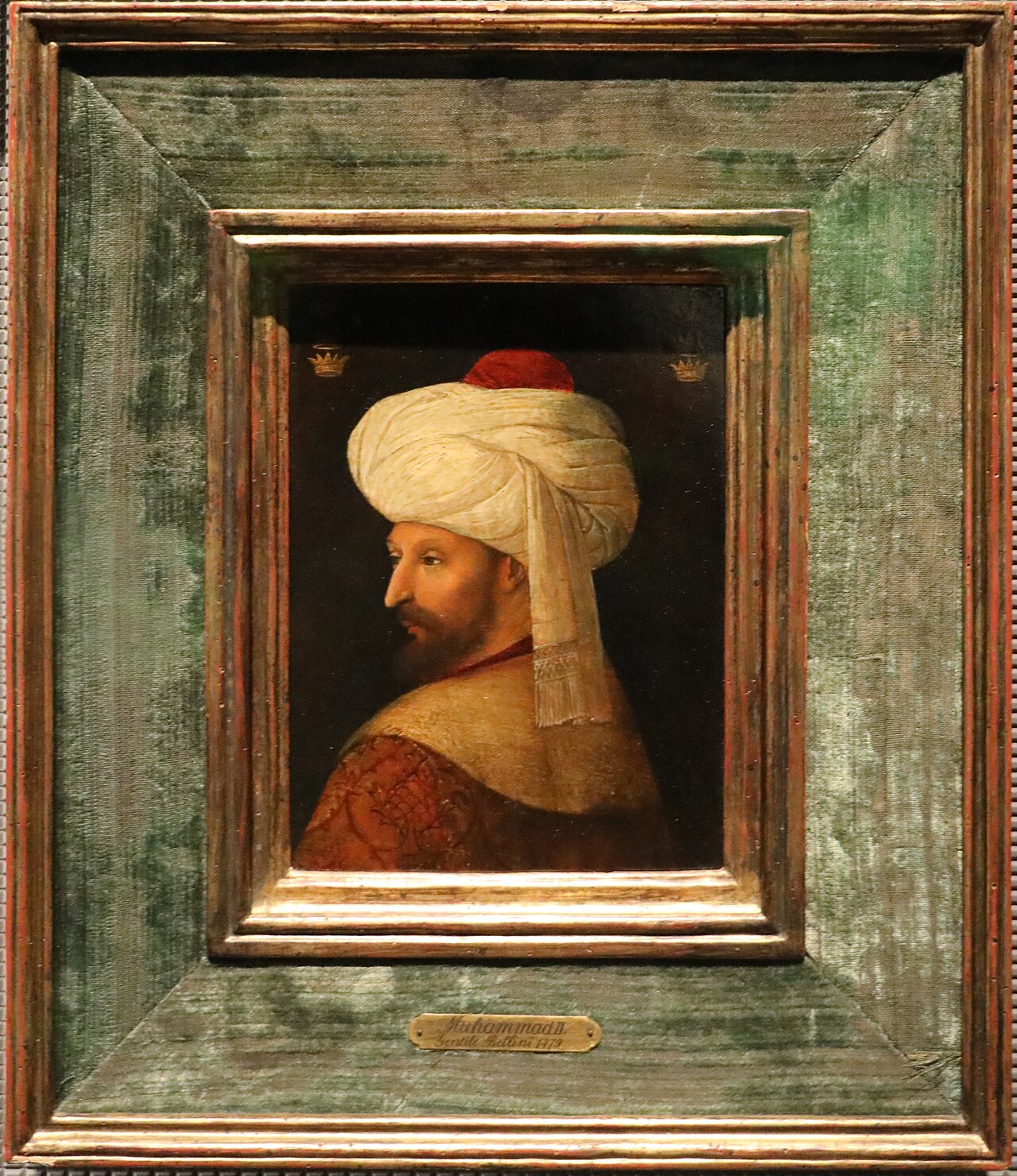 Painting
Secondary source
Gentile Bellini · 1479
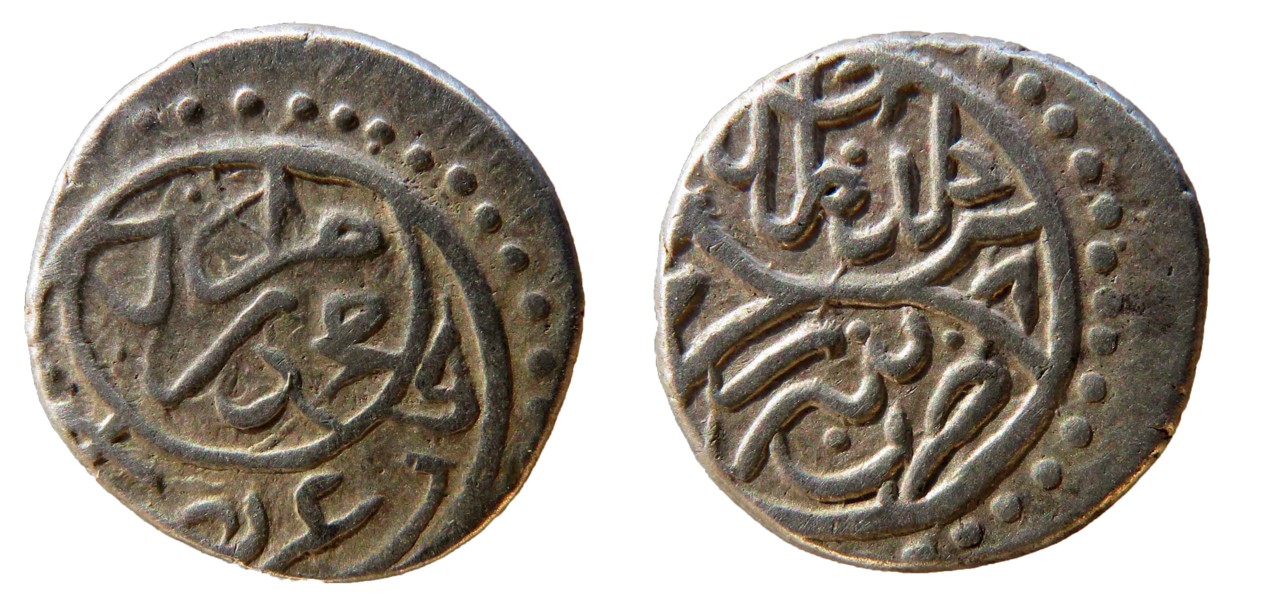 Artifact
Primary source
AH 848
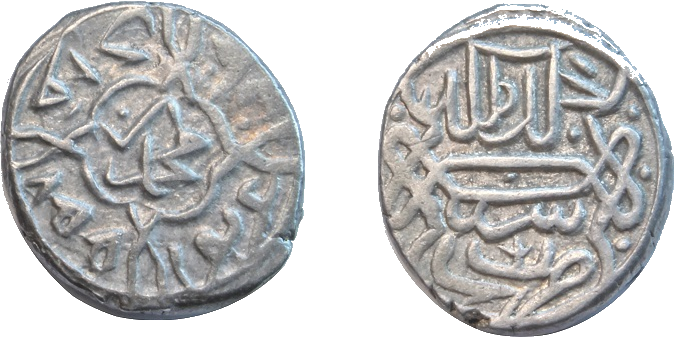 Artifact
Primary source
AH 855
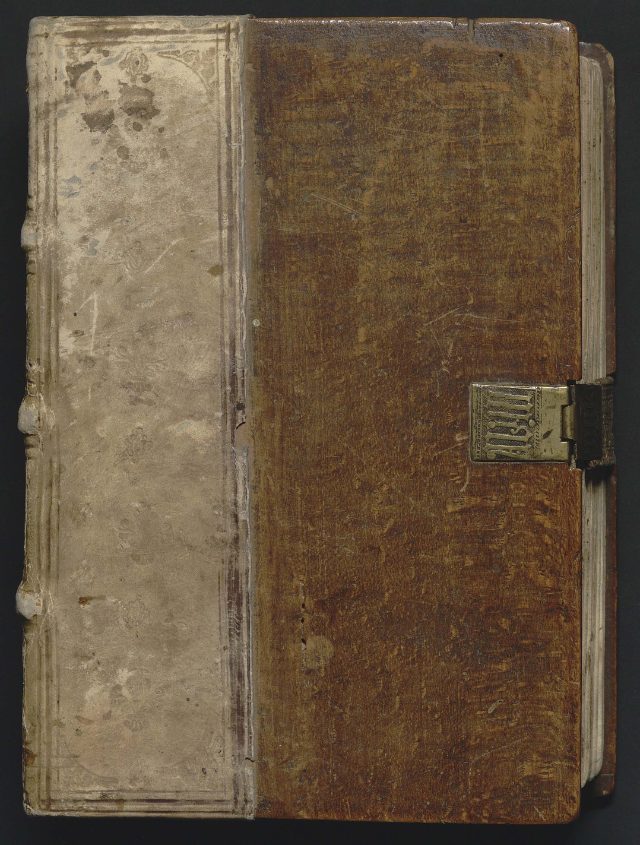 Letter
Primary source
1488
 Book
Secondary source
Mehmed II · 1904
Secondary source
Louis Thuasne · 1888
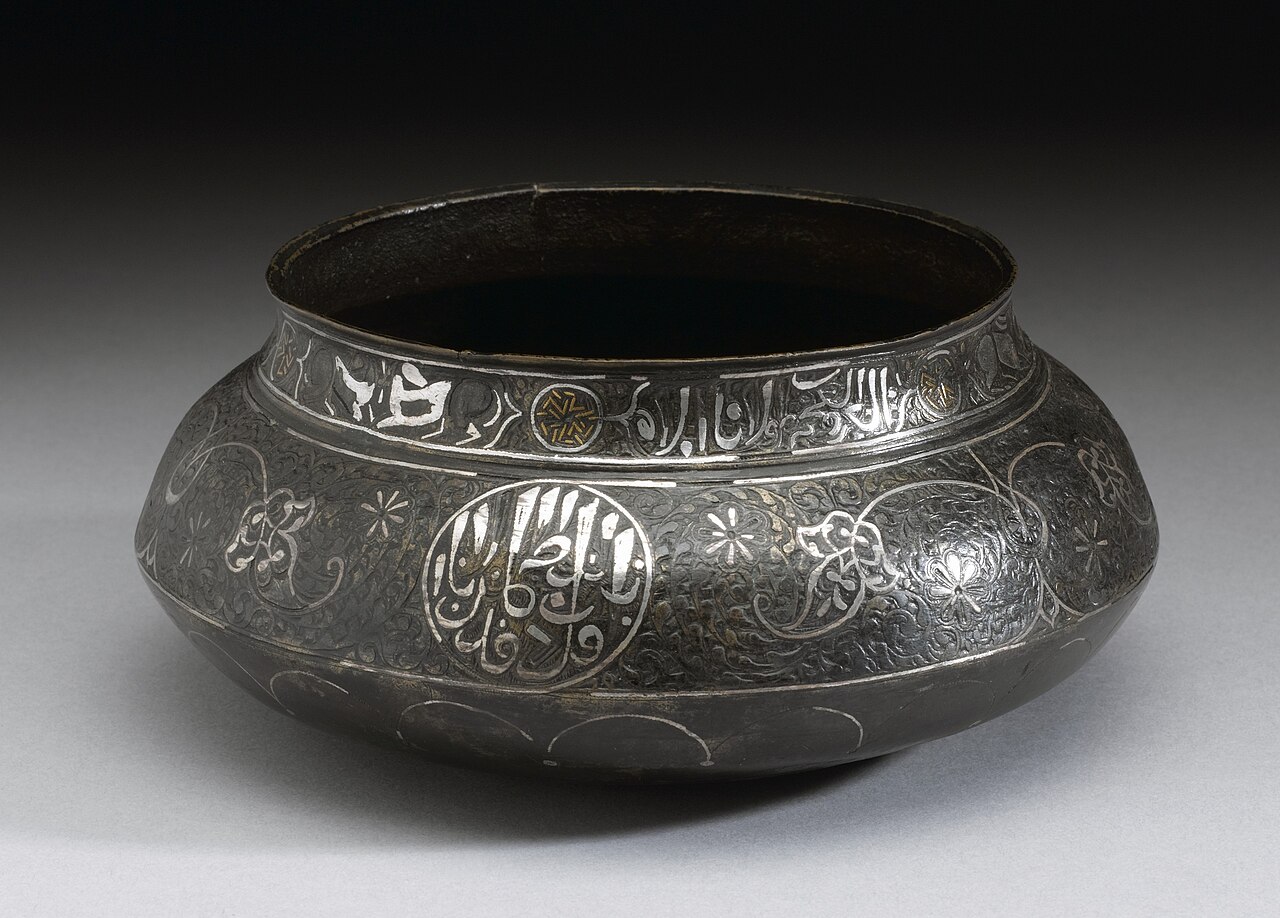 Artifact
Primary source
1451
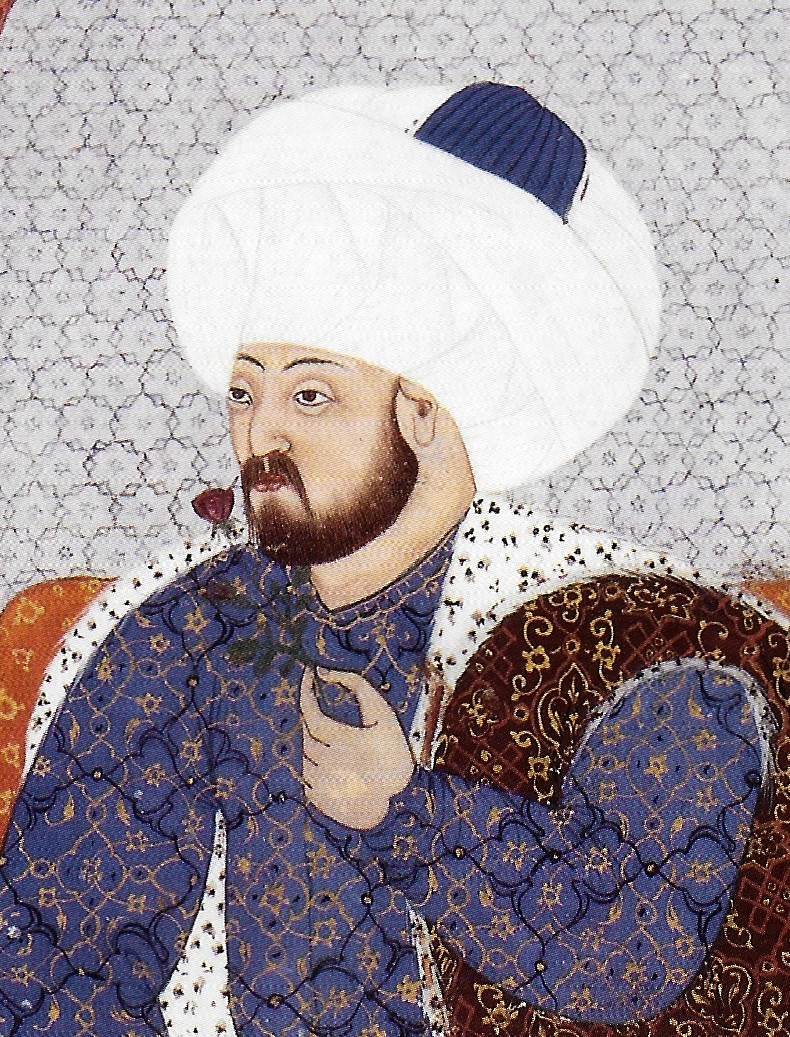 Painting
Primary source
Nakkash Osman · 1579
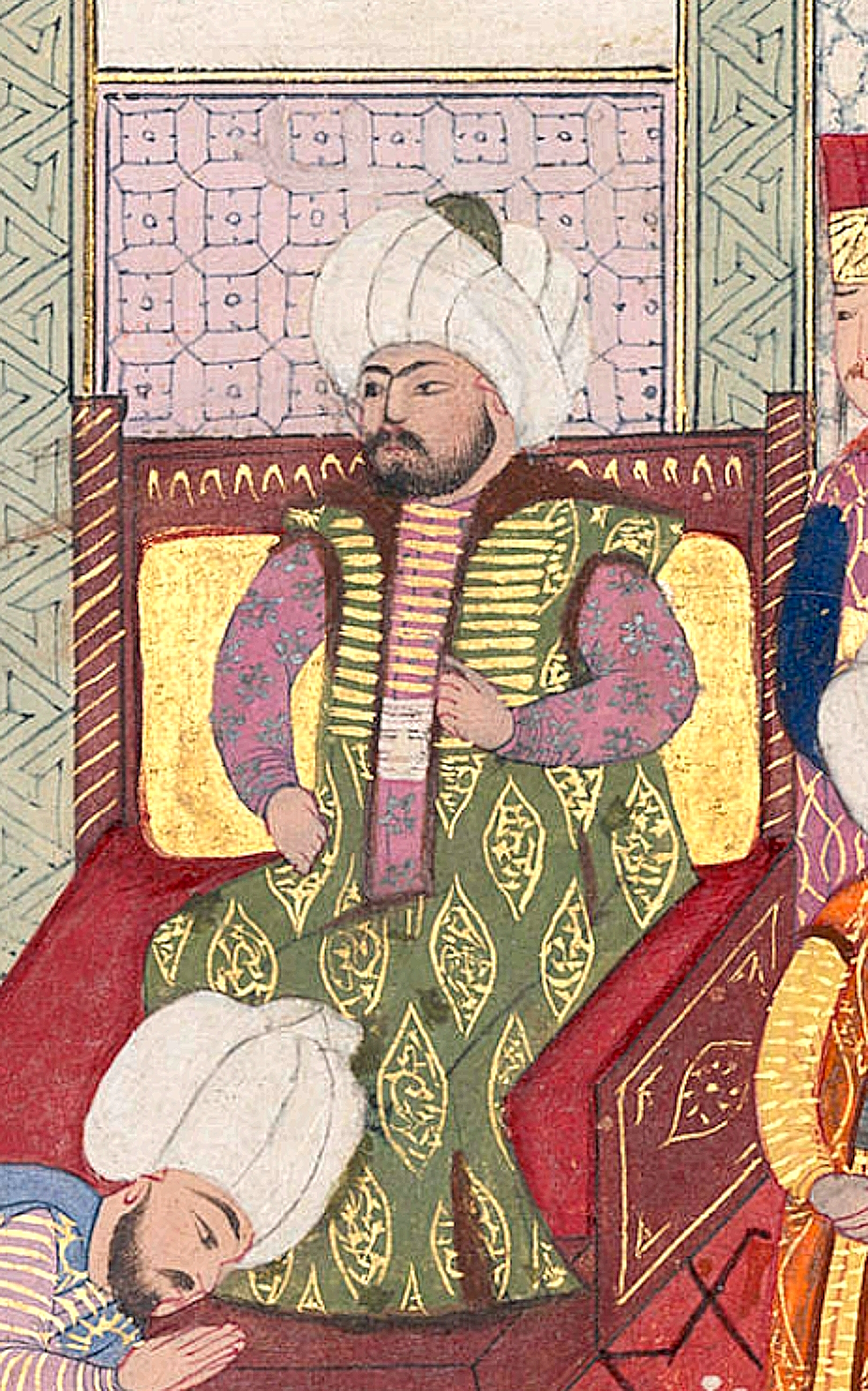 Painting
Secondary source
1616
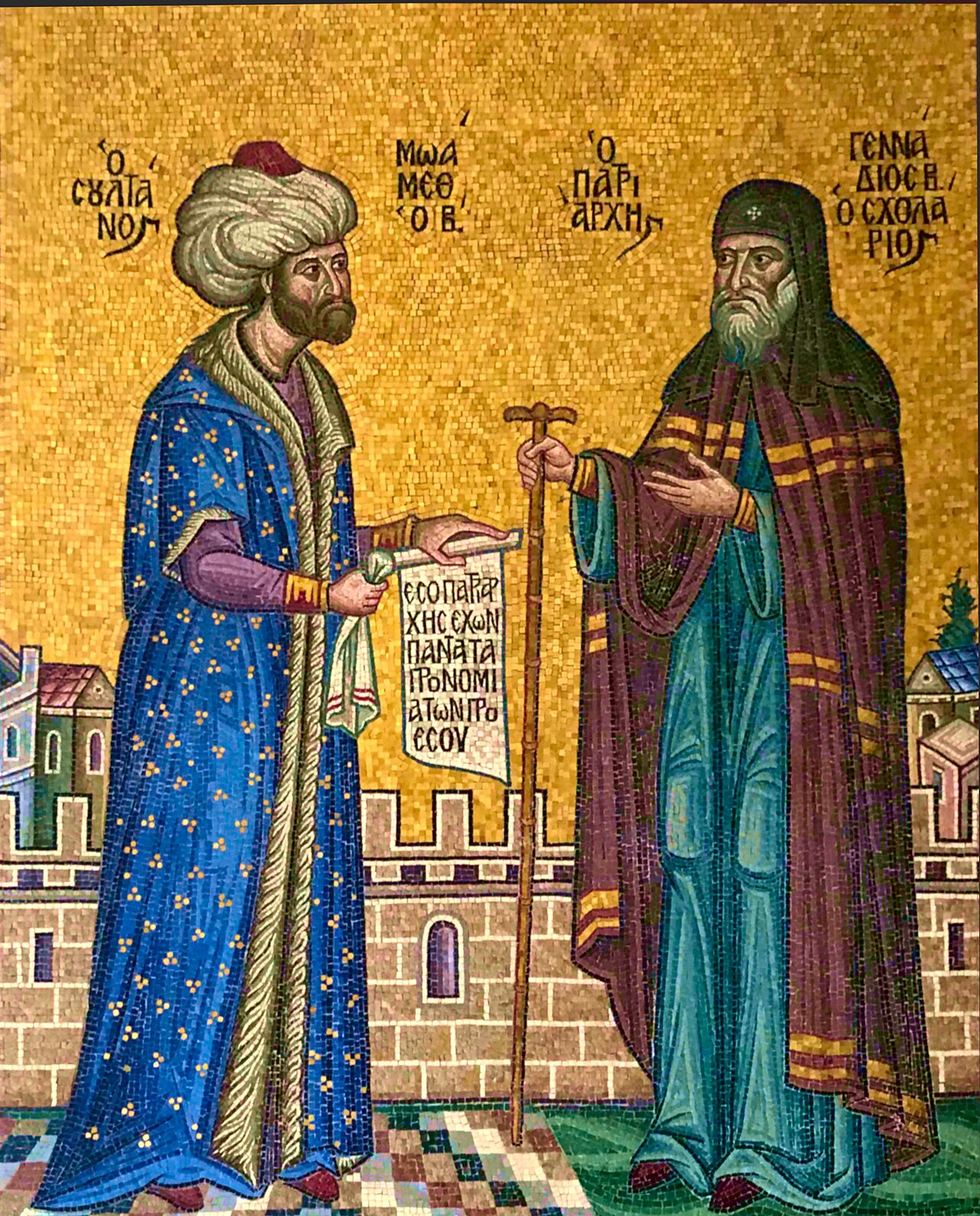 Painting
Secondary source
Sotiris Varvoglis · 20th century
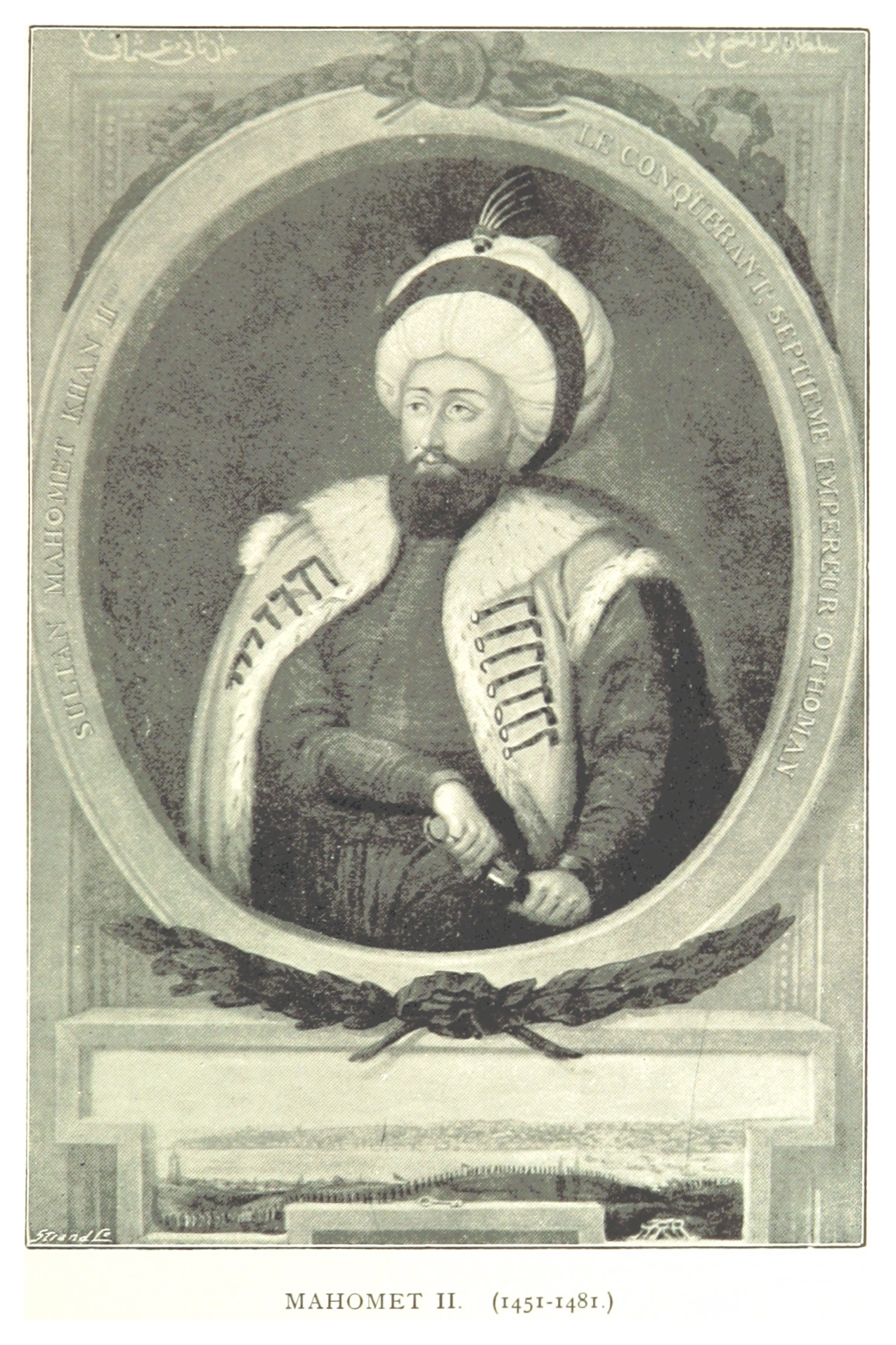 Book
Tertiary source
1895
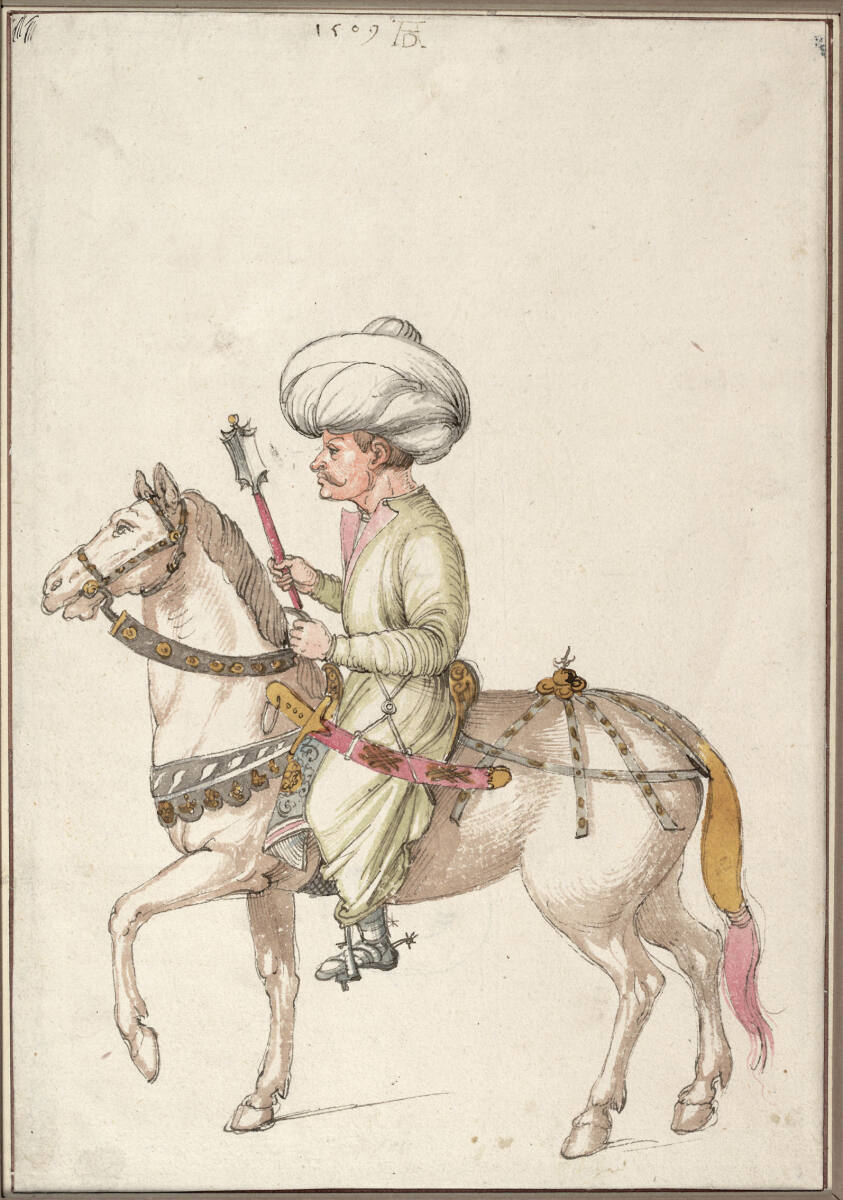 Painting
Primary source
Costanzo da Ferrara · 1509
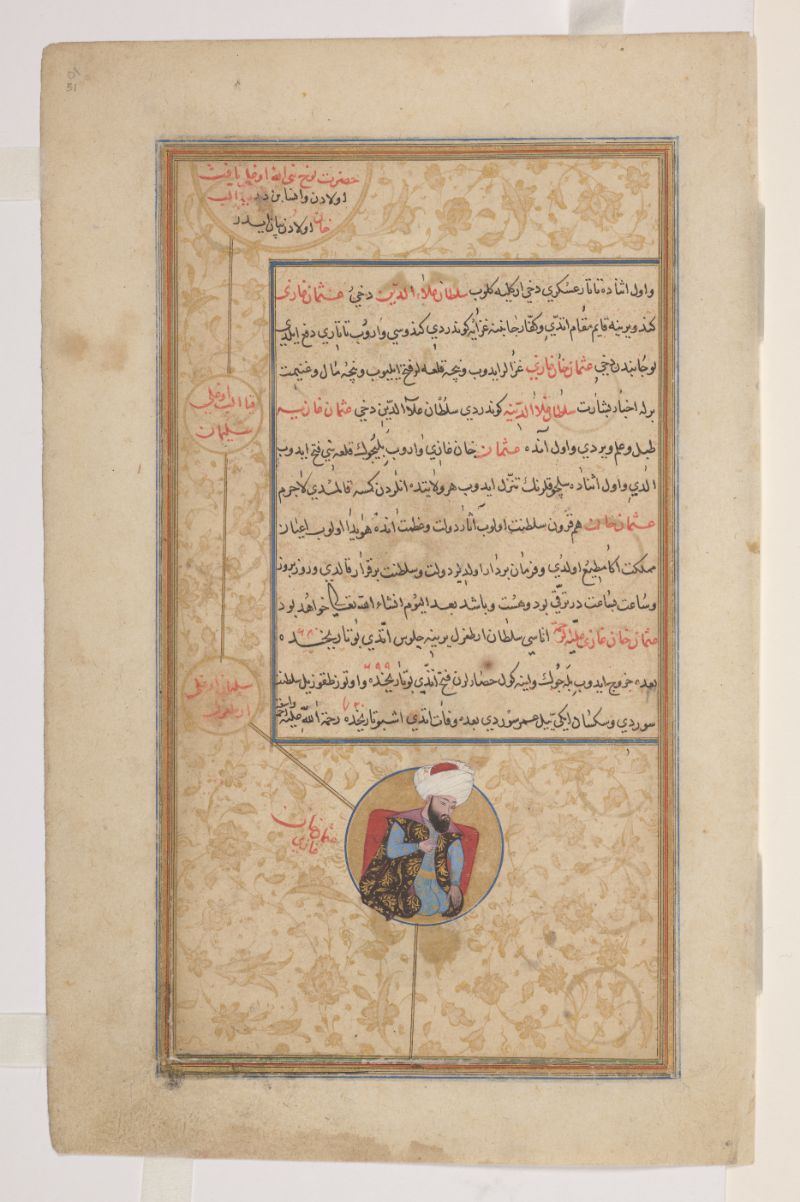 Book
Secondary source
Abū Ṭālib Iṣfahānī · 1598
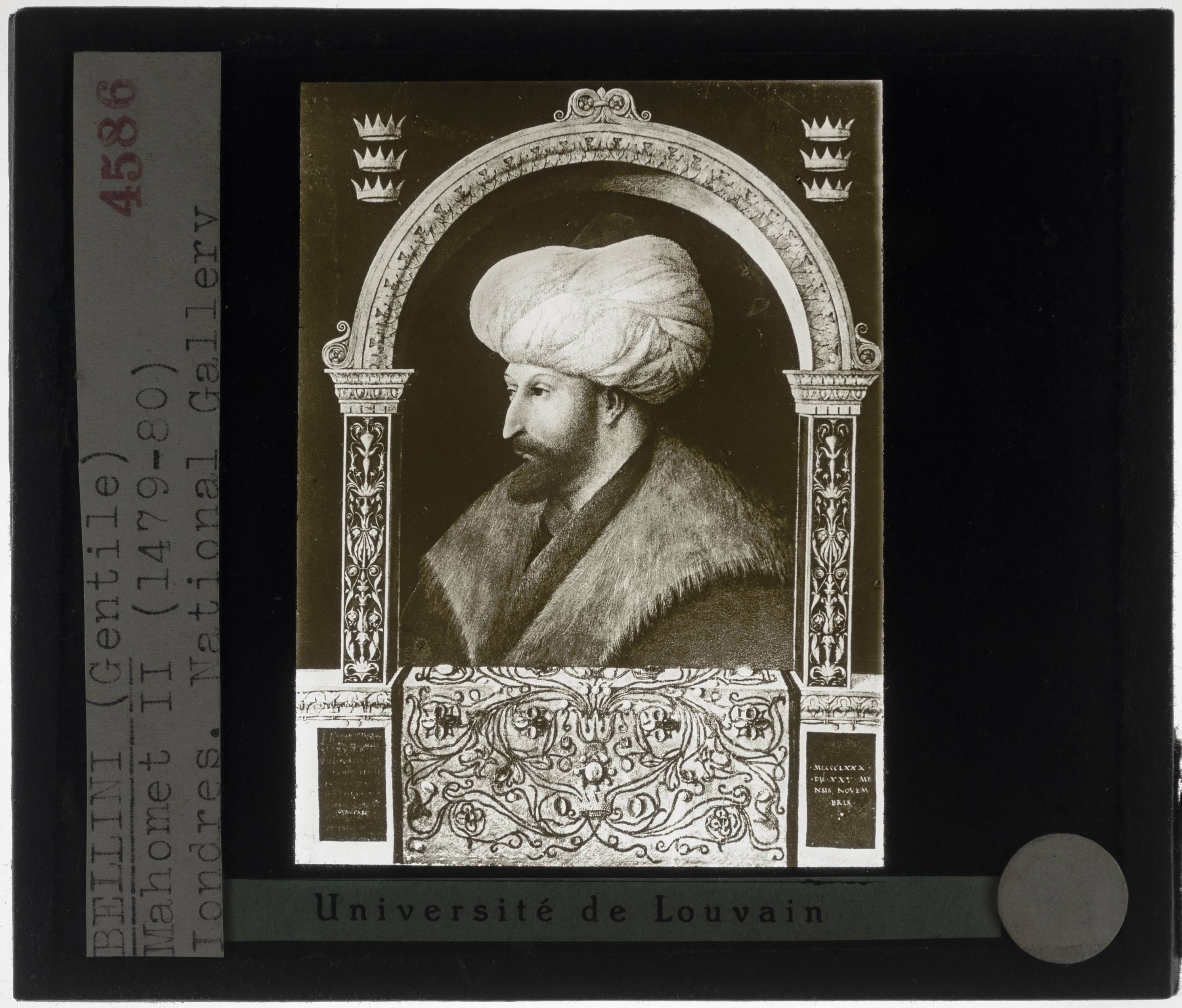 Painting
Secondary source
Gentile Bellini · 1480 (painting); slide made between 1839 and 1939
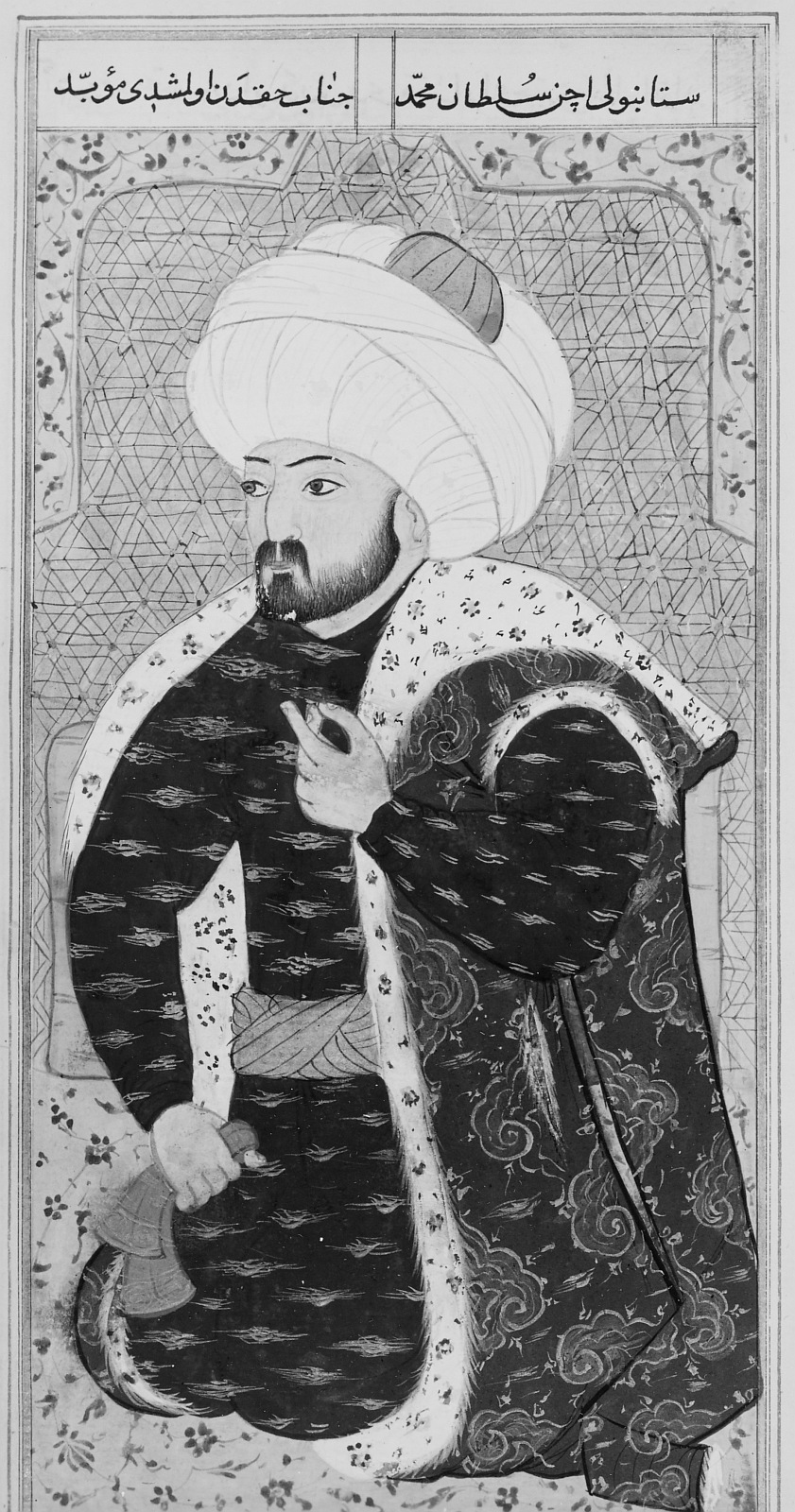 Photograph
Secondary source
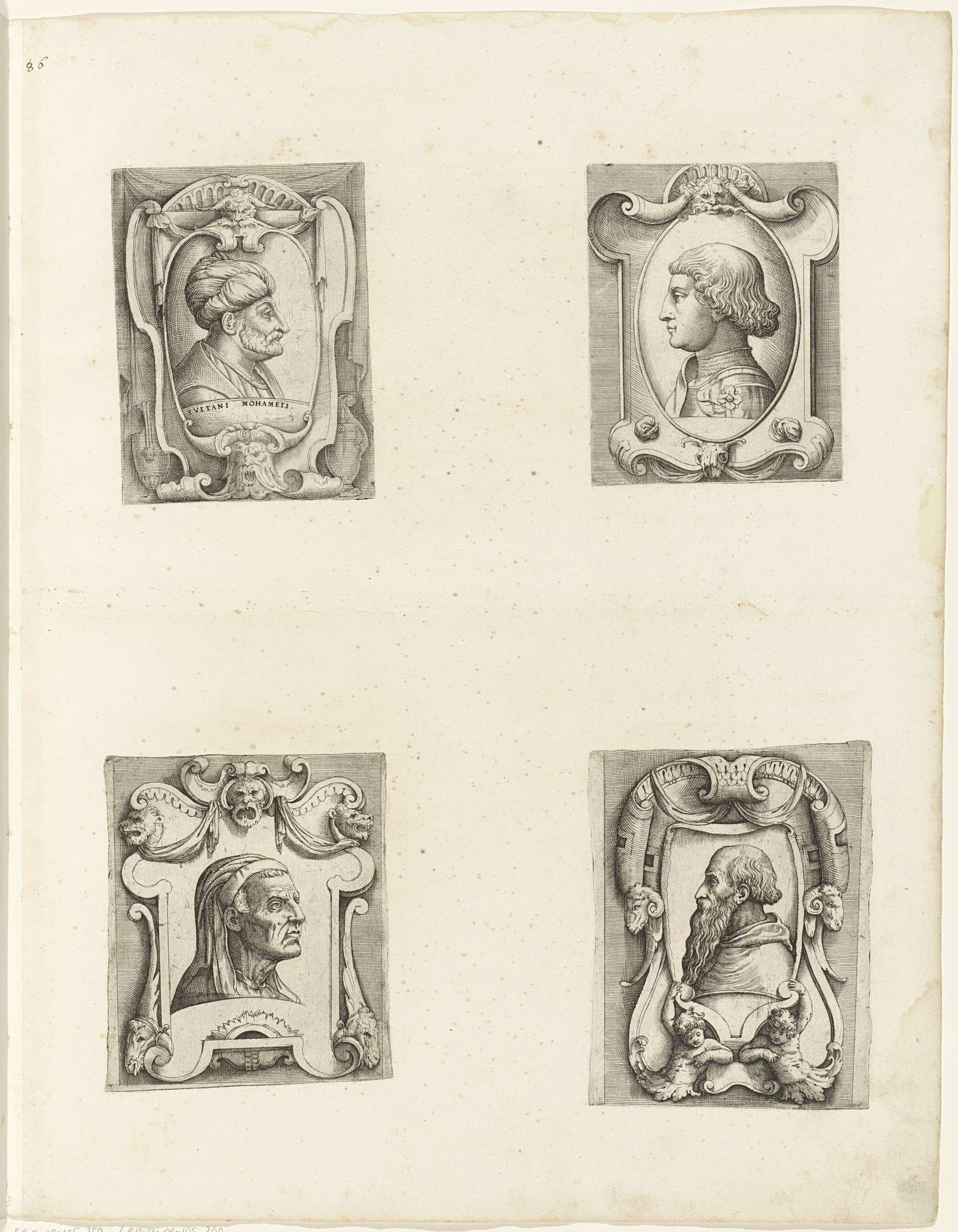 Painting
Secondary source
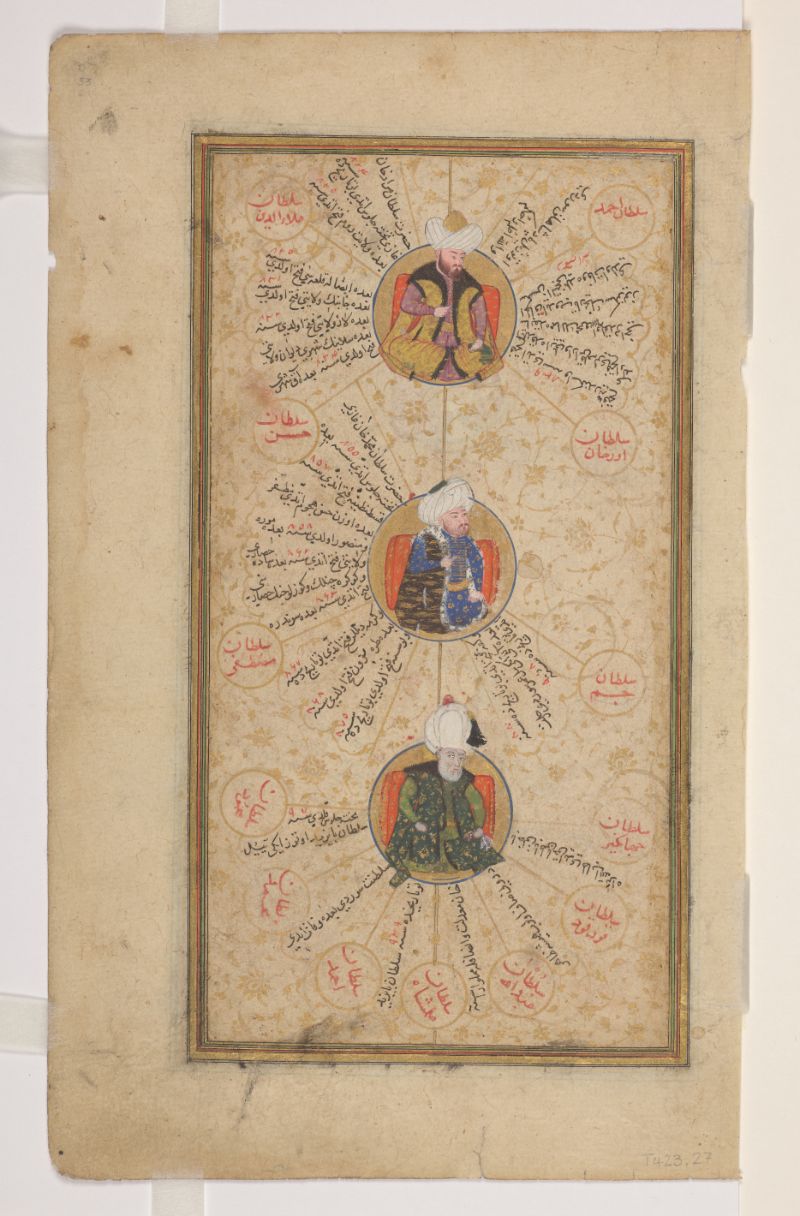 Book
Secondary source
Abū Ṭālib Iṣfahānī · 1598
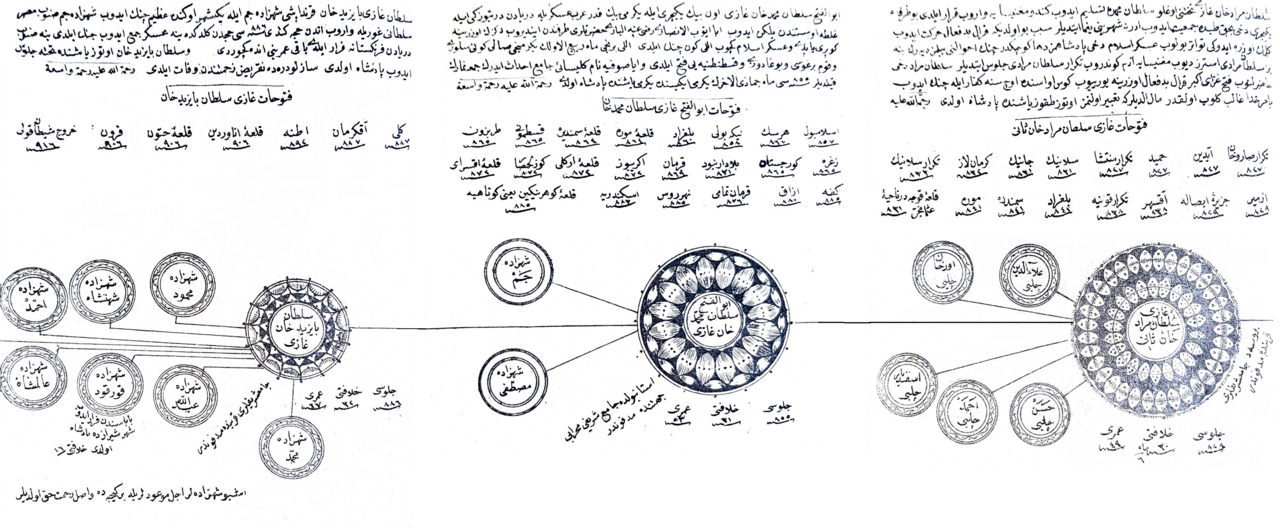 Document
Secondary source
between 1861 and 1876
Want the full shelf? Chat with Mehmed II in the app and open the Sources panel — every quote links back to the original.
1 collection
A ready-made collection from the Humy team that features Mehmed II. Preview it, then try it free.
Paying customers



























Dr. Michael Calvert
Assistant Superintendent, South Allegheny School District, Pennsylvania
Been using Humy in his district since 2024
“We enjoyed the program last year and used it frequently.”

Jacob Chisom
World and American History, Monticello High School, Arkansas
Been using Humy in his classroom since 2024
“My students say it’s a welcome change of pace. I’m not a fan of the “sage on the stage” model, so I try to incorporate research-oriented and self-paced activities. With Humy, students have to take charge of their learning. They’ve become more adept at critical thinking, forming better questions, and improving their reading comprehension. The interview feature has been my go-to tool. I create assignments where students must ask historical figures a set number of questions, then summarize the responses to ensure they’re truly absorbing the material. This approach lets them actively explore the past rather than passively consuming information.”
Roger Campbell
7th-grade World History, Lancaster County, Pennsylvania
Been using Humy in his classroom since 2024
“Humy has helped me bring historical figures, sometimes long past, to life. When my students interact with these figures in real-time, it eliminates some of the perceived “ancient” characteristics of my curriculum. This has shifted my students’ thinking away from viewing history as abstract or irrelevant. Real-time interactions make historical figures relatable, even allowing students to ask off-topic questions that help put historical lives in a more relevant context for 13-year-olds. The feature I use the most is the interview feature. After teaching a topic, most recently Gandhi and Joan of Arc, I have the students ask pointed, focused questions. We practice good conversation techniques beforehand, teaching them to listen (or read) carefully and formulate thoughtful follow-up questions rather than just interrogating. It helps students practice effective conversation skills.”
Dr. Michael Calvert
Assistant Superintendent, South Allegheny School District, Pennsylvania
Been using Humy in his district since 2024
“We enjoyed the program last year and used it frequently.”
Jacob Chisom
World and American History, Monticello High School, Arkansas
Been using Humy in his classroom since 2024
“My students say it’s a welcome change of pace. I’m not a fan of the “sage on the stage” model, so I try to incorporate research-oriented and self-paced activities. With Humy, students have to take charge of their learning. They’ve become more adept at critical thinking, forming better questions, and improving their reading comprehension. The interview feature has been my go-to tool. I create assignments where students must ask historical figures a set number of questions, then summarize the responses to ensure they’re truly absorbing the material. This approach lets them actively explore the past rather than passively consuming information.”
Roger Campbell
7th-grade World History, Lancaster County, Pennsylvania
Been using Humy in his classroom since 2024
“Humy has helped me bring historical figures, sometimes long past, to life. When my students interact with these figures in real-time, it eliminates some of the perceived “ancient” characteristics of my curriculum. This has shifted my students’ thinking away from viewing history as abstract or irrelevant. Real-time interactions make historical figures relatable, even allowing students to ask off-topic questions that help put historical lives in a more relevant context for 13-year-olds. The feature I use the most is the interview feature. After teaching a topic, most recently Gandhi and Joan of Arc, I have the students ask pointed, focused questions. We practice good conversation techniques beforehand, teaching them to listen (or read) carefully and formulate thoughtful follow-up questions rather than just interrogating. It helps students practice effective conversation skills.”
FAQ
Like any LLM, the AI version of Mehmed II can get details wrong. Open one of these sources in a new tab to verify what you’ve read.

Warrior queen of the Hausa kingdom in present-day Nigeria.

Ottoman Sultan known for his military conquests and administrative reforms.

Military leader and founder of the Zulu Kingdom.

Ottoman Sultan known for expansion and cultural achievements.

Founding king of the Songhai Empire in West Africa.

The last Byzantine Emperor who died defending Constantinople against the Ottoman Empire in 1453.
Ready when you are
20 messages free · No credit card · Available in 50+ languages.