


Primary sourceDocument1468
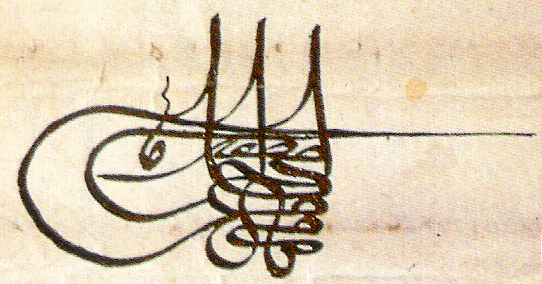
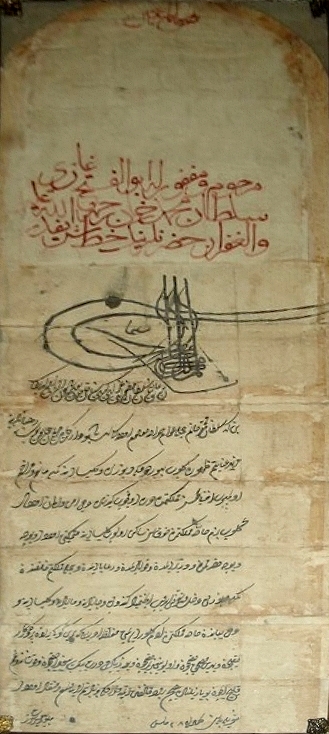
Tughra of Mehmed II on a 1468 Property Deed
Unknown court scribe (nişancı) · 1468
The sultan's own calligraphic signature monogram, used to authenticate an official property deed issued in 1468.
This is the sultan's own monogram, used to authorize official acts during his reign.
About this source
What it is
A tughra is the elaborate calligraphic monogram that Ottoman sultans used in place of a signature on official documents. This example, made by an unknown court scribe (nişancı), appears on a property deed (mülkname) dated 1468, issued during the reign of Mehmed II.
Why it matters
The tughra was the mark of the sultan's authority, stamped or drawn on every official act in his name. This 1468 deed shows Mehmed II's government functioning in the years after his conquest of Constantinople, granting and recording property rights. It is a primary document of how Ottoman rule was administered on a day-to-day basis.
Look closer
- Why would a ruler need a special, hard-to-copy symbol like this instead of a simple signature?
- What might a property deed tell us about ordinary life under Mehmed II's rule?
- What does the care put into this design suggest about the importance of written documents in his empire?
This document is part of the curated material that grounds the AI version of Mehmed II on Humy.ai — when students ask about related events, the AI can quote it and cite it.
More Mehmed II sources
Meet the AI Mehmed II →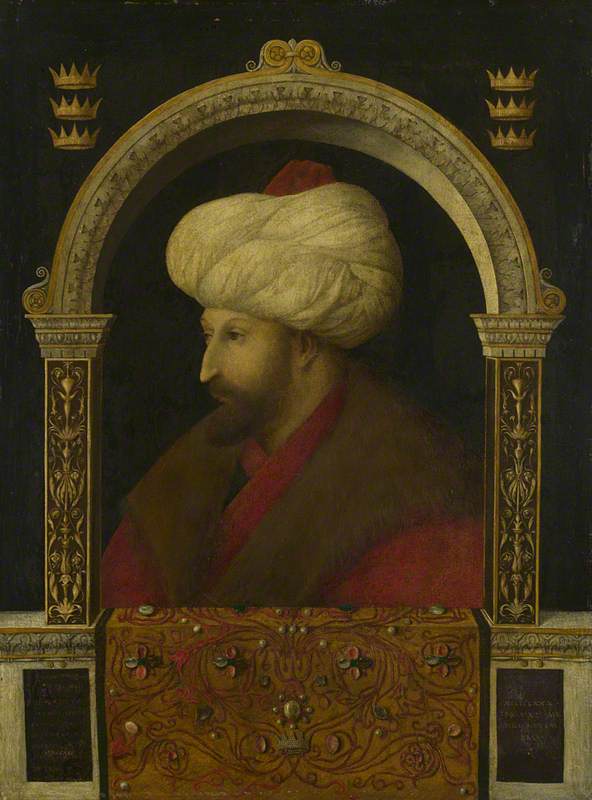 Painting
Primary source
The Sultan Mehmet II
Gentile Bellini · 1480
 Painting
Primary source
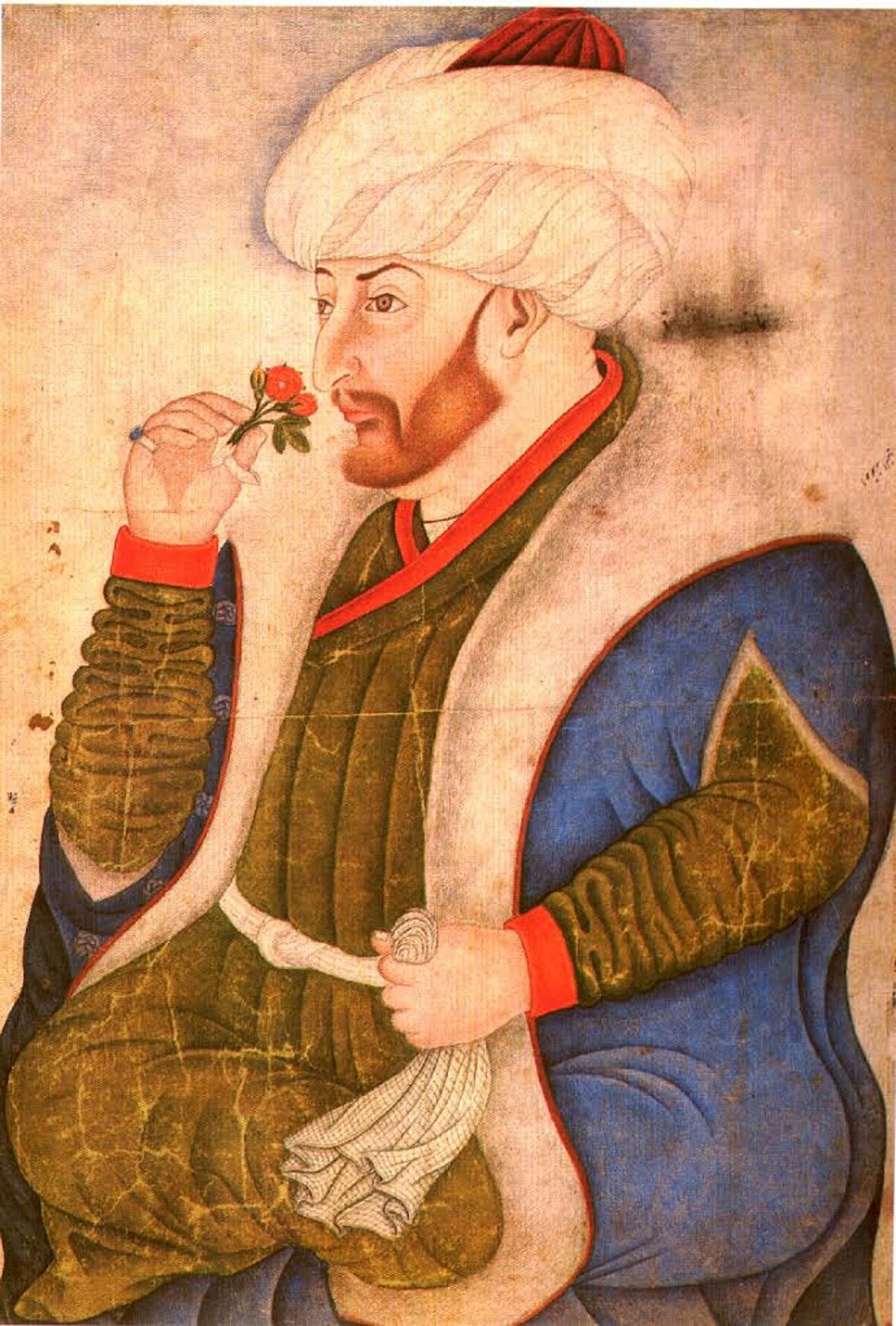
Portrait of Mehmed II Smelling a Rose
Attributed to Nakkaş Sinan Beg · c. 1480-81
 Artifact
Primary source
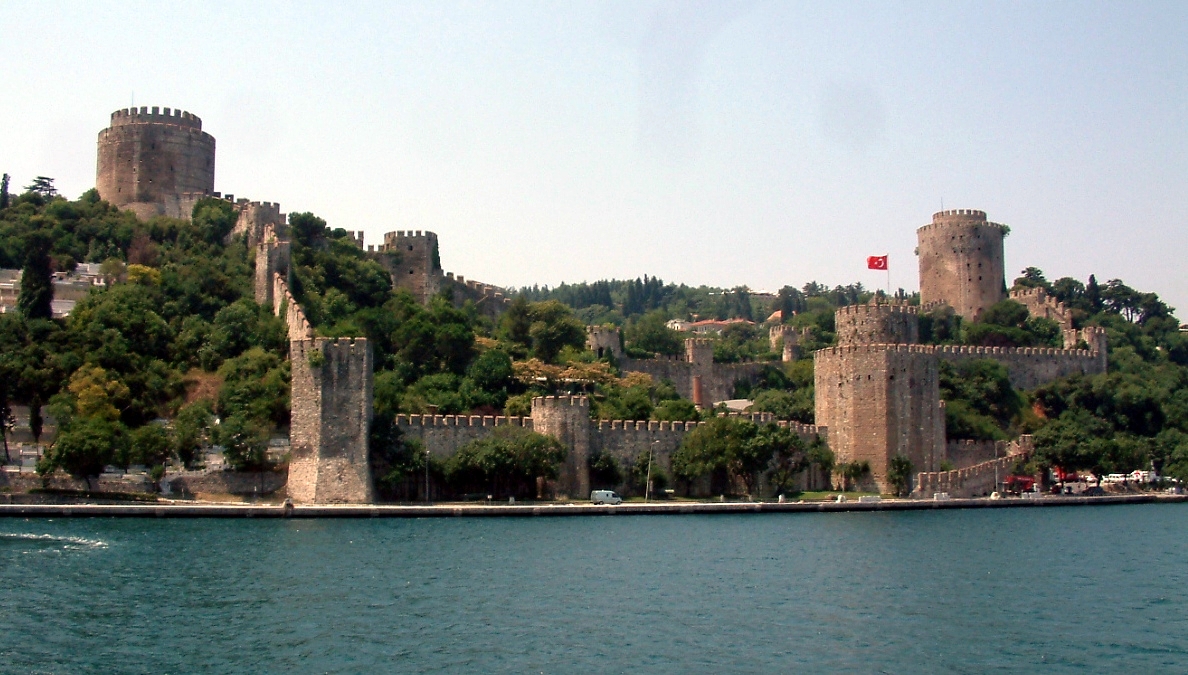
Rumeli Hisarı
1451-1452
 Artifact
Primary source
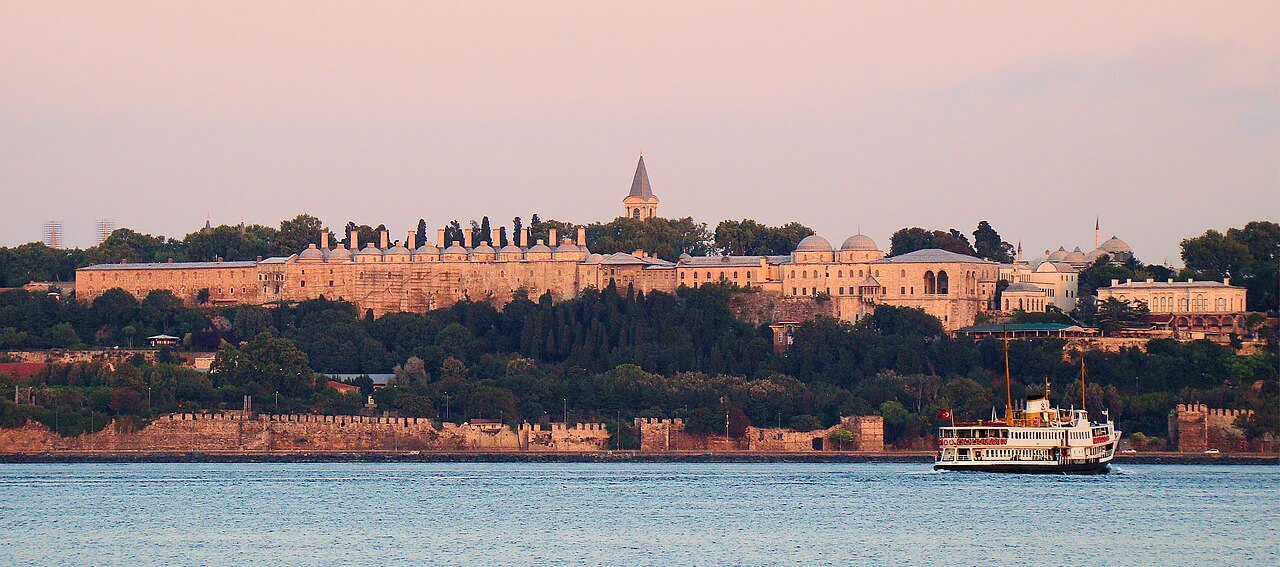
Topkapı Palace
from 1459
 Document
Primary source
Ahdname of Fojnica
Mehmed II · 1463
Ready when you are
Start chatting with Mehmed II now.
20 messages free · No credit card · Available in 50+ languages.