


Secondary sourcePaintingturn of the 15th-16th century
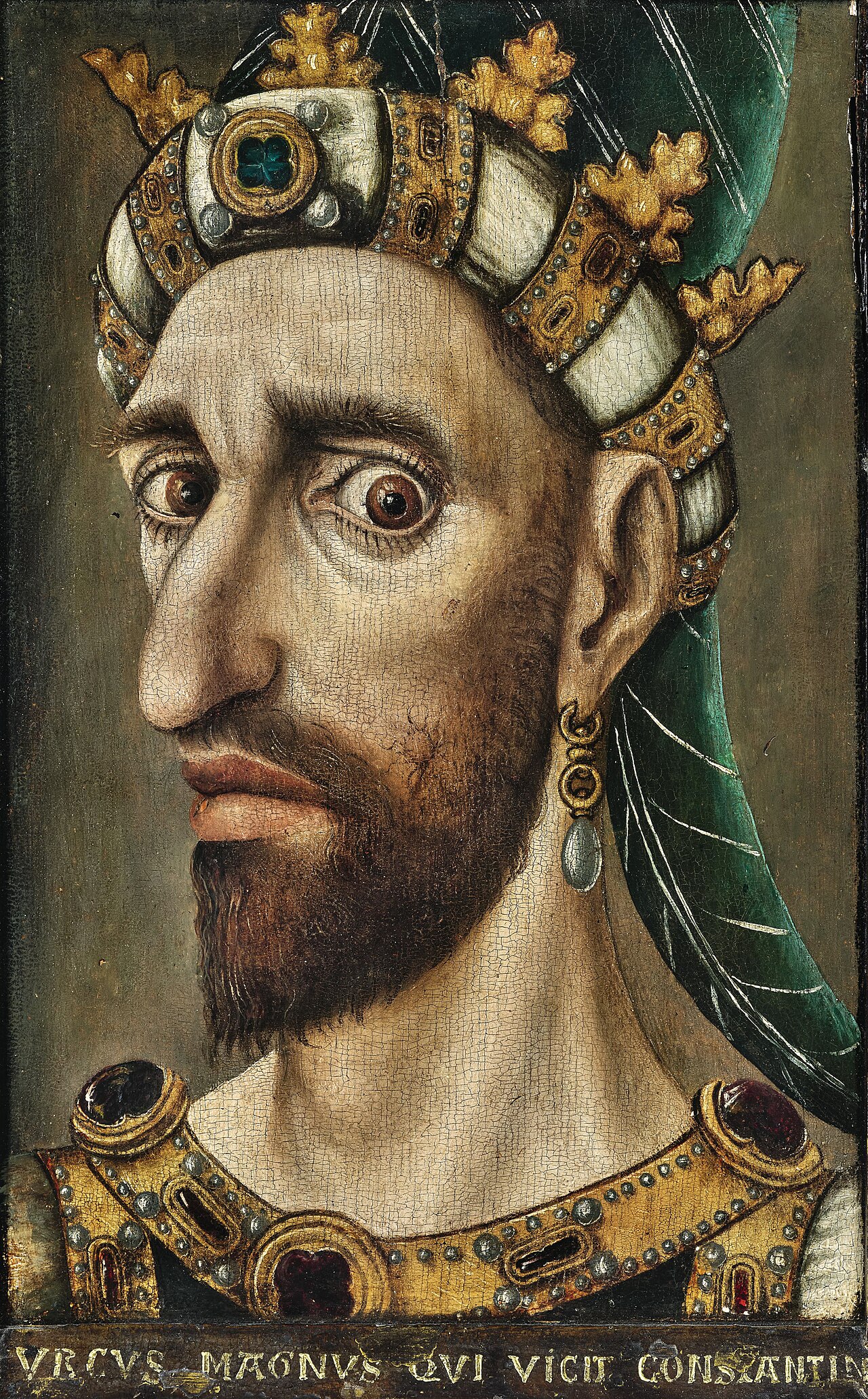
Portrait of a Sultan, "Turcus Magnus"
Unknown Dutch artist · turn of the 15th-16th century
A Dutch panel painting traditionally said to show Mehmed II, labeled as the "Great Turk who conquered Constantinople."
A traditionally (not confirmedly) identified portrait of Mehmed II as the conqueror of Constantinople.
About this source
What it is
This small oil and gold panel painting, made around the turn of the 15th-16th century by an unknown Dutch artist, shows a bearded man in a jeweled crown. An inscription on the frame reads "TVRCVS MAGNVS QVI VICIT CONSTANTIN" ("the great Turk who conquered Constantinople"), traditionally linking it to Mehmed II.
Why it matters
This portrait was likely never painted from life, and the identification as Mehmed II is traditional rather than confirmed. It shows how European artists, working from reputation rather than direct knowledge, imagined the conqueror of Constantinople as a striking, almost fearsome figure.
Look closer
- What makes this identification "traditional" rather than certain?
- What does the inscription tell you about why this image was made?
- How does the painting's style compare to other portraits said to show the same man?
This painting is part of the curated material that grounds the AI version of Mehmed II on Humy.ai — when students ask about related events, the AI can quote it and cite it.
More Mehmed II sources
Meet the AI Mehmed II →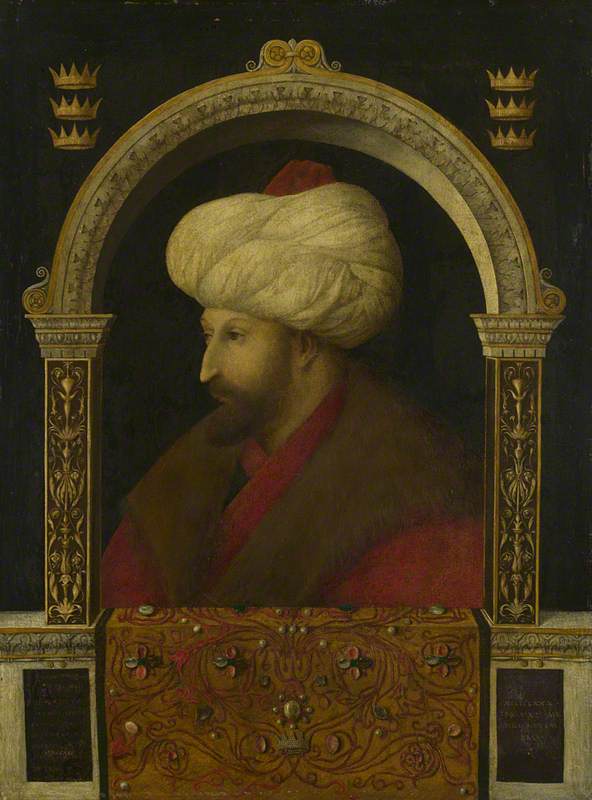 Painting
Primary source
The Sultan Mehmet II
Gentile Bellini · 1480
 Painting
Primary source
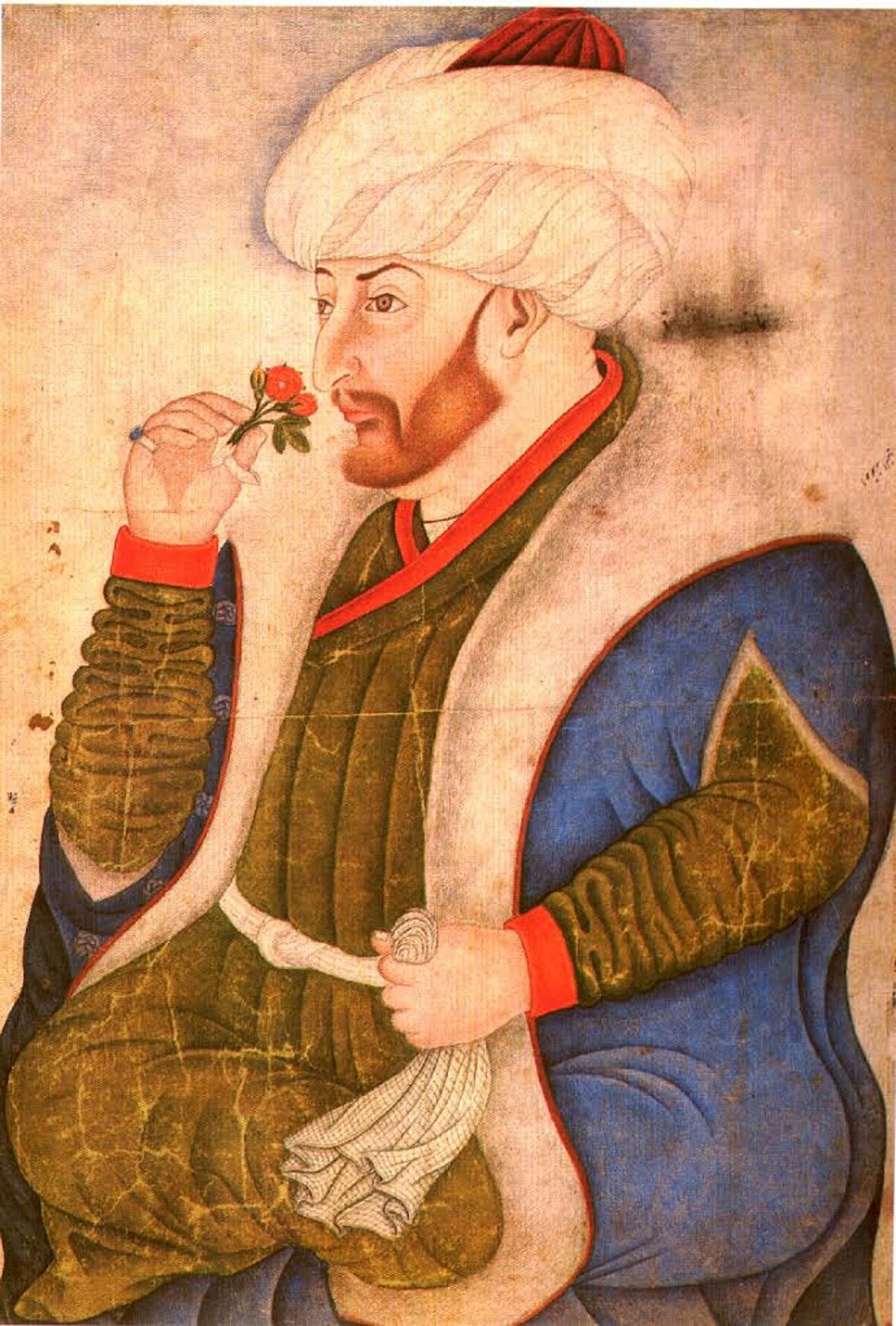
Portrait of Mehmed II Smelling a Rose
Attributed to Nakkaş Sinan Beg · c. 1480-81
 Artifact
Primary source
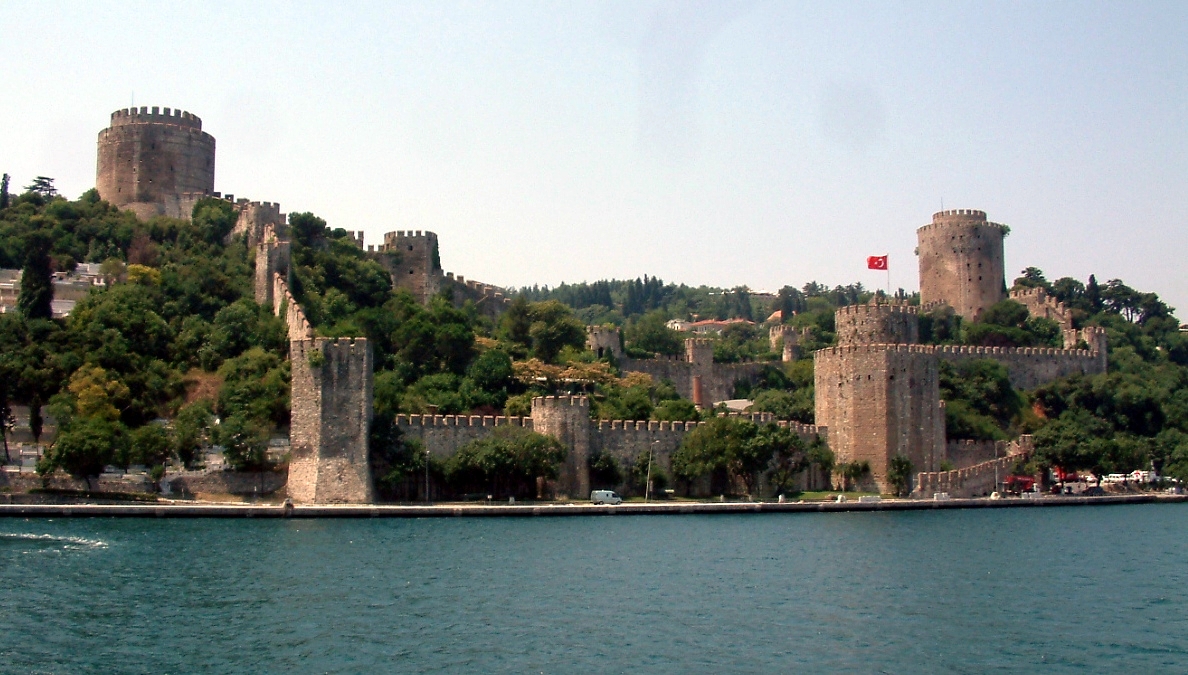
Rumeli Hisarı
1451-1452
 Artifact
Primary source
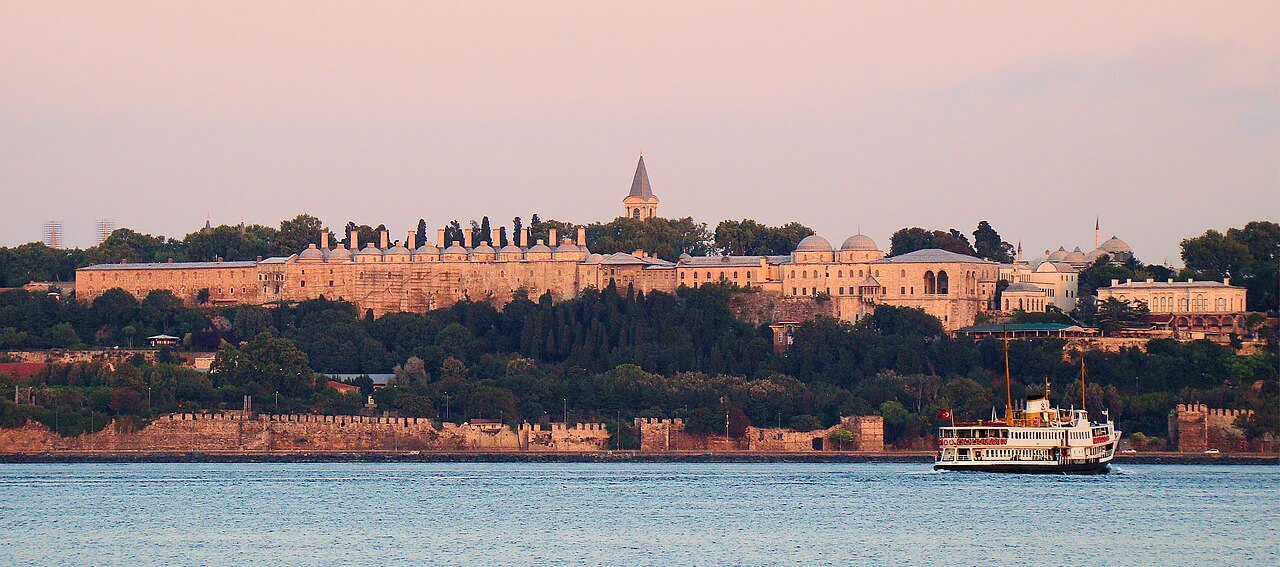
Topkapı Palace
from 1459
 Document
Primary source
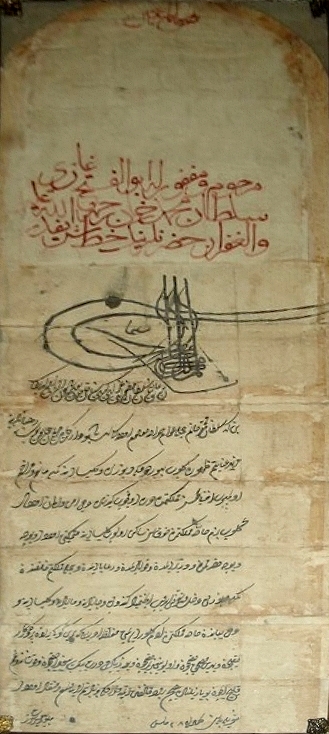
Ahdname of Fojnica
Mehmed II · 1463
Ready when you are
Start chatting with Mehmed II now.
20 messages free · No credit card · Available in 50+ languages.