


Primary sourceArtifact1472
Tiled Kiosk
1472
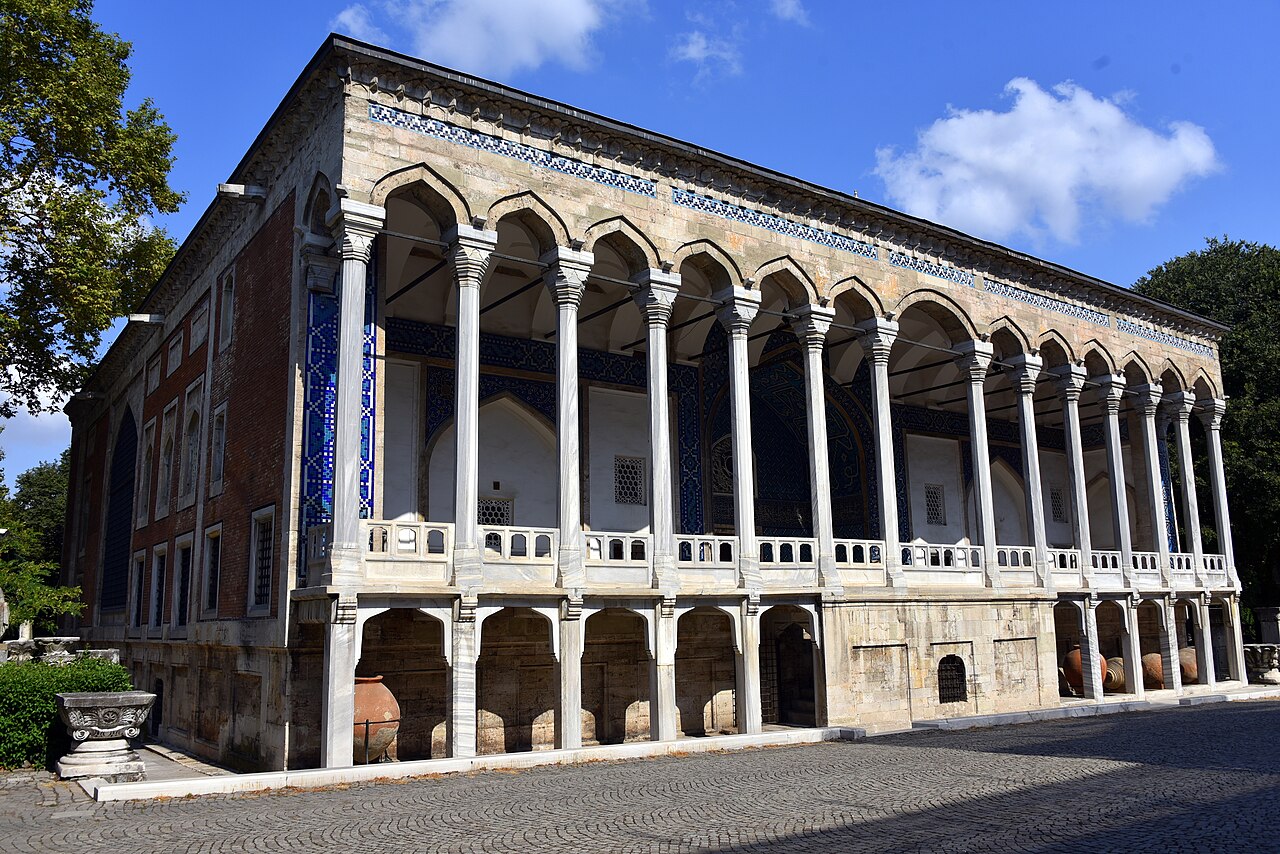
A tiled pavilion built within Topkapı Palace in 1472, commissioned by Mehmed II as a pleasure kiosk showing Persian and Central Asian influences.
Mehmed II commissioned this pavilion, reflecting his personal taste and the cultural reach of his court.
About this source
What it is
The Tiled Kiosk (Çinili Köşk) is a pavilion inside the outer walls of Topkapı Palace in Istanbul, built in 1472 for the Ottoman sultan Mehmed II. It served as a pleasure palace. Later it became part of a museum complex, and it still stands today holding a museum of Islamic art.
Why it matters
The building shows Mehmed II's wide-ranging architectural taste. Its glazed tiles and brickwork echo buildings from Central Asia and Persia rather than Byzantine styles, suggesting Mehmed brought in craftsmen and ideas from across the Islamic world after conquering Constantinople. The square plan was meant to symbolise the sultan's universal authority.
Look closer
- What do the tile patterns and colours tell you about who built this and where their inspiration came from?
- Why might a sultan who had just conquered a great Christian city choose a Persian-style building for his pleasure palace?
- What is missing from the photograph that written sources tell us about the inside of the building?
This artifact is part of the curated material that grounds the AI version of Mehmed II on Humy.ai — when students ask about related events, the AI can quote it and cite it.
More Mehmed II sources
Meet the AI Mehmed II →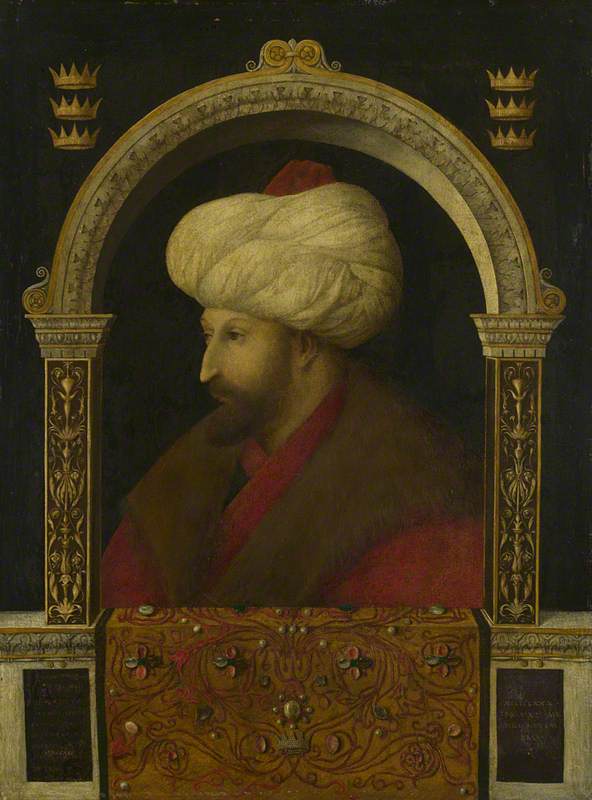 Painting
Primary source
The Sultan Mehmet II
Gentile Bellini · 1480
 Painting
Primary source
Portrait of Mehmed II Smelling a Rose
Attributed to Nakkaş Sinan Beg · c. 1480-81
 Artifact
Primary source
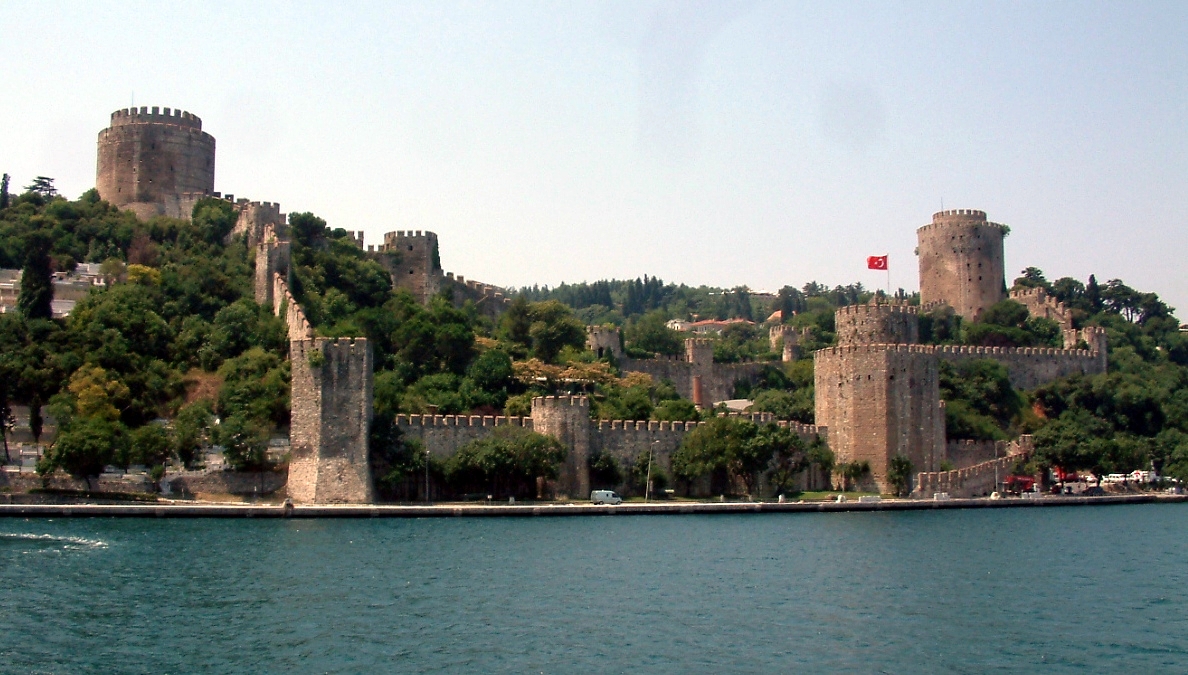
Rumeli Hisarı
1451-1452
 Artifact
Primary source
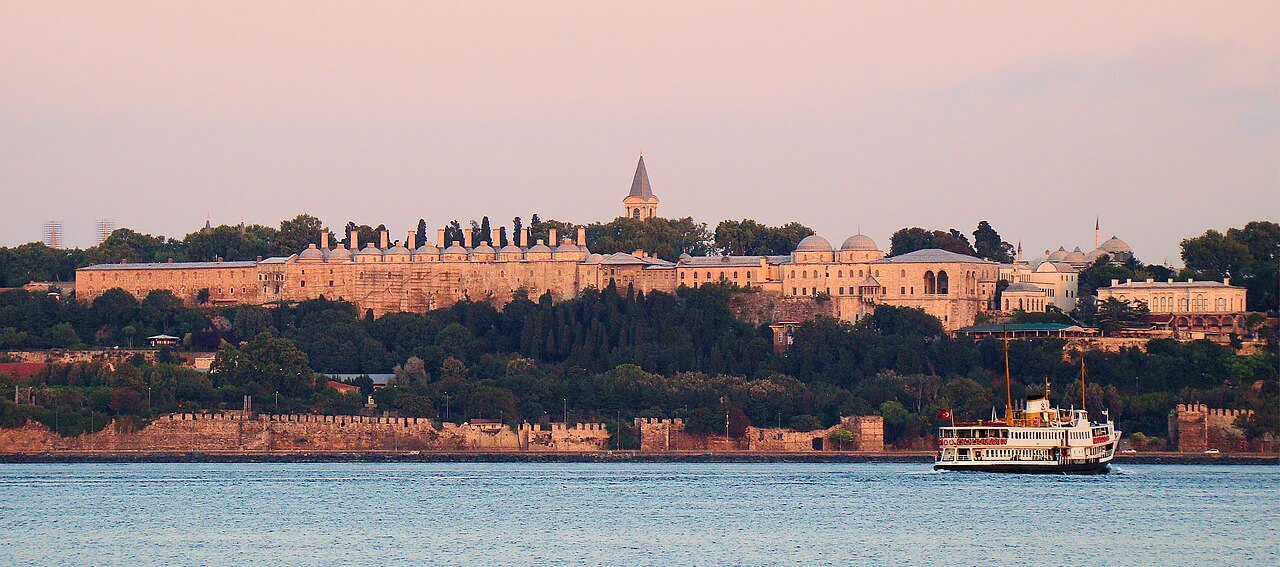
Topkapı Palace
from 1459
 Document
Primary source
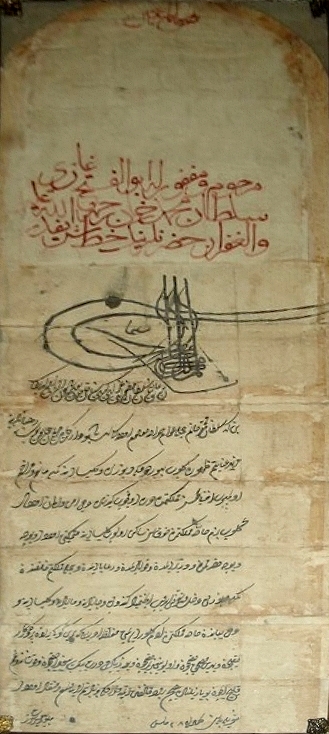
Ahdname of Fojnica
Mehmed II · 1463
Ready when you are
Start chatting with Mehmed II now.
20 messages free · No credit card · Available in 50+ languages.