


Primary sourceDocument1473
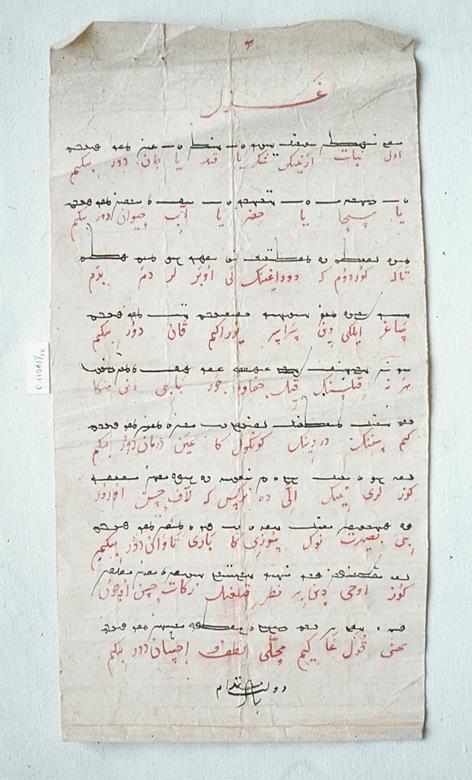
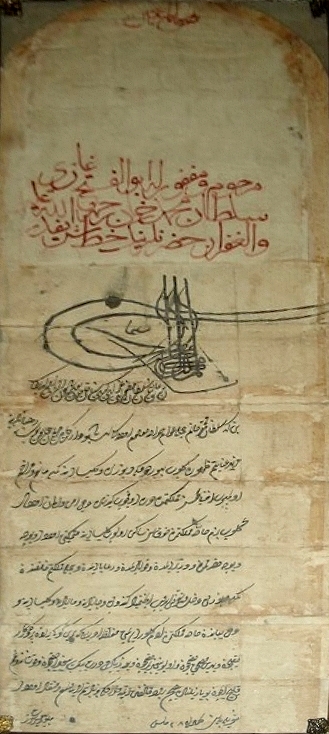
Fetihname Fatih
Abdürrezzâk Bahşı · 1473
A victory proclamation written for Mehmed II announcing his defeat of Uzun Hasan at the Battle of Otlukbeli.
This proclamation announces Mehmed II's victory over Uzun Hasan and promotes his claim to Turkic heritage.
About this source
What it is
This is a fetihname, a formal proclamation of victory, written in Chagatay using Uyghur and Arabic script by Şeyhzade Abdurrezak Bahşı, a scribe at Mehmed II's court. It announces Mehmed's defeat of the rival ruler Uzun Hasan at the Battle of Otlukbeli in 1473.
Why it matters
Fetihnames were official announcements used to spread news of military victories and strengthen the ruler's authority. The use of Uyghur script and the Chagatay Turkic language links the Ottoman court to older Central Asian Turkic traditions, showing how Mehmed's scribes connected his rule to a wider Turkic heritage.
Look closer
- Why would a sultan want a formal written announcement of a victory, rather than just word of mouth?
- What does the choice of script and language tell us about who the message was meant to impress?
- Whose voice is really speaking here — the sultan's or the scribe's?
This document is part of the curated material that grounds the AI version of Mehmed II on Humy.ai — when students ask about related events, the AI can quote it and cite it.
More Mehmed II sources
Meet the AI Mehmed II →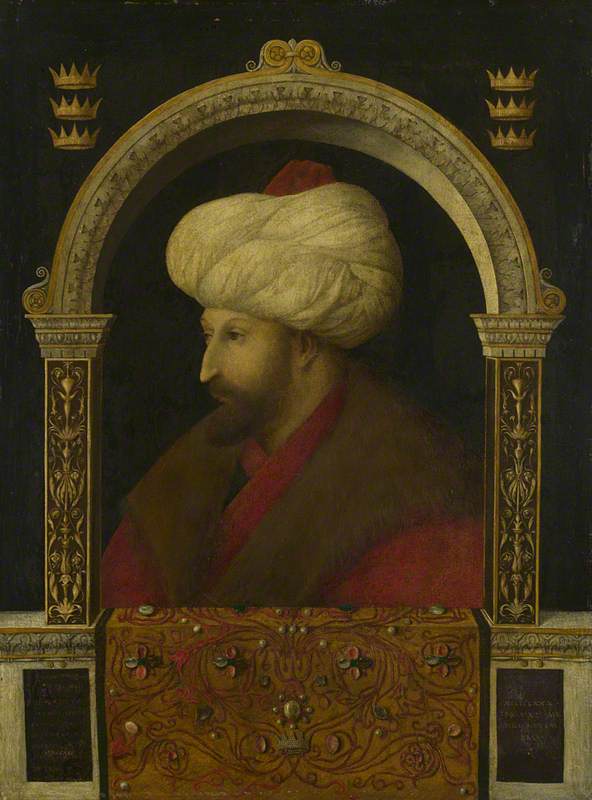 Painting
Primary source
The Sultan Mehmet II
Gentile Bellini · 1480
 Painting
Primary source
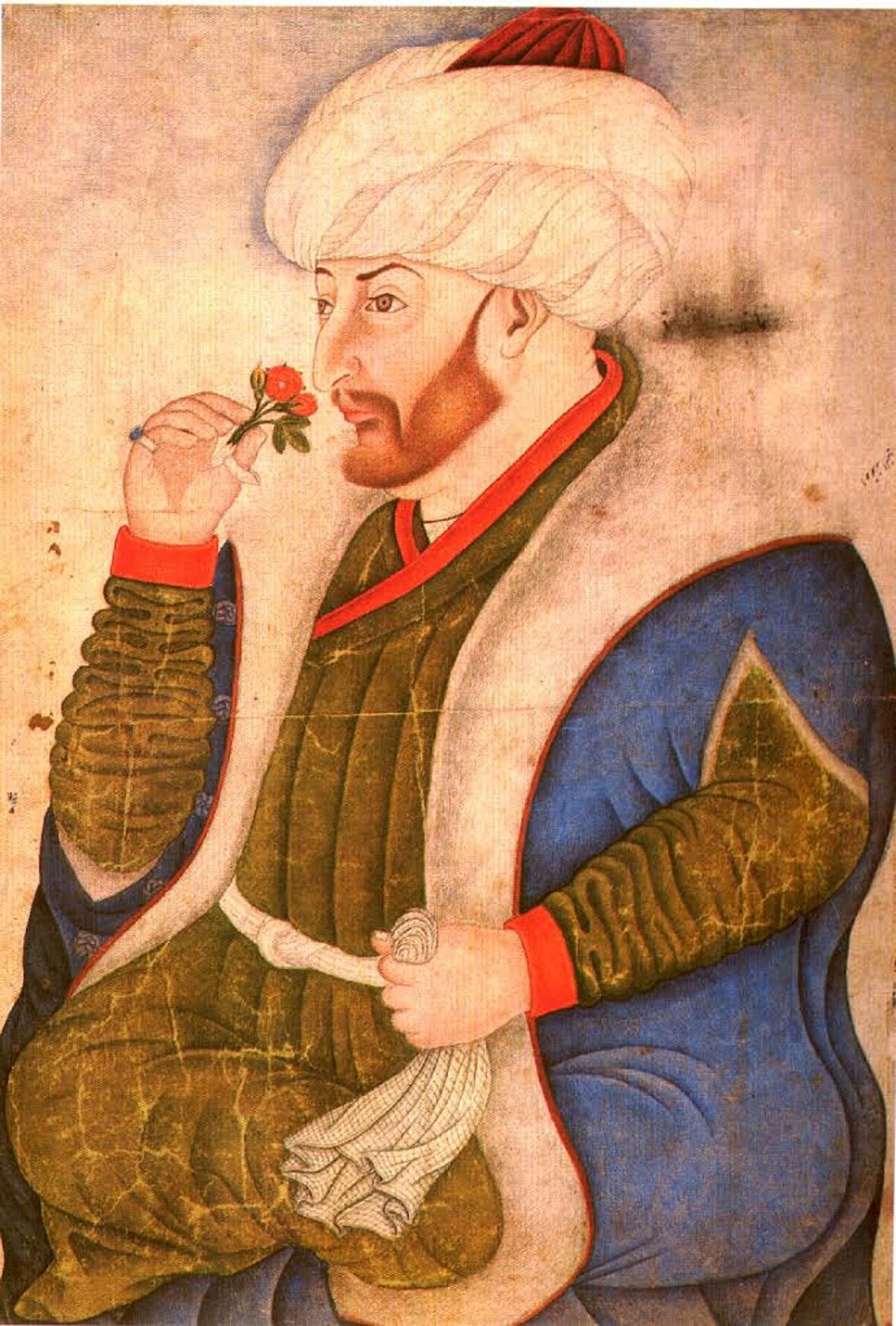
Portrait of Mehmed II Smelling a Rose
Attributed to Nakkaş Sinan Beg · c. 1480-81
 Artifact
Primary source
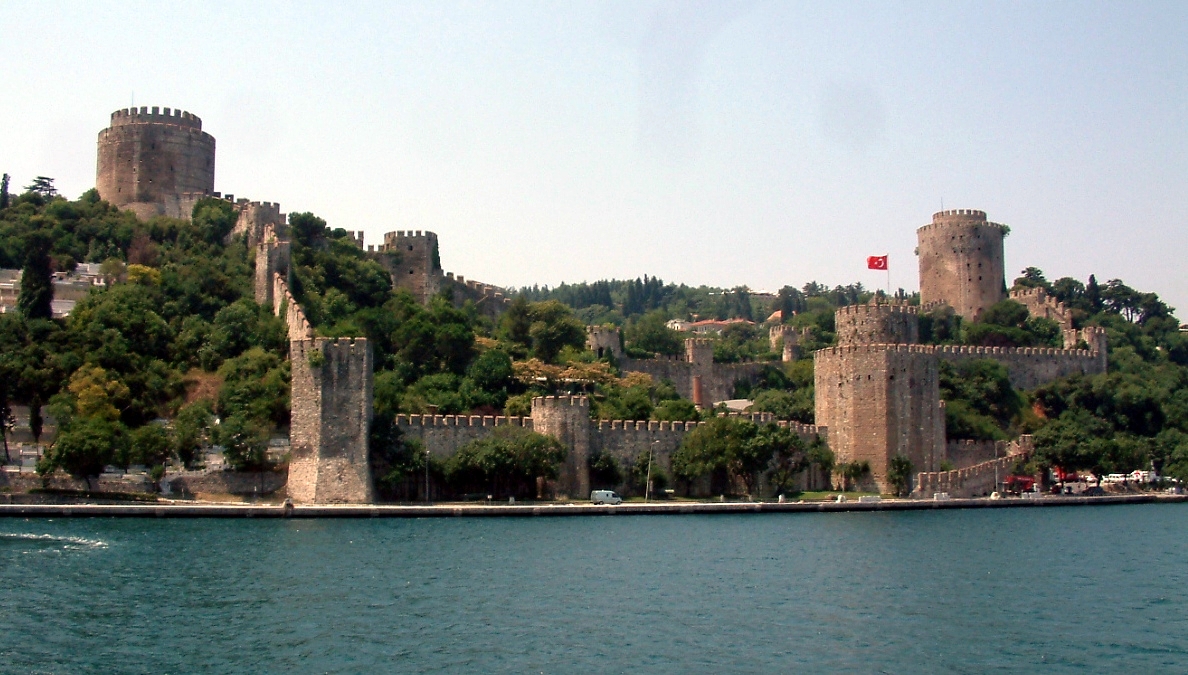
Rumeli Hisarı
1451-1452
 Artifact
Primary source
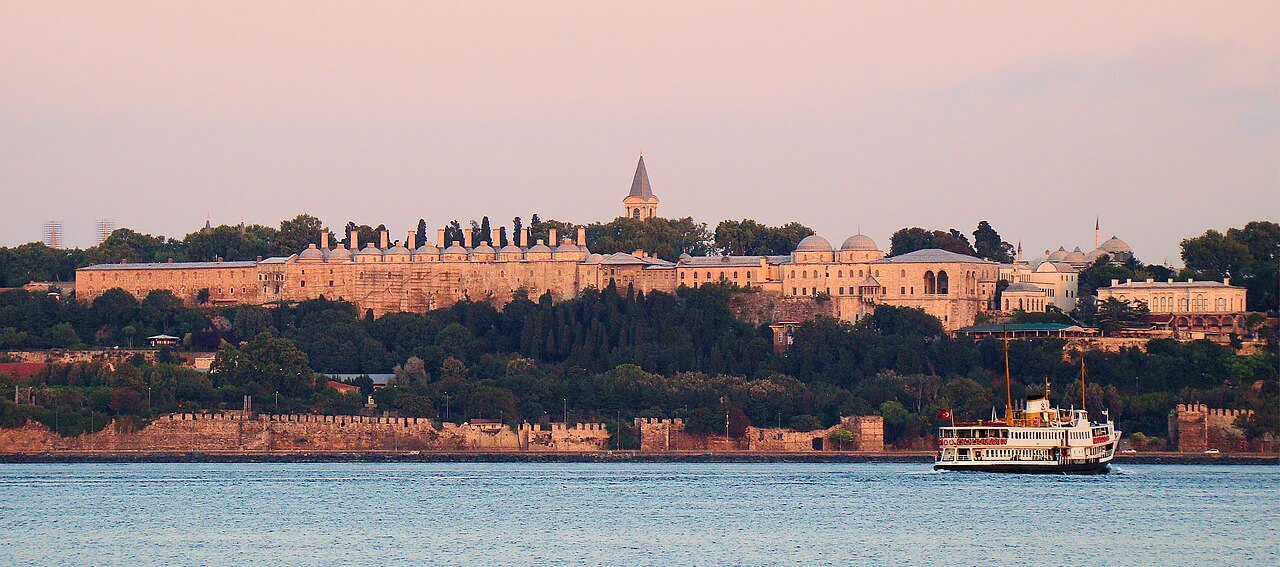
Topkapı Palace
from 1459
 Document
Primary source
Ahdname of Fojnica
Mehmed II · 1463
Ready when you are
Start chatting with Mehmed II now.
20 messages free · No credit card · Available in 50+ languages.