


Primary sourceArtifact15th century
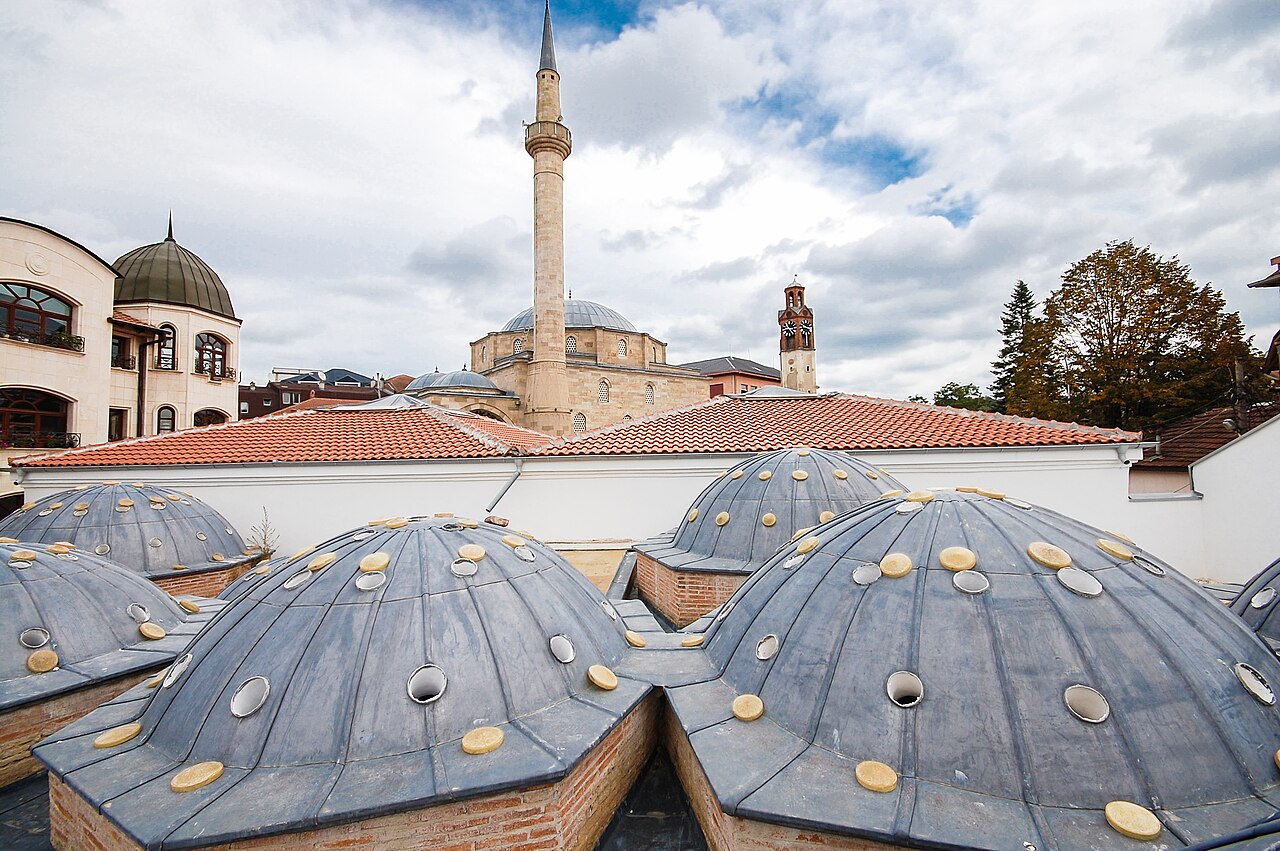
Great Hamam of Pristina
15th century
A 15th-century Ottoman bathhouse in Pristina linked to Mehmed II's mosque complex, showing Ottoman public institutions taking root in the Balkans.
Part of the mosque complex built in Mehmed II's name, this bathhouse shows Ottoman institutions spreading into Kosovo.
About this source
What it is
The Great Hammam of Pristina is an Ottoman-era bathhouse built in the second half of the 15th century as part of the complex around the Imperial Mosque, named for Sultan Mehmed II (Fatih). It is a double hammam with separate sections for men and women, featuring domed rooms with small skylights. It survives in Pristina today and has undergone restoration.
Why it matters
The hammam shows how Ottoman rule brought not just mosques but everyday civic institutions—bathhouses used for washing and socializing—into conquered cities. Local legend even claims Mehmed required the mosque's builders to wash there regularly. Its long decline and later restoration reflect how Ottoman heritage has been preserved and contested in the Balkans.
Look closer
- What does the existence of a public bathhouse tell us about daily life under Ottoman rule?
- Why might this building have been damaged and neglected over the centuries?
- How does restoring old buildings like this shape how people remember history today?
This artifact is part of the curated material that grounds the AI version of Mehmed II on Humy.ai — when students ask about related events, the AI can quote it and cite it.
More Mehmed II sources
Meet the AI Mehmed II →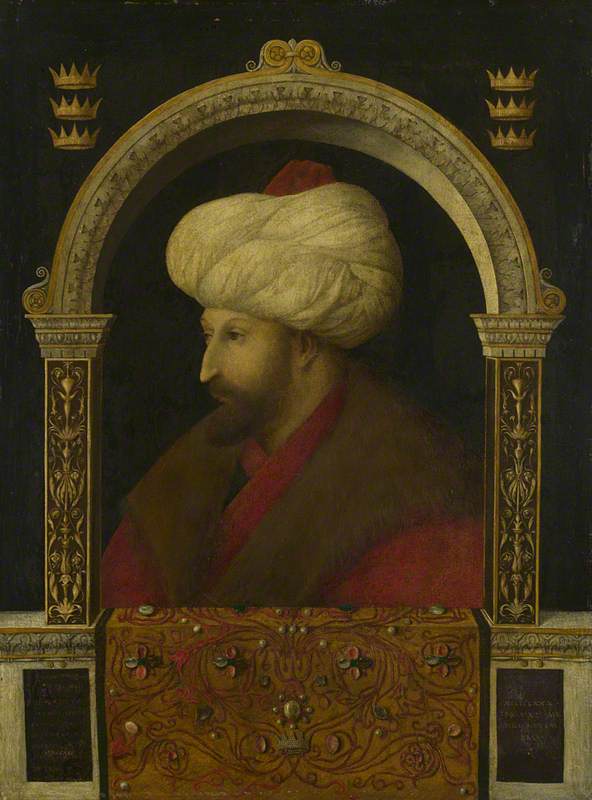 Painting
Primary source
The Sultan Mehmet II
Gentile Bellini · 1480
 Painting
Primary source
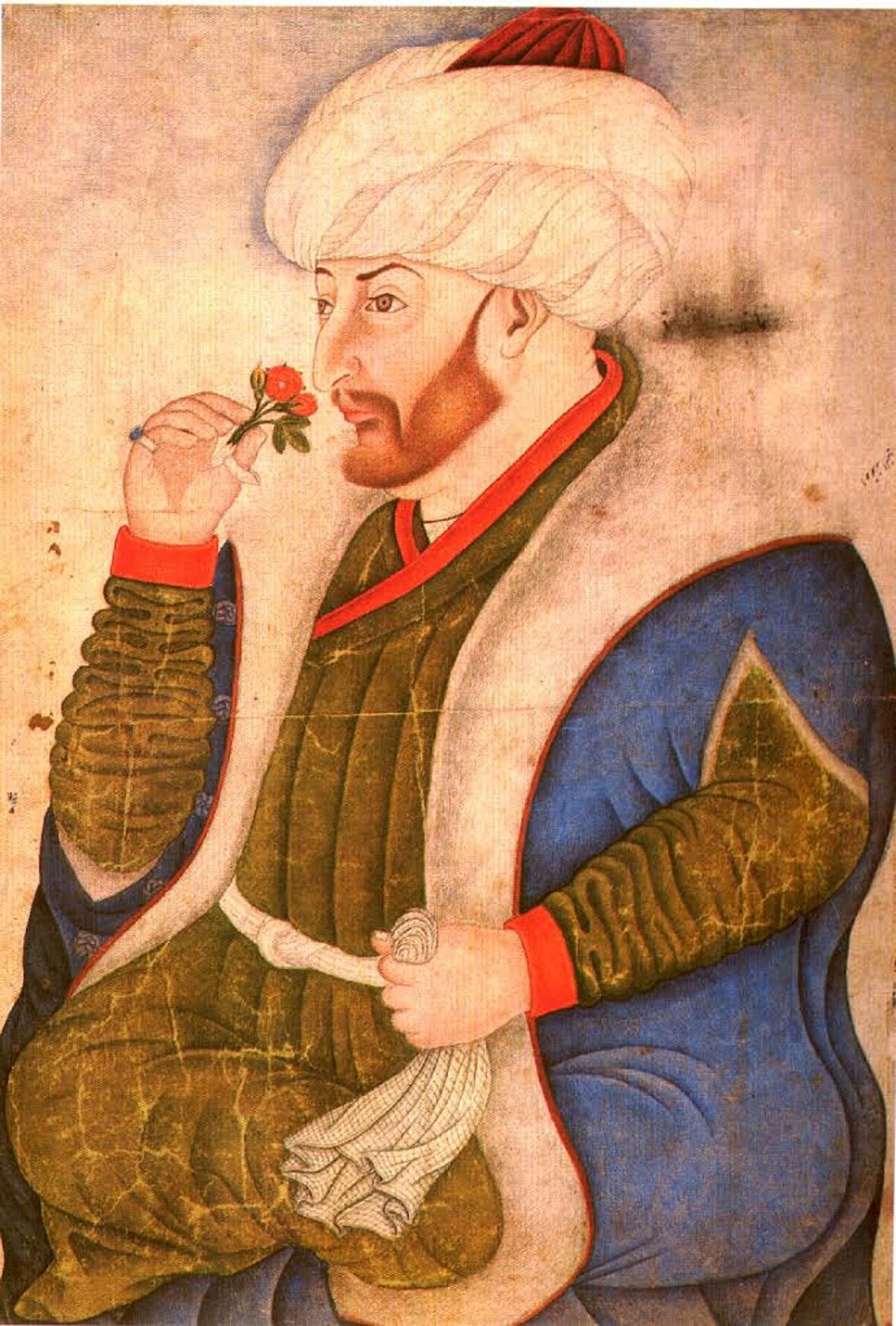
Portrait of Mehmed II Smelling a Rose
Attributed to Nakkaş Sinan Beg · c. 1480-81
 Artifact
Primary source
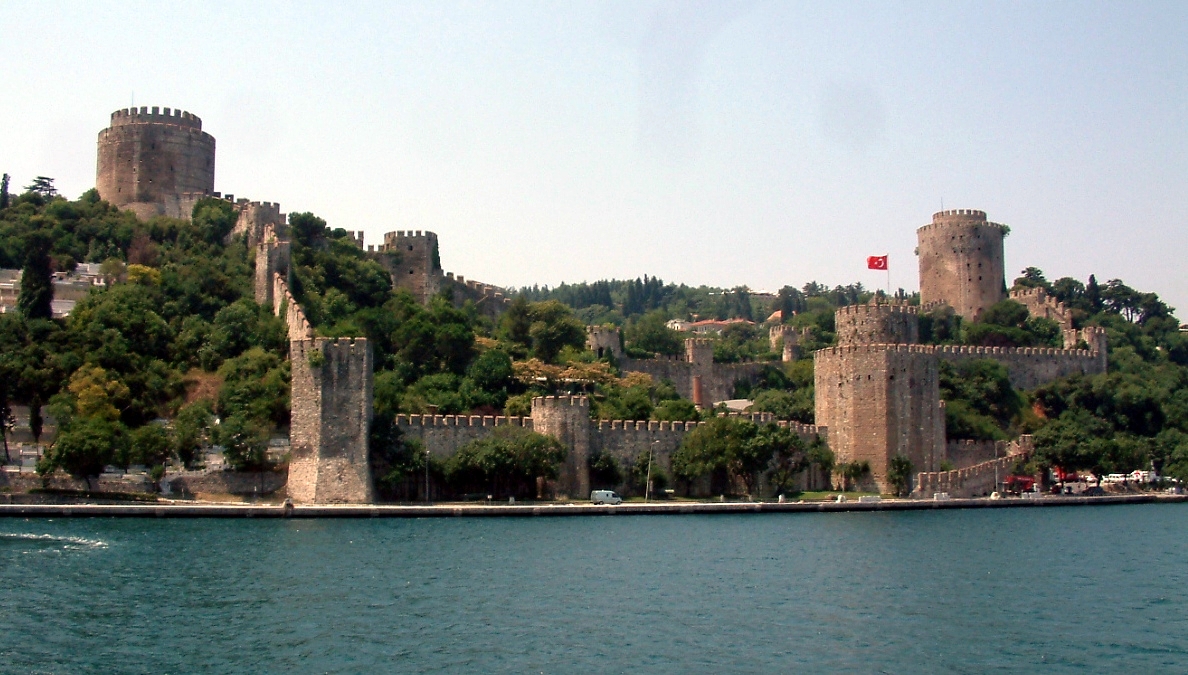
Rumeli Hisarı
1451-1452
 Artifact
Primary source
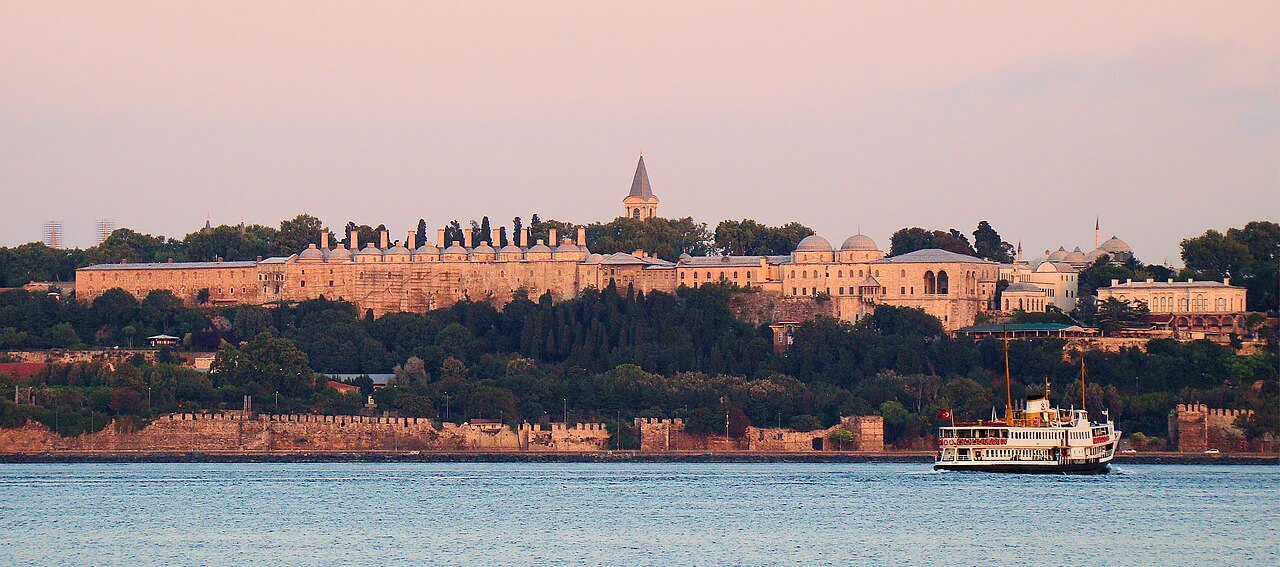
Topkapı Palace
from 1459
 Document
Primary source
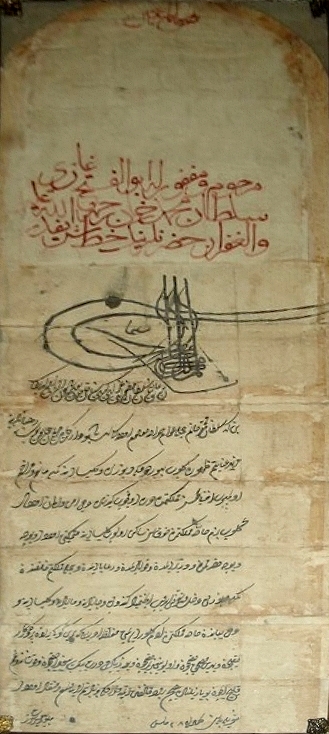
Ahdname of Fojnica
Mehmed II · 1463
Ready when you are
Start chatting with Mehmed II now.
20 messages free · No credit card · Available in 50+ languages.