


Secondary sourceArtifact532-537 CE
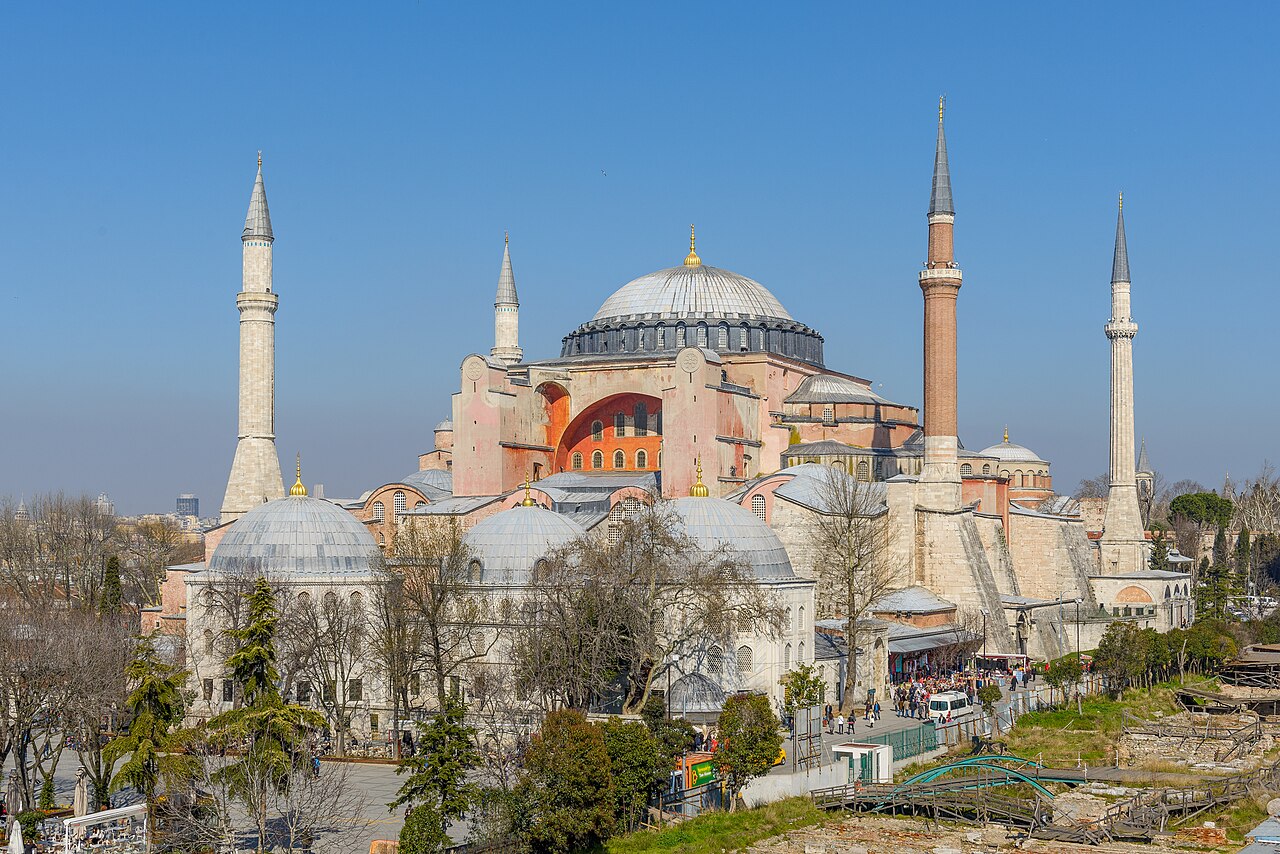
Hagia Sophia
Isidore of Miletus and Anthemius of Tralles · 532-537 CE
The great domed church-turned-mosque of Constantinople, which Ibn Battuta viewed from outside during his visit to the city with a Byzantine princess.
Ibn Battuta described Hagia Sophia from outside during his visit to Constantinople, a rare Muslim eyewitness account of Byzantium.
About this source
What it is
Hagia Sophia is a huge domed building in Istanbul, built as a Christian church under the Byzantine emperor Justinian I in the 6th century. It later became a mosque and still stands today.
Why it matters
For centuries it was the largest church in the world and a symbol of Byzantine power. When Ibn Battuta travelled to Constantinople, he saw it from outside as a Muslim visitor, giving a rare outsider's description of this famous Christian building before it became a mosque after the Ottoman conquest.
Look closer
- Why might a Muslim traveller only describe the outside of a church he could not enter?
- What does the building's long history as church, mosque, and museum tell you about changing rulers in the region?
- What is missing from a traveller's account compared to seeing the building yourself?
This artifact is part of the curated material that grounds the AI version of Ibn Battuta, Justinian I and Mehmed II on Humy.ai — when students ask about related events, the AI can quote it and cite it.
More Ibn Battuta sources
Meet the AI Ibn Battuta →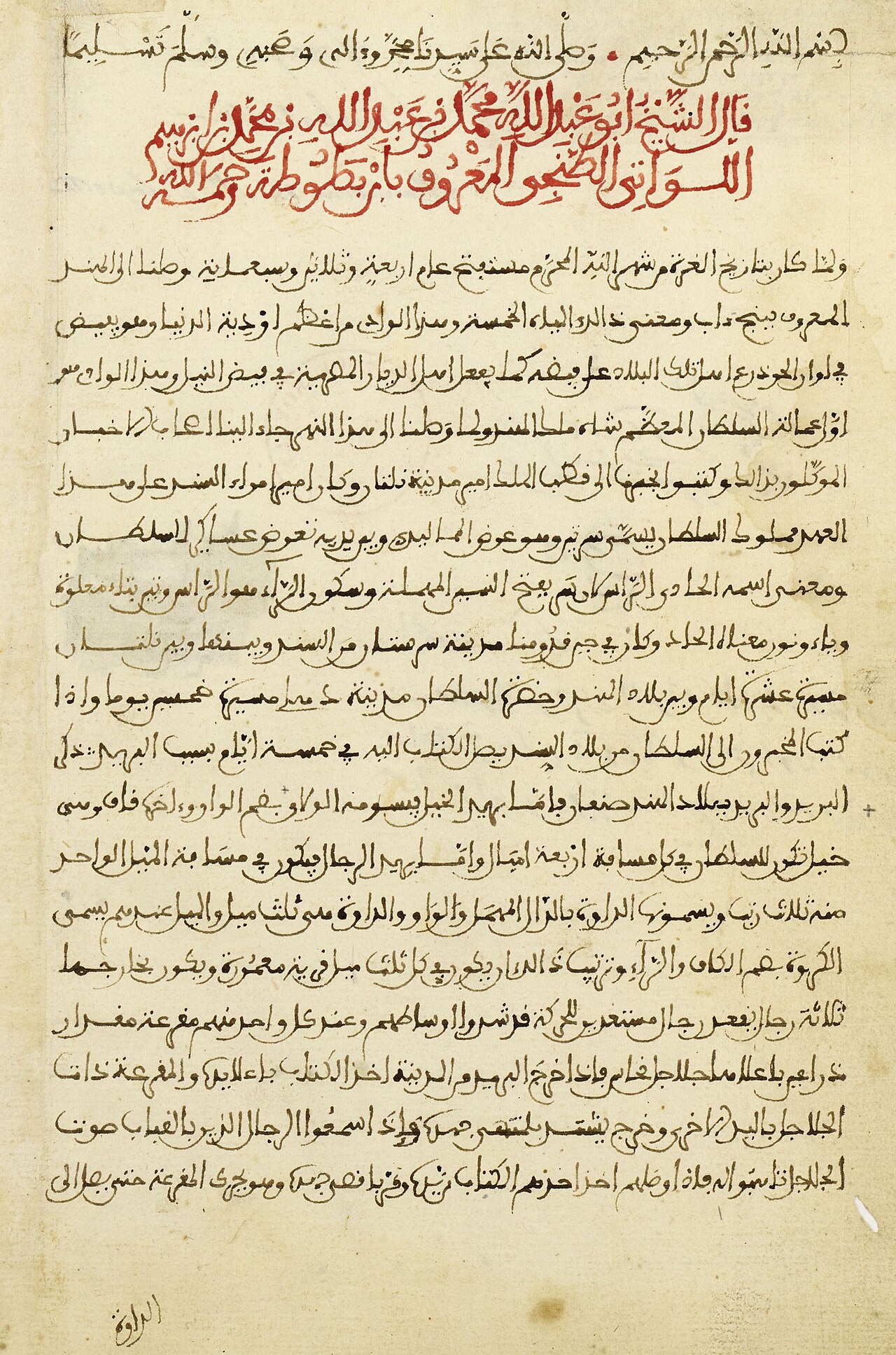 Book
Primary source
The Rihla
Ibn Battuta · 1354-1356
 Book
Primary source
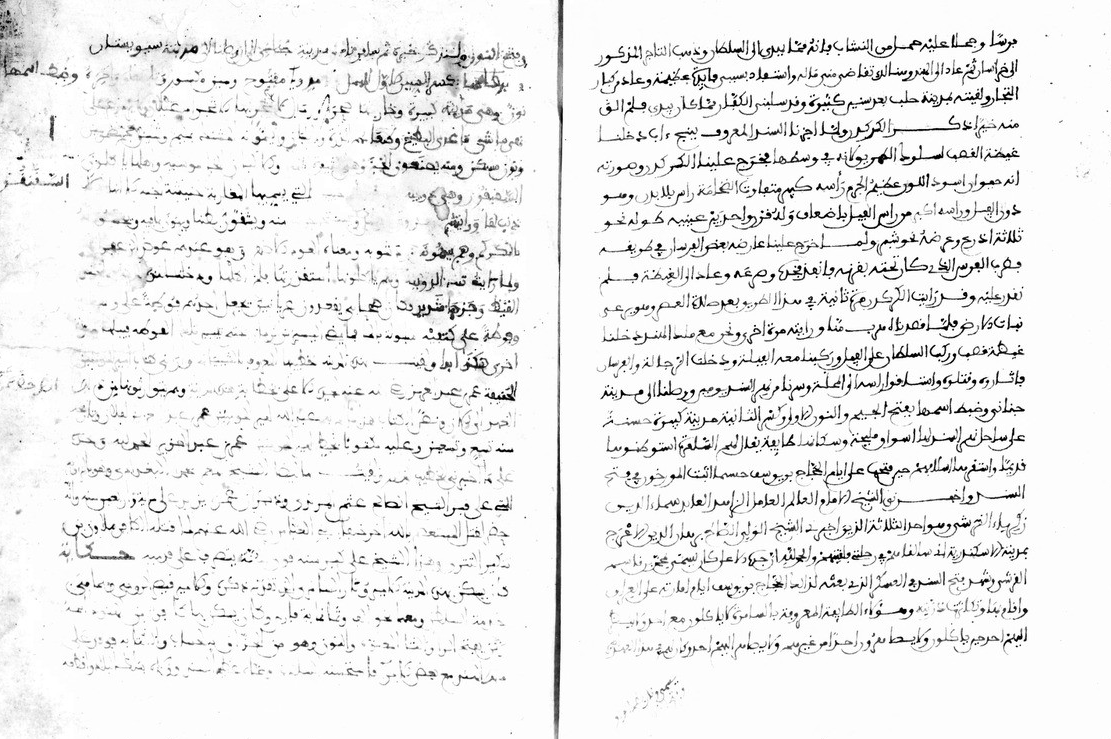
Manuscript of the Rihla by Ibn Juzayy
Ibn Juzayy · 14th century
 Artifact
Secondary source
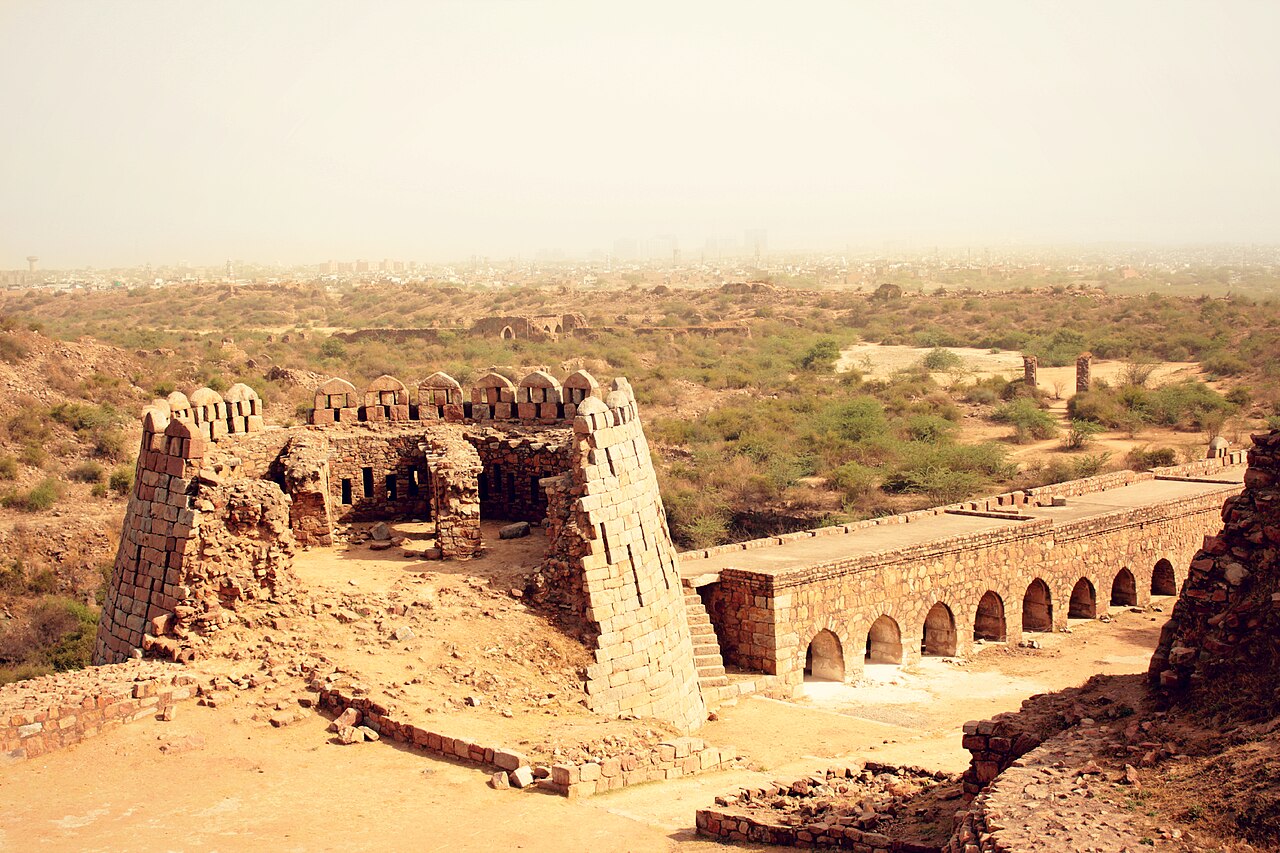
Tughlaqabad Fort
Ghiyath al-Din Tughluq · 1321
 Book
Secondary source
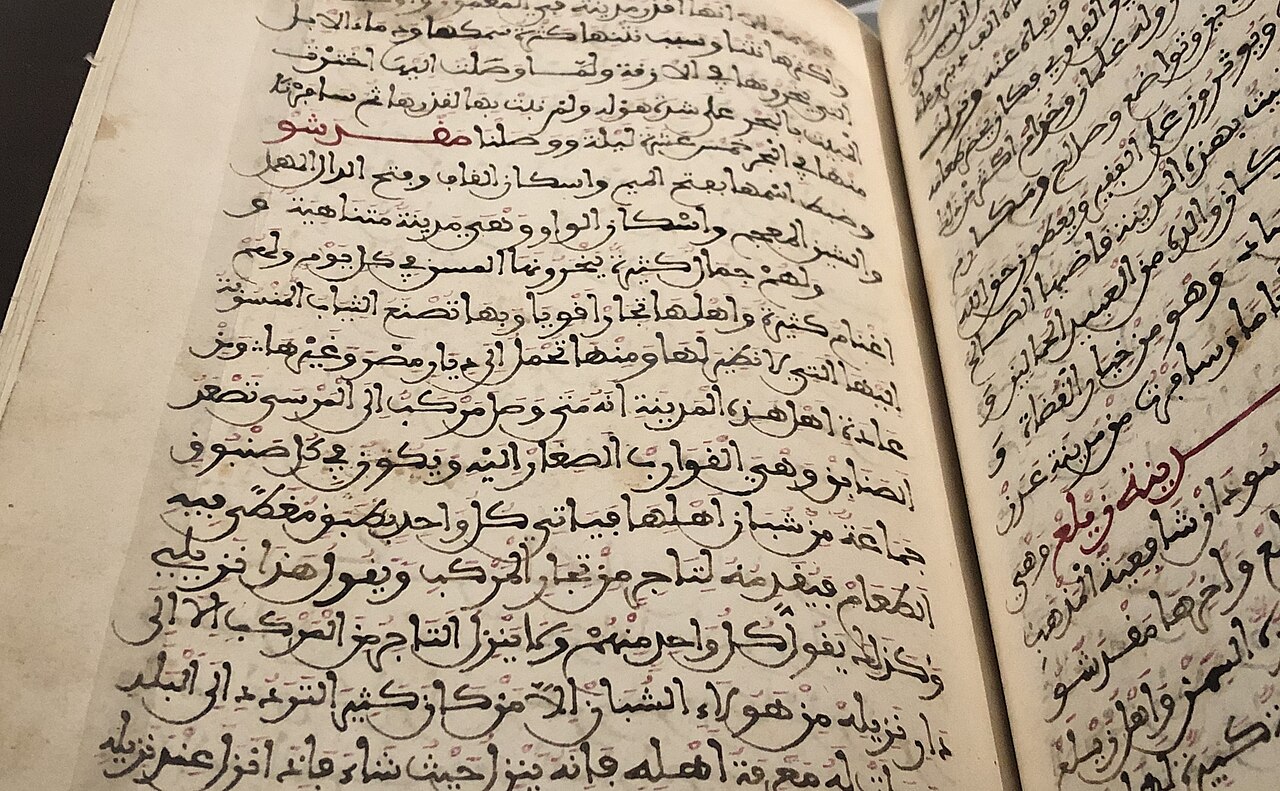
Manuscript copy of the Rihla (1484)
Ibn Juzayy · 1484
 Painting
Primary source
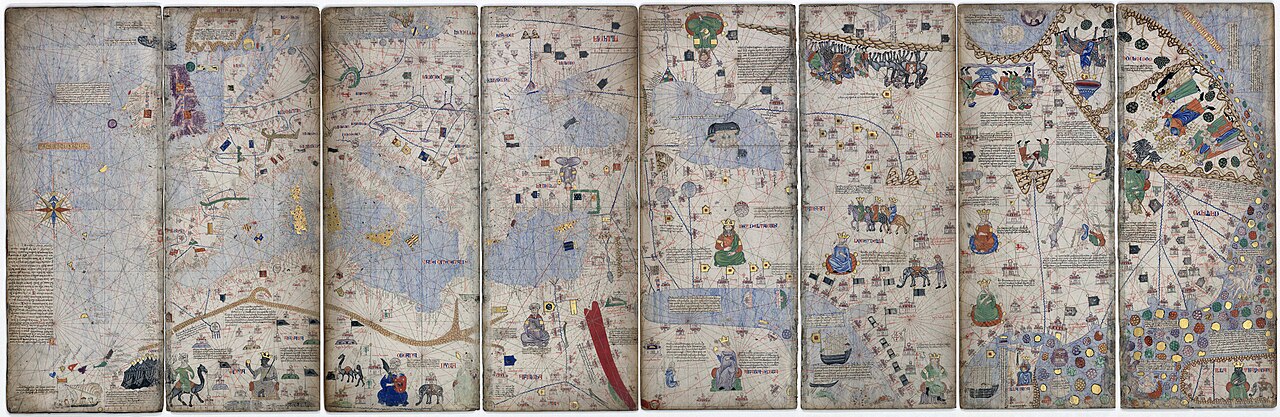
Catalan Atlas
Cresques Abraham · c. 1375
Ready when you are
Start chatting with Ibn Battuta now.
20 messages free · No credit card · Available in 50+ languages.