


Secondary sourcePaintingearly 16th century
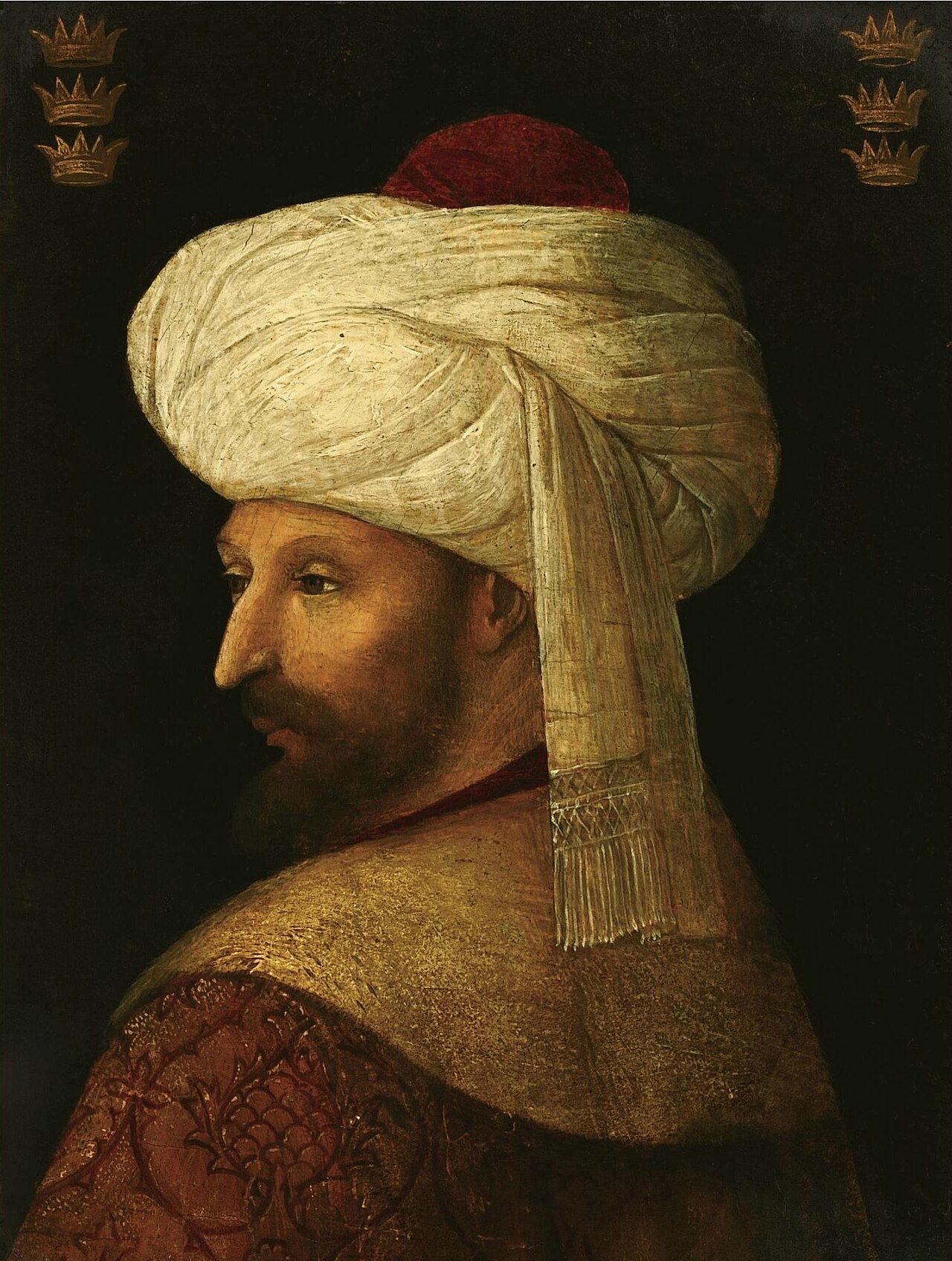
Sultan Mehmed II the Conqueror
A follower of Gentile Bellini · early 16th century
An early 16th-century painted profile portrait of Mehmed II made by a follower of the Venetian painter Gentile Bellini.
Shows how European artists connected to Bellini's workshop, who had direct links to Mehmed's court, pictured the sultan.
About this source
What it is
This painting shows Mehmed II in profile, wearing a large turban and a fur-collared red garment, with three gold crowns in the corners. It was made in the early 16th century by a follower of Gentile Bellini, the Venetian painter who had worked at Mehmed's own court.
Why it matters
Bellini's circle produced some of the most influential European images of Mehmed II, shaping how later generations in the West pictured the Ottoman sultan. The three crowns likely symbolise the lands he claimed to rule, showing how Europeans understood his power.
Look closer
- Why might the artist choose a side profile rather than a front view?
- What do the crowns in the corners suggest about how the painter wanted viewers to see Mehmed?
- How might this image differ from how Mehmed was shown in Ottoman art of the same period?
This painting is part of the curated material that grounds the AI version of Mehmed II on Humy.ai — when students ask about related events, the AI can quote it and cite it.
More Mehmed II sources
Meet the AI Mehmed II →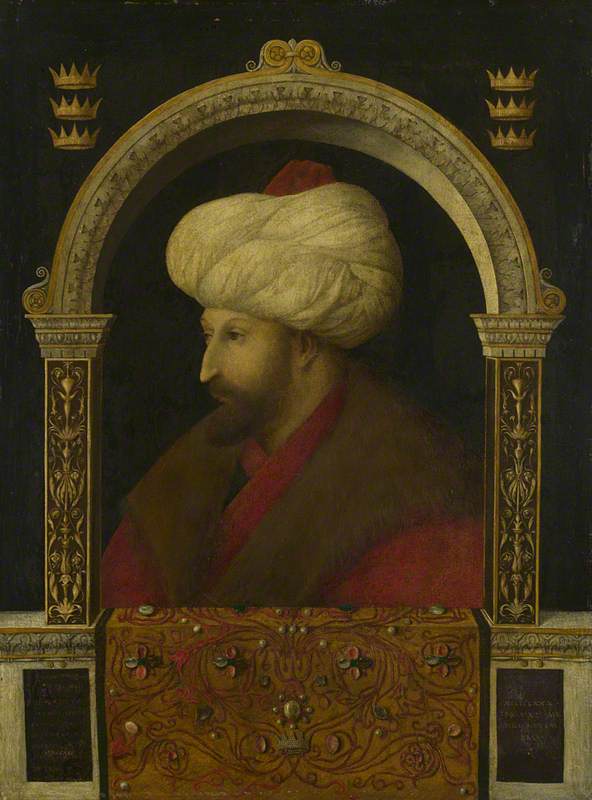 Painting
Primary source
The Sultan Mehmet II
Gentile Bellini · 1480
 Painting
Primary source
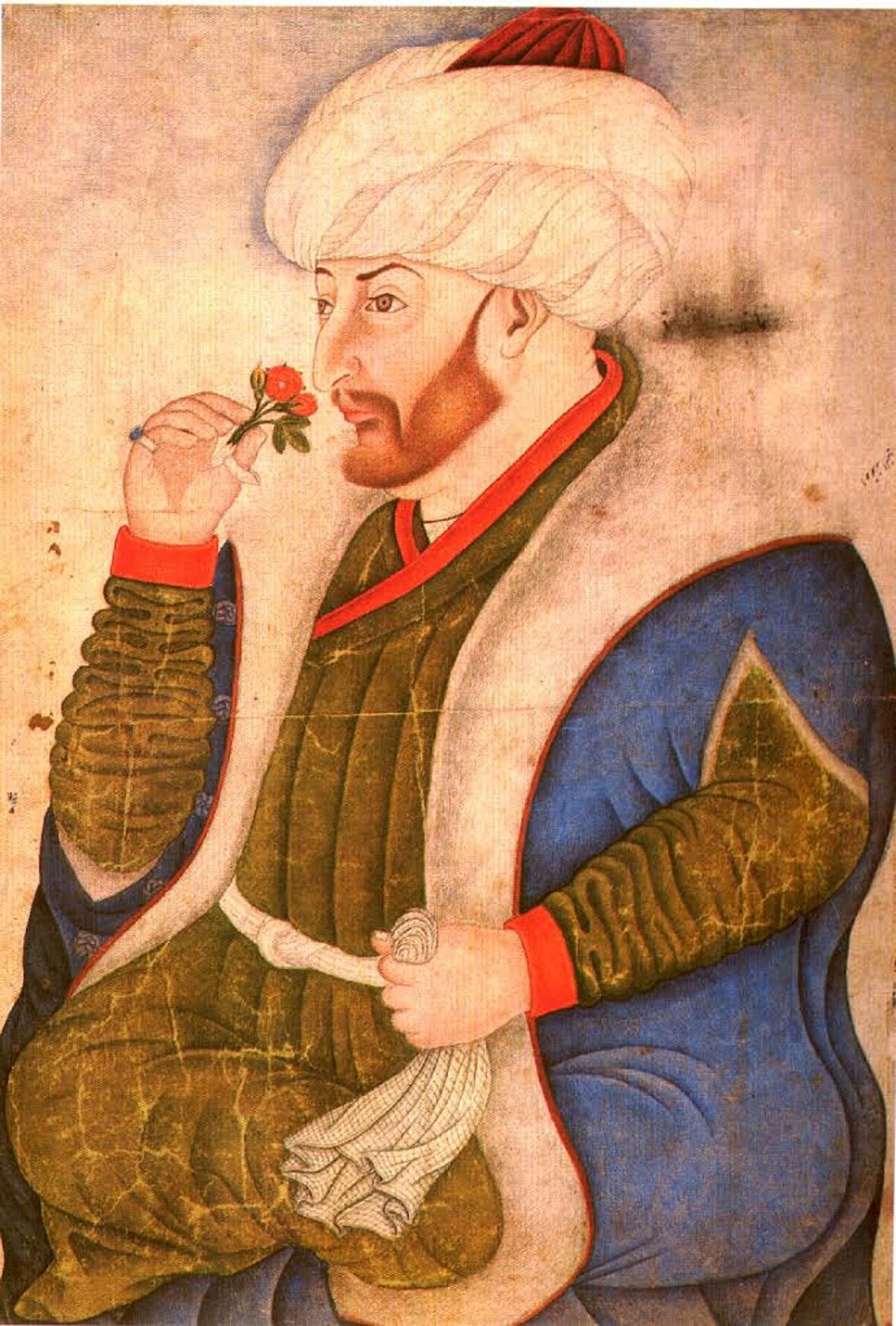
Portrait of Mehmed II Smelling a Rose
Attributed to Nakkaş Sinan Beg · c. 1480-81
 Artifact
Primary source
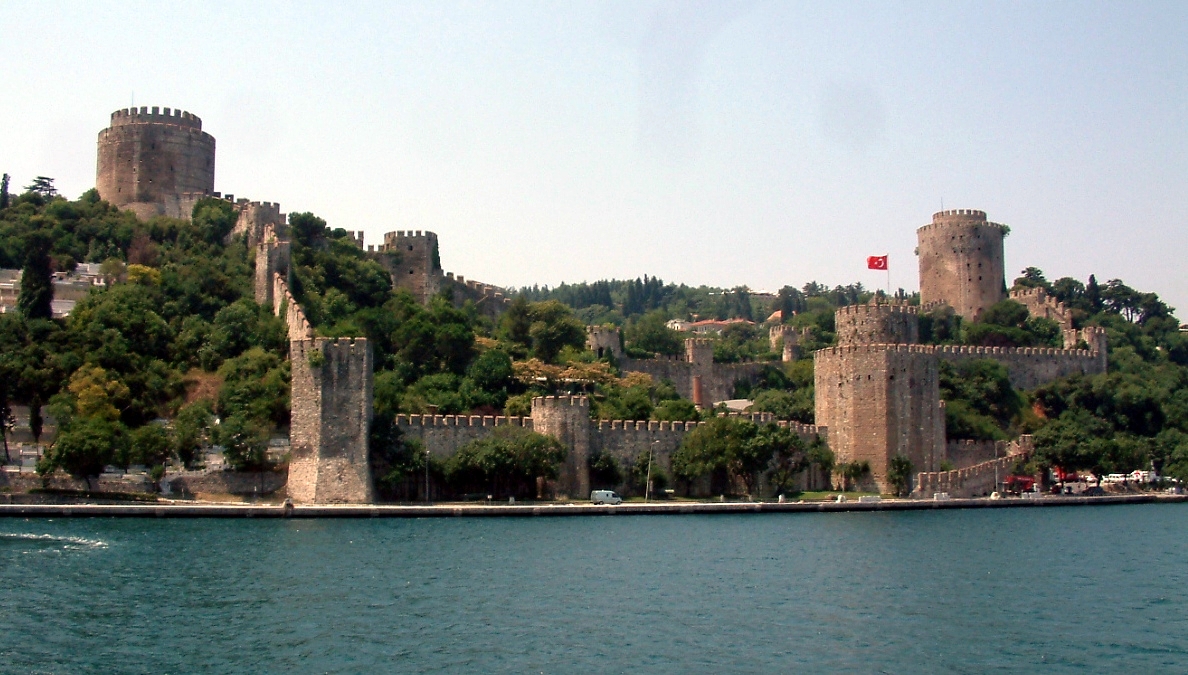
Rumeli Hisarı
1451-1452
 Artifact
Primary source
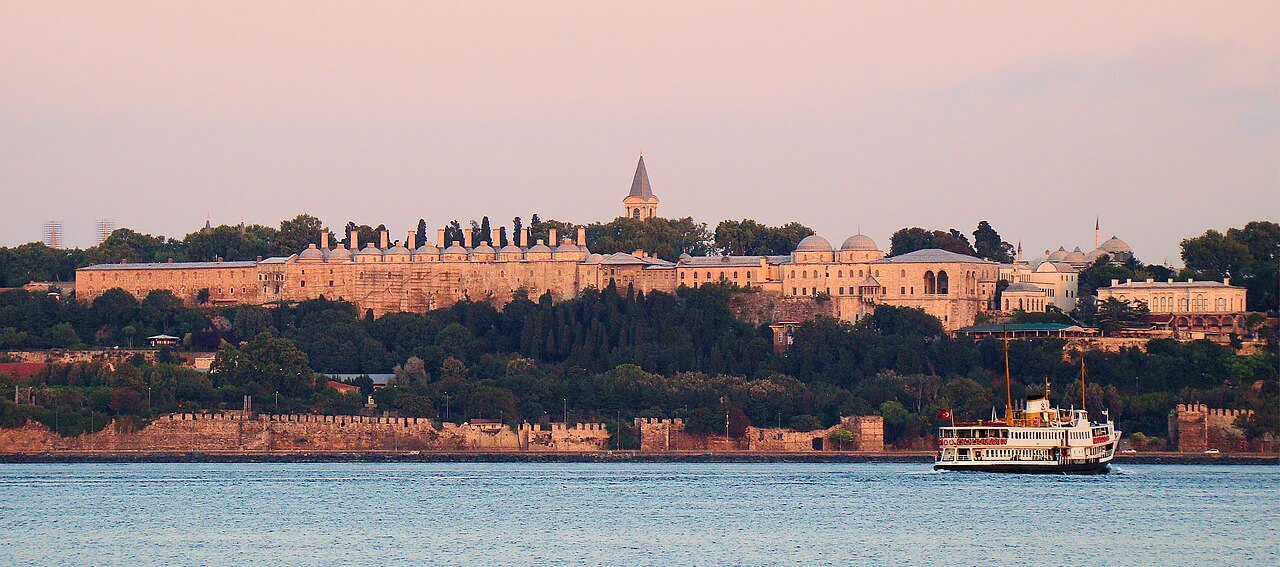
Topkapı Palace
from 1459
 Document
Primary source
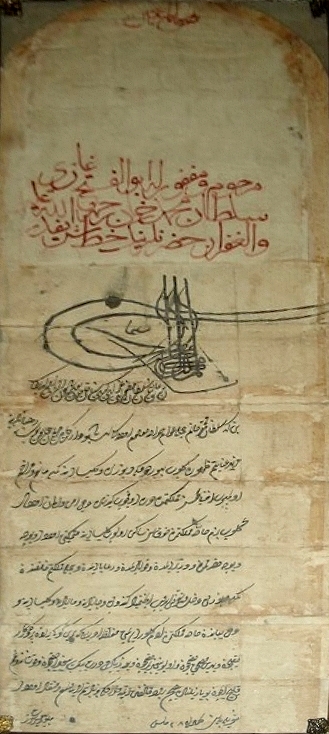
Ahdname of Fojnica
Mehmed II · 1463
Ready when you are
Start chatting with Mehmed II now.
20 messages free · No credit card · Available in 50+ languages.