


Secondary sourceArtifact1455
Grand Bazaar
1455
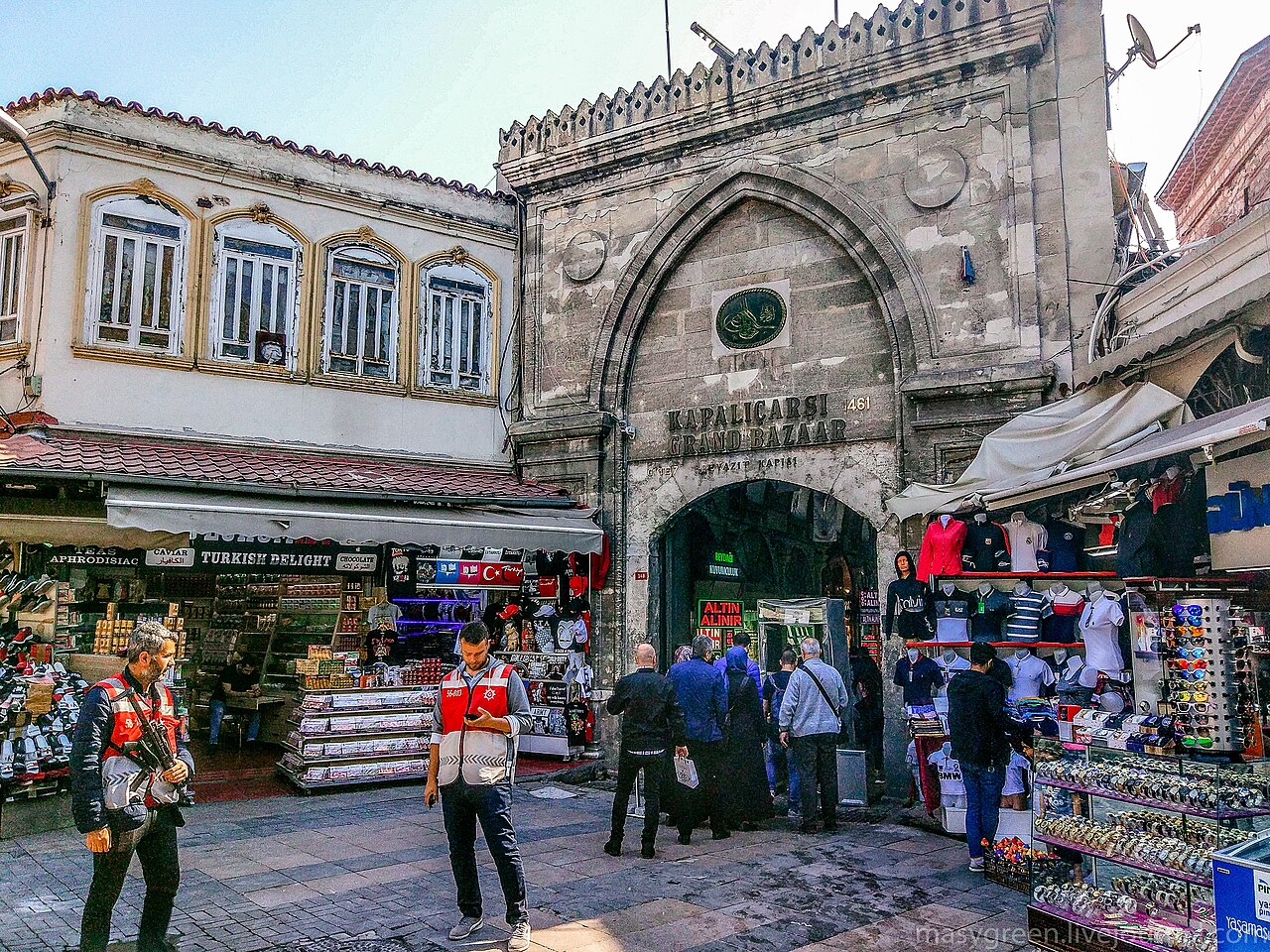
Istanbul's great covered market, which grew around a trading hall founded by Mehmed II to fund the upkeep of Hagia Sophia.
Mehmed II founded the original trading hall that grew into the Grand Bazaar, part of his economic revival of Istanbul.
About this source
What it is
The Grand Bazaar is one of the largest covered markets in the world. Its core, the Cevâhir Bedesten, was built starting in 1455 on the order of Sultan Mehmed II for trading textiles and jewels, and its income was dedicated to supporting the Hagia Sophia mosque. Over the following centuries the market grew around it into the vast complex seen today.
Why it matters
The bazaar shows Mehmed's effort to revive Constantinople's economy after its conquest, encouraging trade and commerce in his new capital. Markets like this became central hubs connecting trade routes across Europe and Asia, and the bazaar remains one of the world's most visited sites, showing the long-lasting impact of Mehmed's building projects.
Look closer
- Why might a sultan link a trading hall's profits to the upkeep of a mosque?
- What does the bazaar's growth over centuries tell us about how cities and buildings change over time?
- What would a visitor today see that Mehmed himself never could have imagined?
This artifact is part of the curated material that grounds the AI version of Mehmed II on Humy.ai — when students ask about related events, the AI can quote it and cite it.
More Mehmed II sources
Meet the AI Mehmed II →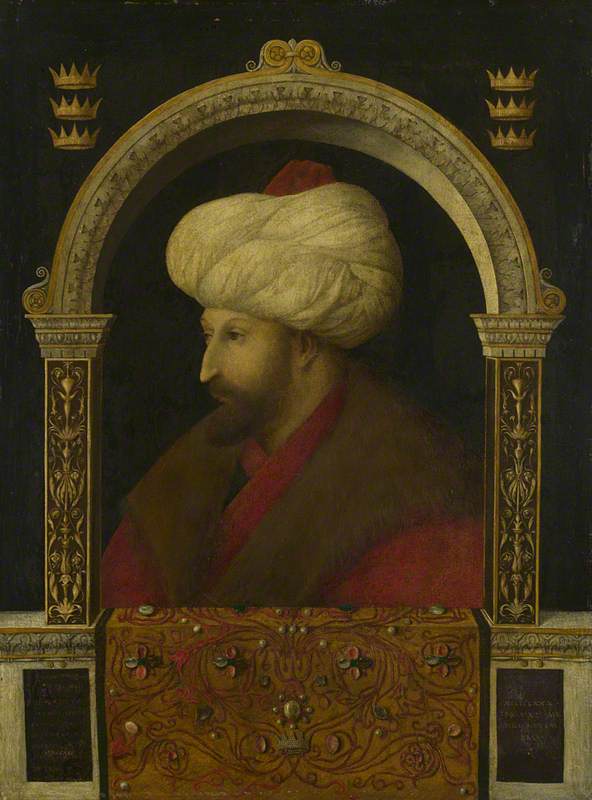 Painting
Primary source
The Sultan Mehmet II
Gentile Bellini · 1480
 Painting
Primary source
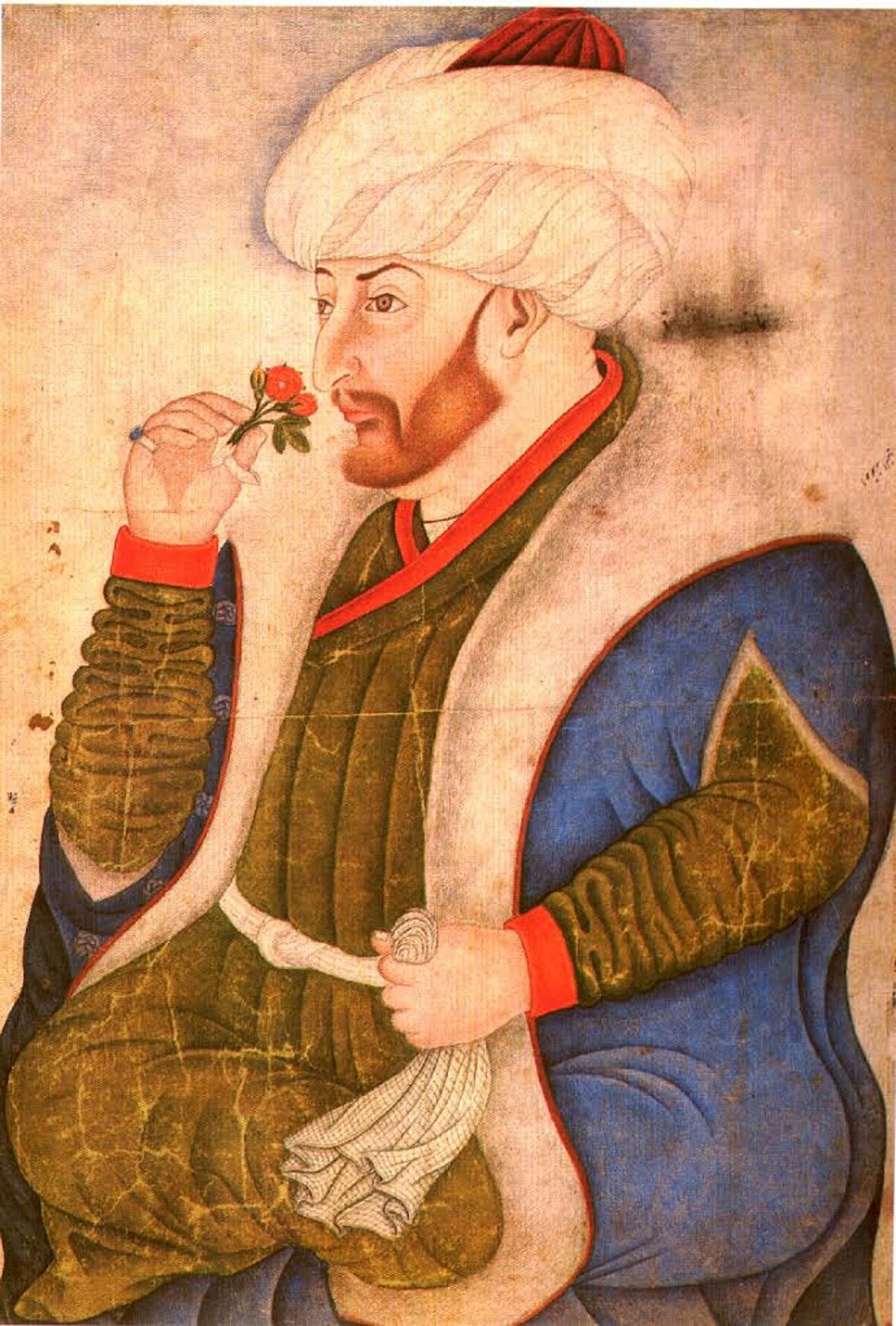
Portrait of Mehmed II Smelling a Rose
Attributed to Nakkaş Sinan Beg · c. 1480-81
 Artifact
Primary source
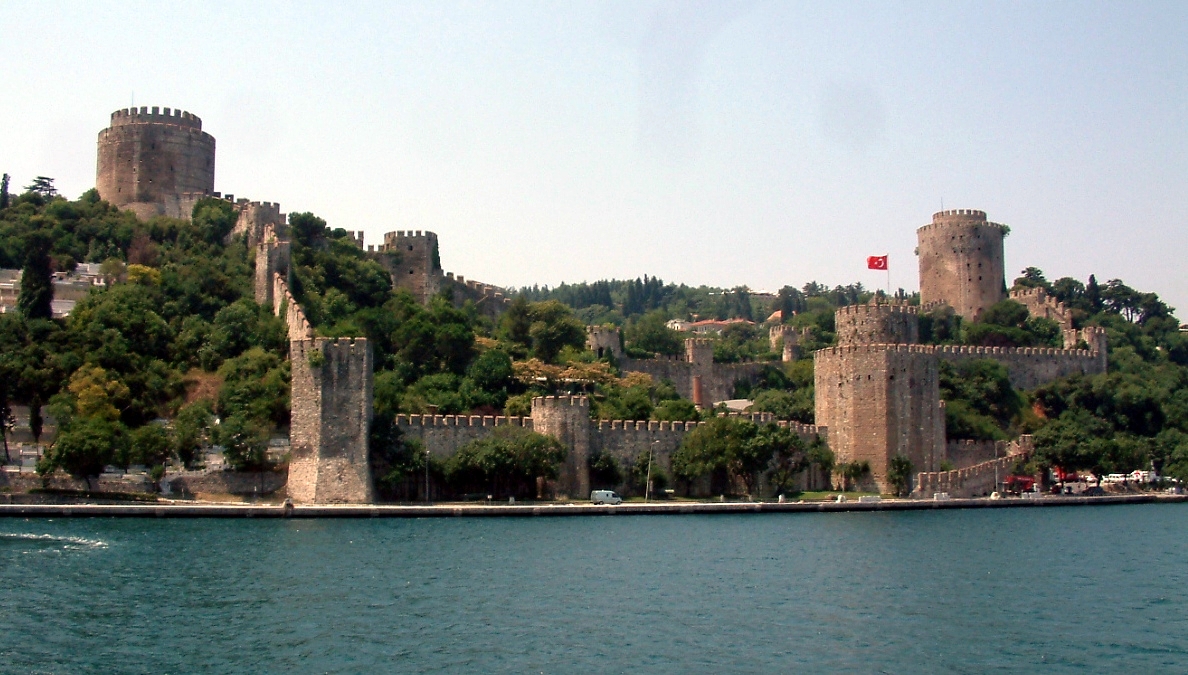
Rumeli Hisarı
1451-1452
 Artifact
Primary source
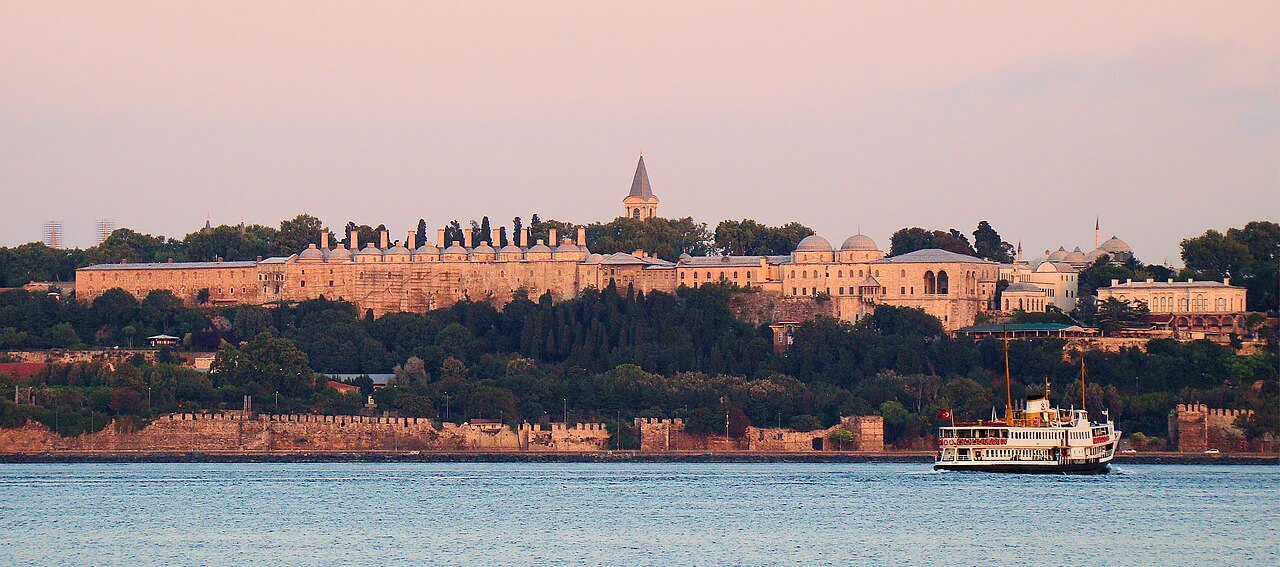
Topkapı Palace
from 1459
 Document
Primary source
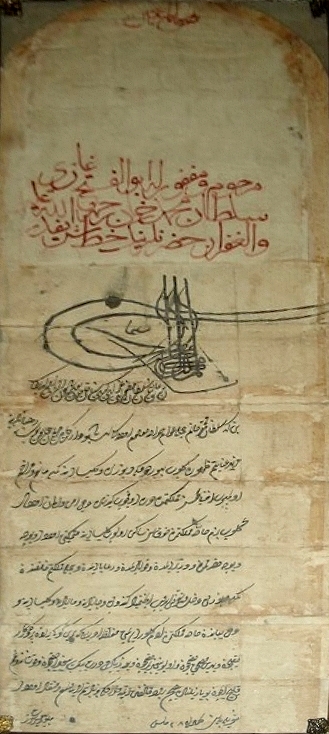
Ahdname of Fojnica
Mehmed II · 1463
Ready when you are
Start chatting with Mehmed II now.
20 messages free · No credit card · Available in 50+ languages.