


Secondary sourcePainting1734
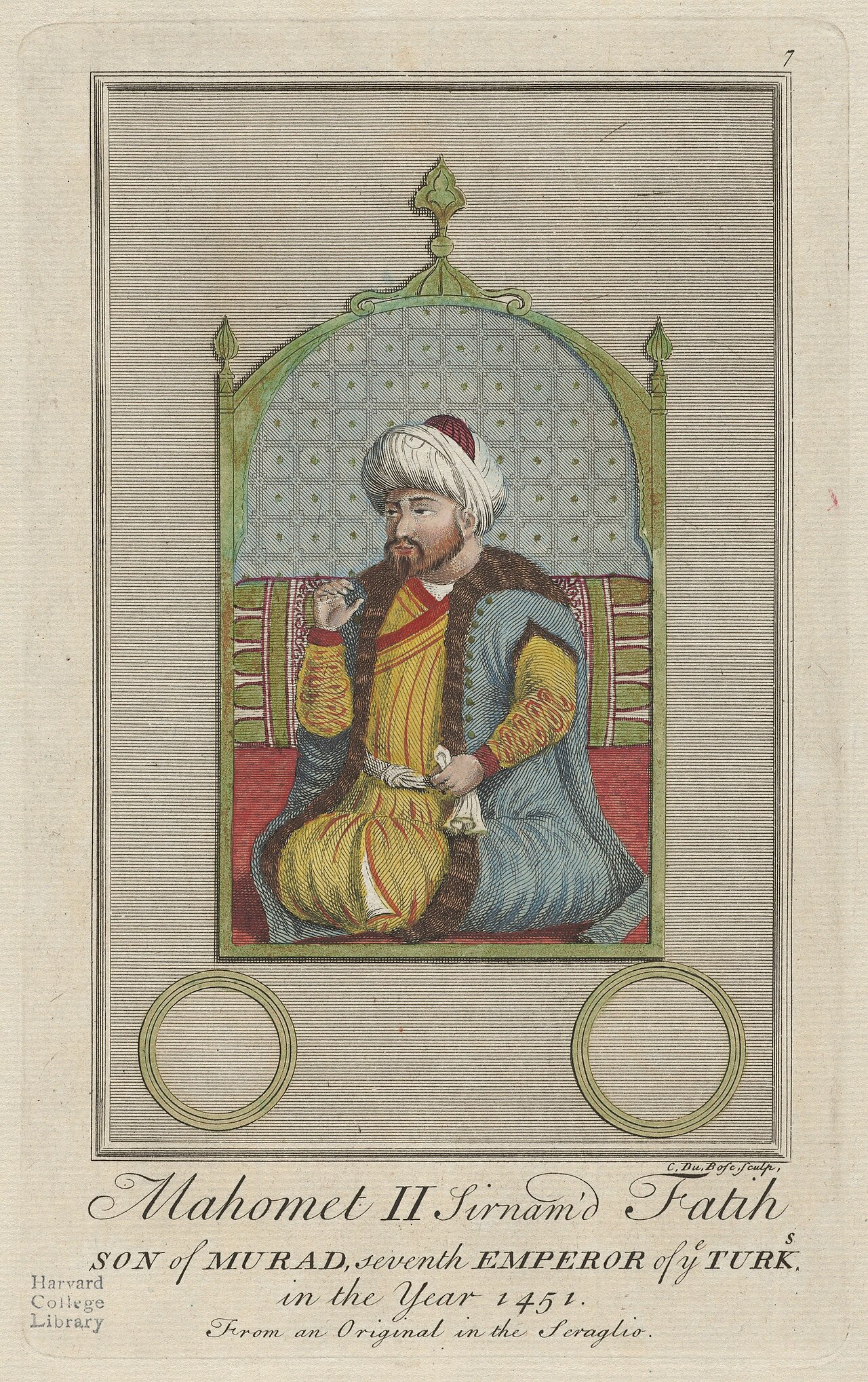
Portrait of Mahomet II from Cantemir's History of the Othman Empire
Claude du Bosc · 1734
An imagined 1734 engraved portrait of Mehmed II, made for a European history of the Ottoman Empire.
An imagined later likeness of Mehmed II made to illustrate a European history of the Ottoman Empire.
About this source
What it is
This hand-colored engraving by Claude du Bosc was published in 1734–35 in The History of the Growth and Decay of the Othman Empire by Dimitrie Cantemir, a Moldavian prince and scholar. It shows a bearded, turbaned man labeled as "Mahomet II... in the Year 1451," seated on a cushioned throne. The copy shown is held at Harvard's Houghton Library.
Why it matters
Made over 250 years after Mehmed II's death, this is not a record of his actual appearance but a European imagining of an Ottoman sultan, created to illustrate Cantemir's history for Western readers. It shows how Europeans pictured Ottoman rulers long after the fact.
Look closer
- What details suggest this image was imagined rather than drawn from life?
- How does the clothing and setting reflect European ideas about Ottoman rulers?
- Why would a history book include an imagined portrait like this?
This painting is part of the curated material that grounds the AI version of Mehmed II on Humy.ai — when students ask about related events, the AI can quote it and cite it.
More Mehmed II sources
Browse all 75 →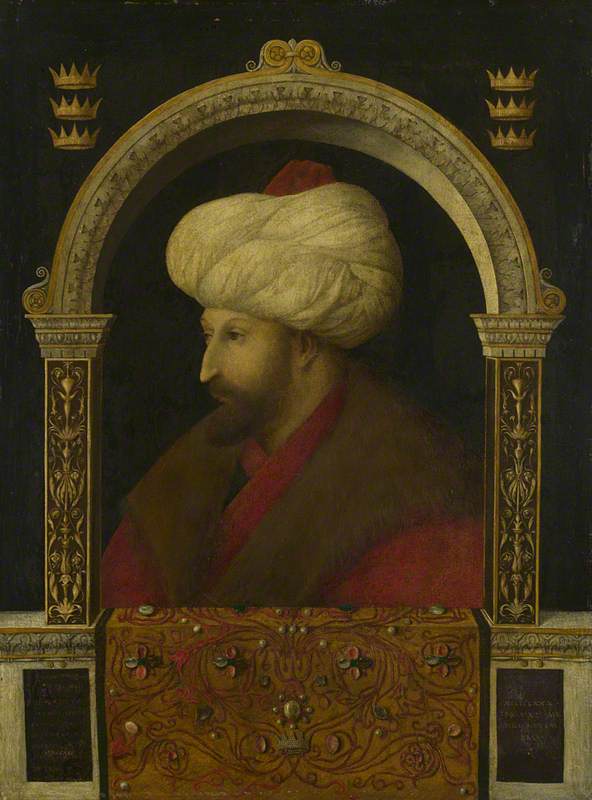 Painting
Primary source
The Sultan Mehmet II
Gentile Bellini · 1480
 Painting
Primary source
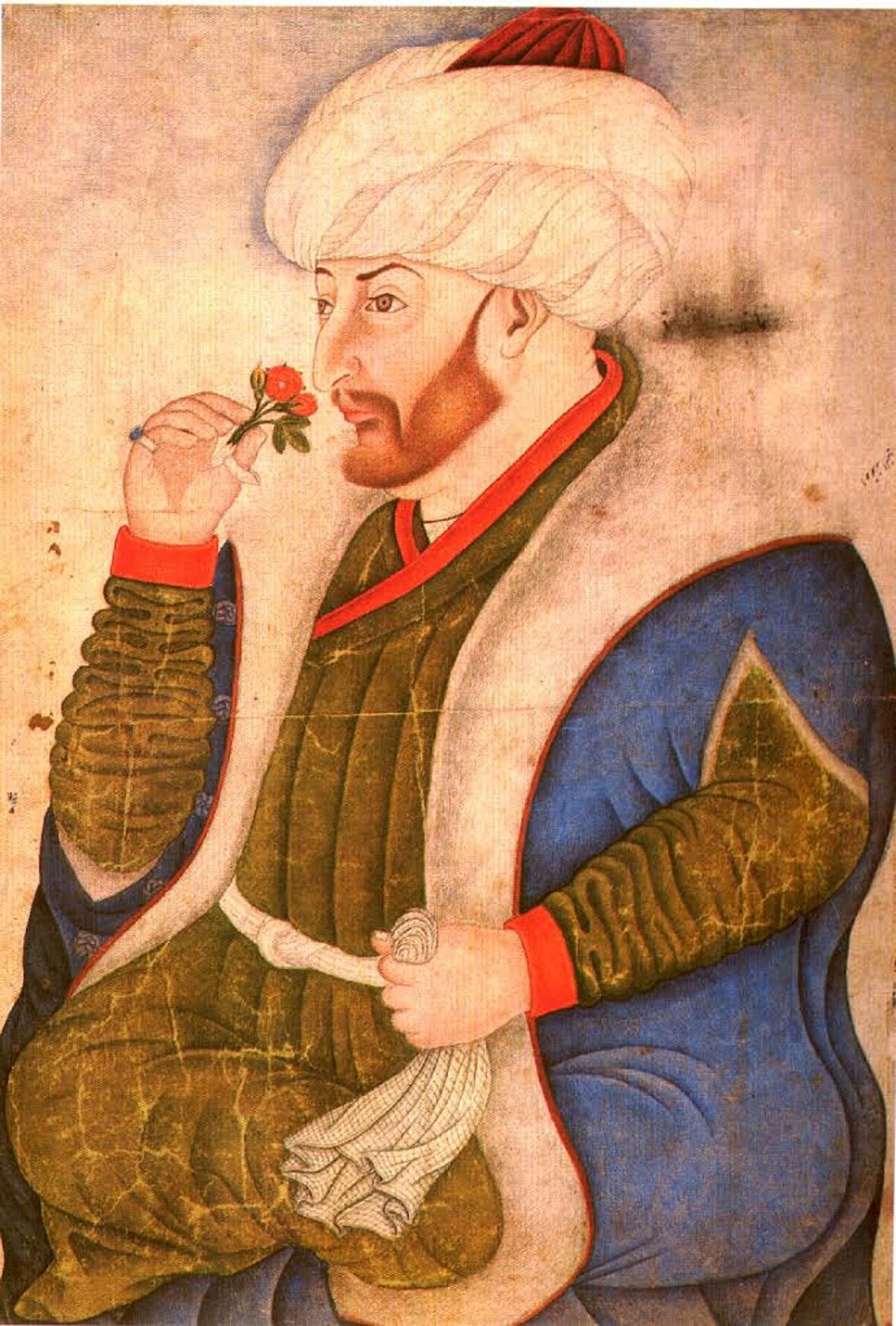
Portrait of Mehmed II Smelling a Rose
Attributed to Nakkaş Sinan Beg · c. 1480-81
 Artifact
Primary source
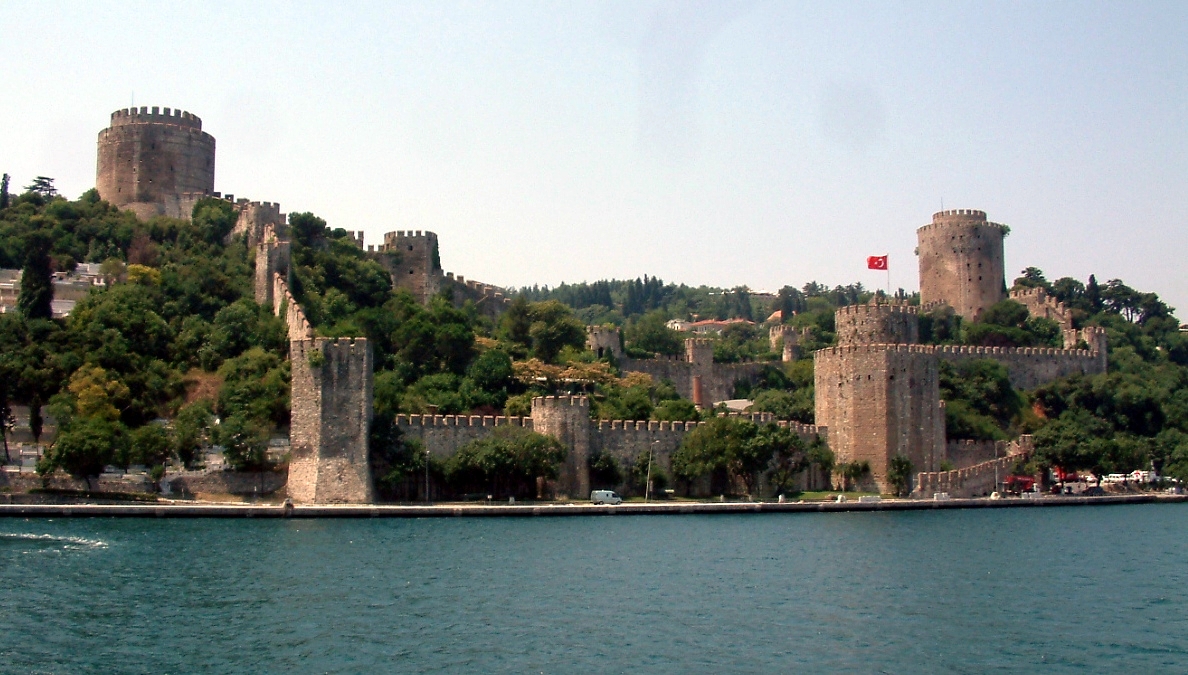
Rumeli Hisarı
1451-1452
 Artifact
Primary source
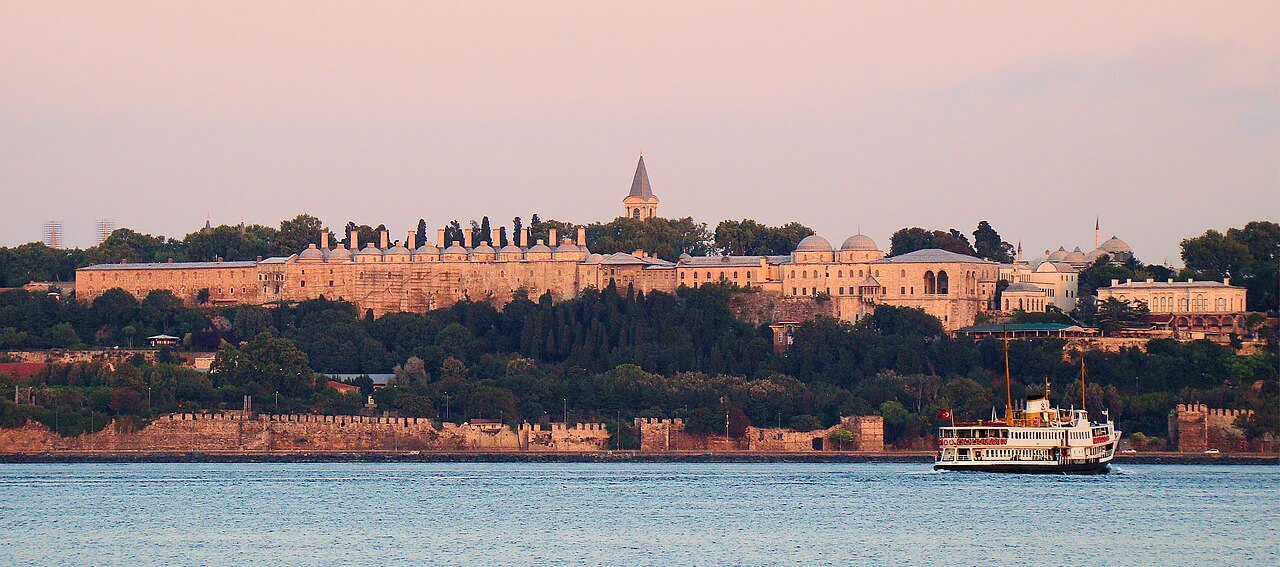
Topkapı Palace
from 1459

Free account
Read every Mehmed II source
Sign up free →
Ready when you are
Start chatting with Mehmed II now.
20 messages free · No credit card · Available in 50+ languages.