


Secondary sourceArtifact1464
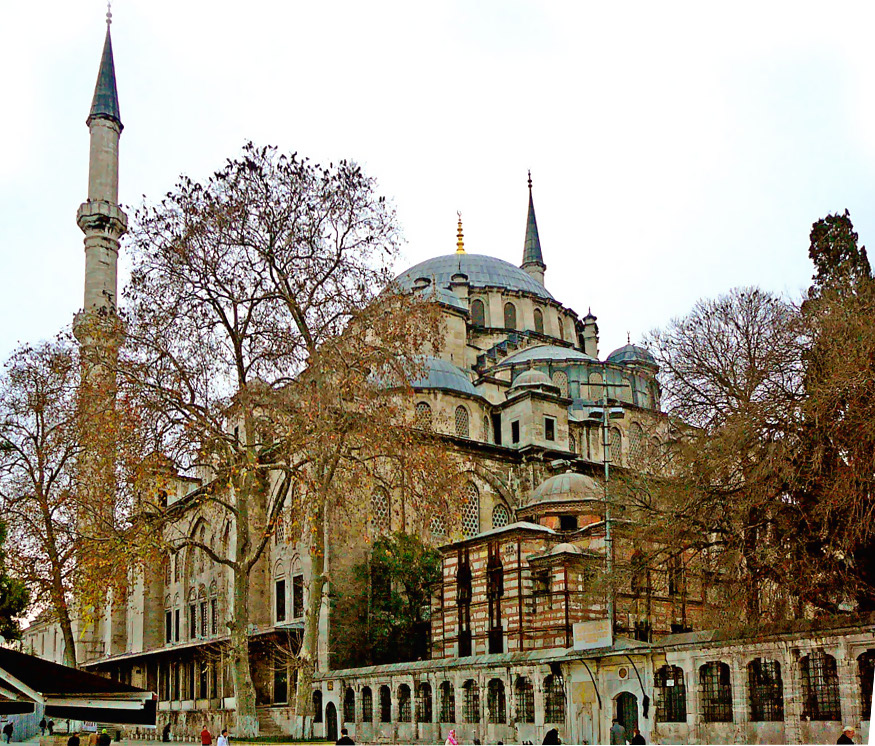
Fatih Mosque
Atik Sinan · 1464
A mosque, madrasa and charity complex founded by Mehmed II on the site of the old Byzantine Church of the Holy Apostles, to remake Istanbul as an Islamic capital.
Mehmed II founded this mosque complex to transform conquered Constantinople into an Ottoman capital.
About this source
What it is
The Fatih Mosque is a large religious and social complex in Istanbul, built by order of Sultan Mehmed II between 1463 and 1470 by the architect Atik Sinan. It replaced the ruined Church of the Holy Apostles. An earthquake in 1766 destroyed much of the original building, and it was rebuilt in a new style soon after.
Why it matters
The complex included medreses, a hospital, a library, a market and a kitchen for the poor, making it far more than a mosque — it was meant to turn the conquered Byzantine capital into a flourishing Ottoman and Islamic city. Its size and ambition show Mehmed's wish to be remembered as a great builder as well as a conqueror.
Look closer
- Why might a ruler build a hospital, school and market alongside a mosque?
- What does reusing the site of a Byzantine church tell us about Mehmed's message to the city's people?
- How might the 1766 rebuilding have changed what we see today compared to Mehmed's original design?
This artifact is part of the curated material that grounds the AI version of Mehmed II on Humy.ai — when students ask about related events, the AI can quote it and cite it.
More Mehmed II sources
Meet the AI Mehmed II →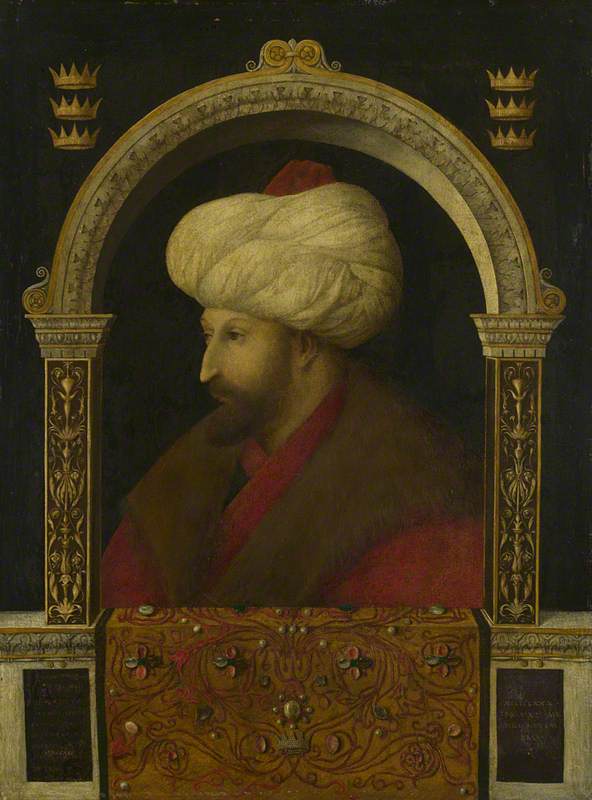 Painting
Primary source
The Sultan Mehmet II
Gentile Bellini · 1480
 Painting
Primary source
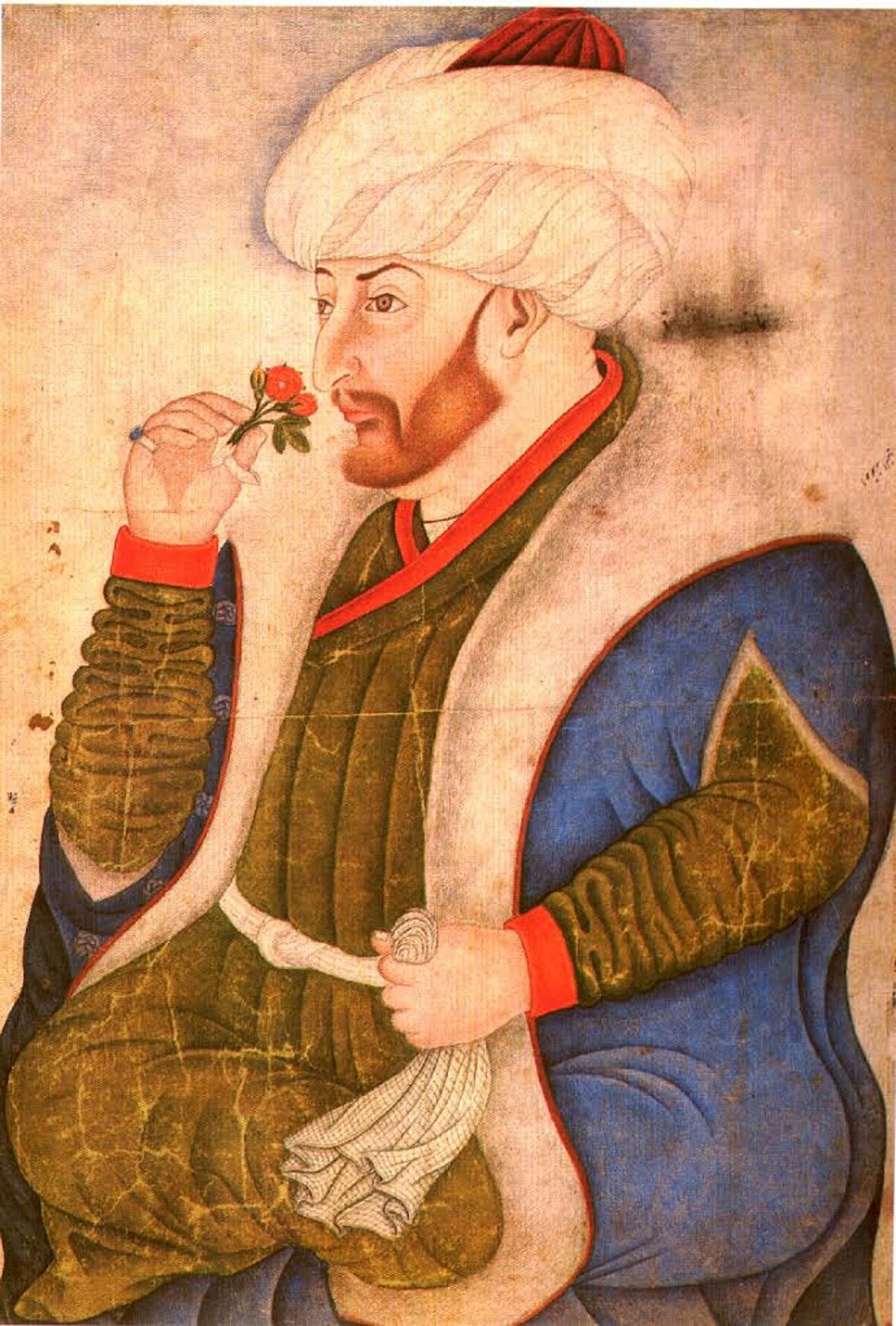
Portrait of Mehmed II Smelling a Rose
Attributed to Nakkaş Sinan Beg · c. 1480-81
 Artifact
Primary source
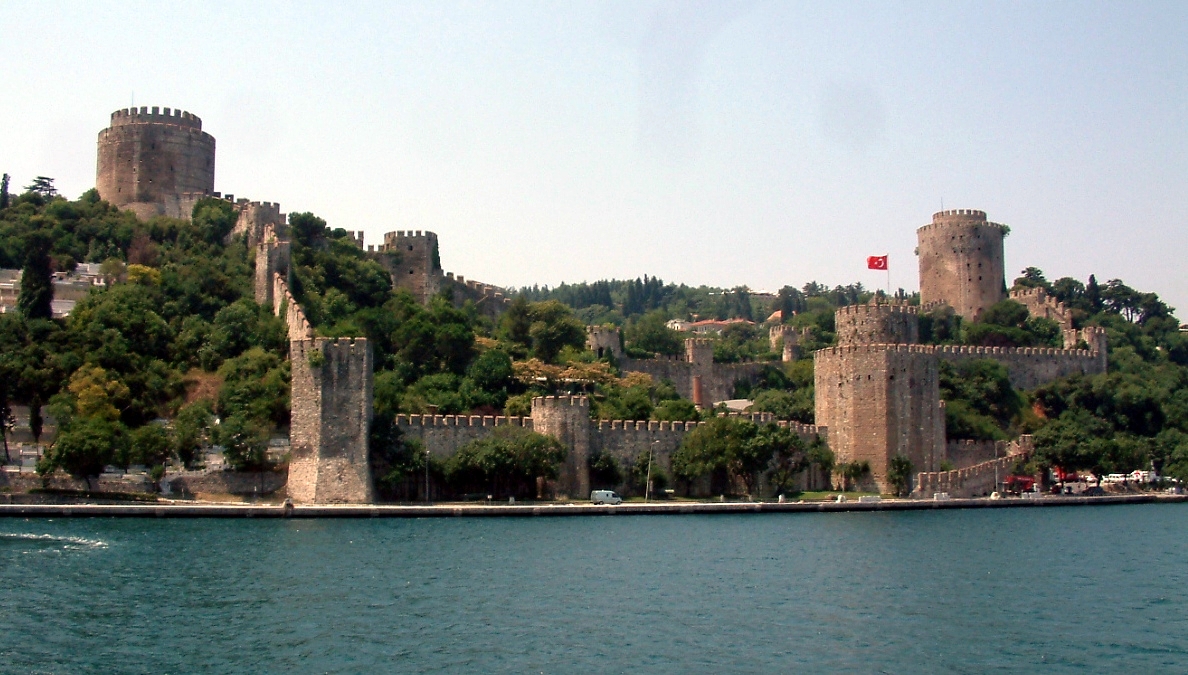
Rumeli Hisarı
1451-1452
 Artifact
Primary source
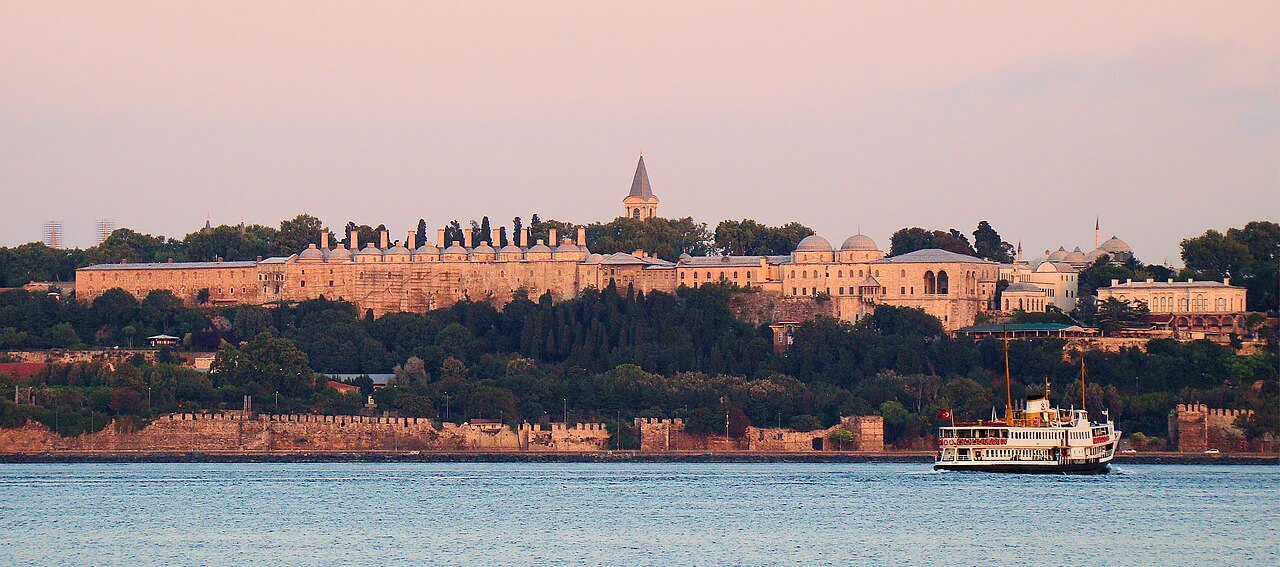
Topkapı Palace
from 1459
 Document
Primary source
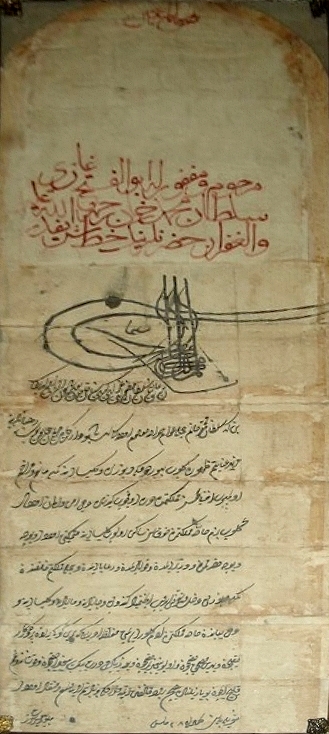
Ahdname of Fojnica
Mehmed II · 1463
Ready when you are
Start chatting with Mehmed II now.
20 messages free · No credit card · Available in 50+ languages.