


Primary sourceBook15th century
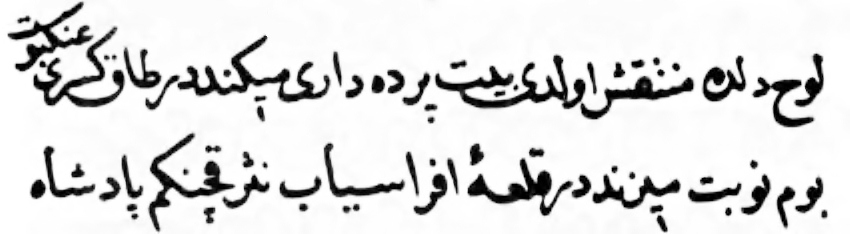
Leaf from Tursun Beg's History of Mehmed the Conqueror
Tursun Beg · 15th century
A manuscript page from a biography of Mehmed II written by his own official, quoting words he is said to have spoken at Hagia Sophia.
Tursun Beg, an official of Mehmed II, recorded words attributed to the sultan himself in this near-contemporary biography.
About this source
What it is
This is a leaf (folio 51a) from the History of Mehmed the Conqueror, written in the 15th century by Tursun Beg, an official who served the sultan. The lines shown are a Persian couplet that Tursun Beg records Mehmed II speaking as he looked out from the dome of Hagia Sophia over the ruined buildings around it.
Why it matters
Because Tursun Beg worked for Mehmed II, his account is one of the closest surviving records to the sultan's own words and outlook. The couplet, about empires and glory fading like the spider's web and the owl's cry in once-great halls, reflects how Mehmed and his court understood his conquest of Constantinople within a longer history of fallen empires.
Look closer
- Why might a court official choose to record this particular saying of the sultan?
- What does the choice of a poetic couplet about decayed palaces suggest about how Mehmed saw his victory?
- How reliable can a biography written by someone close to the ruler be, and why?
This book is part of the curated material that grounds the AI version of Mehmed II on Humy.ai — when students ask about related events, the AI can quote it and cite it.
More Mehmed II sources
Meet the AI Mehmed II →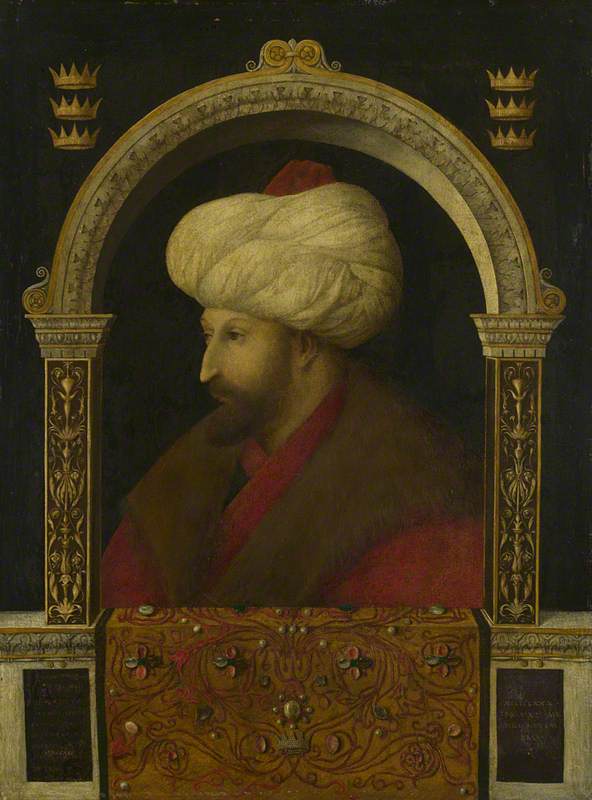 Painting
Primary source
The Sultan Mehmet II
Gentile Bellini · 1480
 Painting
Primary source
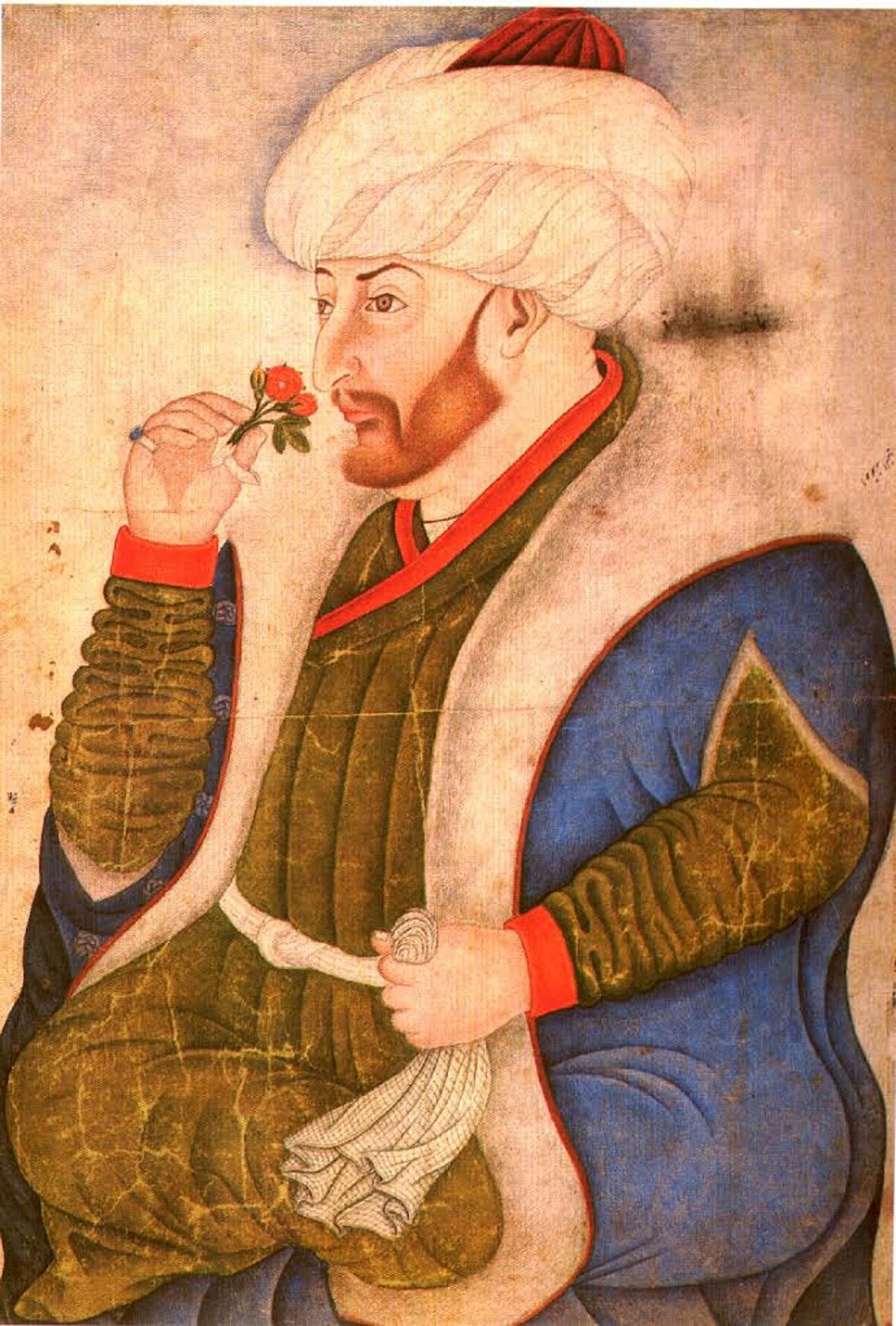
Portrait of Mehmed II Smelling a Rose
Attributed to Nakkaş Sinan Beg · c. 1480-81
 Artifact
Primary source
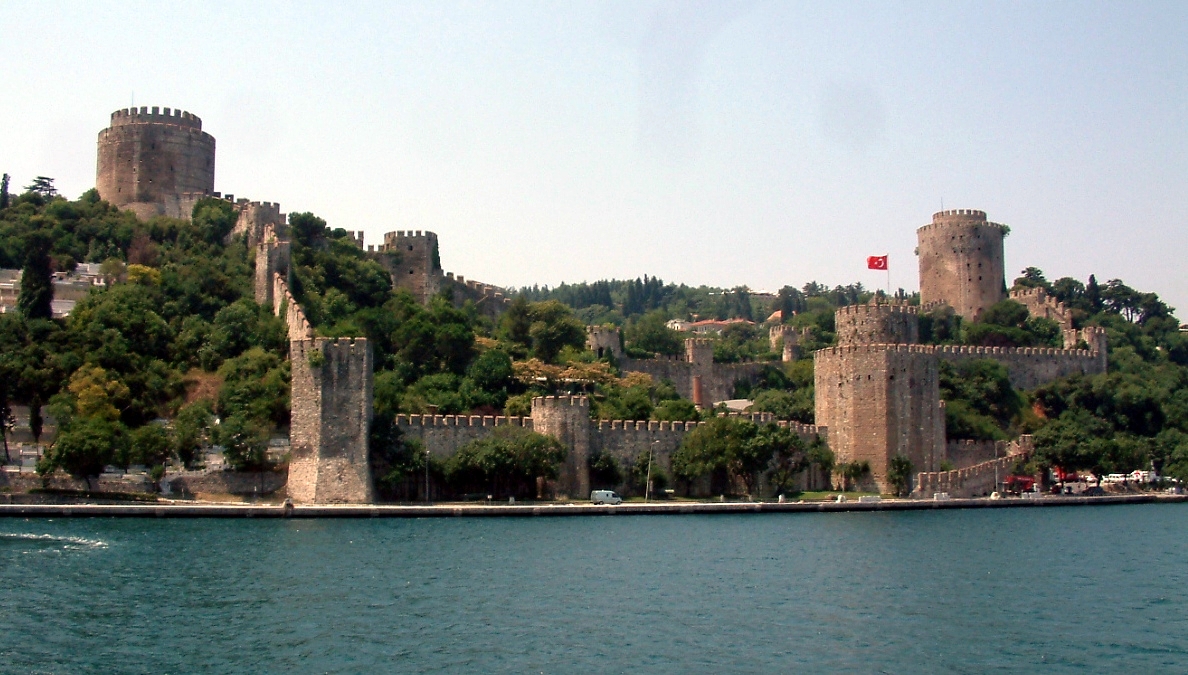
Rumeli Hisarı
1451-1452
 Artifact
Primary source
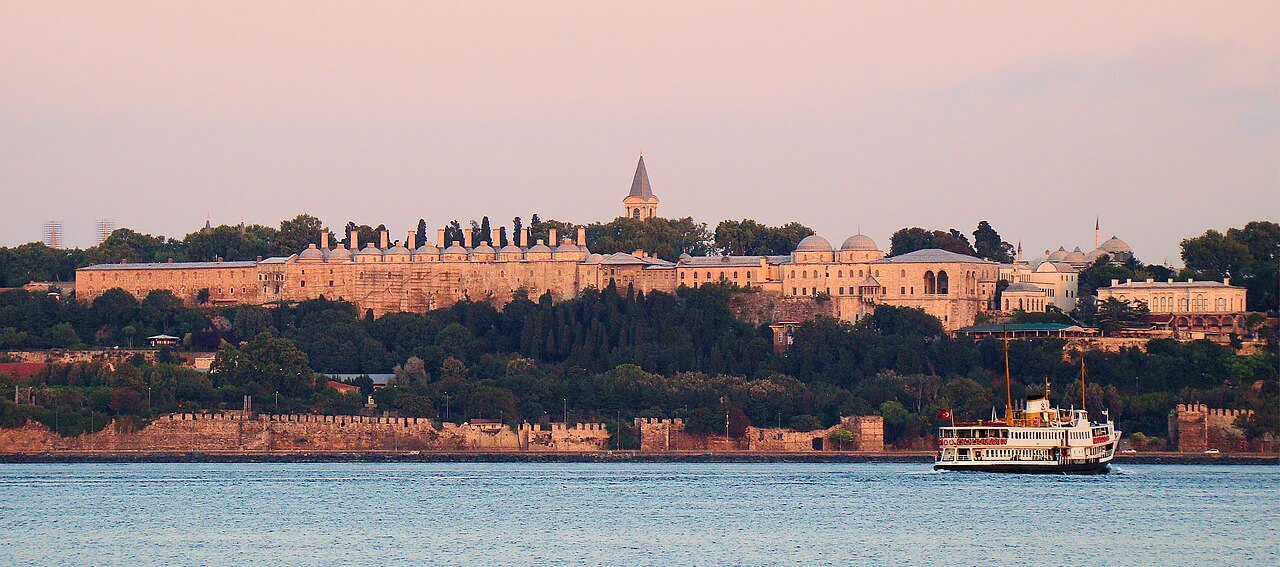
Topkapı Palace
from 1459
 Document
Primary source
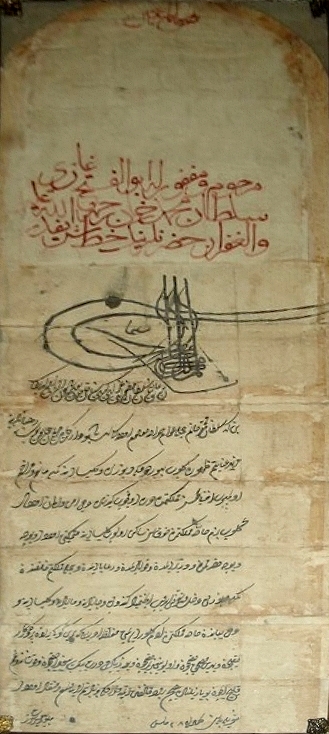
Ahdname of Fojnica
Mehmed II · 1463
Ready when you are
Start chatting with Mehmed II now.
20 messages free · No credit card · Available in 50+ languages.