


Primary sourcePainting1634-1636
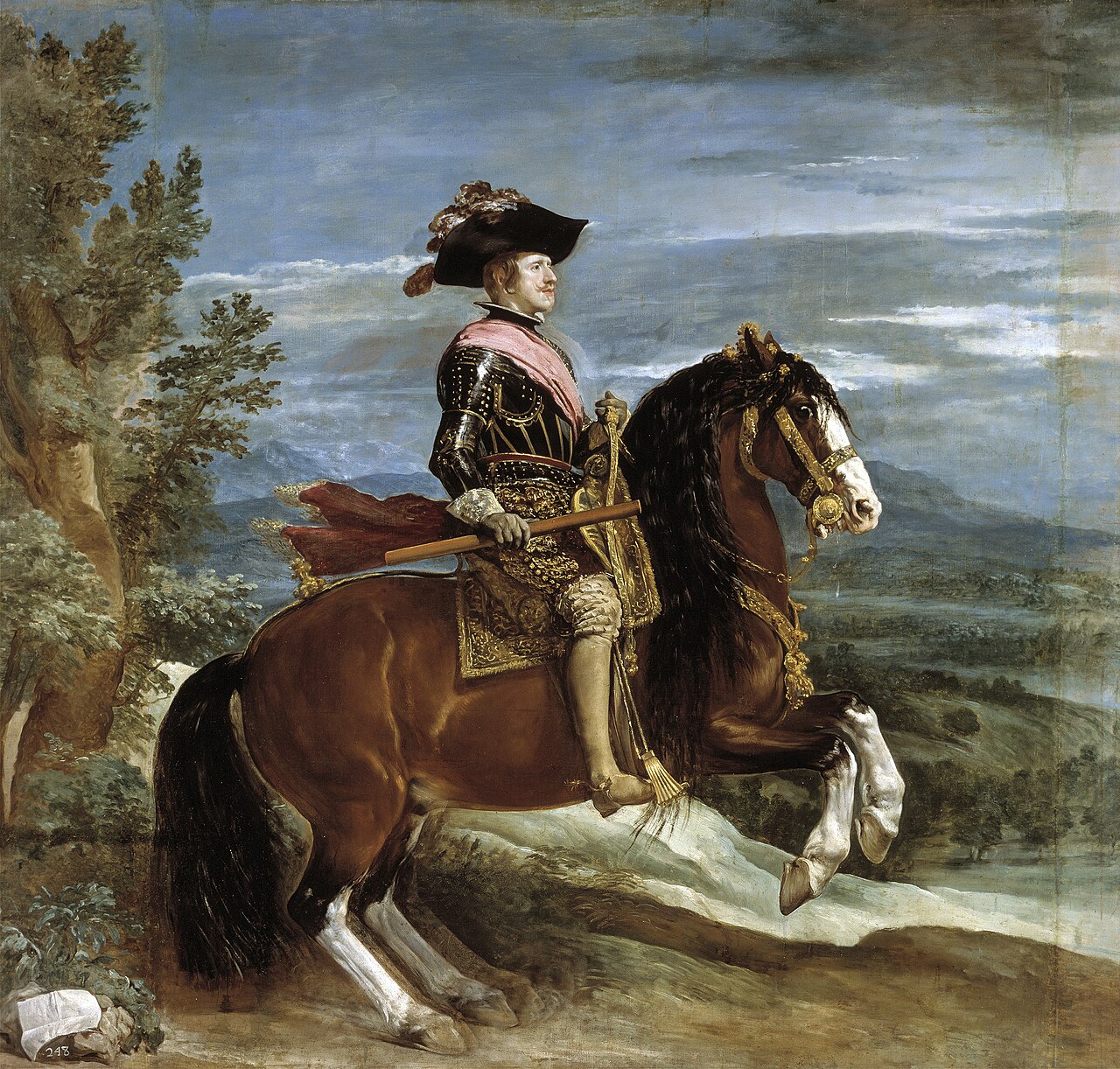
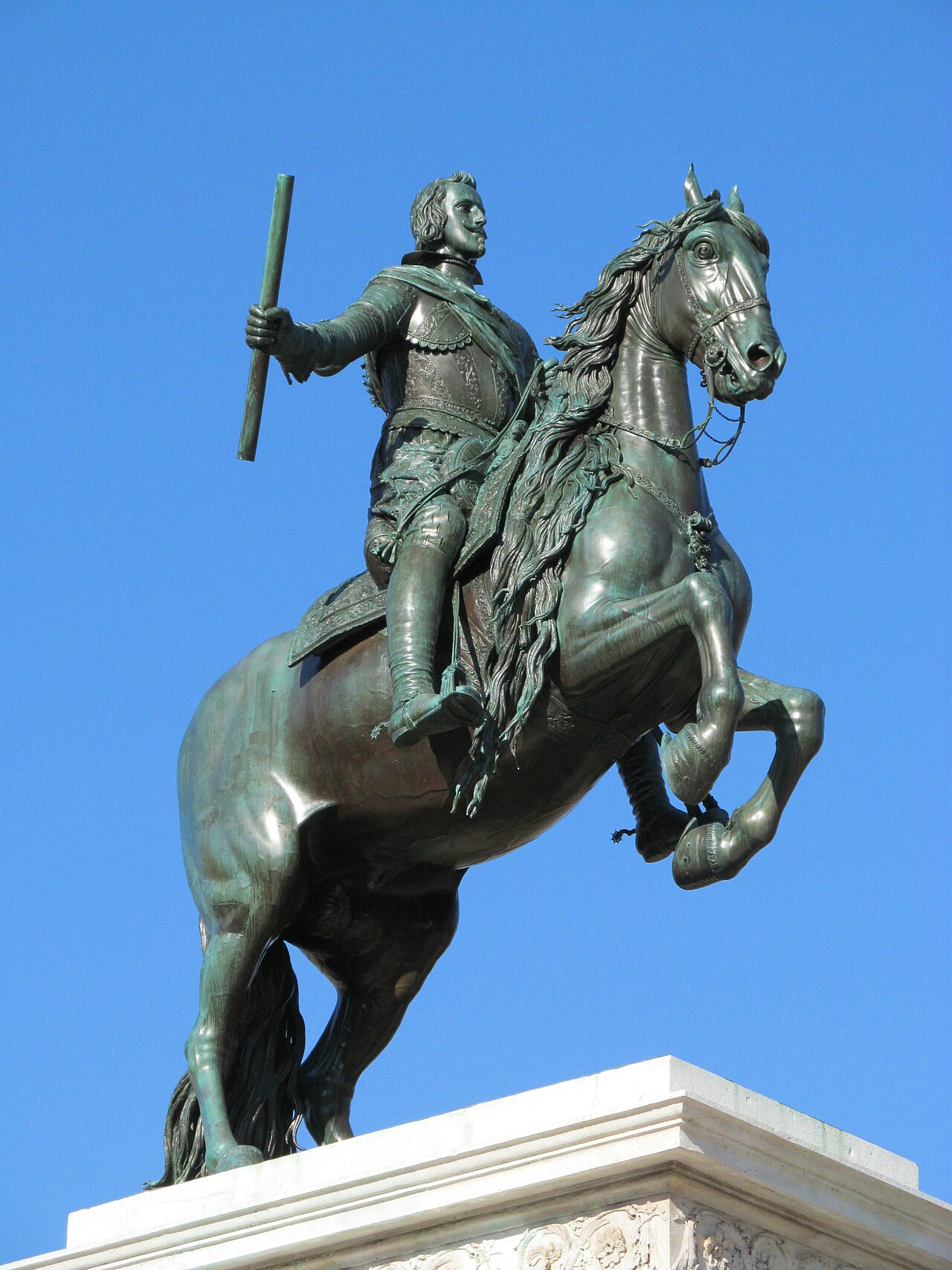
Equestrian Portrait of Philip IV
Diego Velázquez · 1634-1636
A 1634-36 painting by Velázquez showing Philip IV on a rearing horse, made for the Hall of Realms at Buen Retiro Palace.
This grand equestrian image was designed to present Philip IV as a commanding Baroque sovereign.
About this source
What it is
This portrait by Diego Velázquez shows Philip IV of Spain on horseback, painted around 1635-36 as part of a series of equestrian portraits for the Hall of Realms, a wing of the Buen Retiro Palace in Madrid. The series also included a portrait of Philip's son, Prince Balthasar Charles.
Why it matters
Equestrian portraits were a common way for rulers to present themselves as powerful and in control, since a rider commanding a rearing horse suggested mastery and authority. This painting formed part of a larger decorative scheme meant to glorify the Spanish monarchy during Philip IV's reign.
Look closer
- Why do rulers often choose to be shown on horseback rather than standing or sitting?
- What does the pose of the rearing horse suggest about the message Philip IV wanted to send?
- How does this image compare with other portraits of Philip you have seen?
This painting is part of the curated material that grounds the AI version of Philip IV of Spain on Humy.ai — when students ask about related events, the AI can quote it and cite it.
More Philip IV of Spain sources
Browse all 98 →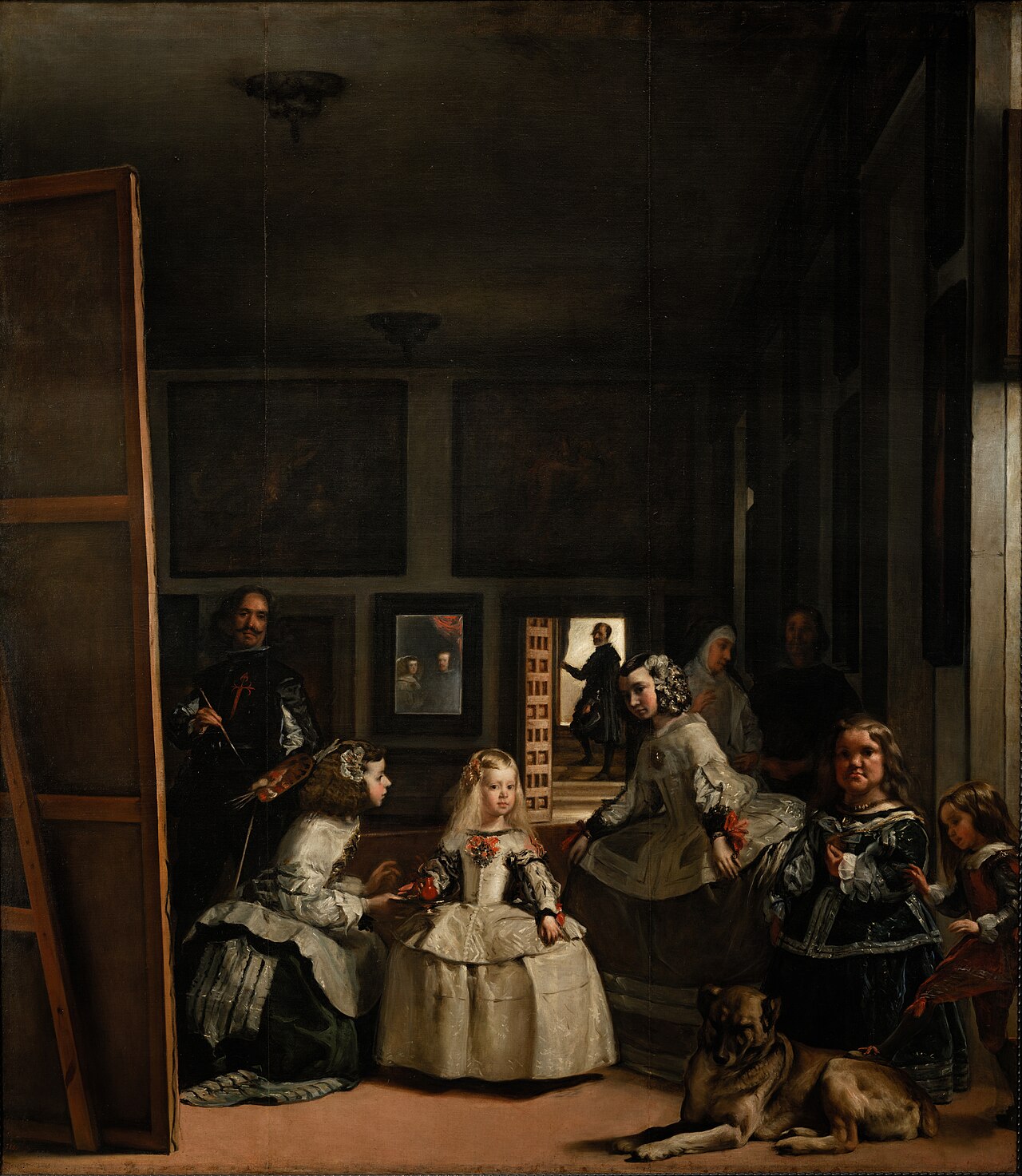 Painting
Primary source
Las Meninas
Diego Velázquez · 1656
 Painting
Primary source
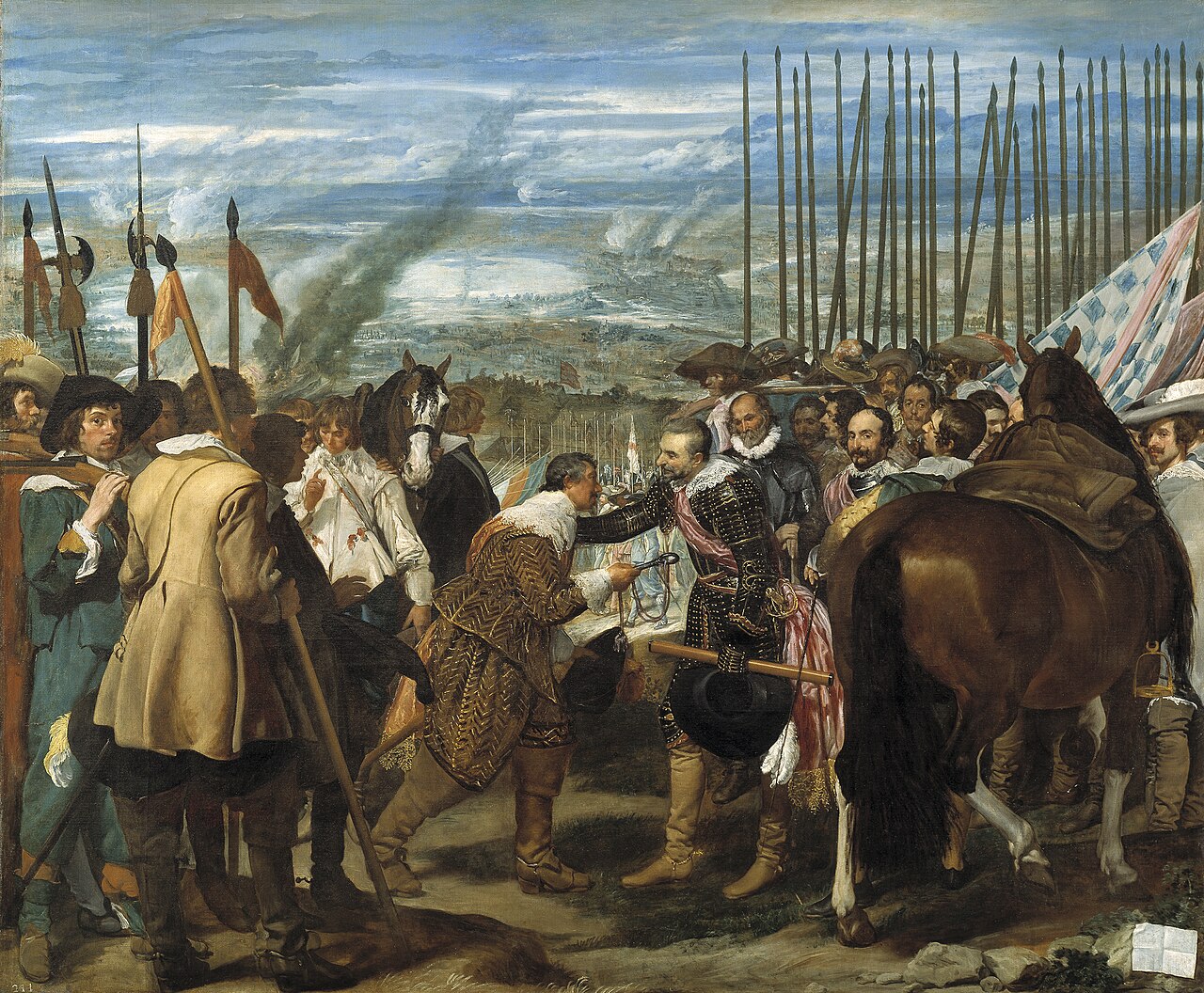
The Surrender of Breda
Diego Velázquez · 1634–1635
 Painting
Primary source
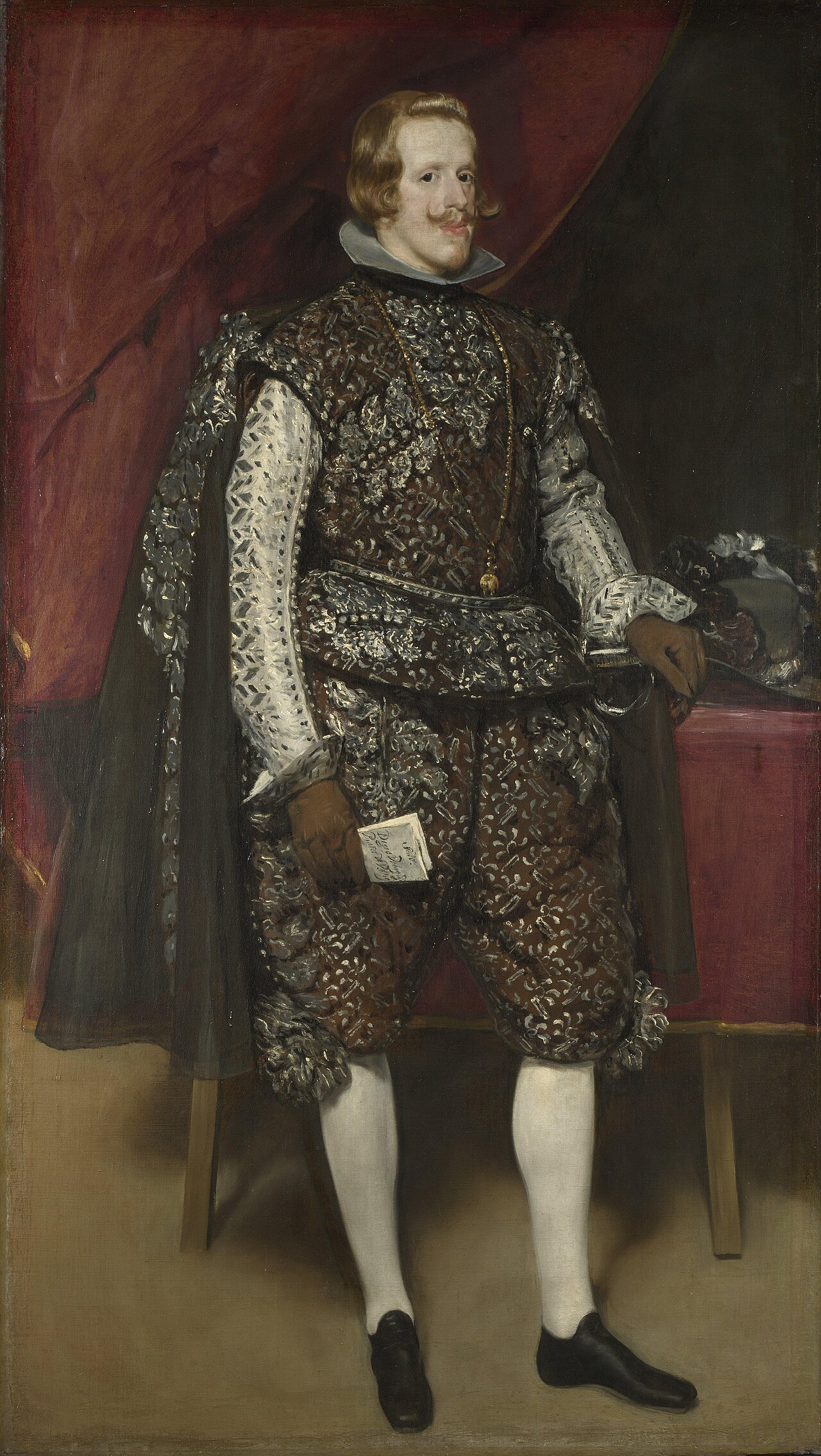
Philip IV in Brown and Silver
Diego Velázquez · c. 1631–1635
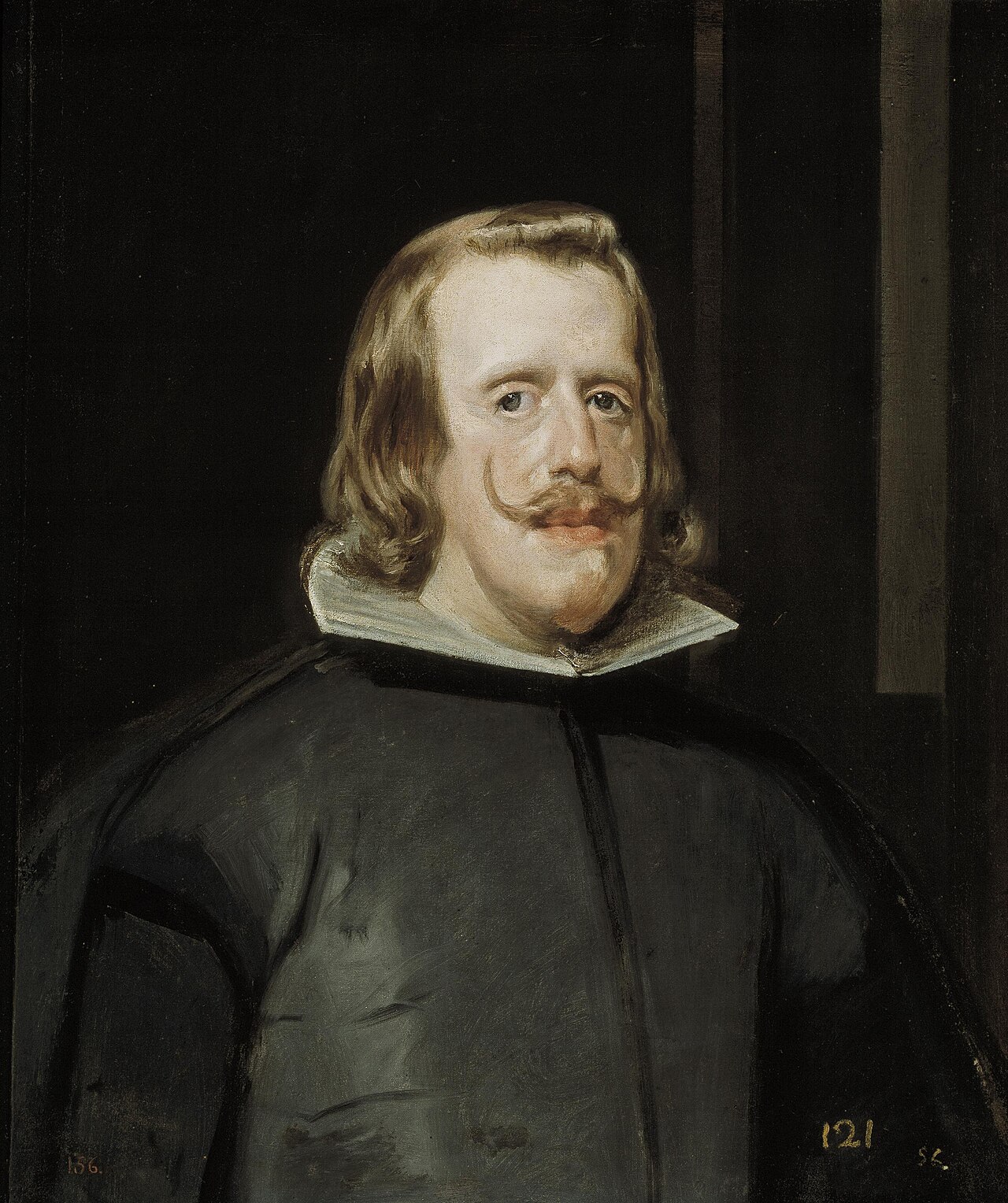 Painting
Primary source
Philip IV in Old Age
Diego Velázquez · 1653
Free account
Read every Philip IV of Spain source
Sign up free →
Ready when you are
Start chatting with Philip IV of Spain now.
20 messages free · No credit card · Available in 50+ languages.