


Secondary sourceSculpture1922
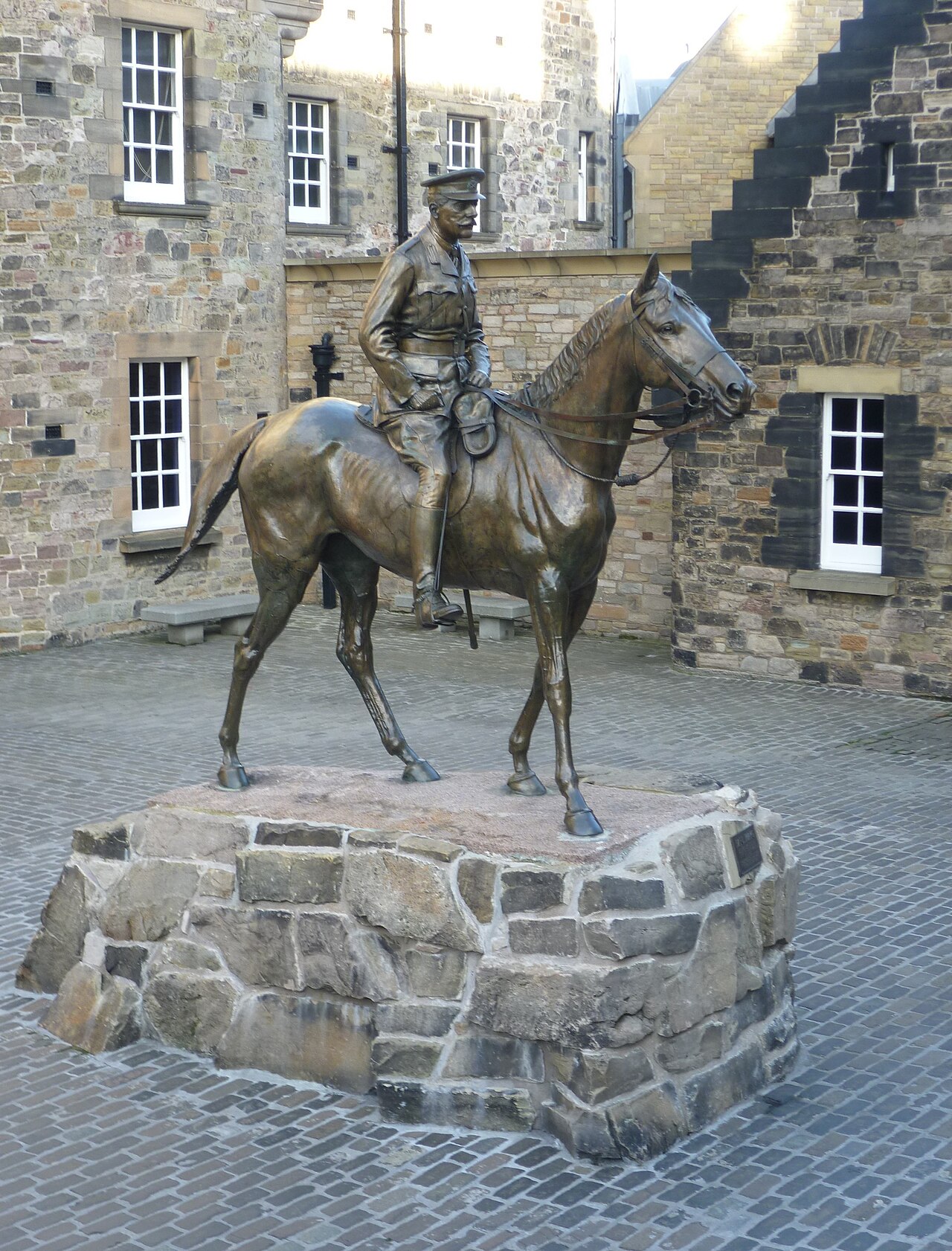
Equestrian statue of Douglas Haig, 1st Earl Haig
George Edward Wade · 1922
A 1922 bronze equestrian statue of Field Marshal Douglas Haig, located at Edinburgh Castle in his native Scotland.
An equestrian statue honouring Haig in his native Scotland, erected during his own lifetime.
About this source
What it is
A bronze equestrian statue by George Edward Wade, made in 1922, showing Field Marshal Douglas Haig, 1st Earl Haig, in uniform on horseback. It stands at Edinburgh Castle, now in a courtyard near the entrance to the National War Museum, having once stood in full public view near the castle entrance.
Why it matters
Erected during Haig's own lifetime, the statue reflects the honour given to him in Scotland, his native country, as the commander of British forces on the Western Front. Its later relocation and the fact that visitors are now allowed to climb on it shows how attitudes toward such memorials and figures can change over time.
Look closer
- Why might this statue have been moved from a prominent public spot to a quieter courtyard?
- What does it mean that this statue was put up while Haig was still alive?
- How might people's feelings about climbing on this statue today differ from earlier generations?
This sculpture is part of the curated material that grounds the AI version of Field Marshal Douglas Haig on Humy.ai — when students ask about related events, the AI can quote it and cite it.
More Field Marshal Douglas Haig sources
Meet the AI Field Marshal Douglas Haig →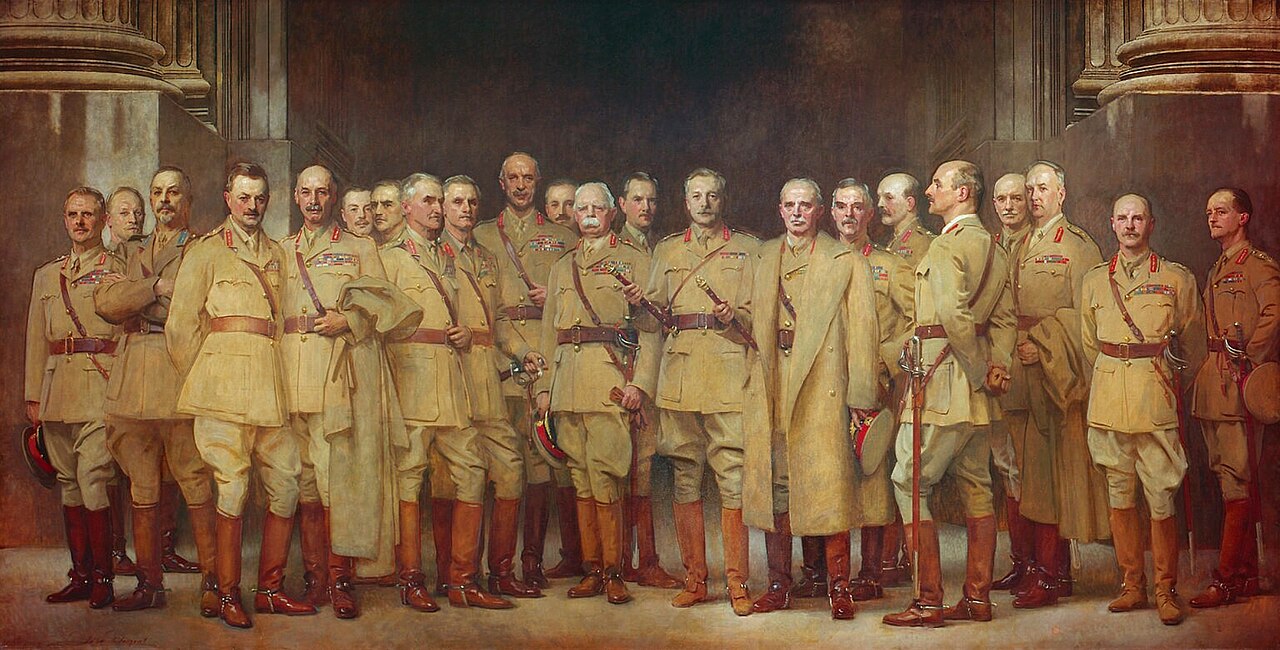 Painting
Primary source
General Officers of World War I
John Singer Sargent · 1922
 Document
Primary source
Final Despatch of Sir Douglas Haig
Douglas Haig · 21 March 1919
 Painting
Primary source
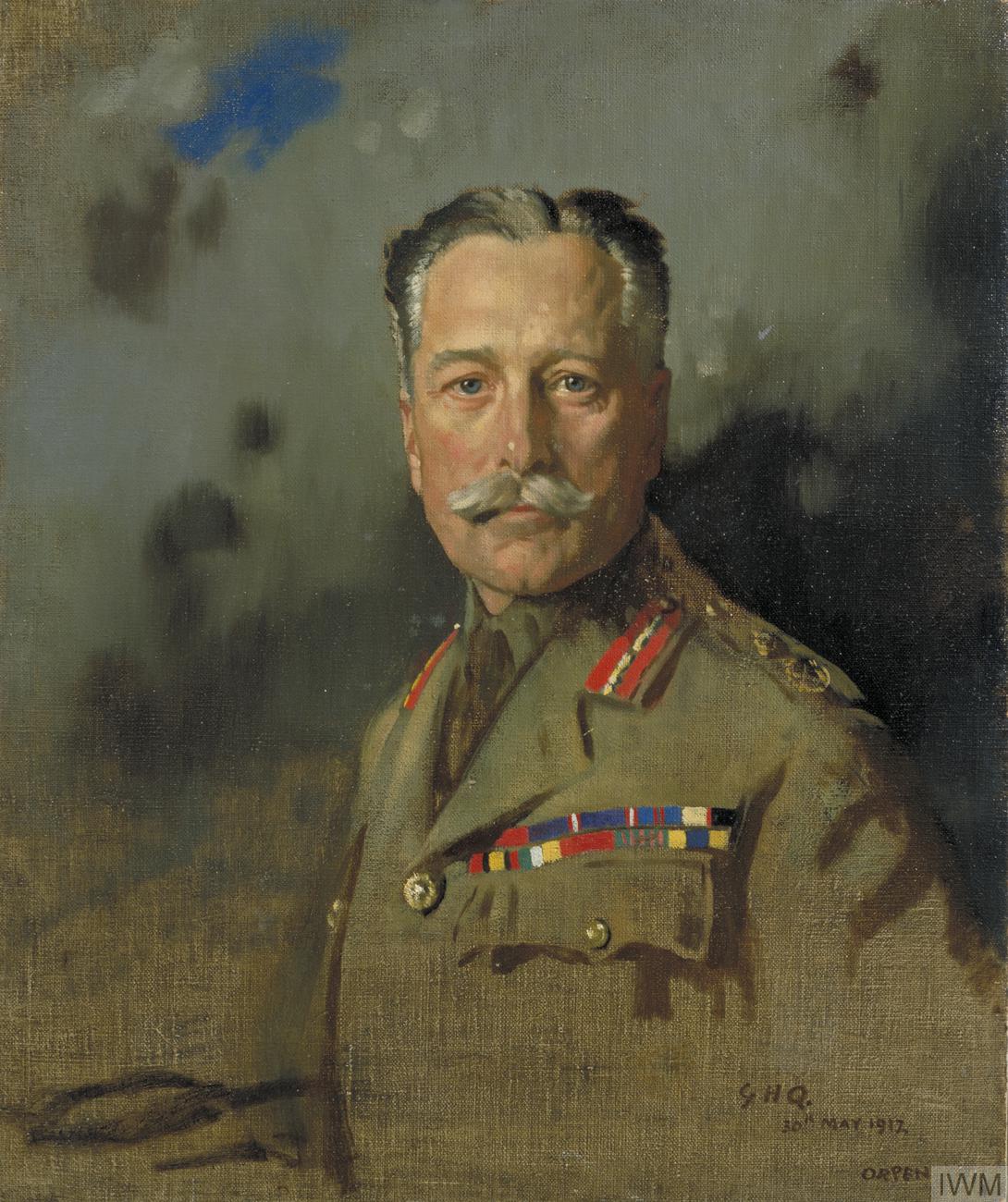
Field-Marshal Sir Douglas Haig, Commander-in-Chief, France
William Orpen · 1917
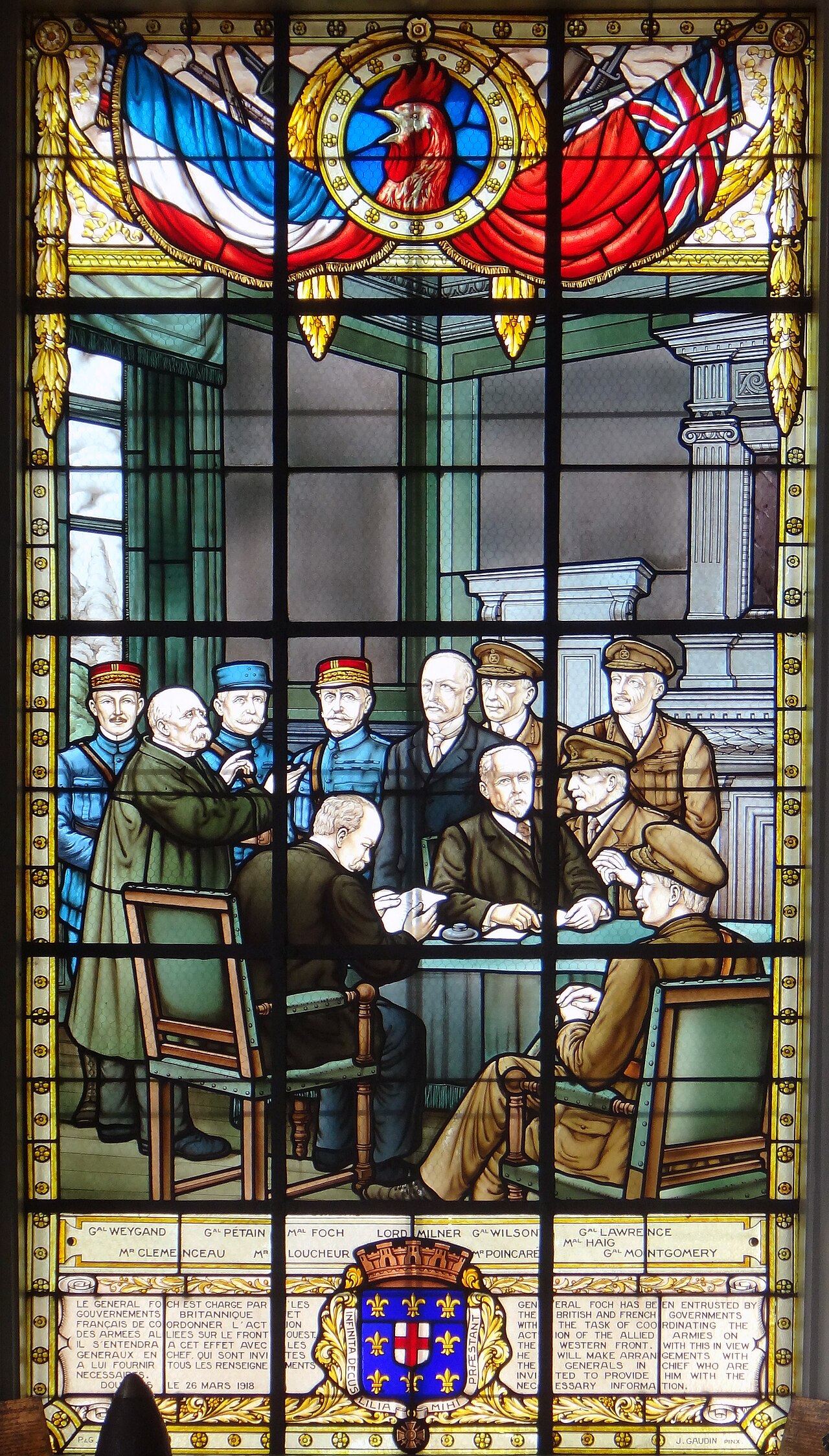 Document
Secondary source
Doullens Conference
26 March 1918
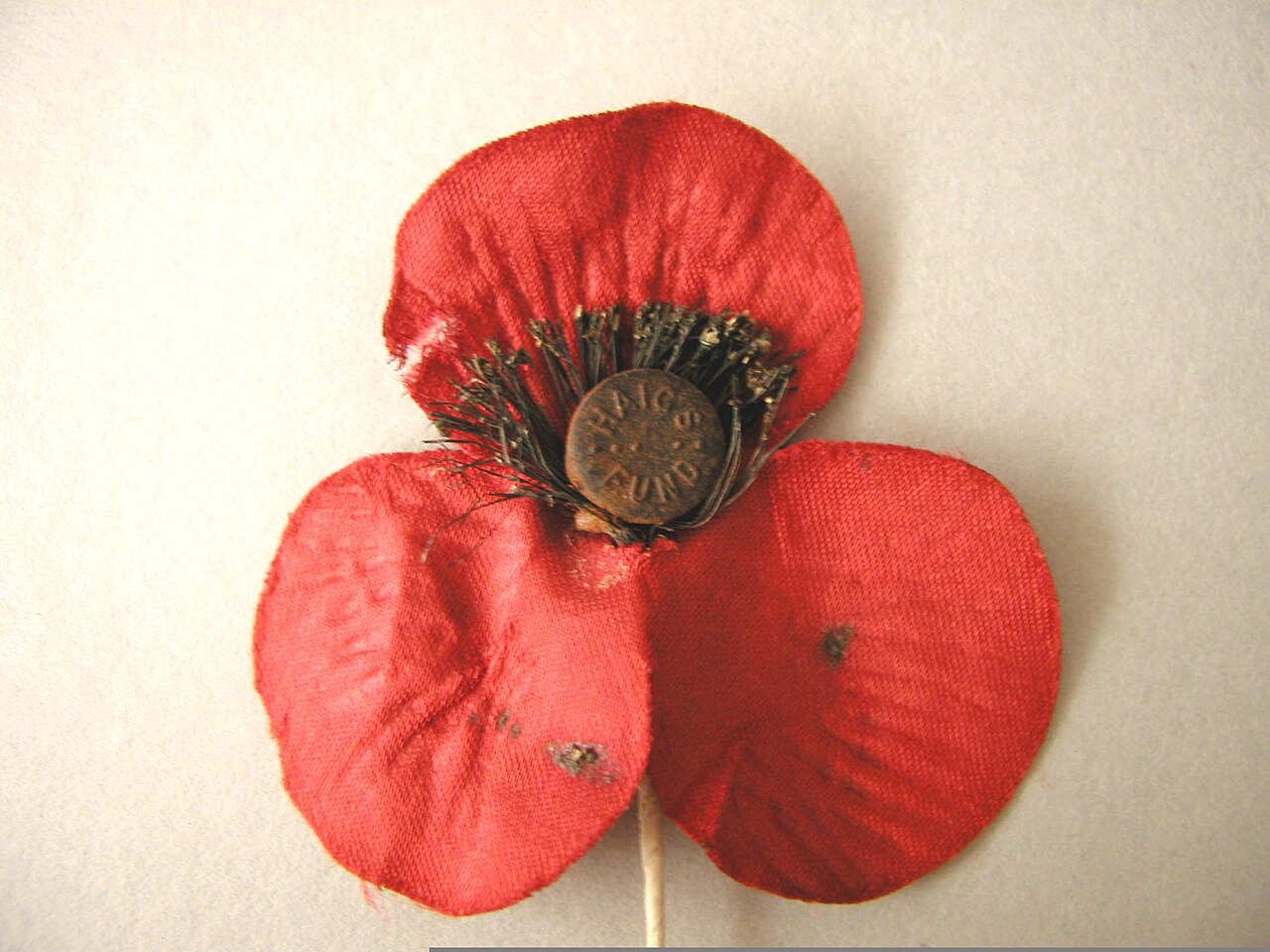 Artifact
Primary source
Haig Fund remembrance poppy
1921-1928
Ready when you are
Start chatting with Field Marshal Douglas Haig now.
20 messages free · No credit card · Available in 50+ languages.