


Secondary sourceSculpture1931
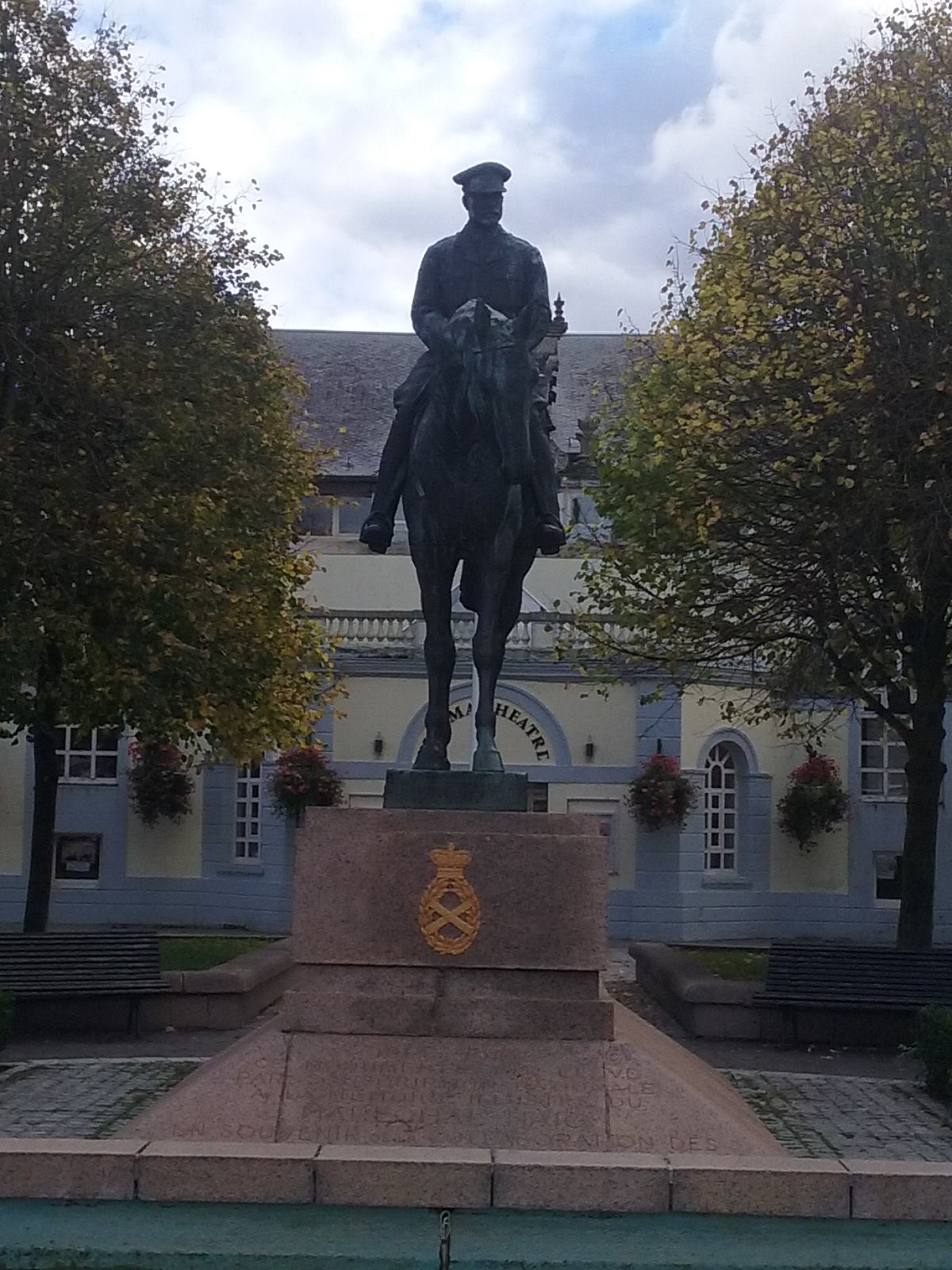
Equestrian statue of Haig, Montreuil-sur-Mer
Paul Landowski · 1931
A 1931 bronze equestrian statue of Field Marshal Haig erected in Montreuil-sur-Mer, the French town where his headquarters had been located.
A monument erected in the French town of Haig's wartime headquarters, honouring his command there.
About this source
What it is
A bronze statue by Paul Landowski showing Field Marshal Douglas Haig on horseback, erected in 1931 in Montreuil-sur-Mer, France, outside the town's theatre. Haig had been quartered nearby during the war, and King George V passed through the town with Haig in November 1918.
Why it matters
The statue reflects French recognition of Haig's role as commander of British forces on the Western Front, with his headquarters based in this town for much of the war. During the Second World War, the German occupation removed the statue, and it was never found, likely melted down.
Look closer
- Why might a French town choose to commemorate a British general with a statue?
- What does the statue's later removal and disappearance tell you about how memorials can be treated in later conflicts?
- What do equestrian statues like this one usually emphasise about a military leader?
This sculpture is part of the curated material that grounds the AI version of Field Marshal Douglas Haig on Humy.ai — when students ask about related events, the AI can quote it and cite it.
More Field Marshal Douglas Haig sources
Meet the AI Field Marshal Douglas Haig →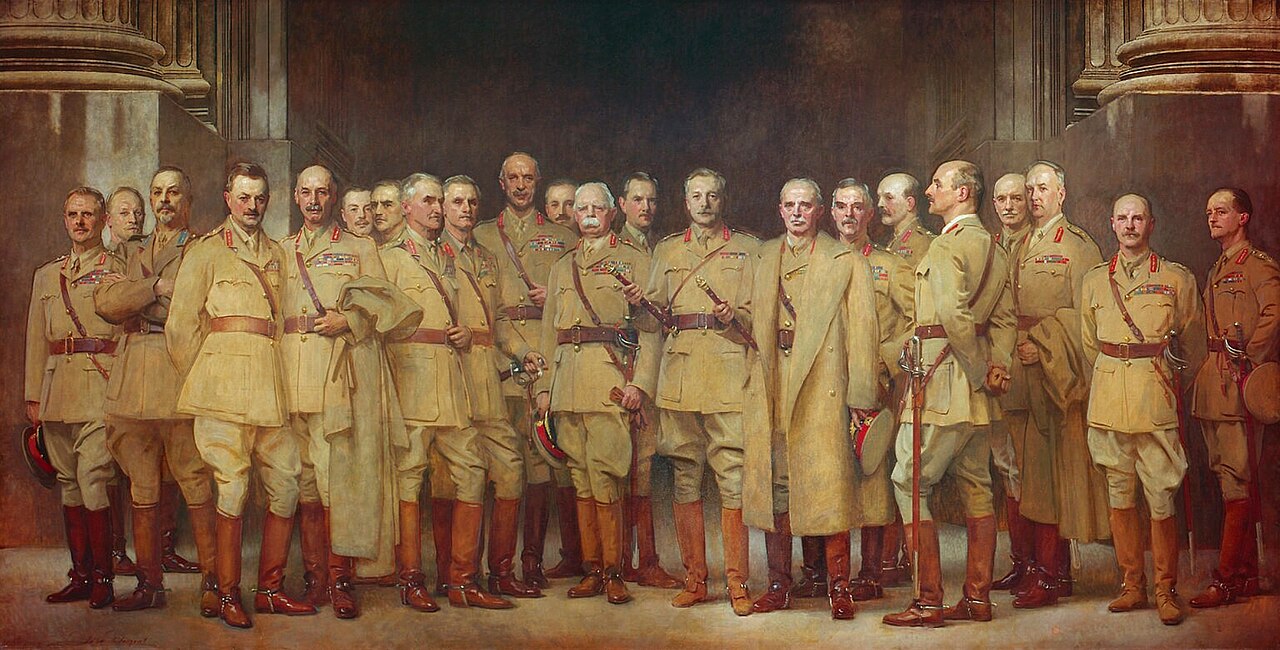 Painting
Primary source
General Officers of World War I
John Singer Sargent · 1922
 Document
Primary source
Final Despatch of Sir Douglas Haig
Douglas Haig · 21 March 1919
 Painting
Primary source
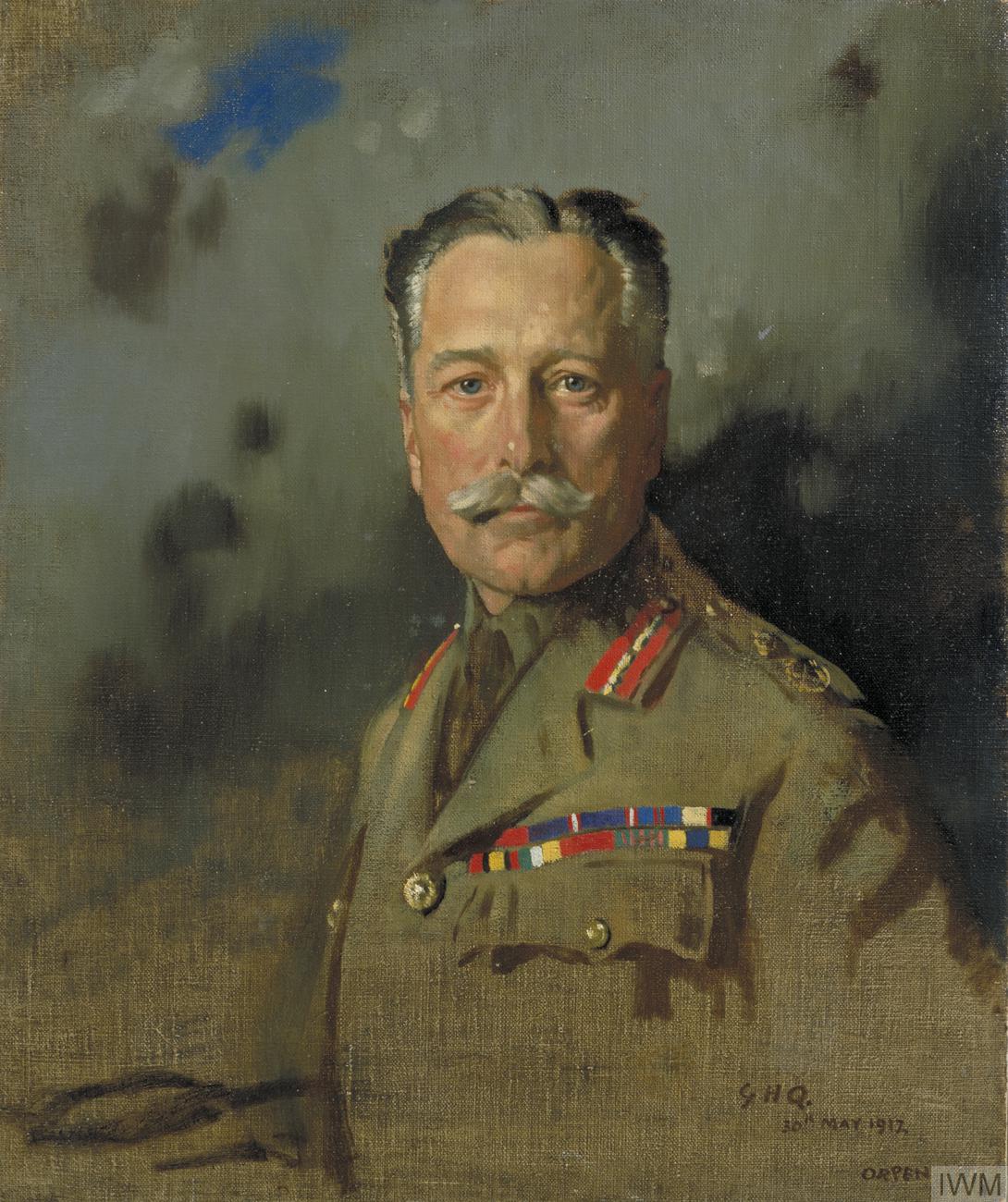
Field-Marshal Sir Douglas Haig, Commander-in-Chief, France
William Orpen · 1917
 Document
Secondary source
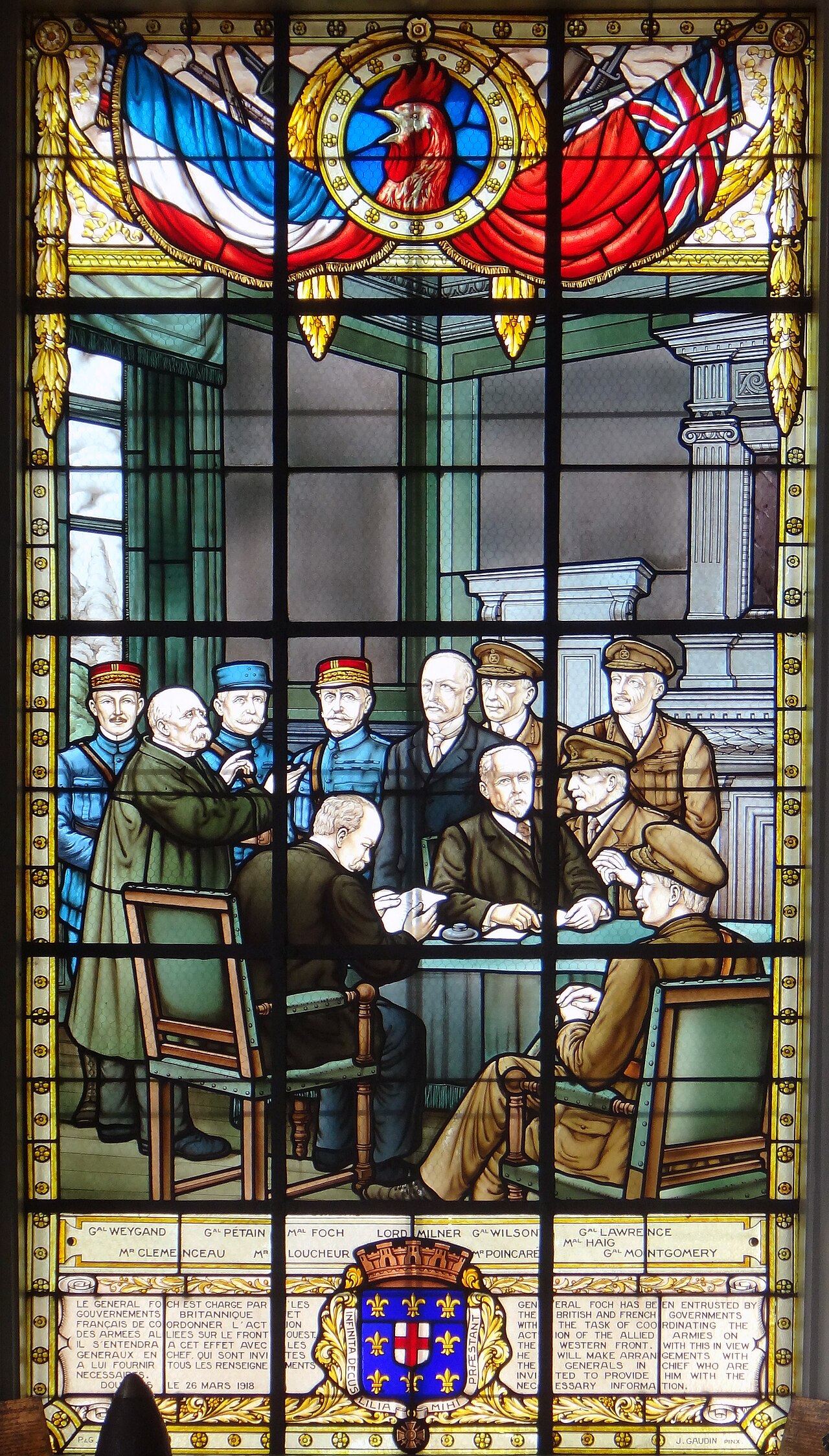
Doullens Conference
26 March 1918
 Artifact
Primary source
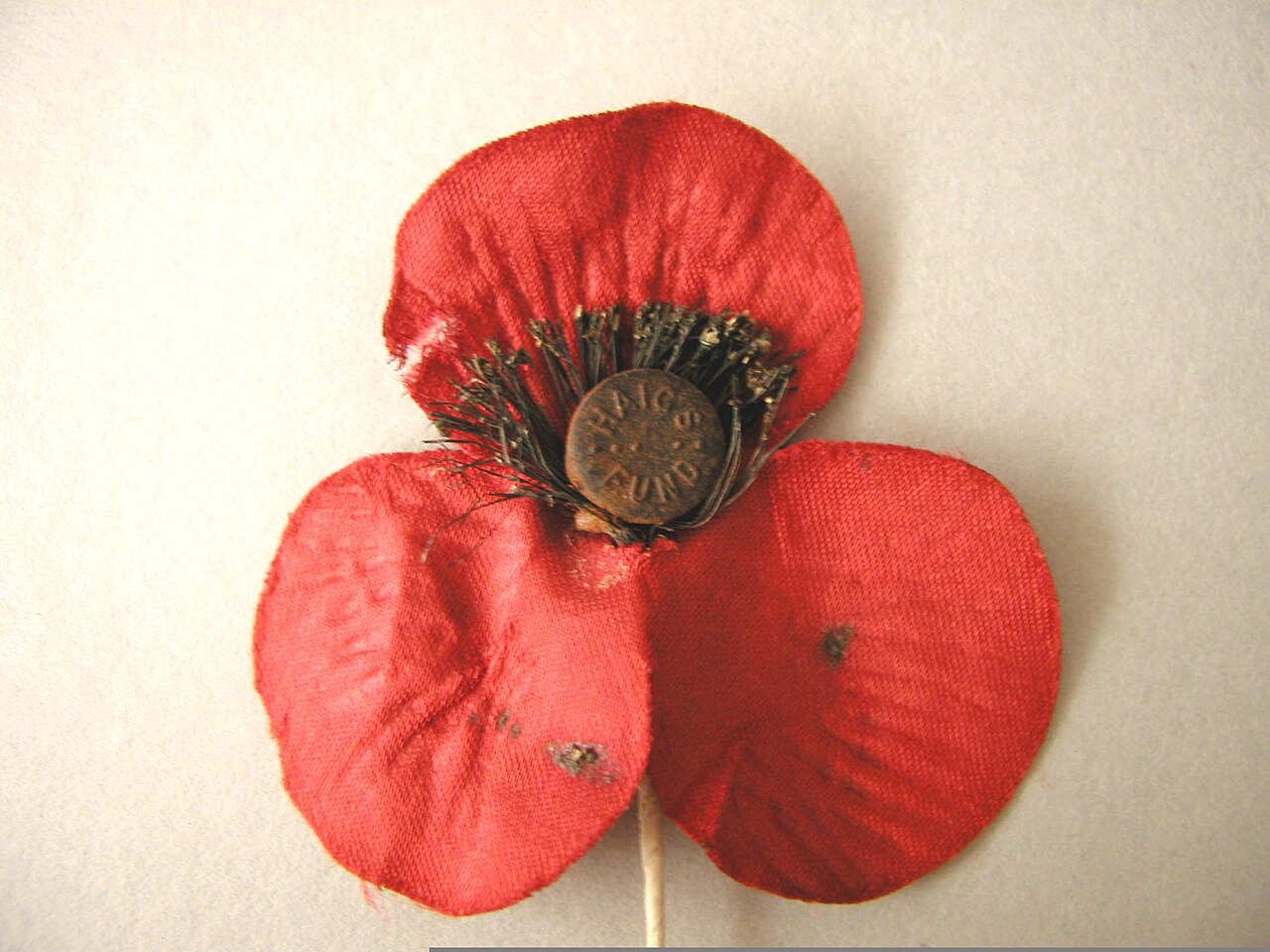
Haig Fund remembrance poppy
1921-1928
Ready when you are
Start chatting with Field Marshal Douglas Haig now.
20 messages free · No credit card · Available in 50+ languages.