


Secondary sourceSculpture1874
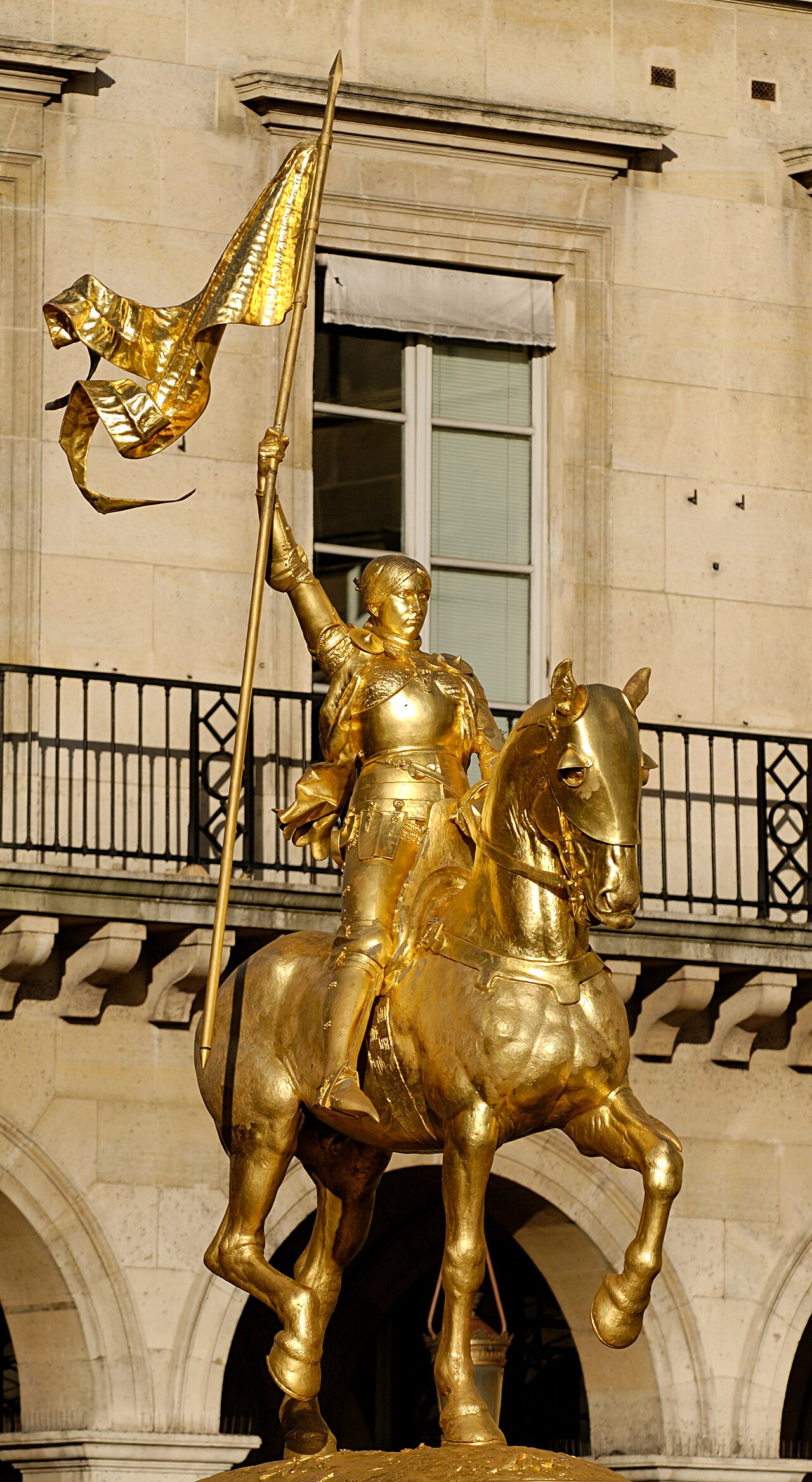
Equestrian statue of Joan of Arc
Emmanuel Frémiet · 1874
A gilded bronze equestrian statue of Joan of Arc by Emmanuel Frémiet, erected in Paris in 1874 and now standing at the Place des Pyramides.
This 1874 statue commemorates Joan of Arc as a national heroine, over four centuries after her death.
About this source
What it is
This gilded bronze statue of Joan of Arc on a rearing horse was made by sculptor Emmanuel Frémiet and unveiled in 1874. It stands in the Place des Pyramides in Paris, near where Joan was wounded during a failed attempt to retake the city. The sculptor used a young woman from Joan's home village as his model.
Why it matters
The statue was commissioned by the French state after its defeat in the Franco-Prussian War, turning Joan of Arc into a symbol of national recovery. Over time it also became a gathering point for political movements that claimed her as their symbol, showing how historical figures can be reshaped to serve later causes.
Look closer
- Why might a defeated nation choose a medieval military leader as a symbol of recovery?
- What does the pose of the rearing horse and raised standard suggest about how the sculptor wanted viewers to feel?
- Why do you think this statue later became a site for political ceremonies unrelated to its original purpose?
This sculpture is part of the curated material that grounds the AI version of Joan of Arc on Humy.ai — when students ask about related events, the AI can quote it and cite it.
More Joan of Arc sources
Meet the AI Joan of Arc →Primary source
Letter to the English
Joan of Arc · 22 March 1429
 Artifact
Secondary source
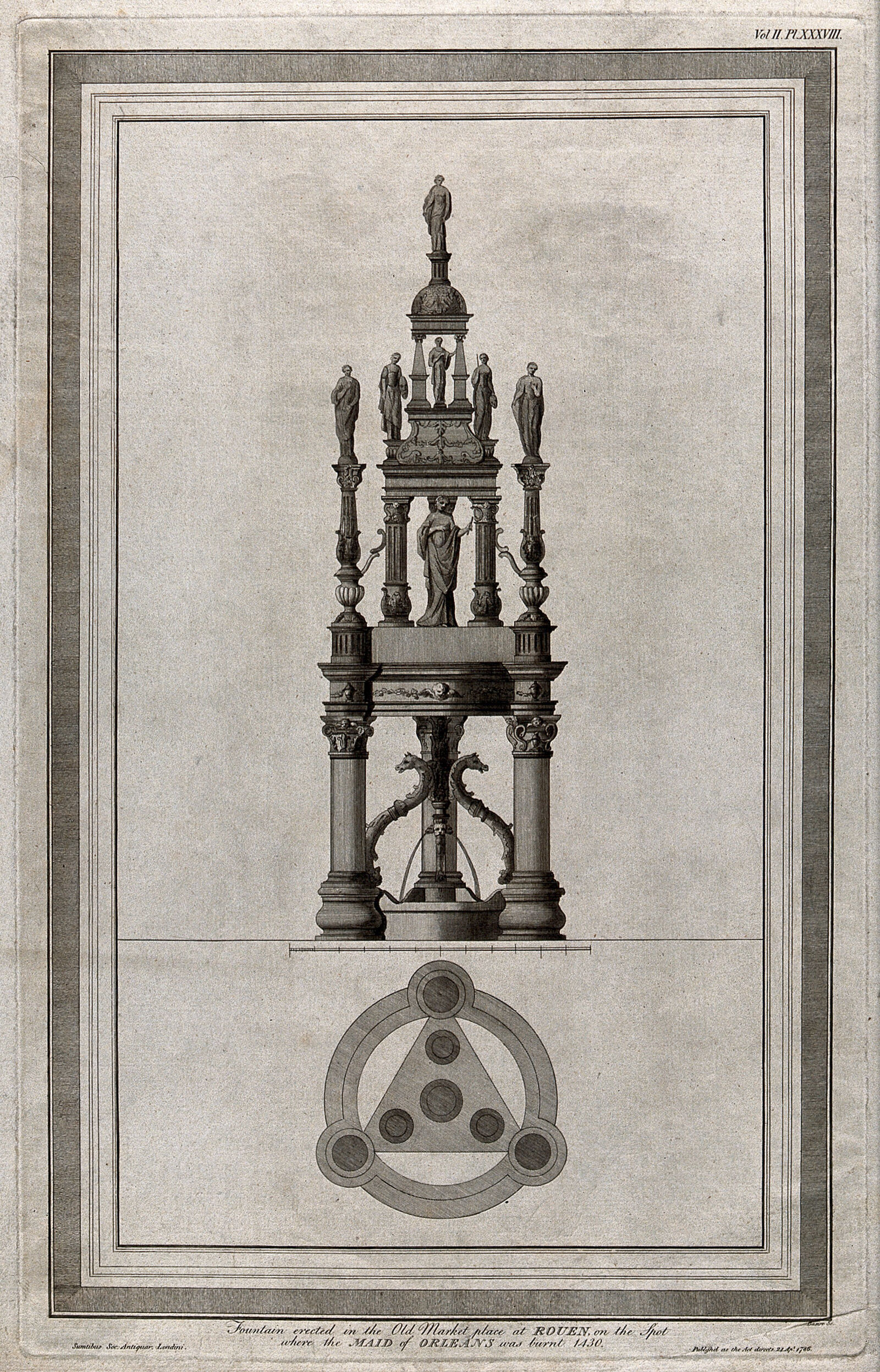
Fountain on the Site of Joan of Arc's Execution
James Basire · 21 April 1786
 Painting
Primary source
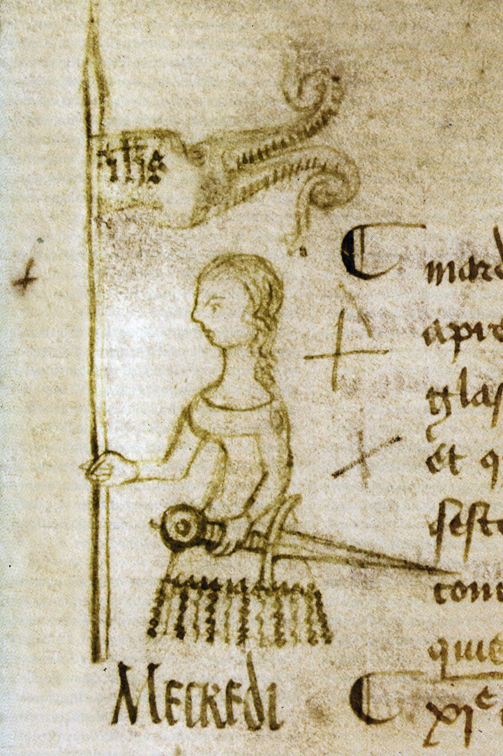
Marginal Drawing of Joan of Arc
Clément de Fauquembergue · May 1429
 Document
Primary source
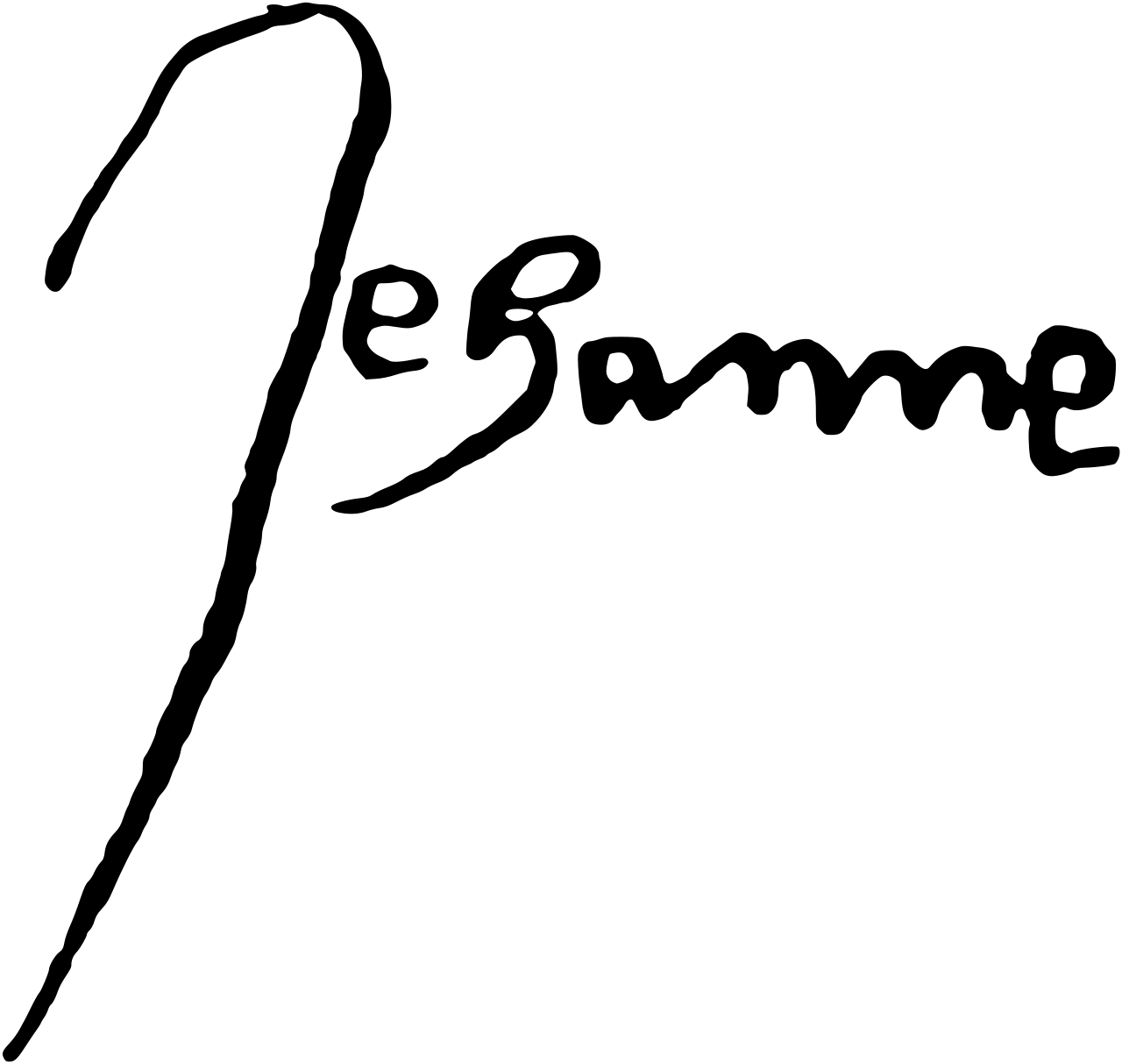
Signature of Joan of Arc
Joan of Arc · 16 March 1430
 Letter
Primary source
Letter to the People of Riom
Joan of Arc · 9 November 1429
Ready when you are
Start chatting with Joan of Arc now.
20 messages free · No credit card · Available in 50+ languages.