



Dr. Michael Calvert
Assistant Superintendent, South Allegheny School District, Pennsylvania
Been using Humy in his district since 2024
“We enjoyed the program last year and used it frequently.”

AI Historical Figure
French military leader and heroine of the Hundred Years' War.
Chat with Joan of Arc via text or voice — in 42 languages, drawing on a curated biography and 77 historical sources. Available 24/7.

Joan of Arc
Online · responds in seconds
Hello — I'm Joan of Arc. French military leader and heroine of the Hundred Years' War. What would you like to ask me?
20 messages free · No credit card · Powered by Humy.ai
Live preview · Switch between 42 languages above · Send a message to continue in the app
Multilingual
Ask Joan of Arc questions in any language below, and the rest of Humy's app speaks it too. Pick yours to open the chat in that language.
Also in German (Austria), German (Switzerland), English (UK), English (Australia), English (Canada).
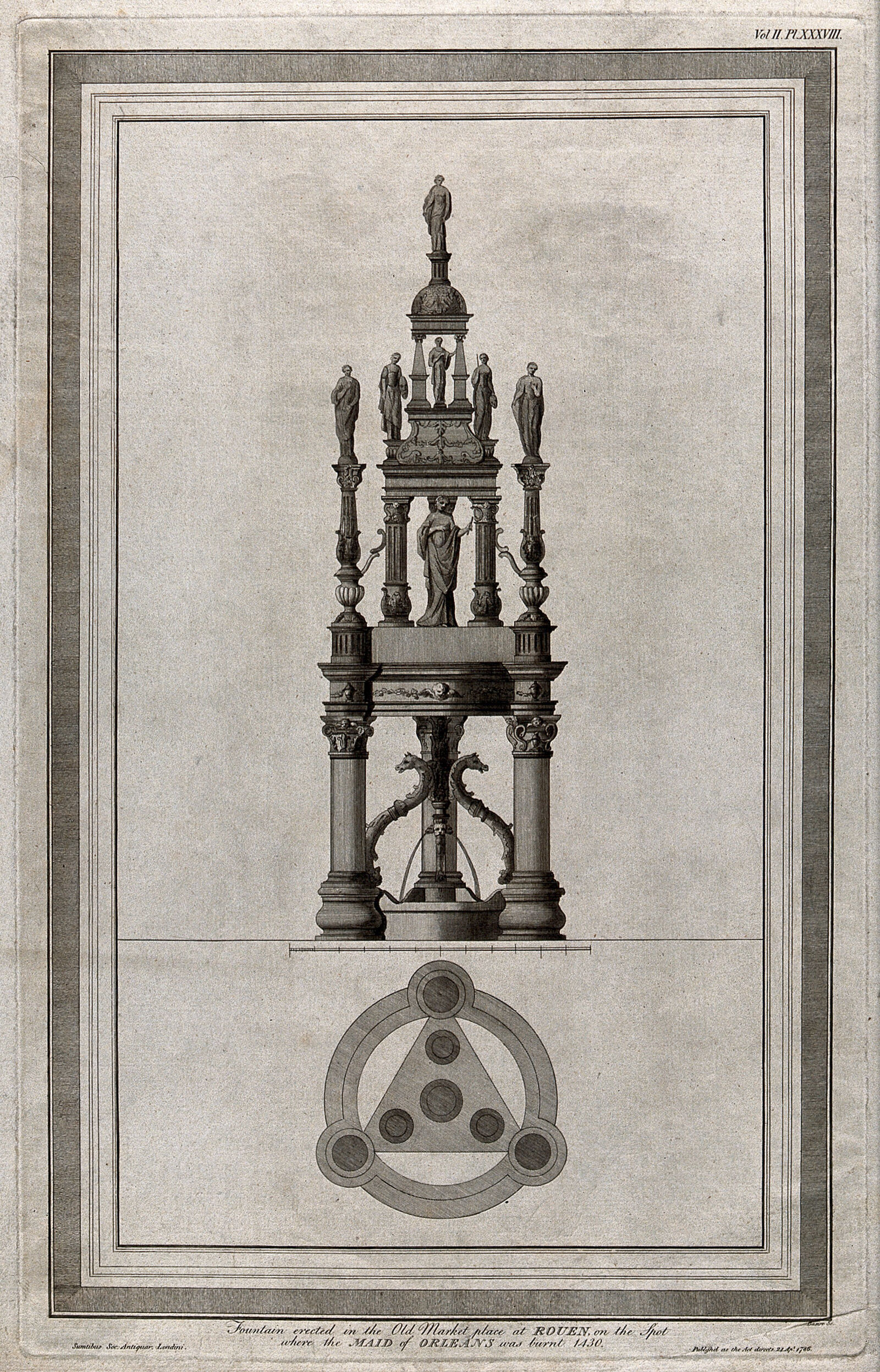
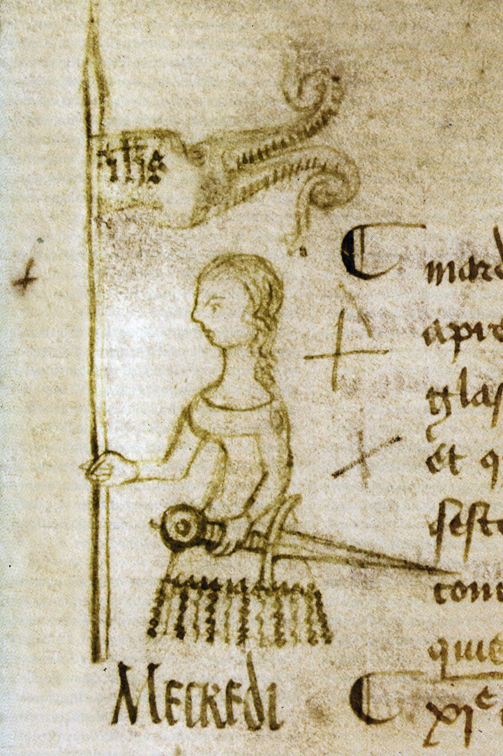
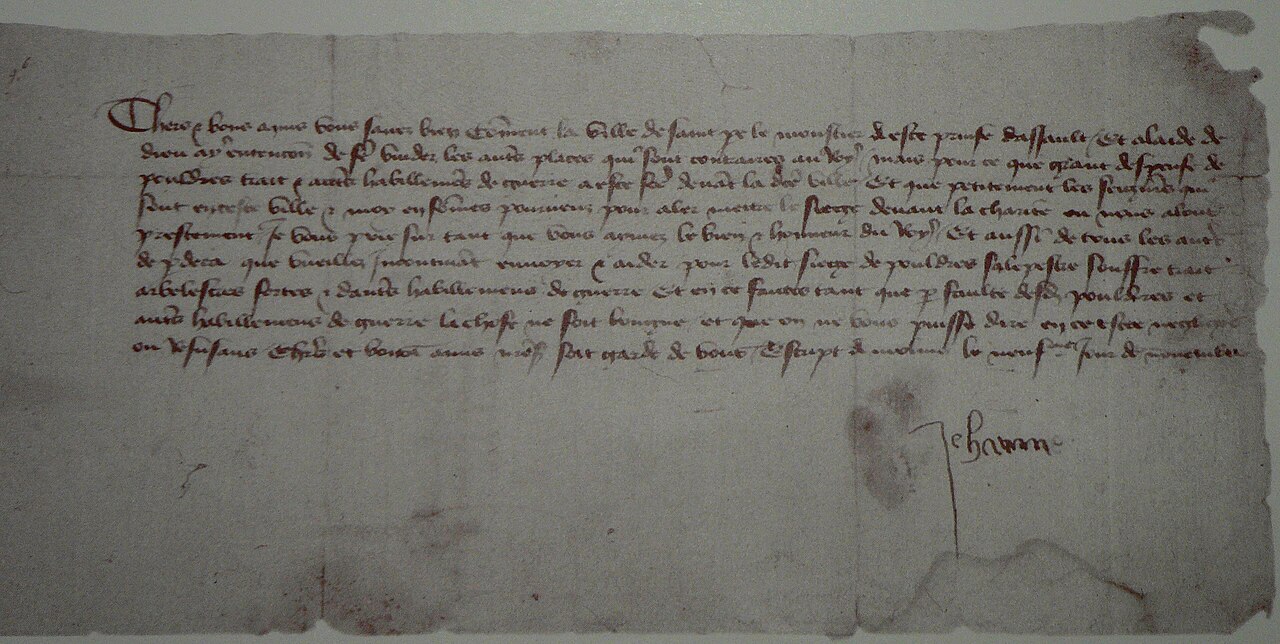
77 sources · 35 books · 17 paintings · 9 documents · 7 artifacts · 3 letters · 2 sculptures · 2 documentaries · 1 newspaper article · 1 speech
Joan of Arc doesn’t improvise from thin air. The AI is grounded in 77 curated historical sources students can inspect. Open any of them to see what informs the conversation.
Primary source
Joan of Arc · 22 March 1429
 Artifact
Secondary source
James Basire · 21 April 1786
 Painting
Primary source
Clément de Fauquembergue · May 1429
 Document
Primary source
Joan of Arc · 16 March 1430
 Letter
Primary source
Joan of Arc · 9 November 1429
 Document
Secondary source
15th century
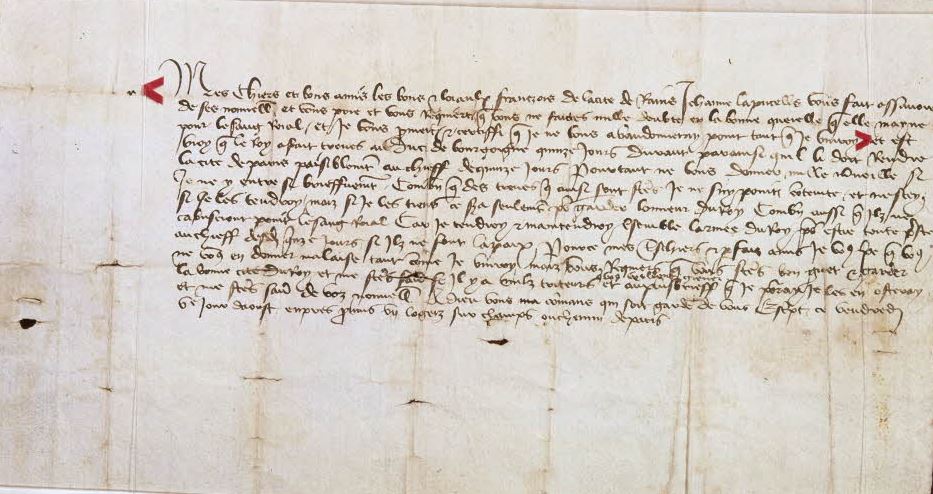 Letter
Primary source
1430
 Document
Primary source
15th century
 Document
Primary source
1429
 Book
Primary source
Enguerrand de Monstrelet · c. 1440s
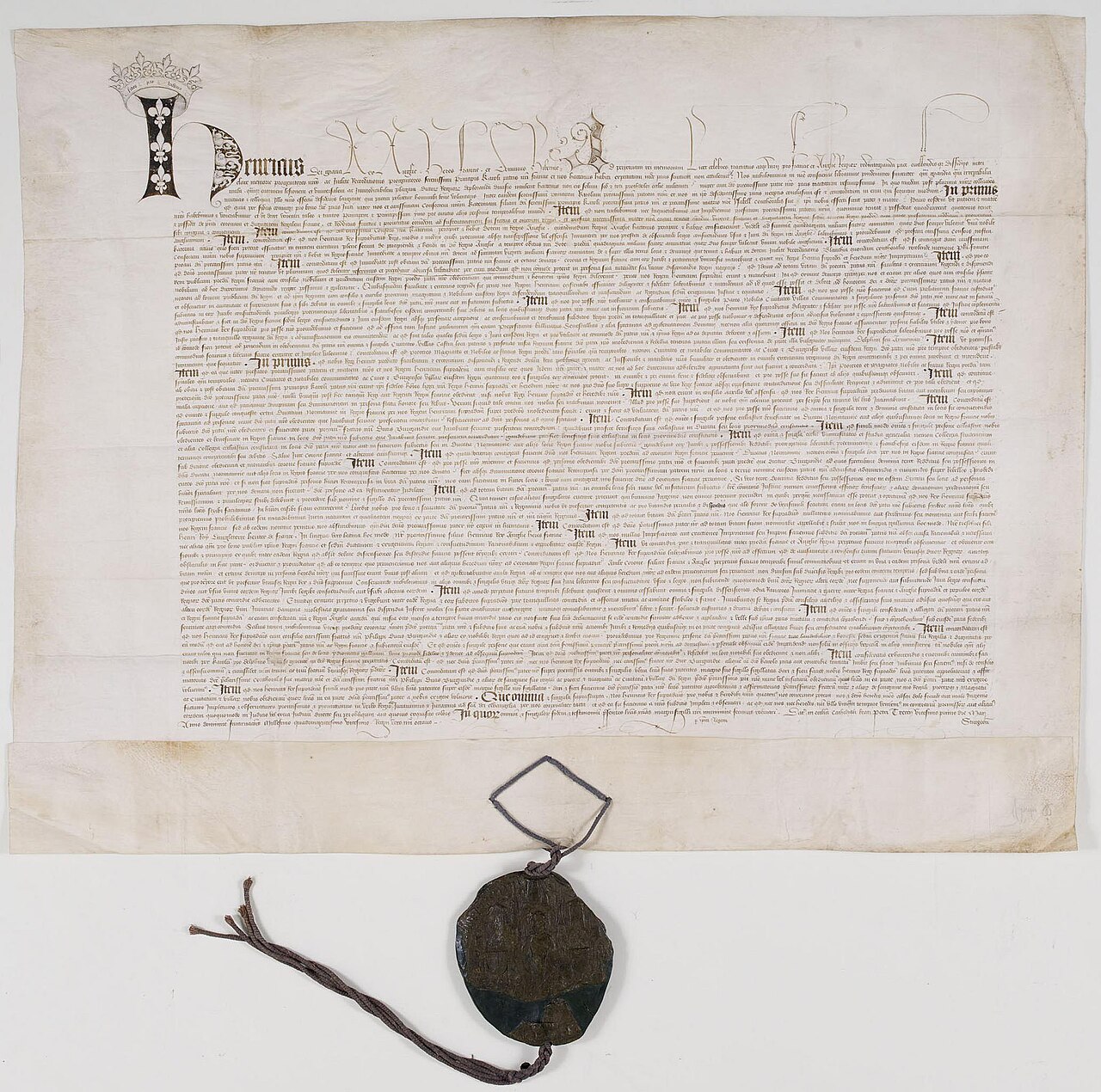 Document
Primary source
21 May 1420
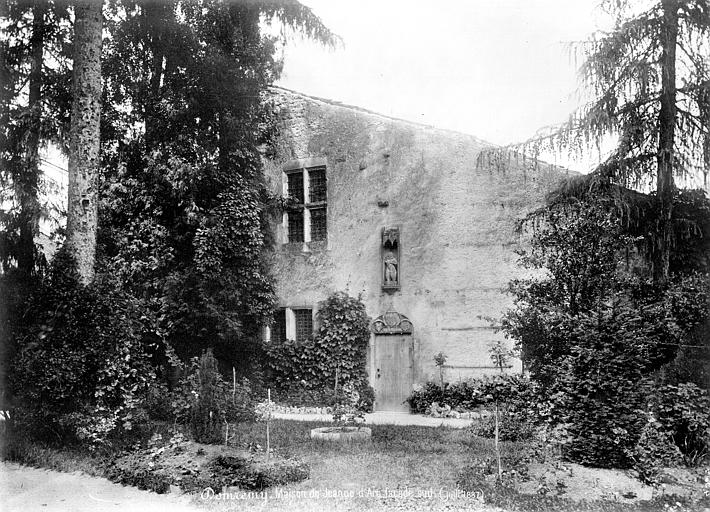 Artifact
Primary source
15th century
 Book
Secondary source
Guillaume Cousinot de Montreuil · mid-15th century
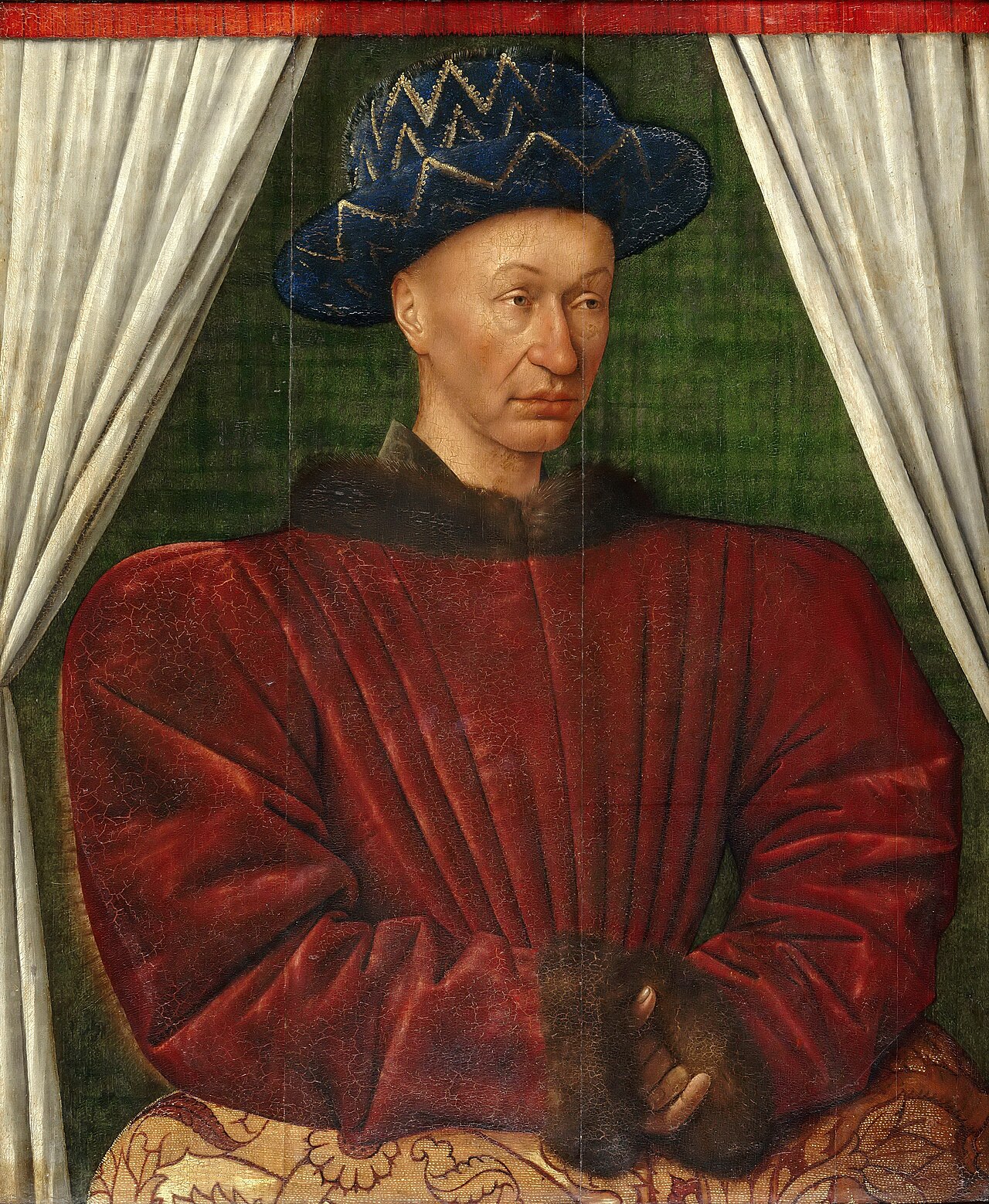 Painting
Secondary source
Jean Fouquet · 1444
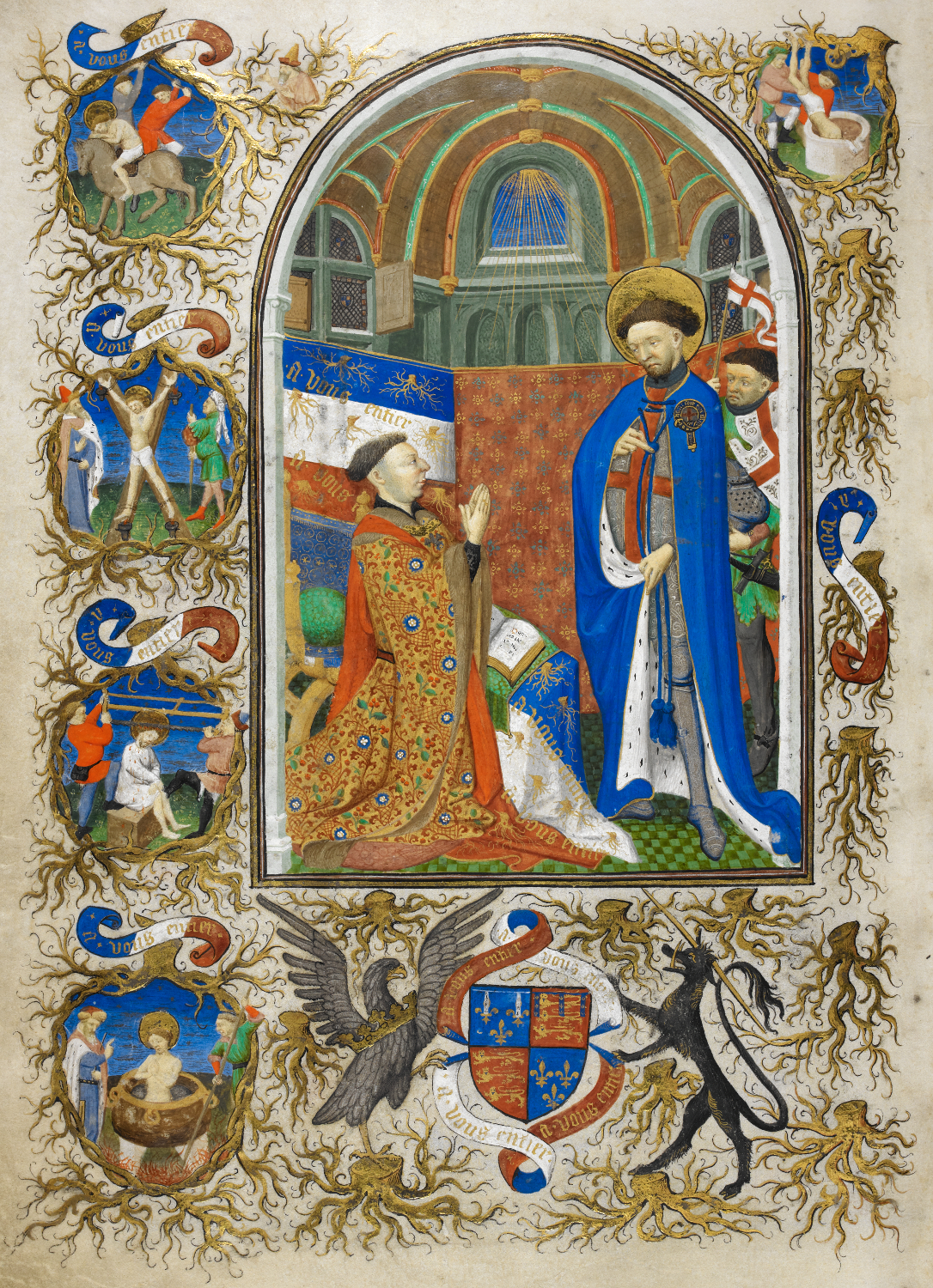 Book
Primary source
Fastolf Master · c. 1410-30
 Book
Secondary source
Jacques Milet · 1500
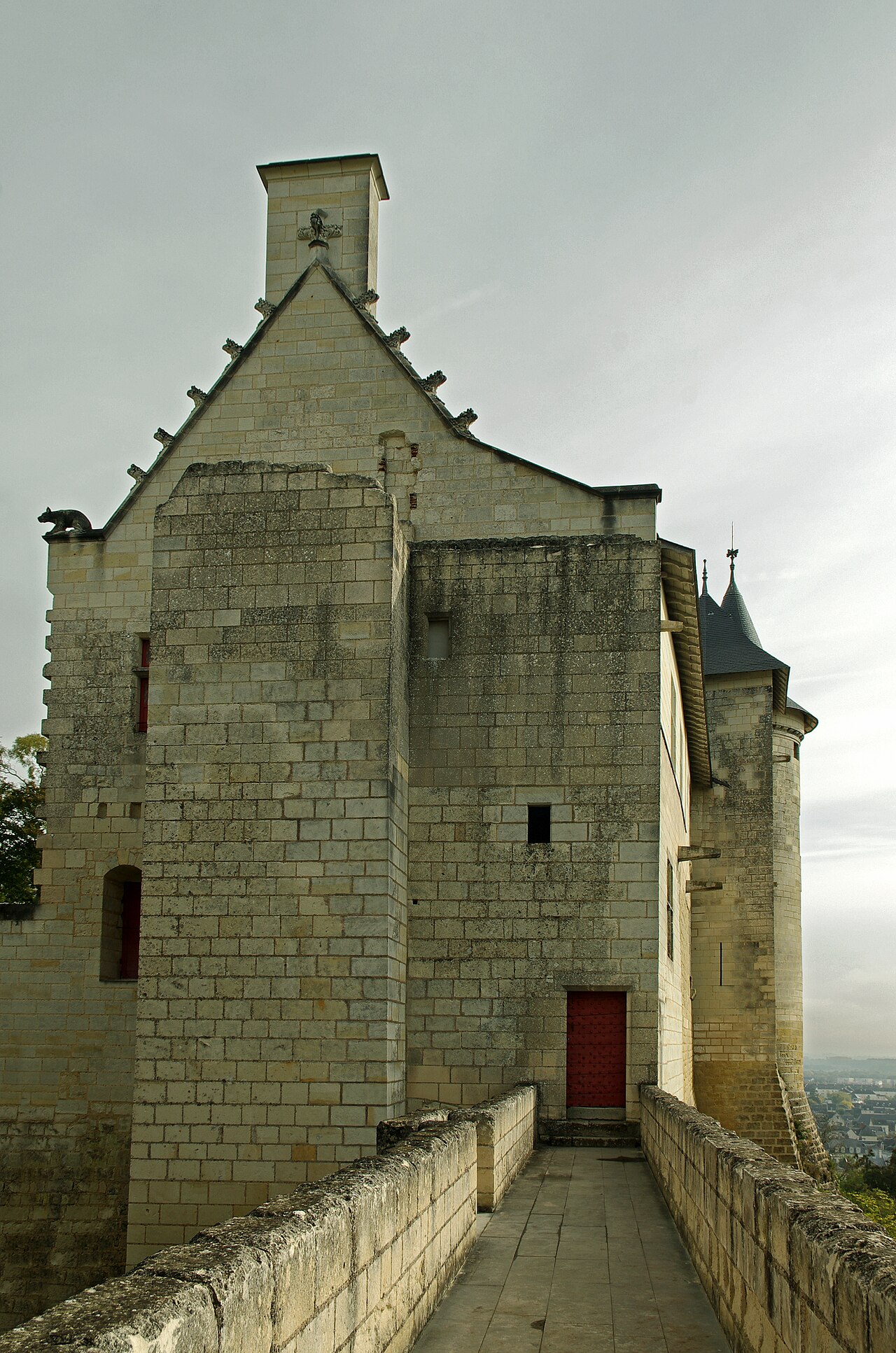 Artifact
Secondary source
10th-15th century
 Artifact
Secondary source
begun 1211 (consecrated 1201 per record)
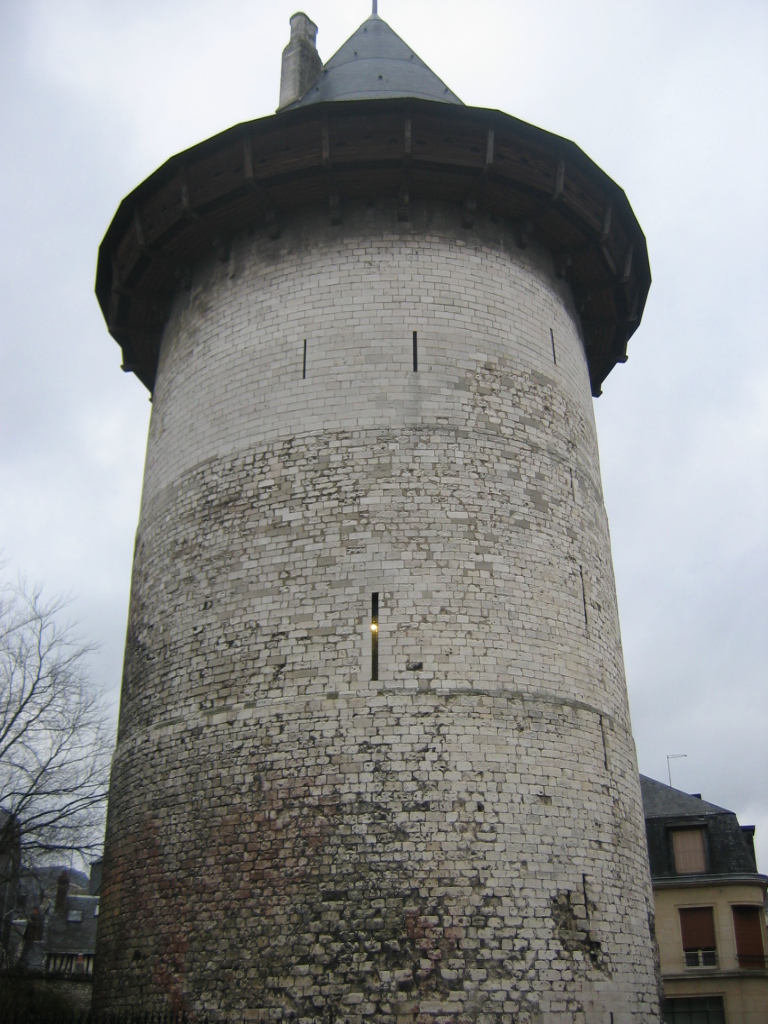 Artifact
Primary source
c. 1204
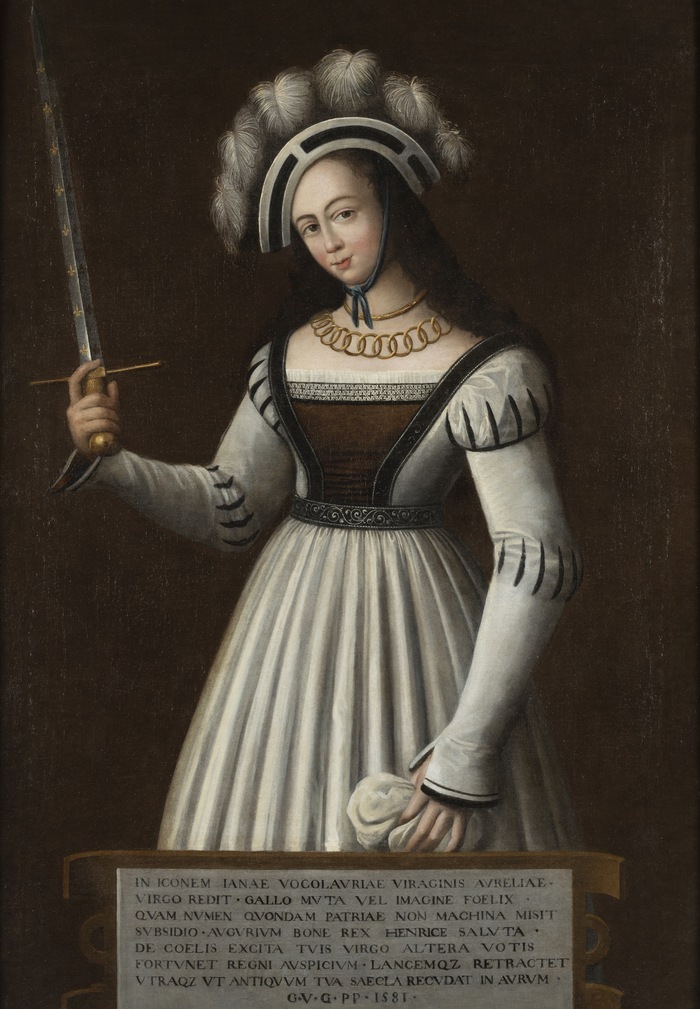 Painting
Secondary source
Germain Vaillant de Guélis · 1581
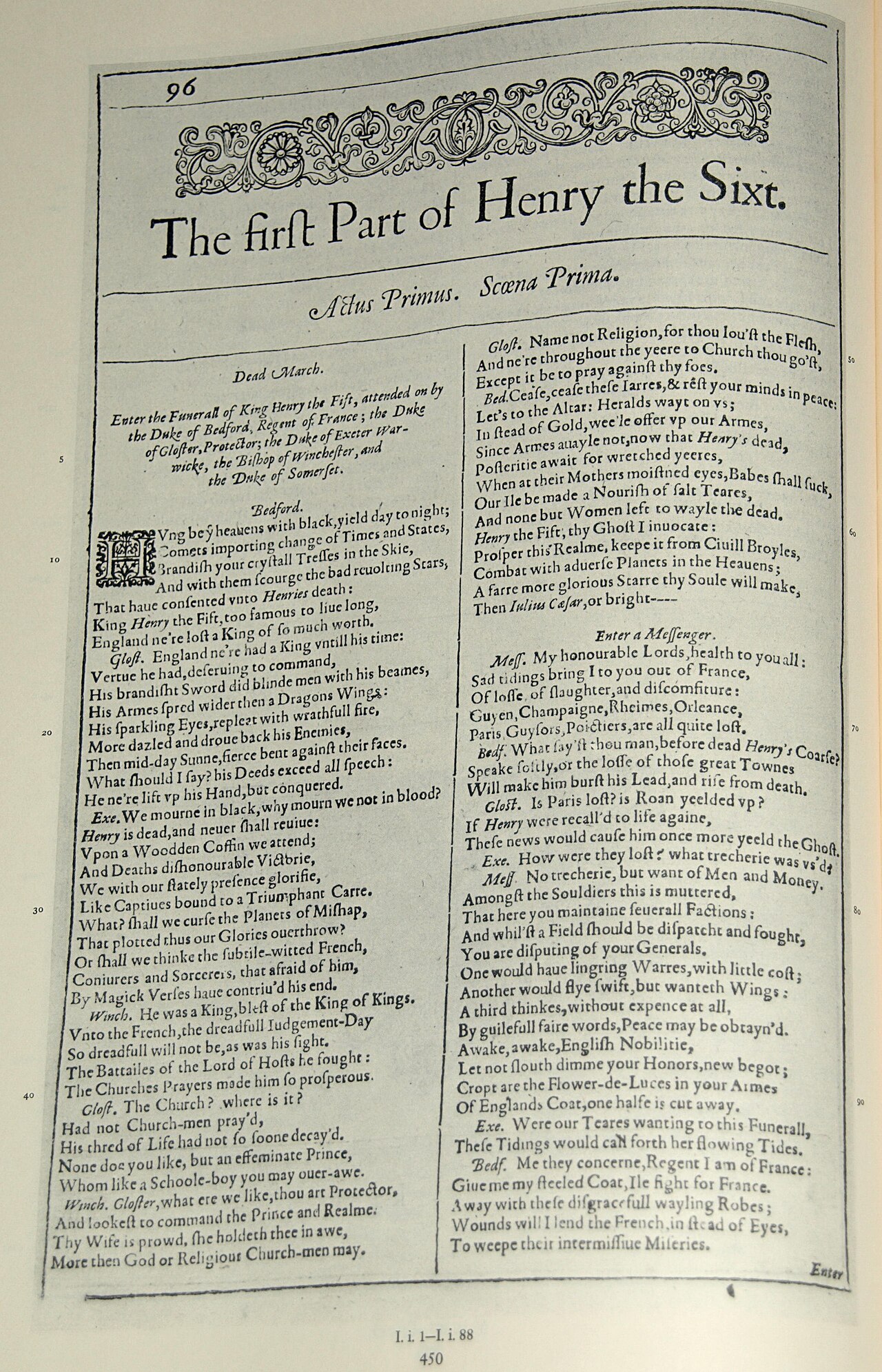 Book
Secondary source
William Shakespeare · 1592
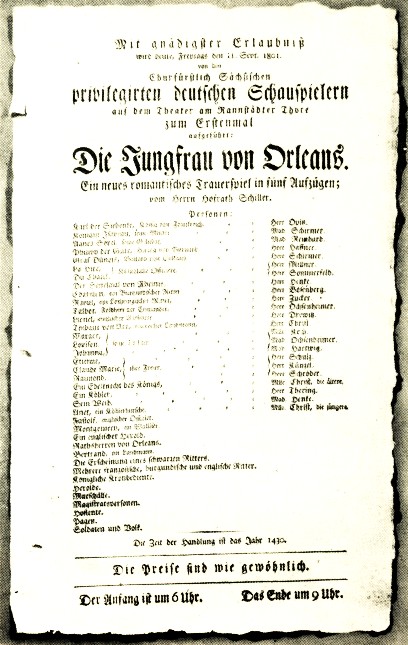 Book
Secondary source
Friedrich Schiller · 1801
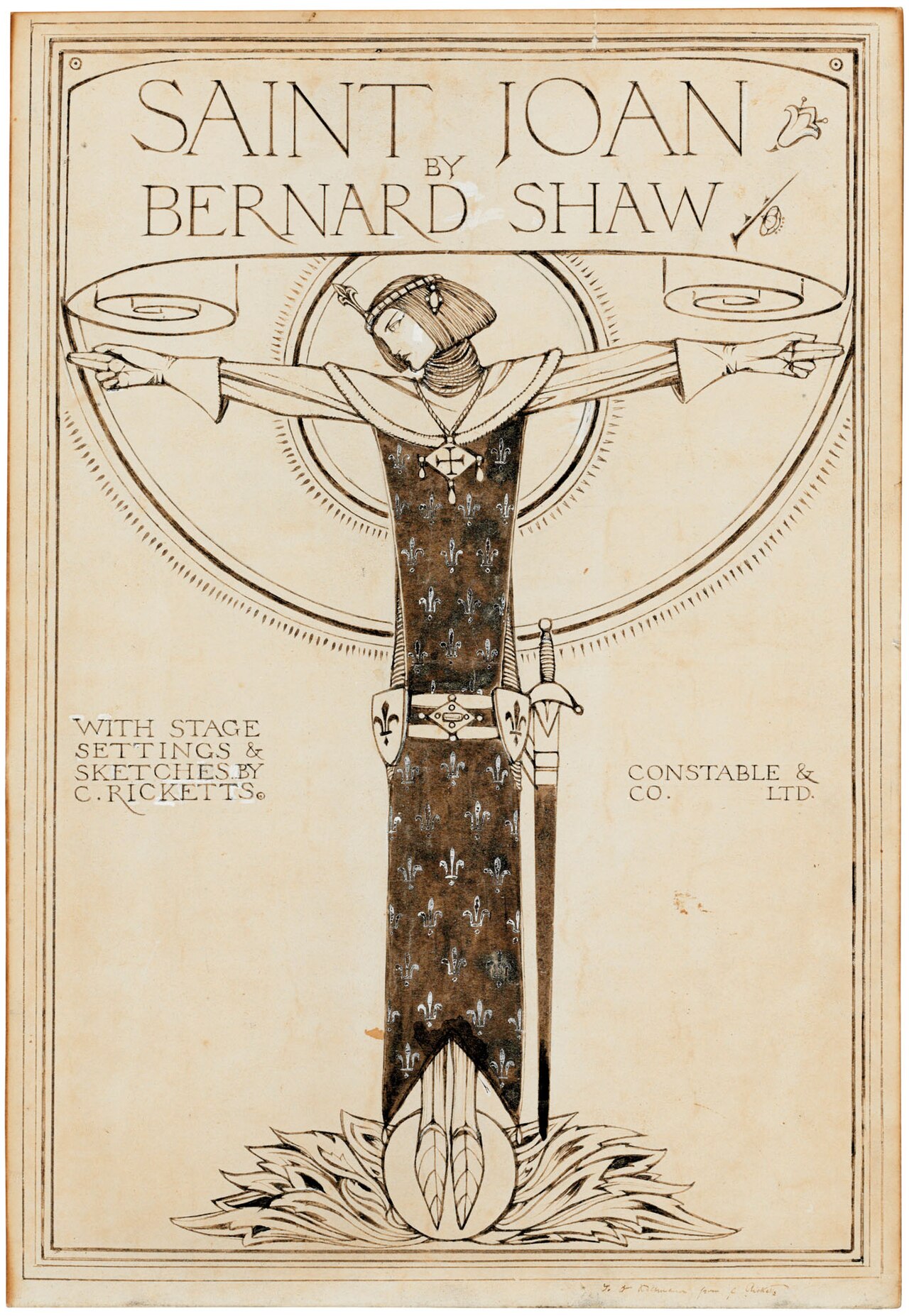 Book
Secondary source
George Bernard Shaw · 1923
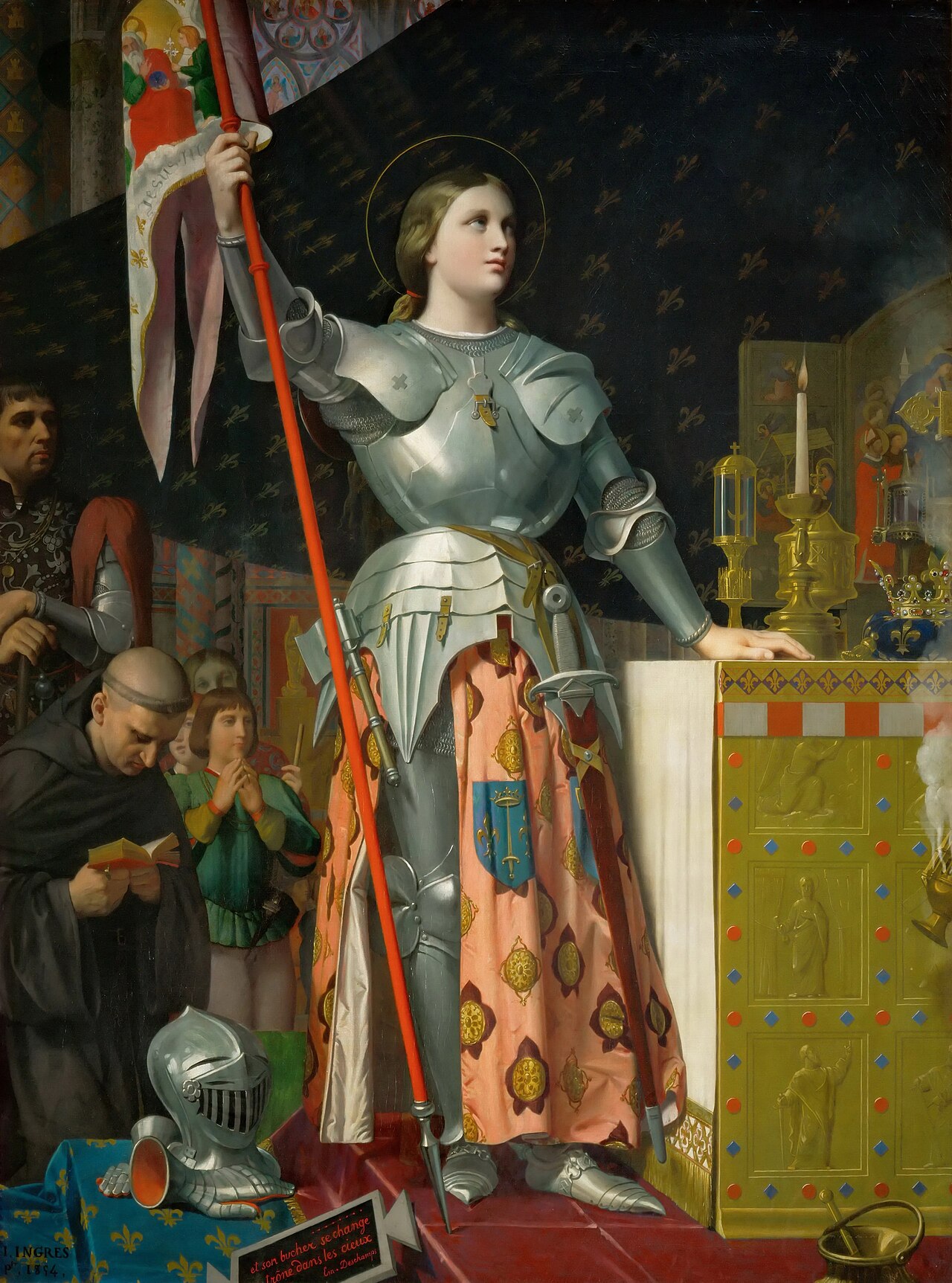 Painting
Secondary source
Jean-Auguste-Dominique Ingres · 1854
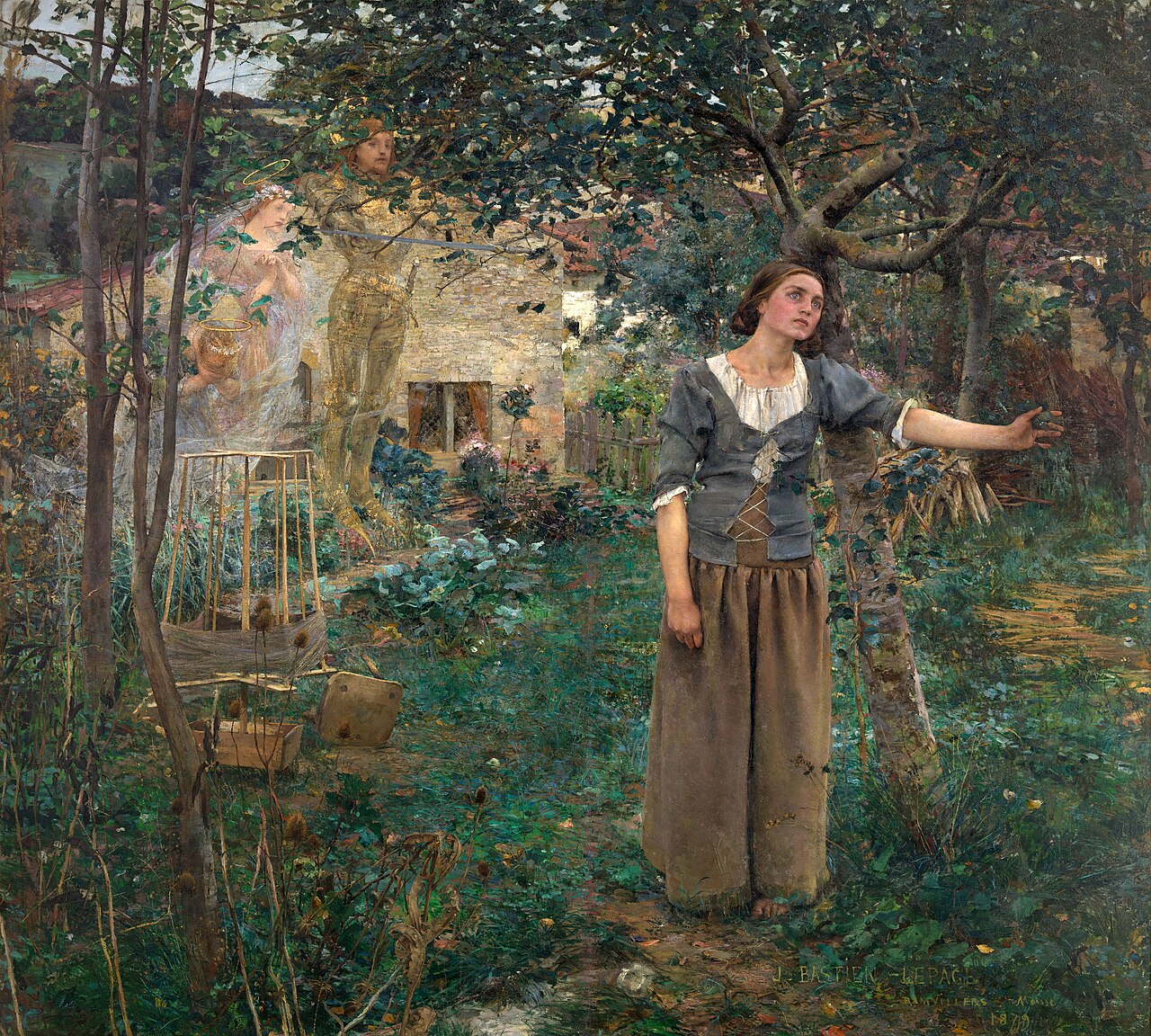 Painting
Secondary source
Jules Bastien-Lepage · 1879
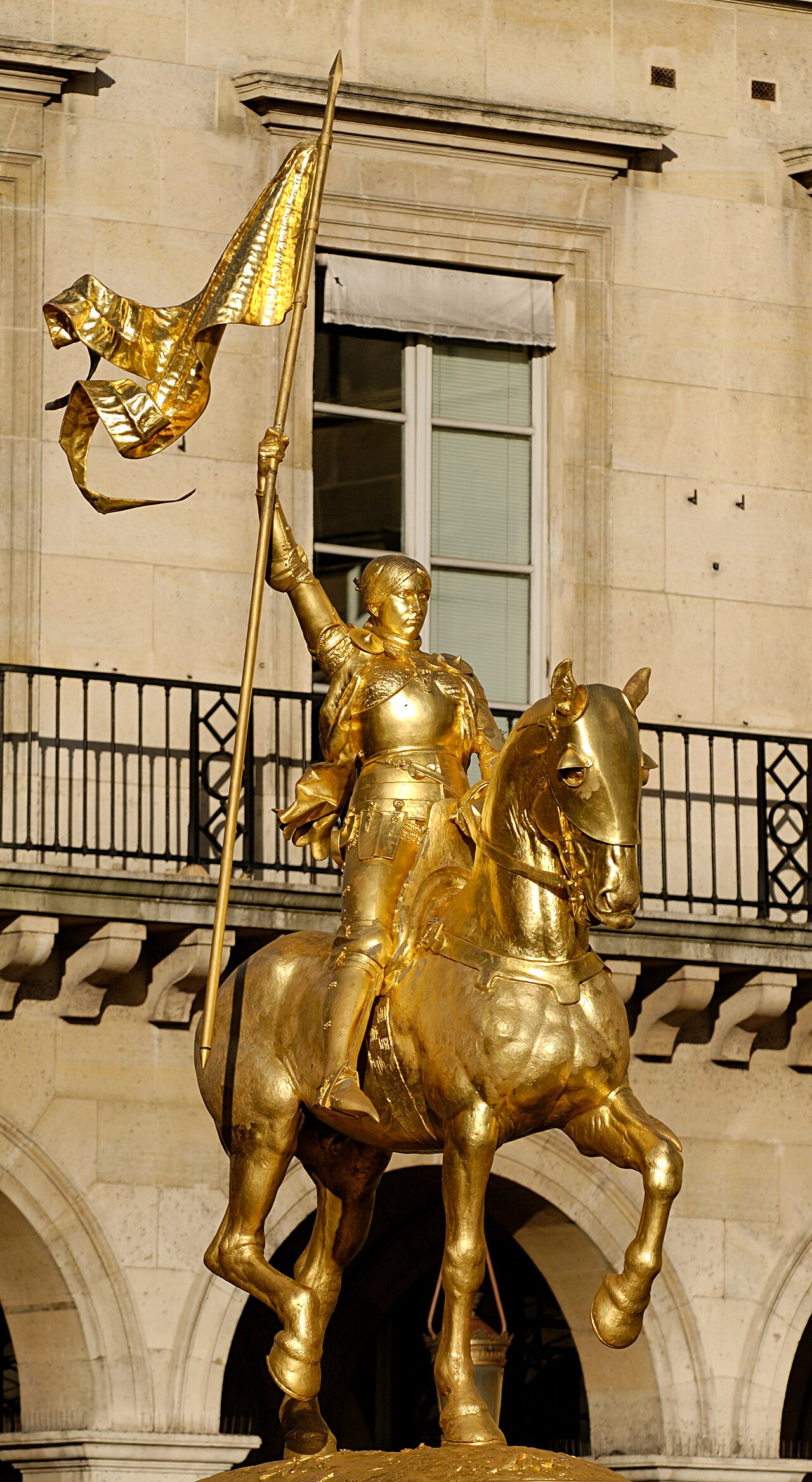 Sculpture
Secondary source
Emmanuel Frémiet · 1874
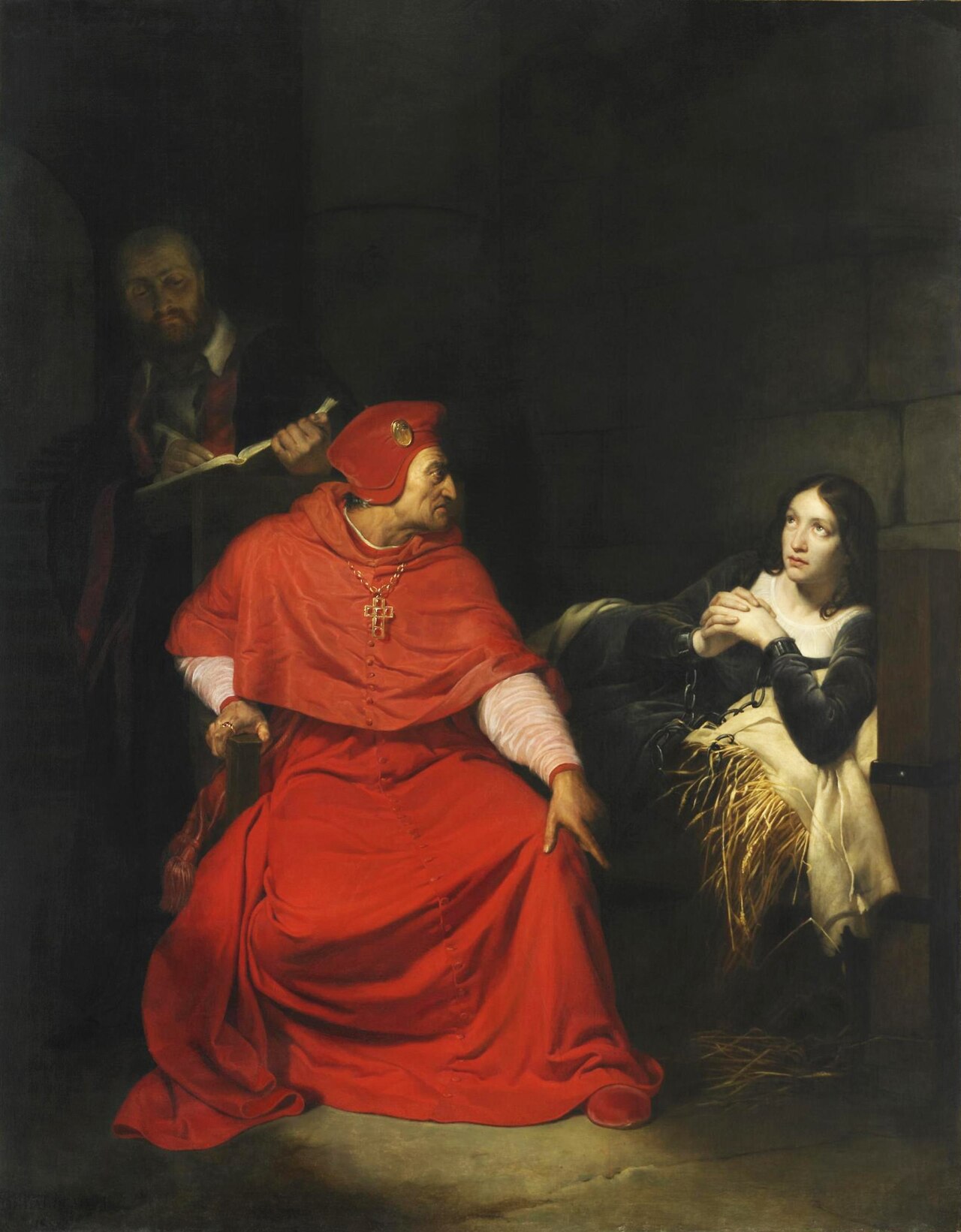 Painting
Secondary source
Paul Delaroche · 1824
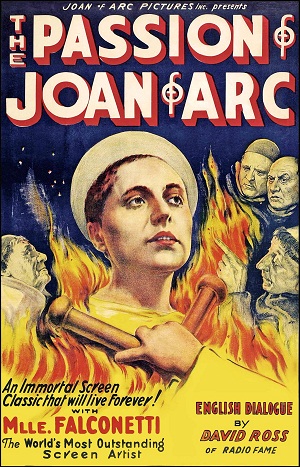 Documentary
Secondary source
Carl Theodor Dreyer · 1928
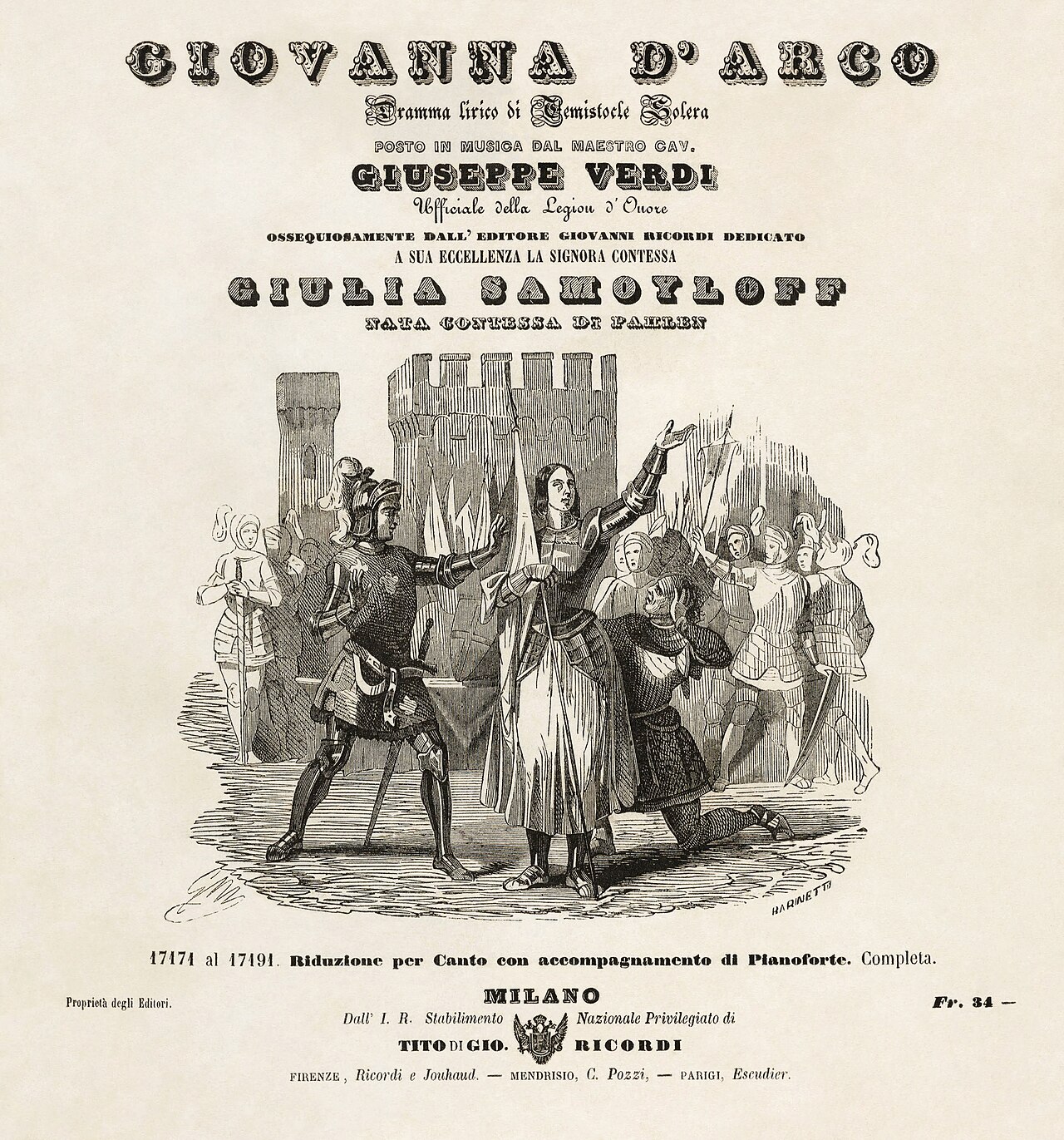 Artifact
Secondary source
Giuseppe Verdi · 1845
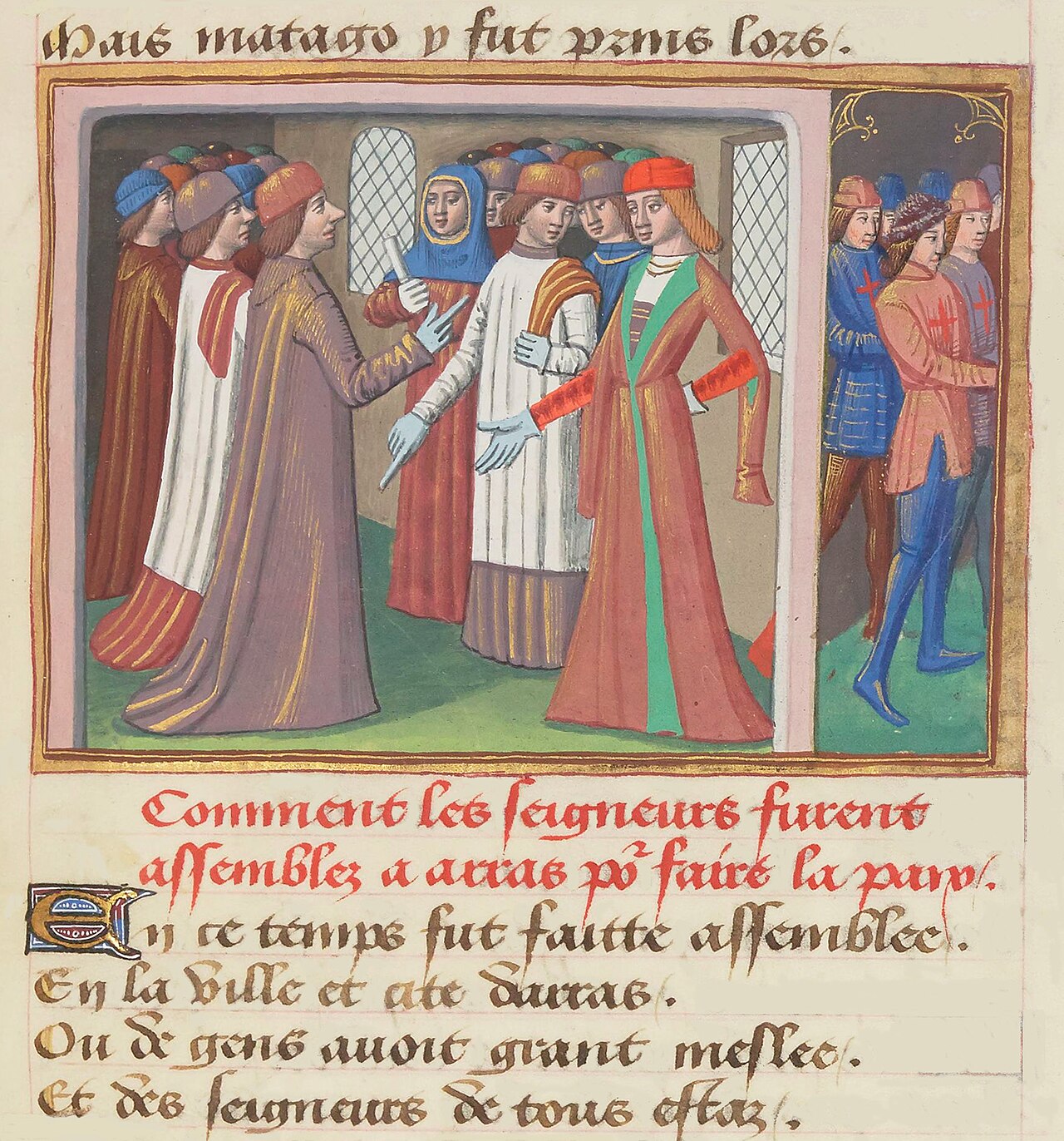 Document
Secondary source
1435
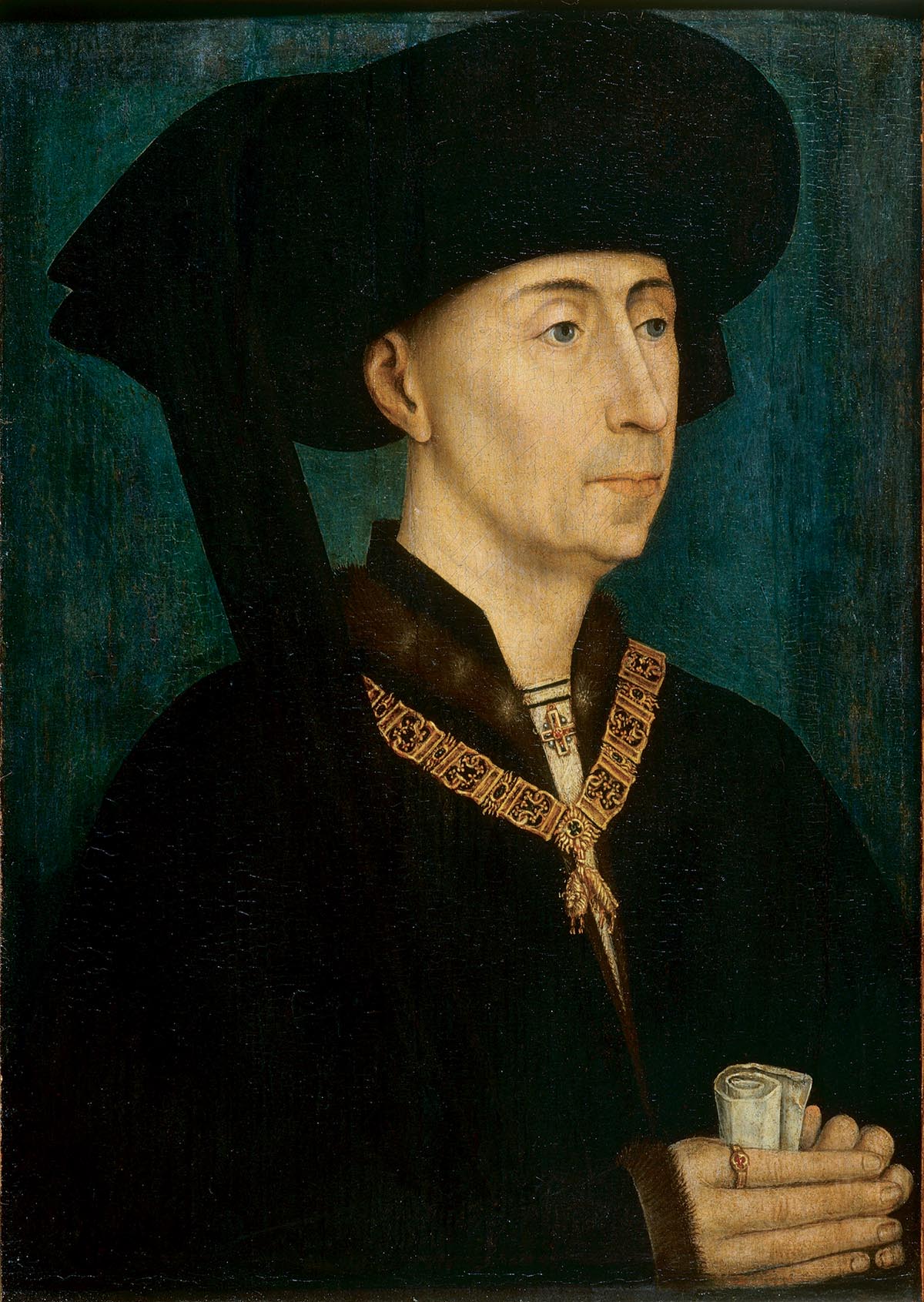 Painting
Secondary source
after Rogier van der Weyden · 1455
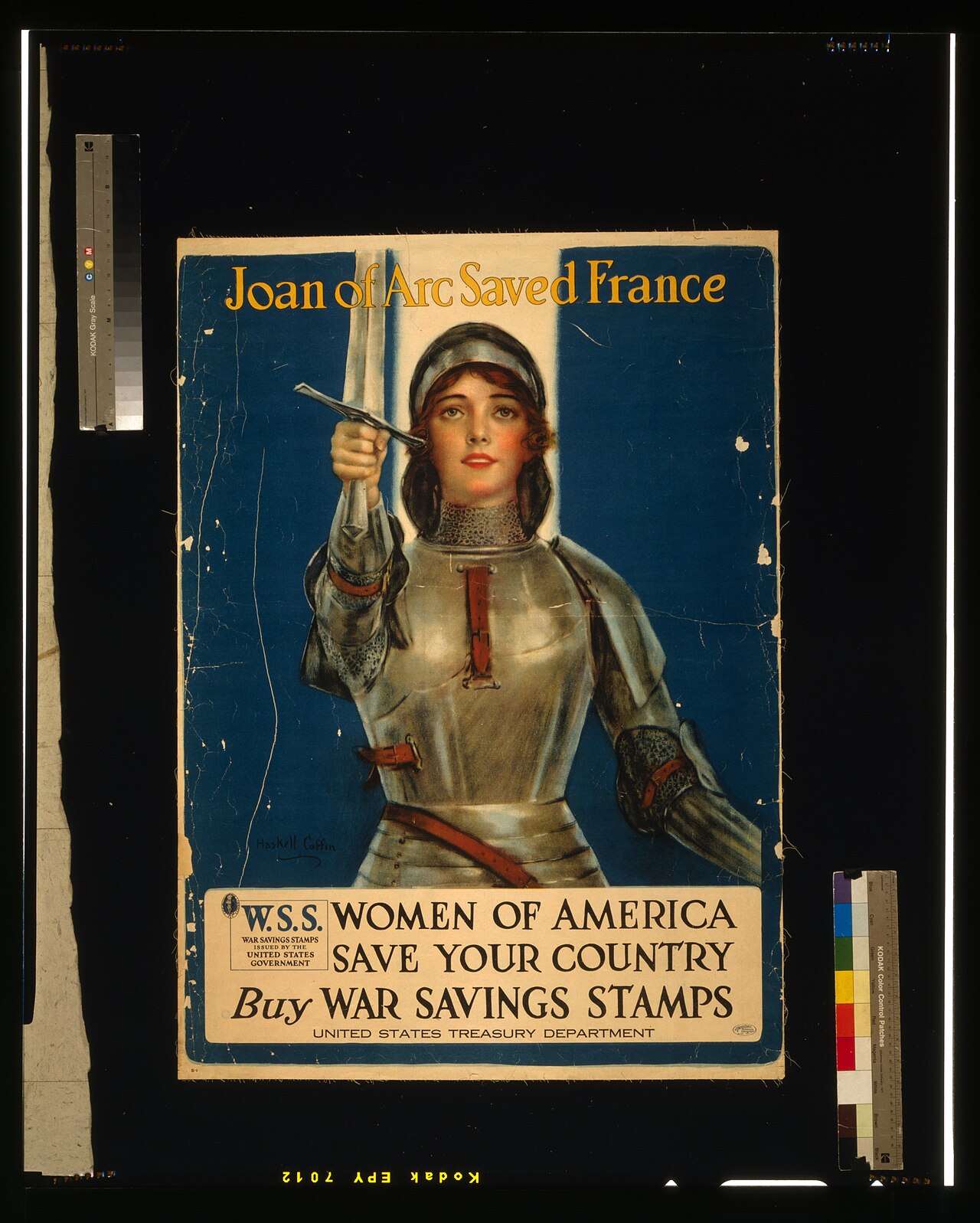 Artifact
Secondary source
Haskell Coffin · 1918
 Book
Secondary source
Jules Michelet · 1900
 Book
Secondary source
Voltaire · 18th century (this edition later)
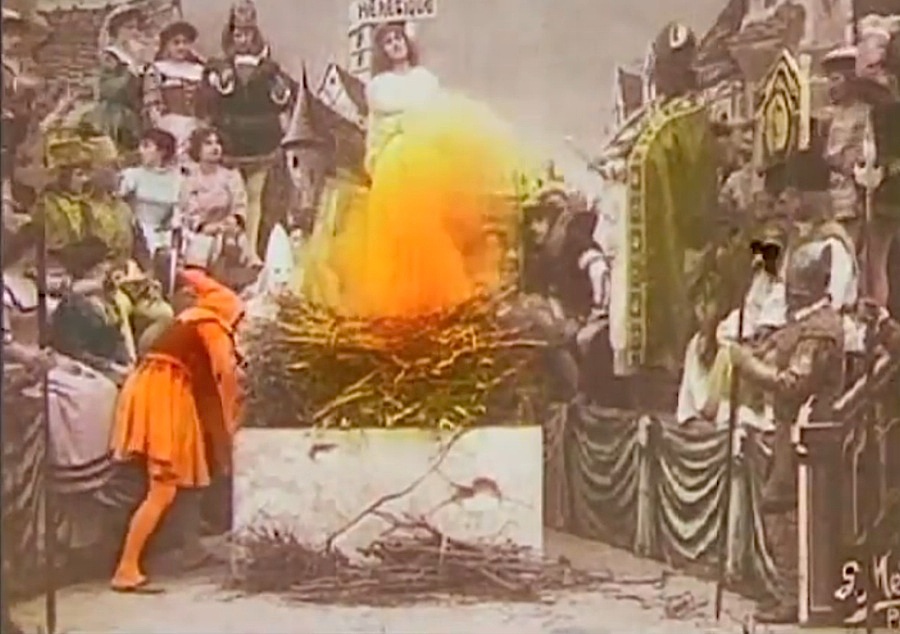 Documentary
Secondary source
Georges Méliès · 1900
Secondary source
Anatole France
Secondary source
Mark Twain · 1896
Secondary source
Mrs. Oliphant · 1896
Secondary source
Margaret O. Oliphant
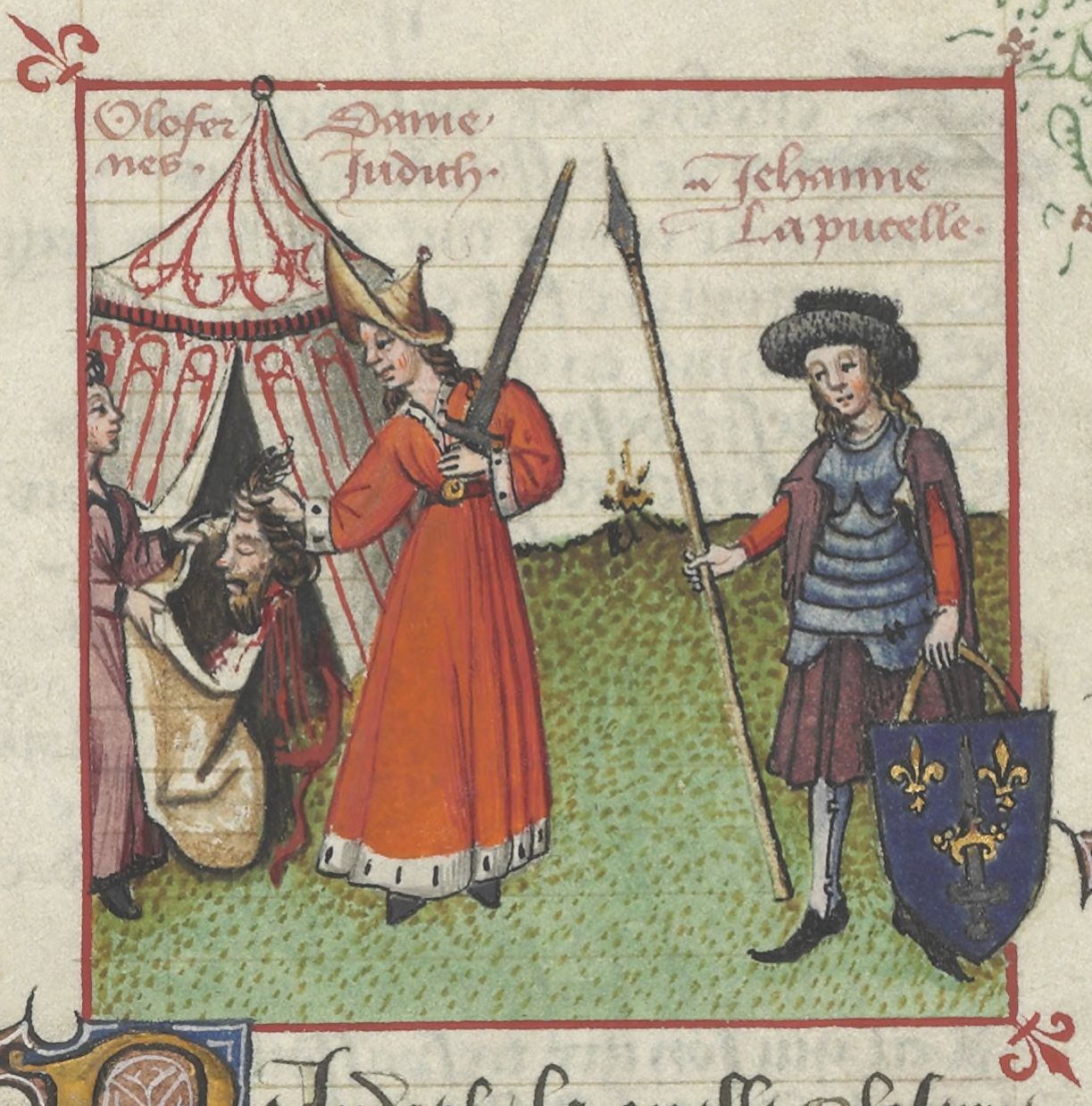 Painting
Primary source
Anonymous · 1440
Secondary source
Edmond Richer · 1625-1630, published 1911
Secondary source
Lord Ronald Gower · 1893
 Book
Secondary source
Andrew Lang · 1906
 Book
Secondary source
Andrew Lang · 1911
 Book
Secondary source
1883 reprint of 1583 original
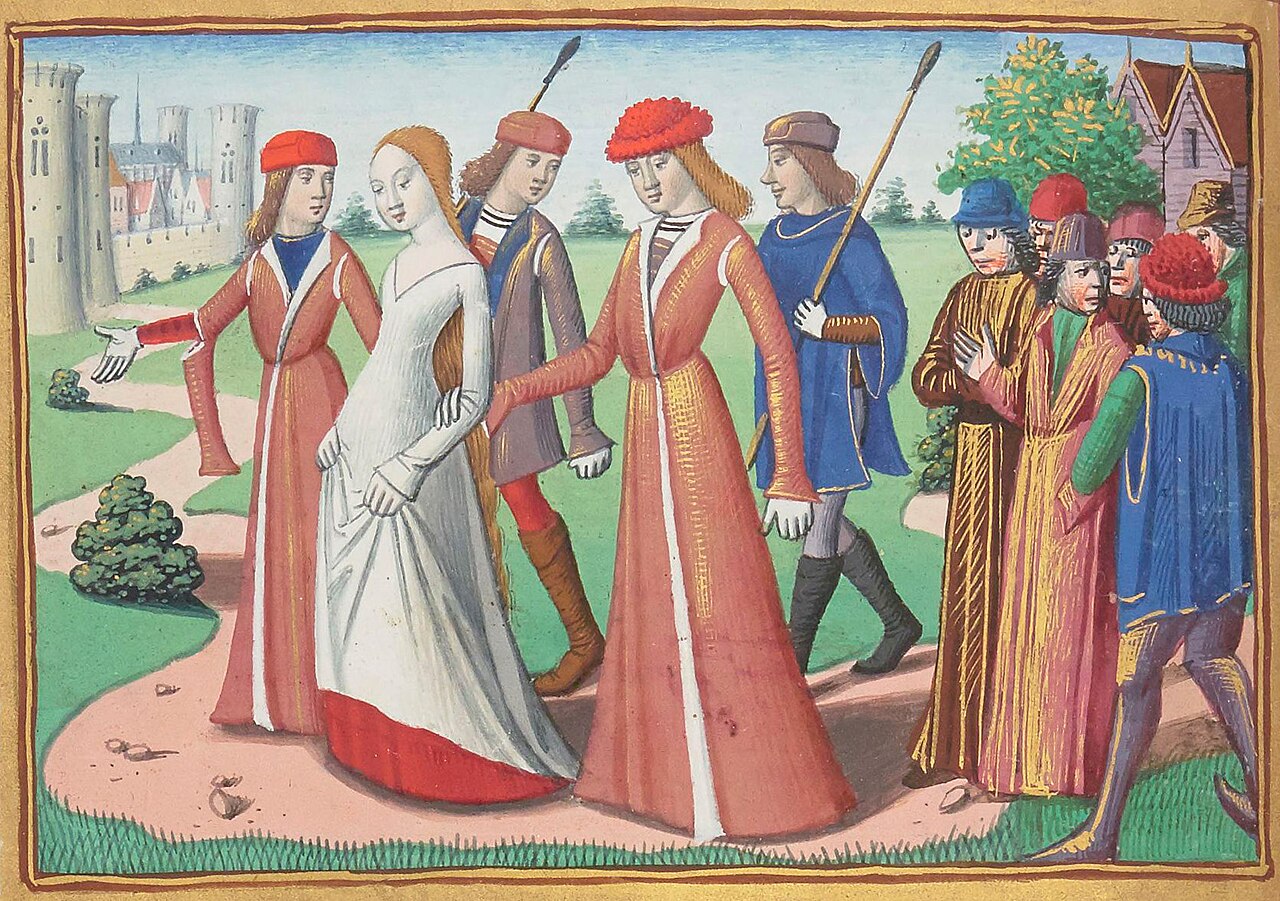 Painting
Secondary source
Anonymous · c. 1484
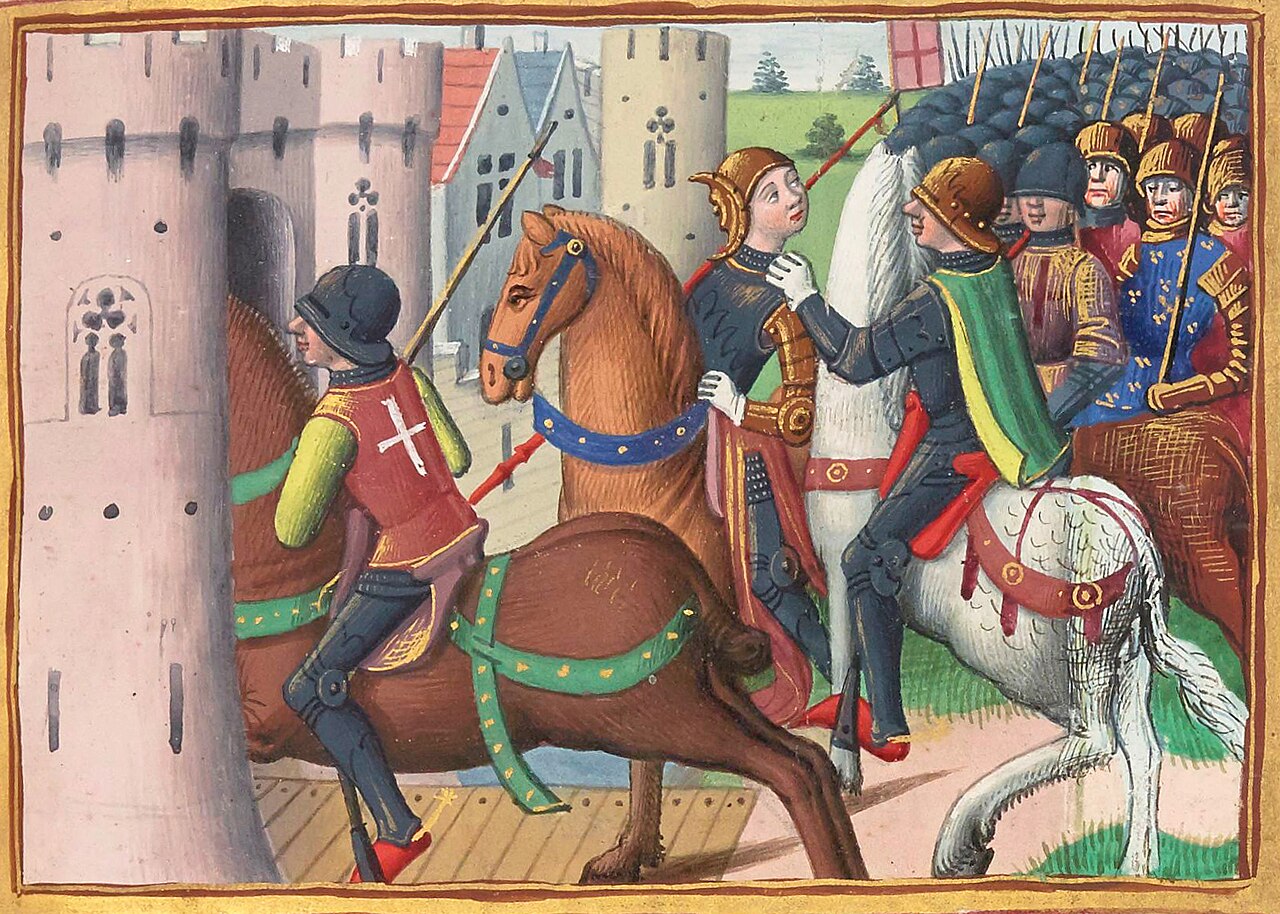 Painting
Secondary source
Anonymous · c. 1484
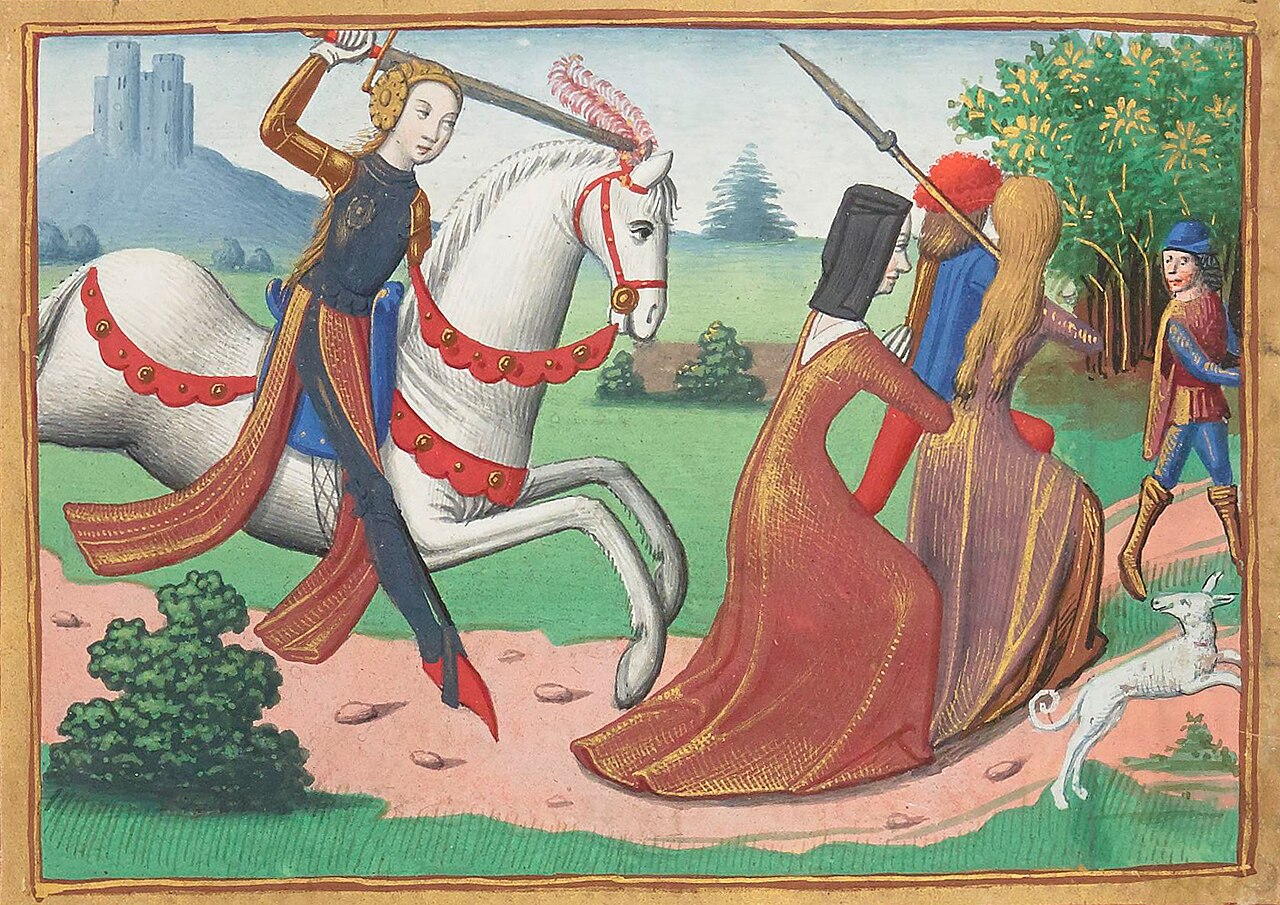 Painting
Secondary source
Anonymous · c. 1484
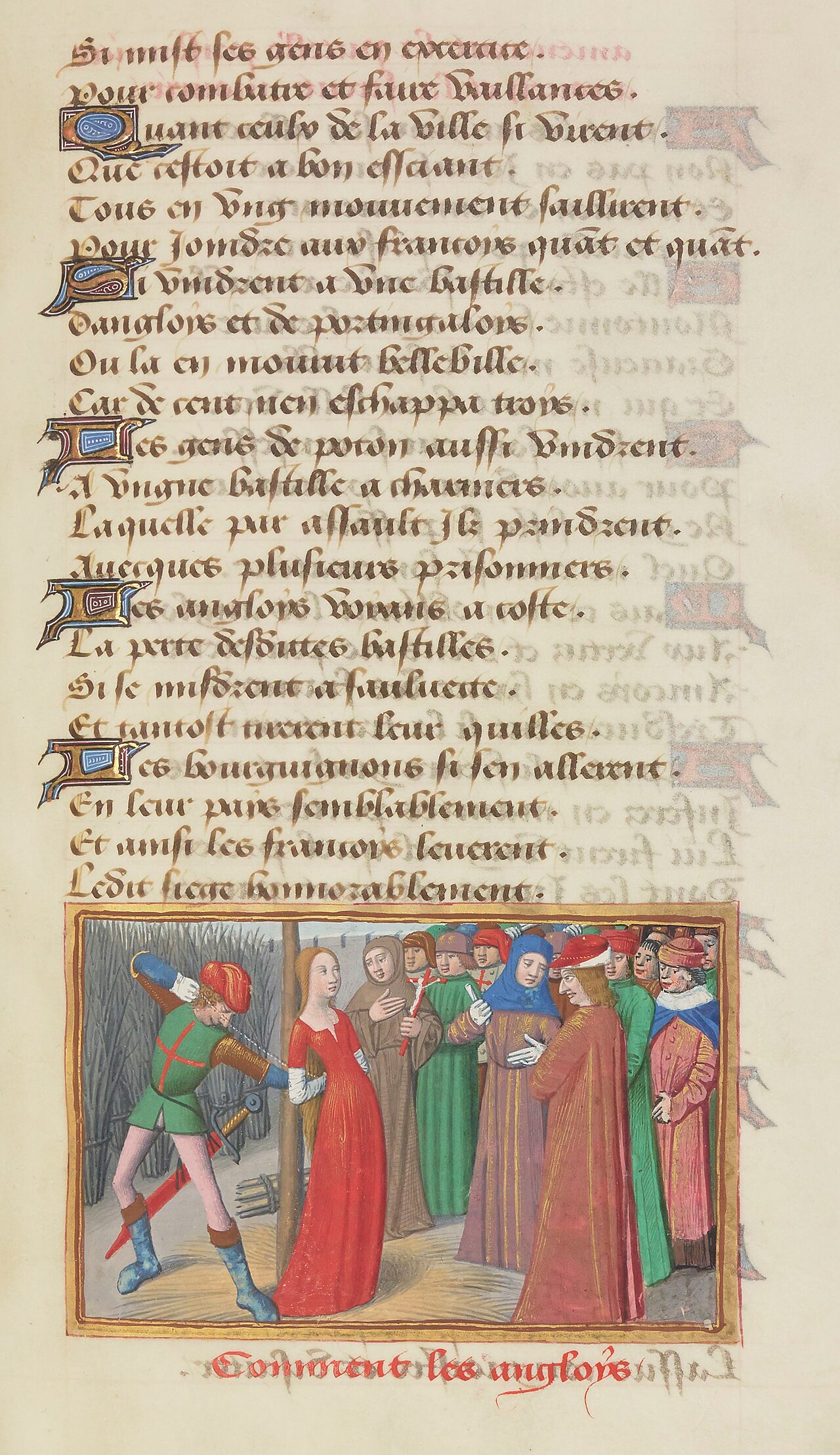 Painting
Secondary source
Anonymous · c. 1484
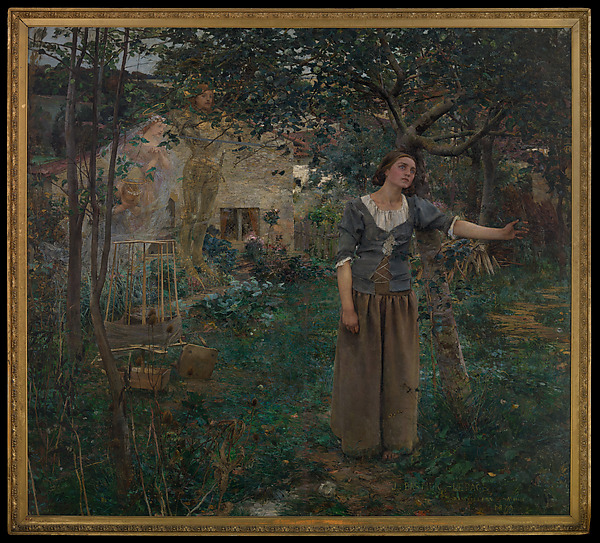 Painting
Secondary source
Jules Bastien-Lepage · 1879
Secondary source
Charles G. Herbermann and others · 1913
Secondary source
John H. Haaren
Secondary source
James Thomson Shotwell and Hugh Chisholm · 1911
Tertiary source
1914
Secondary source
Lucy Foster Madison · 1919
Secondary source
Laura Elizabeth Howe Richards · 1919
Secondary source
Ida M. Tarbell · 1916 (January 1 issue)
Secondary source
Mary E. Mannix · 1920
Secondary source
Andrew Lang
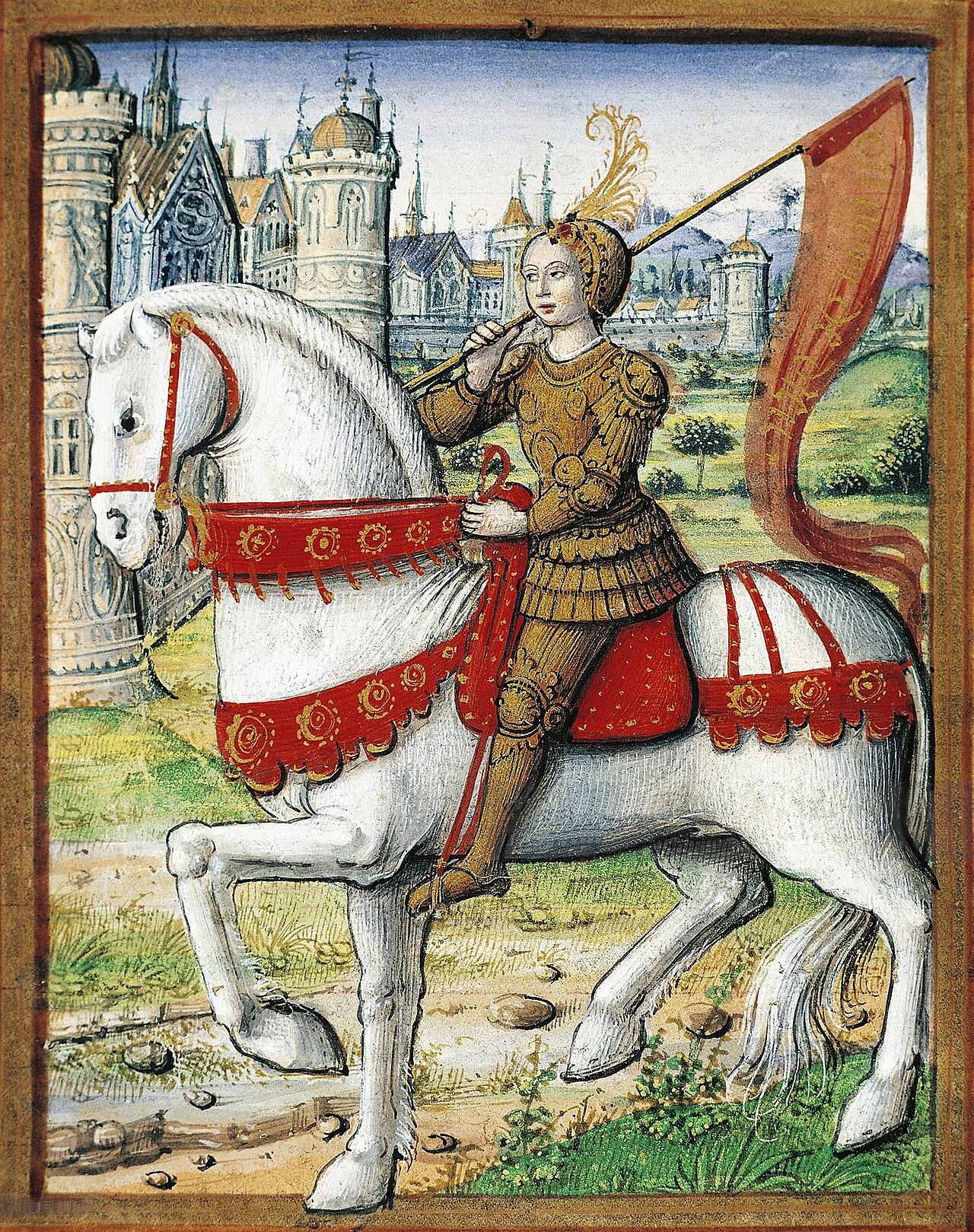 Painting
Secondary source
Jean Pichore · 1504
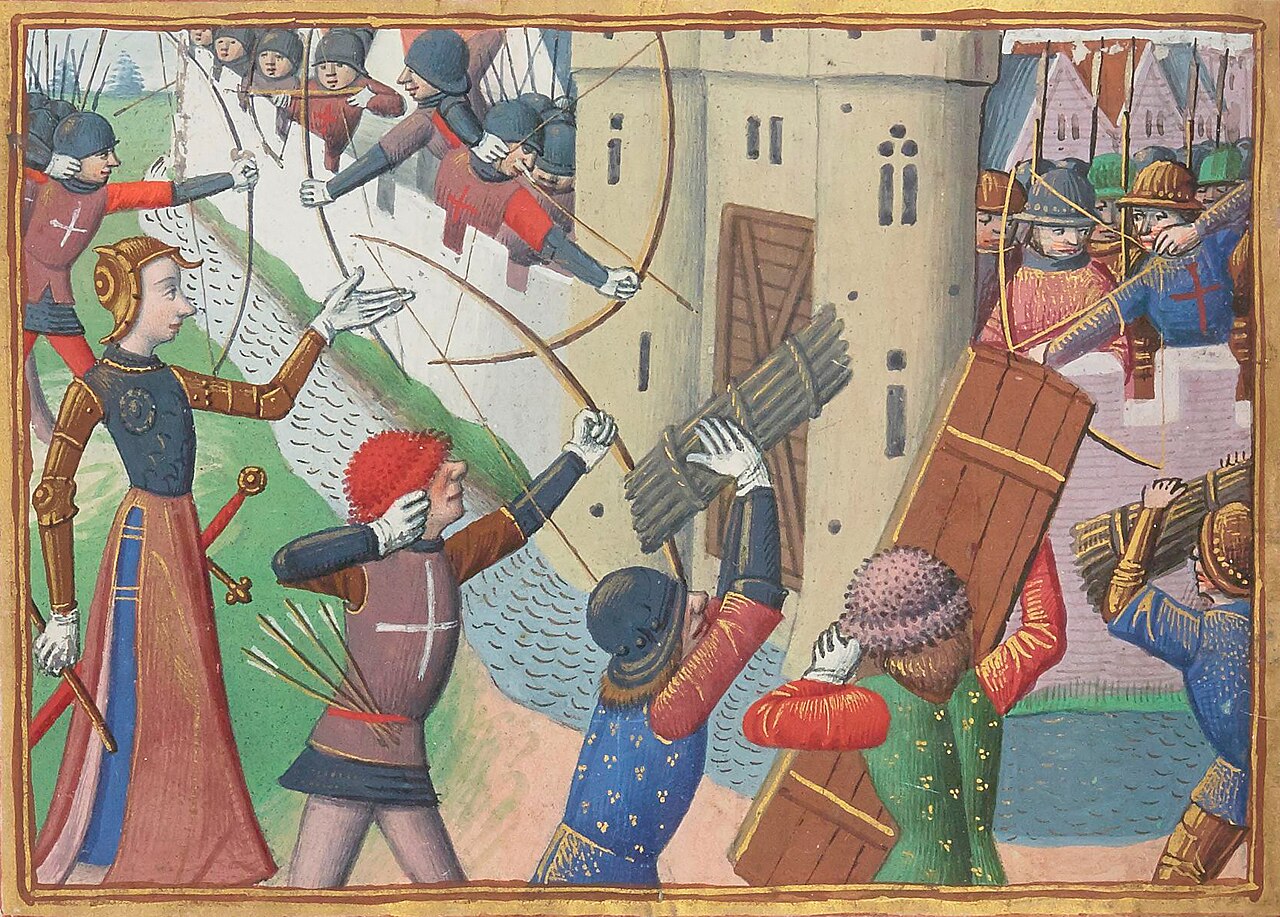 Painting
Secondary source
c. 1484
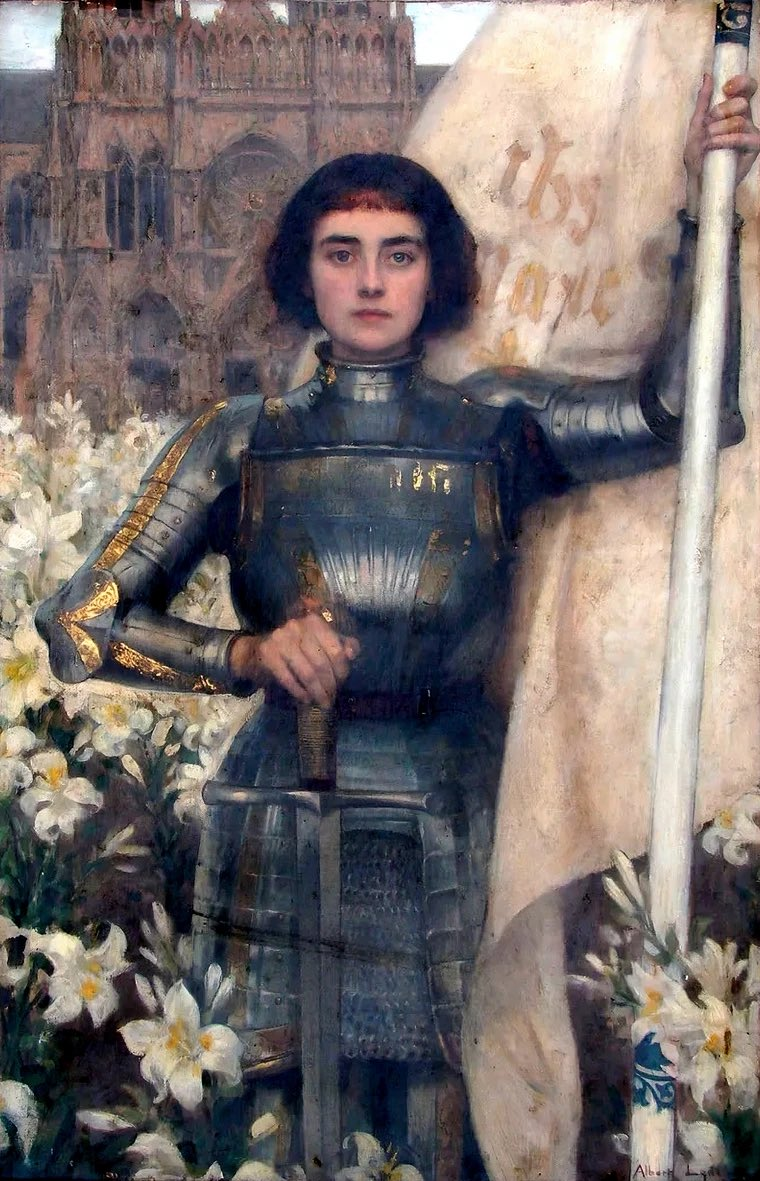 Painting
Secondary source
Albert Lynch · 1901
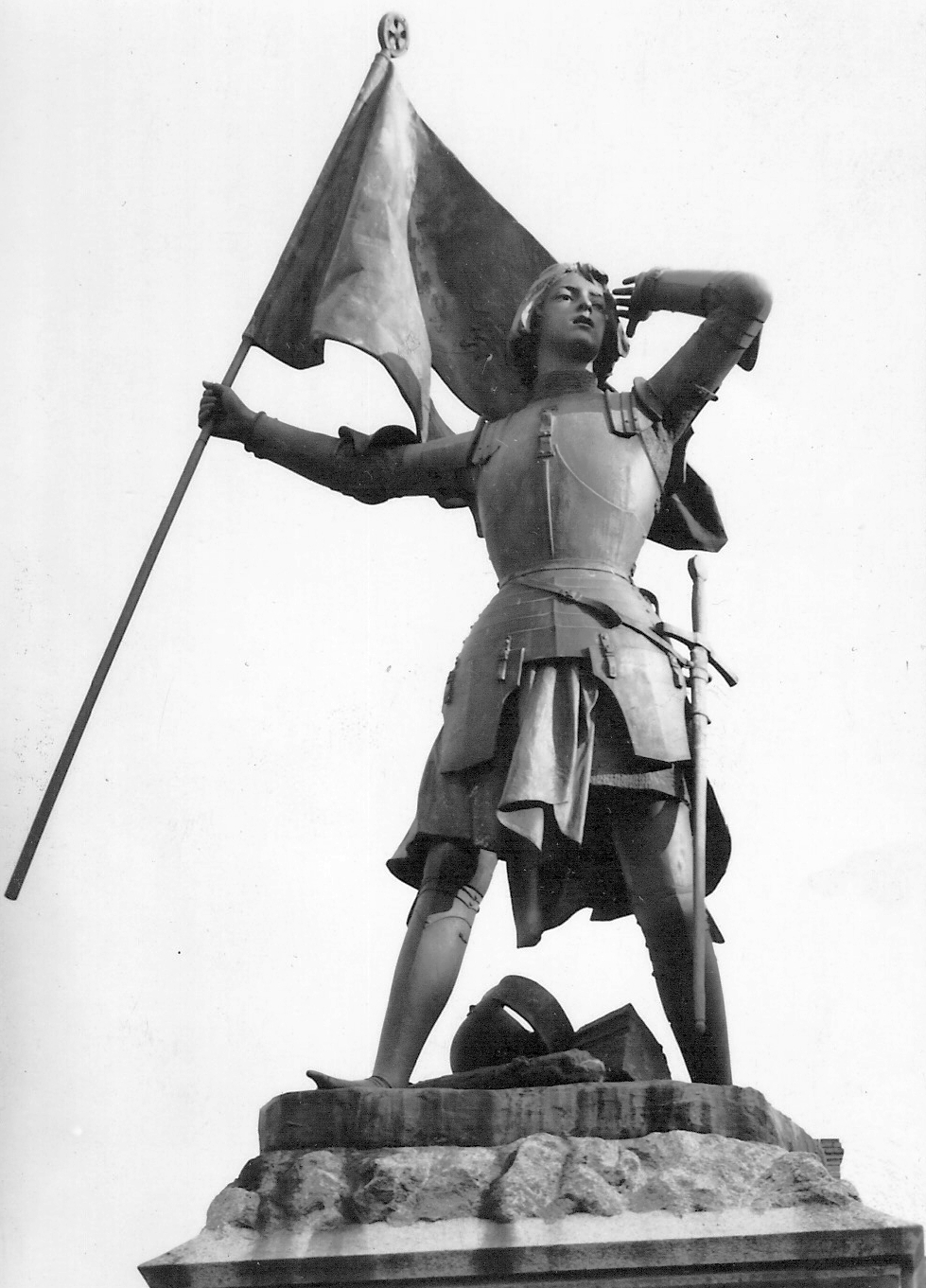 Sculpture
Secondary source
Alfred-Désiré Lanson · 1895
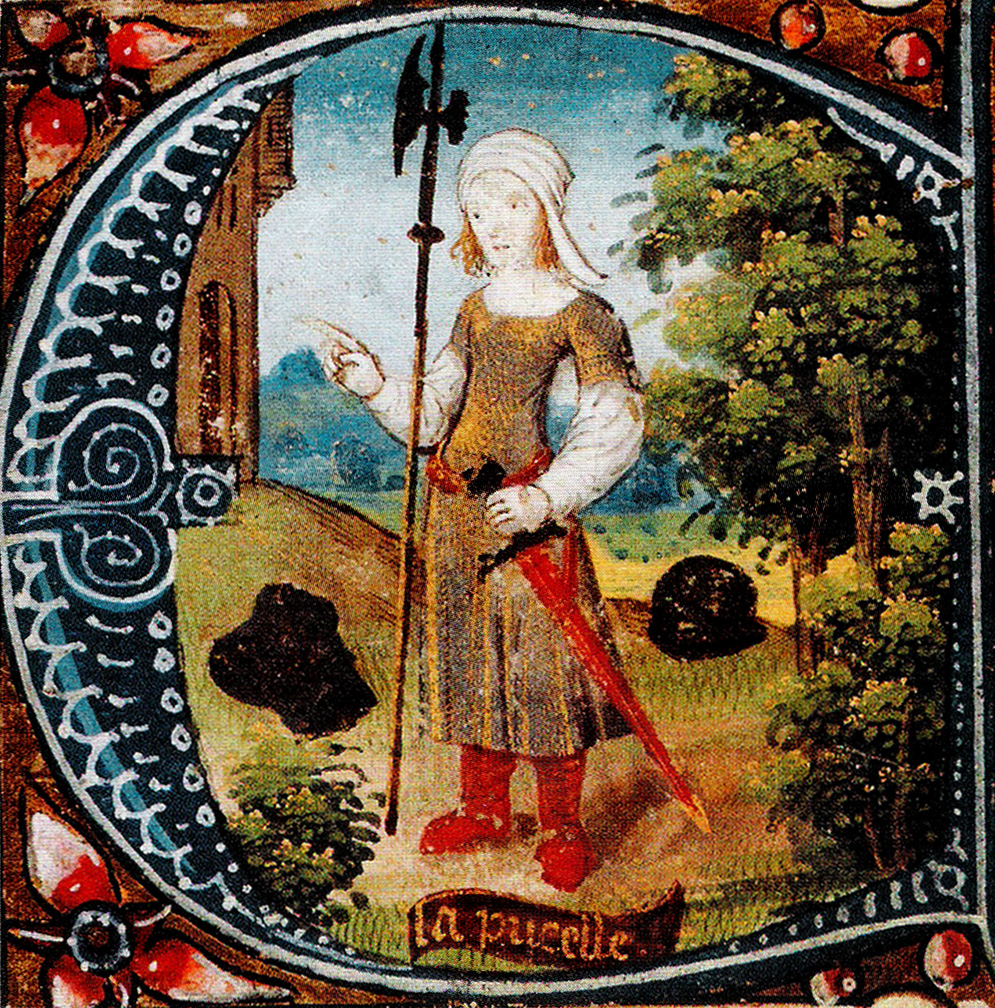 Book
Secondary source
15th century
 Book
Secondary source
Antonio Morosini · 1898
Secondary source
M. M. Mangasarian · October 1913
 Book
Secondary source
Mark Twain · 1919
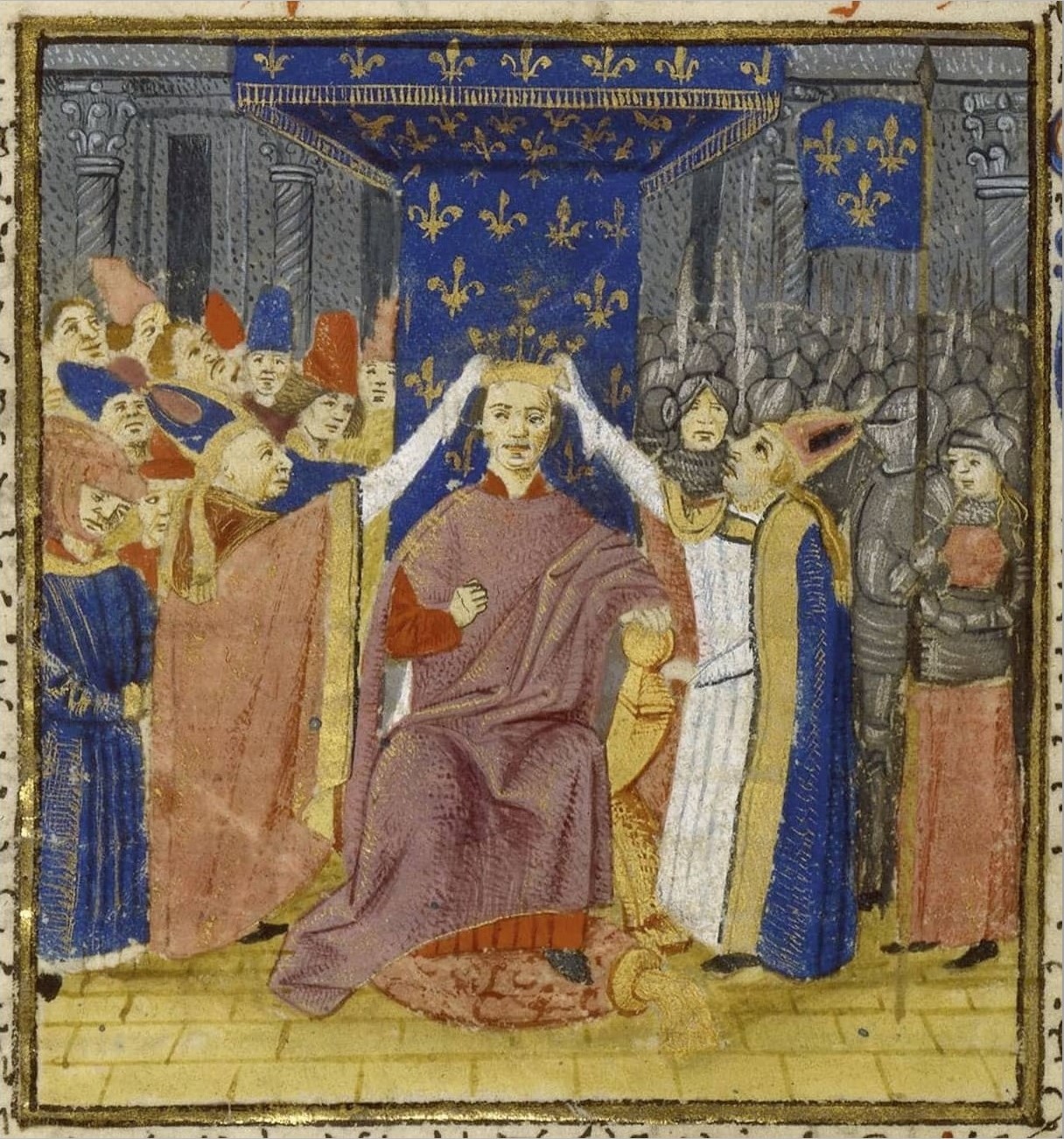 Painting
Secondary source
c. 1450
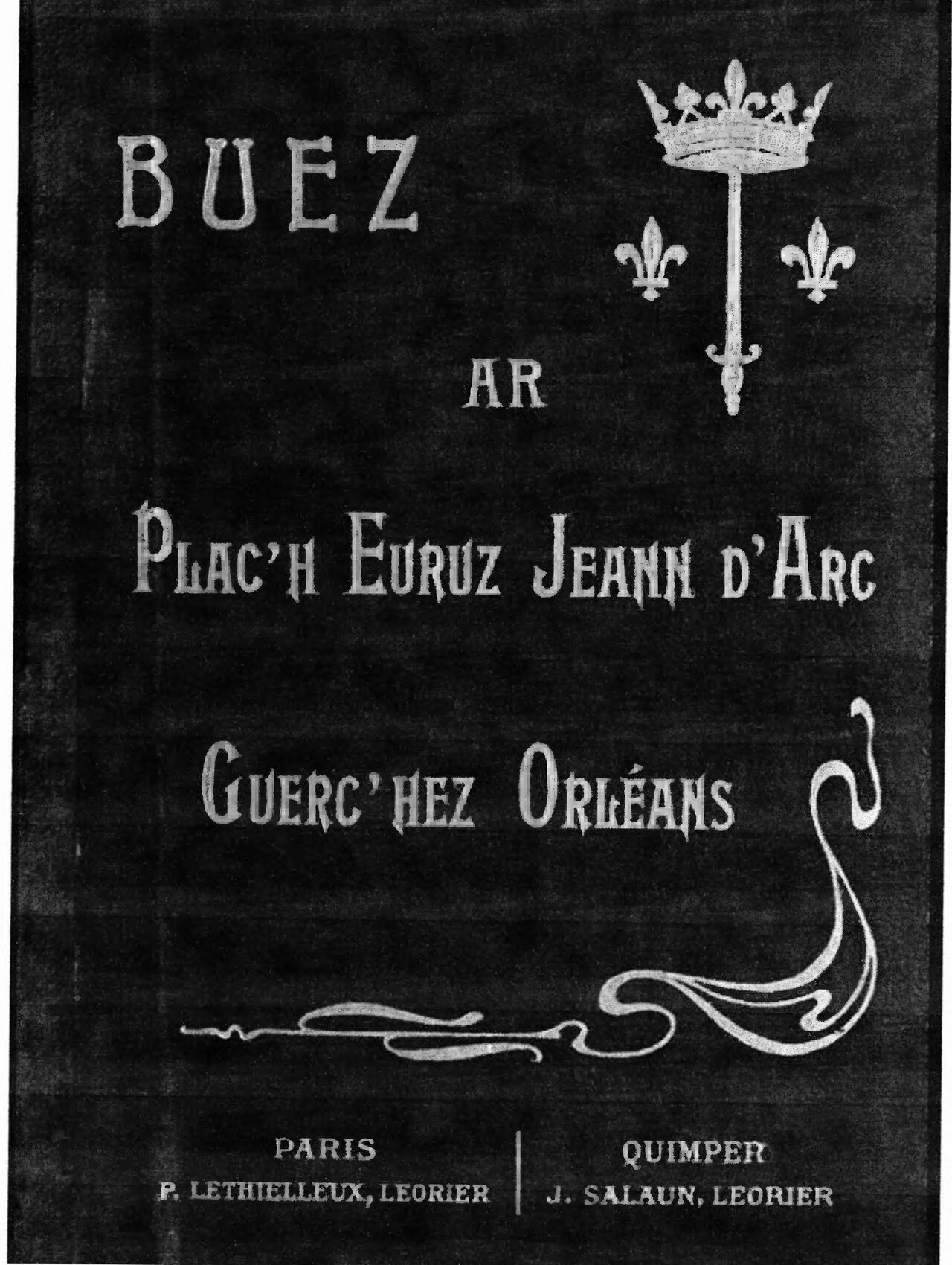 Book
Secondary source
Madec & Uguen · 1910
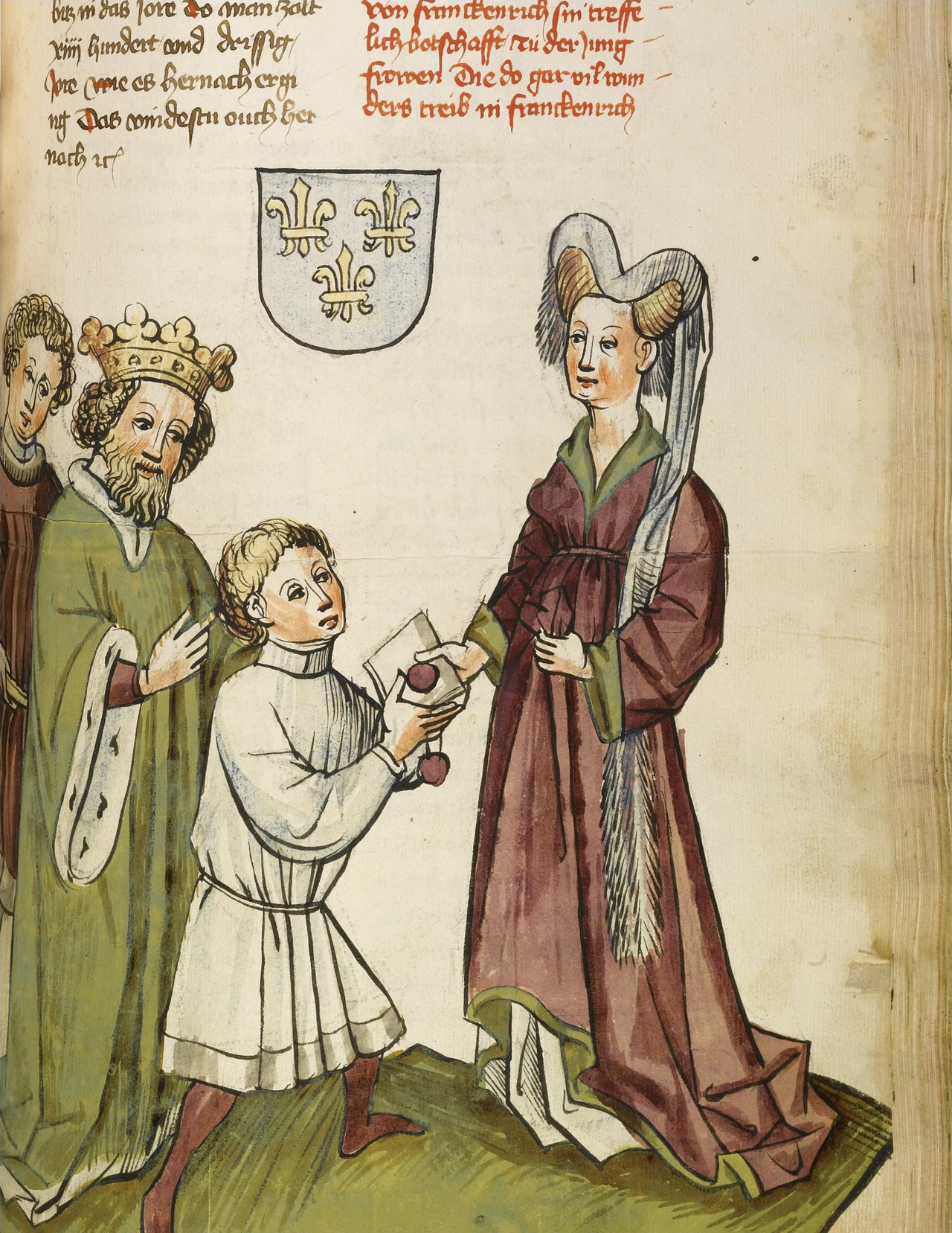 Book
Secondary source
Illustrator from the workshop of Diebold Lauber · circa 1440
 Book
Secondary source
1913
 Book
Secondary source
Dame Millicent Garrett Fawcett · 1907
 Book
Secondary source
Léon Bloy · 1915
 Book
Secondary source
Anna Jameson · 1870
Secondary source
John S. Jenkins · 1851
Secondary source
Smith Burnham · 1922
Secondary source
Louise Creighton
Want the full shelf? Chat with Joan of Arc in the app and open the Sources panel — every quote links back to the original.
1 collection
A ready-made collection from the Humy team that features Joan of Arc. Preview it, then try it free.
Paying customers



























Dr. Michael Calvert
Assistant Superintendent, South Allegheny School District, Pennsylvania
Been using Humy in his district since 2024
“We enjoyed the program last year and used it frequently.”

Jacob Chisom
World and American History, Monticello High School, Arkansas
Been using Humy in his classroom since 2024
“My students say it’s a welcome change of pace. I’m not a fan of the “sage on the stage” model, so I try to incorporate research-oriented and self-paced activities. With Humy, students have to take charge of their learning. They’ve become more adept at critical thinking, forming better questions, and improving their reading comprehension. The interview feature has been my go-to tool. I create assignments where students must ask historical figures a set number of questions, then summarize the responses to ensure they’re truly absorbing the material. This approach lets them actively explore the past rather than passively consuming information.”
Roger Campbell
7th-grade World History, Lancaster County, Pennsylvania
Been using Humy in his classroom since 2024
“Humy has helped me bring historical figures, sometimes long past, to life. When my students interact with these figures in real-time, it eliminates some of the perceived “ancient” characteristics of my curriculum. This has shifted my students’ thinking away from viewing history as abstract or irrelevant. Real-time interactions make historical figures relatable, even allowing students to ask off-topic questions that help put historical lives in a more relevant context for 13-year-olds. The feature I use the most is the interview feature. After teaching a topic, most recently Gandhi and Joan of Arc, I have the students ask pointed, focused questions. We practice good conversation techniques beforehand, teaching them to listen (or read) carefully and formulate thoughtful follow-up questions rather than just interrogating. It helps students practice effective conversation skills.”
Dr. Michael Calvert
Assistant Superintendent, South Allegheny School District, Pennsylvania
Been using Humy in his district since 2024
“We enjoyed the program last year and used it frequently.”
Jacob Chisom
World and American History, Monticello High School, Arkansas
Been using Humy in his classroom since 2024
“My students say it’s a welcome change of pace. I’m not a fan of the “sage on the stage” model, so I try to incorporate research-oriented and self-paced activities. With Humy, students have to take charge of their learning. They’ve become more adept at critical thinking, forming better questions, and improving their reading comprehension. The interview feature has been my go-to tool. I create assignments where students must ask historical figures a set number of questions, then summarize the responses to ensure they’re truly absorbing the material. This approach lets them actively explore the past rather than passively consuming information.”
Roger Campbell
7th-grade World History, Lancaster County, Pennsylvania
Been using Humy in his classroom since 2024
“Humy has helped me bring historical figures, sometimes long past, to life. When my students interact with these figures in real-time, it eliminates some of the perceived “ancient” characteristics of my curriculum. This has shifted my students’ thinking away from viewing history as abstract or irrelevant. Real-time interactions make historical figures relatable, even allowing students to ask off-topic questions that help put historical lives in a more relevant context for 13-year-olds. The feature I use the most is the interview feature. After teaching a topic, most recently Gandhi and Joan of Arc, I have the students ask pointed, focused questions. We practice good conversation techniques beforehand, teaching them to listen (or read) carefully and formulate thoughtful follow-up questions rather than just interrogating. It helps students practice effective conversation skills.”
FAQ
Like any LLM, the AI version of Joan of Arc can get details wrong. Open one of these sources in a new tab to verify what you’ve read.

Prominent Islamic caliph and influential political leader.

English King and military leader of the Third Crusade.

Influential theologian and philosopher in early Christianity.

Italian monk who is considered the father of Western monasticism and founded the Benedictine order.

Italian Catholic friar known for his love of nature and animals, and for founding the Franciscan Order.

Influential medieval theologian and philosopher.
Ready when you are
20 messages free · No credit card · Available in 50+ languages.