


Secondary sourcePainting1455
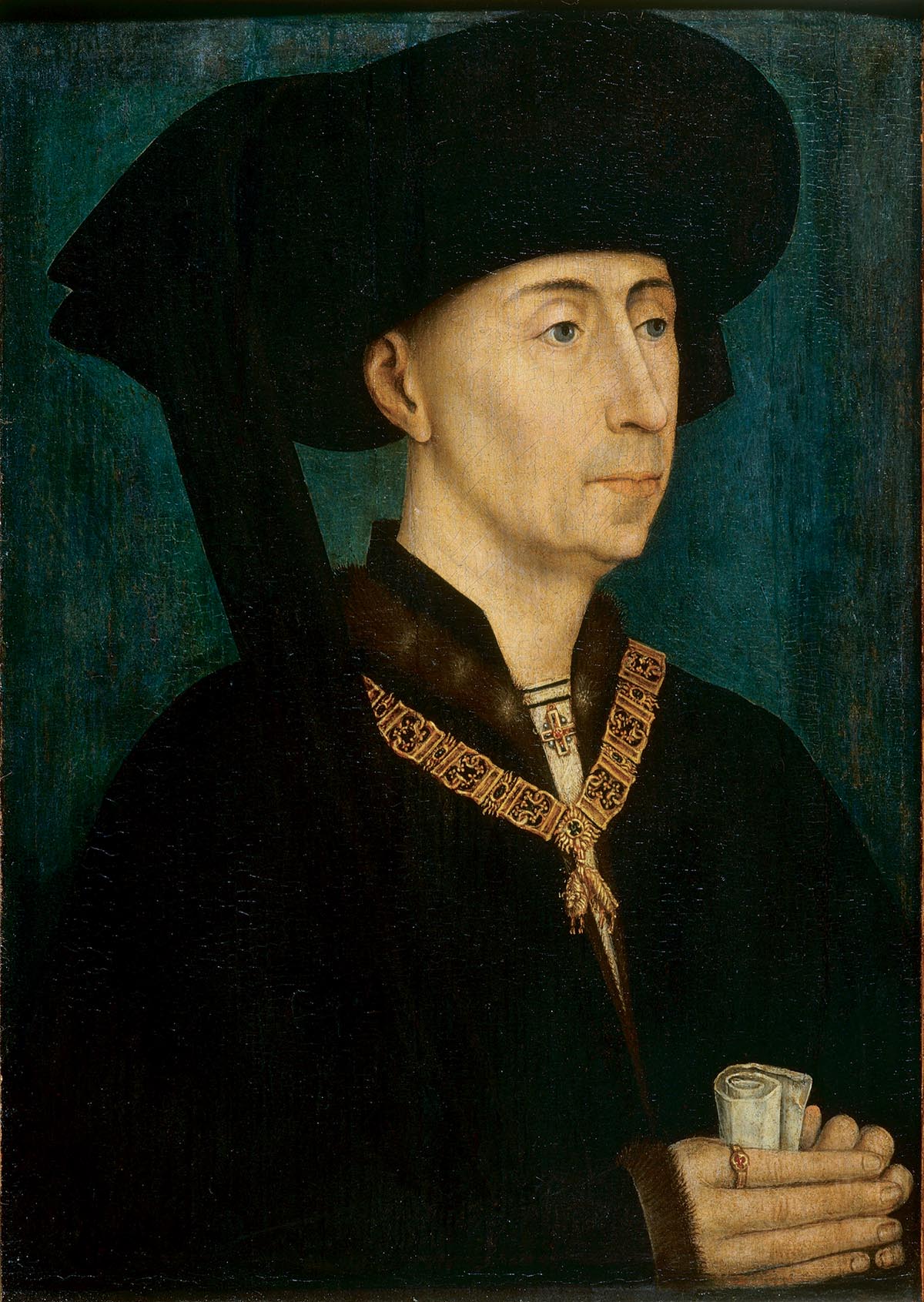
Portrait of Philip the Good
after Rogier van der Weyden · 1455
A 1455 portrait of Philip the Good, Duke of Burgundy, whose soldiers captured Joan of Arc and who later sold her to the English.
Philip the Good's soldiers captured Joan of Arc, and he later sold her to the English, leading to her trial and death.
About this source
What it is
This portrait depicts Philip the Good, Duke of Burgundy, shown wearing a jeweled collar and the Order of the Golden Fleece. It is a copy after a lost original by the painter Rogier van der Weyden, and is held at the Musée d'art moderne in Saint-Étienne. Several similar copies of this portrait exist in other collections.
Why it matters
Philip the Good ruled one of the wealthiest and most powerful states in 15th-century Europe and was a major patron of Flemish art and music. He is remembered in connection to Joan of Arc because his troops captured her at Compiègne in 1430, after which he ransomed her to the English, leading directly to her trial and execution.
Look closer
- What does the fine clothing and jewelry in the portrait tell us about Philip's wealth and status?
- Why might a ruler commission portraits to be copied and distributed across different courts?
- How does knowing Philip's role in Joan of Arc's capture change how we might view this portrait?
This painting is part of the curated material that grounds the AI version of Joan of Arc on Humy.ai — when students ask about related events, the AI can quote it and cite it.
More Joan of Arc sources
Meet the AI Joan of Arc →Primary source
Letter to the English
Joan of Arc · 22 March 1429
 Artifact
Secondary source
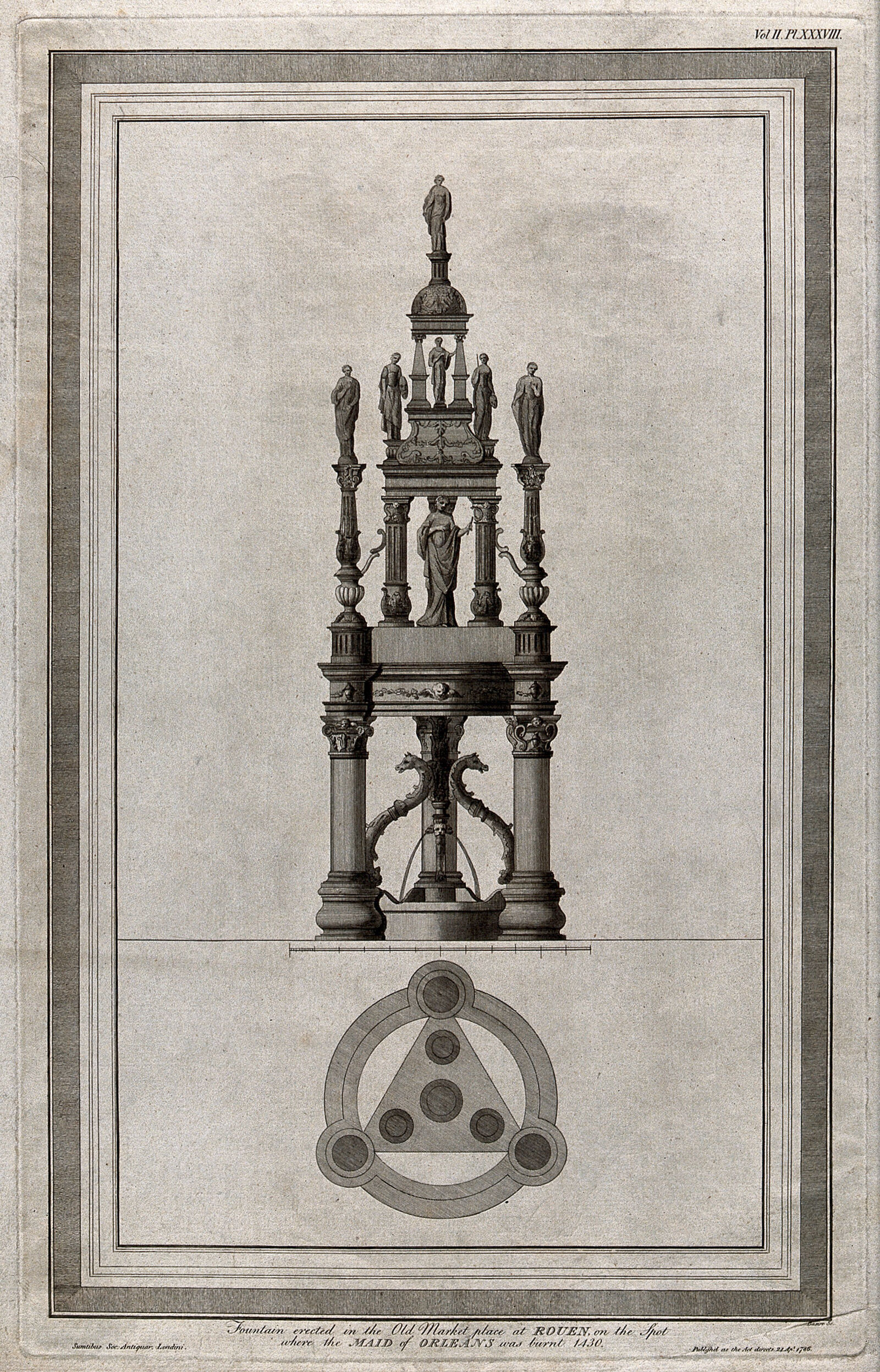
Fountain on the Site of Joan of Arc's Execution
James Basire · 21 April 1786
 Painting
Primary source
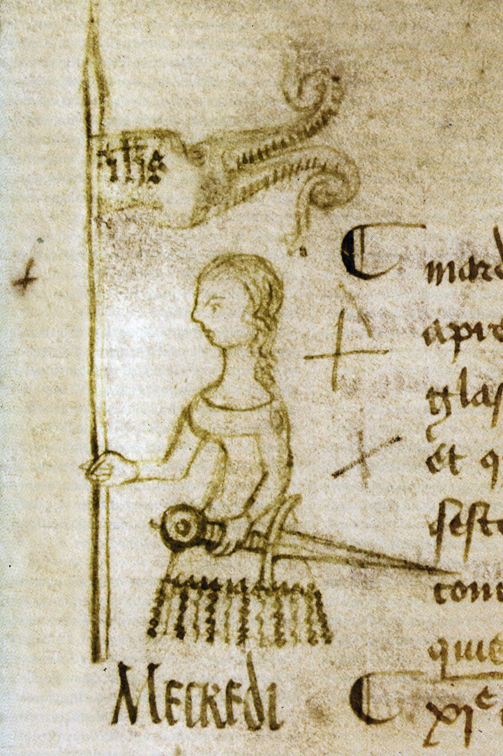
Marginal Drawing of Joan of Arc
Clément de Fauquembergue · May 1429
 Document
Primary source
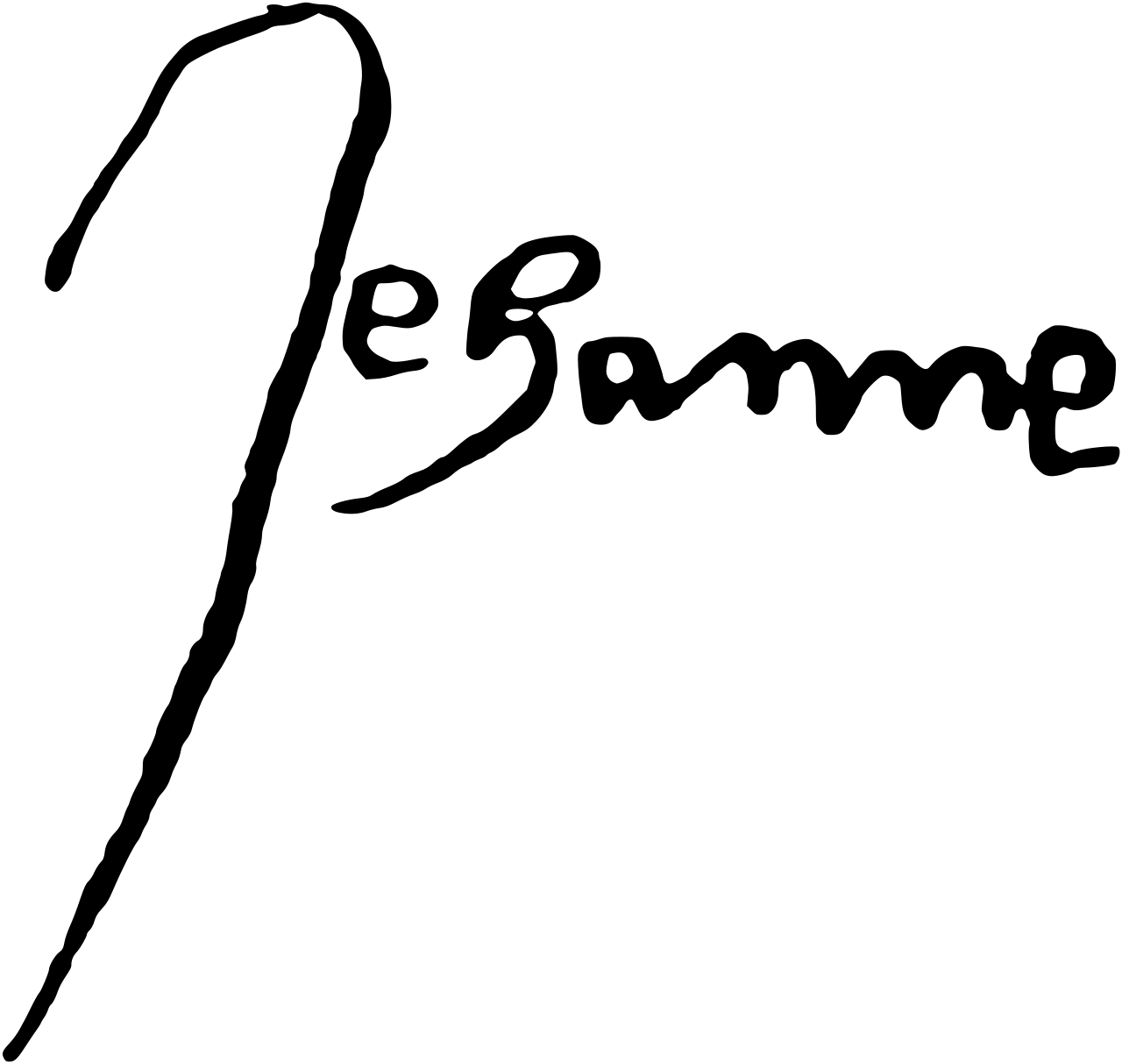
Signature of Joan of Arc
Joan of Arc · 16 March 1430
 Letter
Primary source
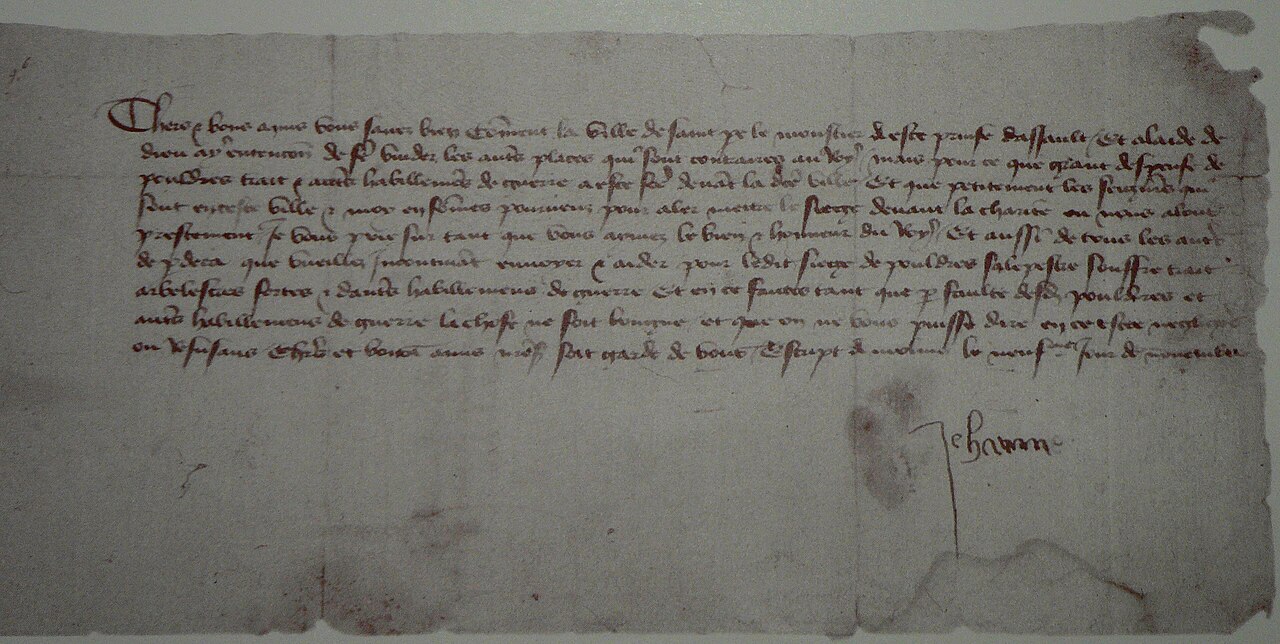
Letter to the People of Riom
Joan of Arc · 9 November 1429
Ready when you are
Start chatting with Joan of Arc now.
20 messages free · No credit card · Available in 50+ languages.