


Secondary sourcePainting1879
Joan of Arc
Jules Bastien-Lepage · 1879
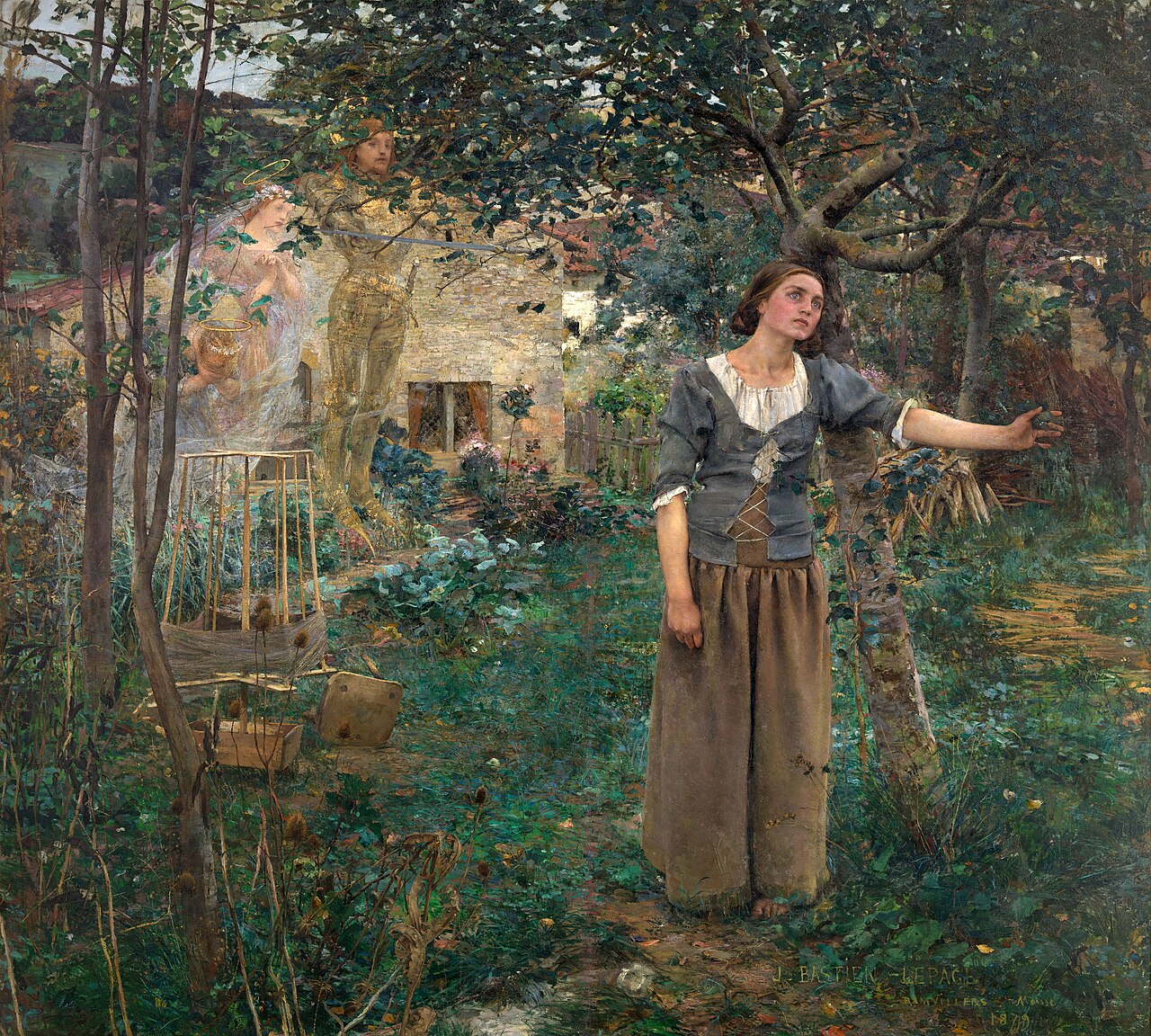
An 1879 painting by Jules Bastien-Lepage depicting Joan of Arc experiencing her first visions in her parents' garden.
Depicts the moment Joan first received her visions, portraying her as a humble peasant visionary.
About this source
What it is
This 1879 oil painting by Jules Bastien-Lepage shows the moment Joan of Arc, as a peasant girl in her parents' garden in Domrémy, is visited by the saints who urged her to fight the English. It was exhibited at the Paris Salon in 1880 and is now held in the Metropolitan Museum of Art in New York.
Why it matters
Painted after France's defeat in the Franco-Prussian War, when the eastern region of Lorraine—the birthplace of both Joan and Bastien-Lepage—was annexed by Prussia, the painting reflects a renewed national longing for a unifying hero. It became a defining image of Joan as a humble peasant visionary rather than a warrior or saint, and sparked debate among critics over mixing realistic detail with mystical figures.
Look closer
- Why might Bastien-Lepage have painted Joan as an ordinary peasant girl rather than in armor?
- What effect does showing the saints as ghostly, transparent figures create?
- How might the painting's connection to the loss of Lorraine have shaped the way viewers in 1880 understood it?
This painting is part of the curated material that grounds the AI version of Joan of Arc on Humy.ai — when students ask about related events, the AI can quote it and cite it.
More Joan of Arc sources
Meet the AI Joan of Arc →Primary source
Letter to the English
Joan of Arc · 22 March 1429
 Artifact
Secondary source
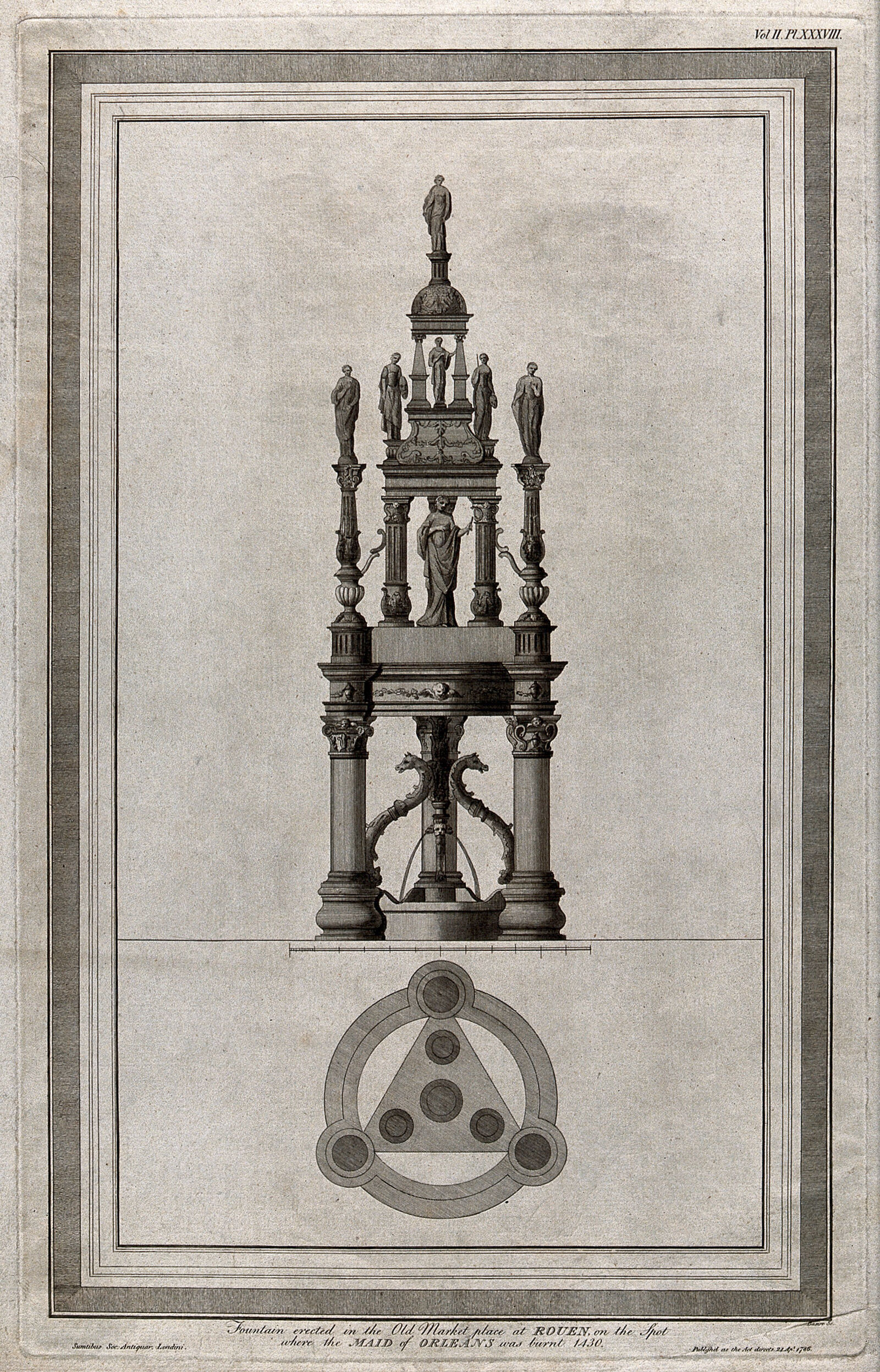
Fountain on the Site of Joan of Arc's Execution
James Basire · 21 April 1786
 Painting
Primary source
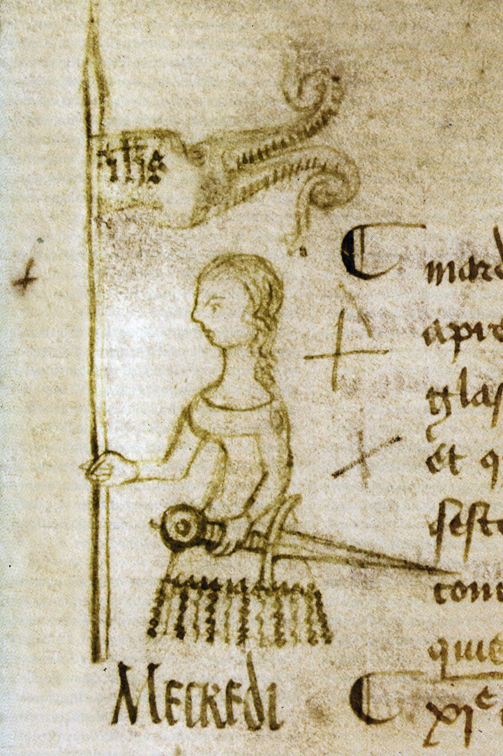
Marginal Drawing of Joan of Arc
Clément de Fauquembergue · May 1429
 Document
Primary source
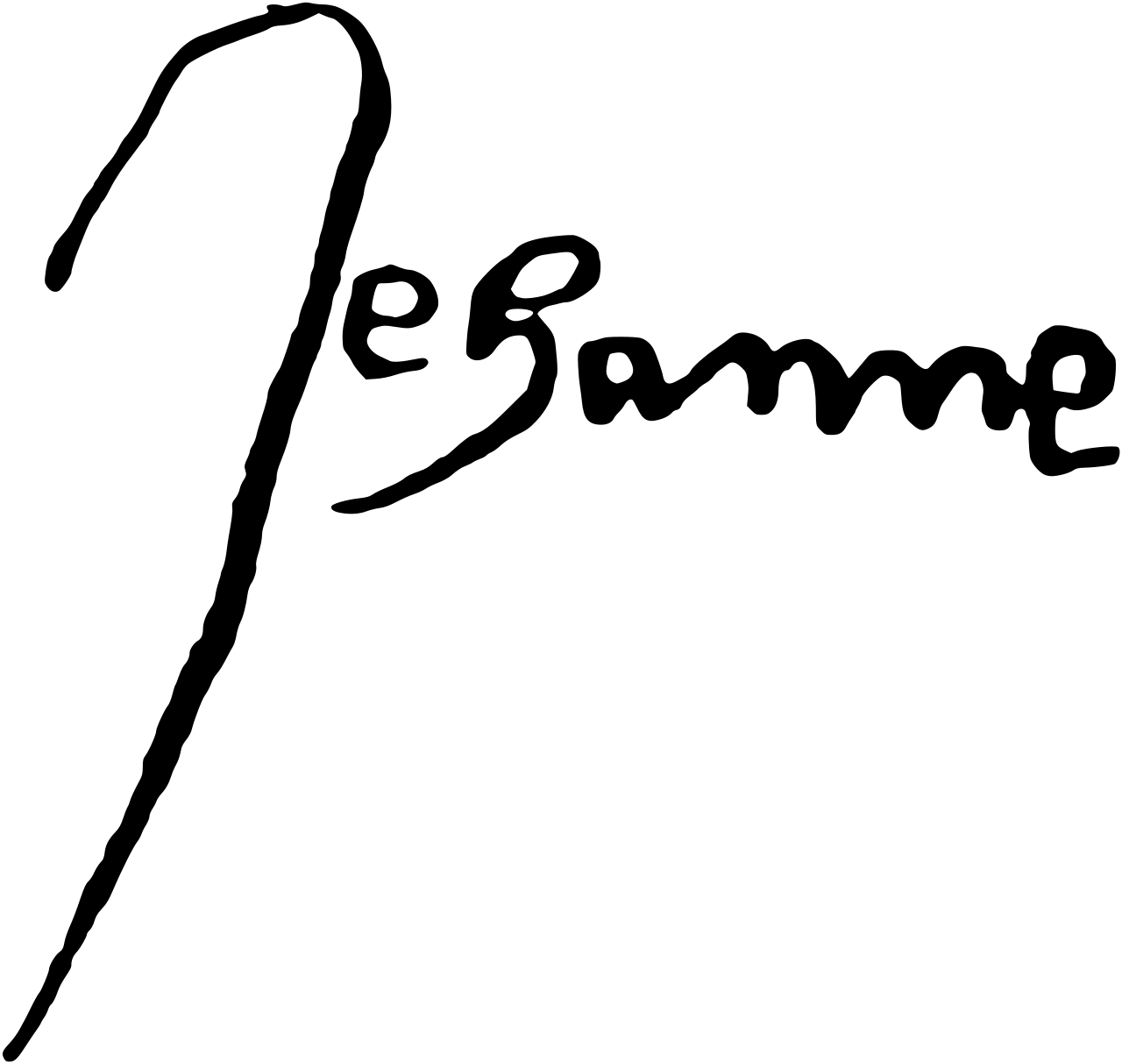
Signature of Joan of Arc
Joan of Arc · 16 March 1430
 Letter
Primary source
Letter to the People of Riom
Joan of Arc · 9 November 1429
Ready when you are
Start chatting with Joan of Arc now.
20 messages free · No credit card · Available in 50+ languages.