


Secondary sourceSculpture1965 (dedicated); cast 1959
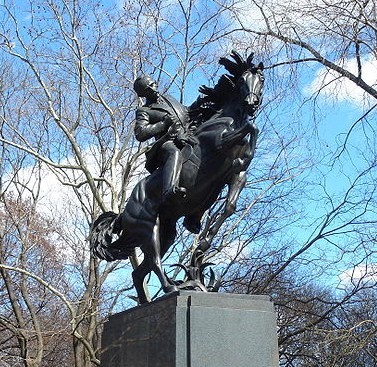
Equestrian Statue of José Martí
Anna Hyatt Huntington · 1965 (dedicated); cast 1959
A bronze statue in New York's Central Park showing Martí's death in battle, marking his years living in exile in the city.
This statue commemorates Martí's death in battle and his fifteen years of exile in New York City.
About this source
What it is
This bronze equestrian statue by Anna Hyatt Huntington stands in Central Park, Manhattan. It was cast in 1959, dedicated in 1965, and donated by the Cuban government. A copy also stands in Havana.
Why it matters
The statue depicts Martí at the moment of his death in combat and marks the fifteen years he spent in exile living in New York City, as recorded in its bilingual inscription. It shows how Martí was remembered both as a writer and as a man who fought and died for Cuban independence, and how his connection to the United States became part of his memory.
Look closer
- Why might a statue show Martí on a rearing horse rather than seated calmly or writing at a desk?
- What does the inscription choose to emphasise about Martí's life and death?
- Why do you think this statue was placed in New York rather than only in Cuba?
This sculpture is part of the curated material that grounds the AI version of José Martí on Humy.ai — when students ask about related events, the AI can quote it and cite it.
More José Martí sources
Meet the AI José Martí →Primary source
Simple Verses
José Martí · 1891
 Photograph
Primary source
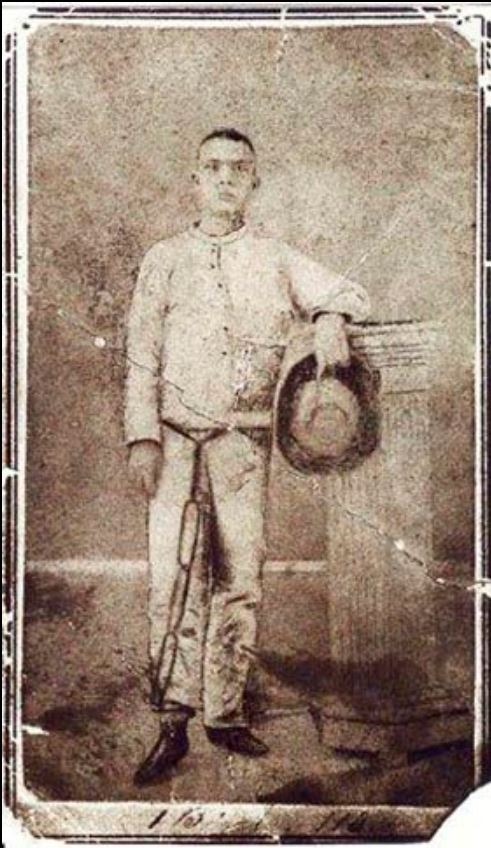
José Martí in the Quarry of San Lázaro
Unknown · c. 1870
 Photograph
Primary source
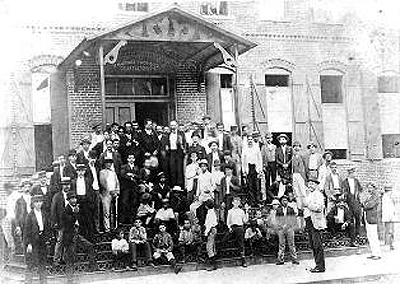
José Martí in Ybor City
Unknown · 1893
 Photograph
Primary source
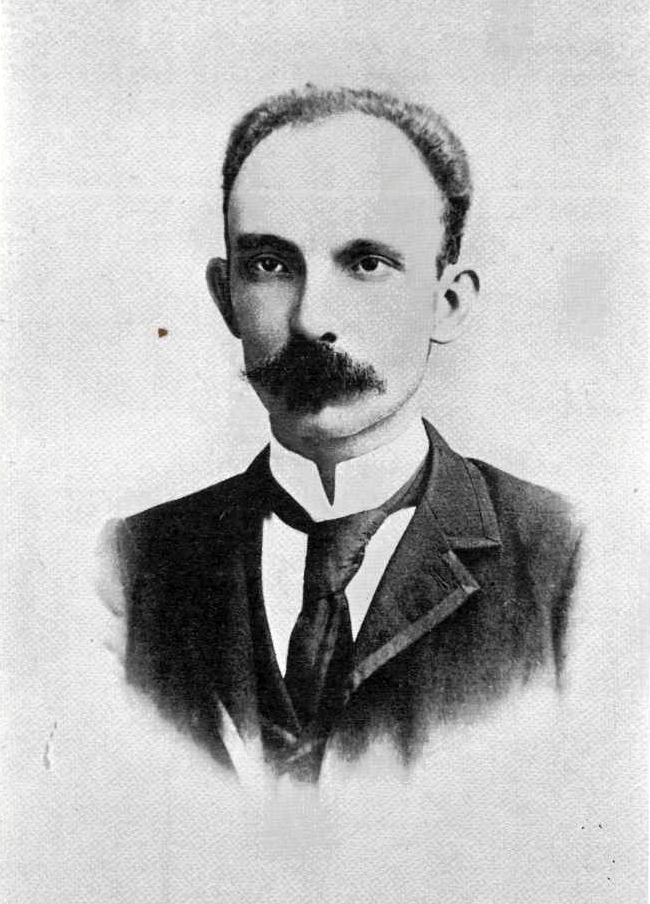
José Martí's Best-Known Portrait, Kingston 1892
Juan Bautista Valdés · 1892
 Newspaper article
Primary source
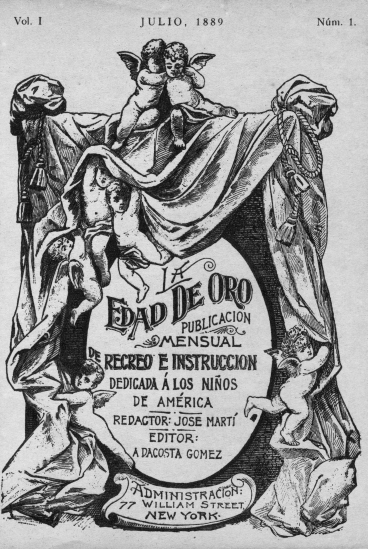
La Edad de Oro
José Martí · 1889
Ready when you are
Start chatting with José Martí now.
20 messages free · No credit card · Available in 50+ languages.