


Primary sourceSculpturec. 173 AD
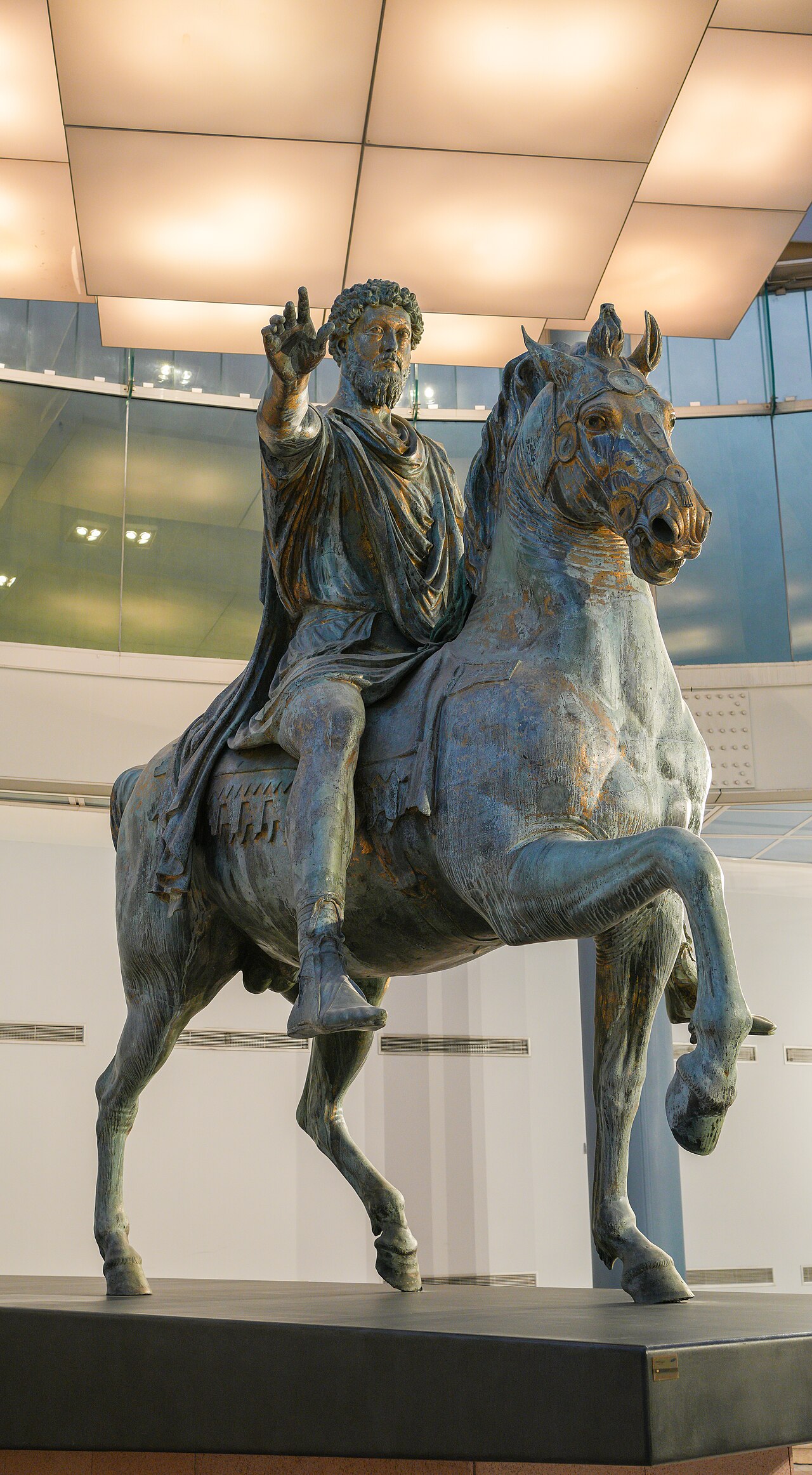
Equestrian Statue of Marcus Aurelius
c. 173 AD
A bronze statue showing Marcus Aurelius on horseback with his hand raised, one of the few surviving bronze statues of a Roman emperor.
This bronze statue portrays Marcus Aurelius as emperor, shaping his public image as a peaceful ruler.
About this source
What it is
This bronze statue, about 4.24 metres tall, shows the emperor Marcus Aurelius mounted on a horse with his arm extended in a gesture of address. It was made around 173 AD and originally stood elsewhere before being moved to the Capitoline Hill in the 16th century. The original is held in the Capitoline Museums; a replica now stands outdoors.
Why it matters
It is the only surviving bronze equestrian statue of a Roman emperor, saved because people in the Middle Ages mistakenly believed it depicted the Christian emperor Constantine. Shown without weapons or armor, it presents Marcus as a peaceful ruler rather than a conqueror, matching how he wished to be seen.
Look closer
- Why do you think the sculptor chose to show the emperor without armor or weapons?
- What does the gesture of his hand suggest he is doing?
- How did a mistaken identity help this statue survive when so many others were melted down?
This sculpture is part of the curated material that grounds the AI version of Marcus Aurelius on Humy.ai — when students ask about related events, the AI can quote it and cite it.
More Marcus Aurelius sources
Meet the AI Marcus Aurelius →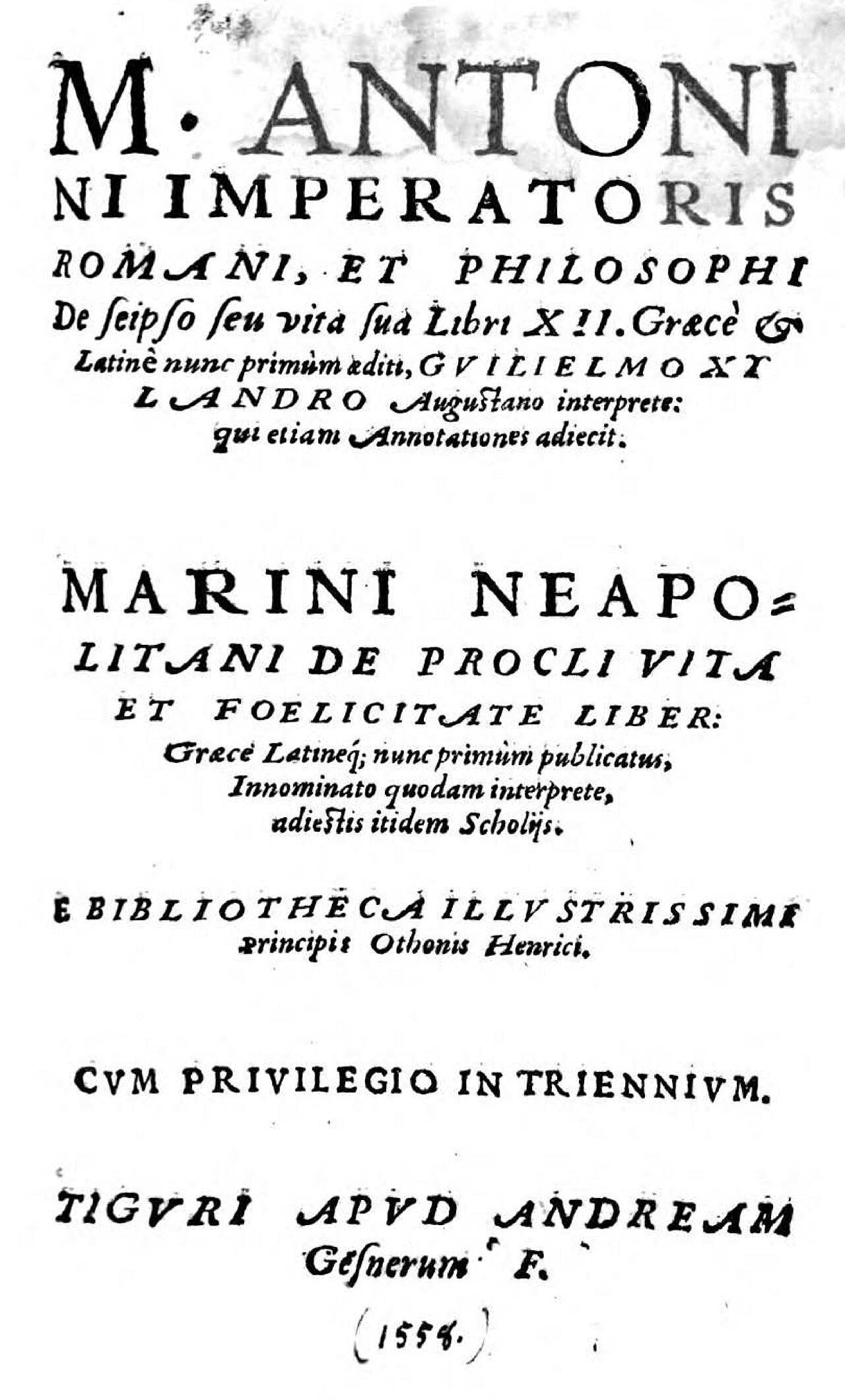 Book
Primary source
Meditations
Marcus Aurelius · c. 170-180 AD (this edition printed 1558)
 Artifact
Secondary source
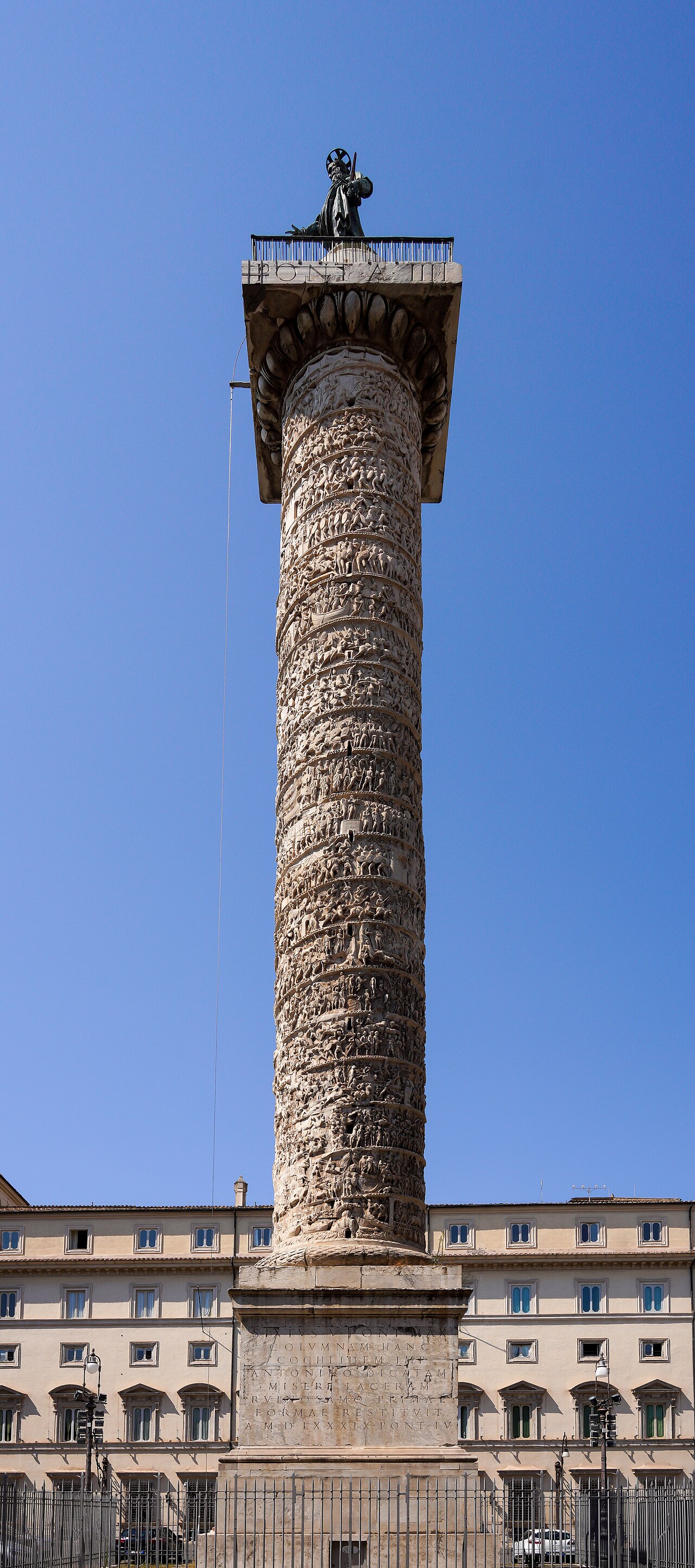
Column of Marcus Aurelius
completed c. 193 AD
Secondary source
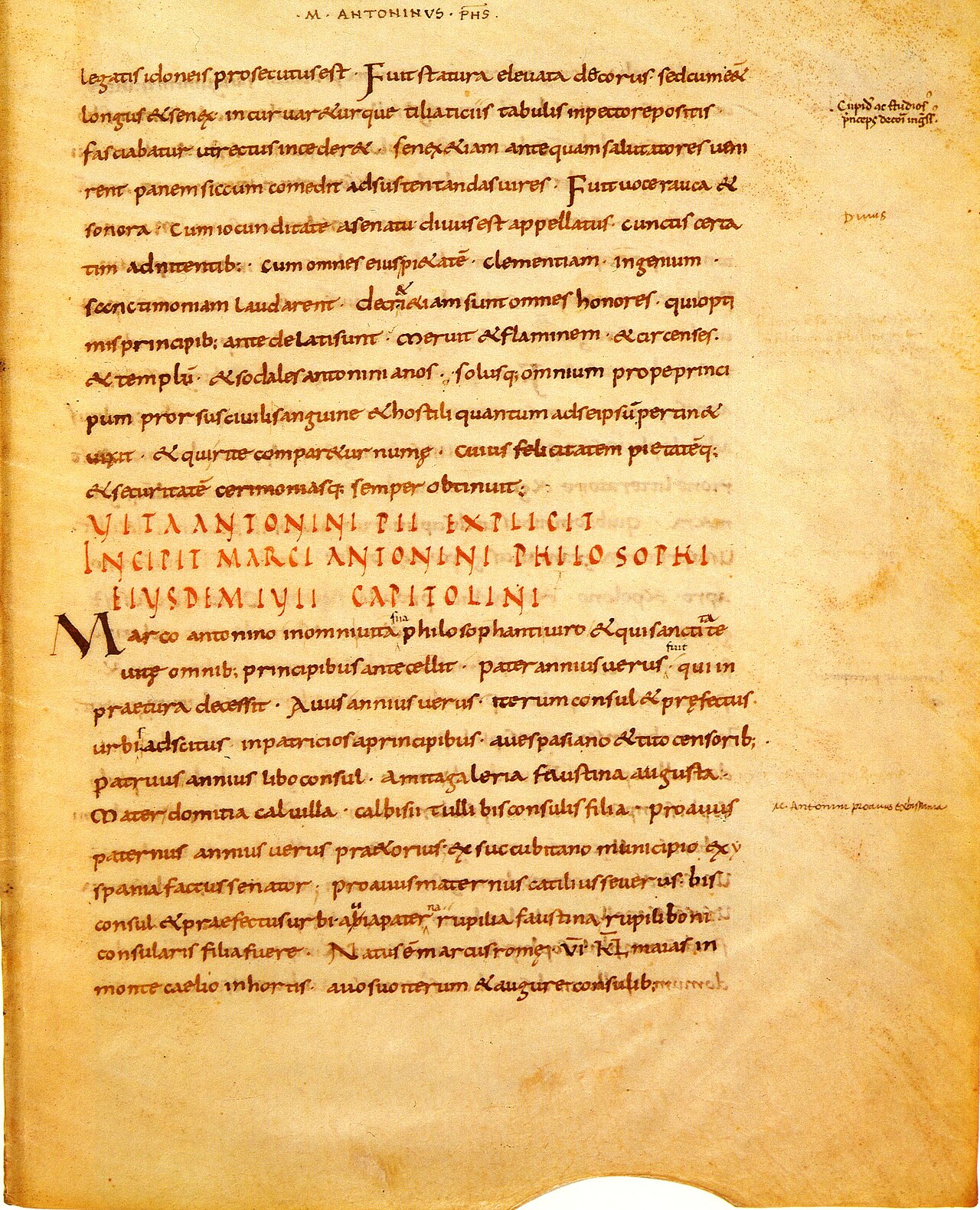
Marcus Antoninus (Historia Augusta)
Scriptores Historiae Augustae · probably 4th century AD
 Sculpture
Primary source
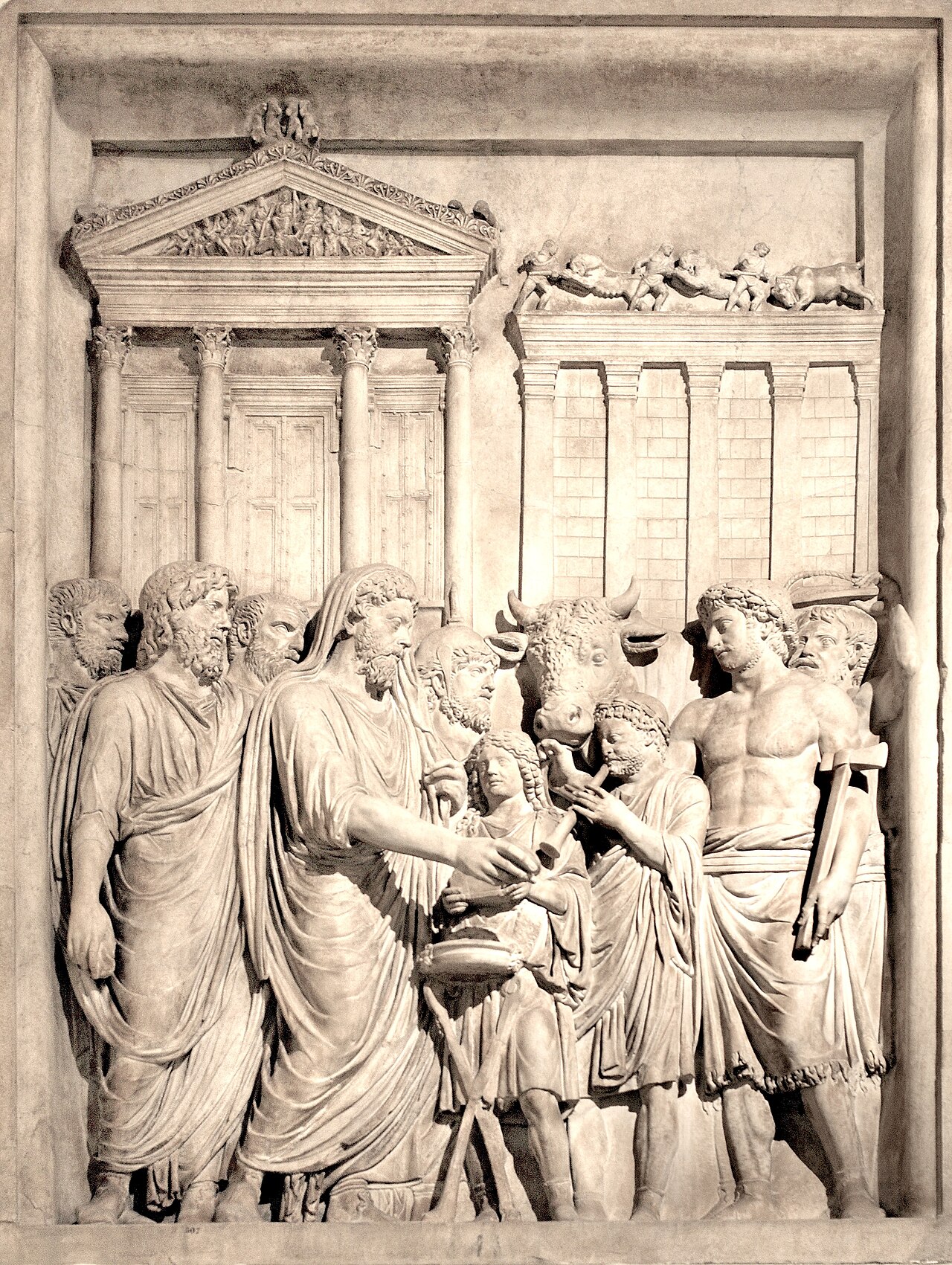
Panel Relief of Marcus Aurelius Sacrificing
 Book
Secondary source
Historia Augusta (Augustan History)
Scriptores Historiae Augustae
Ready when you are
Start chatting with Marcus Aurelius now.
20 messages free · No credit card · Available in 50+ languages.