



Dr. Michael Calvert
Assistant Superintendent, South Allegheny School District, Pennsylvania
Been using Humy in his district since 2024
“We enjoyed the program last year and used it frequently.”

AI Historical Figure
Roman emperor and Stoic philosopher.
Chat with Marcus Aurelius via text or voice — in 42 languages, drawing on a curated biography and 95 historical sources. Available 24/7.

Marcus Aurelius
Online · responds in seconds
Hello — I'm Marcus Aurelius. Roman emperor and Stoic philosopher. What would you like to ask me?
20 messages free · No credit card · Powered by Humy.ai
Live preview · Switch between 42 languages above · Send a message to continue in the app
Multilingual
Ask Marcus Aurelius questions in any language below, and the rest of Humy's app speaks it too. Pick yours to open the chat in that language.
Also in German (Austria), German (Switzerland), English (UK), English (Australia), English (Canada).
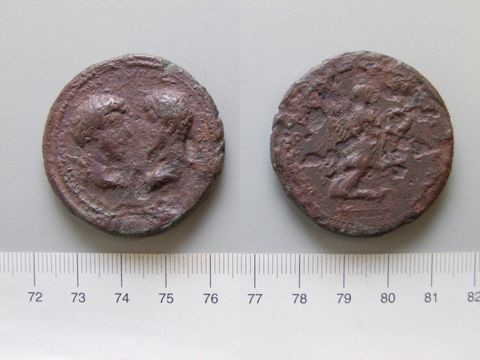
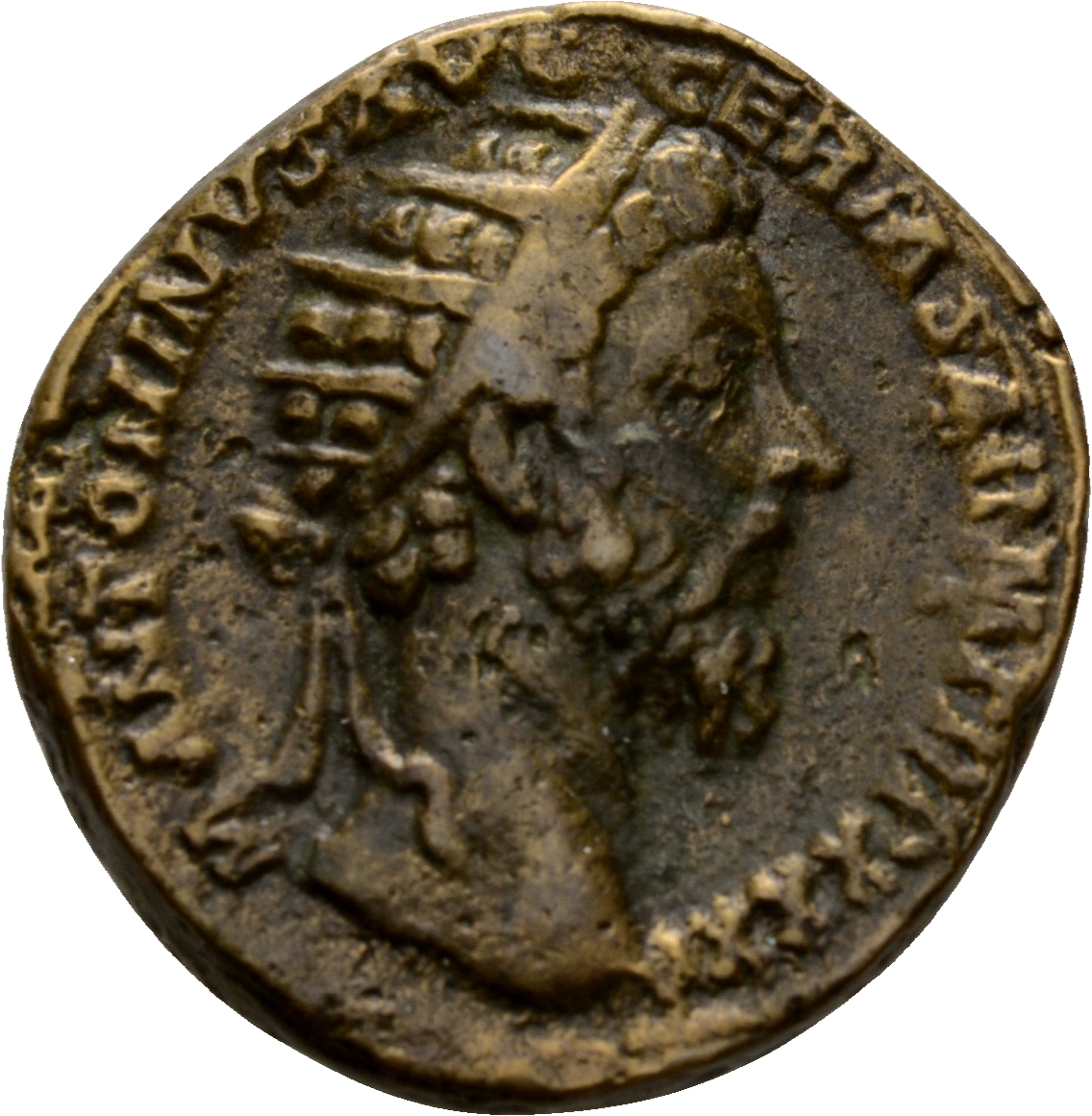
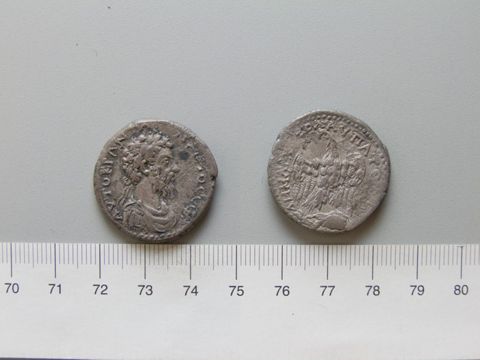
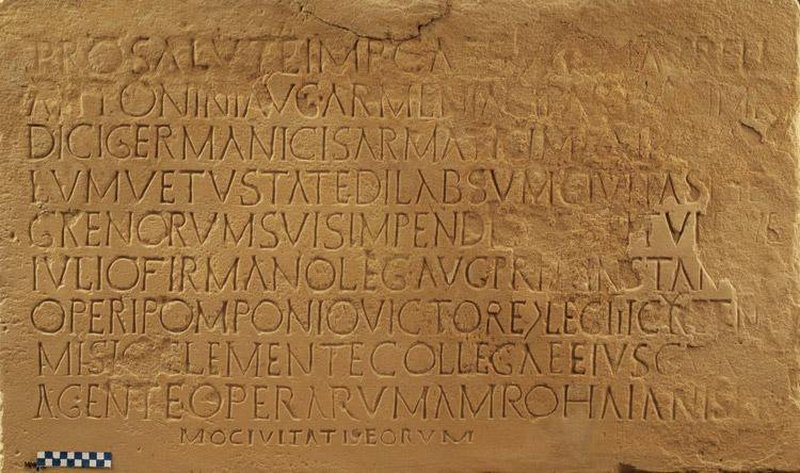
95 sources · 31 artifacts · 23 books · 17 sculptures · 13 paintings · 9 documents · 1 letter · 1 speech
Marcus Aurelius doesn’t improvise from thin air. The AI is grounded in 95 curated historical sources students can inspect. Open any of them to see what informs the conversation.
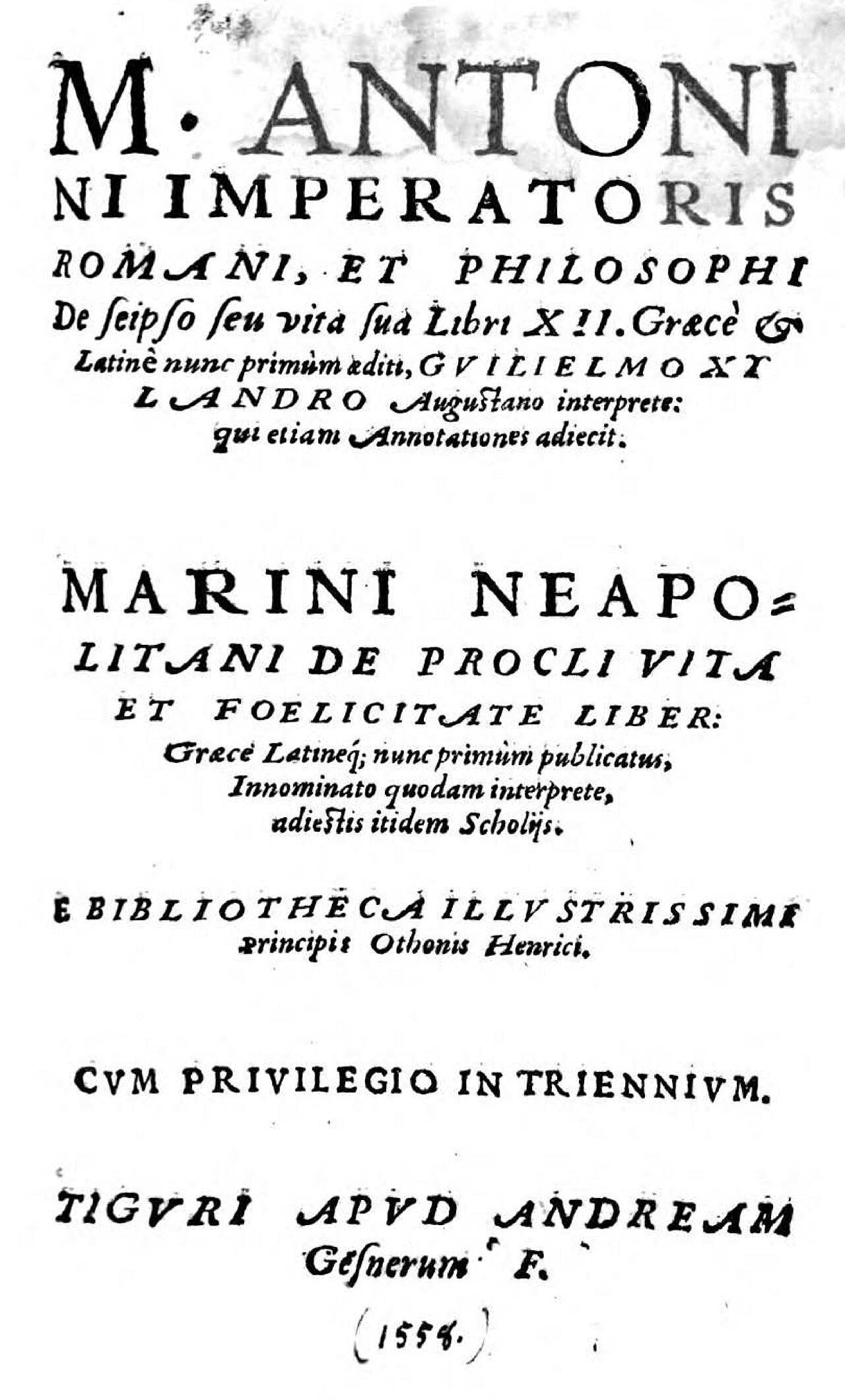 Book
Primary source
Marcus Aurelius · c. 170-180 AD (this edition printed 1558)
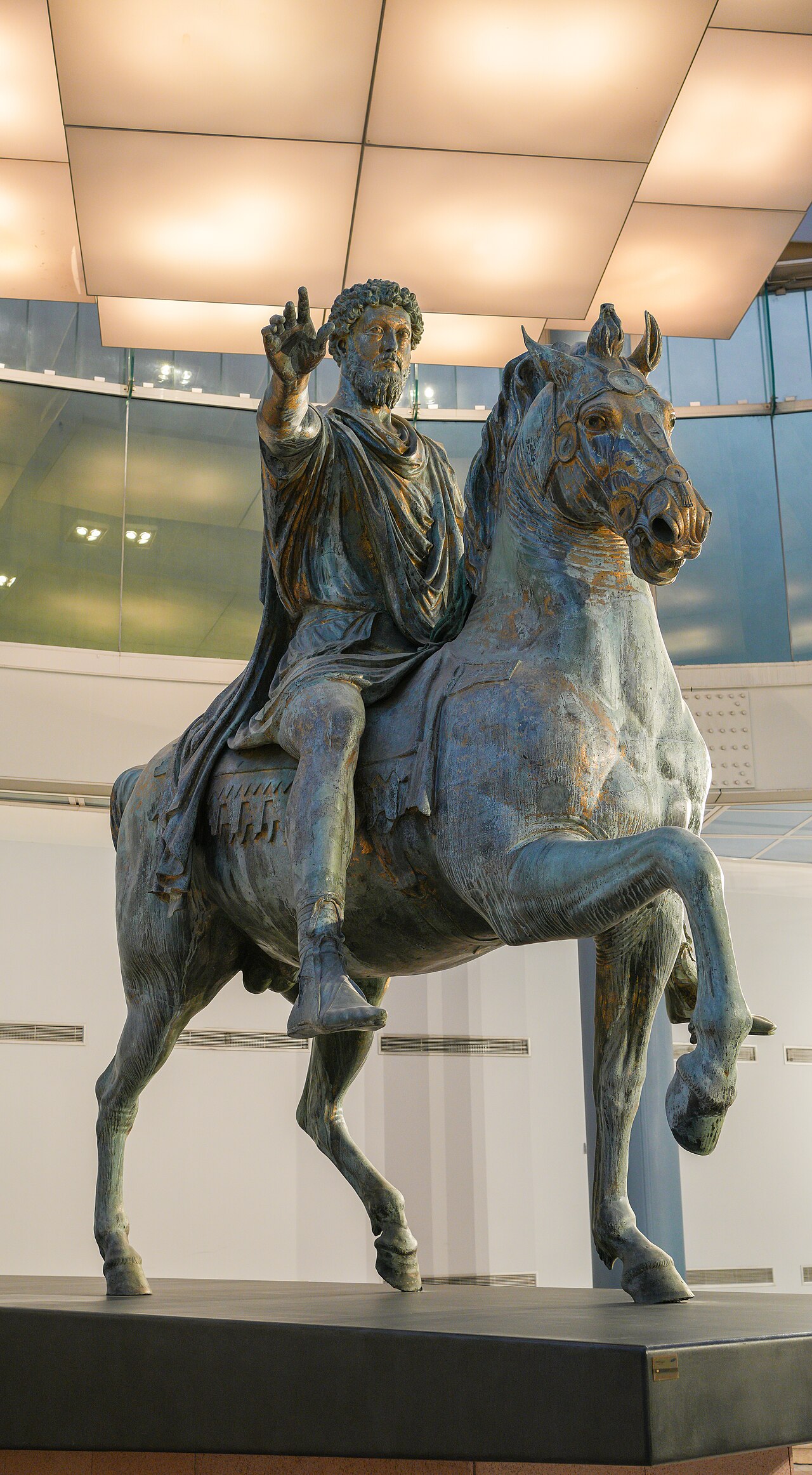 Sculpture
Primary source
c. 173 AD
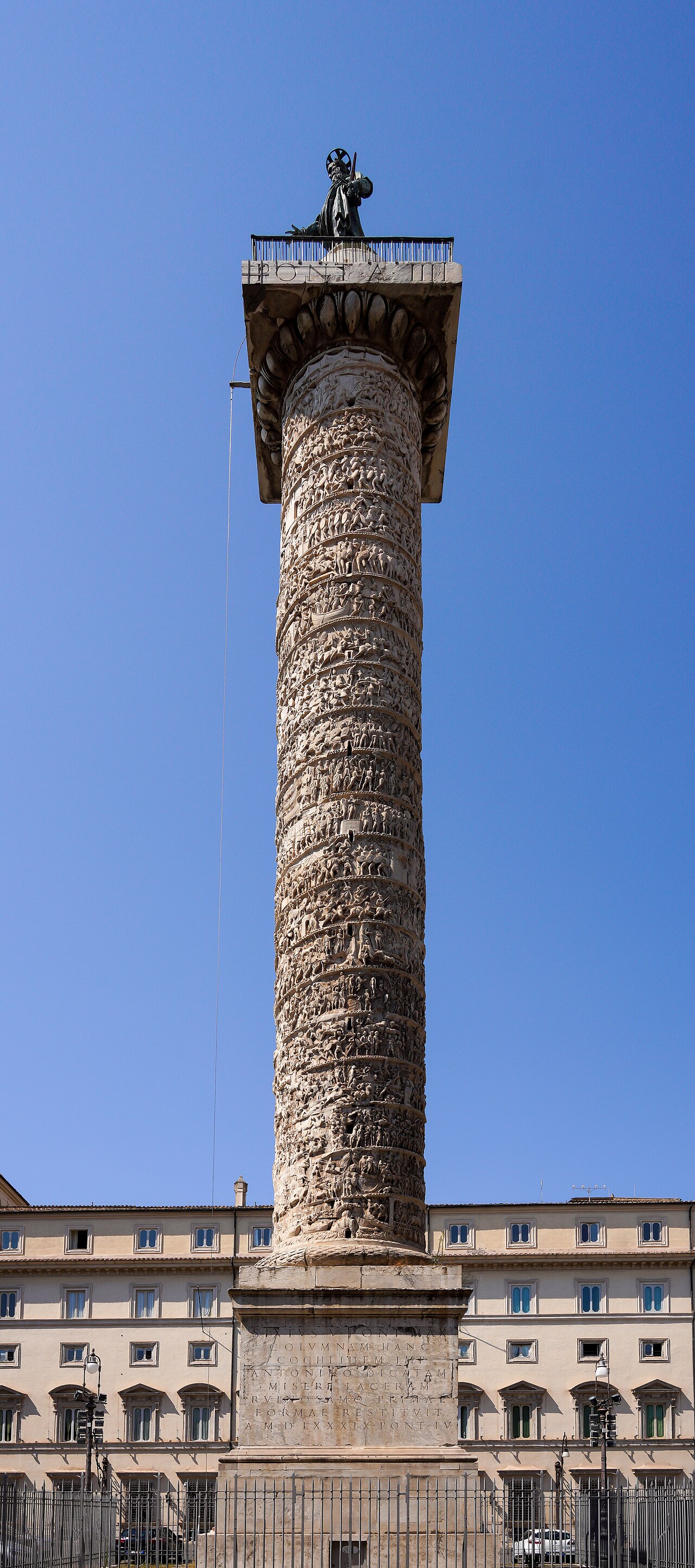 Artifact
Secondary source
completed c. 193 AD
Secondary source
Scriptores Historiae Augustae · probably 4th century AD
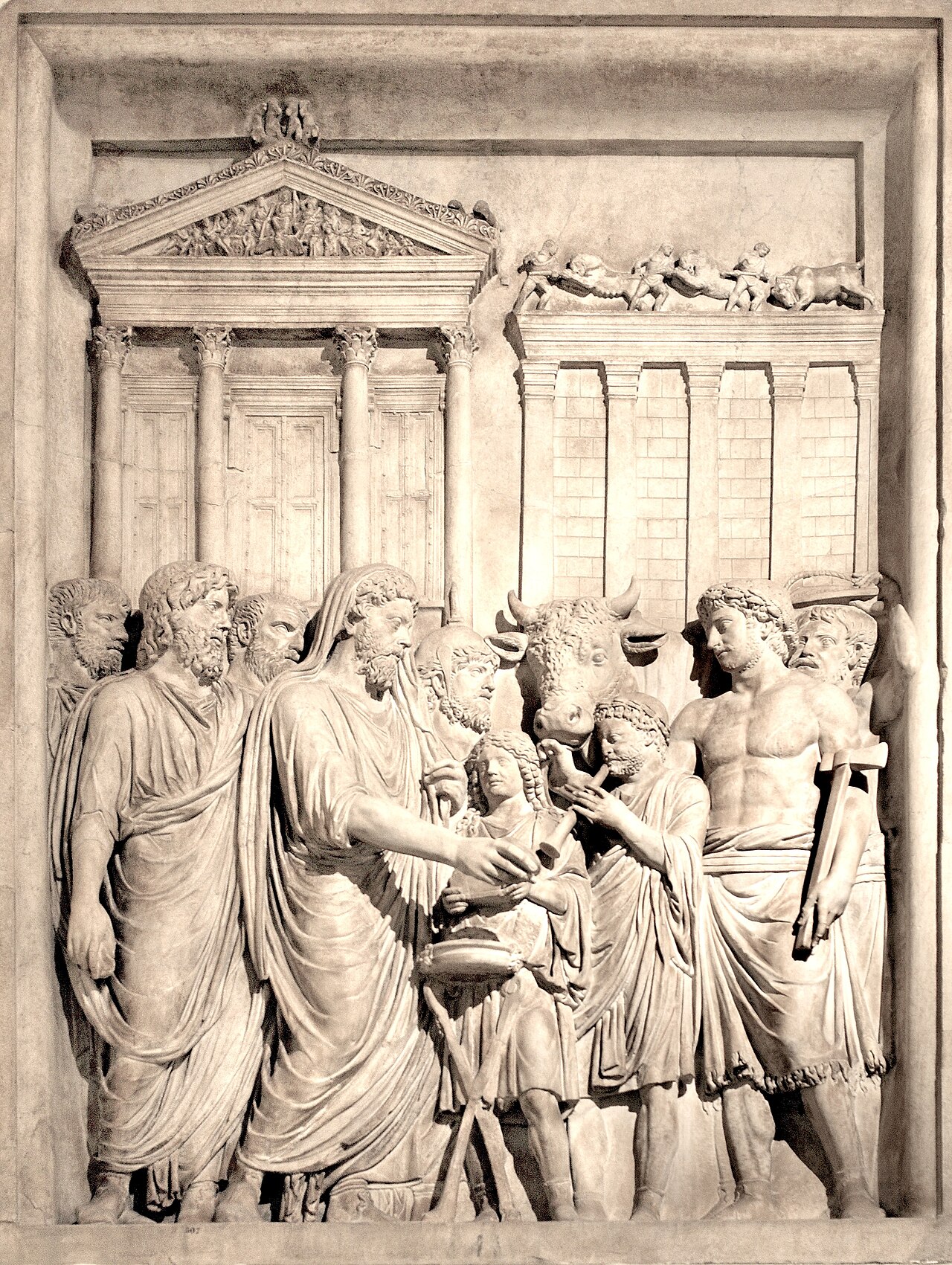 Sculpture
Primary source
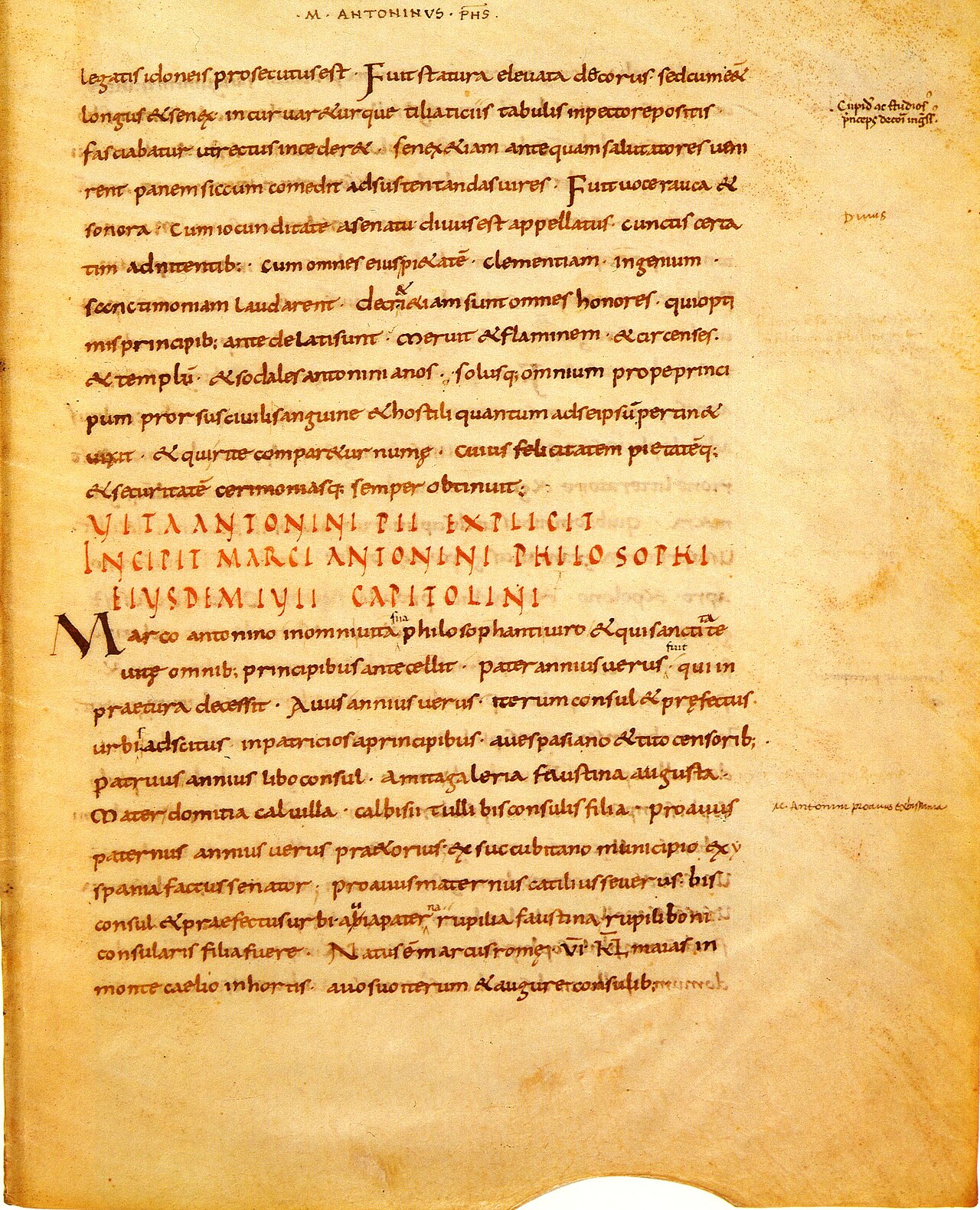 Book
Secondary source
Scriptores Historiae Augustae
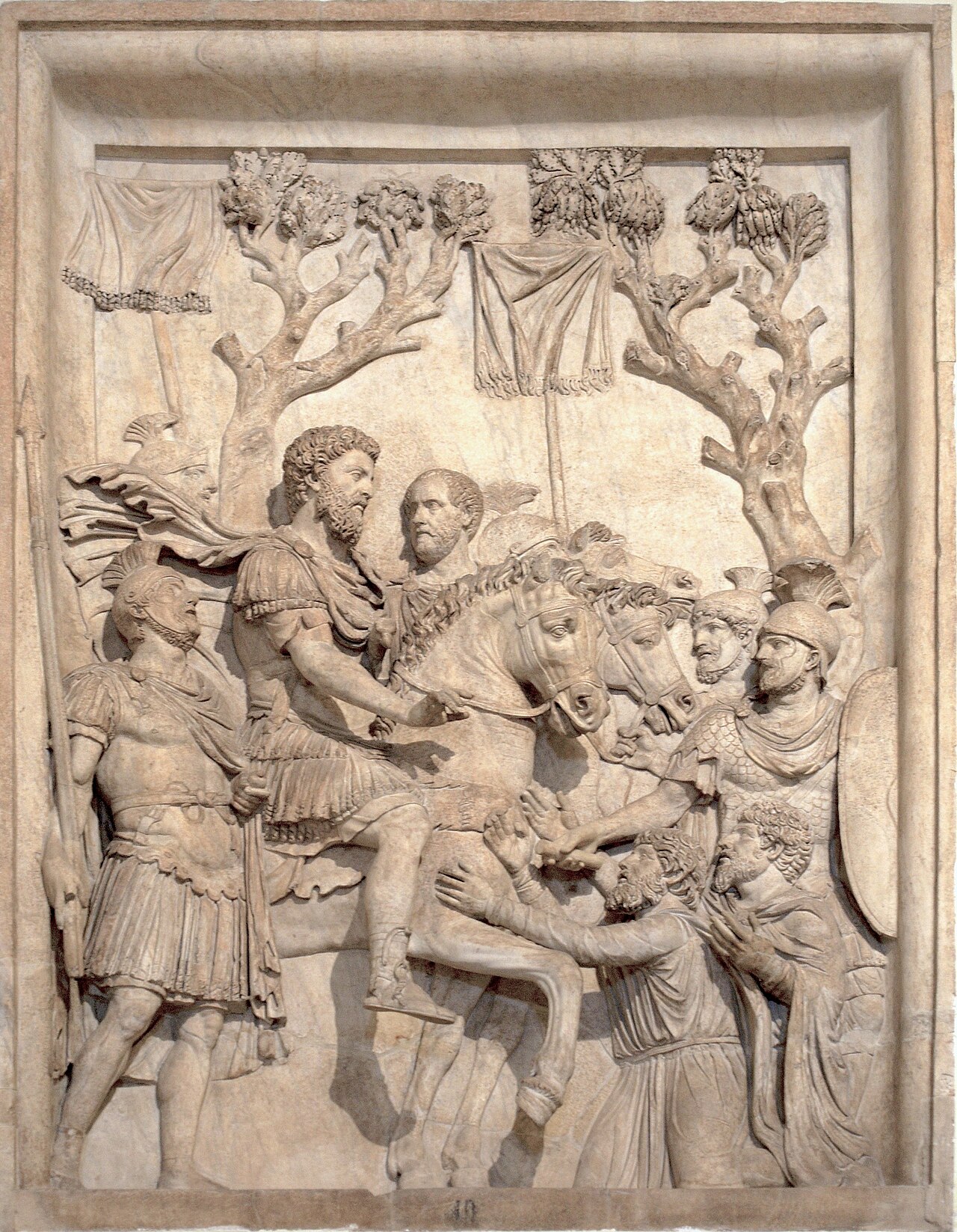 Sculpture
Primary source
180
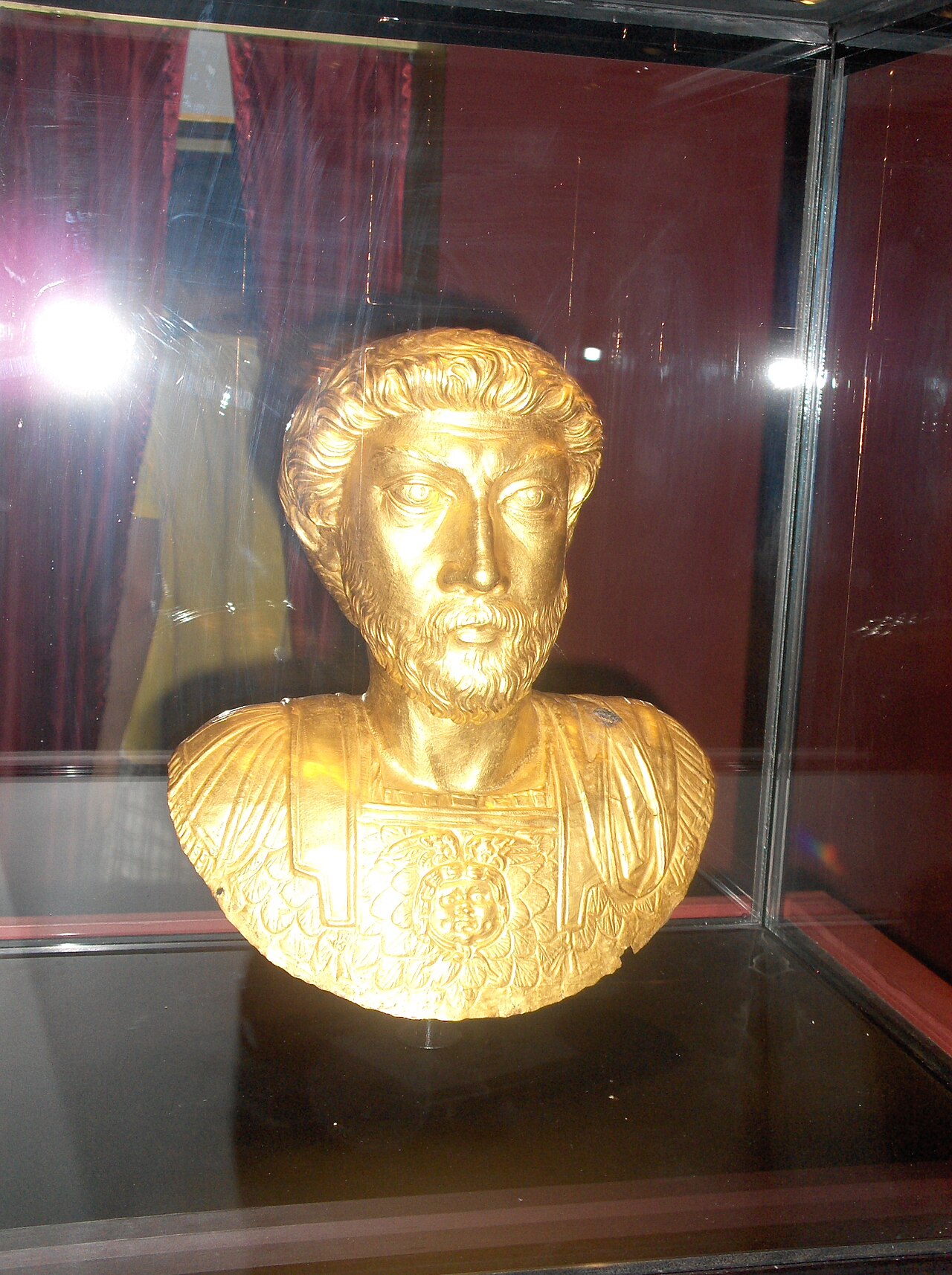 Sculpture
Primary source
180
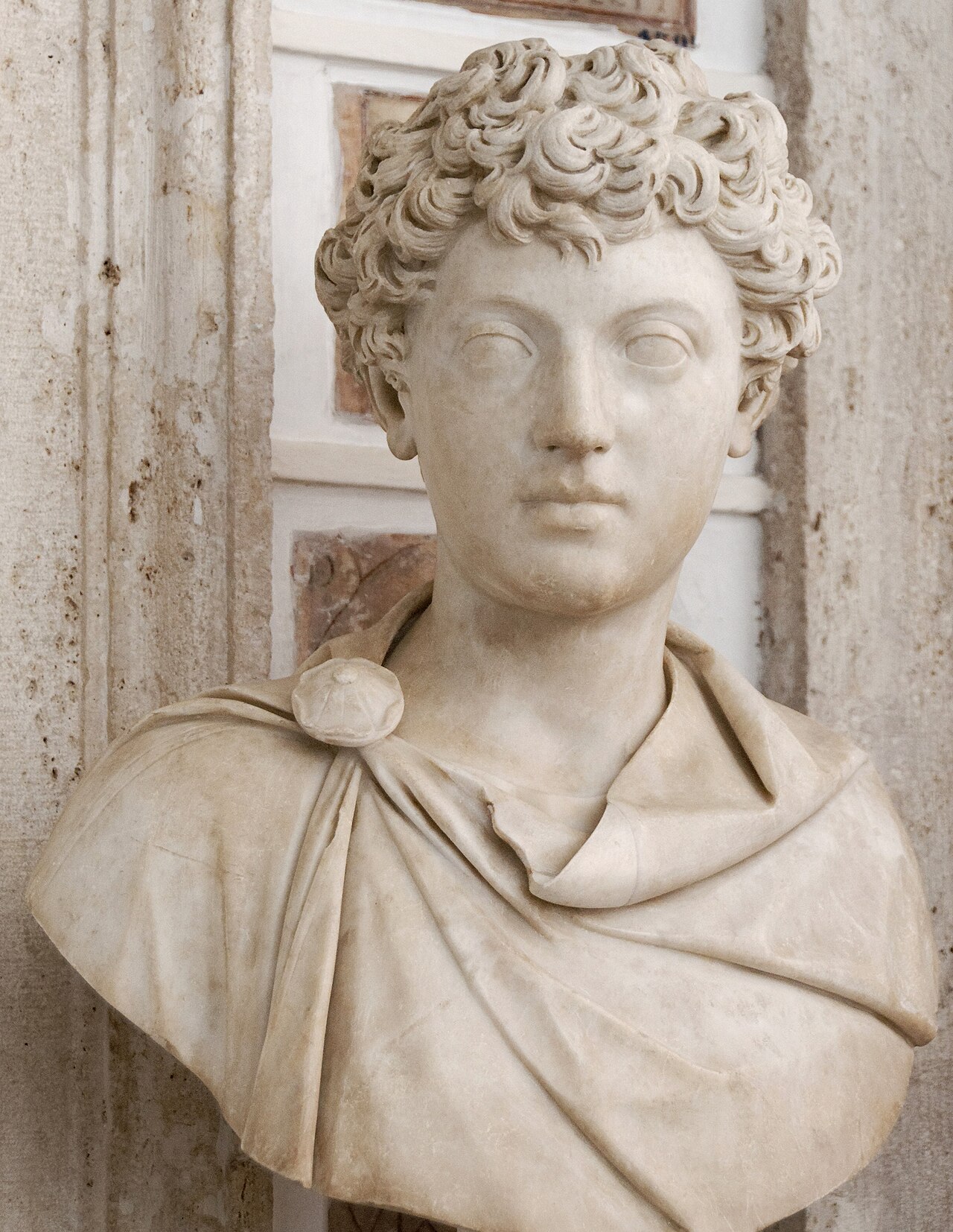 Sculpture
Primary source
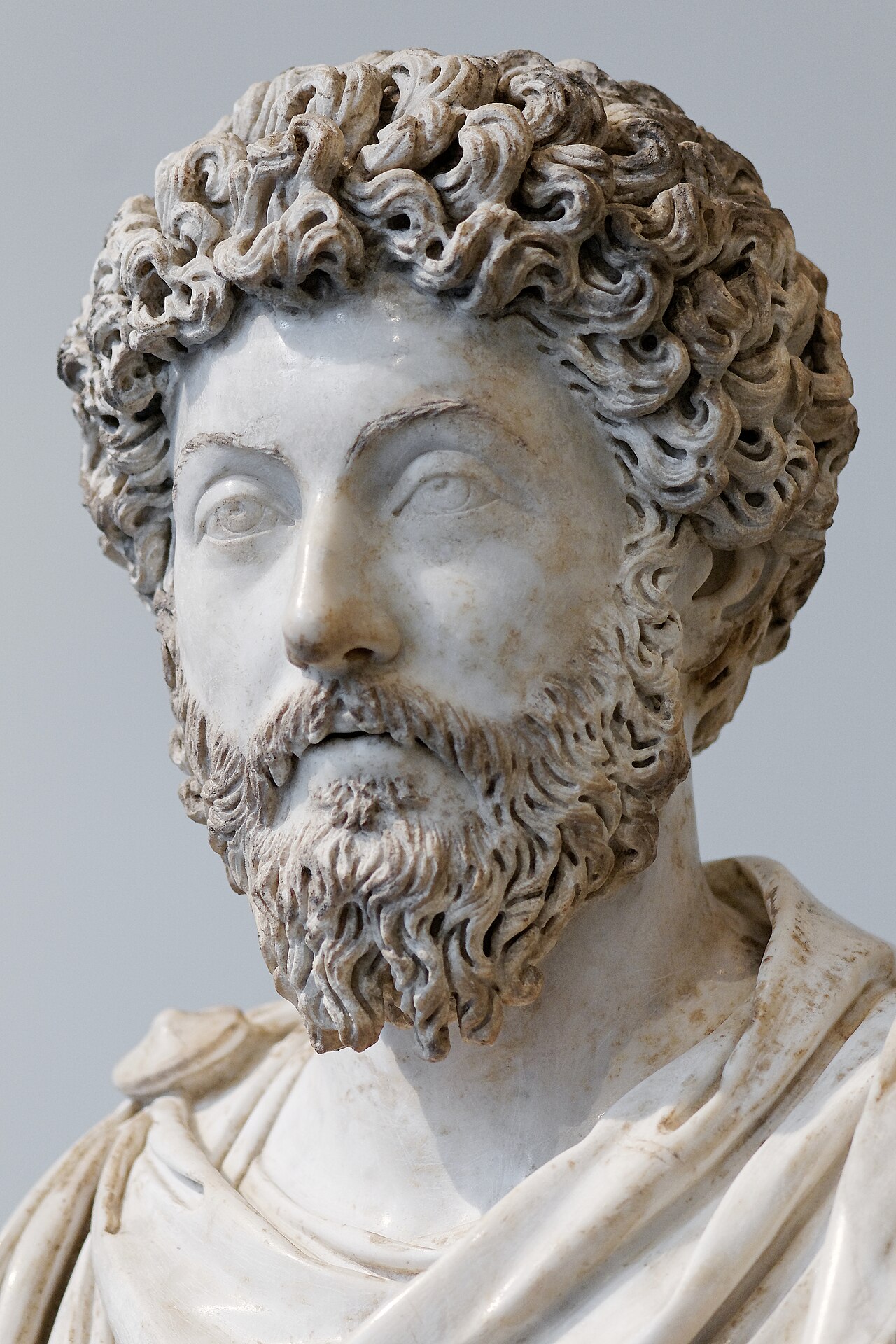 Sculpture
Primary source
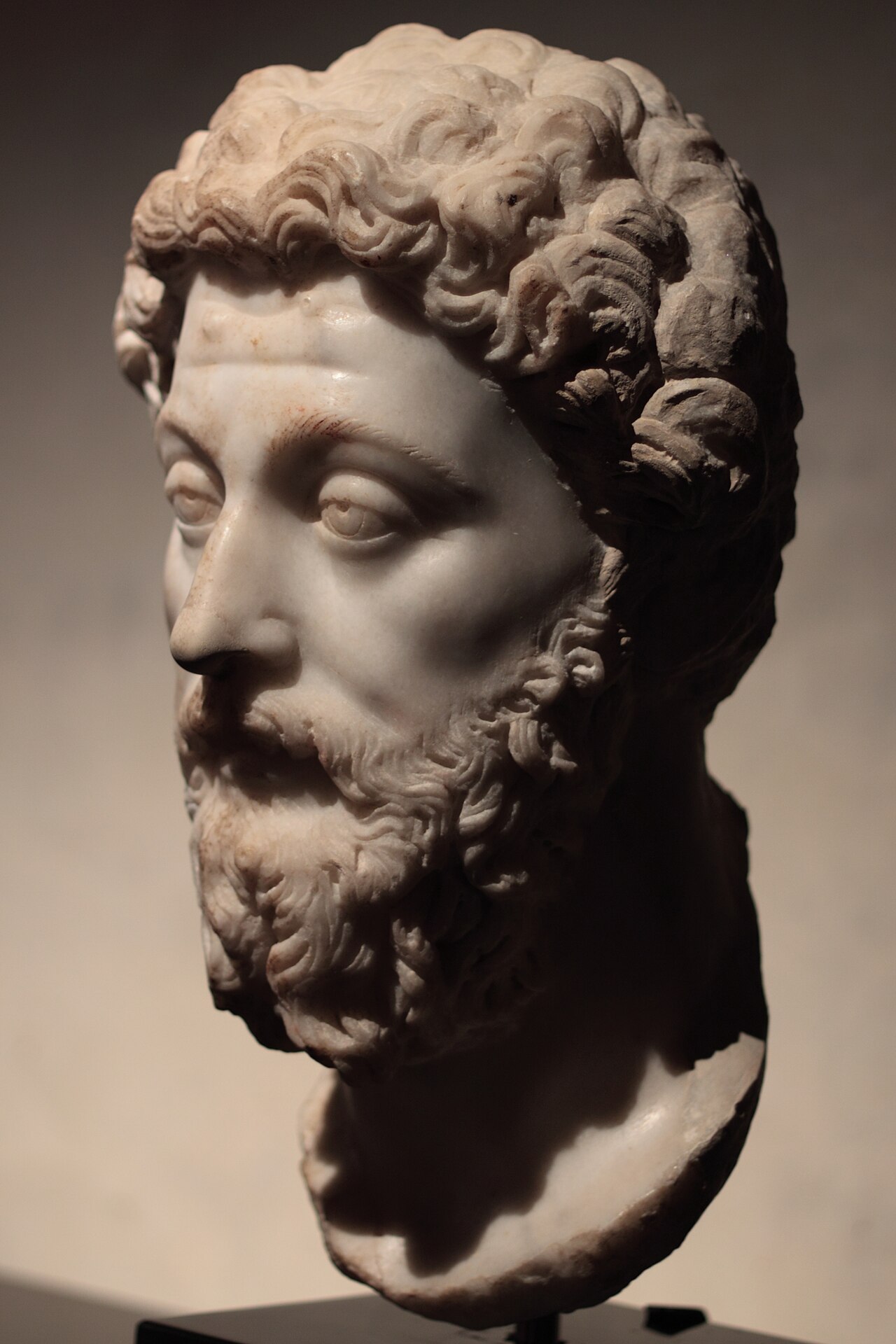 Sculpture
Primary source
Unknown sculptor · after 169
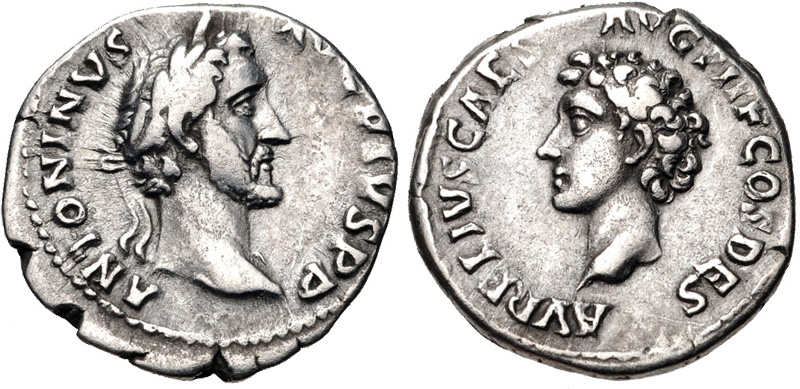 Artifact
Primary source
Rome mint · AD 139
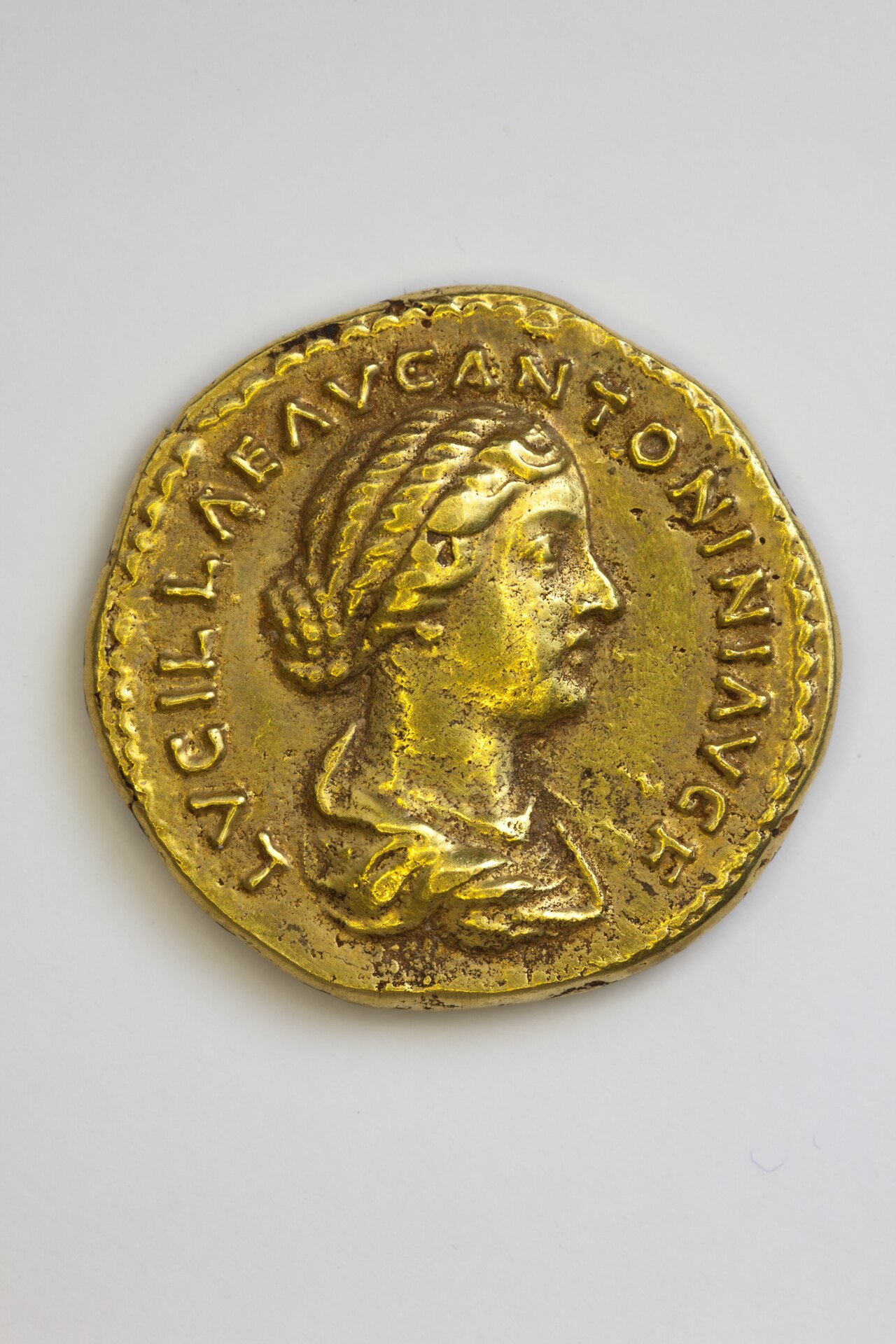 Artifact
Primary source
164
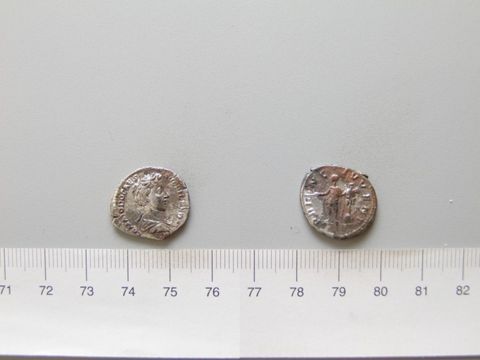 Artifact
Primary source
Rome mint · 175
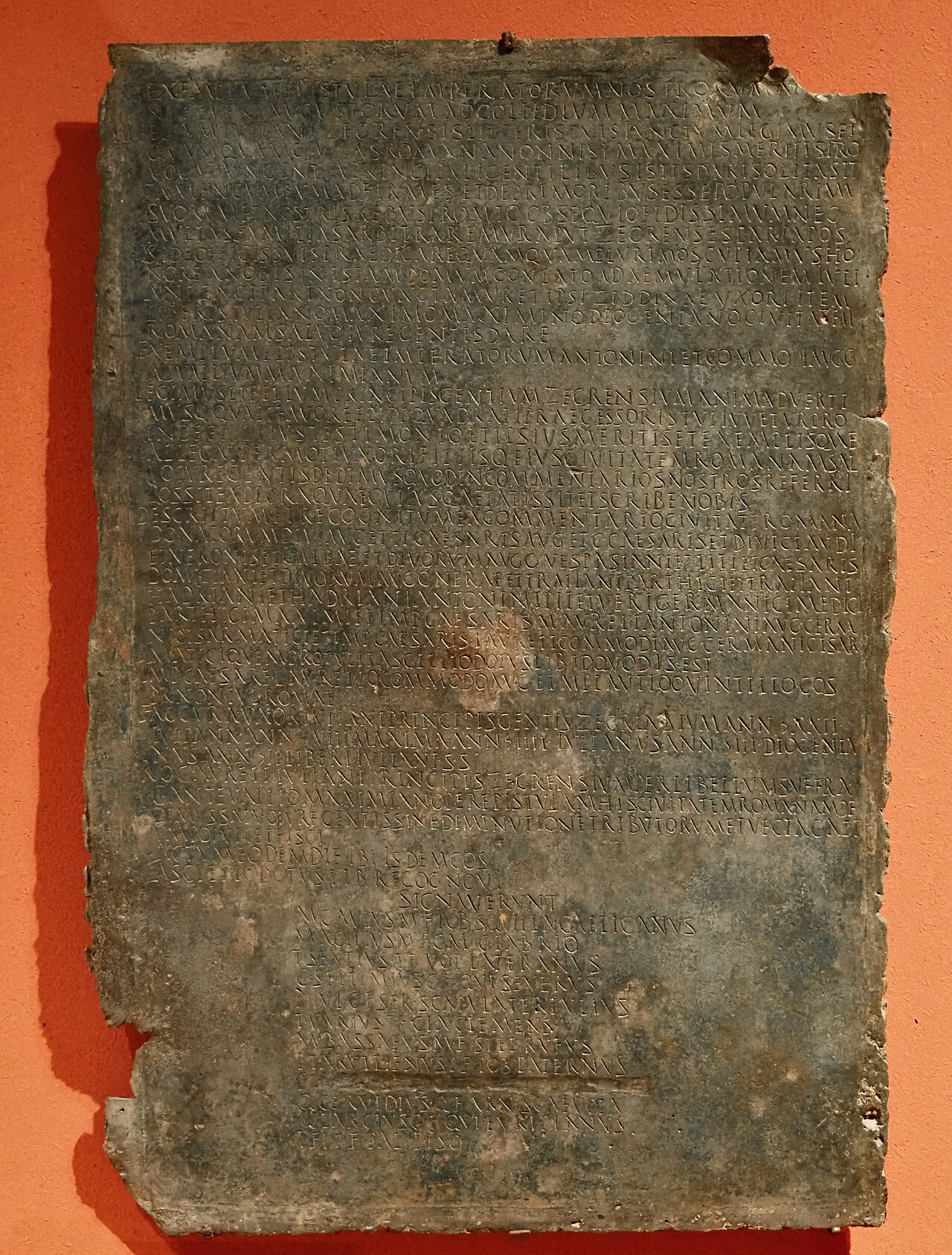 Document
Primary source
Roman imperial administration · 168/169 and 177
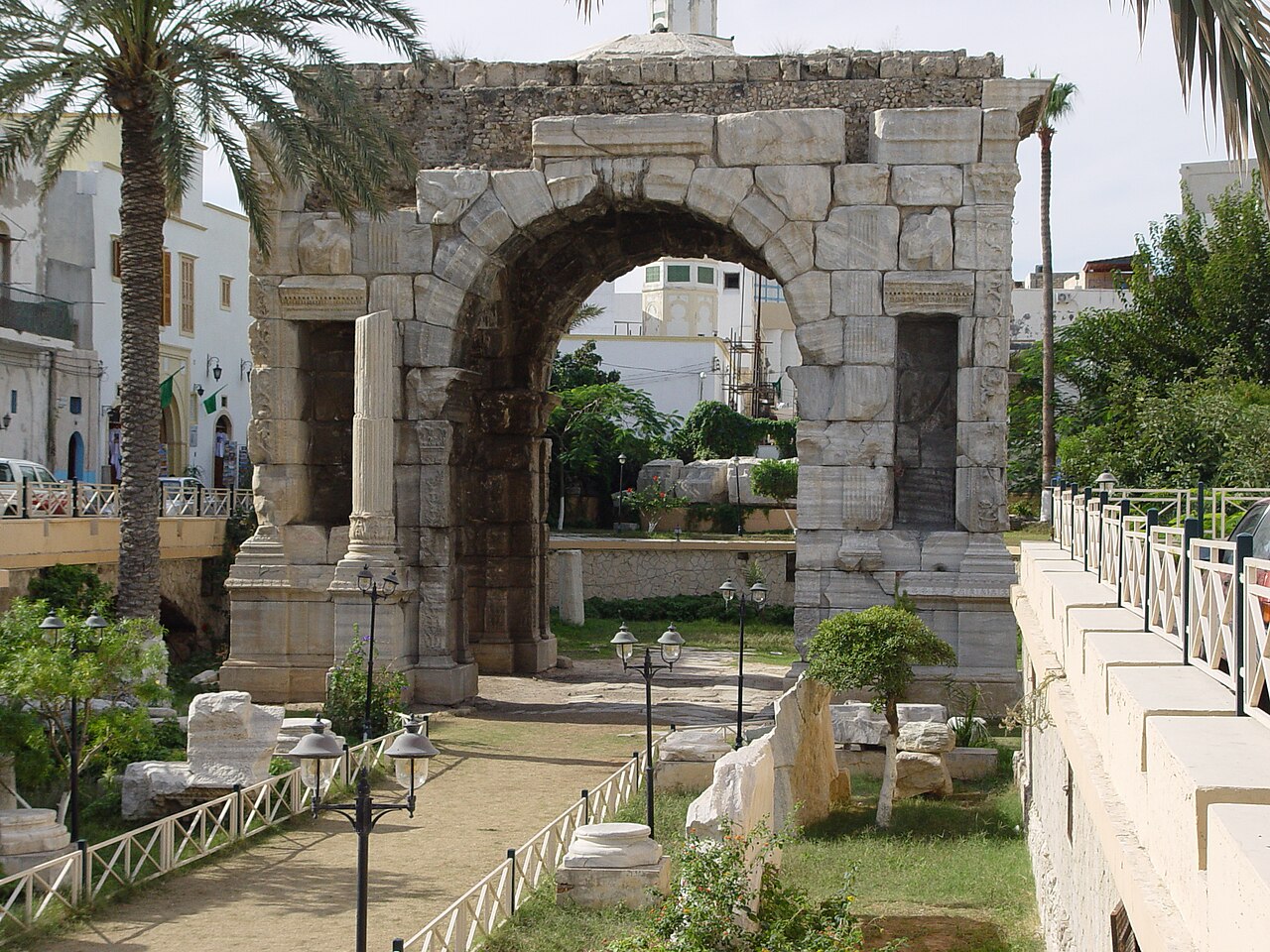 Artifact
Primary source
Gaius Calpurnius Celsus · c. 165
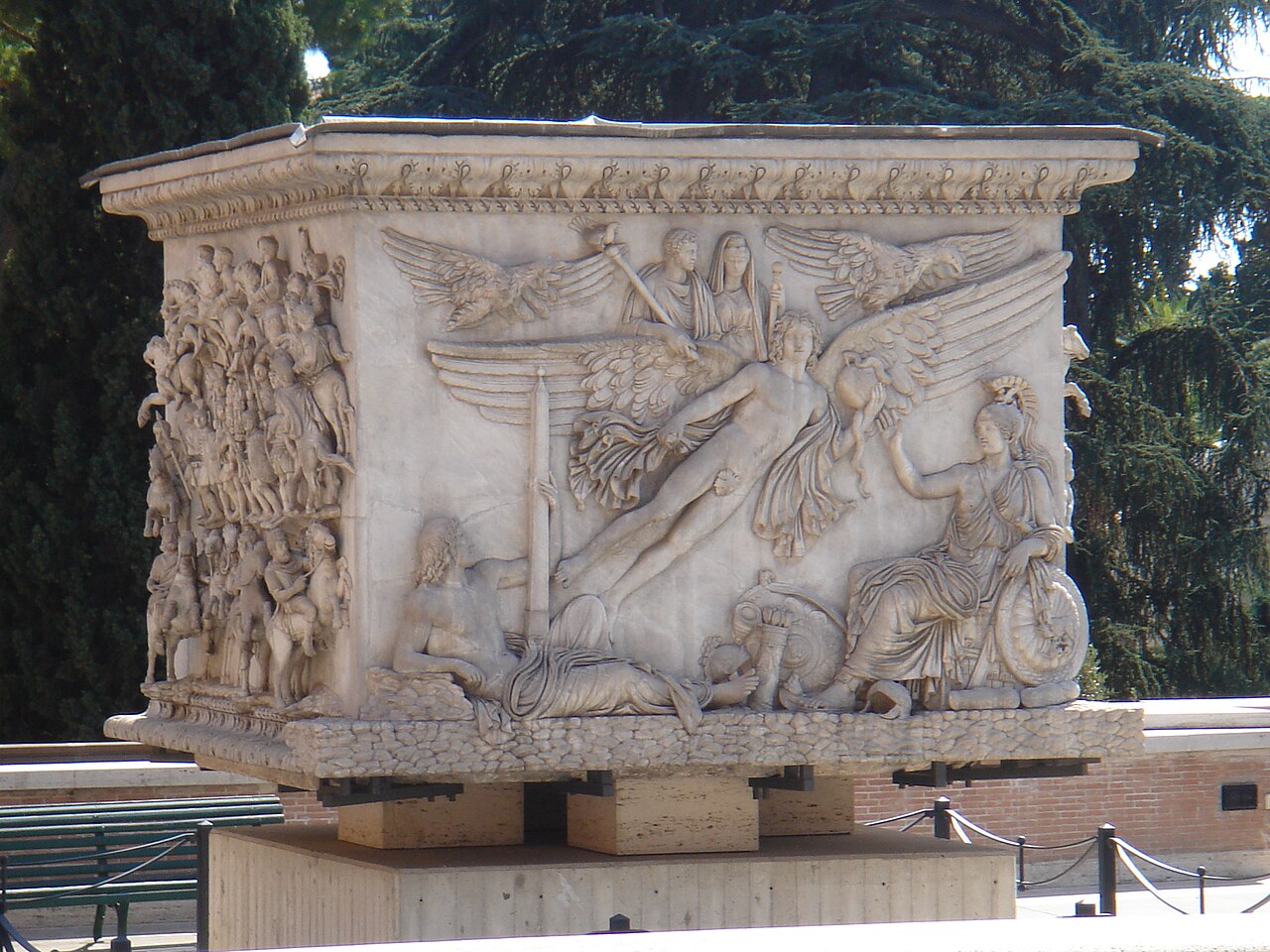 Sculpture
Primary source
161
Secondary source
Herodian · c. 240
 Artifact
Primary source
 Artifact
Primary source
176
 Artifact
Primary source
177
 Document
Primary source
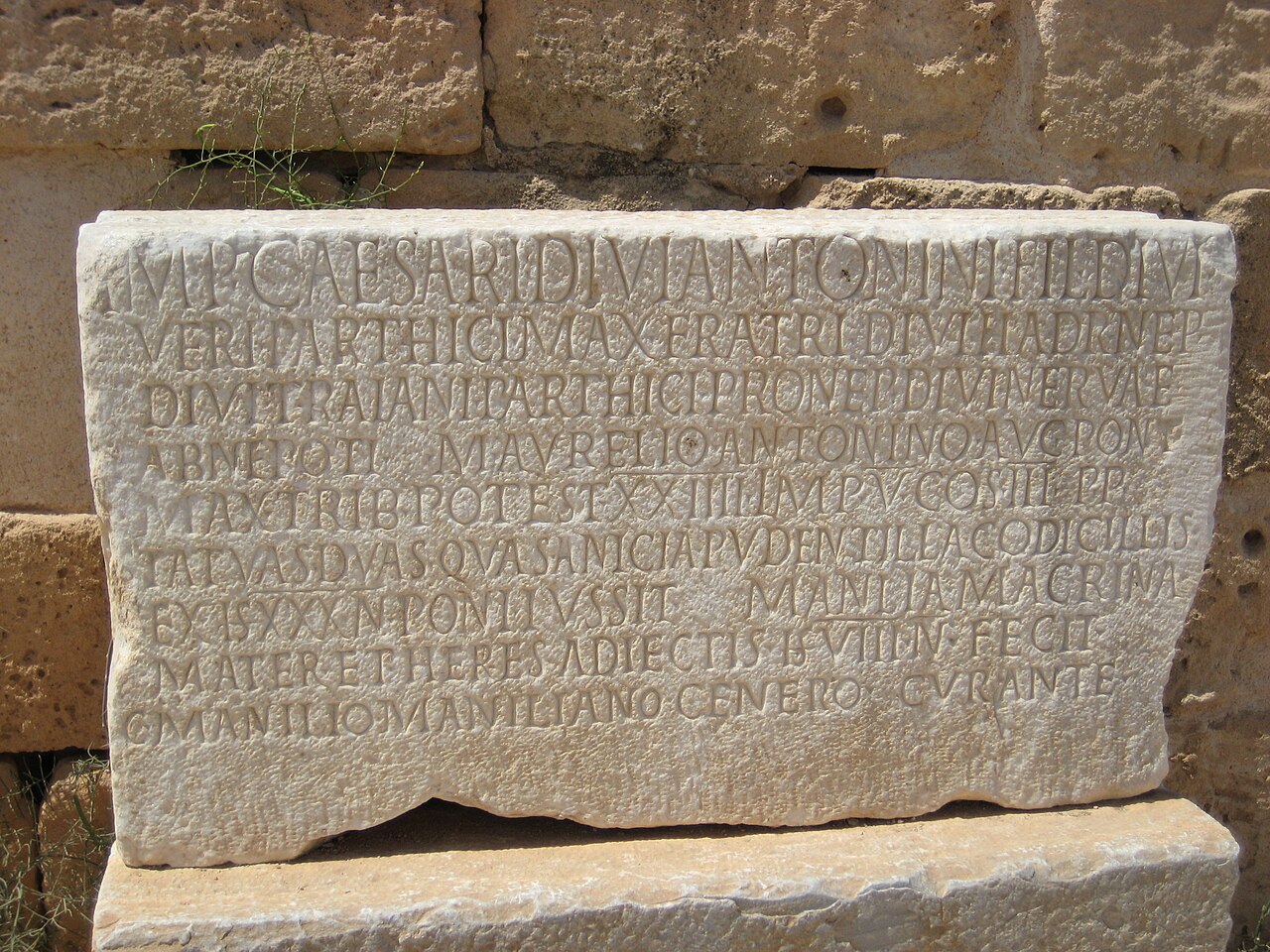 Document
Primary source
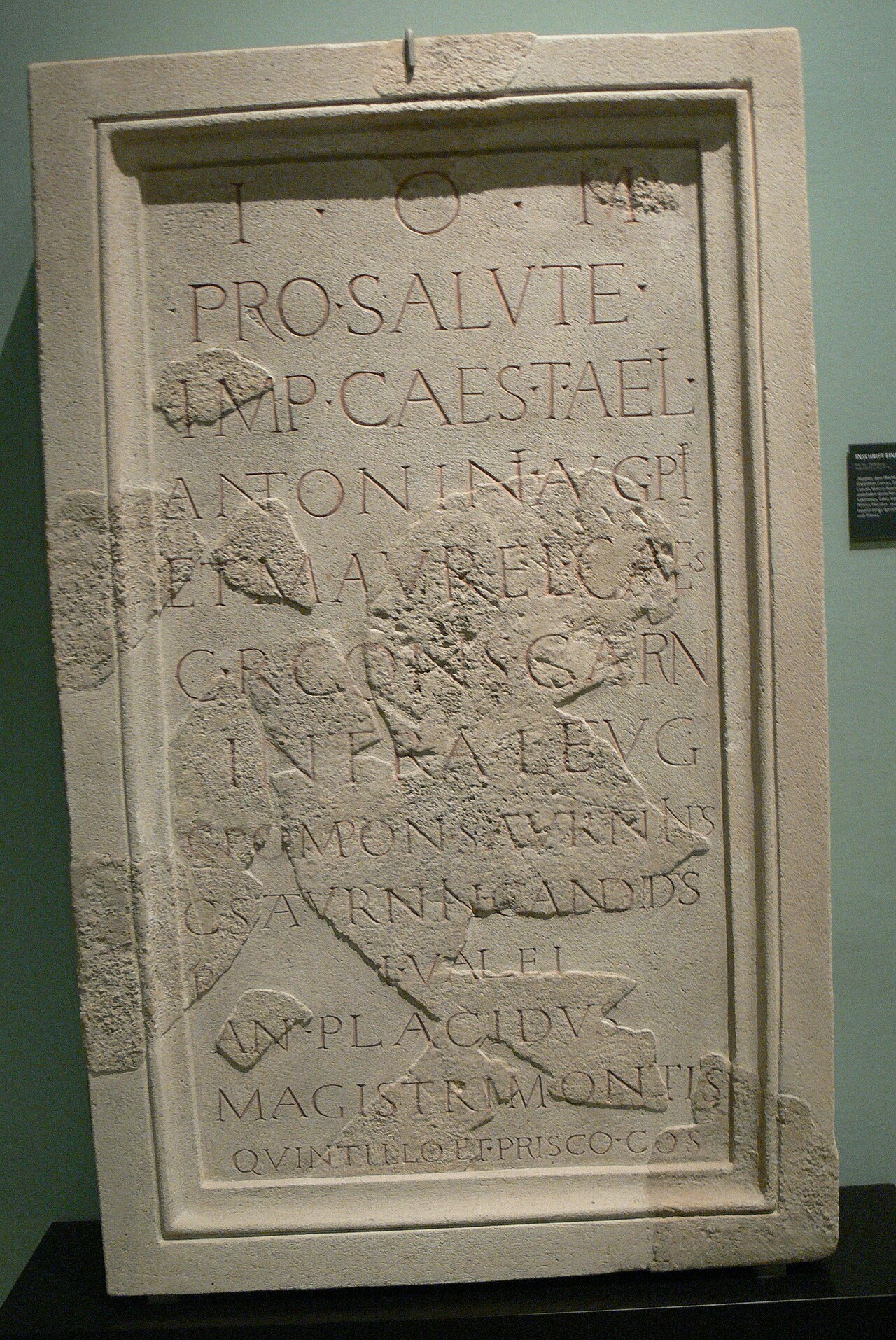 Document
Primary source
159 AD
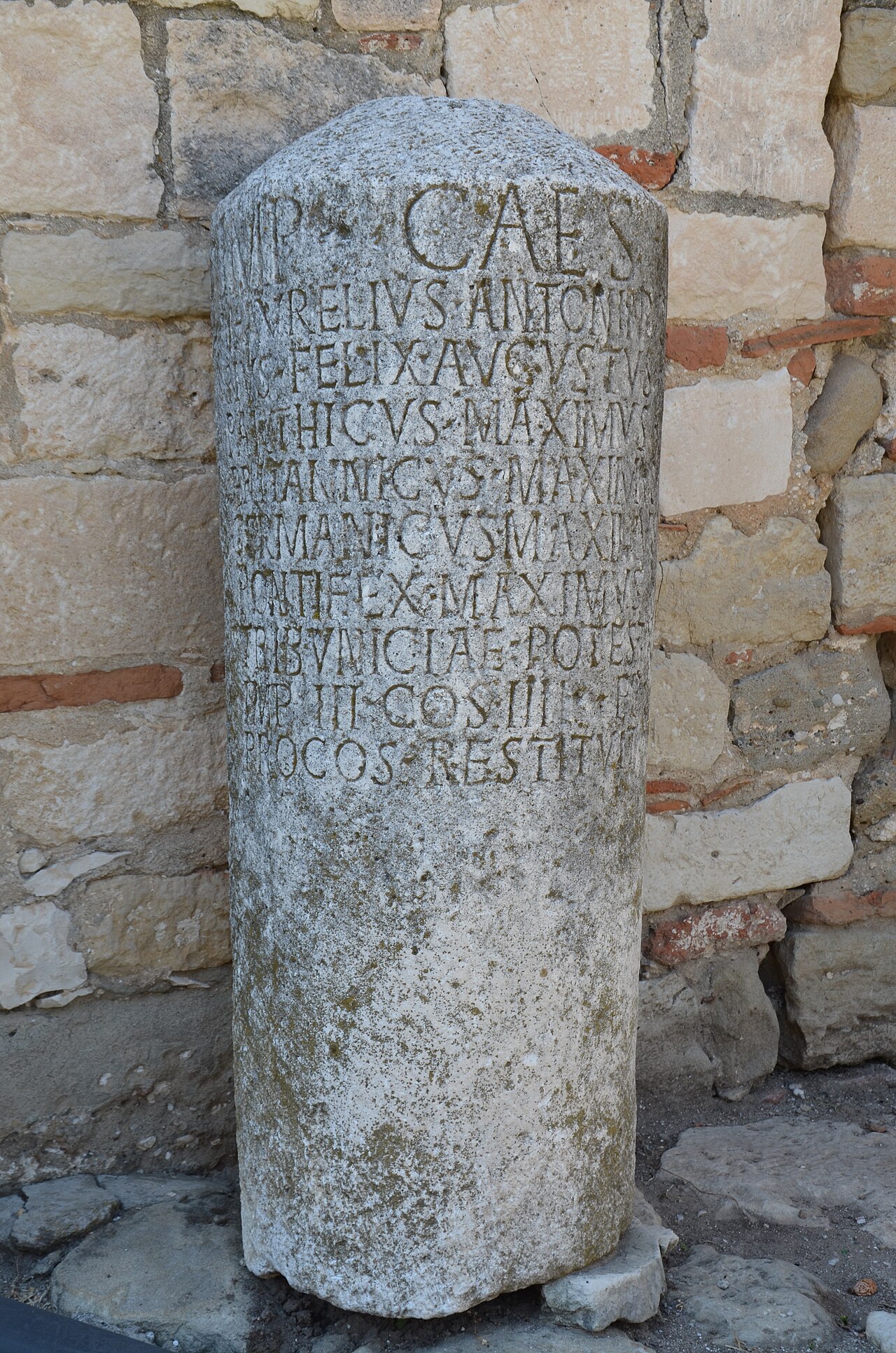 Artifact
Primary source
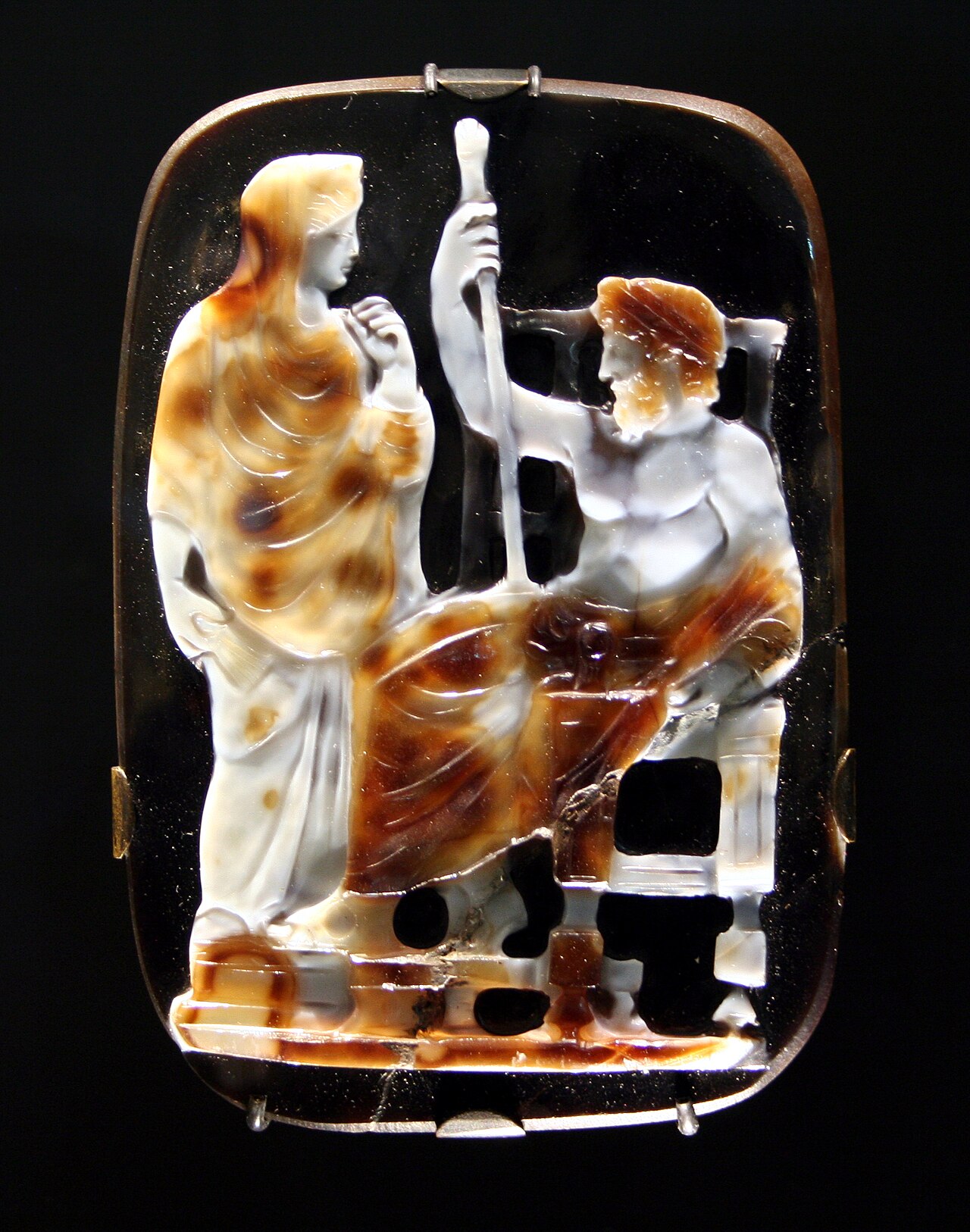 Artifact
Primary source
170-185 AD
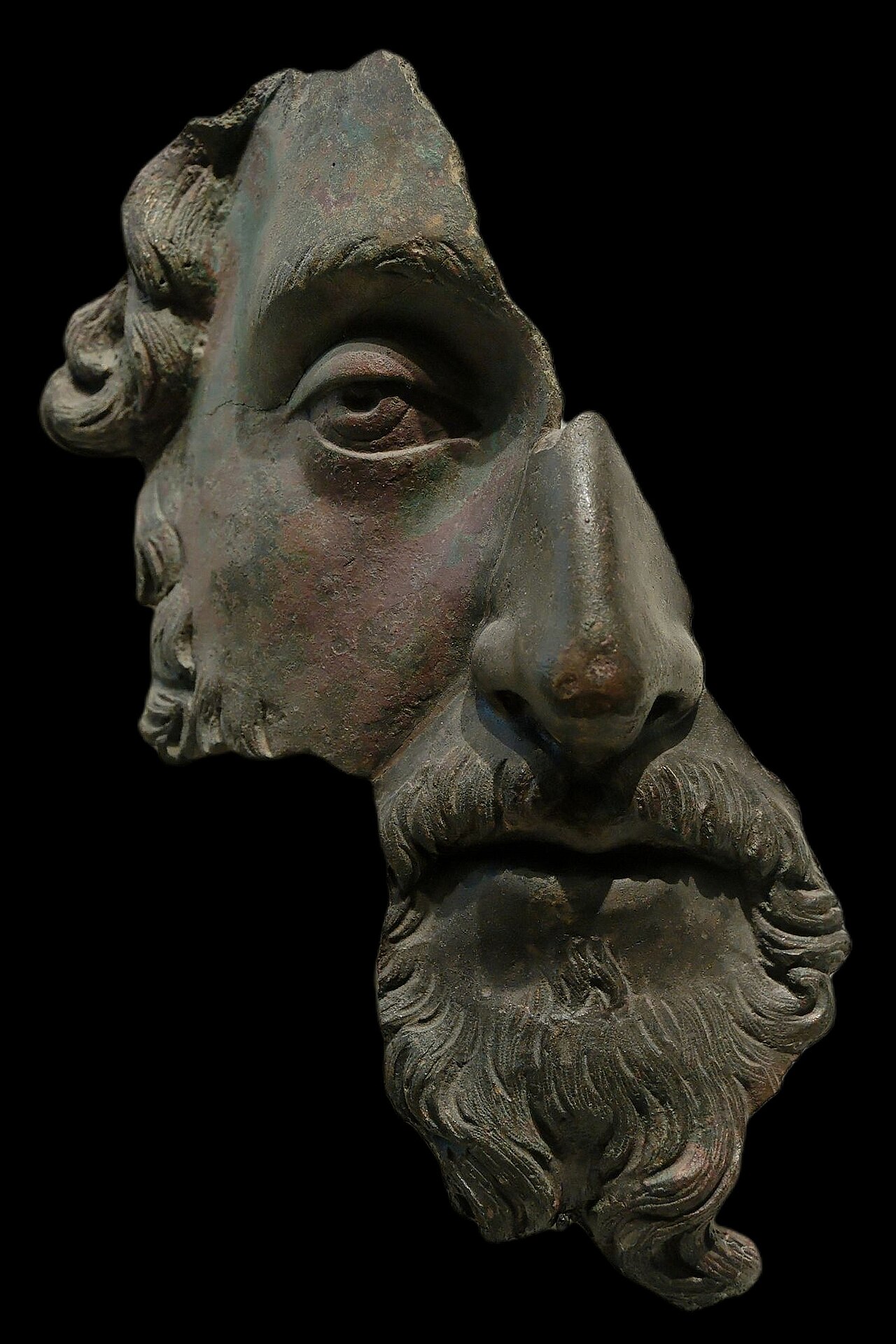 Sculpture
Primary source
after 170 CE
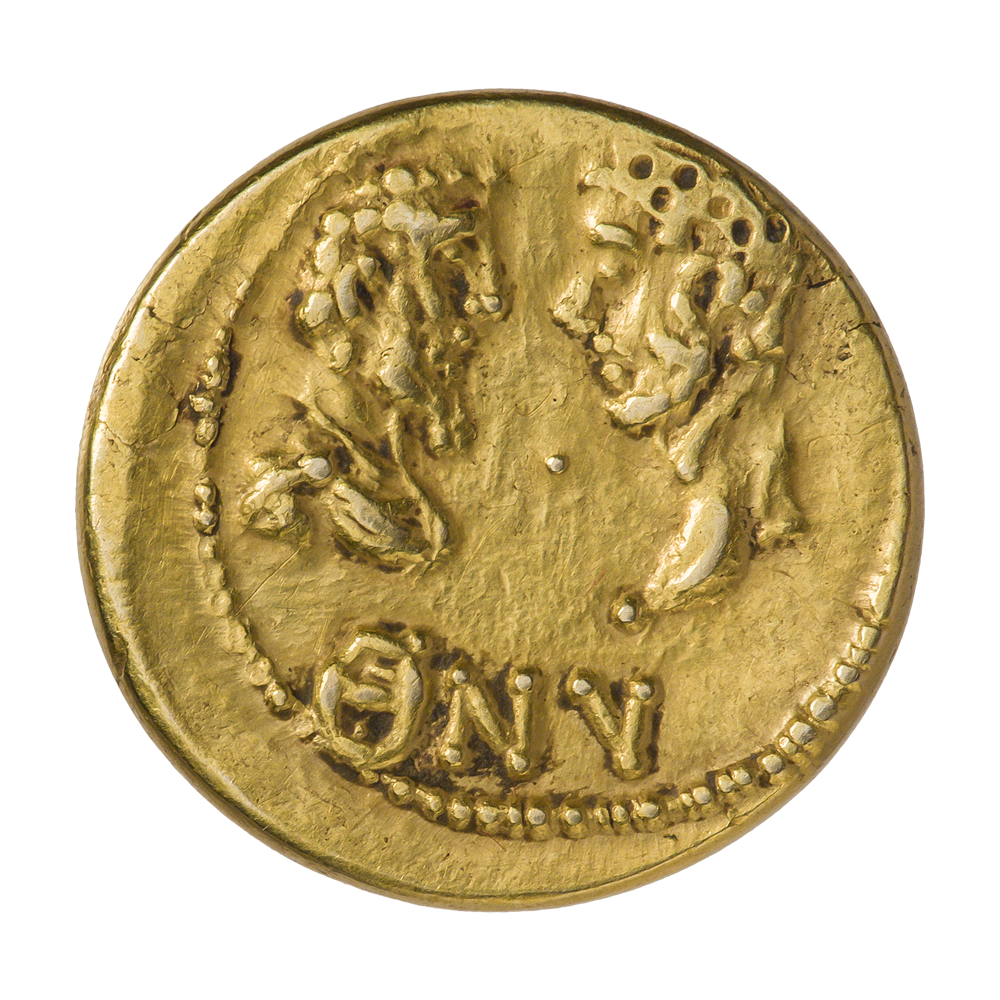 Artifact
Primary source
c. 162 AD
Primary source
Justin Martyr · c. AD 155–157
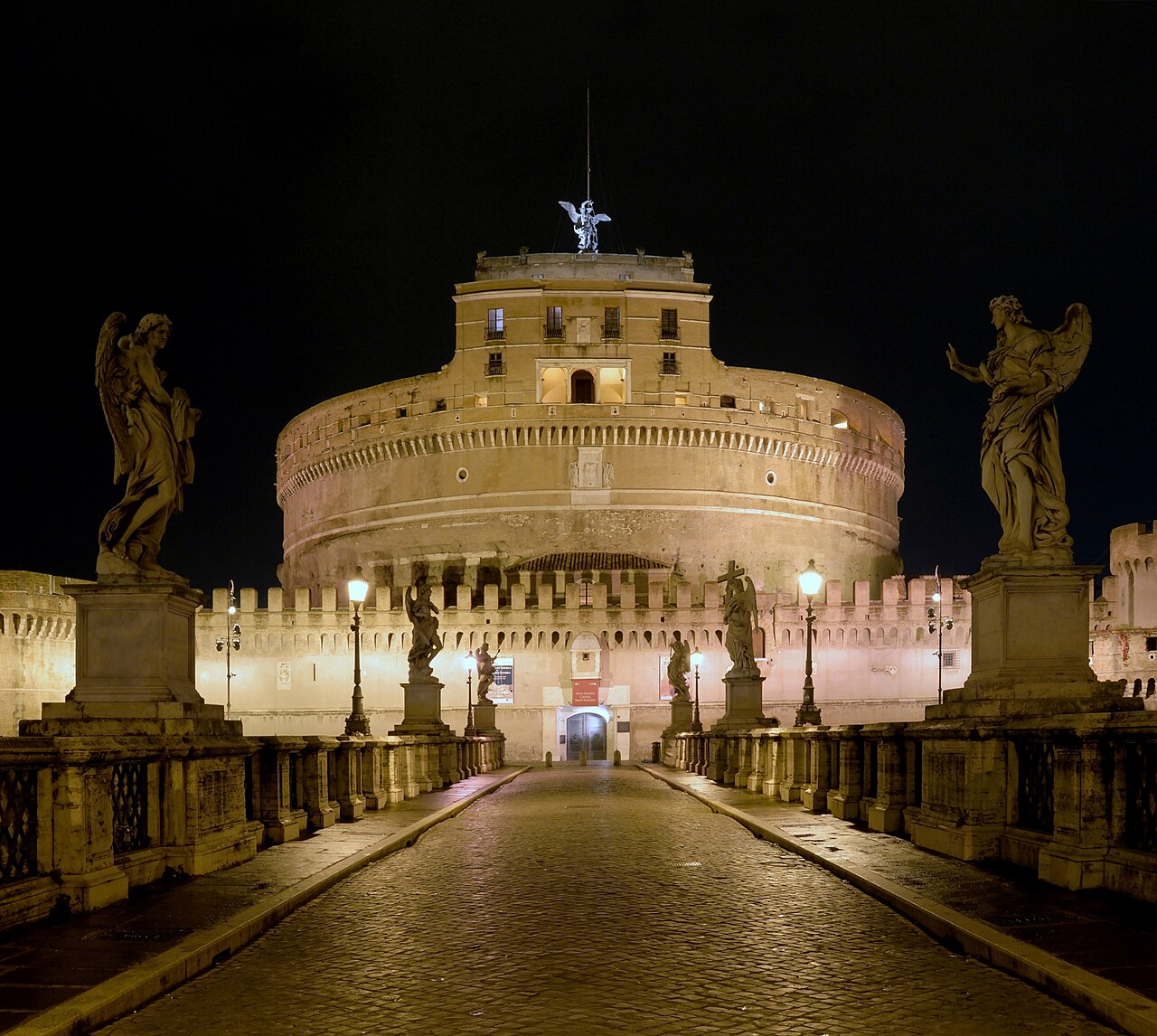 Artifact
Secondary source
Bernardo Rossellino · 139 AD (completed)
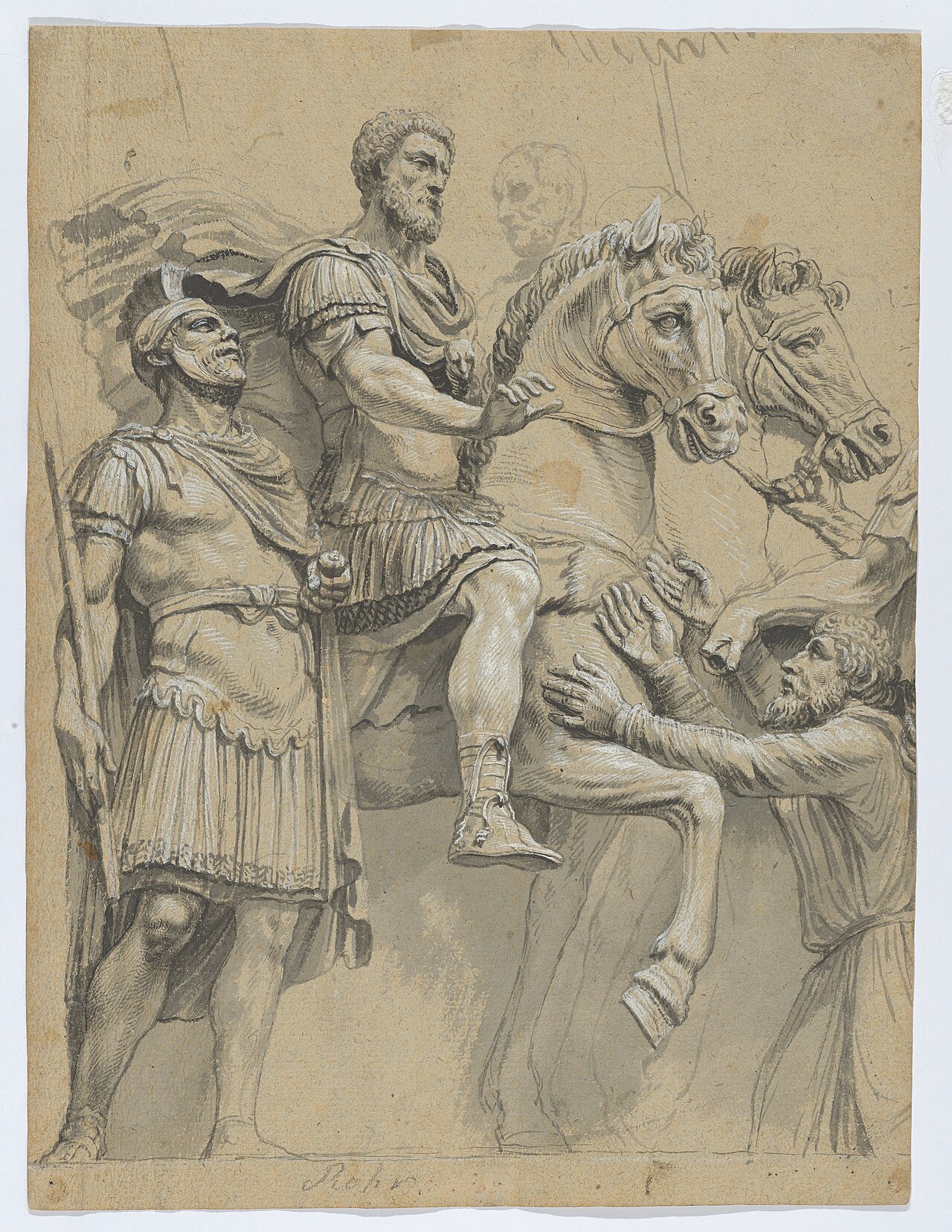 Painting
Secondary source
Unknown
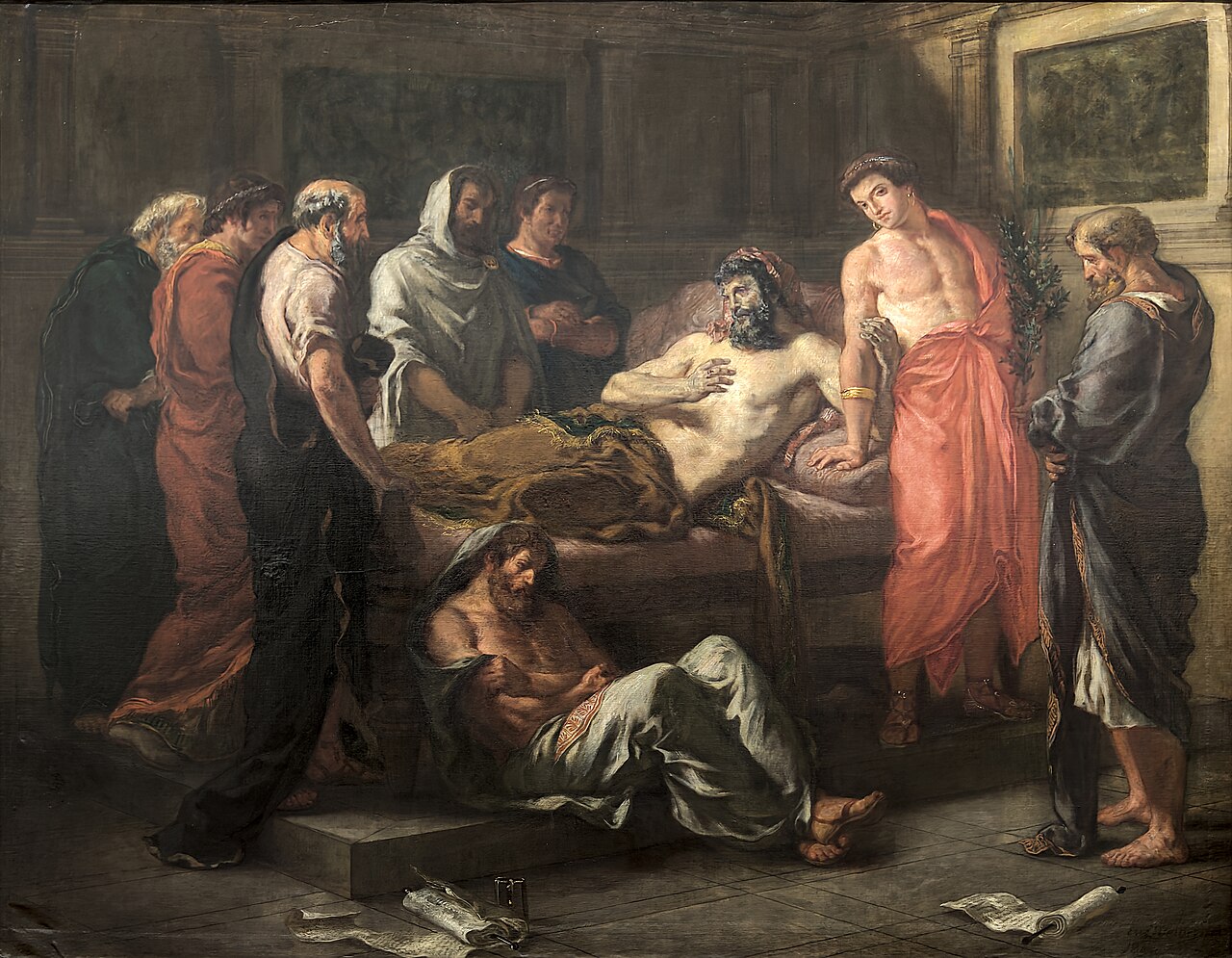 Painting
Secondary source
Eugène Delacroix · 1844
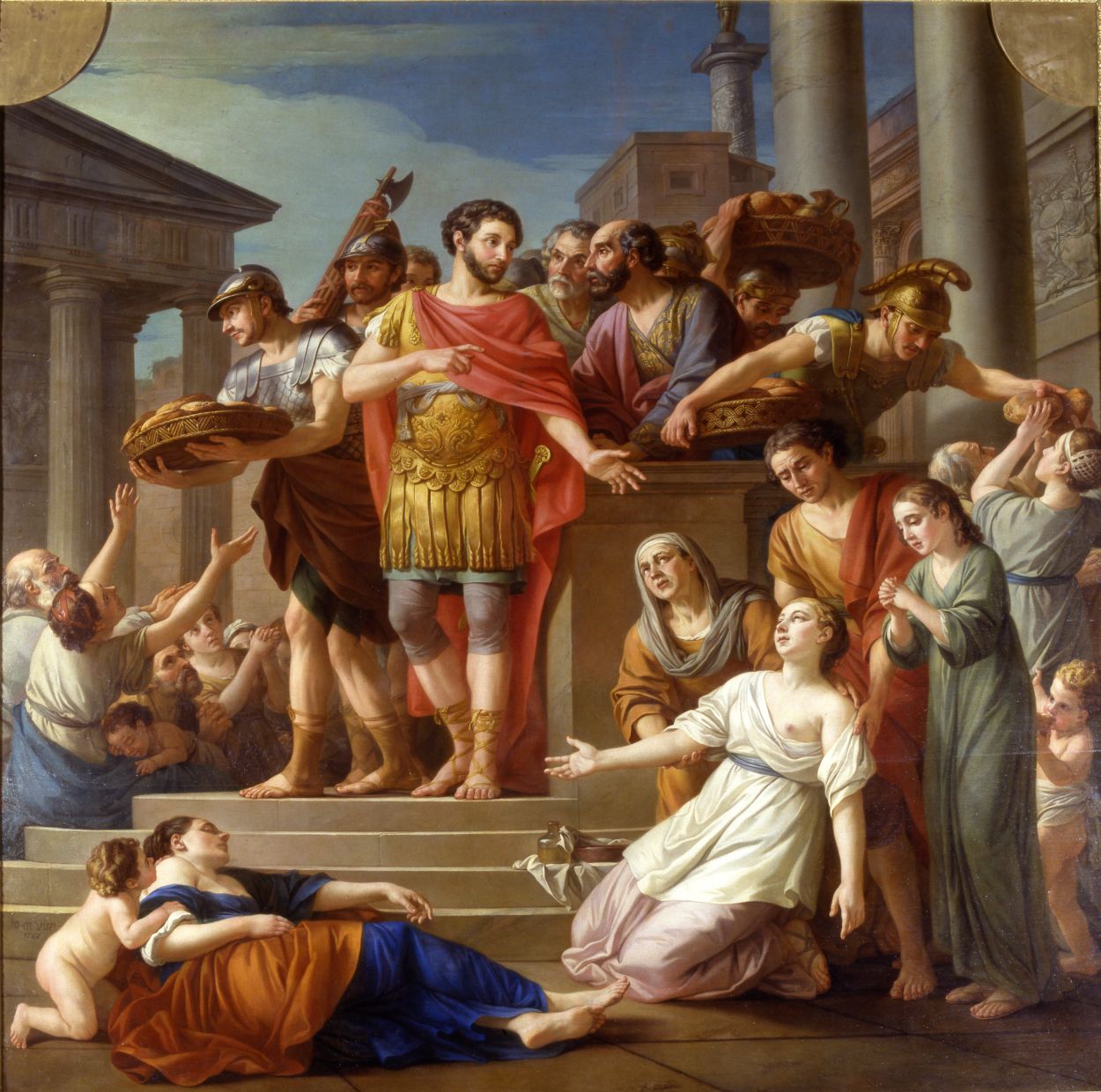 Painting
Secondary source
Joseph-Marie Vien · 1765
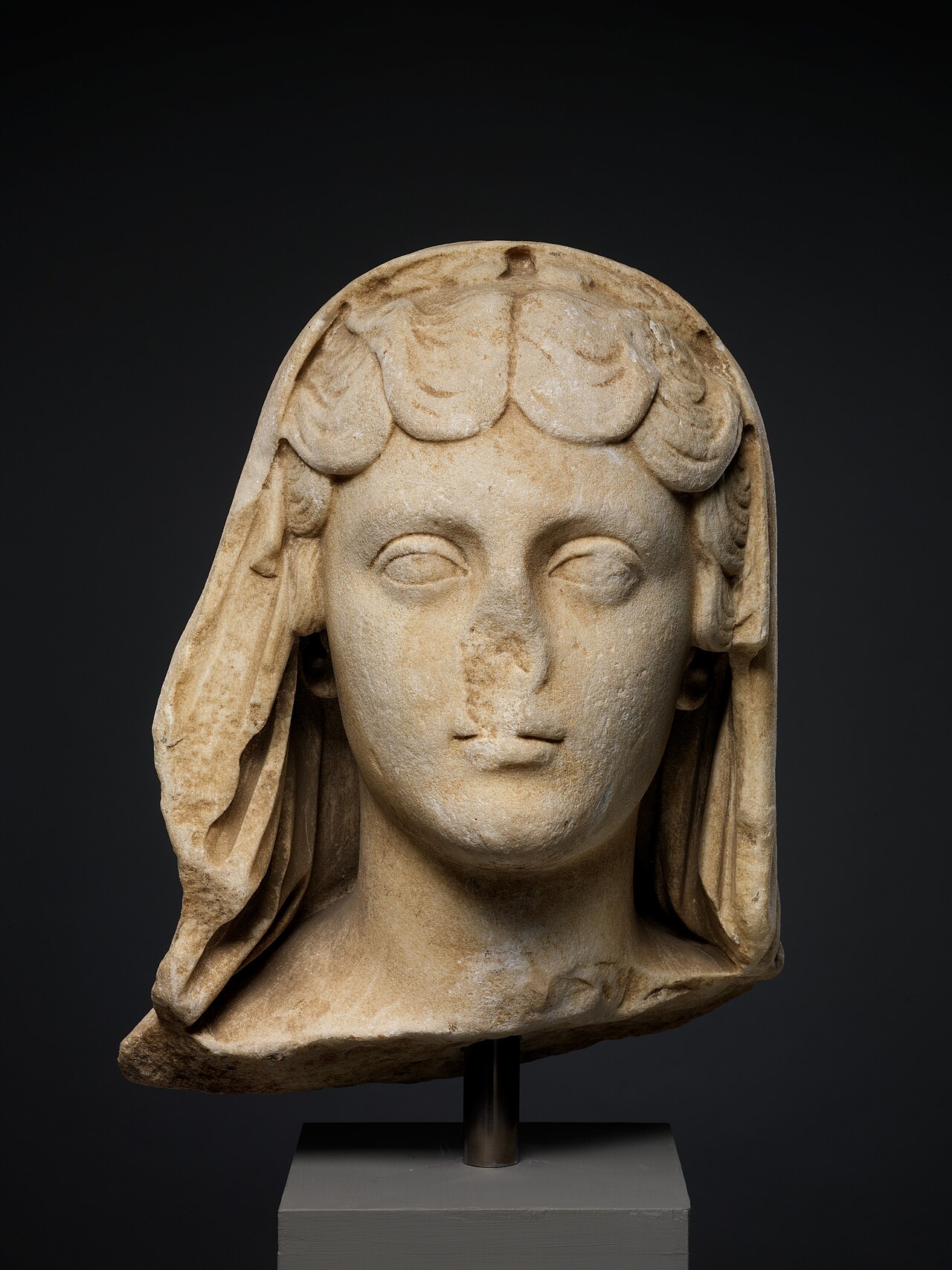 Sculpture
Primary source
Unknown Roman sculptor · c. 147–175 AD
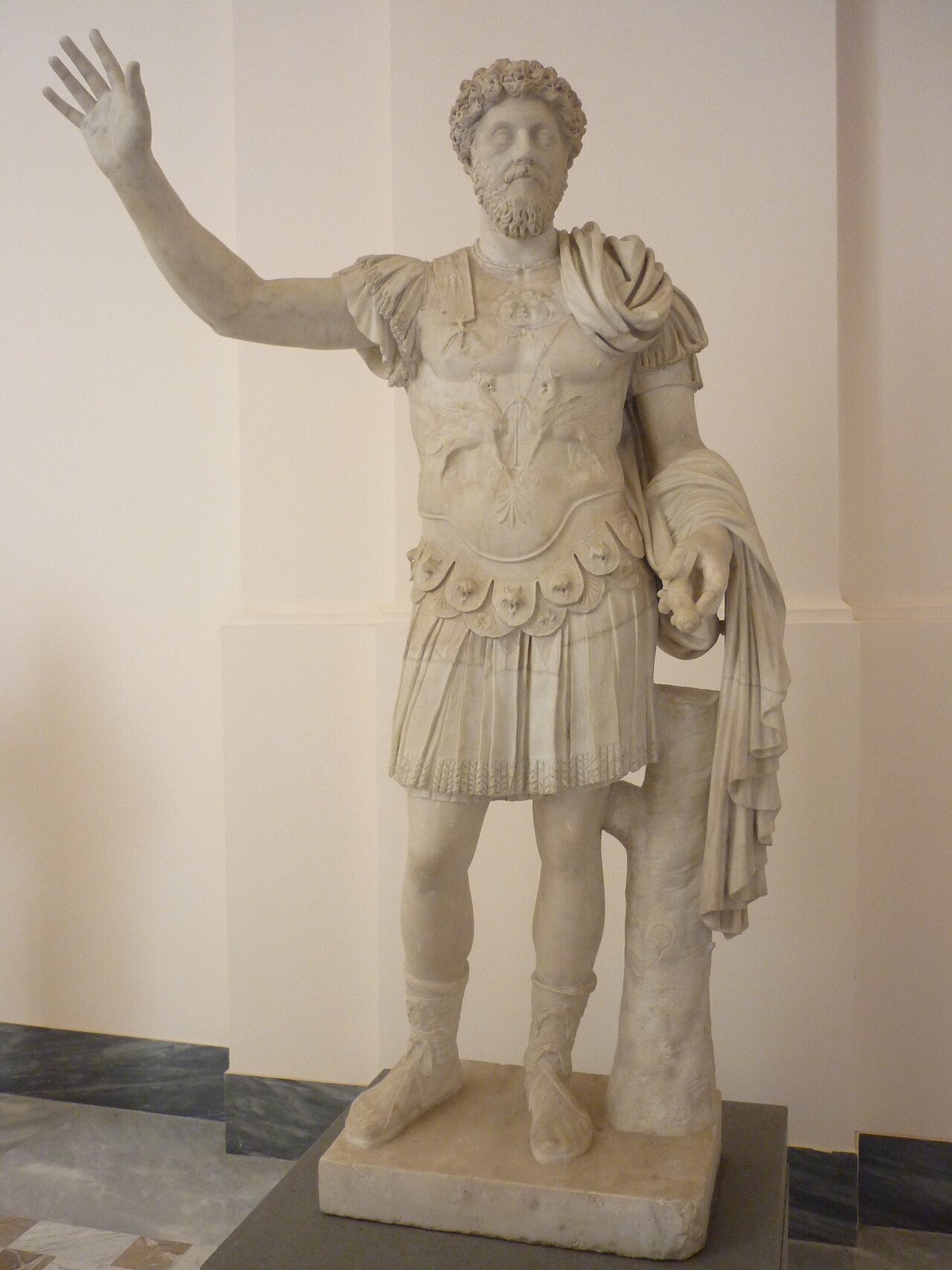 Sculpture
Primary source
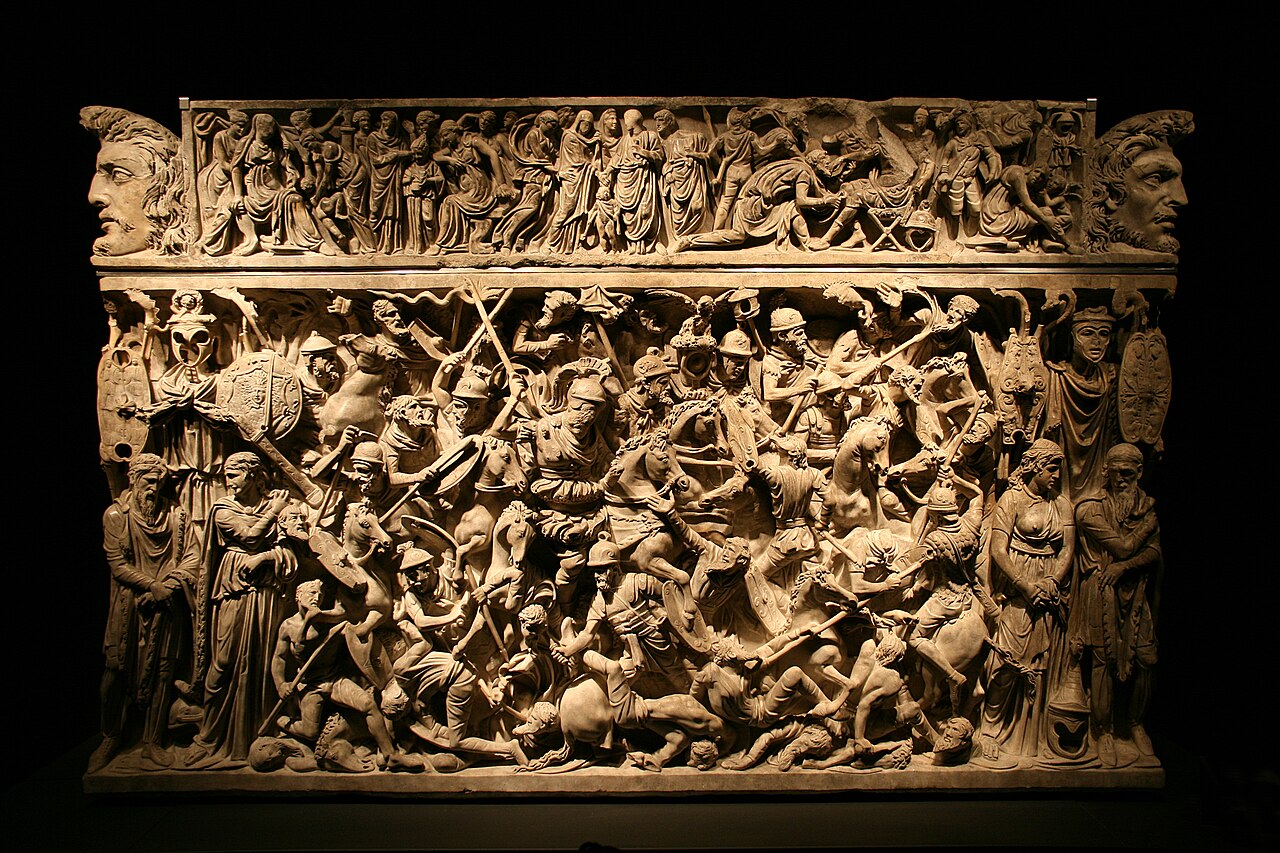 Sculpture
Primary source
180
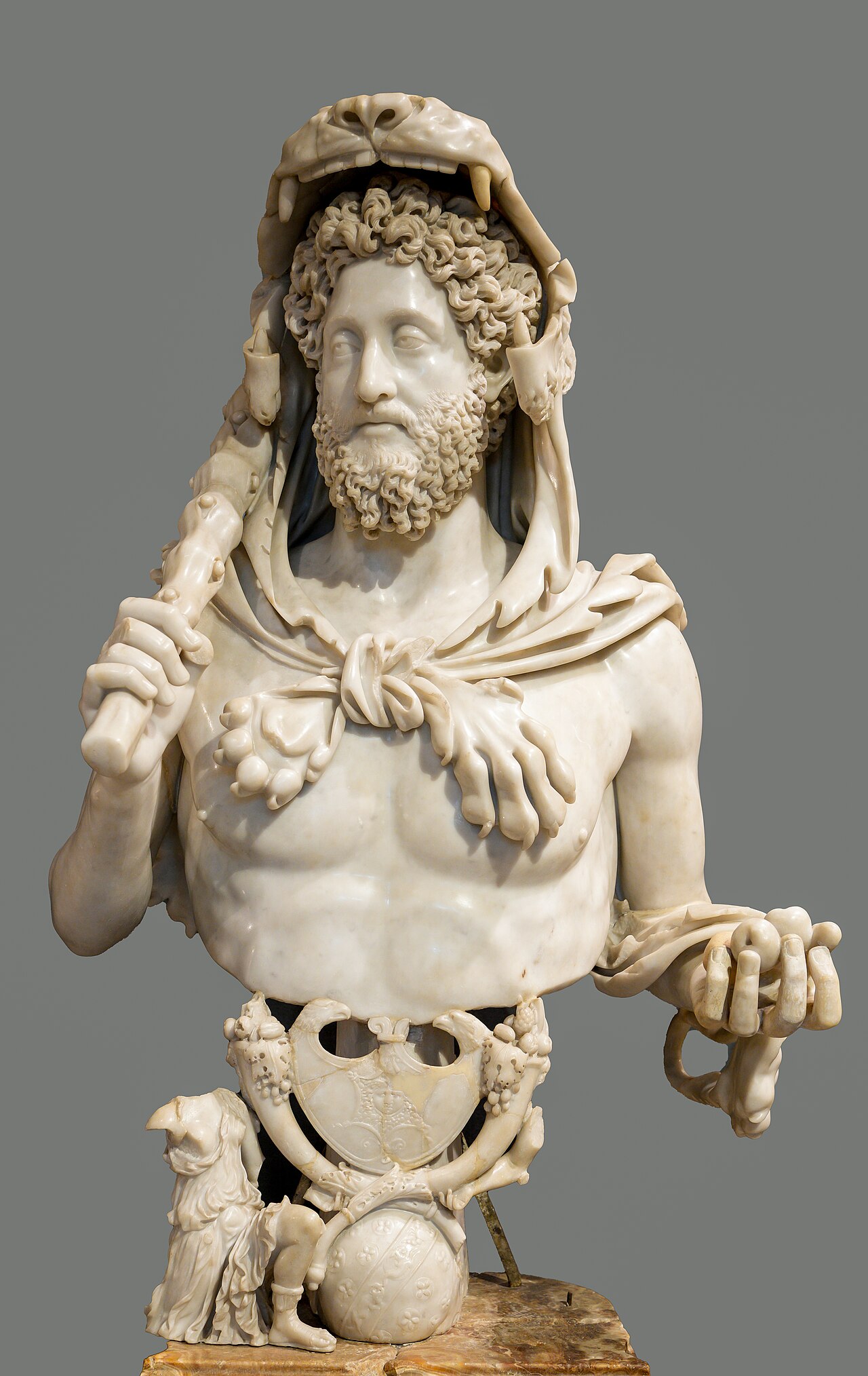 Sculpture
Primary source
192 AD
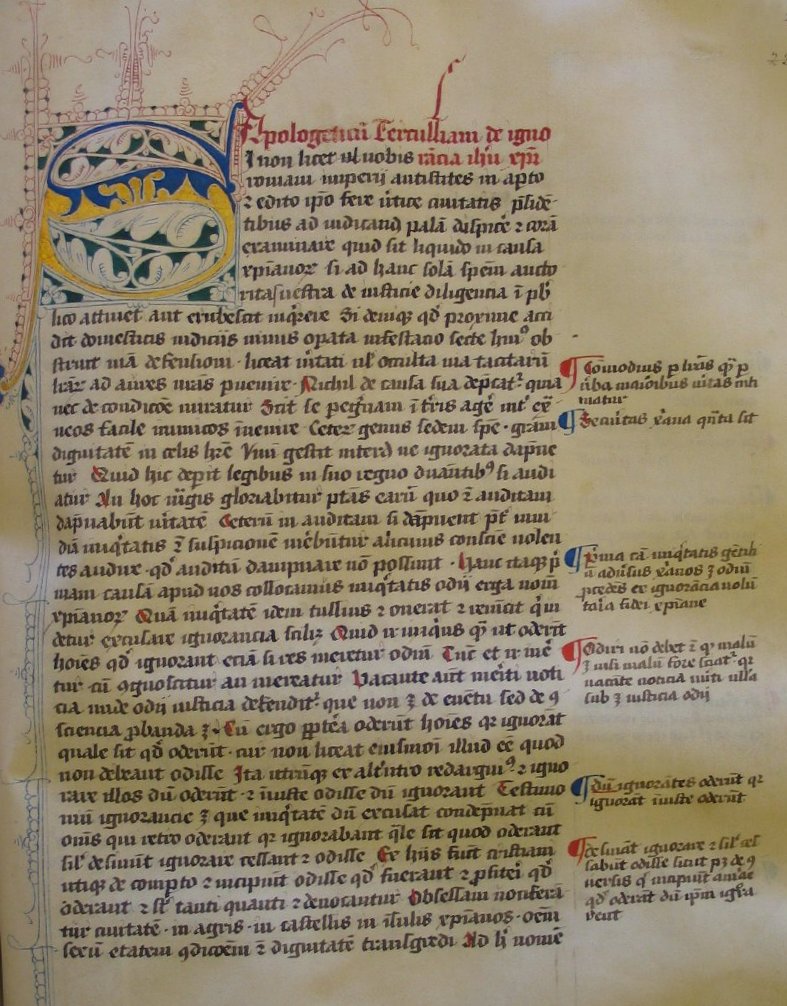 Book
Secondary source
Tertullian · 197 AD
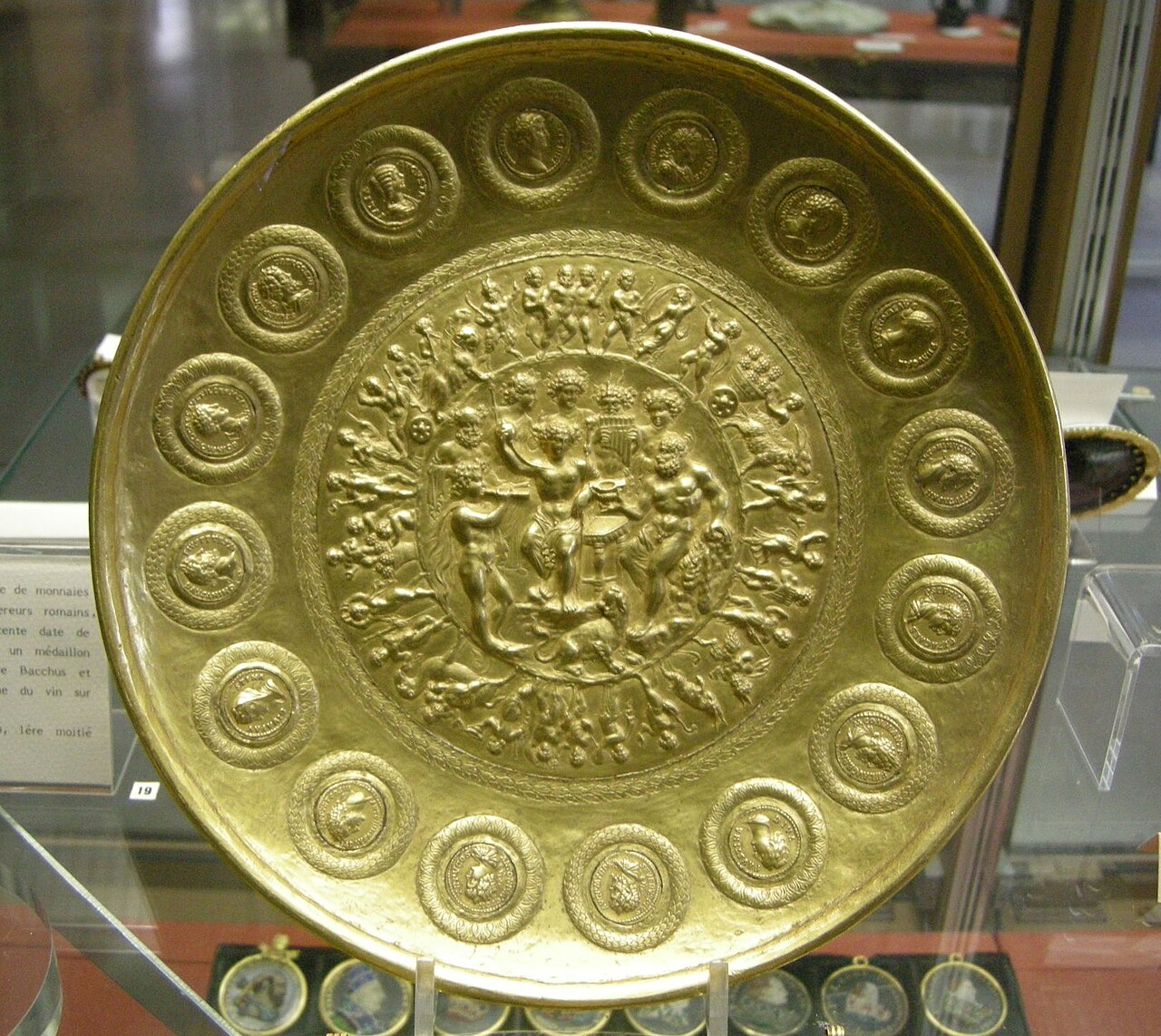 Artifact
Secondary source
3rd century AD
Primary source
Marcus Aurelius
 Book
Primary source
Marcus Aurelius · 1887 (text originally written c. 170-180)
 Book
Secondary source
Ernest Renan · 1904
 Book
Secondary source
Henry Dwight Sedgwick · 1922
Primary source
Marcus Aurelius · 2nd century AD (this edition 1919)
Primary source
Marcus Aurelius · 1900 edition (text originally written c. 170-180)
Primary source
Marcus Aurelius
Secondary source
1944
Secondary source
Ernest Renan · 1880
 Book
Primary source
Marcus Aurelius · 1909
 Book
Secondary source
Paul Barron Watson · 1884
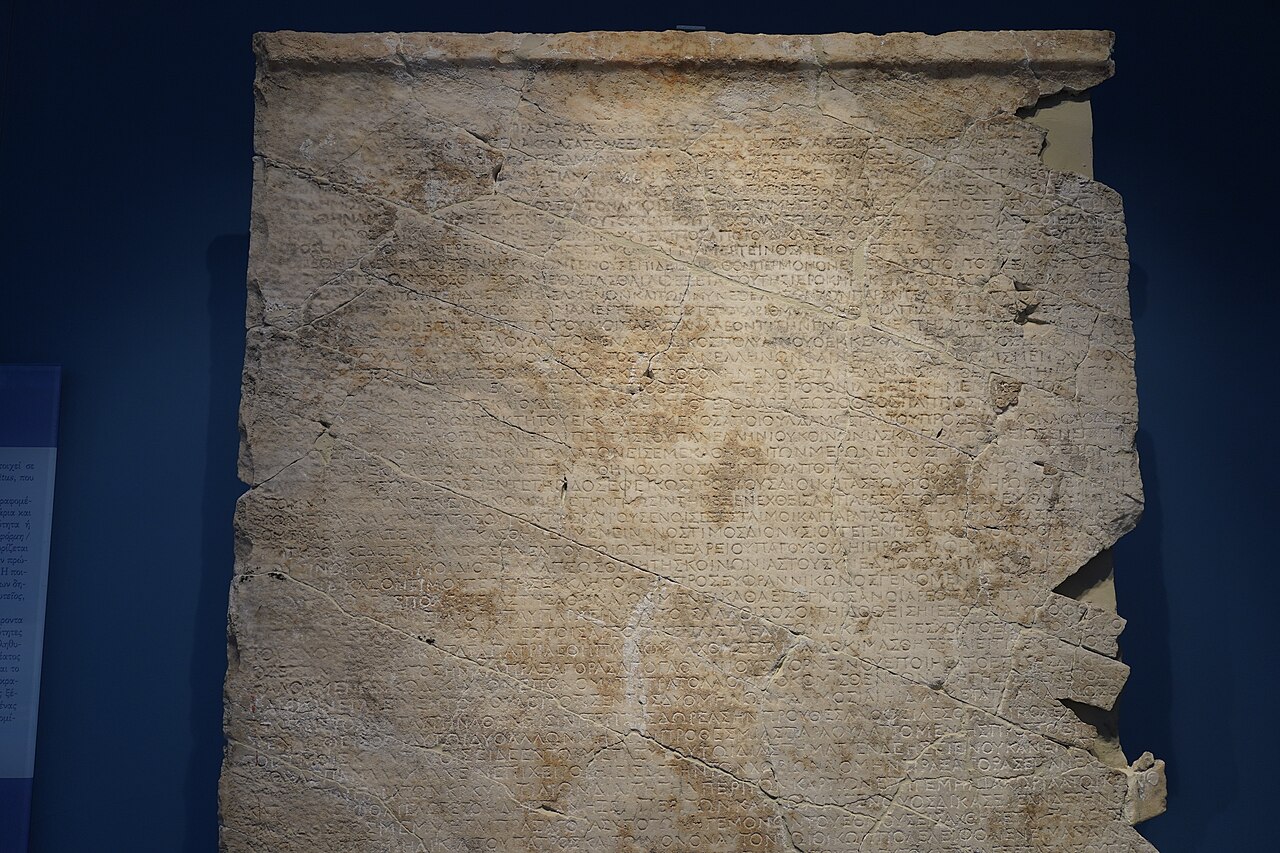 Document
Primary source
Marcus Aurelius · 174 AD
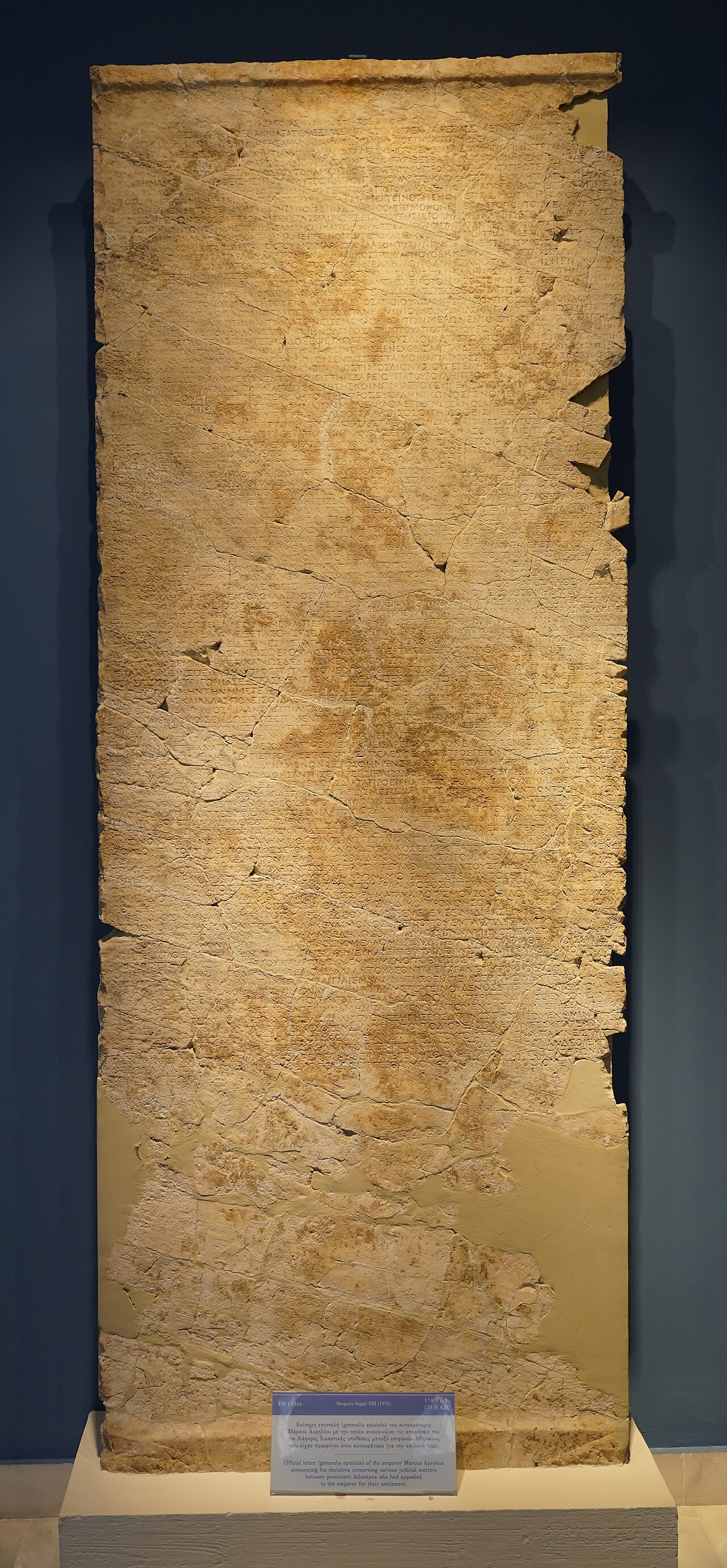 Document
Primary source
Marcus Aurelius · 174
Primary source
Marcus Aurelius · 170–180
Tertiary source
1878
Tertiary source
John Malcolm Mitchell · 1911
Secondary source
John C. Joy · 1913
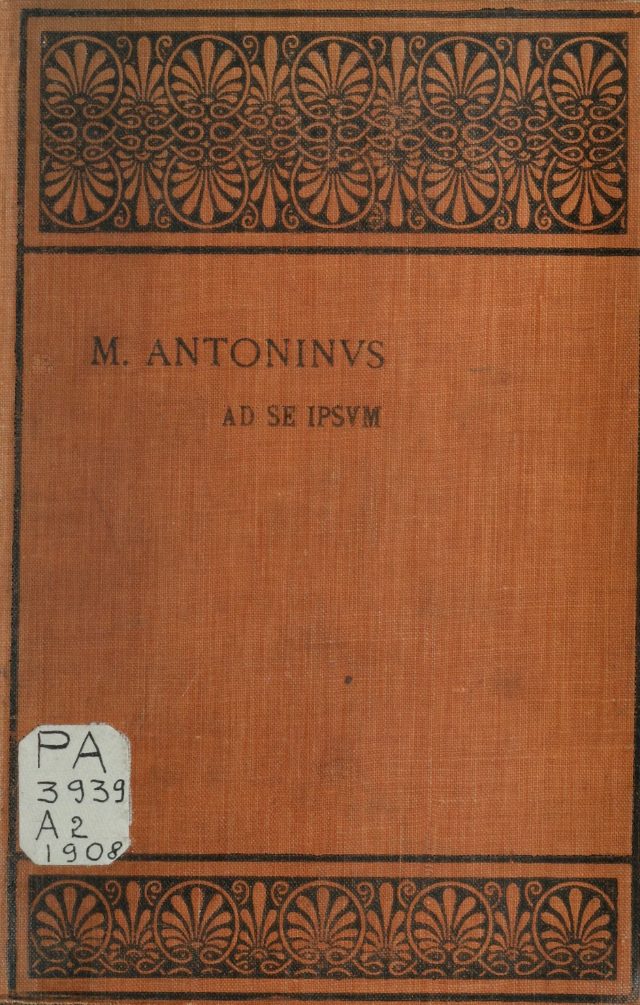 Book
Primary source
Marcus Aurelius · 1908
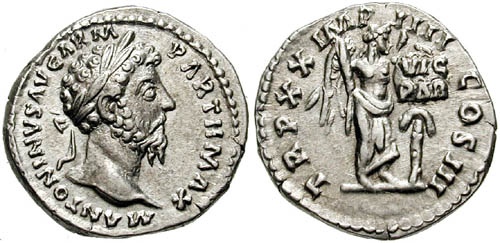 Artifact
Primary source
165-166 AD
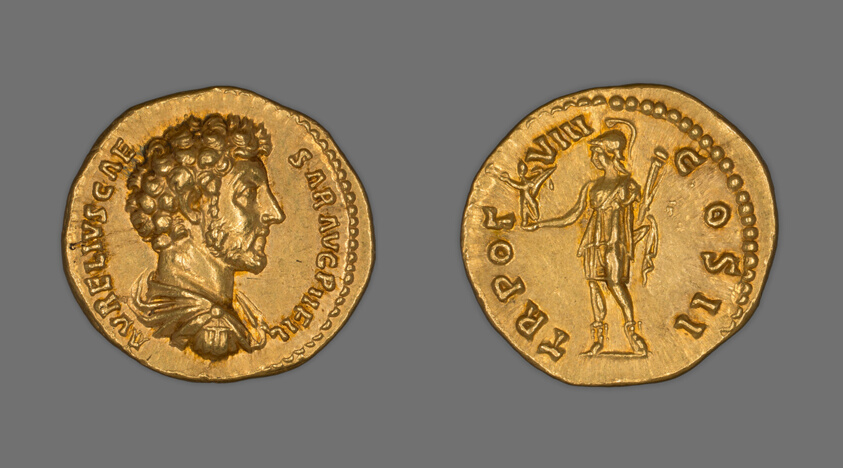 Artifact
Primary source
Ancient Roman · 153-154
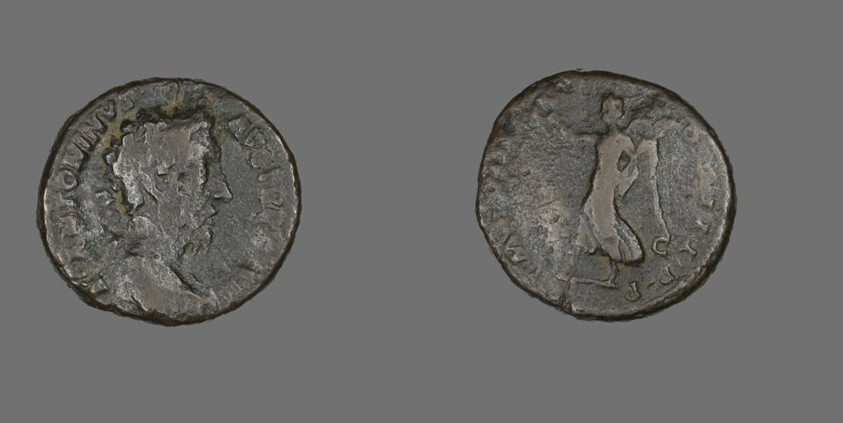 Artifact
Primary source
Ancient Roman · December 177-December 178
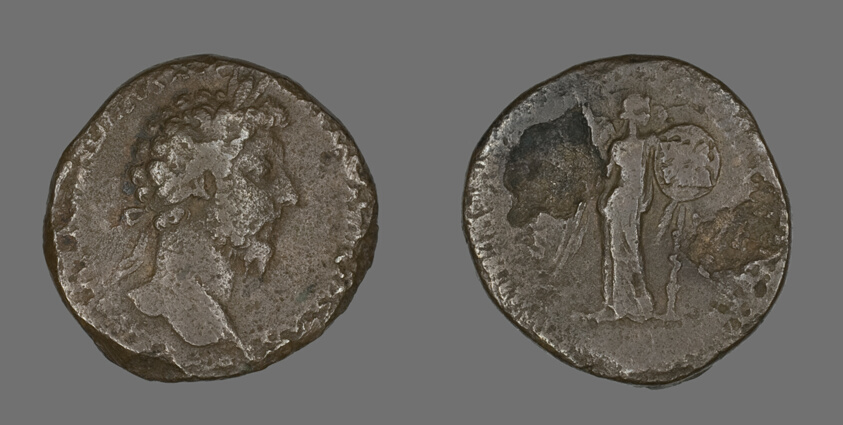 Artifact
Primary source
Ancient Roman · 161-180 (166?)
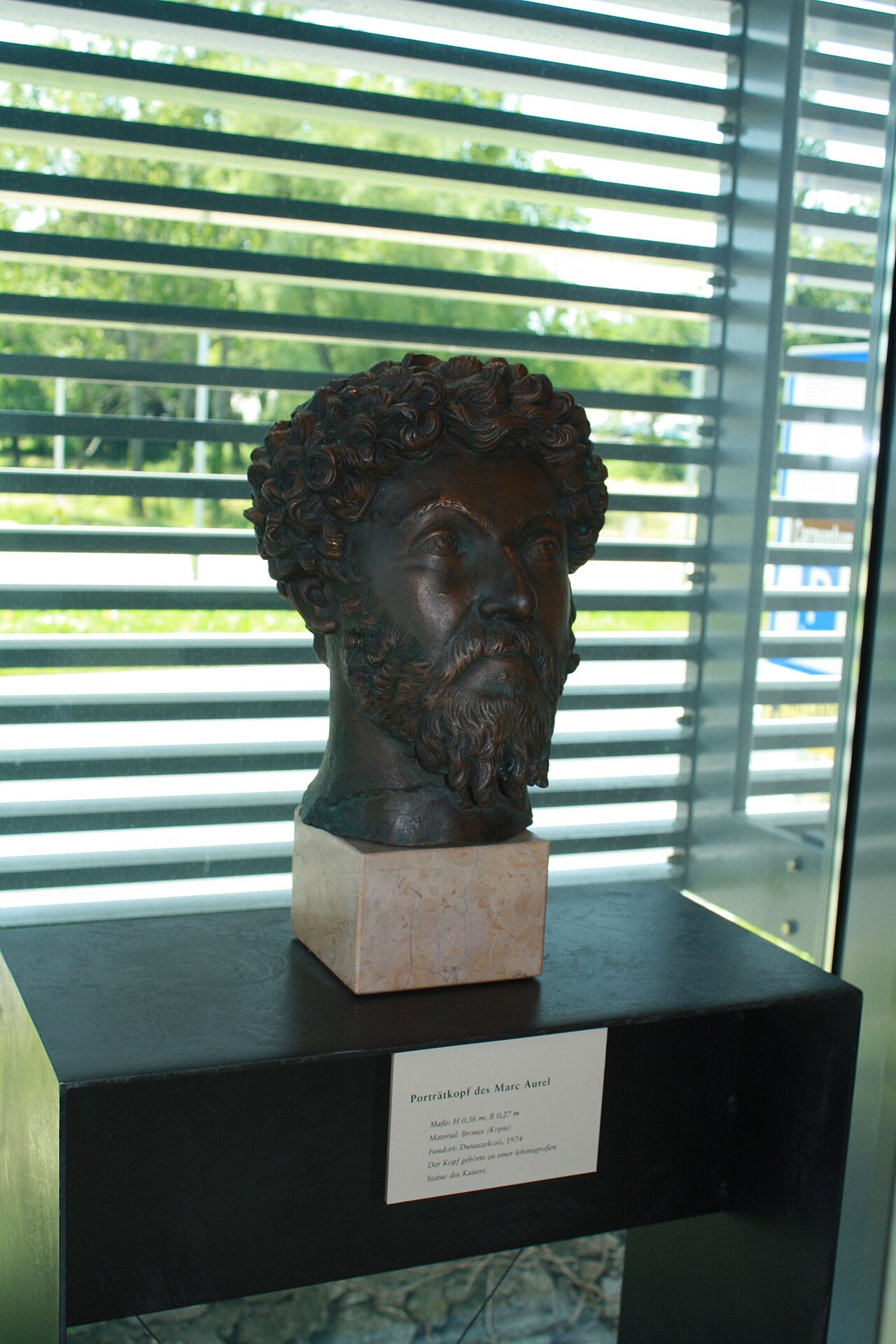 Sculpture
Secondary source
Karl Gruber · 2011-06
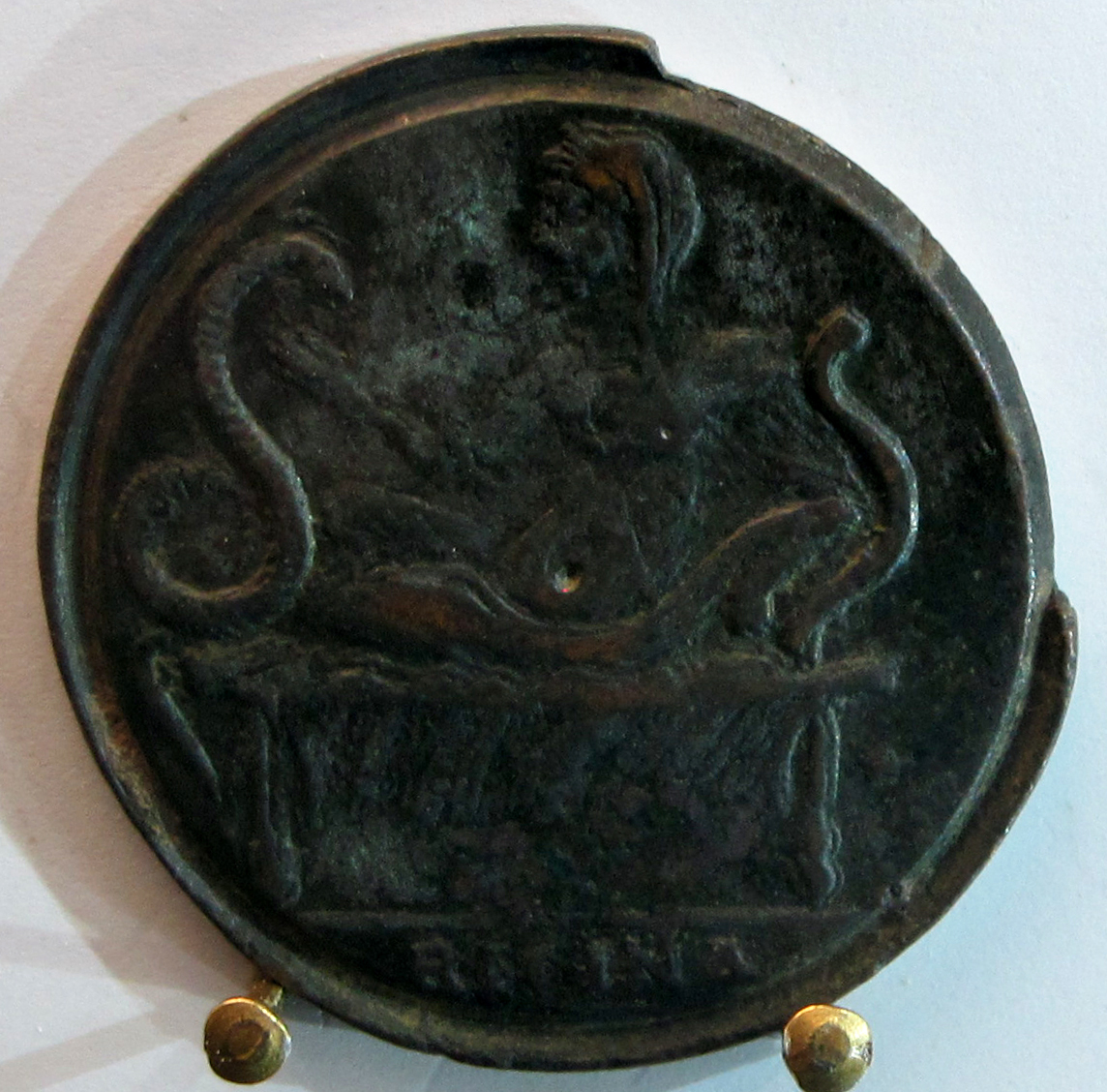 Artifact
Secondary source
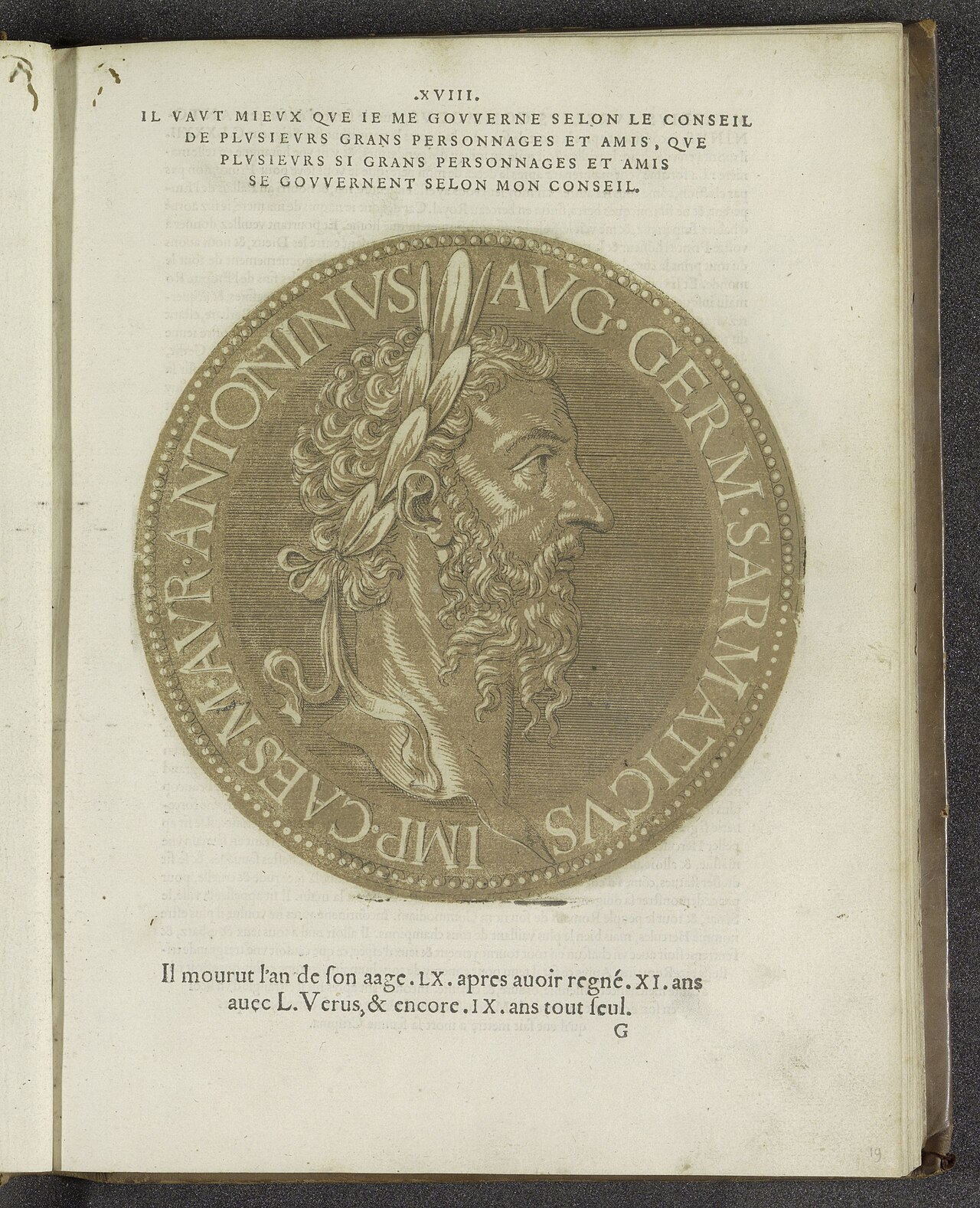 Painting
Secondary source
Joos Gietleugh, Hubert Goltzius · 1557
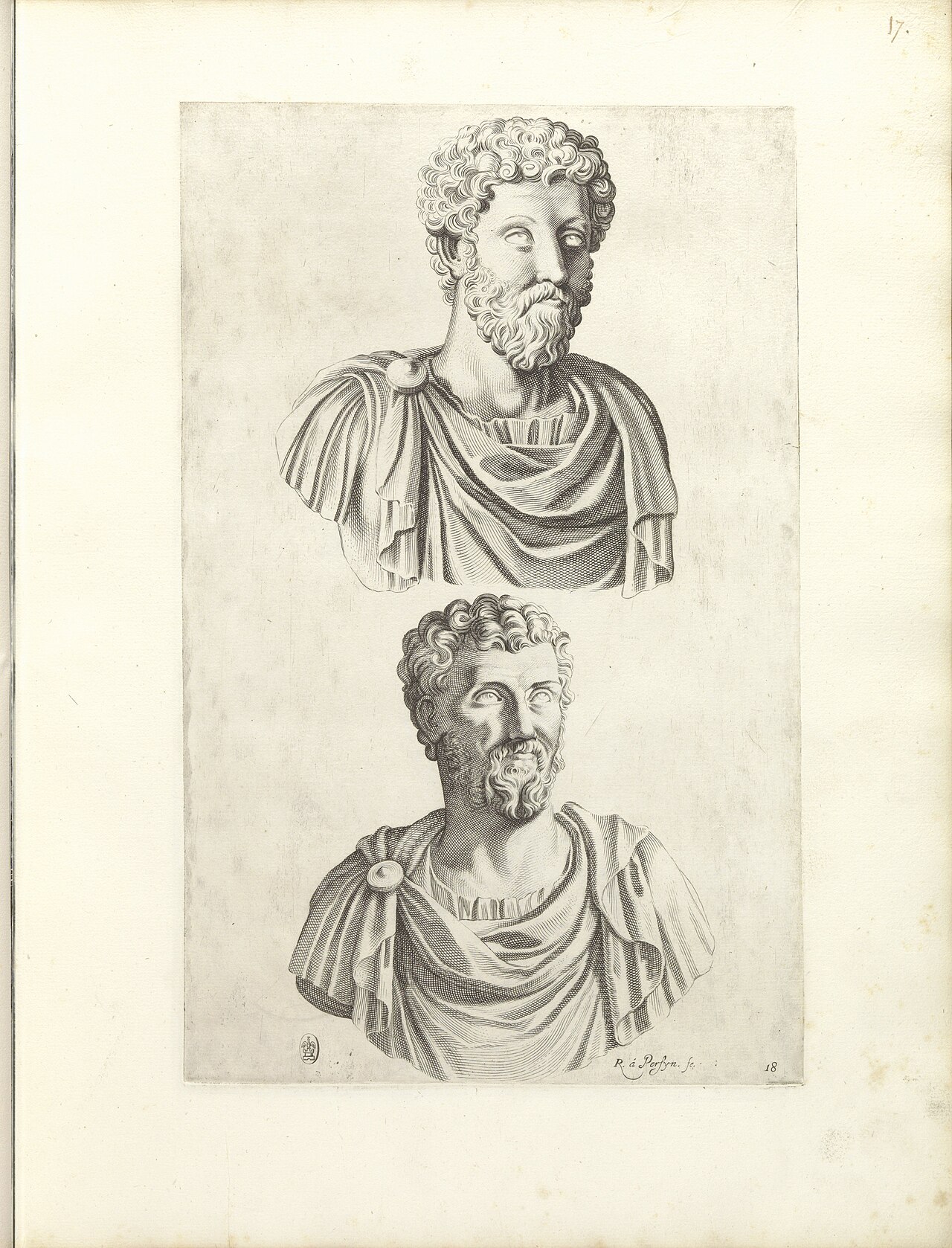 Painting
Secondary source
Reinier van Persijn · between 1636 and 1647
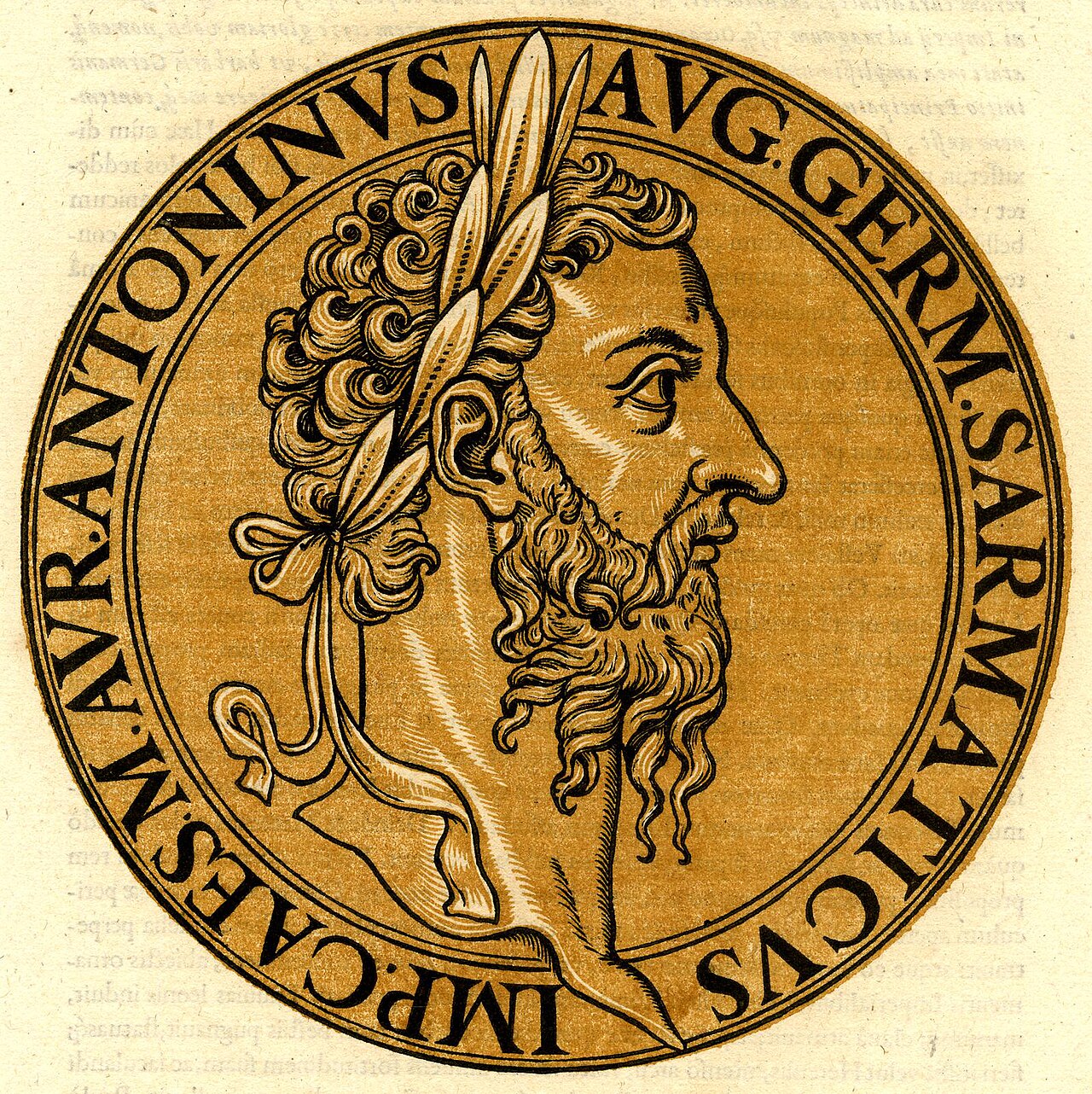 Painting
Secondary source
Christoffel Jegher, Balthasar Moretus II, Hubert Goltzius · circa 1645
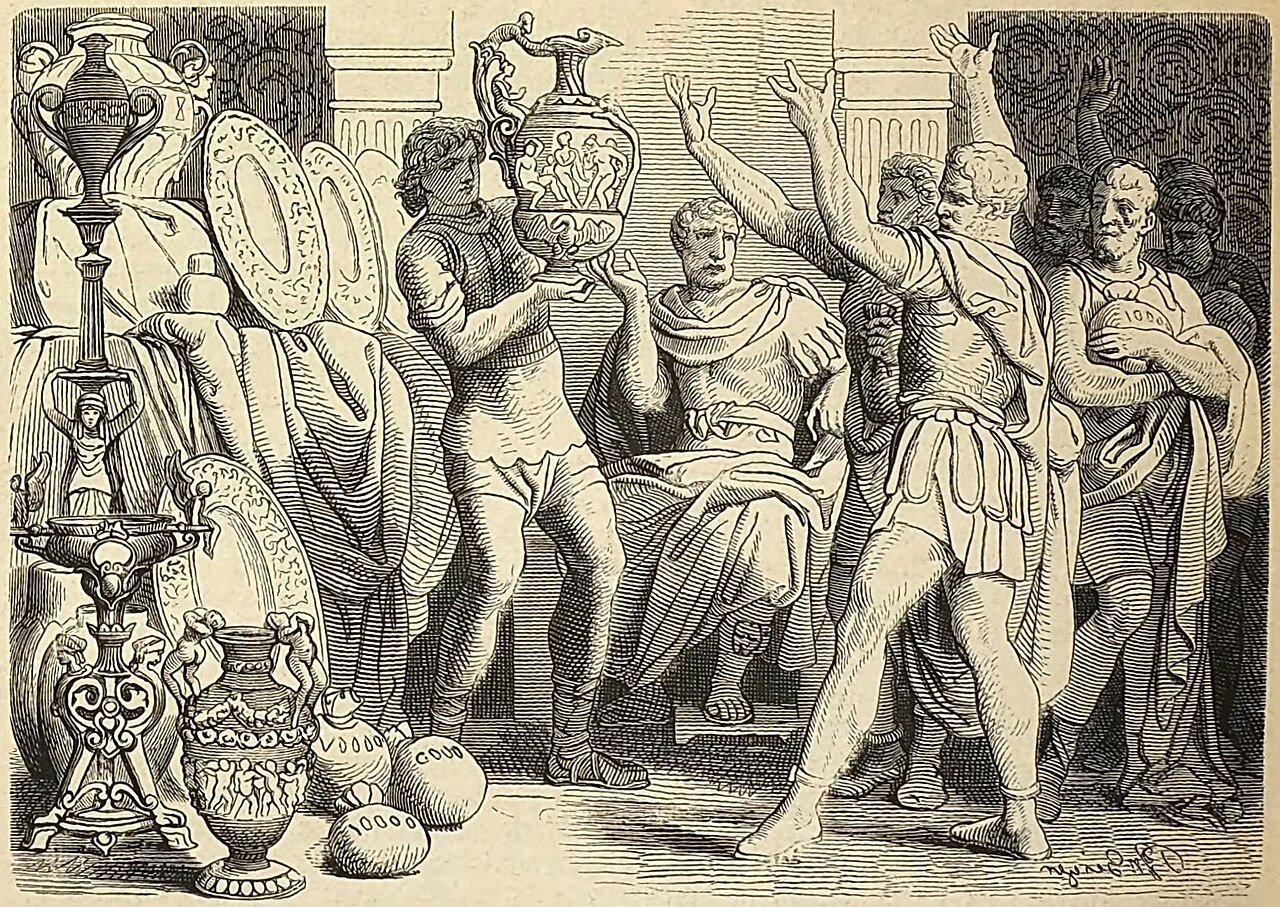 Painting
Secondary source
Peter Johann Nepomuk Geiger · circa 1871
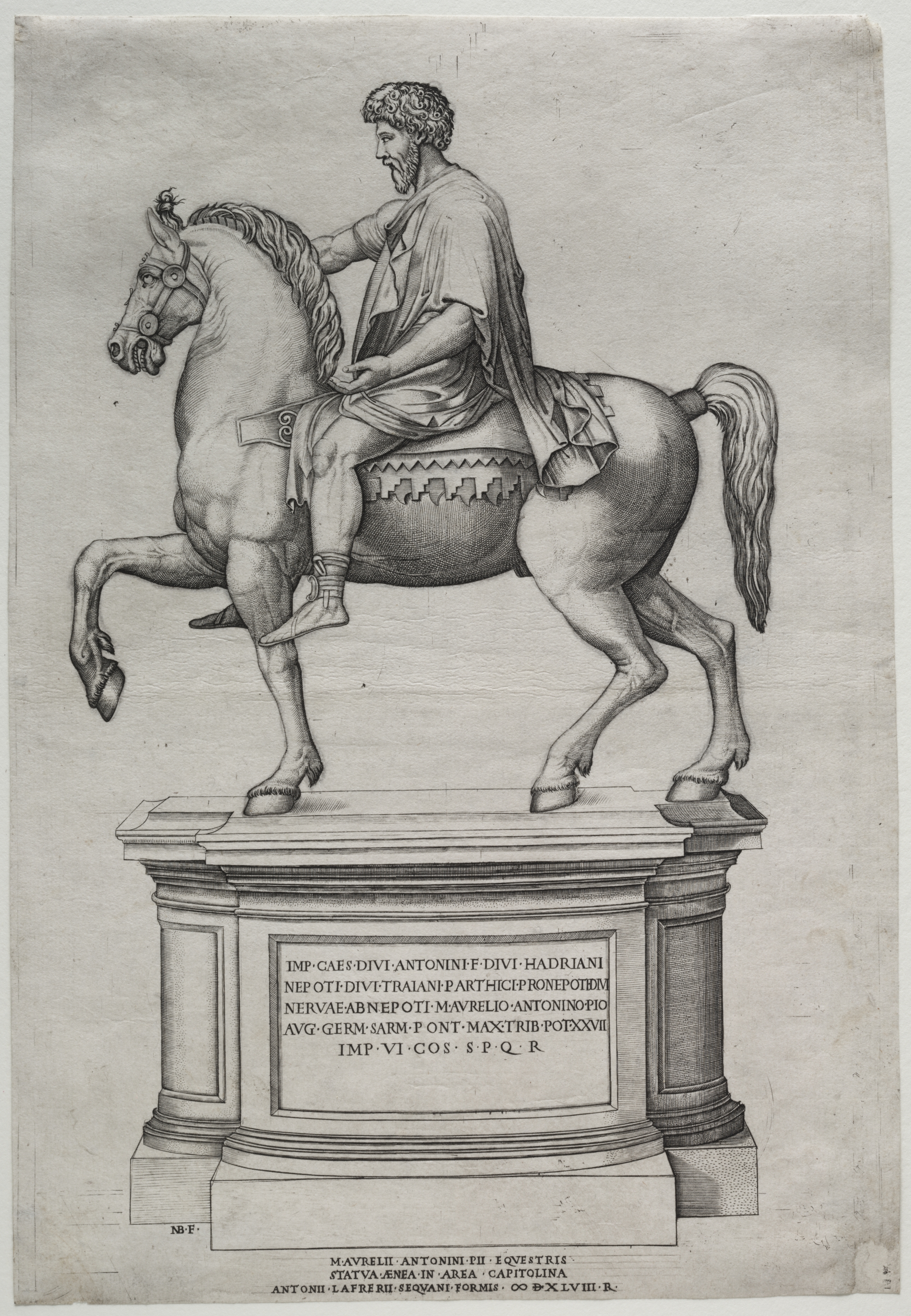 Painting
Secondary source
Nicolas Beatrizet · 1548
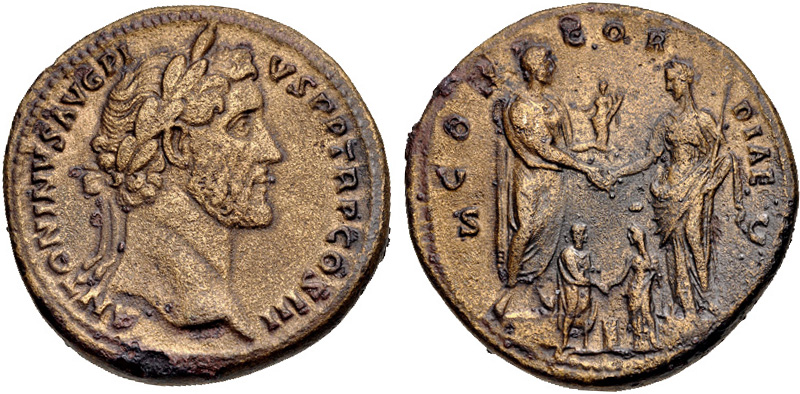 Artifact
Primary source
AD 140-144
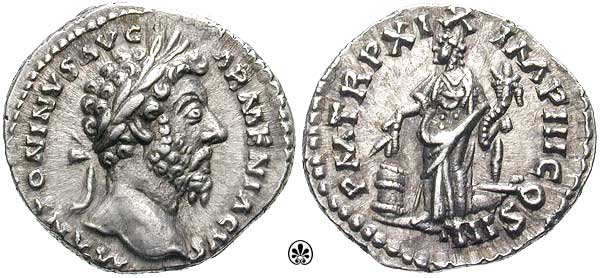 Artifact
Primary source
165 AD
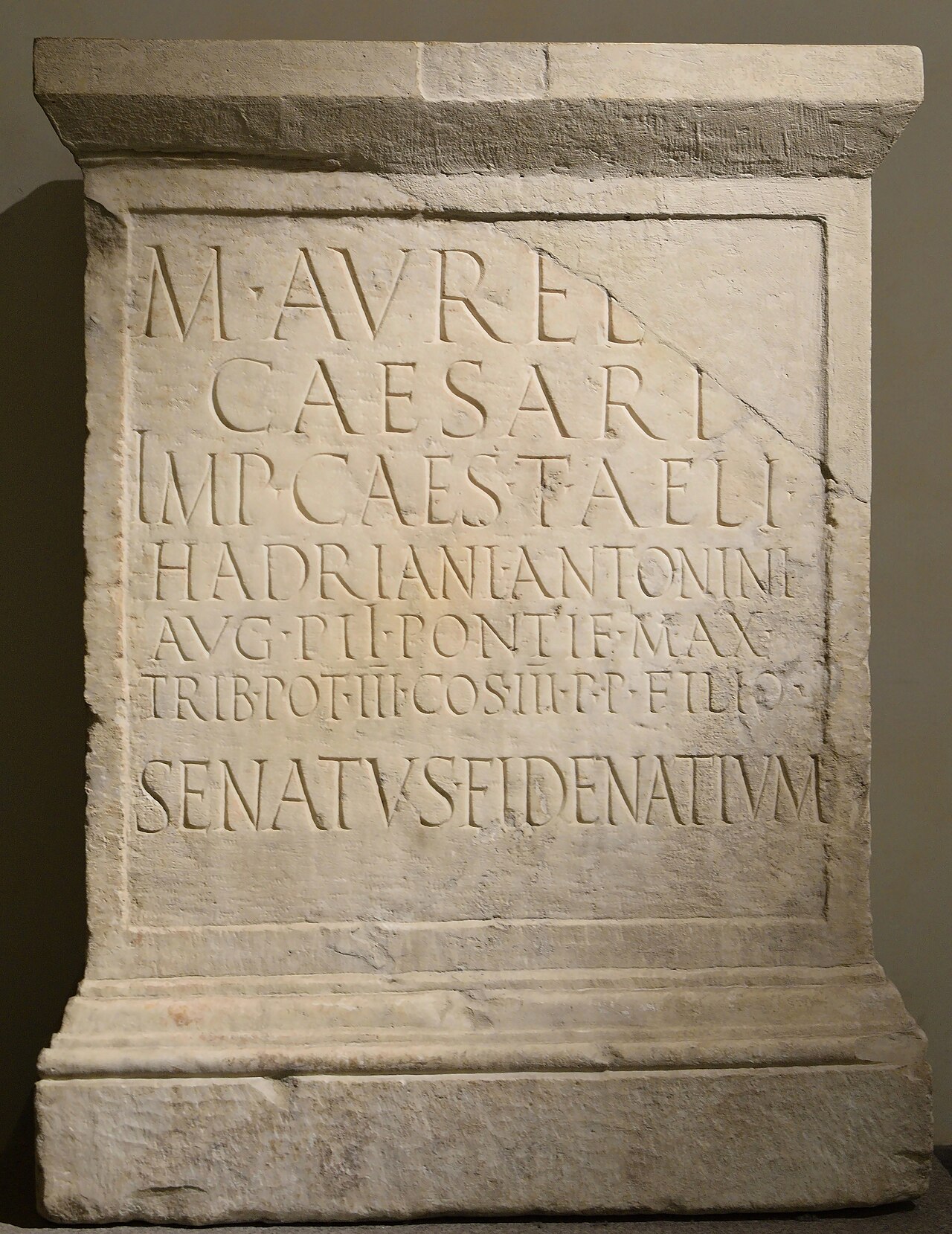 Artifact
Primary source
c. 140 AD
Tertiary source
Patrick Joseph Healy · 1913
Tertiary source
1914
Secondary source
Cassius Dio
Secondary source
Eusebius · 1885
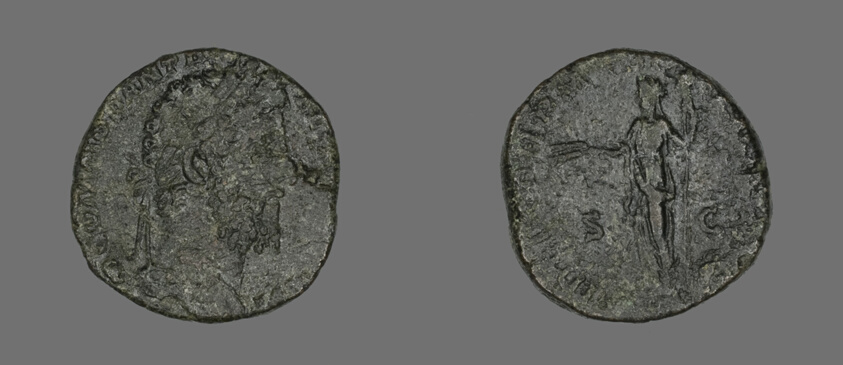 Artifact
Primary source
161-180
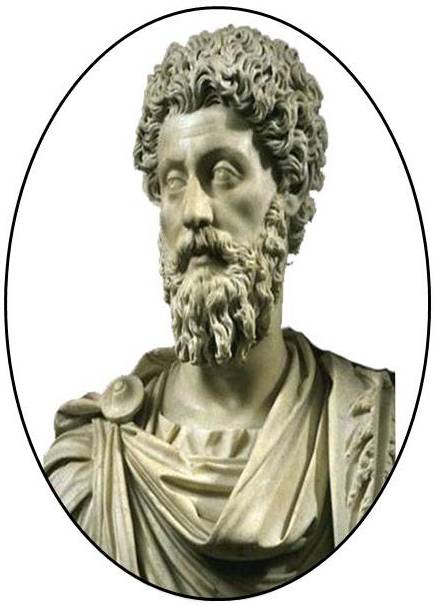 Sculpture
Secondary source
Hrishikes
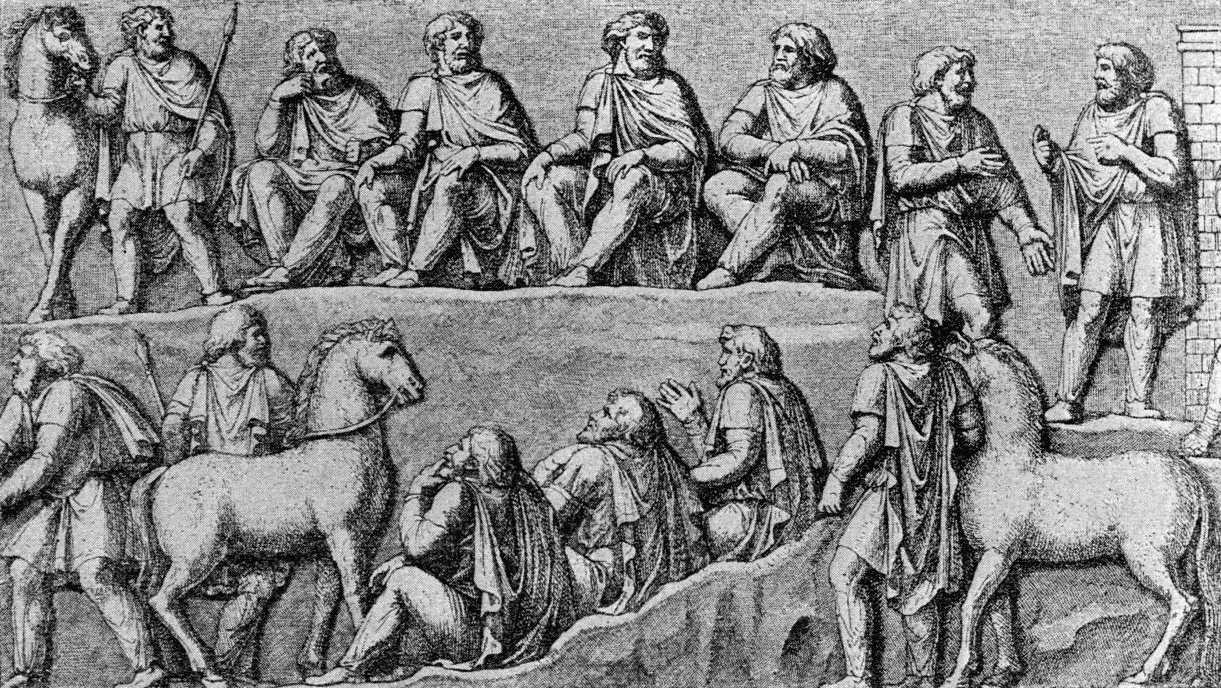 Painting
Secondary source
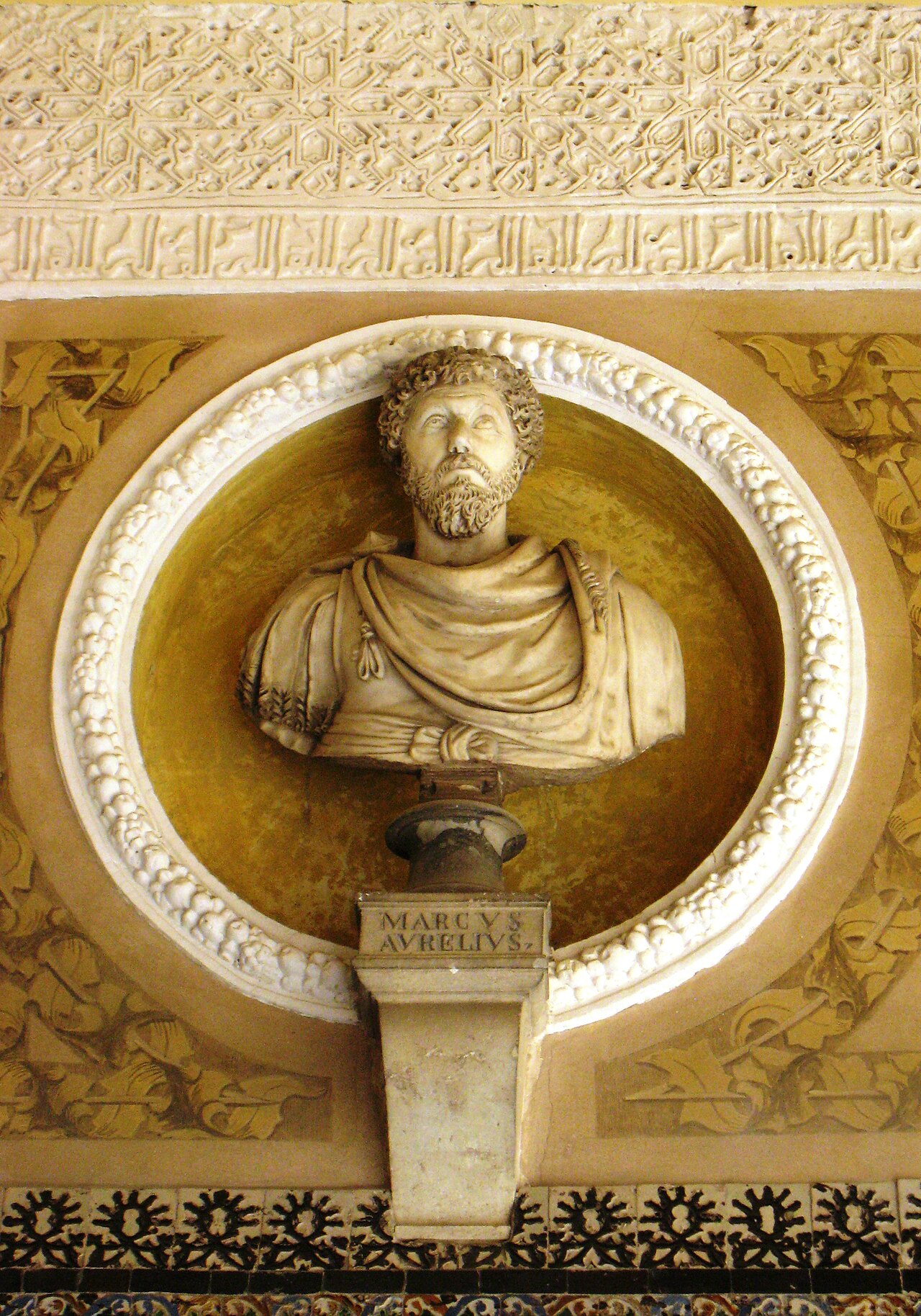 Sculpture
Secondary source
OceanJupiter
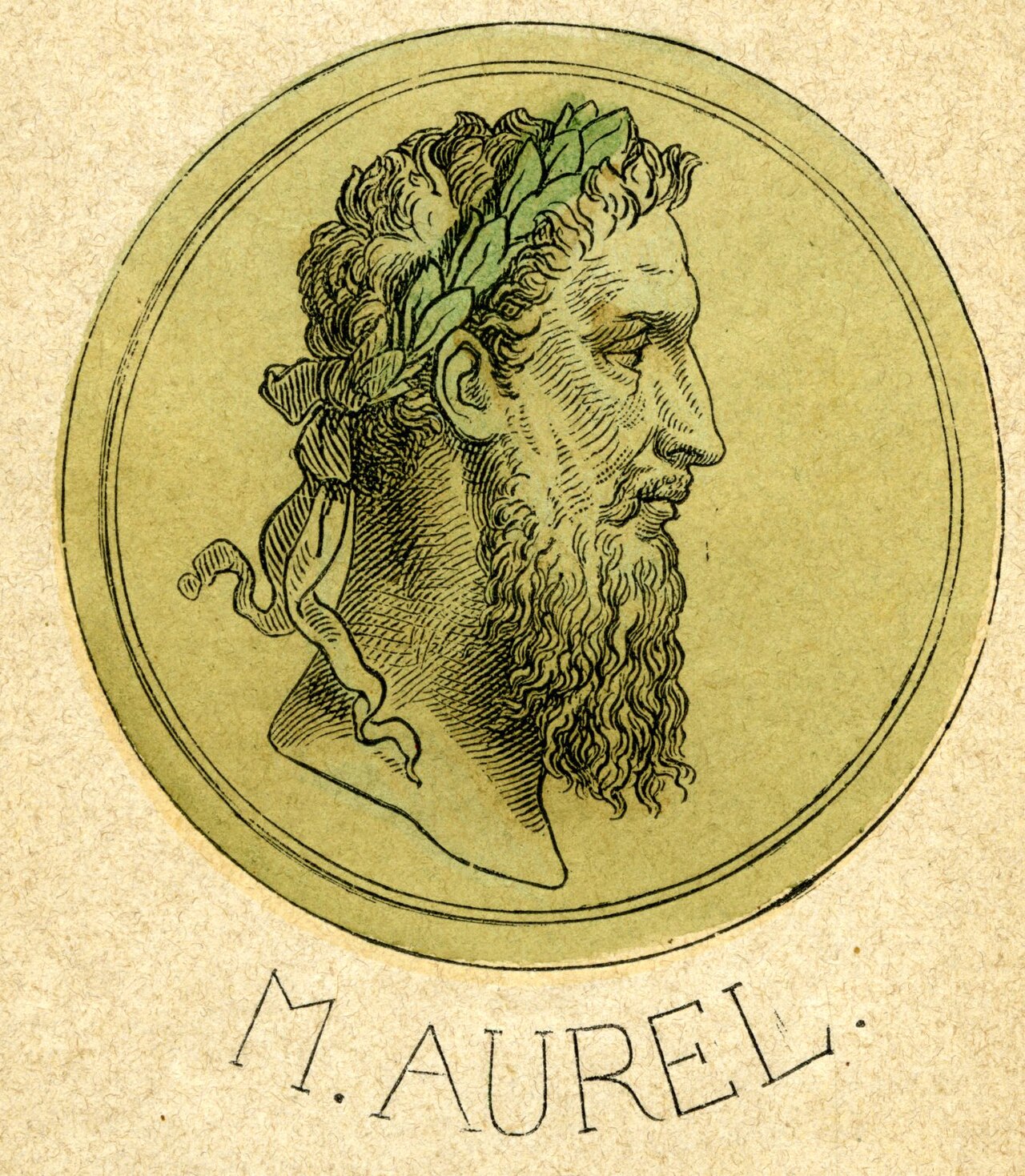 Painting
Secondary source
Unknown date
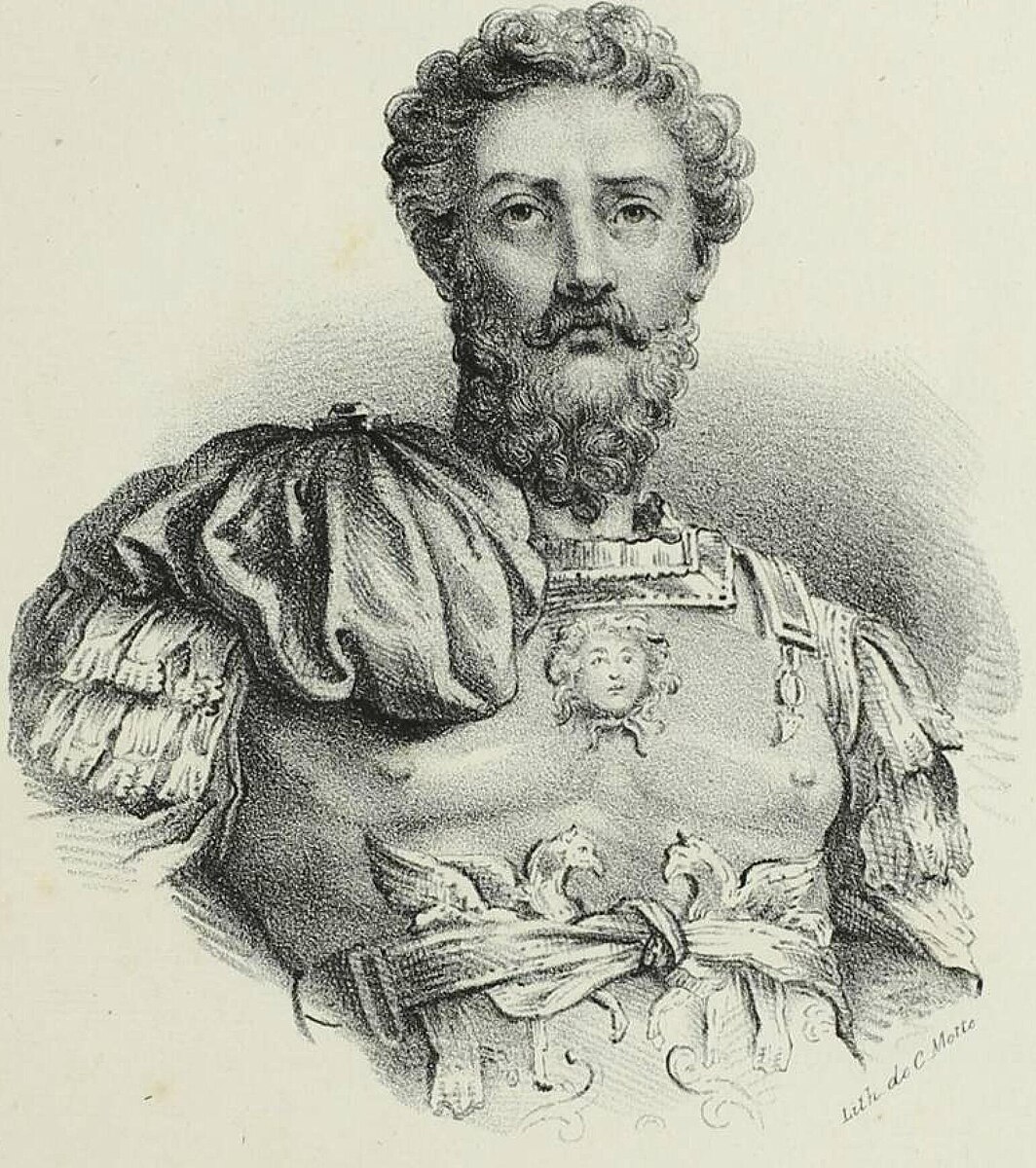 Painting
Secondary source
Ispaster24 · 2025 (uploaded 24 March 2025)
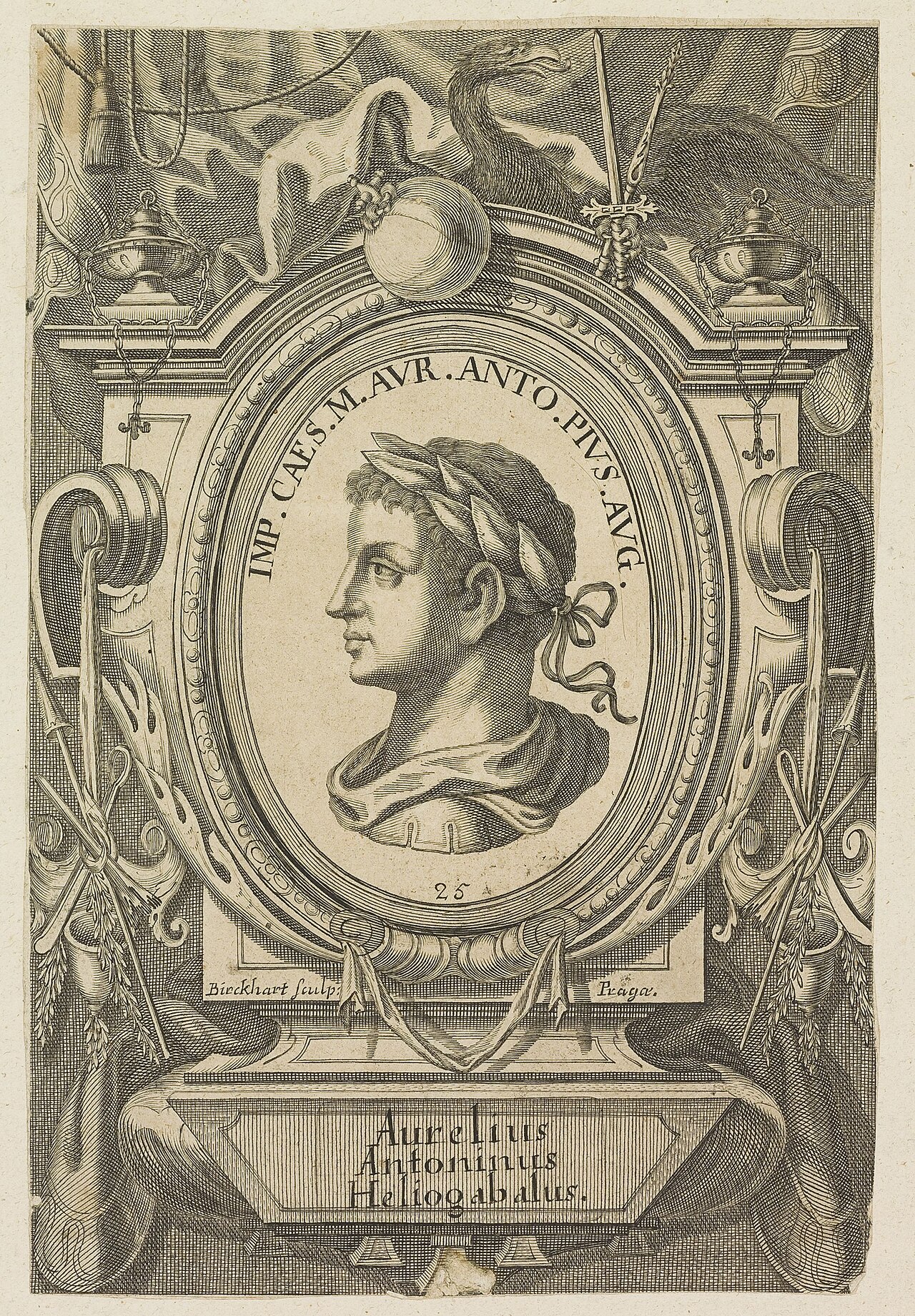 Painting
Secondary source
Anton Birckhart · Undated; engraver active 1677-1748
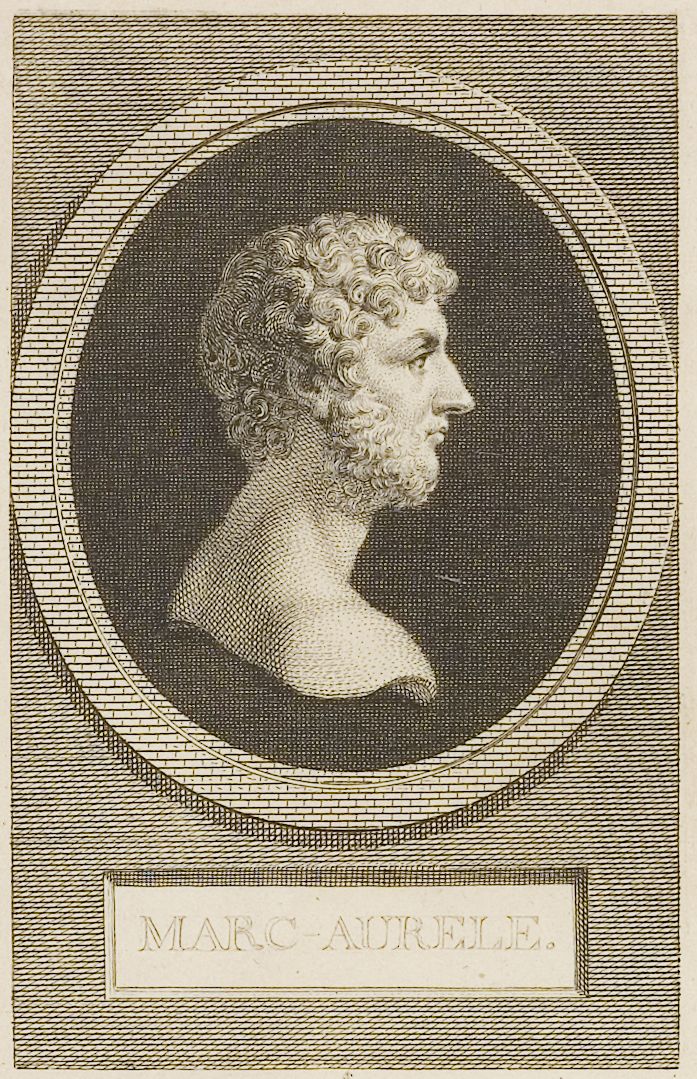 Painting
Secondary source
19th century (undated)
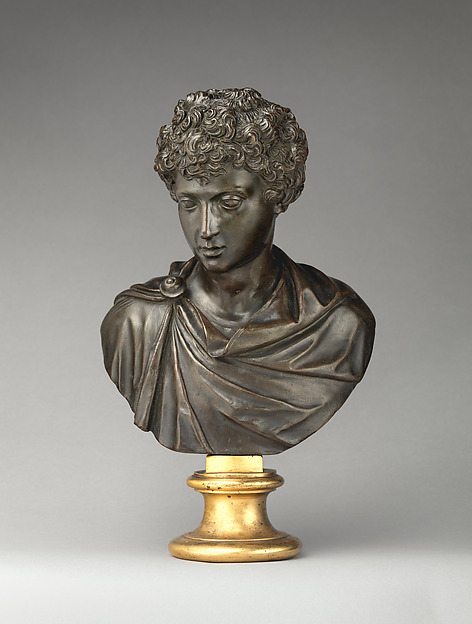 Sculpture
Secondary source
late 16th century
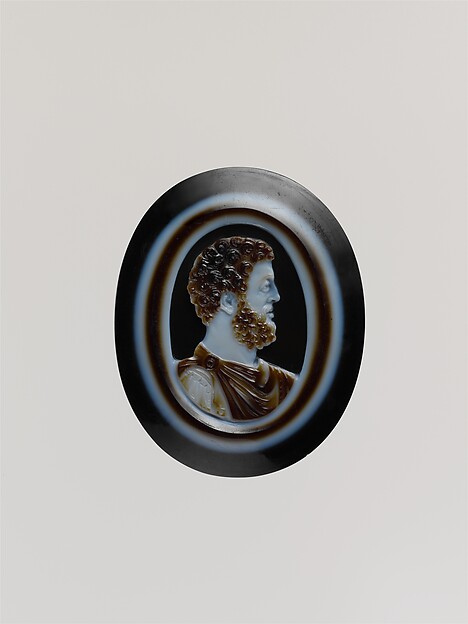 Artifact
Secondary source
late 16th-early 17th century
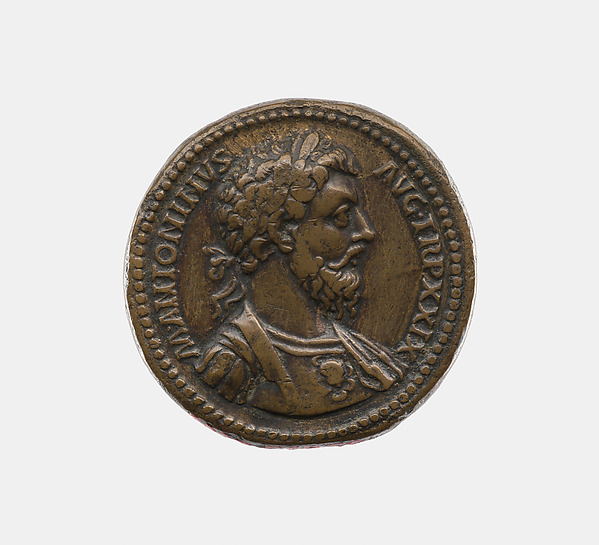 Artifact
Secondary source
Giovanni del Cavino · 1500–1570
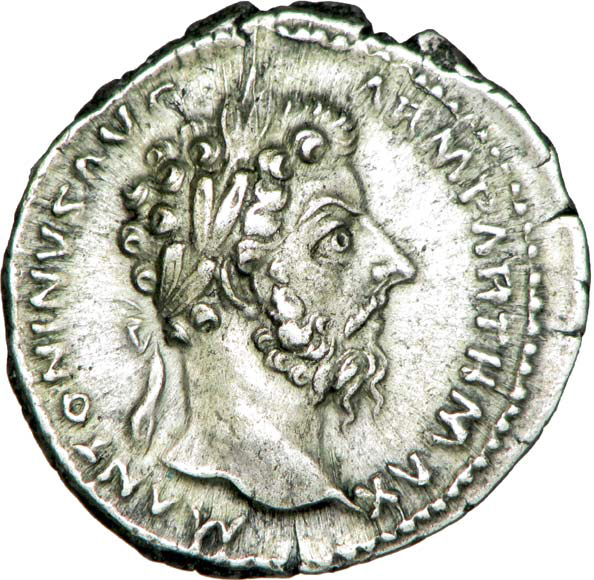 Artifact
Primary source
168 AD
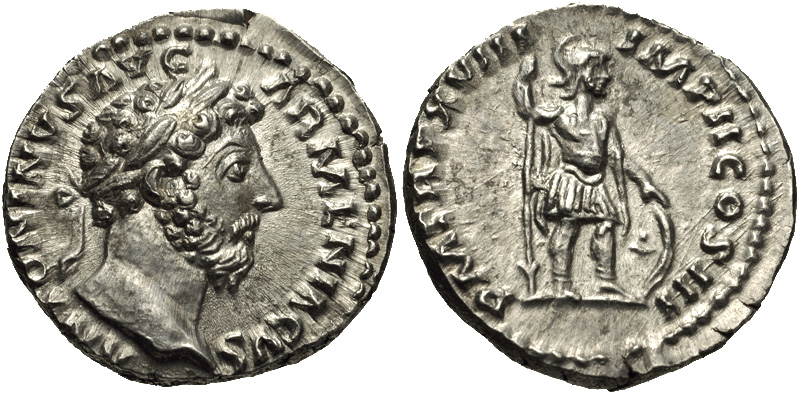 Artifact
Primary source
AD 164
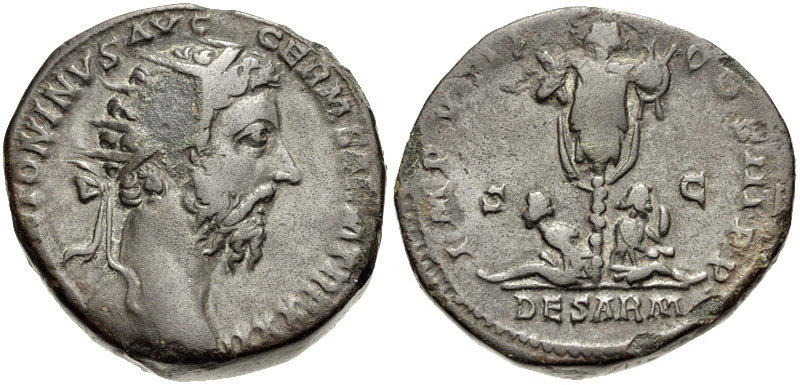 Artifact
Primary source
AD 177
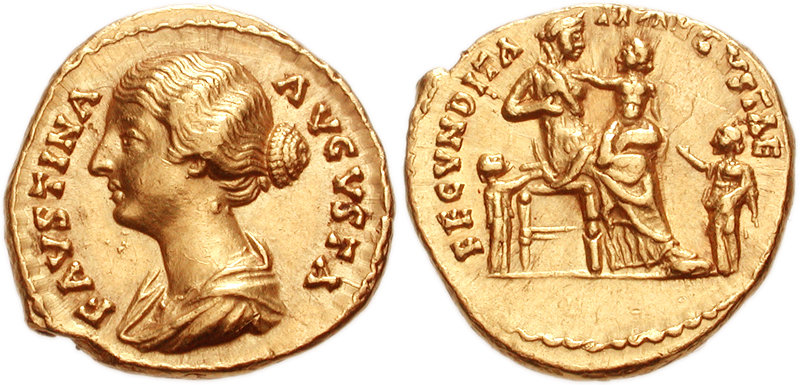 Artifact
Primary source
AD 161-176
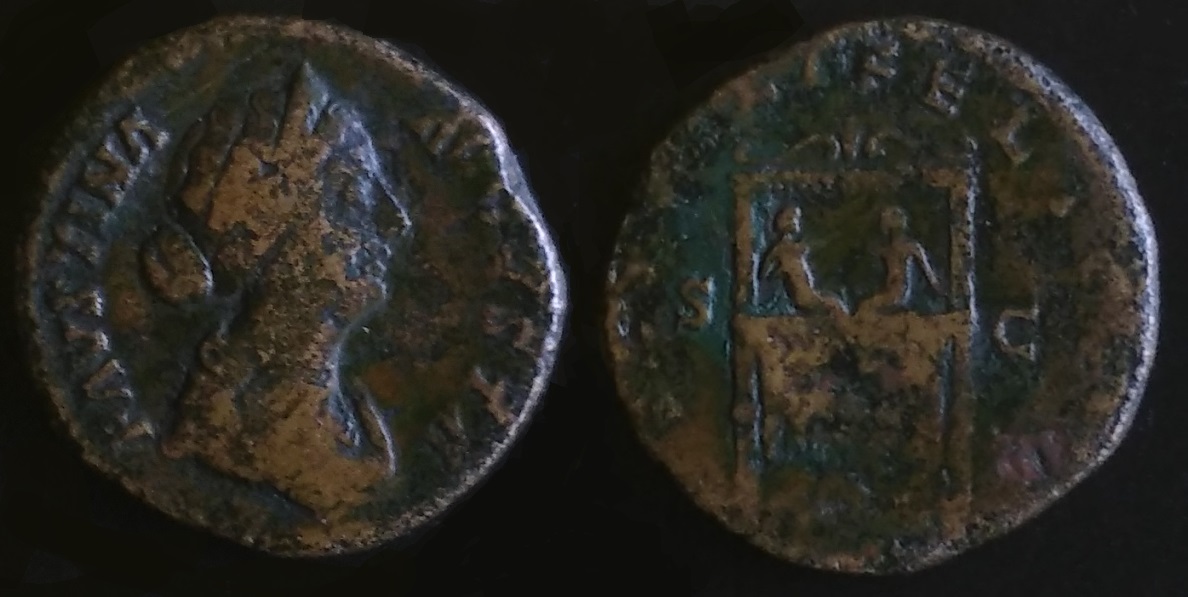 Artifact
Primary source
c. 161
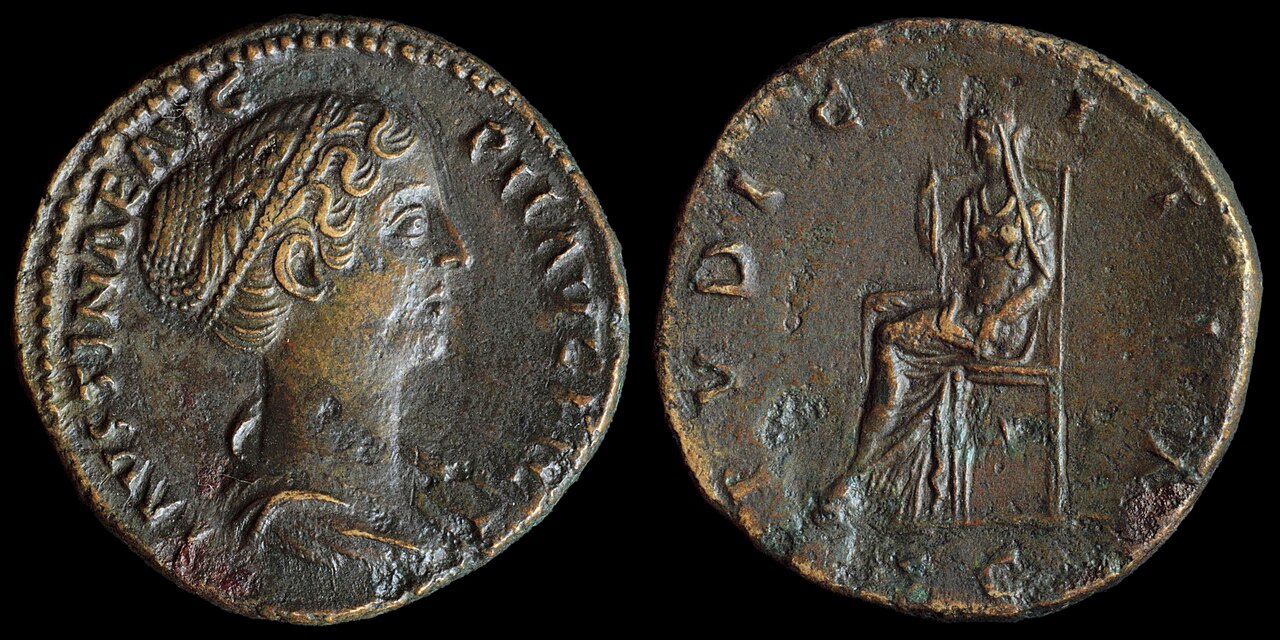 Artifact
Primary source
AD 147-150
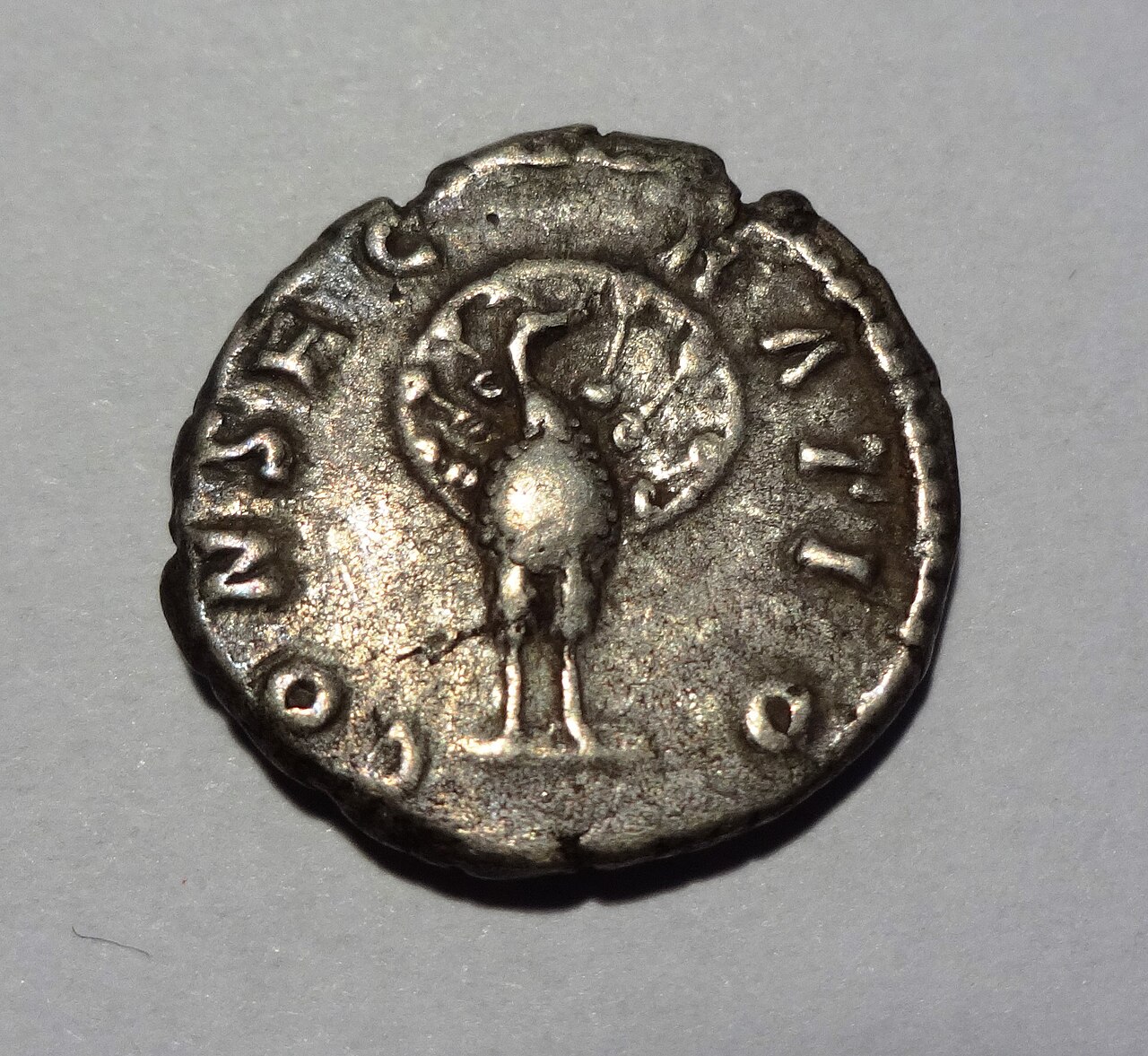 Artifact
Primary source
Secondary source
Marcus Aurelius, Seneca, Epictetus · 1920
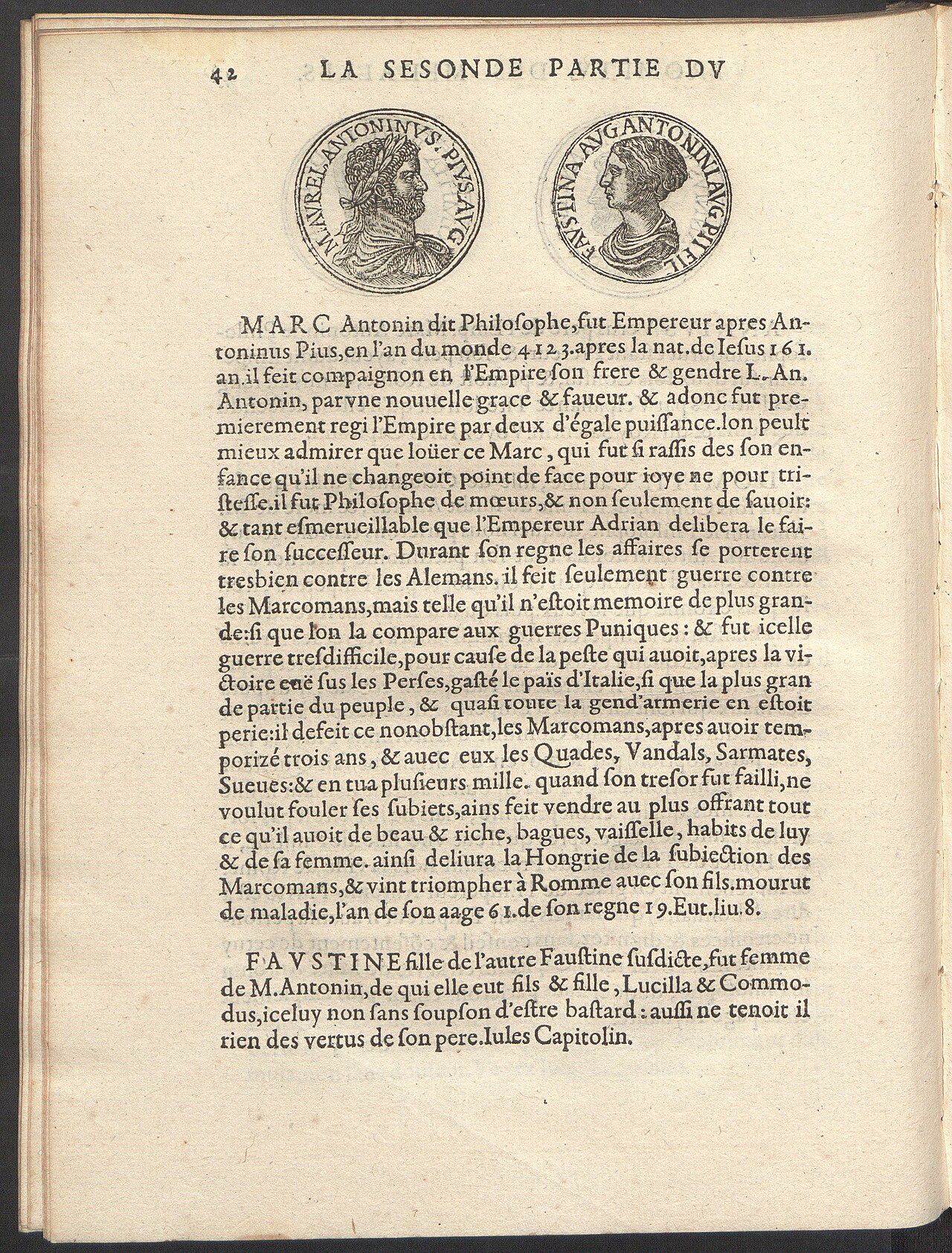 Book
Secondary source
Guillaume Rouillé · 1581
Want the full shelf? Chat with Marcus Aurelius in the app and open the Sources panel — every quote links back to the original.
1 collection
A ready-made collection from the Humy team that features Marcus Aurelius. Preview it, then try it free.
Paying customers



























Dr. Michael Calvert
Assistant Superintendent, South Allegheny School District, Pennsylvania
Been using Humy in his district since 2024
“We enjoyed the program last year and used it frequently.”

Jacob Chisom
World and American History, Monticello High School, Arkansas
Been using Humy in his classroom since 2024
“My students say it’s a welcome change of pace. I’m not a fan of the “sage on the stage” model, so I try to incorporate research-oriented and self-paced activities. With Humy, students have to take charge of their learning. They’ve become more adept at critical thinking, forming better questions, and improving their reading comprehension. The interview feature has been my go-to tool. I create assignments where students must ask historical figures a set number of questions, then summarize the responses to ensure they’re truly absorbing the material. This approach lets them actively explore the past rather than passively consuming information.”
Roger Campbell
7th-grade World History, Lancaster County, Pennsylvania
Been using Humy in his classroom since 2024
“Humy has helped me bring historical figures, sometimes long past, to life. When my students interact with these figures in real-time, it eliminates some of the perceived “ancient” characteristics of my curriculum. This has shifted my students’ thinking away from viewing history as abstract or irrelevant. Real-time interactions make historical figures relatable, even allowing students to ask off-topic questions that help put historical lives in a more relevant context for 13-year-olds. The feature I use the most is the interview feature. After teaching a topic, most recently Gandhi and Joan of Arc, I have the students ask pointed, focused questions. We practice good conversation techniques beforehand, teaching them to listen (or read) carefully and formulate thoughtful follow-up questions rather than just interrogating. It helps students practice effective conversation skills.”
Dr. Michael Calvert
Assistant Superintendent, South Allegheny School District, Pennsylvania
Been using Humy in his district since 2024
“We enjoyed the program last year and used it frequently.”
Jacob Chisom
World and American History, Monticello High School, Arkansas
Been using Humy in his classroom since 2024
“My students say it’s a welcome change of pace. I’m not a fan of the “sage on the stage” model, so I try to incorporate research-oriented and self-paced activities. With Humy, students have to take charge of their learning. They’ve become more adept at critical thinking, forming better questions, and improving their reading comprehension. The interview feature has been my go-to tool. I create assignments where students must ask historical figures a set number of questions, then summarize the responses to ensure they’re truly absorbing the material. This approach lets them actively explore the past rather than passively consuming information.”
Roger Campbell
7th-grade World History, Lancaster County, Pennsylvania
Been using Humy in his classroom since 2024
“Humy has helped me bring historical figures, sometimes long past, to life. When my students interact with these figures in real-time, it eliminates some of the perceived “ancient” characteristics of my curriculum. This has shifted my students’ thinking away from viewing history as abstract or irrelevant. Real-time interactions make historical figures relatable, even allowing students to ask off-topic questions that help put historical lives in a more relevant context for 13-year-olds. The feature I use the most is the interview feature. After teaching a topic, most recently Gandhi and Joan of Arc, I have the students ask pointed, focused questions. We practice good conversation techniques beforehand, teaching them to listen (or read) carefully and formulate thoughtful follow-up questions rather than just interrogating. It helps students practice effective conversation skills.”
FAQ
Like any LLM, the AI version of Marcus Aurelius can get details wrong. Open one of these sources in a new tab to verify what you’ve read.

Ancient Roman philosopher and statesman.

Persian king who invaded Greece in 480 BC.

Macedonian king and military conqueror who created one of the largest empires in ancient history.

Indian emperor who embraced Buddhism and promoted peace and religious tolerance.

First Roman emperor. Also known as Octavian.

Ancient Roman statesman, orator, and philosopher.
Ready when you are
20 messages free · No credit card · Available in 50+ languages.