


Primary sourceSculpture180
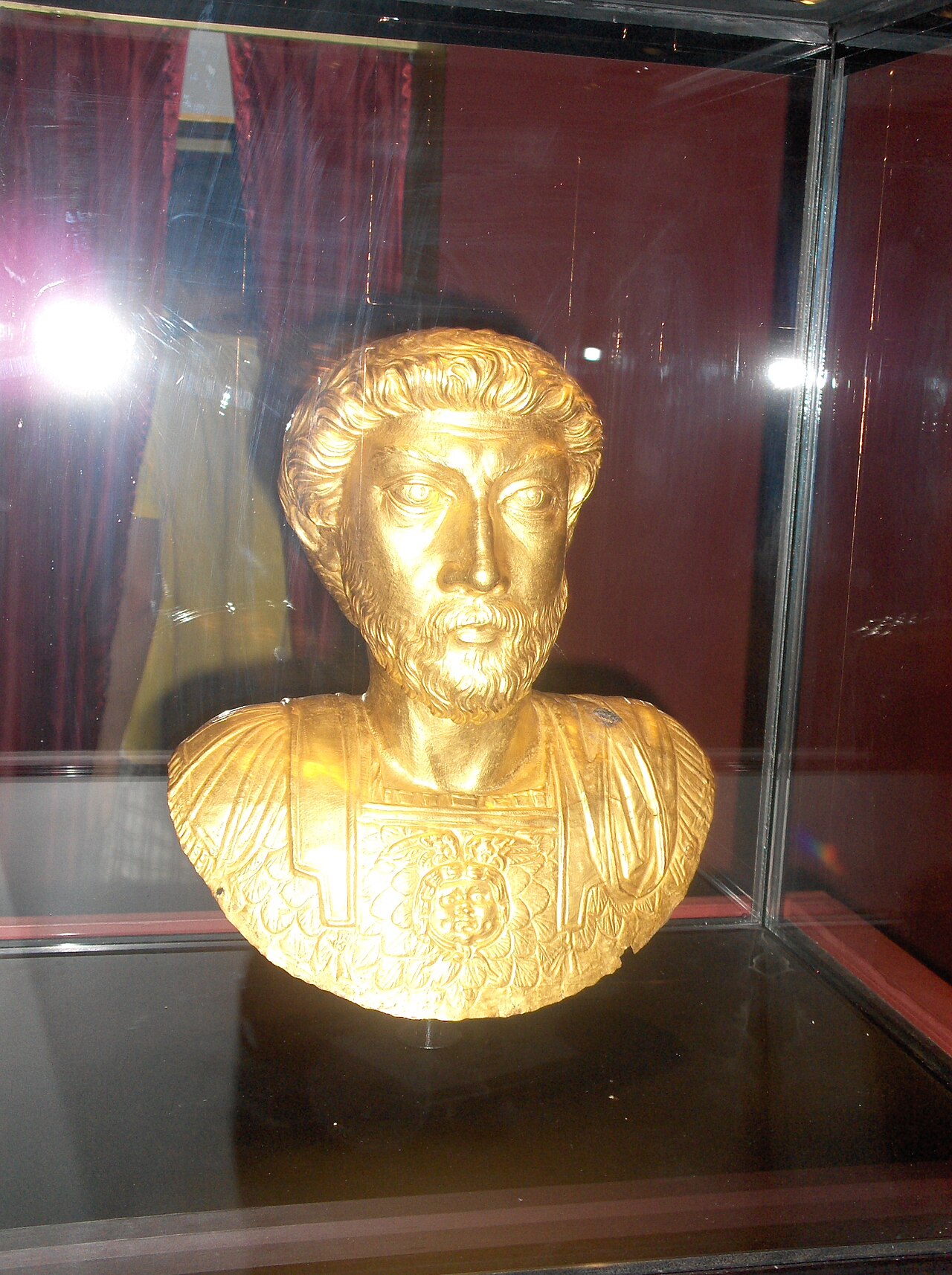
Golden Bust of Marcus Aurelius
180
A rare gold bust, likely depicting Marcus Aurelius in old age, found in a Roman sanctuary in Avenches, Switzerland.
A gold bust likely depicting Marcus Aurelius in old age, evidence of his image spreading through the empire.
About this source
What it is
This gold bust, measuring 33.5 centimetres high and weighing 1.59 kilograms, was discovered in 1939 in Avenches, Switzerland, during excavation of a Roman sanctuary. It is one of the largest known metal busts of a Roman emperor and is usually identified as Marcus Aurelius in old age, though some scholars have proposed other emperors. The original is kept securely in a bank vault; a copy is displayed at the Roman Museum in Avenches.
Why it matters
The bust is one of only six known gold busts made during the Roman Imperial period, making it an extraordinary archaeological find. Its discovery in a provincial sanctuary shows how the image of the emperor was spread and honored even in distant parts of the Roman Empire, far from Rome itself.
Look closer
- Why might identifying the person in a bust like this be difficult for historians?
- What does the choice of gold as a material suggest about how the emperor was viewed?
- What does finding this object in a provincial town tell you about the reach of imperial power?
This sculpture is part of the curated material that grounds the AI version of Marcus Aurelius on Humy.ai — when students ask about related events, the AI can quote it and cite it.
More Marcus Aurelius sources
Meet the AI Marcus Aurelius →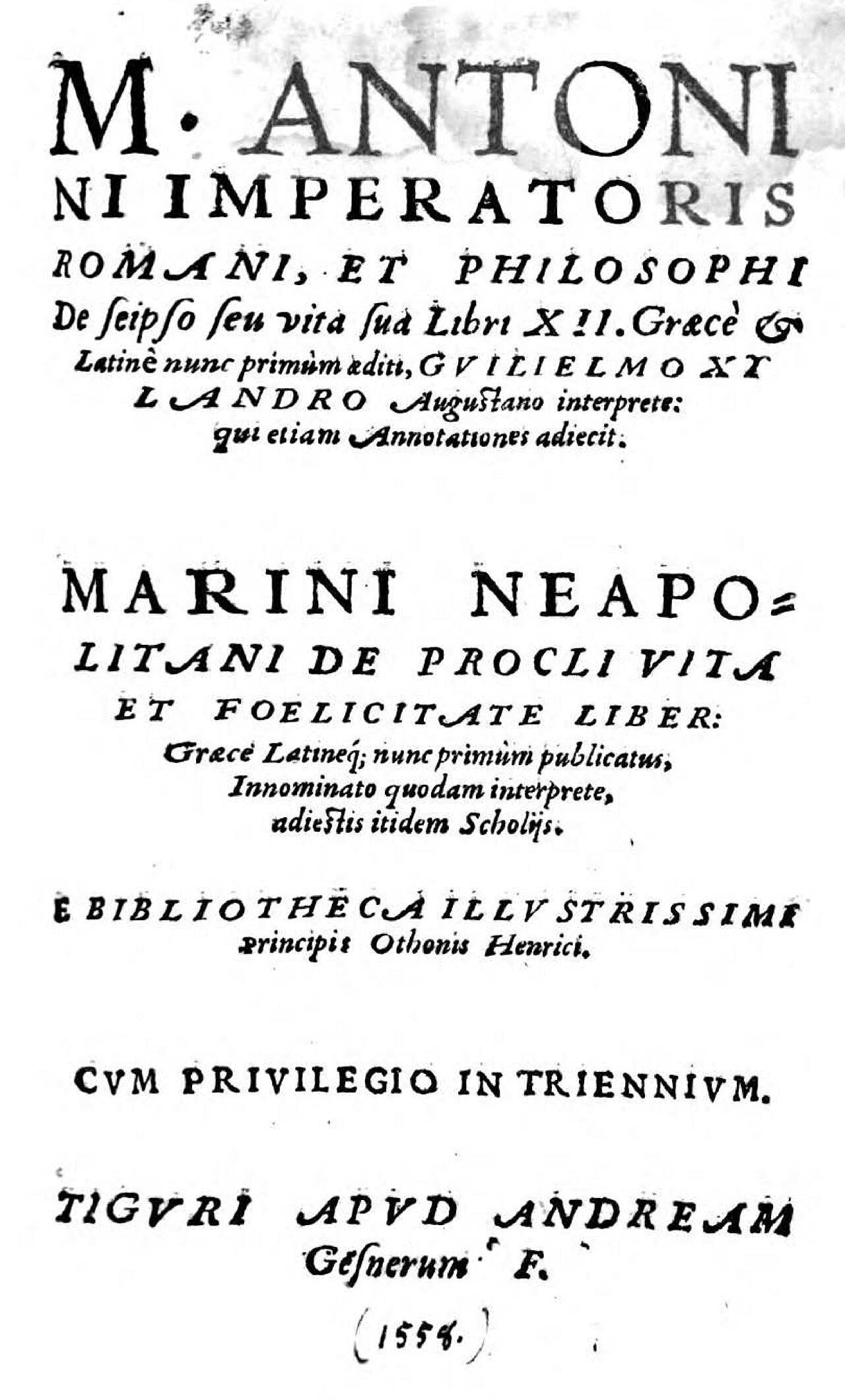 Book
Primary source
Meditations
Marcus Aurelius · c. 170-180 AD (this edition printed 1558)
 Sculpture
Primary source
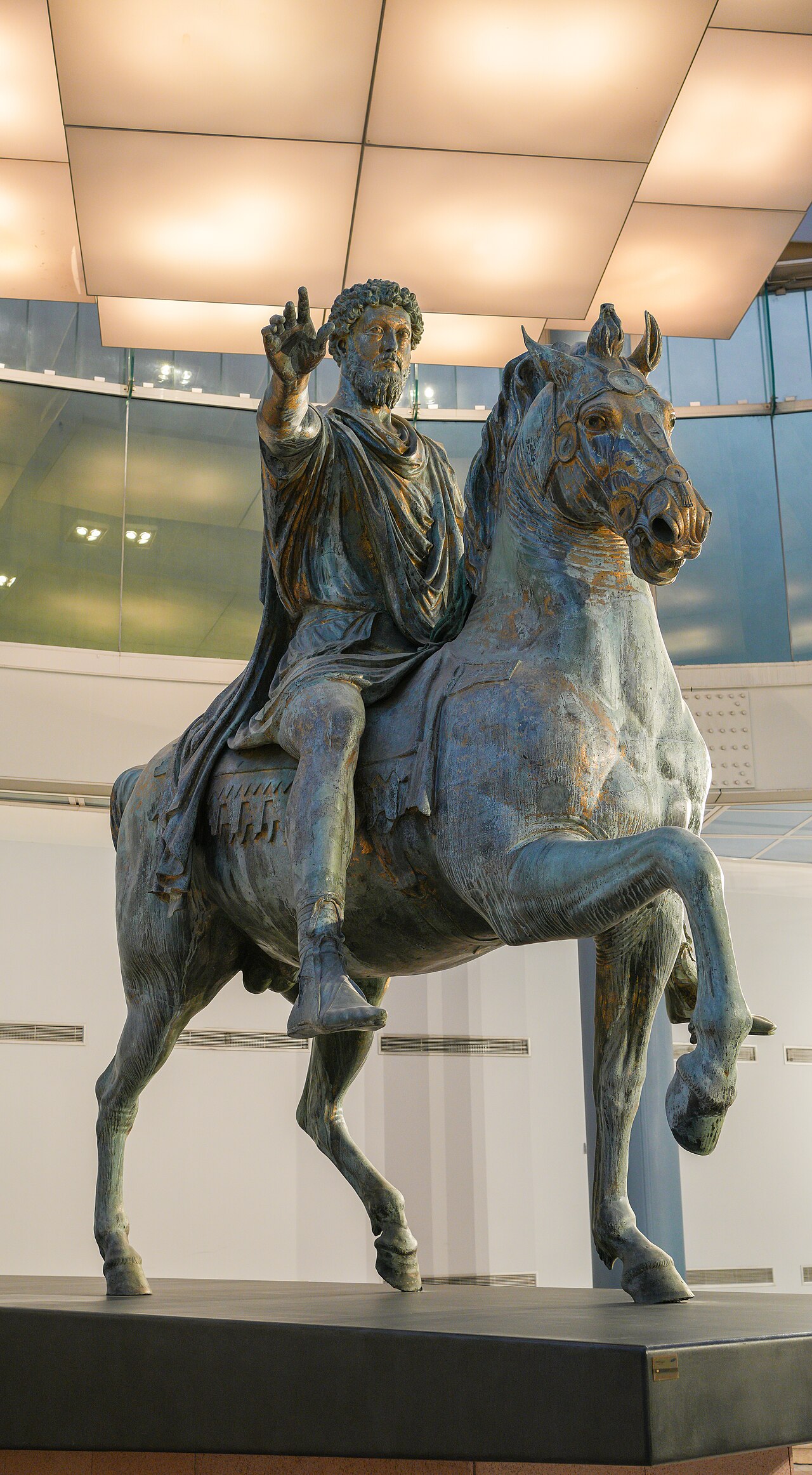
Equestrian Statue of Marcus Aurelius
c. 173 AD
 Artifact
Secondary source
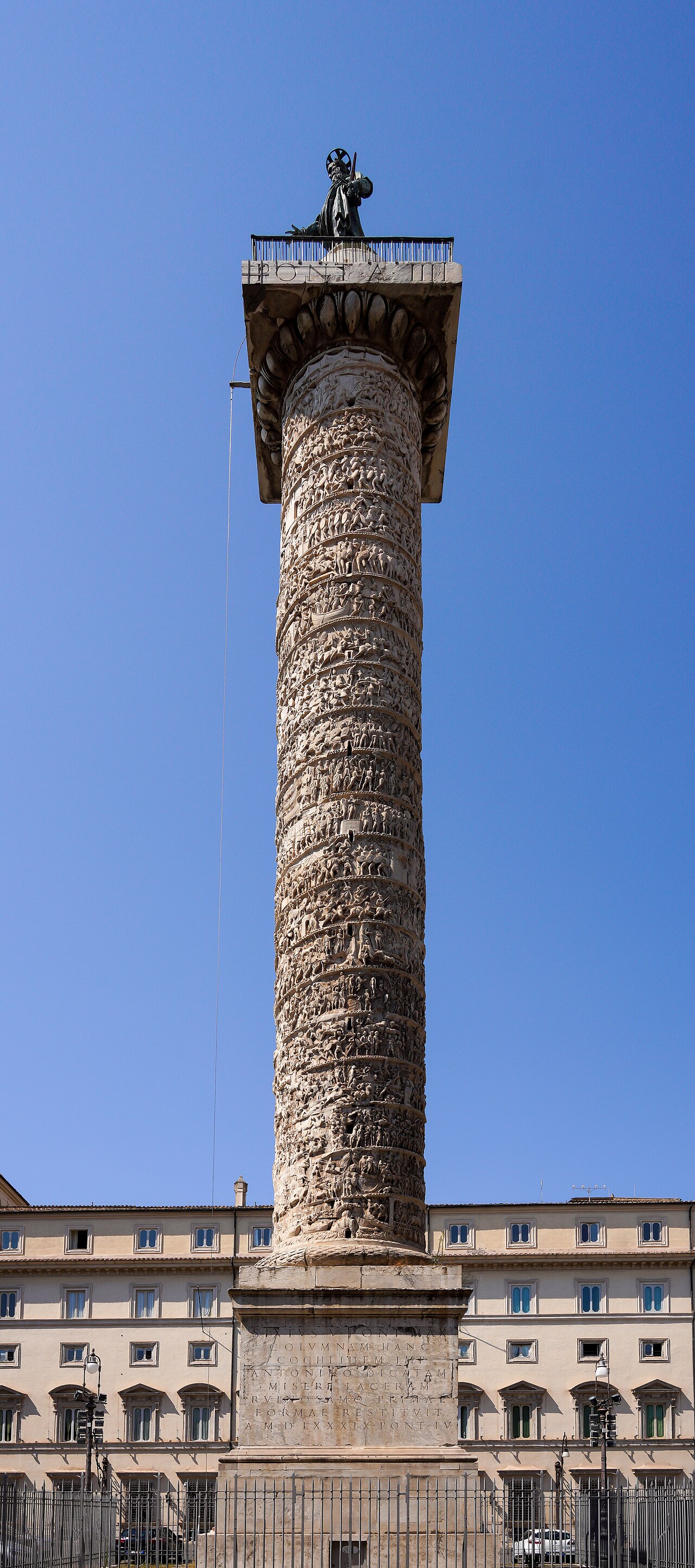
Column of Marcus Aurelius
completed c. 193 AD
Secondary source
Marcus Antoninus (Historia Augusta)
Scriptores Historiae Augustae · probably 4th century AD
 Sculpture
Primary source
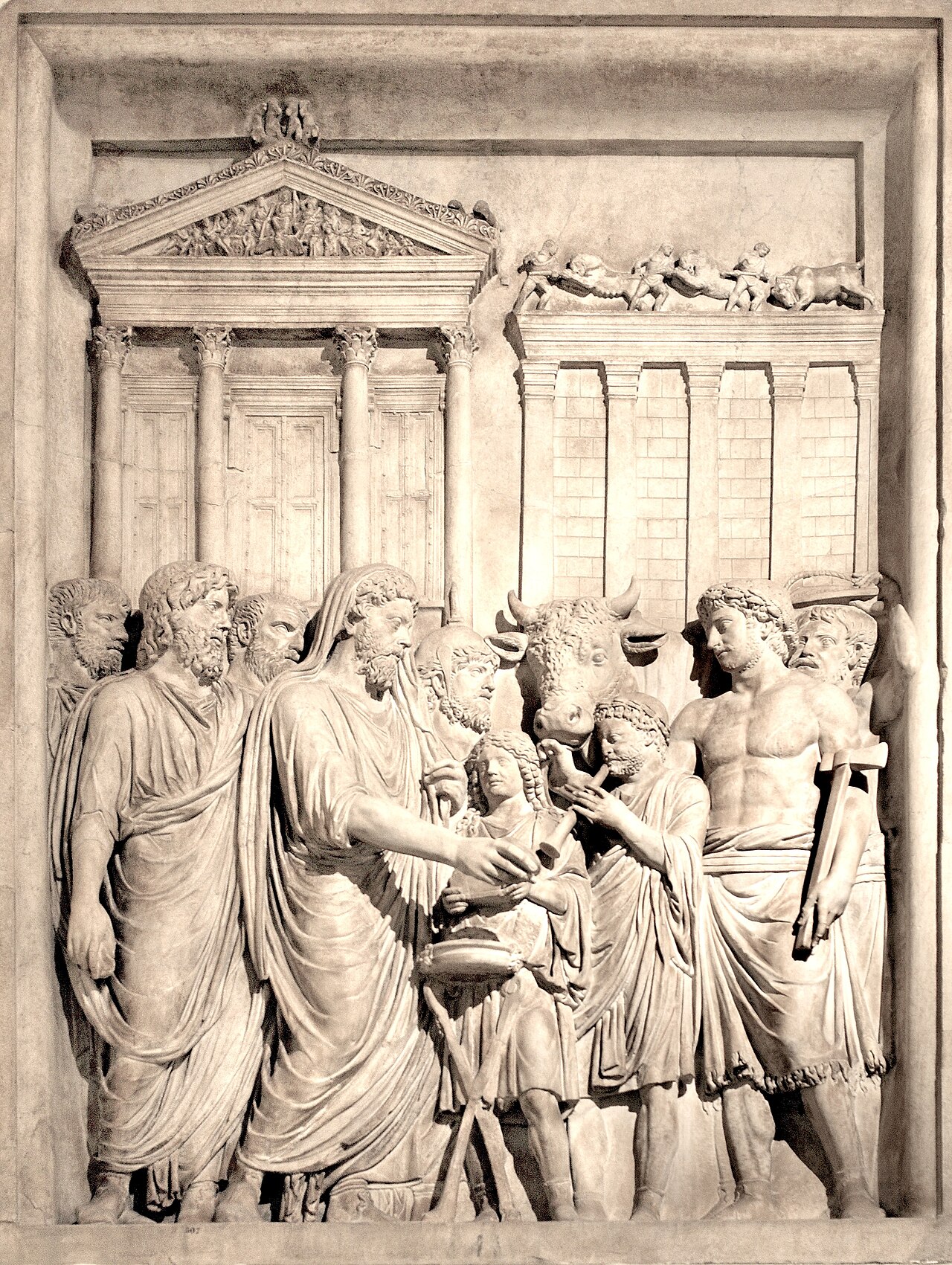
Panel Relief of Marcus Aurelius Sacrificing
Ready when you are
Start chatting with Marcus Aurelius now.
20 messages free · No credit card · Available in 50+ languages.