


Primary sourceSculptureafter 170 CE
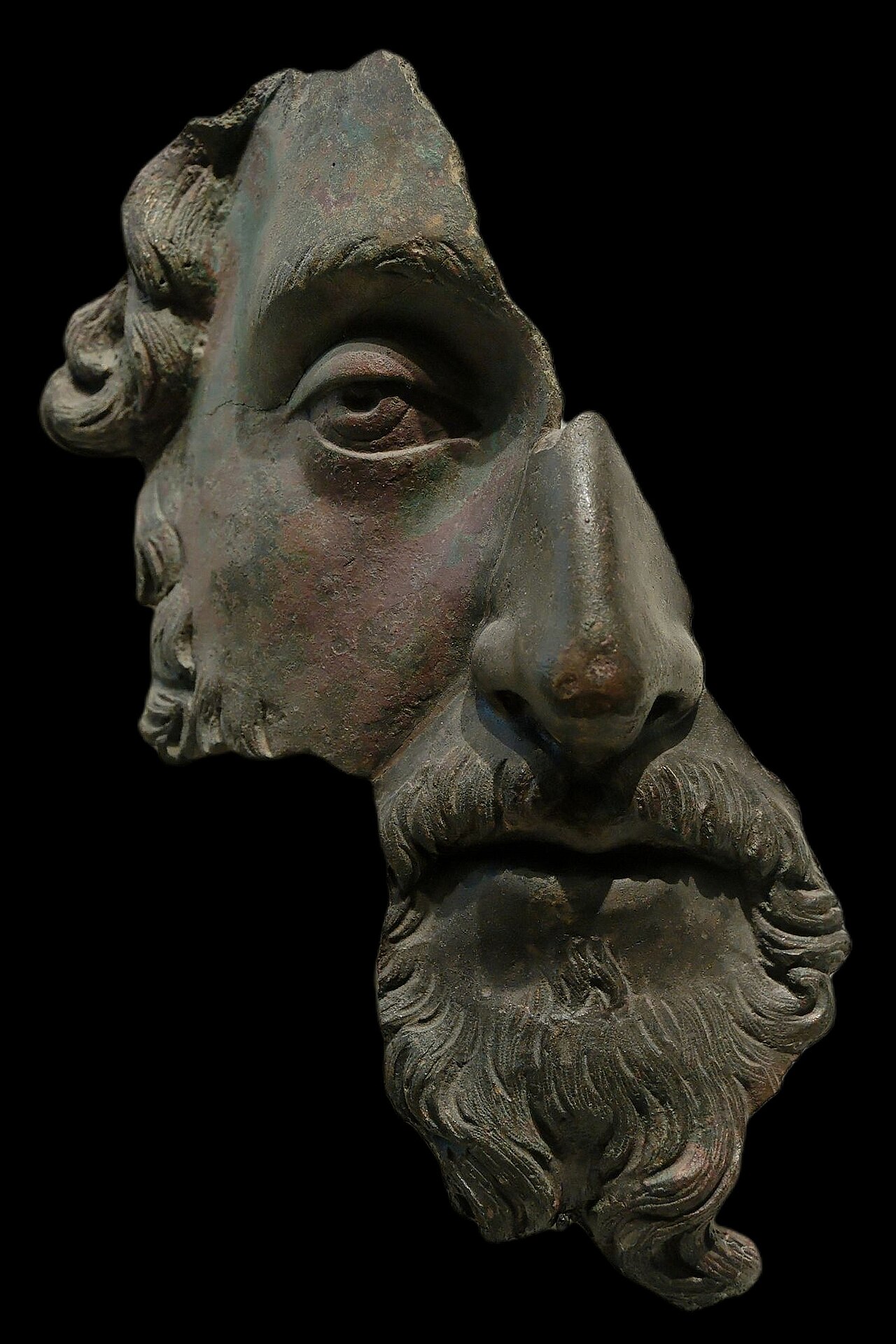
Bronze Portrait Fragment of Marcus Aurelius
after 170 CE
A bronze fragment showing part of a bearded face, identified as a portrait of Marcus Aurelius, held at the Louvre.
A fragment of an official bronze portrait of Marcus Aurelius, showing how he was represented in sculpture.
About this source
What it is
This bronze fragment preserves part of a bearded male face, broken at the top, and is identified as a portrait of Marcus Aurelius made after 170 CE. It is kept in the Department of Greek, Etruscan, and Roman Antiquities at the Louvre.
Why it matters
Roman bronze portraits were costly to produce and often melted down later for their metal, so surviving fragments like this one are rare. The piece shows how Marcus Aurelius was portrayed in official sculpture, with the full beard associated with Stoic philosophers, a visual statement about his character and learning.
Look closer
- What can you tell about Marcus Aurelius's appearance from just this fragment?
- Why do you think so few bronze statues from Roman times have survived complete?
- What might the missing parts of the statue have shown?
This sculpture is part of the curated material that grounds the AI version of Marcus Aurelius on Humy.ai — when students ask about related events, the AI can quote it and cite it.
More Marcus Aurelius sources
Meet the AI Marcus Aurelius →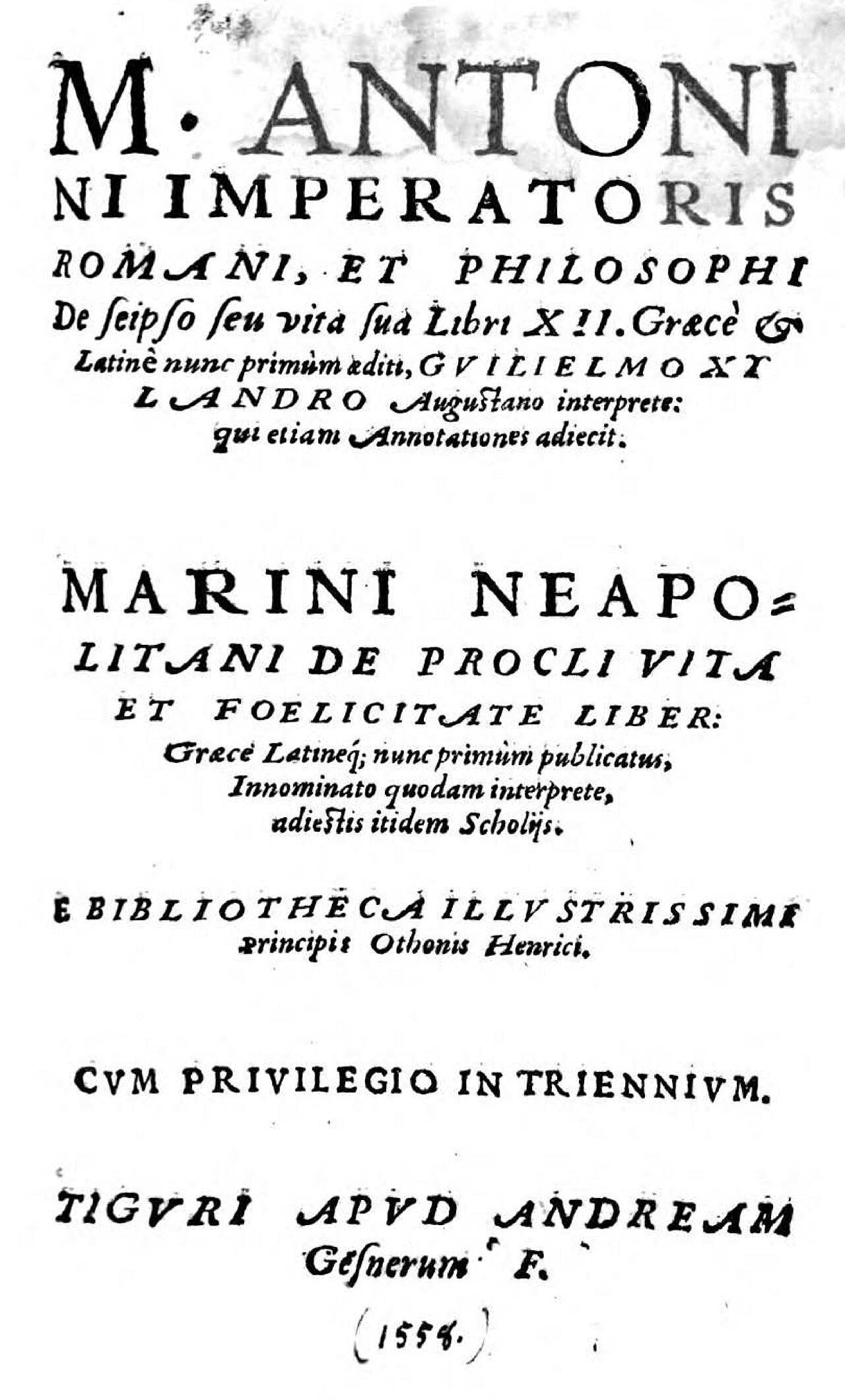 Book
Primary source
Meditations
Marcus Aurelius · c. 170-180 AD (this edition printed 1558)
 Sculpture
Primary source
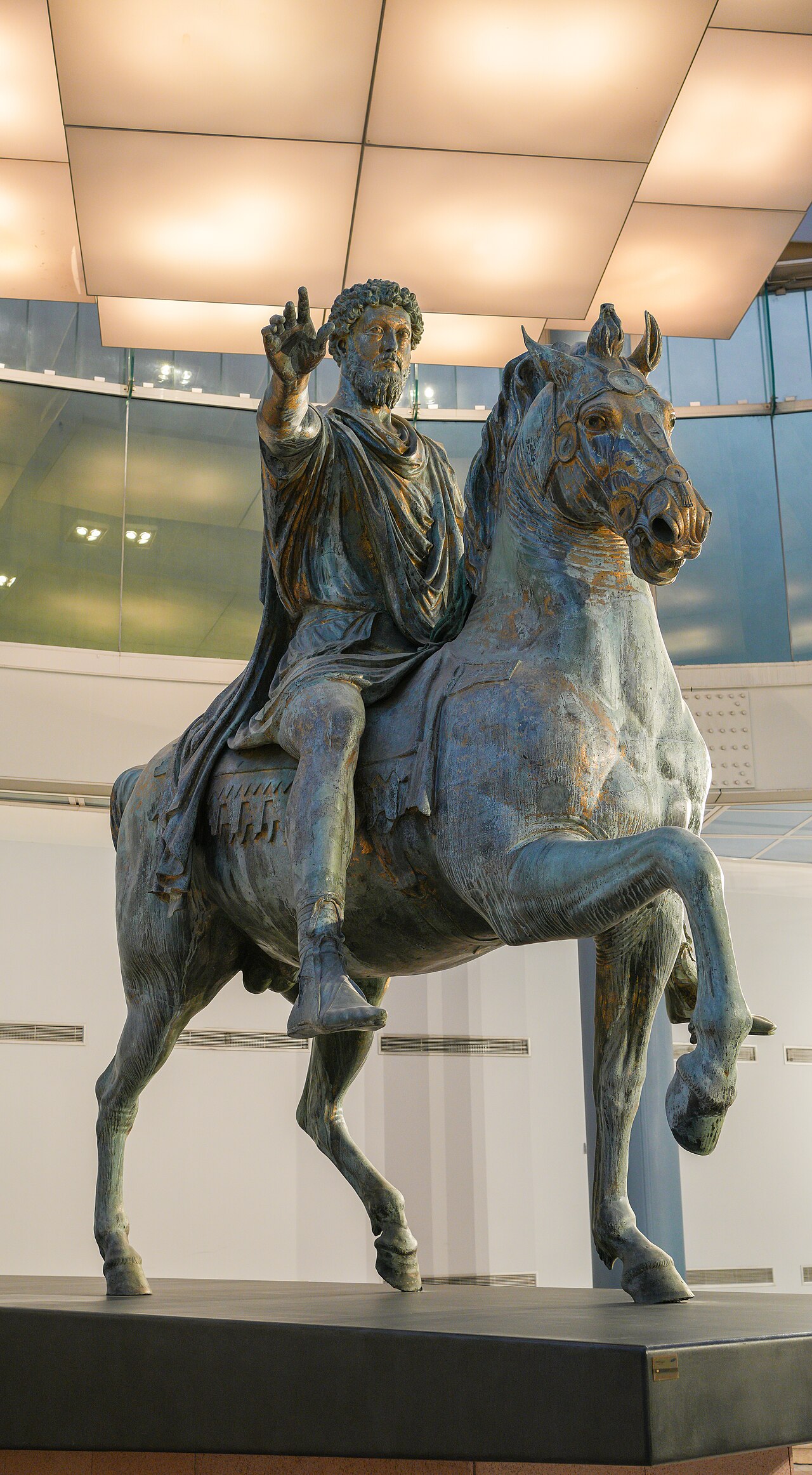
Equestrian Statue of Marcus Aurelius
c. 173 AD
 Artifact
Secondary source
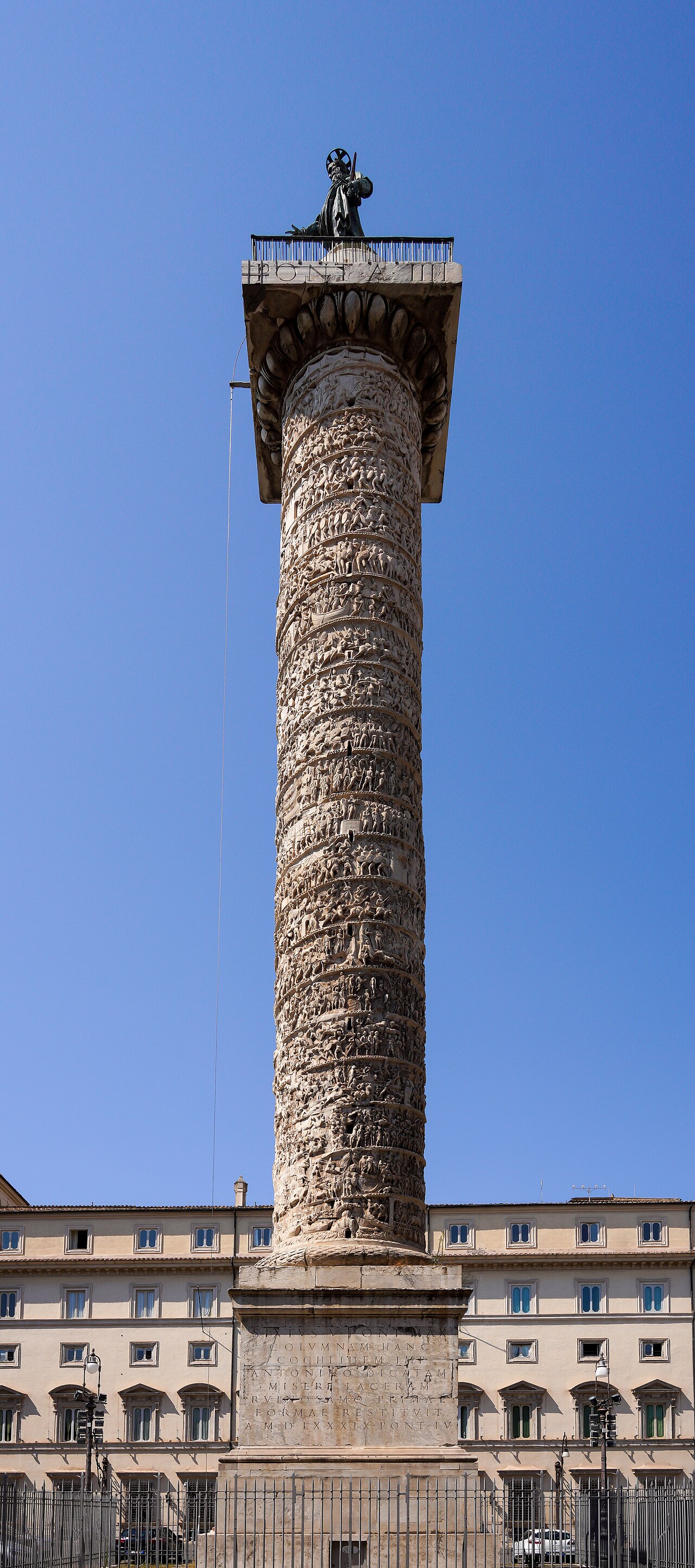
Column of Marcus Aurelius
completed c. 193 AD
Secondary source
Marcus Antoninus (Historia Augusta)
Scriptores Historiae Augustae · probably 4th century AD
 Sculpture
Primary source
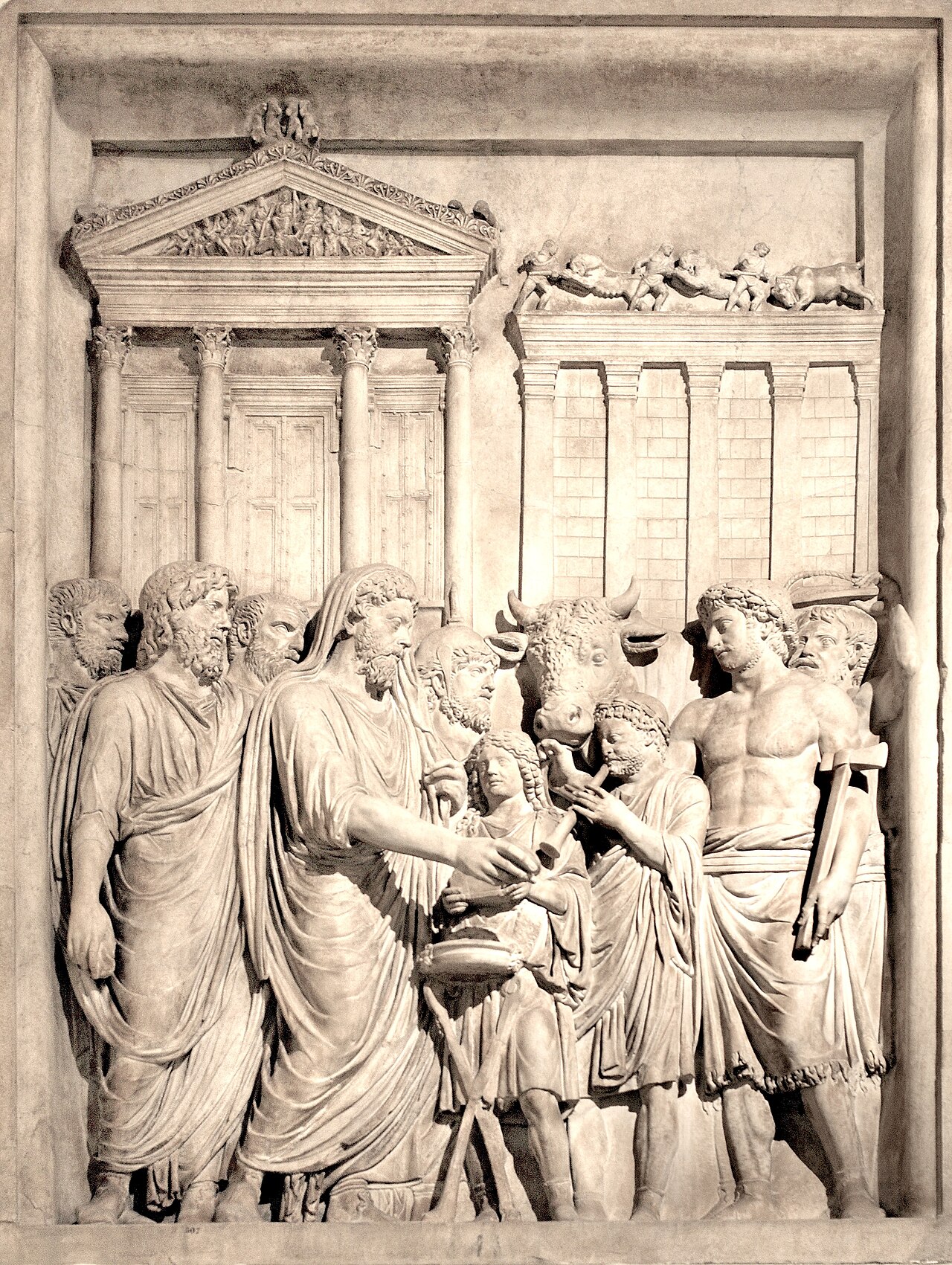
Panel Relief of Marcus Aurelius Sacrificing
Ready when you are
Start chatting with Marcus Aurelius now.
20 messages free · No credit card · Available in 50+ languages.