


Primary sourceSculpture180
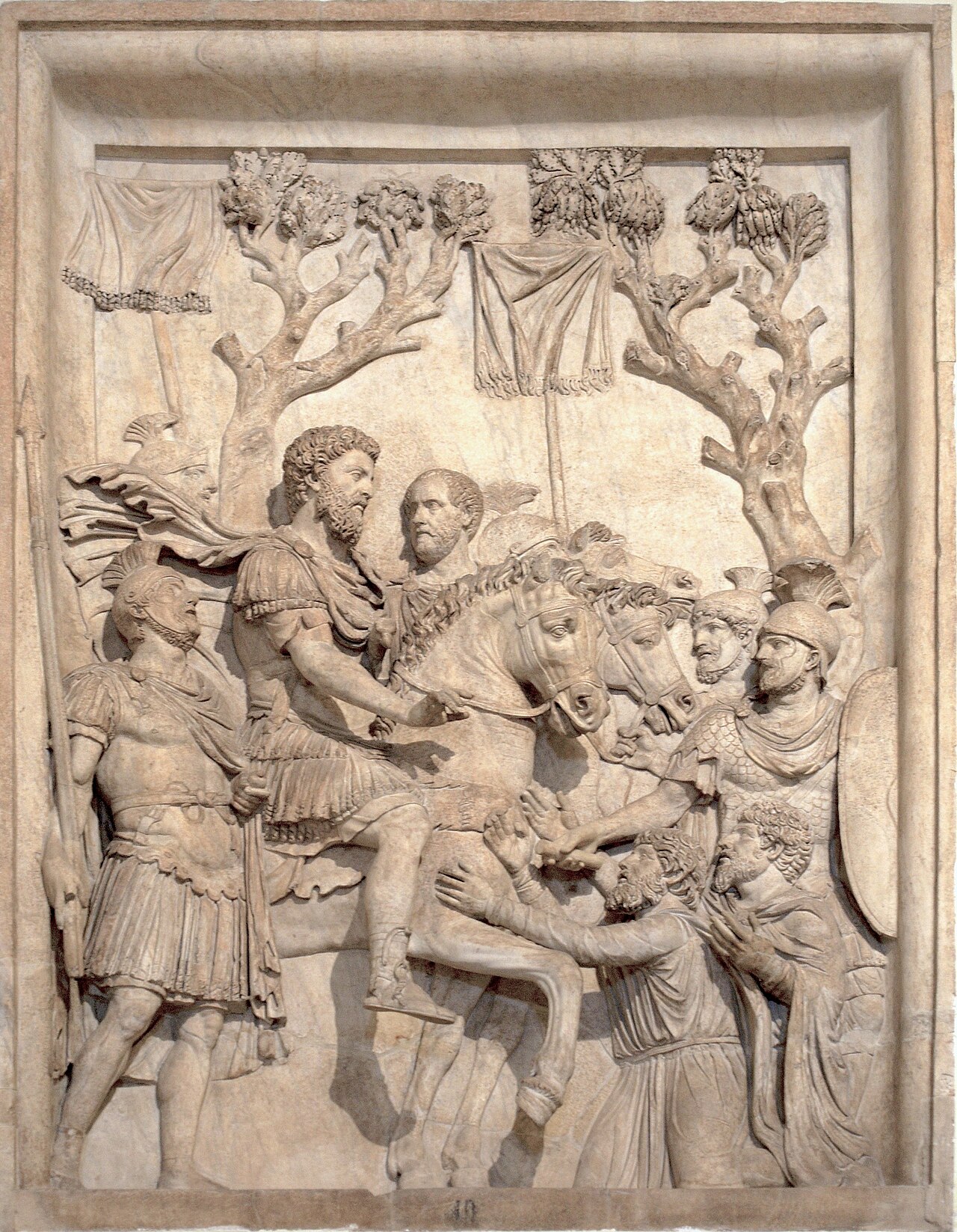
Marcus Aurelius - Submission of the Germans
180
A marble relief showing Marcus Aurelius on horseback showing mercy to a kneeling barbarian after victory in the Marcomannic Wars.
Depicts Marcus Aurelius showing clemency to defeated enemies, part of official imagery of his wars.
About this source
What it is
This marble relief panel, dated to 180, shows the emperor Marcus Aurelius on horseback extending his hand to a kneeling defeated enemy, surrounded by Roman soldiers. It comes from the lost Arch of Marcus Aurelius in Rome and is now held in the Palazzo dei Conservatori, part of the Capitoline Museums.
Why it matters
The relief was official imagery celebrating clemency (clementia) toward defeated peoples after Marcus Aurelius's wars against Germanic tribes. It reflects how Roman emperors wanted to be remembered — not only as conquerors but as merciful rulers — and shows how art was used to shape public memory of war.
Look closer
- What does the emperor's gesture toward the kneeling man suggest about the message the sculptor wanted to send?
- Why might a ruler want to be shown as merciful rather than only victorious?
- What might this image hide about the real experience of the defeated peoples?
This sculpture is part of the curated material that grounds the AI version of Marcus Aurelius on Humy.ai — when students ask about related events, the AI can quote it and cite it.
More Marcus Aurelius sources
Meet the AI Marcus Aurelius →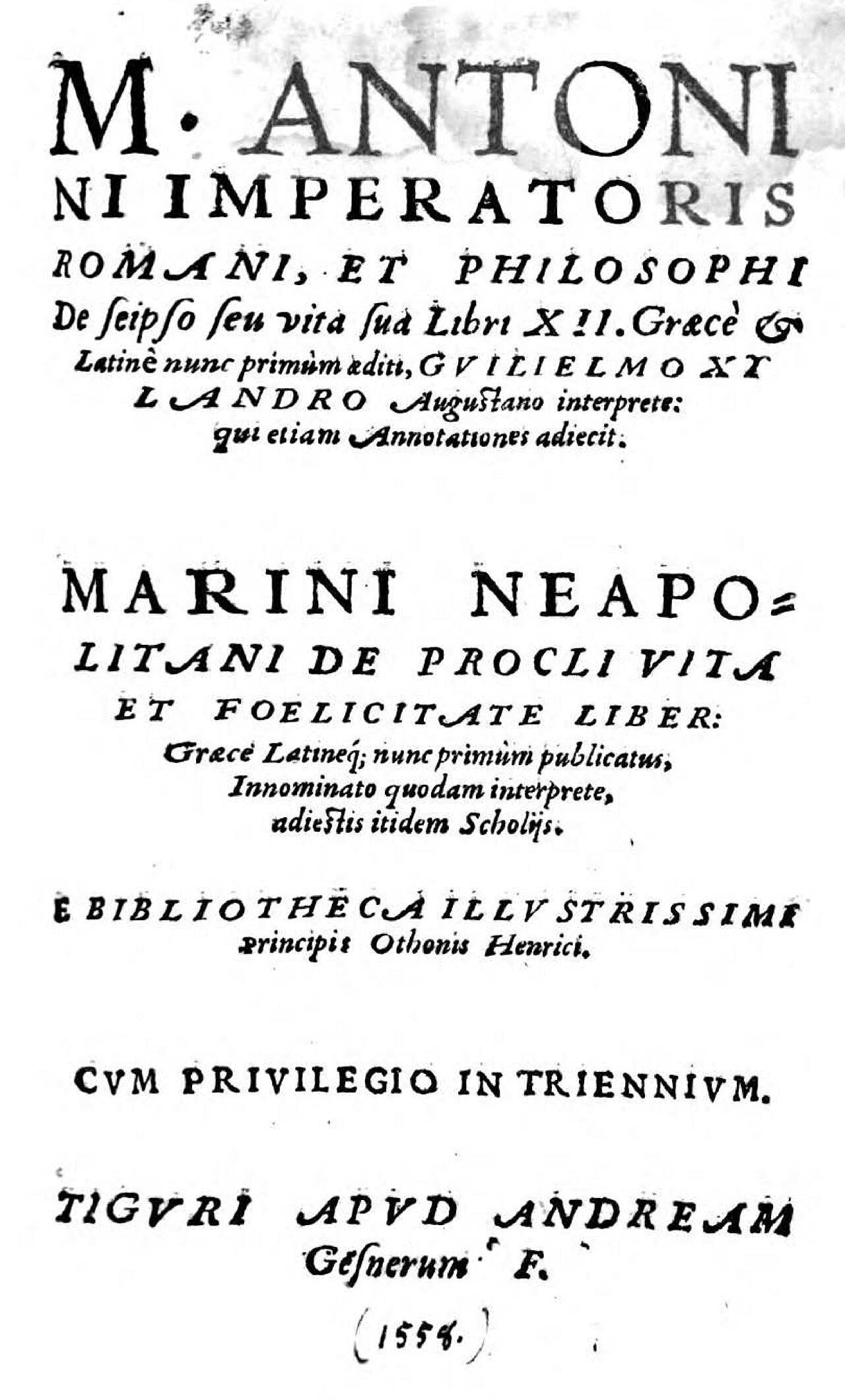 Book
Primary source
Meditations
Marcus Aurelius · c. 170-180 AD (this edition printed 1558)
 Sculpture
Primary source
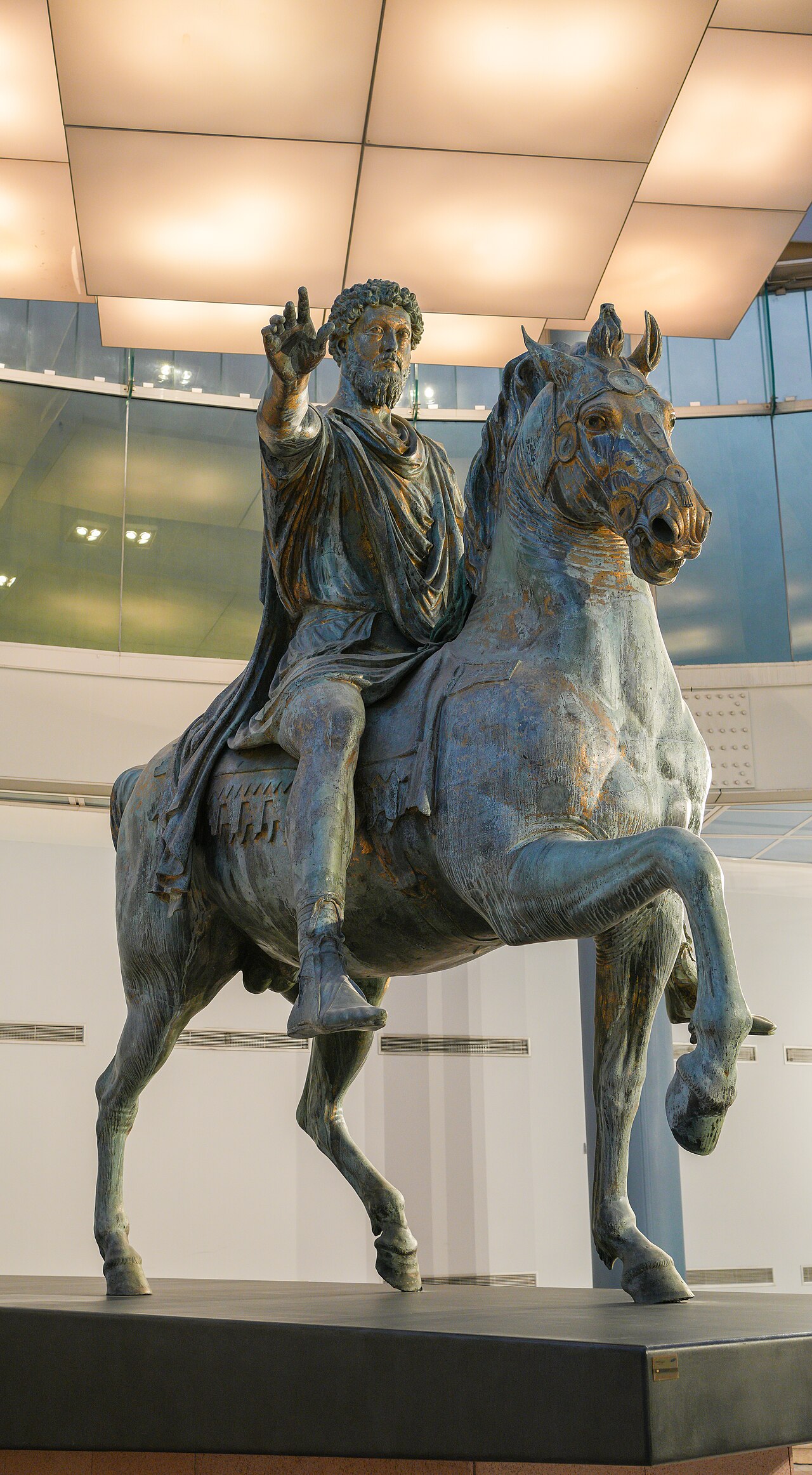
Equestrian Statue of Marcus Aurelius
c. 173 AD
 Artifact
Secondary source
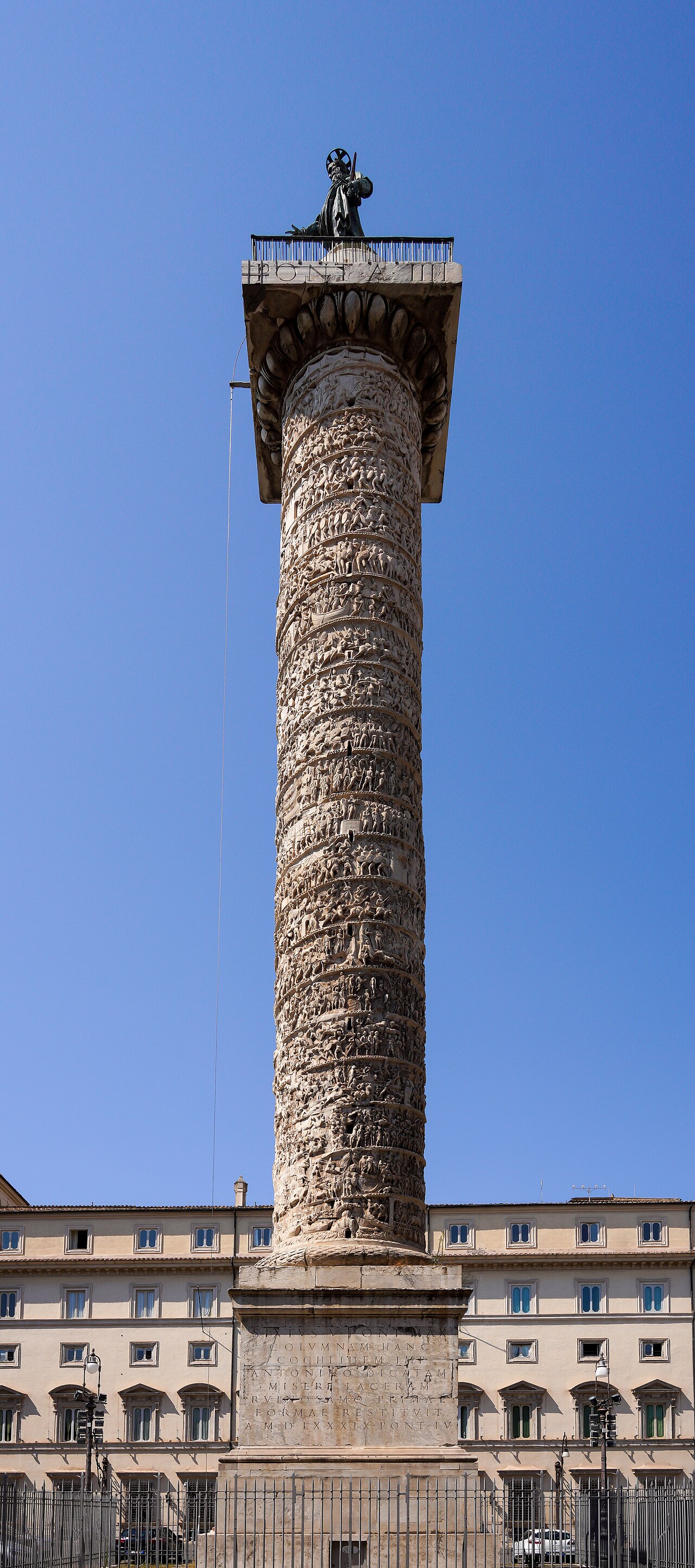
Column of Marcus Aurelius
completed c. 193 AD
Secondary source
Marcus Antoninus (Historia Augusta)
Scriptores Historiae Augustae · probably 4th century AD
 Sculpture
Primary source
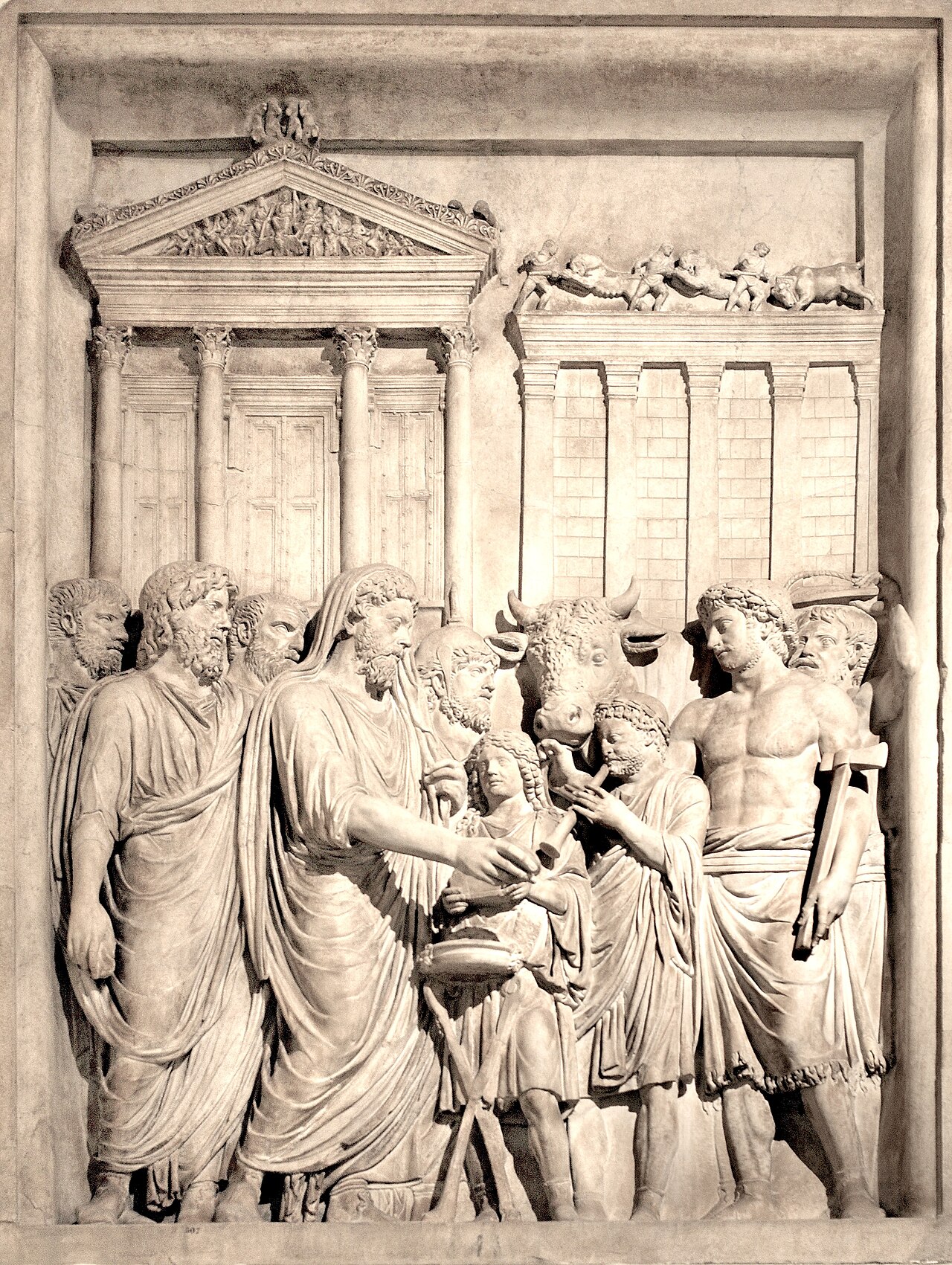
Panel Relief of Marcus Aurelius Sacrificing
Ready when you are
Start chatting with Marcus Aurelius now.
20 messages free · No credit card · Available in 50+ languages.