


Primary sourceArtifactAD 147-150
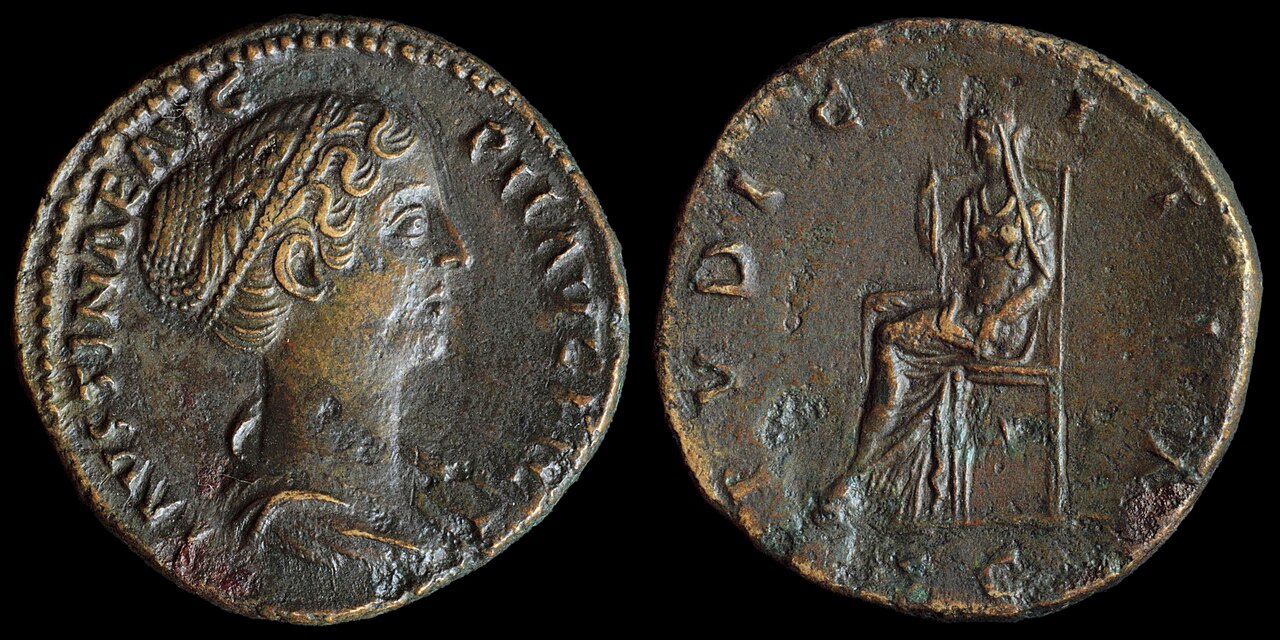
Dupondius of Faustina the Younger, Pudicitia
AD 147-150
A bronze Roman coin issued in the name of Faustina the Younger, wife of Marcus Aurelius, showing the goddess Pudicitia (Modesty). It was struck before Marcus became emperor.
Shows Marcus Aurelius's wife Faustina on imperial coinage struck before his accession, reflecting the household that shaped his life.
About this source
What it is
This is a bronze dupondius, a Roman coin struck in Rome between 147 and 150 AD. The front shows a draped bust of Faustina the Younger facing right, with the inscription FAVSTINAE AVG PII AVG FIL. The back shows Pudicitia, the personification of modesty, seated left and pulling her veil, holding a scepter, with the letters S C at the bottom. The catalogue record gives a weight of 13.54 g and a diameter of 25 mm. The coin is listed in standard reference catalogues (RIC, BMC). The image in this archive is a photograph of the coin, uploaded to Wikimedia Commons by a volunteer, so it is a picture of the object rather than the coin itself.
Why it matters
Faustina was the wife of Marcus Aurelius and the daughter of Antoninus Pius, so the coin shows the imperial household that surrounded him before he took power. Coins like this were official messages from the imperial government, and the choice of Pudicitia presented the empress as a model of virtue. Marcus himself does not appear on this coin, which reminds students that rulers often used their families to communicate with the public.
Look closer
- Who is shown on each side of the coin, and why might the issuers have chosen these images?
- What does the small inscription tell you about who authorized the coin?
- What does a coin like this leave out about the lives of ordinary people who used it?
This artifact is part of the curated material that grounds the AI version of Marcus Aurelius on Humy.ai — when students ask about related events, the AI can quote it and cite it.
More Marcus Aurelius sources
Meet the AI Marcus Aurelius →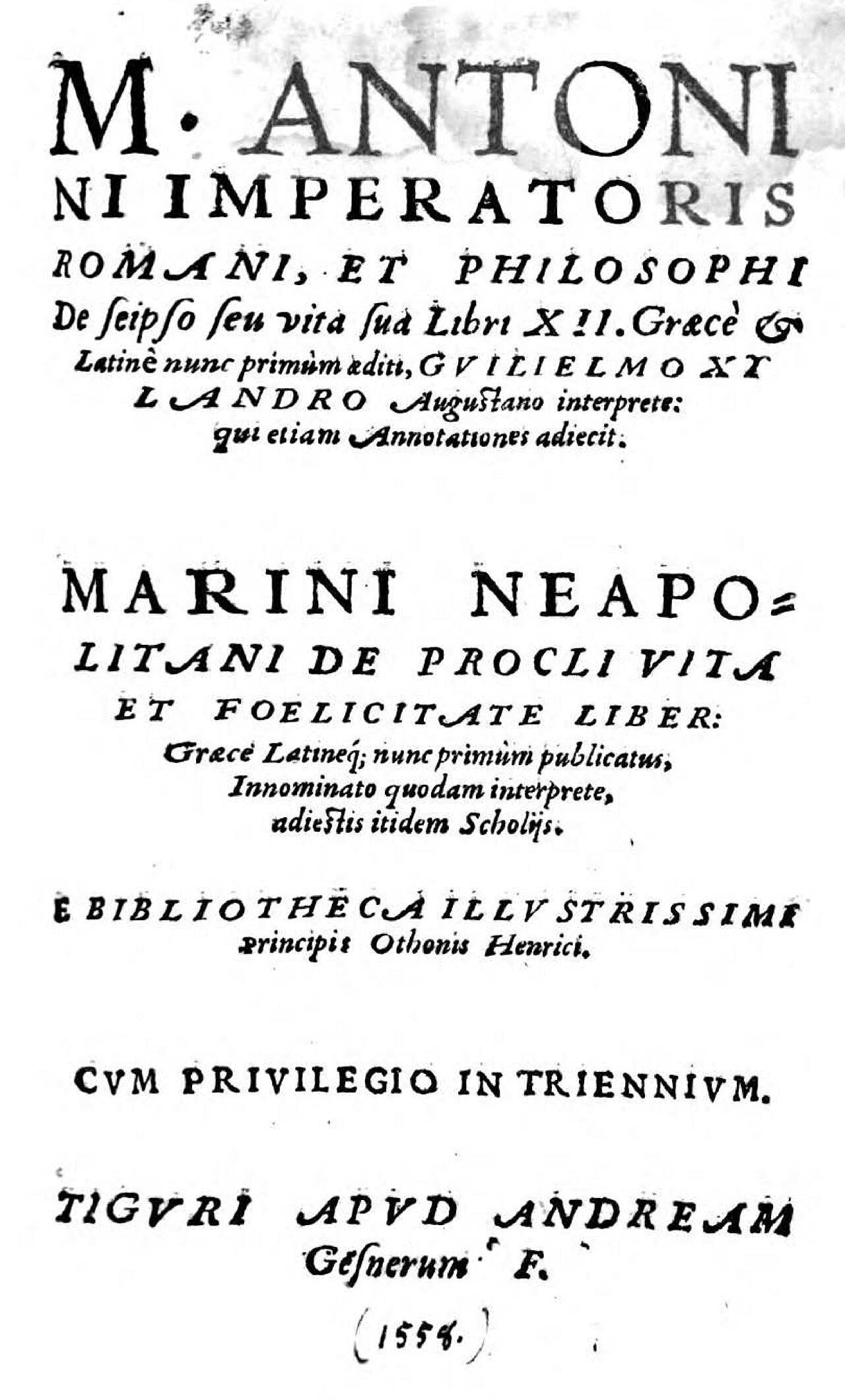 Book
Primary source
Meditations
Marcus Aurelius · c. 170-180 AD (this edition printed 1558)
 Sculpture
Primary source
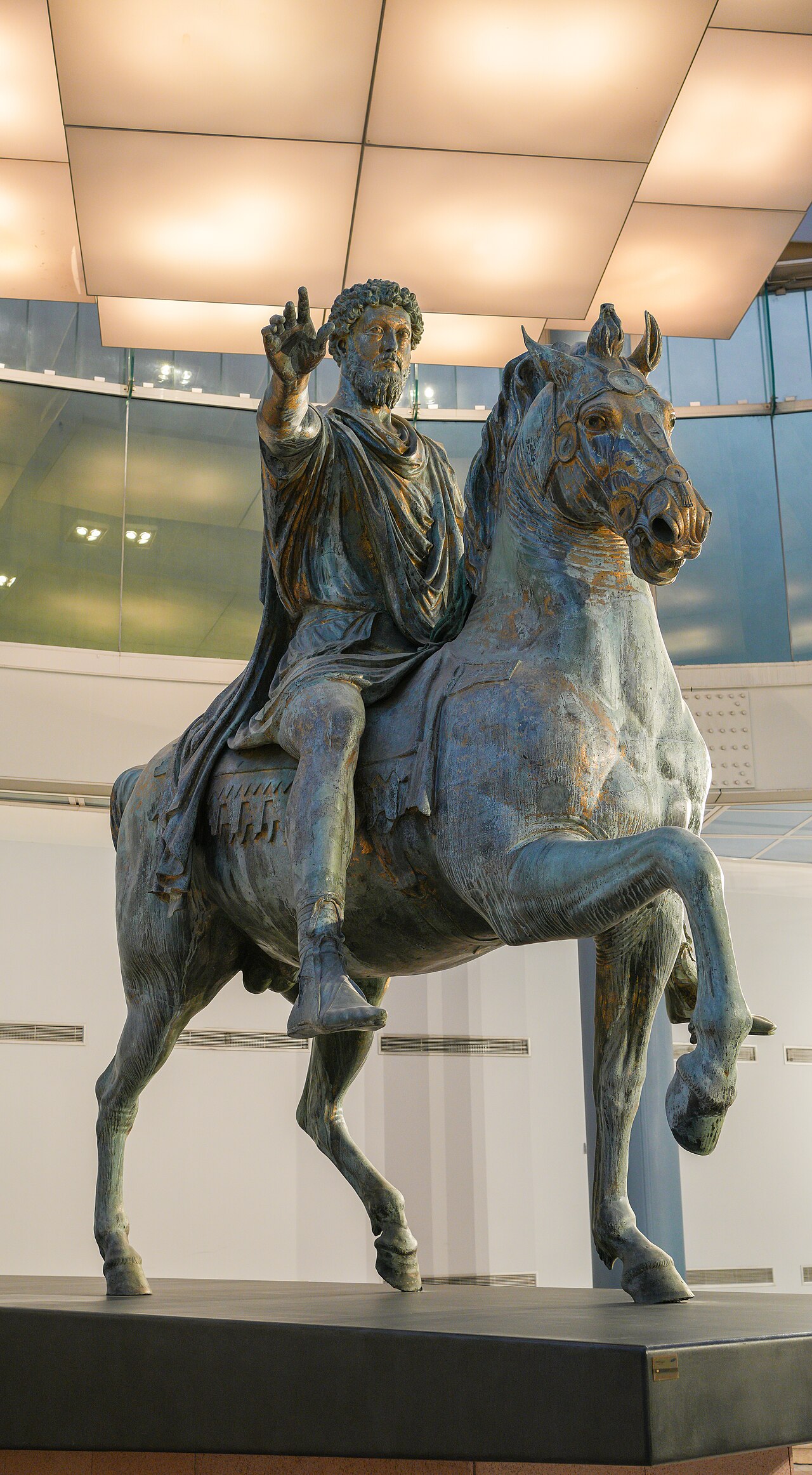
Equestrian Statue of Marcus Aurelius
c. 173 AD
 Artifact
Secondary source
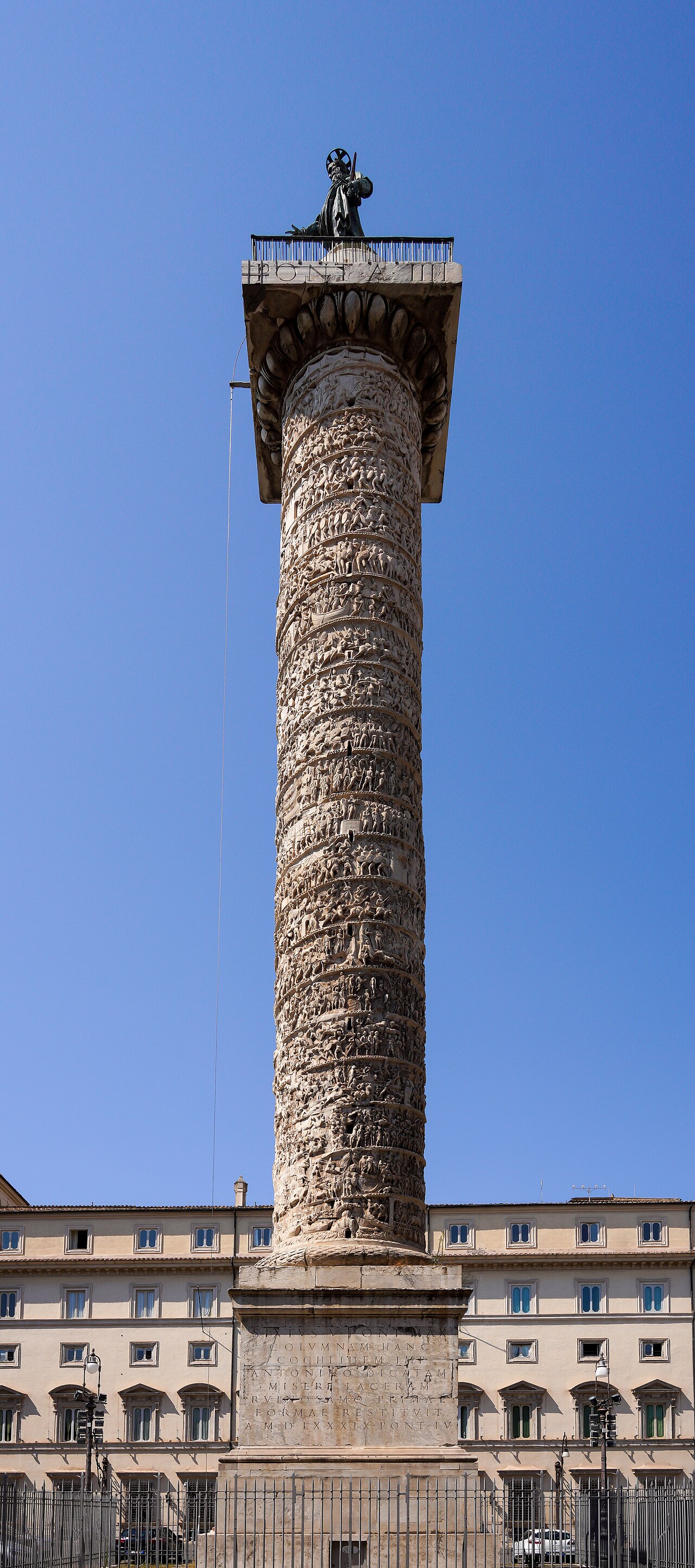
Column of Marcus Aurelius
completed c. 193 AD
Secondary source
Marcus Antoninus (Historia Augusta)
Scriptores Historiae Augustae · probably 4th century AD
 Sculpture
Primary source
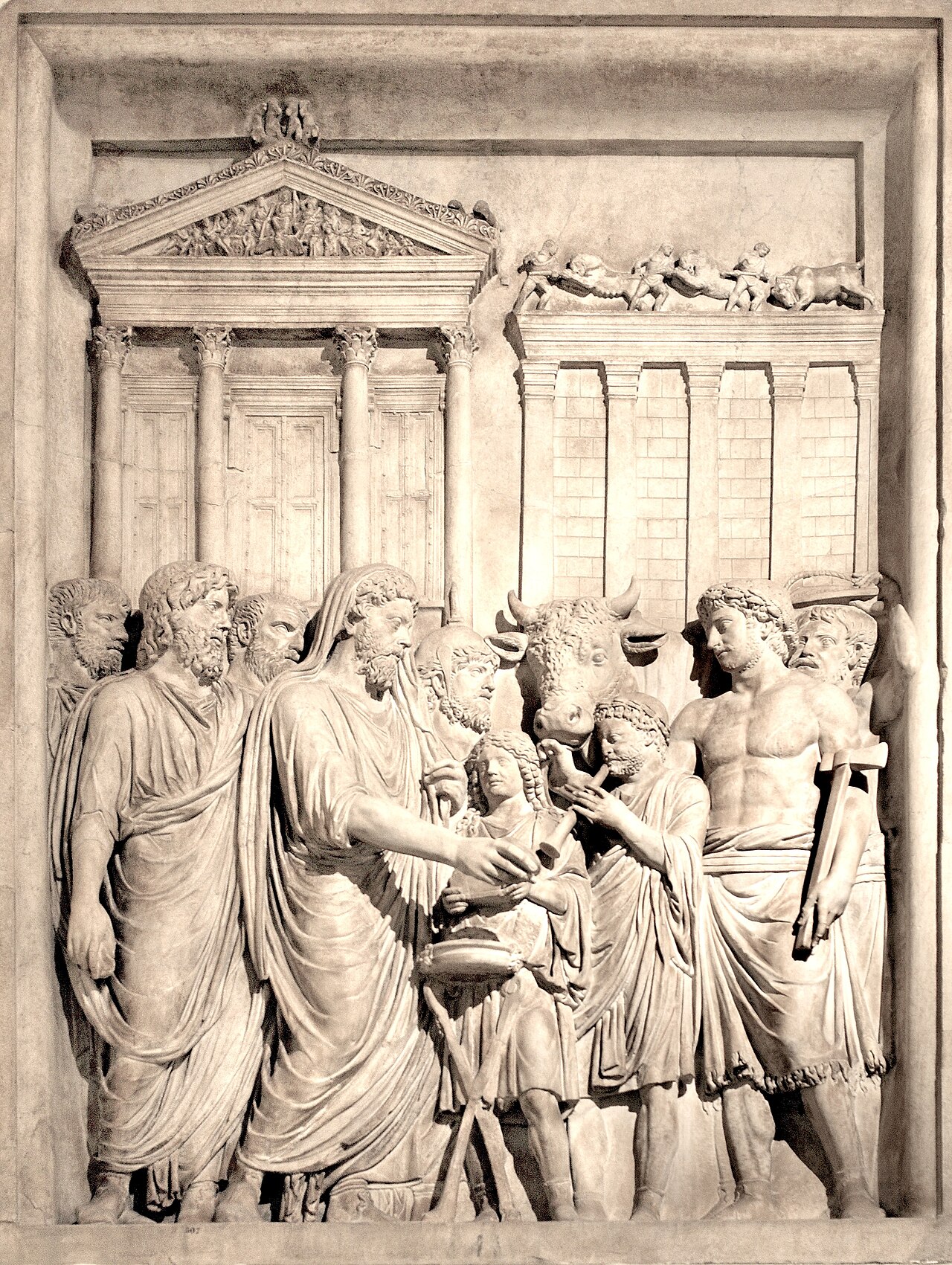
Panel Relief of Marcus Aurelius Sacrificing
Ready when you are
Start chatting with Marcus Aurelius now.
20 messages free · No credit card · Available in 50+ languages.