


Primary sourceArtifact
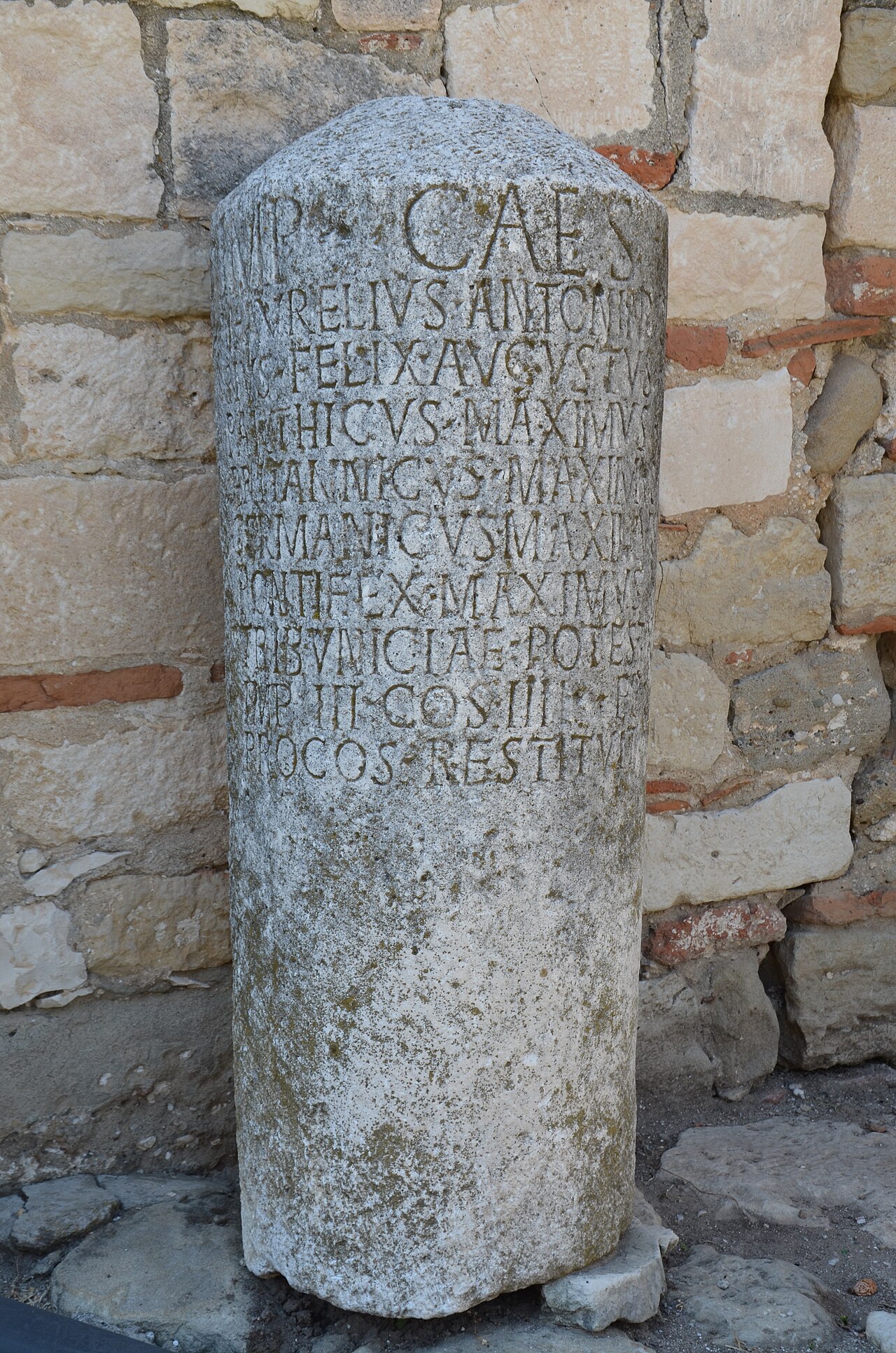
Milestone from the Via Egnatia near Apollonia
A Roman road milestone from Albania dedicated to Marcus Aurelius, marking the southern branch of the Via Egnatia.
A road milestone dedicated to Marcus Aurelius, showing his authority extended to infrastructure across the empire.
About this source
What it is
This cylindrical stone milestone stood along the southern branch of the Via Egnatia, the Roman road leading to Apollonia in what is now Albania. Its carved Latin inscription dedicates the marker to Marcus Aurelius.
Why it matters
Milestones like this one were practical objects, marking distances for travelers, but they were also political statements, reminding people across the empire of the emperor's authority over infrastructure and communication. This example shows how Marcus Aurelius's name was attached to the physical networks that held the Roman Empire together, far from Rome itself.
Look closer
- Why would the Romans put an emperor's name on something as ordinary as a road marker?
- What does the existence of a dedicated milestone tell you about how the Romans linked infrastructure to imperial power?
- What has been lost or damaged on this stone, and how might that affect what we can know from it?
This artifact is part of the curated material that grounds the AI version of Marcus Aurelius on Humy.ai — when students ask about related events, the AI can quote it and cite it.
More Marcus Aurelius sources
Meet the AI Marcus Aurelius →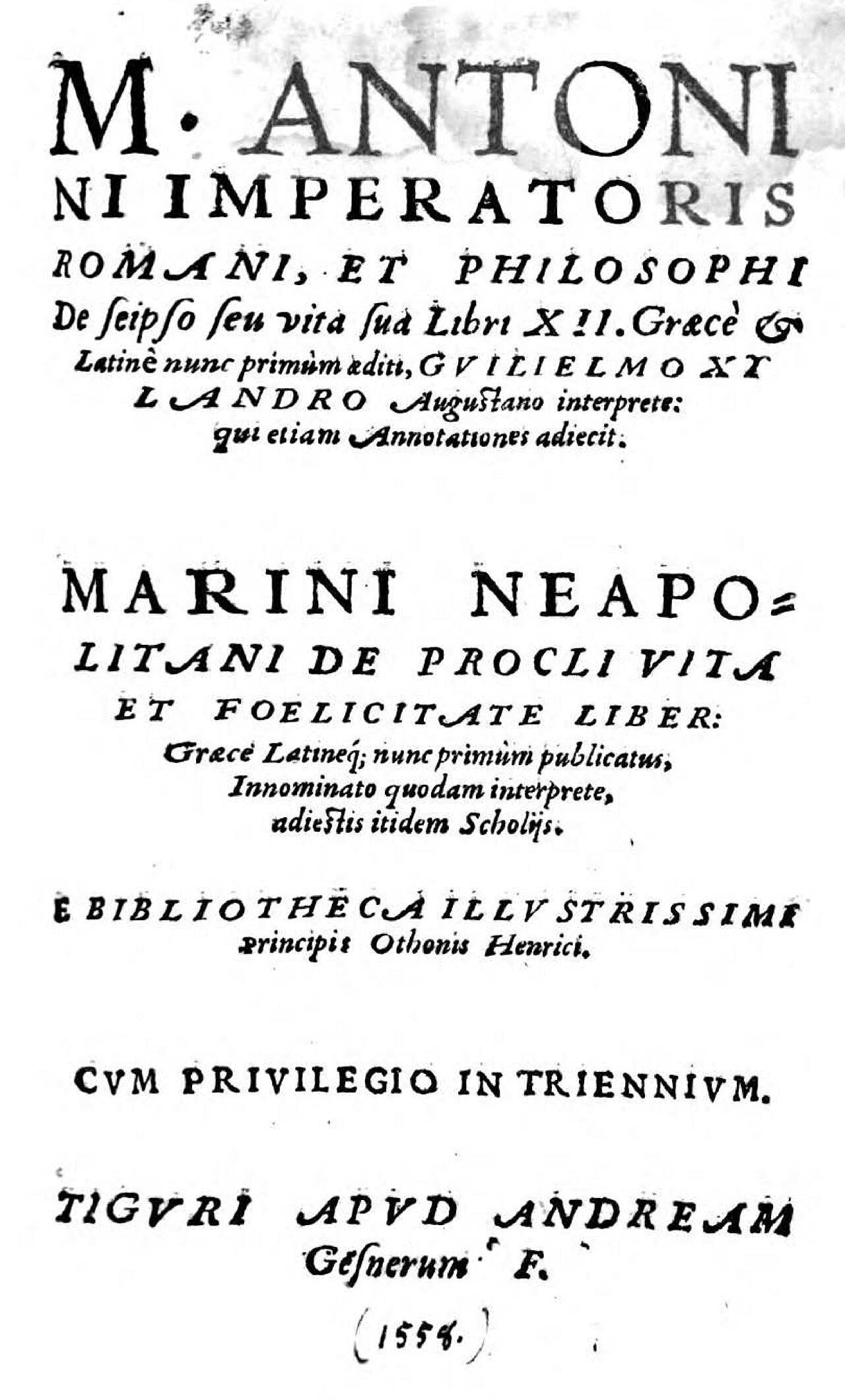 Book
Primary source
Meditations
Marcus Aurelius · c. 170-180 AD (this edition printed 1558)
 Sculpture
Primary source
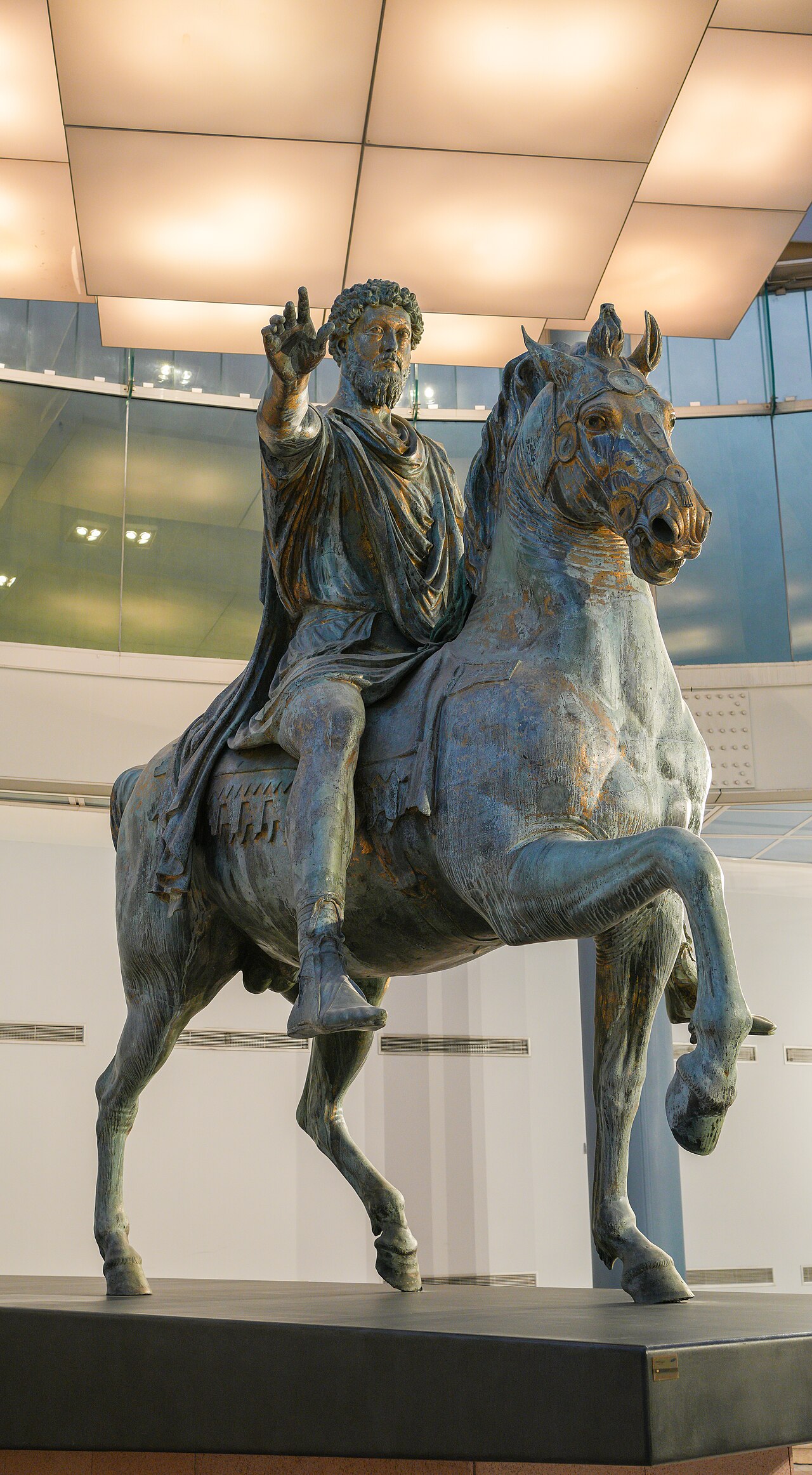
Equestrian Statue of Marcus Aurelius
c. 173 AD
 Artifact
Secondary source
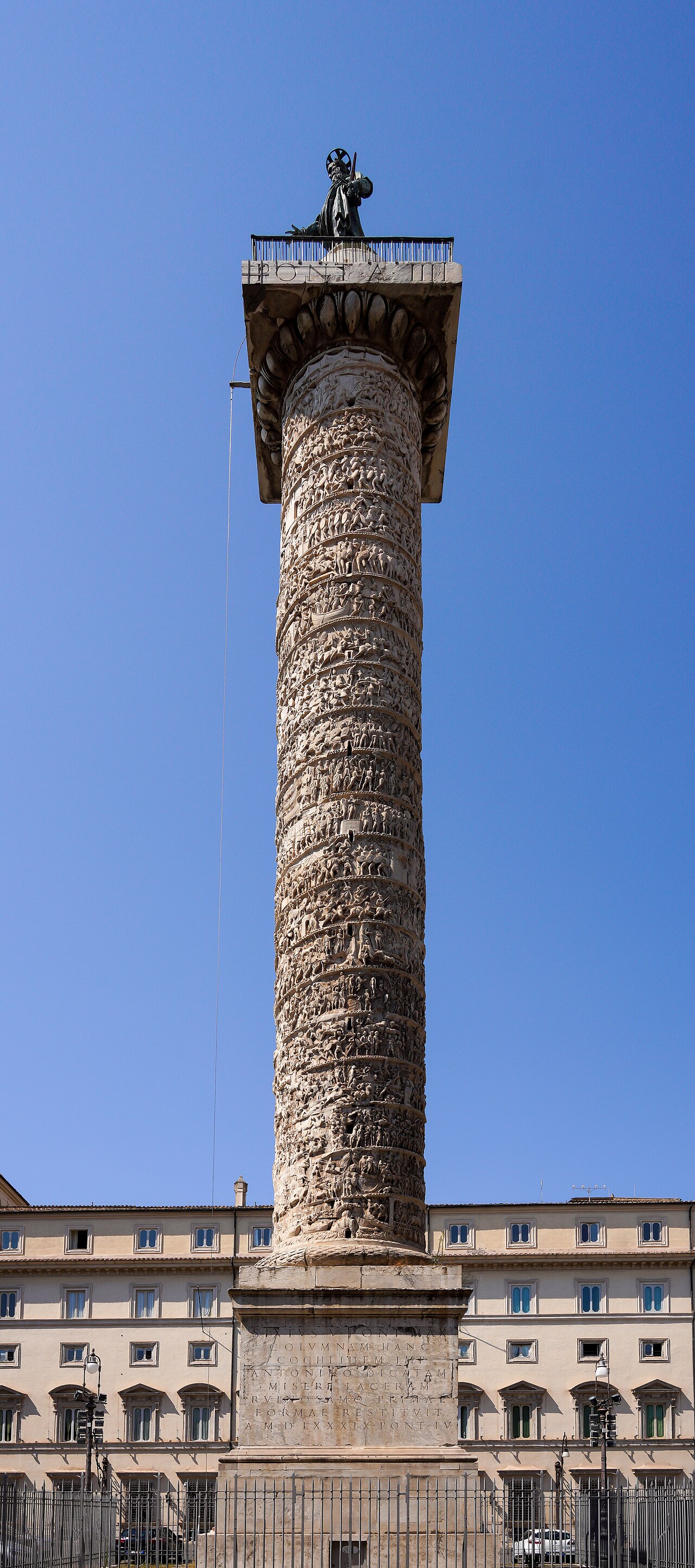
Column of Marcus Aurelius
completed c. 193 AD
Secondary source
Marcus Antoninus (Historia Augusta)
Scriptores Historiae Augustae · probably 4th century AD
 Sculpture
Primary source
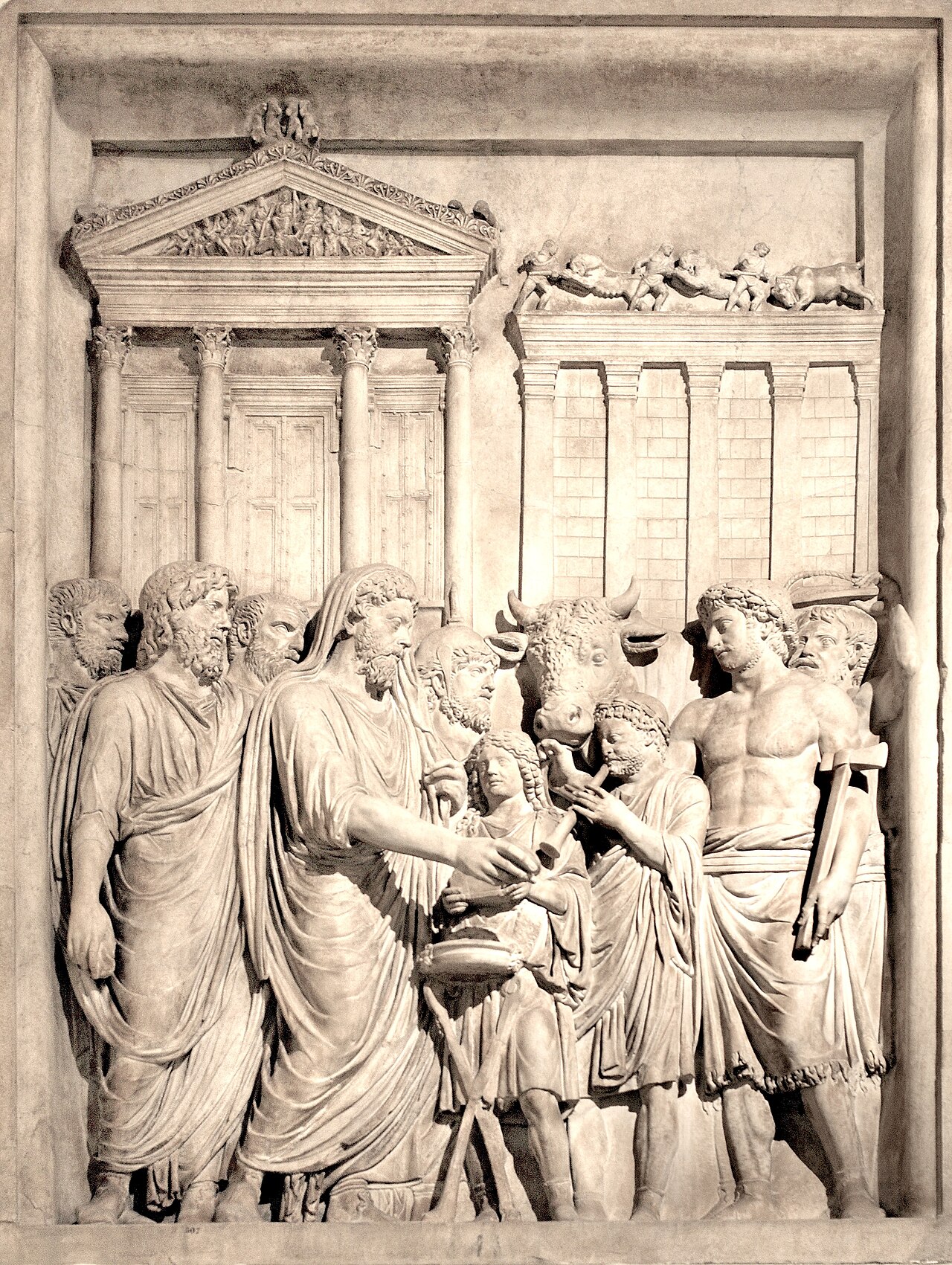
Panel Relief of Marcus Aurelius Sacrificing
Ready when you are
Start chatting with Marcus Aurelius now.
20 messages free · No credit card · Available in 50+ languages.